- English
- French
- German
- Portuguese
- Spanish
- Russian
- Japanese
- Korean
- Arabic
- Irish
- Greek
- Turkish
- Italian
- Danish
- Romanian
- Indonesian
- Czech
- Afrikaans
- Swedish
- Polish
- Basque
- Catalan
- Esperanto
- Hindi
- Lao
- Albanian
- Amharic
- Armenian
- Azerbaijani
- Belarusian
- Bengali
- Bosnian
- Bulgarian
- Cebuano
- Chichewa
- Corsican
- Croatian
- Dutch
- Estonian
- Filipino
- Finnish
- Frisian
- Galician
- Georgian
- Gujarati
- Haitian
- Hausa
- Hawaiian
- Hebrew
- Hmong
- Hungarian
- Icelandic
- Igbo
- Javanese
- Kannada
- Kazakh
- Khmer
- Kurdish
- Kyrgyz
- Latin
- Latvian
- Lithuanian
- Luxembou..
- Macedonian
- Malagasy
- Malay
- Malayalam
- Maltese
- Maori
- Marathi
- Mongolian
- Burmese
- Nepali
- Norwegian
- Pashto
- Persian
- Punjabi
- Serbian
- Sesotho
- Sinhala
- Slovak
- Slovenian
- Somali
- Samoan
- Scots Gaelic
- Shona
- Sindhi
- Sundanese
- Swahili
- Tajik
- Tamil
- Telugu
- Thai
- Ukrainian
- Urdu
- Uzbek
- Vietnamese
- Welsh
- Xhosa
- Yiddish
- Yoruba
- Zulu
When sourcing botanical ingredients for nutraceutical formulations, skincare development, or functional food applications, understanding the pricing structure behind Horse Chestnut Extract 20% Aescin UV becomes a strategic advantage for procurement teams. This standardized extract, derived from Aesculus hippocastanum seeds, commands attention in global markets due to its bioactive saponin profile and versatile applications. Pricing transparency matters because the UV spectrophotometry testing method directly influences how suppliers quote this ingredient, correlating analytical precision with commercial value. For R&D directors, formulation managers, and purchasing teams navigating competitive landscapes, grasping the factors behind cost variations—from raw material sourcing to certification requirements—enables smarter negotiations and long-term supplier relationships that balance quality assurance with budget constraints.


Understanding Horse Chestnut Extract 20% Aescin and Its UV Pricing
In the pharmaceutical, skincare, and nutraceutical businesses, Horse Chestnut Extract 20% Aescin UV is a carefully measured plant ingredient valued for its anti-inflammatory and antioxidant properties. The term "UV pricing" refers to a quality-control method in which readings of ultraviolet absorbance at certain wavelengths (usually 268–270nm) are used to figure out how much total triterpene saponin is present. This gives buying teams a way to make sure that all products are the same.
How UV Testing Influences Commercial Value
High-Performance Liquid Chromatography (HPLC) methods separate different types of saponin isomers, but UV spectrophotometry measures the total active load, which makes it a cheap method for broad-spectrum uses. This testing method has a direct effect on prices because suppliers can show purity levels without having to buy more expensive analytical tools. Buyers can compare products from different sellers in a standard way. However, it's important to note that UV readings are usually 1.5 to 2 times higher than HPLC values for the same materials because the HPLC method is more general.
Primary Pricing Influencers
The business world for this extract is shaped by a number of interconnected factors. Raw material origin is very important. Horse chestnut seeds from Europe often command higher prices because their supply chains are well-established and the quality is thought to be consistent. On the other hand, seeds from developing markets may be cheaper, but they need to go through more thorough seller screening. The extraction methodology is very important. For example, water-ethanol extraction gives you different purity profiles than manufactured solvent extraction. Water-ethanol extraction fits better with clean-label trends, but it might cost more to make. Certification standards like NSF GMP, FSSC22000, Kosher, Halal, ISO, and Organic credentials add value that can be measured, but they also cost sellers money to comply with, which they then pass on to customers. Market supply dynamics, such as seasonal harvests and geopolitical factors that affect agricultural outputs, cause price changes that procurement specialists need to plan for when they make their annual budgets.

Key Applications and Market Demand Driving Pricing Dynamics
The growth of Horse Chestnut Extract 20% Aescin UV in the market shows how consumer tastes are changing toward botanical alternatives in many fields. The extract is used in pharmaceuticals because it has been shown to improve blood circulation, which makes it a popular ingredient in leg health products. Cosmetic companies put this ingredient in eye creams and leg gels that reduce puffiness by using its anti-edema properties to meet customer demands for results that can be seen. Dietary supplement companies put aescin extracts in categories that help blood flow. They do this to meet the needs of an aging population that wants natural health solutions.
Regulatory Compliance and Market Access
There is a link between strict regulations that affect prices and rising demand in North American and European markets. Compliance costs, such as paperwork for FDA facility registration, EU Novel Food assessments, and Health Canada Natural Product Numbers, are extra costs that honest suppliers take on and include in their prices. Seasonal factors also affect availability. Horse chestnut seed harvests happen during certain windows, which limits supply in a way that smart buyers can plan for by building relationships during slow times. Geopolitical considerations, changes in tariffs, and problems with shipping caused by geopolitics add to the number of factors that affect prices, which is why it's smart to have more than one supplier.
Scientific Validation Supporting Procurement Confidence
Clinical research that proves the extract's usefulness creates market pull that keeps prices stable. Research showing how aescin stops the activity of the hyaluronidase enzyme and protects the integrity of the extracellular matrix gives R&D teams the scientific basis they need to explain their choice of ingredients to stakeholders. This positioning, based on proof, lets high-quality sellers keep their high prices while giving buyers the confidence they need to back up product claims within the limits of the law.
Comparing Horse Chestnut Extract 20% Aescin Products and Pricing Options
When procurement professionals look for ingredients, they come across different product specs that have a big effect on both how Horse Chestnut Extract 20% Aescin UV works and how much it costs. Knowing these differences helps you make smart choices that meet the needs of your individual application.
Concentration Variations and Their Cost Implications
For cosmetics and food supplements, a 20% aescin concentration is the standard. For other uses, different ratios are available, running from 10% to 98%. Lower amounts (10–15%) are cheaper for formulas that care more about the synergistic botanical profiles than the highest strength. On the other hand, pharmaceutical-grade 98% sodium aescinate costs a lot more because it has to be cleaned up so much. The 20% UV standard is a good compromise between giving enough bioactive density for consumer health products and keeping prices low enough to meet the needs of all sales channels for margin requirements.
Format Selection: Powder versus Liquid Extracts
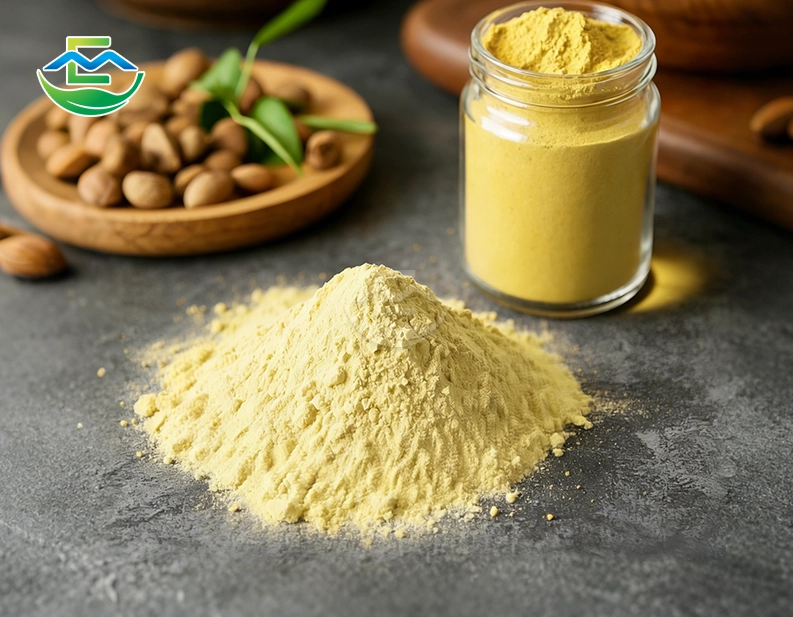
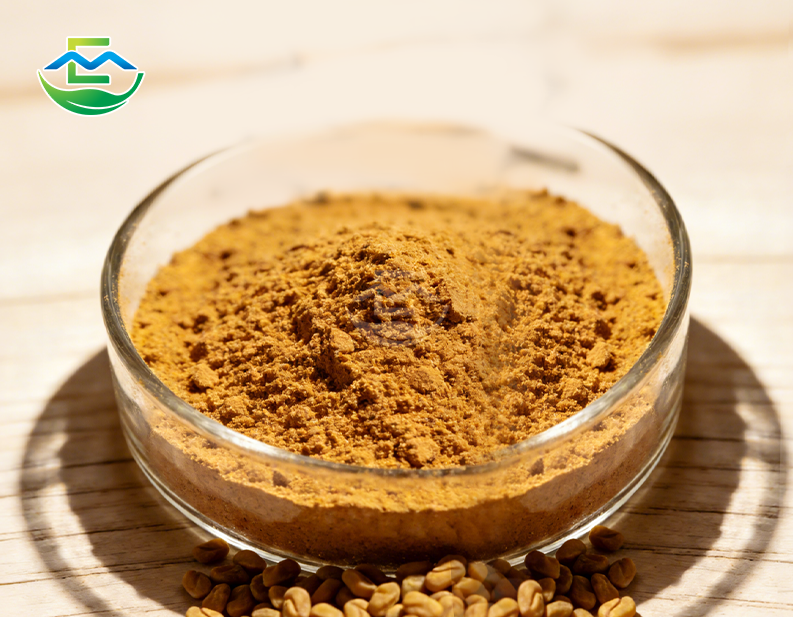
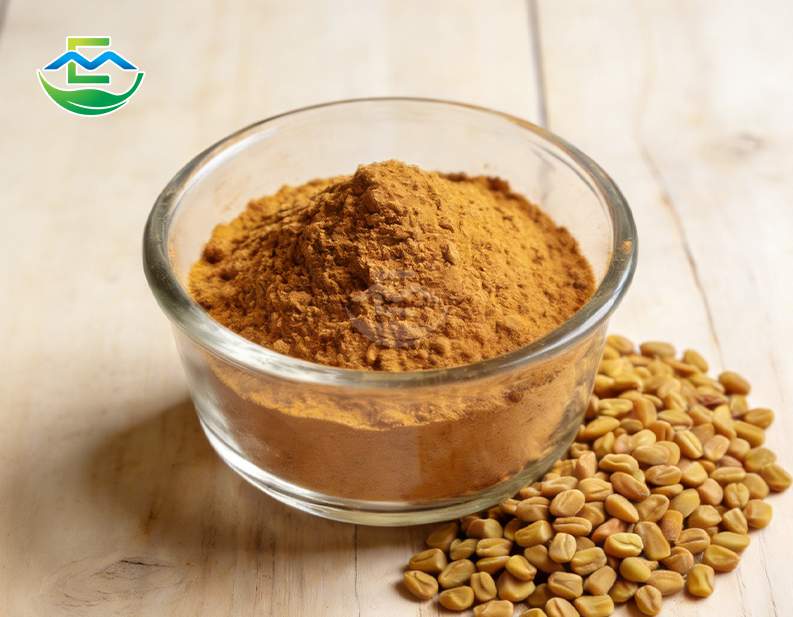
The choice of physical format affects logistics, formulation compatibility, and management of the product's shelf life. The normal form for 20% aescin extracts is a brownish-yellow powder that is more stable, easier to ship, and more flexible when it comes to mixing. Powder forms work well with capsule filling and pill compression because the particles are usually 80 mesh (95% pass-through rate) and the bulk density is between 0.45 and 0.65 g/ml. Even though they aren't used very often at this strength, liquid extracts make it easier to make makeup emulsions, but they can be unstable and cost more to ship because of their weight.
Evaluating Supplier Quality Through Documentation
Certificates of Analysis (COAs) are the most basic form of quality control. They show important details beyond the content of an essay. Heavy metal profiles (lead <3.0 mg/kg, mercury <0.1 mg/kg), microbial load limits, Polycyclic Aromatic Hydrocarbons (PAHs) testing (necessary for drying seeds), and solvent residue verification (ethanol < 5000 ppm) are all included in full COAs. Suppliers who offer transparency through third-party lab validation show a dedication to quality that supports the prices they charge. Bulk prices usually depend on how much you buy. The smallest minimum order quantities (MOQs) start at about 25 kg, and savings get bigger at 100 kg, 500 kg, and ton contracts. These bulk breaks give buyers a chance to get the best landing costs by planning their purchases strategically.
Procurement Best Practices for Horse Chestnut Extract 20% Aescin
Setting up reliable supply chains for Horse Chestnut Extract 20% Aescin UV requires more than just comparing prices. It also needs careful evaluation of suppliers and relationship management strategies that go beyond that.
Certification Verification and Supplier Accreditation
Long-term procurement problems can be avoided by giving priority to suppliers with industry certifications that can be checked. The NSF GMP certification shows that the company follows Good Manufacturing Practices for dietary supplements, and the FSSC22000 certification talks about food safety management systems that are important for functional food uses. Kosher and Halal approvals help brands reach more customers who are religiously or culturally different. ISO standards prove that quality management systems are in place, and Organic approval (if available) means higher prices but access to niche markets. Instead of accepting claims that are out of date or can't be checked, buyers should ask for current certification documents and make sure they are valid by contacting the organizations that issued them.
Strategic MOQ Management and Partnership Development
It is possible to make better buying plans when you know how minimum order numbers affect unit economics. The normal MOQ of 25 kg works well for the first stages of product development and testing, as it lets R&D teams make sure that formulations work before committing to bigger volumes. Long-term supply deals with higher volume commitments (quarterly orders of 100 kg or more) usually lead to better prices, priority allocation during supply shortages, and better technical support. These partnerships are especially helpful when there aren't enough ingredients or when prices change with the seasons in ways that can throw off budget plans.
Risk Mitigation Through Transparent Testing Protocols
Plant ingredients that are fake or have been tampered with are big problems that smart buyers are very careful to avoid. Instead of depending only on COAs from suppliers, asking for third-party lab testing from separate facilities adds extra checks that protect brand identity. Thin Layer Chromatography (TLC) or High-Performance Thin Layer Chromatography (HPTLC) tests prove that the plants are real, so cheaper saponin sources can't be used instead. Setting baseline requirements through initial thorough testing and then applying ongoing random batch verification creates quality control frameworks that are in line with pharmaceutical-grade purchasing standards, even for nutritional uses.

UV Pricing Breakdown Case Study and Practical Recommendations
If you look at how much Horse Chestnut Extract 20% Aescin UV costs, you can see where the value is in the purchase and how buyers can best plan their spending.
Component Cost Analysis
Raw material acquisition costs about 35 to 45 percent of the final price of quality-grade extracts. Costs for getting seeds depend on how many seeds are harvested. For example, European seeds cost between $4 and $6/kg, while Asian sources cost between $2 and $4/kg. Extraction processing adds 20–30% to the cost, which includes the cost of the water-ethanol solvent, the energy needed for concentration, the labor to run the spray-drying equipment, and the energy used for concentration. Quality testing and compliance documentation make up 10 to 15 percent of the total cost. This includes heavy metal screening, microbial testing, UV spectrophotometry analysis, and PAH proof. Packaging in 25 kg fiber drums with food-grade poly liners adds about 5 to 8 percent, and logistics (warehousing, customs processing, and local delivery) adds another 10 to 15 percent, depending on the market. The Supplier margins are usually between 15% and 25%. They depend on where they are in the market, the level of service they provide, and any extra services they offer, such as technical support or help with custom formulations.
Volume-Based Pricing Structures
Prices will be set in ways that reward commitment from procurement teams. For normal 20% UV specifications from reliable suppliers with full certifications, sample orders or first orders of 25 kg might cost between $85 and 110/kg. When you commit to buying 100–250 kg, the price per unit usually drops to between 70 and 90 kg. If you commit to buying over 1,000 kg a year, the price can get as low as 55–75 kg, based on the market and the supplier's capacity. These brackets help with planning, but to get real prices, you need to talk to the seller directly and take into account how the market is changing right now.
Strategic Recommendations for Procurement Optimization
Buyers who are good at balancing quality assurance with cost management use a number of strategies. If you buy seeds after the harvest, in late fall, when supply is at its highest, you can take advantage of seasonal price drops. Setting up dual-source strategies with both main and secondary providers helps keep the supply chain running smoothly without lowering the standards for certification. Working closely with suppliers on technical details, like changing the particle size to fit certain encapsulation equipment, can lead to a value-added service that justifies higher prices. Monitoring commodity rates for farm goods and solvent costs gives early warning signs of changing prices, which lets budgets be changed proactively instead of having to be rushed. Building open lines of contact where both sides can share market information makes working together relationships that can handle changes better than transaction-only ones.

Conclusion
To figure out how much Horse Chestnut Extract 20% Aescin UV should cost, you need to know how analytical methods, quality certifications, and market dynamics all work together to determine its commercial value. When procurement workers understand these links, they can negotiate better terms while still meeting the quality standards their applications need. While the UV testing protocol gives buyers a way to compare things objectively, they must also thoroughly check out the suppliers' credentials, including their certifications, the honesty of their tests, and their ability to run their business. As the markets for natural ingredients continue to change toward more scrutiny from regulators and higher expectations of transparency from consumers, suppliers who can show consistent quality, quick service, and fair pricing will become preferred partners. When formulation performance and regulatory compliance are properly weighted, successful buying strategies balance immediate cost pressures against long-term relationship value. They know that the lowest price rarely offers the best total value.
FAQ
1. What factors most significantly affect extract pricing?
The main factors that affect the price of Horse Chestnut Extract 20% Aescin UV are the source of the raw materials, the method used for extraction, the amount of certification, and the size of the order. It makes sense that suppliers of European seeds with full certifications (NSF GMP, FSSC22000, Organic) charge more than suppliers of seeds with only minimal certifications. But the value proposition includes lower risks of not following the rules and consistent quality that makes formulation problems less likely.
2. How does UV testing compare to HPLC methodology?
UV spectrophotometry measures the amount of total saponin by measuring how much light is absorbed at certain wavelengths. This is a cheap way to standardize ingredients that can be used in cosmetics and dietary supplements. HPLC separates individual compounds, which gives pharmaceutical companies the higher precision they need but makes tests much more expensive. Buyers should make sure that the scientific methods they buy are right for the job and meet any legal requirements.
3. What represents a reasonable MOQ for initial procurement?
Standard MOQs in the industry start at 25 kg, which is packed in single-fiber bins. This amount is good for developing the first formulation and trying its reliability while keeping inventory exposure controlled. Some sellers offer smaller sample sizes (100–500g) for initial testing. These are often given away for free in exchange for promises to place bigger orders once the formulation is approved.
Partner with EM for Your Horse Chestnut Extract 20% Aescin UV Supply Needs
EM has been a seller to formulators of nutraceuticals, cosmetics, and functional foods since 2018 and knows how to get botanical ingredients that meet the high standards your customers need. Modern factories and four strategically placed U.S. warehouses are part of our operations in California. This lets us fulfill orders in two days, which keeps your production schedules on track. Quality control is the most important thing to us. Every batch goes through a lot of tests and comes with full COA paperwork that supports NSF GMP, FSSC22000, Kosher, Halal, ISO, and Organic certificates. Our technical team can help you with formulation and has advanced extraction skills that can help you get the most out of the Horse Chestnut Extract 20% Aescin UV in your specific matrices. Our supply chain choices are based on environmentally friendly and sustainable practices, which are in line with the values that are becoming more and more important in buying decisions. If you are a procurement professional looking for a reliable horse chestnut extract manufacturer, please send us a customized quote that includes your volume needs and delivery preferences. You can get full product specs, sample requests, and scientific documentation that help your evaluation process by emailing us at info@em-herb.com. Let's talk about how our low prices, steady quality, and quick service can help your supply line for ingredients.
References
1. Sirtori, C.R. (2001). "Aescin: pharmacology, pharmacokinetics and therapeutic profile." Pharmacological Research, 44(3), 183-193.
2. Pittler, M.H. & Ernst, E. (2012). "Horse chestnut seed extract for chronic venous insufficiency." Cochrane Database of Systematic Reviews, Issue 11.
3. Guillaume, M. & Padioleau, F. (1994). "Veinotonic effect, vascular protection, anti-inflammatory and free radical scavenging properties of horse chestnut extract." Arzneimittel-Forschung/Drug Research, 44(1), 25-35.
4. Dudek-Makuch, M. & Studzińska-Sroka, E. (2015). "Horse chestnut - efficacy and safety in chronic venous insufficiency: an overview." Revista Brasileira de Farmacognosia, 25(5), 533-541.
5. Wilkinson, J.A. & Brown, A.M. (1999). "Horse chestnut - Aesculus hippocastanum: potential applications in cosmetic skin-care products." International Journal of Cosmetic Science, 21(6), 437-447.
6. European Medicines Agency (2009). "Assessment report on Aesculus hippocastanum L., semen." Committee on Herbal Medicinal Products, EMA/HMPC/638244/2008.