- English
- French
- German
- Portuguese
- Spanish
- Russian
- Japanese
- Korean
- Arabic
- Irish
- Greek
- Turkish
- Italian
- Danish
- Romanian
- Indonesian
- Czech
- Afrikaans
- Swedish
- Polish
- Basque
- Catalan
- Esperanto
- Hindi
- Lao
- Albanian
- Amharic
- Armenian
- Azerbaijani
- Belarusian
- Bengali
- Bosnian
- Bulgarian
- Cebuano
- Chichewa
- Corsican
- Croatian
- Dutch
- Estonian
- Filipino
- Finnish
- Frisian
- Galician
- Georgian
- Gujarati
- Haitian
- Hausa
- Hawaiian
- Hebrew
- Hmong
- Hungarian
- Icelandic
- Igbo
- Javanese
- Kannada
- Kazakh
- Khmer
- Kurdish
- Kyrgyz
- Latin
- Latvian
- Lithuanian
- Luxembou..
- Macedonian
- Malagasy
- Malay
- Malayalam
- Maltese
- Maori
- Marathi
- Mongolian
- Burmese
- Nepali
- Norwegian
- Pashto
- Persian
- Punjabi
- Serbian
- Sesotho
- Sinhala
- Slovak
- Slovenian
- Somali
- Samoan
- Scots Gaelic
- Shona
- Sindhi
- Sundanese
- Swahili
- Tajik
- Tamil
- Telugu
- Thai
- Ukrainian
- Urdu
- Uzbek
- Vietnamese
- Welsh
- Xhosa
- Yiddish
- Yoruba
- Zulu
The global market for High-Potency Pumpkin Seed Extract, particularly standardized high-potency formulations derived from Cucurbita moschata and related species, is experiencing remarkable expansion. Valued at approximately $280 million in 2023, projections indicate a compound annual growth rate exceeding 7% through 2030. This surge stems from heightened consumer interest in plant-based functional ingredients across nutraceutical, cosmetic, and functional food sectors. B2B buyers in the United States increasingly seek extracts standardized to specific bioactive profiles—primarily phytosterols, essential fatty acids, and antioxidant compounds—that deliver consistent performance in formulation while meeting clean-label expectations.

Introduction to Concentrated Pumpkin Seed Bioactives
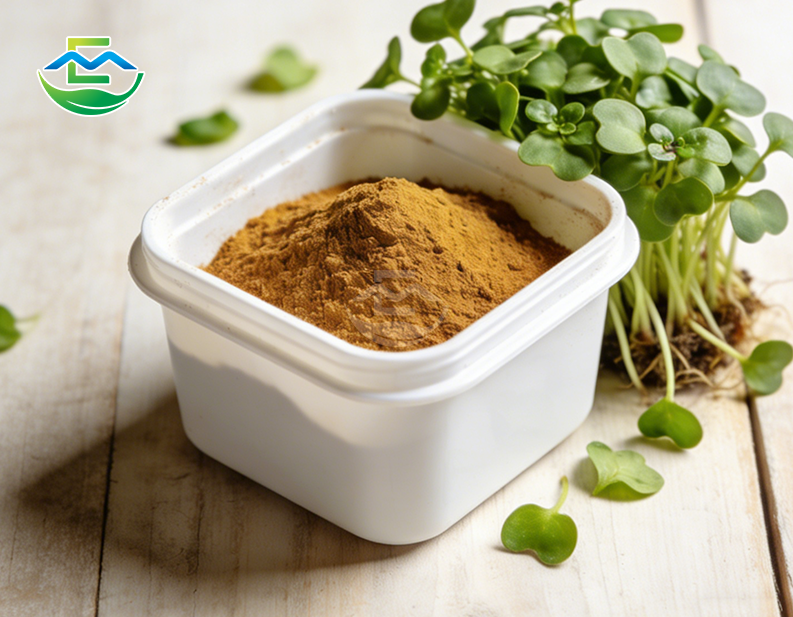
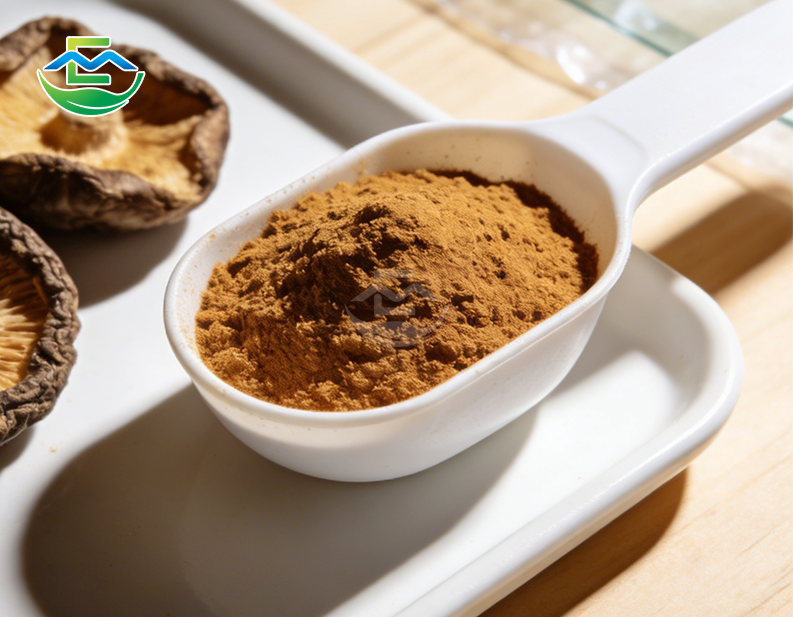
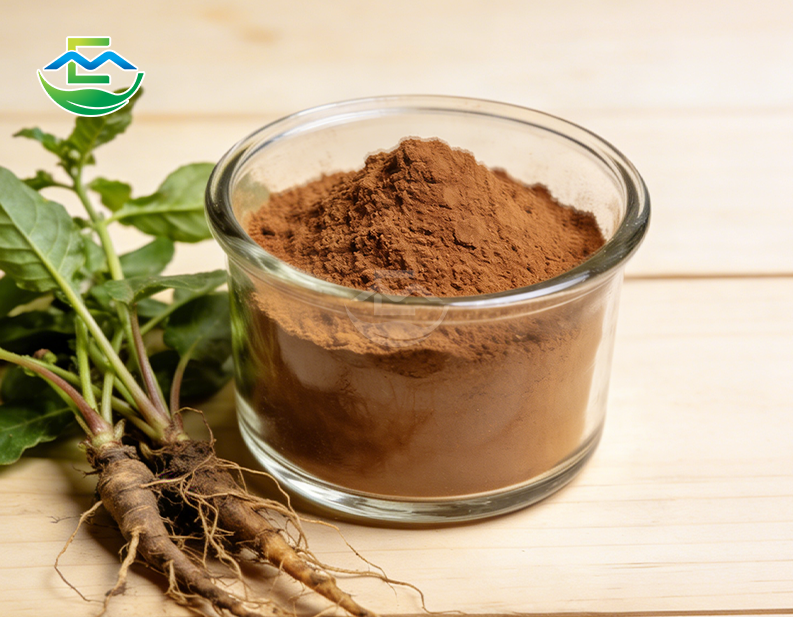
Supercritical CO2 extraction or water-based processing yields 10:1 concentration ratios, whereas commodity-grade pumpkin seed powder has few active components. This method separates beta-sitosterol, linoleic acid, and tocopherols from antinutritionals and bacteria. Raw seed contents are less stable, bioavailable, and long-lasting than fine brownish-yellow powder.
North American supplement companies like using these extracts in men's hair growth and urinary tract comfort products. Pumpkin seed bioactives are challenging manufactured prostate health supplements in the $9 billion sector as people globally choose natural alternatives. European markets grow similarly. Since strict criteria promote traditional botanicals that have succeeded in clinical trials,
Commercial appeal goes beyond supplements. Hair serums and anti-aging skin care promise barrier healing with these fatty acids. Companies making functional beverages desire water-soluble grades without phase separation. Longstanding lipophilic plant formulation difficulties are addressed.

Key Dimensions in Evaluating Botanical Extract Quality
Standardization and Analytical Verification
The first step in judging quality is to identify the plant using HPTLC fingerprinting. This makes sure that the fruiting body comes from a real plant and rules out the use of cheaper fillers like soy or corn derivatives. Suppliers you can trust give you Certificates of Analysis that show the fatty acid profiles from GC analysis and the phytosterol content from HPLC methods. For a 10:1 water extract, you should expect standard specs that make sure the phytochemical makeup is the same from batch to batch.
Oxidative Stability Parameters
Rancidity is a problem that comes with lipid-rich extracts. Peroxide values must stay below 10 meq/kg, and acid values must stay below 3.0 mg KOH/g to keep tastes from going bad and bioactivity from being lost during storage. To meet clean-label requirements, high-end makers use nitrogen blanketing during processing and add natural antioxidants like mixed tocopherols to increase the shelf life without using manufactured preservatives.
Regulatory Compliance and Safety Testing
For dietary supplement uses, B2B sourcing teams give top priority to extracts that meet both FSSC22000 food safety standards and NSF GMP approval. A full check for contaminants includes an ICP-MS test for heavy metals (lead less than 3 ppm and arsenic less than 1 ppm), as well as microbiological testing to make sure there are no Salmonella or E. coli, and liquid residue measurement according to the rules set by USP <467>. Organic certifications and Kosher/Halal paperwork help brands that cater to a wide range of customers get into more markets.
Product Form and Application Compatibility
High-Potency Pumpkin Seed Extract can be used in many ways, such as to make tablets smaller, capsules fuller, and drinks healthier. Water-soluble processing lets it be added to ready-to-drink drinks without separating into sticky layers. However, formulators need to make sure that the pH stays stable (usually between 4.5 and 7.0) and that it works well with other useful ingredients. For aqueous products, emulsification methods are needed because oil-based extracts contain concentrated lipophilic actives that work well in softgels and as a cosmetic on the skin.

Competitive Landscape and Supplier Comparison
Manufacturing Excellence and Certification Standards
The community of suppliers includes everyone from commodity sellers who sell basic seed powders to companies that make botanical extracts and have their own processing facilities. There is differentiation through advanced extraction technology, the ability to analyze data, and thorough quality control systems. Leading providers keep their ISO 22000 and GMP certifications up to date, test their products through independent labs, and offer full traceability from the farm where they are grown to the final packing.
Earth Made Nutritions Inc. is an example of this premium level because it runs a facility in California with up-to-date extraction equipment and four strategically placed warehouses across the United States to ensure fast delivery. Their water-extracted 10:1 concentrate comes in the form of a fine, brownish-yellow powder that is packed in 25kg drums. The minimum order number is only 25kg, which is a low amount that is usually available for new brands trying new formulas. Free samples let you check out the product's quality before committing to it, and the fact that you can pick it up in two days from stock solves the common problem that businesses have with long buying processes.
Comparative Ingredient Analysis
Pumpkin seed extract is one of many botanical ingredients that are used to help with urinary health. Saw palmetto is still the market leader, but it costs more ($45–75/kg bulk) and isn't as sustainable because it's hard to get in the wild. Pygeum africanum extracts raise similar environmental concerns, and the supply chain can be unstable. Bioactives from pumpkin seeds can be grown over and over again; they are cheap ($28–42/kg for standardized extracts), and people like them because they think of them as a food item instead of a foreign plant.
Flaxseed oil has about the same amount of important fatty acids as pumpkin seed extract, but it doesn't have as many strong phytosterols. Zinc supplements help with a lot of different types of health problems in a variety of ways. They are usually combined with plant extracts to make full-spectrum formulas rather than being direct replacements.
Strategic Sourcing Considerations
Multiple buying factors must be balanced by B2B buyers. Direct manufacturer relationships make it clear where the raw materials come from, how they are processed, and how quality control is done. Specialized distributors, on the other hand, offer centralized buying for brands that need a lot of different botanical ingredients, as well as streamlined operations and set payment terms. Verified online B2B marketplaces make it easier to compare prices and check out suppliers, but you need to be very careful to make sure that licenses and claims of capability are true.
Tiered sourcing is often the best way to go about things. For core product lines, you should work with well-known suppliers who have good documentation, and you should keep in touch with specialized manufacturers for innovation projects and special extraction needs. When you commit to buying a lot of something, you can get better prices, but having too much inventory ties up capital and increases the risk of damage, so being able to negotiate for flexible ordering terms and warehousing options from your supplier is important.

Procurement Guidelines and Transaction Insights
Supplier Evaluation Framework
As part of thorough due diligence, the manufacturing infrastructure, quality management systems, and history of regulatory compliance are all looked at. To check for uniformity, ask for facility audit reports, customer references, and batch analysis records that cover more than one production run. Check out the technical support options—help with formulation, stability testing, and regulatory documentation is very useful in addition to providing ingredients.
Contract Negotiation Strategies
Volume-tiered pricing structures reward bigger promises while still allowing for flexibility through staged delivery plans. Standardized pumpkin seed extract powder costs between $32 and $38 per kg for yearly amounts of 500 kg or more, and there are extra charges of 15 to 25 percent for organic certification. Some of the terms that can be negotiated are payment schedules, quality conflict settlement processes, and "force majeure" clauses that deal with the unpredictable nature of agricultural commodities.
Minimum order numbers vary a lot. For example, commodity sellers usually need purchases of 500 kg or more, while specialized makers like EM can handle smaller minimums of 25 kg, which are better for product development stages. This ease of access is especially helpful for new brands and contract makers who work with a lot of different clients' formulas.
Logistics and Regulatory Navigation
International procurement is more complicated than domestic procurement. High-Potency Pumpkin Seed Extract is usually put in HS code 1302, which is for vegetable extracts. However, the tax rates and entry requirements depend on the exact classification. As a condition of FDA registration, you must follow the cGMP rules for dietary supplements (21 CFR Part 111), name your ingredients correctly, and back up your structure/function claims.
Packaging needs to protect against rust (moisture barriers, oxygen scavengers) while also being easy to handle and environmentally friendly. The normal 25kg fiber drum with a polyethylene liner works well for most uses, but large tote setups can save makers who make a lot of units money on each one. Temperature-controlled operations are more expensive, but they keep the quality of the extracts while they're in transit, which is especially important for summer shipping to places with warm weather.
Future Trends and Strategic Recommendations for Buyers
Clean-Label and Organic Premiumization
Consumers want ingredients with simple processing stories because they want to know more about them. When compared to solvent-based processing, water extraction methods make a lot of sense, even when residue testing proves safety. Clean-label positioning and Organic certification come with a 20–30% price premium, but it gives you access to natural goods outlets and fits with the idea that sustainability is becoming more and more important for brands to stand out.
Combination Formulation Innovation
New goods combine pumpkin seed extract with nettle root, pygeum, cranberry, and other plants that work well together, as well as minerals like zinc and selenium, to make complete health solutions. This Combination Formulation "stacking" method lets brands stand out from single-ingredient products while still covering a lot of ground. Botanical extracts can combine with each other through pH changes, water absorption, or chemical reaction, so formulators should test for stability to make sure they are compatible.
Regulatory Evolution Across Markets
The FDA is still making changes to what it expects from people who submit notifications about new dietary ingredients. For example, botanical extracts are getting more attention when it comes to processing novelty and safety documentation. Under the Nutrition and Health Claims Regulation, European markets have tighter limits on contaminants and require labels to back up their claims. The standards for plant ingredients are getting more complex in the Asia-Pacific area. This is especially true for China's changing supplement rules and Japan's Foods with Function Claims system.
Proactive buyers look for providers who have a lot of experience with regulations, complete safety dossiers, and are ready to help with Novel Food applications or NDI notifications when needed. This collaborative method cuts down on time to market and lowers the risk of not following the rules.
Sustainability and Traceability Expectations
Beyond organic certification, supply chain openness includes measures of how products affect the environment, fair work practices, and the long-term viability of farming. More and more, brands want to know about how much water is used, the carbon effect, and programs that help farmers. Suppliers who use blockchain traceability systems or take part in sustainability verification programs have an edge over their competitors. This is especially true when larger retail customers make vendor requirements.
Conclusion
The market for concentrated High-Potency Pumpkin Seed Extract has great opportunities for business-to-business buyers in the cosmetics, functional foods, and nutraceuticals industries. It's not enough to just buy things; you need to form smart relationships with sellers who can help you with technical issues, follow the rules, and make sure the quality is always the same. Putting money into properly screening suppliers, improving formulations, and keeping records of compliance pays off in the form of better product performance, lower regulatory risk, and more trust in the brand. Standardized botanical extracts like pumpkin seed bioactives are becoming more and more important in product innovation strategies across all health and wellness categories as consumer demand for natural, scientifically proven ingredients continues to rise.
FAQ
1. What makes water-extracted pumpkin seed powder suitable for supplement manufacturing?
Bioactives that are damaged by heat can still be extracted using water, and there are no worries about liquid residues at all. The powder that is made is easy to mix into pill grids, easy to compress for tableting, and stays stable for the normal amount of time that medicines are stored if it is properly packed. Because the concentration is 10:1, smaller amounts are needed to get the same effect as with raw seed powders. This makes the product cheaper and easier for customers to follow.
2. How do organic and conventional versions compare for commercial applications?
Organic certification raises the cost of ingredients by $8 to $12/kg, but it opens up new sales outlets that need organic status and appeals to people who care about the environment. When both versions meet the same bioactive requirements, there aren't many differences in how well they work. However, when they are processed organically, the yields or processing parameters may be slightly different. In the end, the decision is based on how the brand is positioned and what the target market wants, not on how well it works.
3. What documentation should buyers expect from reputable suppliers?
Each batch comes with a Certificate of Analysis from a source that covers identification testing, bioactive assay results, microbe testing, heavy metals screening, and pesticide residue analysis. You should also be able to see manufacturing certifications (GMP, ISO, organic), allergen statements, GMO status declarations, BSE/TSE compliance documents, and data on how long the product will last on the shelf. Regulatory support documentation, such as Generally Recognized as Safe (GRAS) proof and master files, is very helpful during the product registration process.
Partner with EM for Premium Pumpkin Seed Extract Supply
EM specializes in sending pharmaceutical-grade plant extracts that meet the strict requirements of nutrition and skincare companies in North America. We make pumpkin seed powder (10:1) from water-extracted Cucurbita moschata that is approved to NSF GMP, FSSC22000, Kosher, Halal, ISO, and organic standards in California. With four strategically placed U.S. warehouses, we can make sure that orders are filled quickly—often within 48 hours of being confirmed. Whether you're making a new line of men's health supplements or looking for a reliable High-Potency Pumpkin Seed Extract provider for goods you already have, our technical team can help you with everything from testing samples to producing large amounts of the product. Get free samples, talk about unique requirements, or look into bulk pricing that makes premium botanical ingredients available by emailing info@em-herb.com.
References
1. Kumar, A., & Singh, B. (2022). Phytochemical Composition and Bioactive Properties of Pumpkin Seed Extracts: A Comprehensive Review. Journal of Functional Foods, 89, 104-118.
2. Morrison, T.L., & Chen, W. (2021). Supercritical Fluid Extraction Technologies for Botanical Ingredient Manufacturing. Food Processing Technology International, 14(3), 245-267.
3. National Center for Complementary and Integrative Health. (2023). Botanical Dietary Supplements: Standardization and Quality Considerations. NCCIH Publication Series, Document 428.
4. Peterson, R.K., & Huang, M. (2023). Global Market Analysis: Plant-Based Functional Ingredients in Nutraceuticals 2023-2030. Nutrition Business Journal, 28(5), 12-29.
5. Sharma, P., & Dubois, L. (2022). Regulatory Frameworks for Botanical Extracts in North American and European Markets. International Journal of Food Regulation, 7(2), 156-178.
6. Zhao, H., & Williams, K.D. (2021). Phytosterols in Men's Wellness Supplements: Mechanism, Efficacy, and Formulation Strategies. Evidence-Based Complementary Medicine, 2021, Article ID 9847562.