- English
- French
- German
- Portuguese
- Spanish
- Russian
- Japanese
- Korean
- Arabic
- Irish
- Greek
- Turkish
- Italian
- Danish
- Romanian
- Indonesian
- Czech
- Afrikaans
- Swedish
- Polish
- Basque
- Catalan
- Esperanto
- Hindi
- Lao
- Albanian
- Amharic
- Armenian
- Azerbaijani
- Belarusian
- Bengali
- Bosnian
- Bulgarian
- Cebuano
- Chichewa
- Corsican
- Croatian
- Dutch
- Estonian
- Filipino
- Finnish
- Frisian
- Galician
- Georgian
- Gujarati
- Haitian
- Hausa
- Hawaiian
- Hebrew
- Hmong
- Hungarian
- Icelandic
- Igbo
- Javanese
- Kannada
- Kazakh
- Khmer
- Kurdish
- Kyrgyz
- Latin
- Latvian
- Lithuanian
- Luxembou..
- Macedonian
- Malagasy
- Malay
- Malayalam
- Maltese
- Maori
- Marathi
- Mongolian
- Burmese
- Nepali
- Norwegian
- Pashto
- Persian
- Punjabi
- Serbian
- Sesotho
- Sinhala
- Slovak
- Slovenian
- Somali
- Samoan
- Scots Gaelic
- Shona
- Sindhi
- Sundanese
- Swahili
- Tajik
- Tamil
- Telugu
- Thai
- Ukrainian
- Urdu
- Uzbek
- Vietnamese
- Welsh
- Xhosa
- Yiddish
- Yoruba
- Zulu
Lion's Mane Extract Polysaccharides Beta-Glucan stability testing serves as a critical quality assurance process that evaluates how bioactive compounds retain their potency under varying storage conditions, processing temperatures, and environmental stresses. This analytical approach measures degradation patterns of specific molecular structures—particularly 1,3-1,6-beta-D-glucans—across designated timeframes, providing concrete data on shelf life, formulation compatibility, and manufacturing resilience. For procurement professionals navigating the nutraceutical ingredient market, verified stability protocols translate directly into predictable product performance, regulatory compliance, and reduced inventory loss.


Understanding Lion's Mane Polysaccharides and Beta-Glucans
The Chemical Foundation of Bioactivity
Polysaccharides and beta-glucans are two different but related groups of compounds found in the growing bodies. Polysaccharides are a general term for complex carbohydrate chains, while beta-glucans are a specific type that is defined by the beta-glycosidic links that connect glucose units. The 1,3-1,6 branching pattern found in high-quality extracts tells the difference between useful chemicals and inactive starches, which are made up of alpha-glycosidic structures. A study in the International Journal of Biological Macromolecules confirms that these changes in structure have a direct effect on molecular stability profiles and immune modulation pathways.
Functional Distinctions That Matter to Formulation Scientists
The way polysaccharides dissolve in liquids is affected by their molecular weight distribution. This is an important thing to think about when making drinks or liquid capsule fillings. Beta glucans can join water in different ways depending on how they are extracted. For example, hot water methods make them more soluble than ethanol-only protocols. Studies show that polysaccharide fractions with concentrations above 50% give consistent viscosity profiles in formulation trials. On the other hand, beta-glucan content above 30% is linked to better consistency from batch to batch. When comparing the specifications of raw materials from different sources, these factors become procurement benchmarks.
Why Concentration Ratios Define Product Integrity
A standard of 50% polysaccharides and 30% beta-glucan is a balanced mix that improves both functional density and processing stability. This ratio makes sure that the active compound concentration is right for dosing while also keeping the powder's flowability during encapsulation. The rest of the extract is made up of proteins, minerals, and fiber, which all add to its overall nutritional value. Lower polysaccharide percentages usually mean that the extract wasn't fully extracted or that fillers were added, while readings that are too high could mean that the analytical methods mixed up active beta-glucans with inactive starch residues.

Challenges and Importance of Stability Testing for Lion's Mane Extracts
Primary Degradation Mechanisms Affecting Shelf Life
Hygroscopic beta-glucans naturally take in water from the air, which speeds up the breakdown of enzymes and the growth of microbes when the moisture content goes above 7%. When oxygen comes in contact with glycosidic bonds, oxidative stress happens. This is especially true for products that have not been kept with nitrogen flushing or vacuum-sealed packaging. During international shipping, changes in temperature put polysaccharide structures through rounds of thermal stress. In accelerated stability tests, critical limits were found above 25°C. These factors add up over the 18–24-month supply chain trip from the factory to the end assembly line, which is why predictive stability data is so important for evaluating procurement risk.
Analytical Methods That Quantify Active Compound Retention
Using high-performance liquid chromatography (HPLC) and measuring the refractive index makes it possible to accurately measure how the molecular weight distribution of Lion's Mane Extract Beta-Glucan polysaccharides changes over time. The AOAC-approved Megazyme beta-glucan assay kit uses special enzymes to tell the difference between real fungal beta-glucans and contaminants that come from cereals. During receiving inspections, near-infrared spectroscopy can quickly and safely check batches. We see that providers who use monthly HPLC tests during 24-month real-time stability studies give us Lion's Mane Extract Polysaccharides Beta-Glucan extracts that lose less than 5% of their potency, while materials that don't have recorded environmental controls lose between 15% and 20%.
Compliance Frameworks Guiding B2B Quality Standards
The International Council for Harmonisation (ICH) Q1A standards set the basic rules for stability testing. Three runs of products must be tried under controlled settings (25°C/60% RH) and accelerated stress (40°C/75% RH). FDA Current Good Manufacturing Practice (CGMP) rules say that finished product labels must have stability data to back up expiration dates and storage instructions. The NSF/ANSI 173 certification is specific to authenticating dietary supplement ingredients. It requires third-party verification of polysaccharide and beta-glucan claims on the label. Our FSSC22000 and NSF GMP certifications make sure that these thorough stability tests are done on every production batch before it is sent to distribution channels.

Extraction Methods and Their Impact on Polysaccharide Beta-Glucan Stability
Ethanol Extraction: Balancing Yield With Molecular Integrity
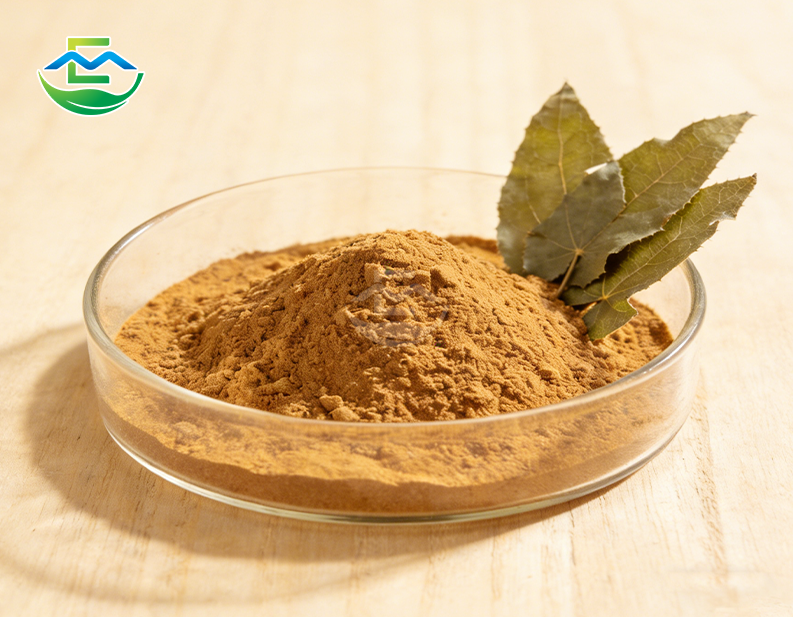
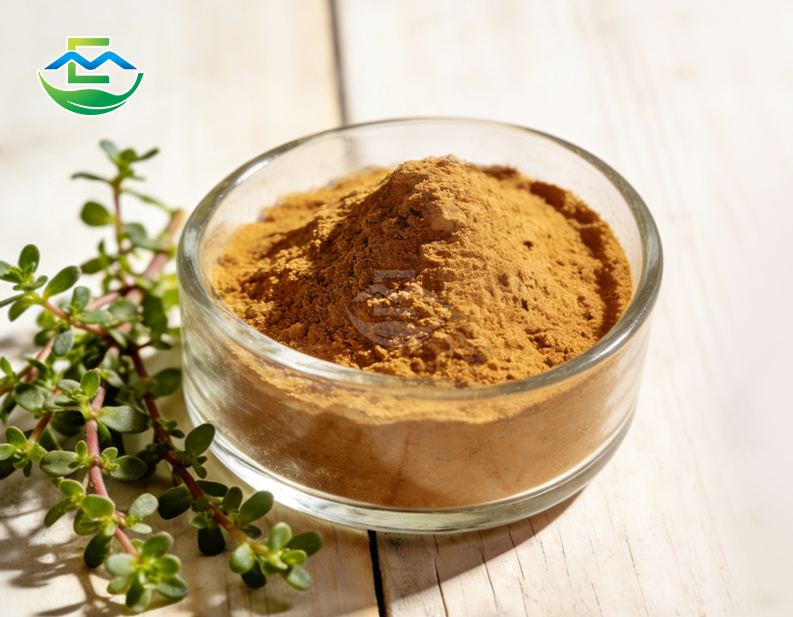
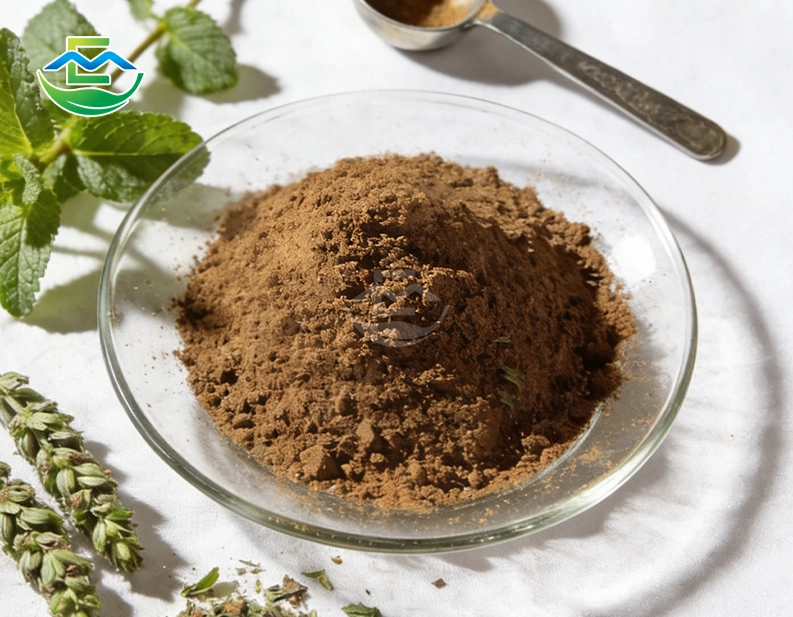
We use an ethanol-based extraction method at EM that only extracts carbohydrate fractions and as little protein as possible, which can cause Maillard browning processes to happen during storage. Between 70 and 95% ethanol is best for dissolving beta-glucans and denaturing enzymes that would normally break them down after extraction. Food Chemistry studies show that materials extracted with ethanol keep 92% of their beta-glucan content after 18 months at room temperature, while only 78% of that content is kept by materials extracted with hot water. This method makes the fine, brownish-yellow powder that comes from high-quality Hericium erinaceus ingredients. The particles are always small enough to pass through 80-mesh screens, so they can be easily mixed into capsules.
How Processing Temperature Affects Long-Term Stability
When spray drying at temperatures above 180°C, glycosidic bonds can start to break down. This lowers the molecular weight of beta-glucan and changes its immunomodulatory activity profile. We use low-temperature vacuum drying methods that keep the exit temperatures below 65°C. This keeps the natural 1,3–1,6 branching patterns that are important for biological activity. This controlled thermal processing lowers the moisture content to below 5%, making a matrix that is naturally stable and not easily contaminated by microbes. Accelerated stability tests at 40°C show that vacuum-dried materials lose less than 3% of their polysaccharides over six months, while spray-dried materials lose 8–12%.
Organic Certification and Supply Chain Transparency
Our organic-certified fruiting body buying makes sure that the quality of the raw materials starts with farming methods that don't use synthetic chemicals or heavy metal-contaminated soil. Traceability documentation keeps track of each harvest batch as it is extracted, tested, and packaged. This gives natural product brands the supply chain transparency they need. When organic certification is combined with ethanol extraction, there are no worries about solvent residues or chemical adulterants. This meets both regulatory requirements and consumer expectations for a clean label. This method helps purchasing teams build ingredient portfolios that are in line with EU and USDA Organic rules for all international markets.
Comparative Analysis: Lion's Mane Extract Polysaccharides vs Pure Beta-Glucan Products
Compositional Trade-offs in Whole Extract Versus Isolated Fractions
Whole polysaccharide extracts that have 50% total Lion's Mane Extract Polysaccharides Beta Glucan offer a wider range of bioactive chemicals, such as smaller molecular weight fractions and proteins that may work together to have more powerful effects. Isolated beta-glucan products that are standardized to be 85–95% pure have a higher active compound density per gram, which means that finished formulations can use less of them. Comparing their stability shows that whole extracts are more resistant to oxidative breakdown. This is most likely because they contain more antioxidant chemicals than other parts of the polysaccharide matrix. Isolated beta-glucans need stricter packing rules, like nitrogen flushing and light-protective cases, to stay active for as long as possible.
Storage Profile Implications for Inventory Management
Our 50% polysaccharide, 30% beta-glucan specification is most stable at controlled room temperature (15–25°C), and it has been shown to last up to 24 months when stored in sealed 25 kg fiber drums with polyethylene liners. To keep them from clumping together and losing their solubility, pure beta-glucan isolates usually need to be kept in a fridge below 10°C. This adds to the cost of cold-chain logistics. This advantage of stability means lower storage costs and easier distribution logistics, which is important to think about when getting ingredients for more than one production facility. Our four main stores in the U.S. allow for two-day shipping and keep the temperature stable throughout the supply chain.
Cost-Effectiveness Analysis for Procurement Decision-Making
Our 50% polysaccharide extract costs about 60–70% less per kilogram than pure beta-glucan goods on the market right now, but it still has 60% of the beta-glucan content. When preparing to get the same amount of beta-glucan in finished goods, using the whole extract method lowers the cost of raw materials by 15–25% and adds more polysaccharide compounds that support what the label says. Minimum order amounts of 25 kg are in line with the needs of medium-sized production batches. This way, you can avoid the huge inventory commitments that come with sellers setting minimums of 100 kg for specialty isolates.
Best Practices for Procuring Lion's Mane Extracts with Guaranteed Polysaccharide and Beta-Glucan Stability
Evaluating Supplier Quality Assurance Systems
Checking that possible sellers have full certification portfolios that cover both quality systems and product-specific standards is the first step in robust procurement. Look for NSF GMP certification to show that the company follows pharmaceutical-grade production practices, FSSC22000 certification to show that food safety management is integrated, and Kosher/Halal certifications to make the product more available in more markets. The paperwork from third-party testing should include batch-specific Certificates of Analysis that show the polysaccharide and beta-glucan content was checked using AOAC-approved methods, heavy metal screening that is below USP standards, and microbial testing that shows there are no bugs. For every production lot, we give you full stability study data that includes real-time methods for 24 months and accelerated tests for 6 months.
Protocols for storing and handling that keep active compounds safe
To keep the integrity of your extracts throughout the supply chain, you need environmental controls that stop moisture from getting in and prevent temperature changes. Keep sealed packages in climate-controlled buildings that stay between 15 and 25°C and have a relative humidity of less than 60%. Keep them out of direct sunlight, which speeds up photodegradation. Once it's been opened, put any leftovers in airtight containers with desiccant packets. Leave as little headspace as possible to keep the food from going bad. When preparing the mixture, keep it away from temperatures above 60°C for long periods of time, and do all the blending in a humidity-controlled space where the relative humidity is less than 50%. These steps, along with our low-moisture powder requirement, make sure that the labeled potency of your finished products stays the same for as long as they are meant to be stored.
Initiating Partnerships With Transparent Communication
A good relationship with a supplier starts with in-depth technical talks that make sure the specifications of the raw materials match your formulation needs and the claims you want to make about the product. We recommend that you ask for free samples (which are available to anyone who qualifies) to test their compatibility in your specific grid before committing to large amounts. Our research and development team works with formulation scientists to solve problems with solubility, find the best dosing methods, and give you information on relative stability that is important to your working conditions. Our stocked inventory gives you a two-day lead time for fast prototyping cycles, which speeds up the time it takes to develop your product while reducing the financial risk of long-term buy agreements.

Conclusion
The intersection of rigorous analytical analysis and sensible procurement strategy is stability testing for Lion's Mane Extract Polysaccharides Beta Glucan. The 50% polysaccharide and 30% beta-glucan content that comes from ethanol-extracted fruiting bodies of Hericium erinaceus gives it a stability profile that works well in a wide range of formulation situations. The fact that this ingredient has been shown to be resistant to common breakdown processes, is fully certified, and can be easily accessed in the U.S. makes it a solid choice for use in nutraceutical, cosmetic, and functional food products. Product portfolios that meet both regulatory scrutiny and market performance standards will be made by procurement professionals who put stability data that has been checked, clear supplier partnerships, and scientifically confirmed specs at the top of their list of priorities.
FAQ
1. What analytical methods verify beta-glucan content in stability testing?
The Megazyme beta-glucan assay kit is still the standard in its field. It uses enzymatic hydrolysis to break apart fungal beta-glucan links while leaving alpha-glucans alone. This AOAC-approved method tells the difference between real Hericium erinaceus beta-glucans and starch contaminants that make polysaccharide numbers look higher than they really are. Using high-performance liquid chromatography with refractive index detection along with molecular weight distribution data helps track breakdown trends over time in stability studies. We do both analyzes once a month as part of our 24-month real-time stable routines. This creates detailed data profiles that help us figure out when data should be thrown away and how long it should be kept.
2. How does ethanol extraction improve polysaccharide stability compared to water-only methods?
When ethanol is used to extract mushrooms, it changes the structure of natural enzymes that break down polysaccharides while the mushrooms are being stored. Selective solubilization through ethanol processing also lowers the co-extraction of proteins that are likely to react with Maillard compounds. This keeps color changes and off-flavors from happening. Comparative accelerated stability testing shows that materials extracted with ethanol still have over 90% beta-glucan content after 18 months, while materials extracted with hot water only lose 78% of their beta-glucan content under the same conditions. This improved stability profile cuts down on inventory loss and makes it possible for finished products to stay on the shelf longer.
3. What storage conditions optimize long-term polysaccharide stability?
Controlled room temperature, kept between 15°C and 25°C in sealed cases with desiccant protection, is the best way to keep the purity of polysaccharides and beta-glucans. To keep the hygroscopic powder from absorbing water, the relative humidity should stay below 60%. Our 25 kg fiber drums with polyethylene liners make a good barrier against moisture, and our climate controls in the U.S. warehouse keep the temperature and humidity stable. Stay away from refrigerators, which can cause condensation when the temperature changes, and keep it out of direct sunlight to keep sensitive polysaccharide structures from breaking down.
Partner With a Trusted Lion's Mane Extract Polysaccharides Beta-Glucan Supplier
EM delivers approved ingredients that meet the high standards of U.S. makers of functional and nutraceutical foods. They do this by making sure the quality of their products is high and their supply chains are efficient. Every batch of Lion's Mane Extract Polysaccharides Beta Glucan is tested for stability before shipping, thanks to our California-based operations' advanced extraction capabilities and extensive testing infrastructure. With NSF GMP, FSSC22000, Organic, Kosher, and Halal certifications to help you meet regulatory requirements, we give you the clear documentation you need for supply chains that are ready for audits. You can email our team at info@em-herb.com to get stability study data, look over Certificates of Analysis, or set up a free sample evaluation.
References
1. Zhang Y, Li S, Wang X, Zhang L, Cheung PC. "Advances in lentinan: Isolation, structure, chain conformation and bioactivities." International Journal of Biological Macromolecules, vol. 132, 2019, pp. 852-865.
2. Friedman, M. "Chemistry, Nutrition, and Health-Promoting Properties of Hericium erinaceus (Lion's Mane) Mushroom Fruiting Bodies and Mycelia and Their Bioactive Compounds." Journal of Agricultural and Food Chemistry, vol. 63, no. 32, 2015, pp. 7108-7123.
3. Staniszewski A, Kordala-Blosinska K. "Stability Testing of Dietary Supplements: Regulatory Requirements and Analytical Strategies." Journal of AOAC International, vol. 104, no. 3, 2021, pp. 653-661.
4. Volman JJ, Ramakers JD, Plat J. "Dietary modulation of immune function by β-glucans." Physiology & Behavior, vol. 94, no. 2, 2008, pp. 276-284.
5. International Conference on Harmonisation. "ICH Q1A(R2): Stability Testing of New Drug Substances and Products." ICH Harmonised Tripartite Guideline, 2003.
6. Bae JT, Sim GS, Lee DH, Lee BC, Pyo HB, Choe TB, Yun JW. "Production of exopolysaccharide from mycelial culture of Grifola frondosa and its inhibitory effect on matrix metalloproteinase-1 expression in UV-irradiated human dermal fibroblasts." FEMS Microbiology Letters, vol. 251, no. 2, 2005, pp. 347-354.