- English
- French
- German
- Portuguese
- Spanish
- Russian
- Japanese
- Korean
- Arabic
- Irish
- Greek
- Turkish
- Italian
- Danish
- Romanian
- Indonesian
- Czech
- Afrikaans
- Swedish
- Polish
- Basque
- Catalan
- Esperanto
- Hindi
- Lao
- Albanian
- Amharic
- Armenian
- Azerbaijani
- Belarusian
- Bengali
- Bosnian
- Bulgarian
- Cebuano
- Chichewa
- Corsican
- Croatian
- Dutch
- Estonian
- Filipino
- Finnish
- Frisian
- Galician
- Georgian
- Gujarati
- Haitian
- Hausa
- Hawaiian
- Hebrew
- Hmong
- Hungarian
- Icelandic
- Igbo
- Javanese
- Kannada
- Kazakh
- Khmer
- Kurdish
- Kyrgyz
- Latin
- Latvian
- Lithuanian
- Luxembou..
- Macedonian
- Malagasy
- Malay
- Malayalam
- Maltese
- Maori
- Marathi
- Mongolian
- Burmese
- Nepali
- Norwegian
- Pashto
- Persian
- Punjabi
- Serbian
- Sesotho
- Sinhala
- Slovak
- Slovenian
- Somali
- Samoan
- Scots Gaelic
- Shona
- Sindhi
- Sundanese
- Swahili
- Tajik
- Tamil
- Telugu
- Thai
- Ukrainian
- Urdu
- Uzbek
- Vietnamese
- Welsh
- Xhosa
- Yiddish
- Yoruba
- Zulu
Chicory roots or Jerusalem artichoke plants are used in the production of inulin powder extract, which is then purified, concentrated, and spray-dried. This method can be used on a large scale to make high-purity (98%+) soluble dietary fibre that is always of the same high quality and meets strict food-grade and pharmaceutical-grade standards. The process starts with choosing the right raw materials, then uses enzymatic or thermal extraction, goes through multi-stage filtration to get rid of impurities, and ends with advanced drying methods that keep the prebiotic properties and fine white powder look. It's important for B2B uses in the food and cosmetics.
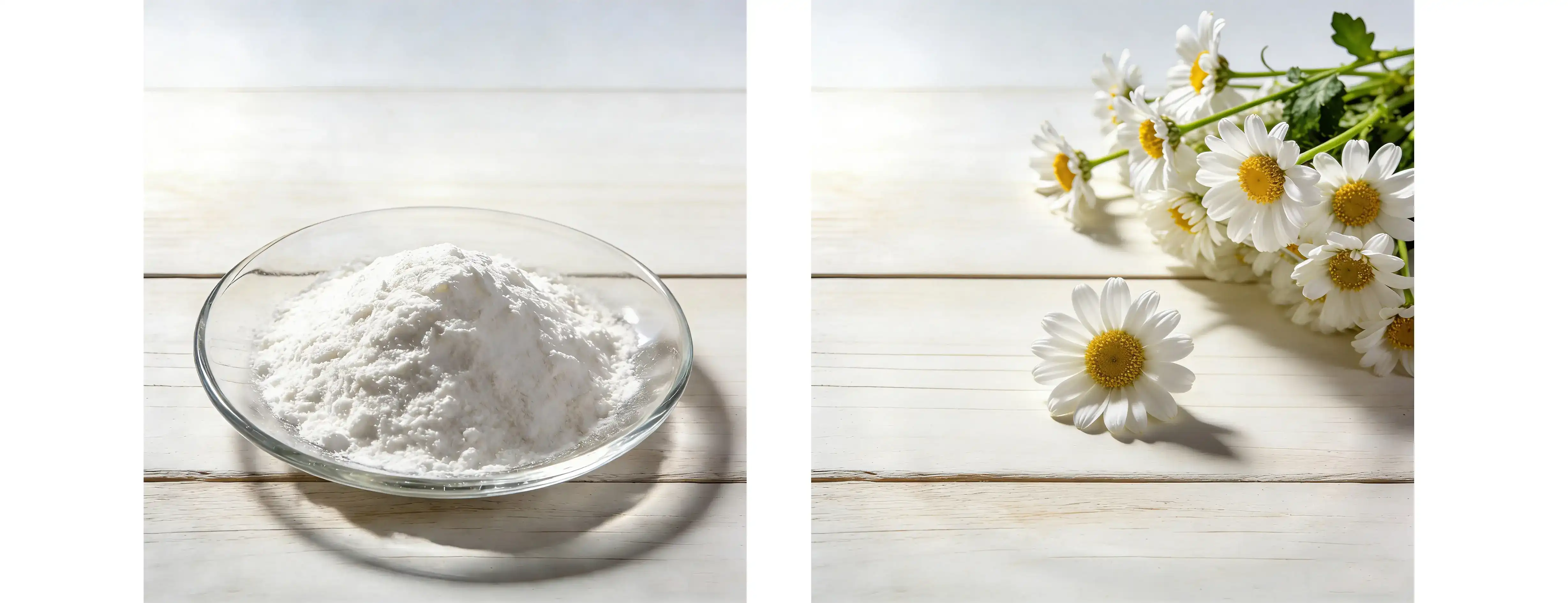
Understanding Inulin Powder Extract and Its Industrial Importance
The world's demand for prebiotic dietary fibres has sped up greatly as more people care about gut health and ingredients that are good for you. Inulin is a naturally occurring carbohydrate made up of straight fructan chains connected by β(2-1) glycosidic links and usually ending with a glucose unit. The degree of polymerisation can be anywhere from 2 to over 60, which affects how well it dissolves and how it works in formulas.
Because it has a high inulin concentration (often more than 15-20% by dry weight), chicory root (Cichorium intybus) is the main plant used for industrial extraction. This makes it more cost-effective to process on a large scale than other sources like agave or Jerusalem artichoke. Because of the way its molecules are structured, inulin has special characteristics. It stays undigested in the upper digestive system and only feeds good bacteria in the colon.
Why B2B Buyers Prioritise Inulin?
In the nutraceutical and functional food industries, procurement teams know that inulin is a key ingredient that can solve a number of recipe problems at the same time. It solves the sugar reduction problem by adding bulk and a mild sweetness (10–30% of sucrose) without raising blood sugar. When used in low-fat dairy and frozen desserts, inulin acts like fat by creating microcrystalline gel networks that give the same creamy feeling that milk fat does.
Market Dynamics Driving Industrial Production
Nutrition and supplement business studies show that the use of prebiotic ingredients is growing at a rate of more than 8% per year. This growth is due to three related trends coming together: the microbiome research boom, rising obesity rates that are pushing for higher fibre intake, and the clean-label movement that is against man-made additives. Manufacturers of products for sports nutrition, weight management, and senior health like inulin because it can be used as both a fibre source and a texturising agent, which means they don't have to add as many other ingredients.
The Industrial-Scale Production Process of Inulin Powder Extract
Knowing the whole process of making something helps purchasing managers figure out what suppliers can do and what quality issues might come up. The process of making industrial inulin is carefully planned to get the highest yield while protecting the delicate fructan structure.
Raw Material Selection and Preparation
Quality starts in the farming stage. Chicory roots that are picked when they are fully grown, which usually happens 150 to 180 days after they started growing, have the highest levels of inulin. Leading sellers use tracking standards to keep records of how crops are grown, what pesticides are used, and when they are harvested. When roots get to processing plants, they are mechanically washed to get rid of soil and then checked for disease or damage. Size grading makes sure that everything is processed the same way, and quick handling stops the enzyme breakdown that can happen during storage.
The roots are then cut into slices or shreds to make more surface area for easier extraction. The speed of extraction is directly related to the size of the particles. Usually, 5–15 mm pieces are used in commercial settings. Some factories use steam or hot water for blanching to stop natural enzymes from working that could break down inulin chains during later processing.
Hot Water Extraction Methodology
Inulin powder extract is added to the following: Water is the only solvent used in the core extraction step. This meets clean-label standards and keeps chemicals from remaining on the product. Chicory that has been shredded goes into big extraction vessels where it comes into contact with heated water that is usually between 60°C and 90°C. Choosing the right temperature combines the effectiveness of extraction with the risks of polymer degradation. For example, too much heat can break fructan bonds, shortening the chain and changing its useful properties.
The length of time needed for extraction depends on the design of the system and the amount that is wanted. Counter-current extraction methods work best when fresh water flows over almost-depleted plant matter and then moves on to fresher biomass. This makes the best use of solvents and increases the recovery of inulin. The watery extract that is made has inulin dissolved in it, along with other water-soluble elements like minerals, proteins, pectins, and monosaccharides.
Purification and Concentration Steps
To get the high amounts of purity needed for pharmaceutical and nutritional uses, crude extract is cleaned in several steps. Large particles and fibre remains are removed by mechanical filtering. Membrane filtration technologies, like ultrafiltration and nanofiltration, separate molecules based on their size in a lot of modern facilities. These membrane systems keep the bigger polymer chains of inulin while letting smaller contaminants pass through as permeate.
Ion exchange chromatography can make the product even better by getting rid of charged particles like organic acids and minerals. A treatment with activated carbon gets rid of colour and smell molecules that might ruin the end powder's look and taste. After the solution is cleaned, it goes into evaporators that work under pressure to concentrate the inulin while reducing the amount of heat it comes into contact with. Multi-effect evaporation devices reuse heat energy between steps, which lowers costs and has a smaller effect on the environment.
Drying Technologies and Their Impact
The change from a concentrated liquid to a steady powder is a key control point that affects how long something lasts and how well it works. Spray drying is the most common way for businesses to make inulin because it can be done continuously, on a large scale, and it can make small, fluid powders. The concentrated solution breaks down into tiny droplets inside a heated room. The droplets evaporate quickly, leaving behind cylindrical particles that are usually 50–200 microns in size.
The air coming in is between 160°C and 200°C, but the air going out is much cooler, between 80°C and 100°C. This keeps the product from breaking down due to heat. The powder that is made has a low moisture content (usually less than 5%), which is important to keep microbes from growing and to keep the powder from caking while it is being stored. A spray-dried inulin has great absorption properties and dissolves quickly in cold water, which is useful for use in drinks and supplements.
Freeze drying is a different method that is sometimes used for high-quality goods. This method melts cold water in a vacuum, which keeps the structure of the inulin while exposing it to as little heat as possible. Freeze drying makes powder with better structural stability and maybe even better prebiotic action. However, because it takes 24 to 48 hours and uses a lot more energy, it can only be used in specific situations where the higher cost is worth it.
Quality Control Throughout Production
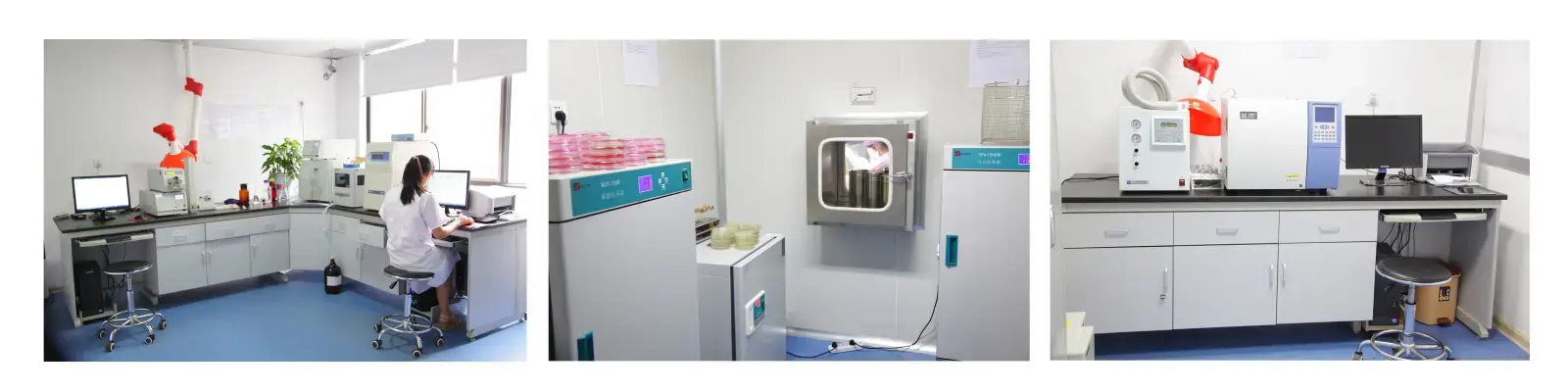
At several stages, strict scientific testing is done to make sure that each batch is the same and that all regulations are followed, including for inulin powder extract. Heavy metals, herbicide residues, and microbial pollution are checked for in raw materials. Monitoring during the production process keeps an eye on things like extraction temperature, pH levels, and concentration rates that have an effect on the final product's specs.
Several important tests are included in the finished powder analysis. High-Performance Liquid Chromatography (HPLC) checks the quality of inulin and finds out the degree of polymerisation distribution, which affects how well it dissolves and works as a prebiotic. Stability standards are met by checking the moisture level using Karl Fischer titration. Microbiological testing includes checking for Salmonella and E. coli, yeast and mould levels, and the total number of plates. coli. Endotoxin testing may also be done by suppliers who work with pharmaceutical markets to meet the needs of injectable or oral dose forms.
These quality standards are used by Earth Made Nutrition Inc. in California, along with NSF GMP, FSSC22000, Kosher, Halal, ISO, and Organic approvals. Our 98% purity standard is based on multiple steps of processing, and using only water for extraction meets clean-label requirements. Before it is released, each 25 kg drum goes through the Certificate of Analysis process.

Comparison of Inulin Powder Types and Their Industrial Production Differences
Organic vs. Non-Organic Production Pathways
Organic approval adds more rules to farming and processes that change how the supply chain works. Chicory roots must come from areas that haven't used synthetic fertilisers or chemicals for at least three years before they are harvested. To keep processing plants from getting non-organic materials on their hands, they need special tools or strict cleaning rules. Sources of water and any tools used in the process must also meet organic guidelines.
When compared to normal handling, these standards usually lower yields and raise costs by 20 to 40 per cent. But brands that want to sell high-end natural products need the organic label to stand out on the shelf and build trust with customers. Third-party audits are part of the certification process and record compliance from the field to the finished product. This gives procurement teams the information they need to meet store standards or answer customer questions.
Standard Inulin vs. High-Performance Variants
How the chain length is distributed has a big effect on how it works. Standard inulin with a mixed degree of polymerisation (DP 2-60) can be used in a lot of different food and nutrition products because it is sweet enough and has prebiotic effects. High-Performance (HP) inulin is selectively processed to get rid of shorter chains, which usually results in a DP above 10, and inulin powder extract can be included in this category. This change makes it easier for HP versions to gel, which makes them the best choice for replacing fat in dairy alternatives and baked goods, where changing the texture is most important.
Comparison with Alternative Fibre Sources
Chicory inulin is in competition with a number of other prebiotic and fibre ingredients, each of which has its own pros and cons. Fructooligosaccharides (FOS) are a lot like oligofructose. They are usually made from sugar using enzymes instead of extracting them from plants. FOS usually costs less, but because it ferments quickly, even small amounts of it may make your stomach hurt.
Psyllium husk is a viscous, soluble fibre that has strong laxative effects. This makes it a good ingredient for gut health products but not so good for general fibre fortification where a softer action is wanted. Resistant maltodextrin has a neutral taste and a very high solubility, which makes it a good choice for clear drinking uses. However, it doesn't have the prebiotic study that supports inulin.
The inulin found in Jerusalem artichokes is another plant source with a similar chemical structure, specifically as an inulin powder extract. Chicory is still the most important crop in industrial supply lines because it has higher yields per hectare, well-established farming methods, and processing facilities. Some niche markets like Jerusalem artichoke because it is different for people with allergies or because they prefer to buy food from nearby.
Conclusion
The process of making inulin powder extract in factories involves a complex mix of farming, engineering for extraction, cleaning technology, and quality control. When procurement teams understand this complicated process, they can better evaluate sources, predict quality factors, and choose ingredients that meet the needs of specific applications. From chicory root to finished powder, there are important choices to be made about how to remove the nutrients, how much to clean the powder, and how to dry it. These choices affect how well the powder works in nutritional, food, and cosmetic formulas. As the market for prebiotic fibre ingredients keeps growing, suppliers who can show they have technical know-how, consistent quality, and openness about how they run their businesses will become the best partners for helping innovation in health-focused product creation.
FAQ
1. What is the typical purity level of commercially available inulin powder extract?
The purity of an inulin powder extract that you can buy in stores is usually about how pure it is. The quality of commercial inulin varies from 85% to 99%, based on what it will be used for and how much it is processed. Food-grade goods are usually 90–95% pure, which means they can be used to add fibre and prebiotics to food. Pharmaceutical-grade and high-end nutritional uses need purity levels of 98% or higher, which means extra steps are needed to get rid of small proteins, minerals, and monosaccharides that are still present. Higher purity costs more, but it gives better stability and less interference in formulas that need it.
2. How do manufacturers ensure batch-to-batch consistency in large-scale production?
Standardised working procedures control the qualities of raw materials, the conditions of processes, and the testing of results. Suppliers use statistical process control to keep an eye on important factors like pH levels, extraction temperatures, and concentration ends. Before a product is released, it is thoroughly tested against reference standards to make sure it meets the requirements. Leading makers keep retention samples that can be used for comparison and tracking if there are any quality issues during the shelf life.
3. Does the extraction method affect prebiotic functionality?
When you use hot water to extract something, the β(2-1) glycosidic linkages are kept intact. These links are important for prebiotic activity because they are not broken down in the upper digestive system but are fermented by good bacteria in the gut. Too high temperatures during extraction or prolonged thermal contact can break down longer chains into smaller pieces of oligofructose. This could change how fermentation works, but it usually keeps the prebiotic benefits. Reliable sources prove the prebiotics' effectiveness by performing in vitro fermentation tests that show it selectively promotes the growth of bifidobacteria.
Partner with Earth Made Nutritions Inc. for Premium Inulin Powder Extract Supply
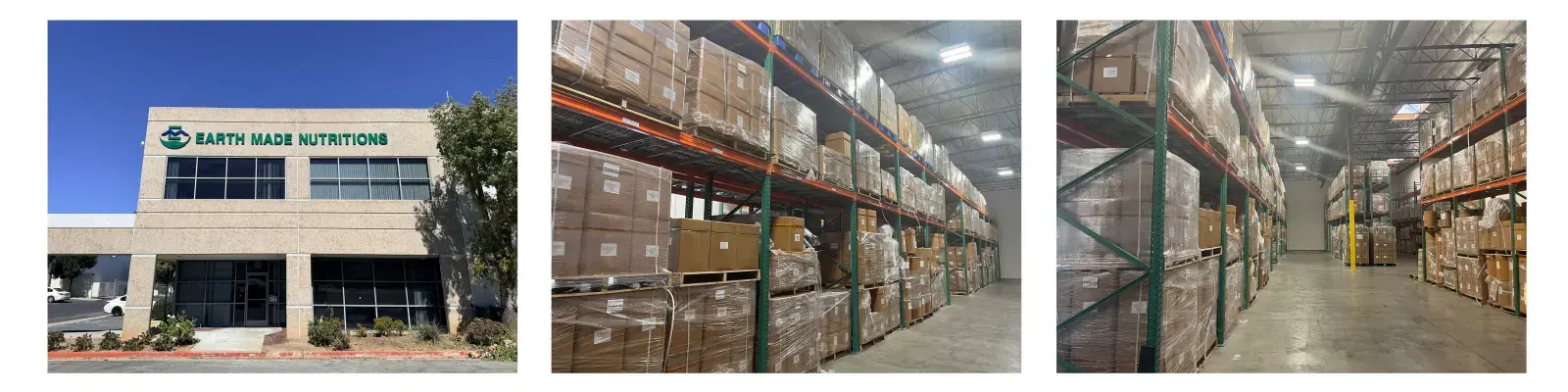
To find a seller of high-quality, reliable Inulin Powder Extract, you need one with technical know-how, strict quality control systems, and quick logistics. Earth Made Nutritions Inc., which has been based in California since 2018, sells 98% pure inulin that comes from quality chicory roots that are extracted with water alone. Our wide range of certifications, including NSF GMP, FSSC22000, Kosher, Halal, ISO, and Organic, ensures that we meet the strict rules set by authorities in the food, cosmetics, and nutritional industries. With four carefully placed warehouses across the United States, we can send stocked items in two days. We also offer free sample programs and a 25 kg minimum order size to make it easier for you to decide what products to buy. Our advanced research and development (R&D) and applications support team helps customers from the first preparation stage all the way through business scale-up. Contact our sourcing experts at info@em-herb.com to talk about your unique needs and find out how working with a responsive manufacturer enhances your product development success.
References
1. Roberfroid, M.B. (2007). "Inulin-Type Fructans: Functional Food Ingredients." Journal of Nutrition, 137(11), 2493S-2502S.
2. Mensink, M.A., Frijlink, H.W., van der Voort Maarschalk, K., & Hinrichs, W.L. (2015). "Inulin, a flexible oligosaccharide: Review of its physicochemical characteristics." Carbohydrate Polymers, 130, 405-419.
3. Apolinário, A.C., de Lima Damasceno, B.P.G., de Macêdo Beltrão, N.E., Pessoa, A., Converti, A., & da Silva, J.A. (2014). "Inulin-type fructans: A review on different aspects of biochemical and pharmaceutical technology." Carbohydrate Polymers, 101, 368-378.
4. Barclay, T., Ginic-Markovic, M., Cooper, P., & Petrovsky, N. (2010). "Inulin – a versatile polysaccharide with multiple pharmaceutical and food chemical uses." Journal of Excipients and Food Chemicals, 1(3), 27-50.
5. Franck, A. (2002). "Technological functionality of inulin and oligofructose." British Journal of Nutrition, 87(S2), S287-S291.
6. Kalyani Nair, K., Kharb, S., & Thompkinson, D.K. (2010). "Inulin dietary fiber with functional and health attributes—A review." Food Reviews International, 26(2), 189-203.