- English
- French
- German
- Portuguese
- Spanish
- Russian
- Japanese
- Korean
- Arabic
- Irish
- Greek
- Turkish
- Italian
- Danish
- Romanian
- Indonesian
- Czech
- Afrikaans
- Swedish
- Polish
- Basque
- Catalan
- Esperanto
- Hindi
- Lao
- Albanian
- Amharic
- Armenian
- Azerbaijani
- Belarusian
- Bengali
- Bosnian
- Bulgarian
- Cebuano
- Chichewa
- Corsican
- Croatian
- Dutch
- Estonian
- Filipino
- Finnish
- Frisian
- Galician
- Georgian
- Gujarati
- Haitian
- Hausa
- Hawaiian
- Hebrew
- Hmong
- Hungarian
- Icelandic
- Igbo
- Javanese
- Kannada
- Kazakh
- Khmer
- Kurdish
- Kyrgyz
- Latin
- Latvian
- Lithuanian
- Luxembou..
- Macedonian
- Malagasy
- Malay
- Malayalam
- Maltese
- Maori
- Marathi
- Mongolian
- Burmese
- Nepali
- Norwegian
- Pashto
- Persian
- Punjabi
- Serbian
- Sesotho
- Sinhala
- Slovak
- Slovenian
- Somali
- Samoan
- Scots Gaelic
- Shona
- Sindhi
- Sundanese
- Swahili
- Tajik
- Tamil
- Telugu
- Thai
- Ukrainian
- Urdu
- Uzbek
- Vietnamese
- Welsh
- Xhosa
- Yiddish
- Yoruba
- Zulu
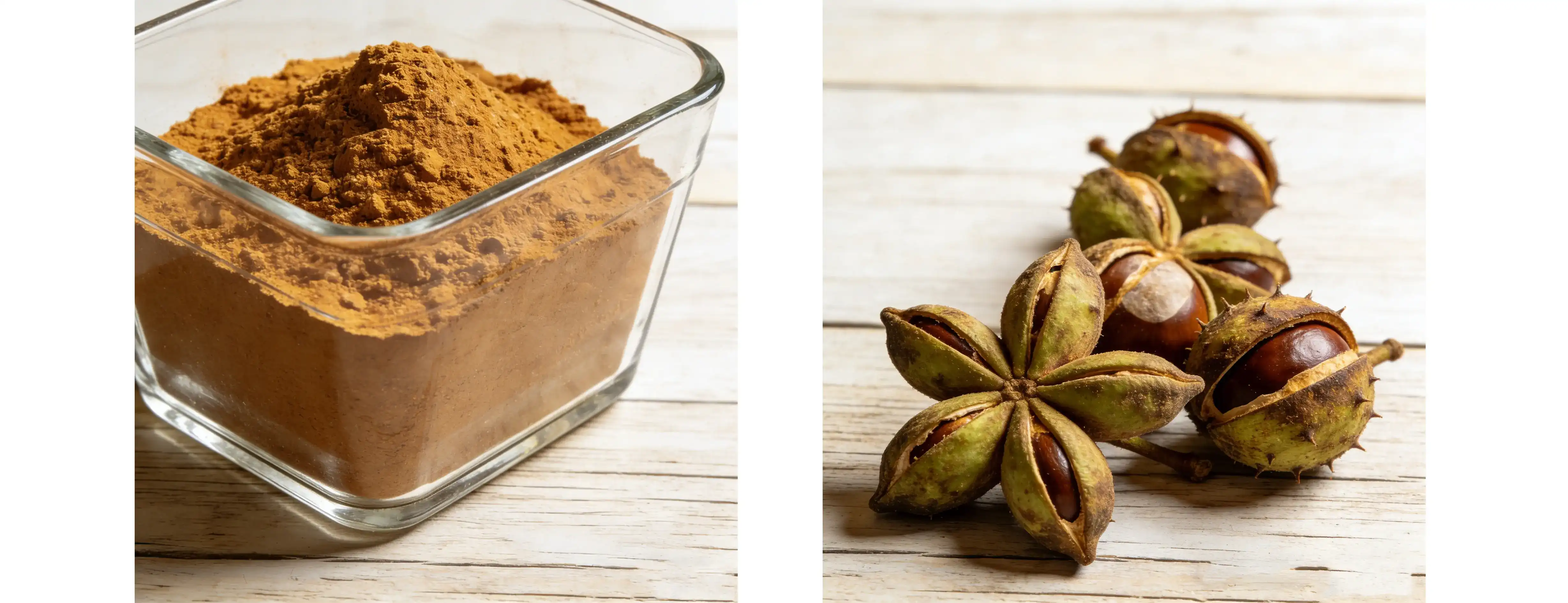
Horse Chestnut Extract 20% Aescin UV gives B2B buyers the right mix of strength, stability, and formulation flexibility. This brownish-yellow powder comes from Aesculus hippocastanum seeds and is extracted using a carefully controlled water-ethanol process. It keeps the concentration of aescin constant and has UV-protective qualities that keep active chemicals safe while it is being stored and shipped. This standard extract solves important problems for buying managers and research and development teams that have to deal with competitive markets. It does this by making ingredients more reliable, making sure they follow the rules, and improving the functional performance of cosmetics and functional foods.
Understanding Horse Chestnut Extract 20% Aescin UV
What Makes 20% Aescin the Industry Standard?
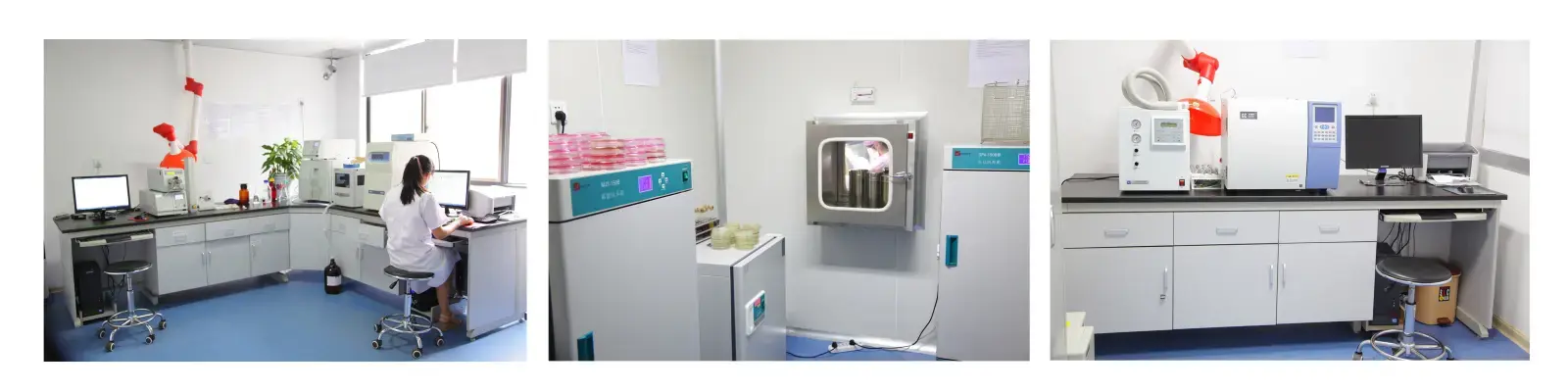
A carefully measured concentration point is shown by the 20% aescin standard. The main triterpene saponin complex in horse chestnut seeds is aescin. This complex is what gives the extract its supportive properties for vascular comfort. This concentration level has strong bioactivity without the problems that come with formulating that higher concentrations can sometimes cause. Once the 20% level is reached using UV spectrophotometry at 268-270 nm wavelengths, formulation scientists can be sure that the product will be the same from batch to batch.
UV Stability as a Quality Differentiator
UV stability means that the extract won't break down when it comes into contact with light during production, packing, and keeping on shelves. Light often breaks down natural plant chemicals, making them less effective and shortening their shelf life. Horse Chestnut Extract 20% Aescin UV, which is protected from UV light, keeps its active saponin profile longer than options that aren't stable. This directly leads to less waste, longer product shelf life, and predictable performance, all of which are important to procurement teams that are in charge of big supply lines.
Botanical Sourcing and Extraction Excellence
Aesculus hippocastanum seeds are carefully chosen before they are processed. The dual-solvent extraction method, which uses both water and ethanol, maximises the output of aescin while protecting the flavonoid and sterol molecules that work together to make the extract favourable in every way. This method doesn't use strong chemical cleaners, which is in line with what brands and customers want from clean labels. The powder that is made has particles that are small enough to pass through 80 mesh screens. This means that it can be easily poured into tablets, capsules, or drinks.
Benefits and Uses of Horse Chestnut Extract 20% Aescin UV
Venous Health and Circulatory Support Applications
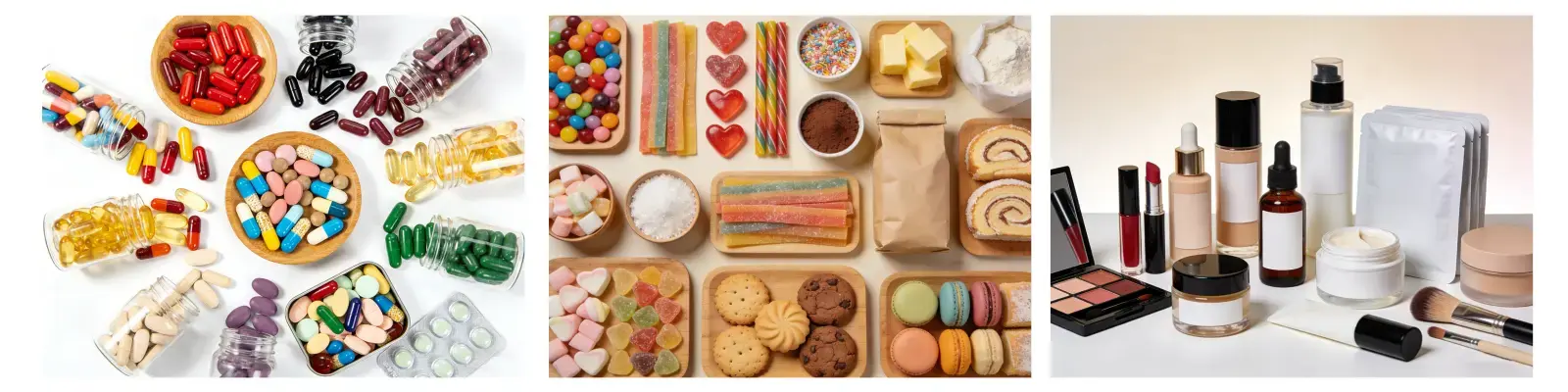
A clinical study shows that aescin supports venous tone and helps maintain normal capillary function. This product is an important part of many supplements for circulatory comfort. Horse chestnut extract 20% aescin UV is used to make capsules, tablets, and powder mixes that are meant to support leg comfort, help with occasional puffiness, and promote vascular well-being. The 20% concentration gives enough active ingredient for daily dose amounts while keeping costs low across all product lines.
Cosmetic and Personal Care Integration
Horse chestnut extract 20% aescin UV is added to: Horse chestnut extract is used in skin care products because it can reduce the look of dark circles and redness under the eyes and soothe the appearance of irritation. The flavonoid content of the extract adds antioxidant action that works well with anti-ageing products. The normal amount of aescin in creams, serums, and gels lets cosmetic scientists guess how well the products will work and keep the formulation stable. When goods are packed in clear or light-permeable containers, UV safety features become even more important.
Functional Food and Beverage Opportunities
The brownish-yellow powder easily dissolves in alcohol-based solutions, which means it can be used to make functional drinks, wellness shots, and food items with added nutrients. Experts in food technology say that the substance is safe enough for food and contains natural bioactive chemicals that back up product claims. Because of the slightly bitter taste, the flavours need to be carefully hidden, but this is not a big problem for current food technology.
Comparing Horse Chestnut Extract 20% Aescin UV with Alternative Concentrations and Supplements
Concentration Considerations: 20% vs. Higher Variants
There are pharmaceutical types of 40% or 98% sodium aescinate, but Horse Chestnut Extract 20% Aescin UV is a good medium. More concentrated substances need more complex handling and may be hard to dissolve in some mixtures. The 20% standard gives enough strength for most supplement and cosmetic uses, makes it easy to incorporate into formulations, and offers reasonable prices. When buying in bulk, procurement teams often find that this focus makes the best use of cost-benefit analysis.
Alternative Botanical Ingredients Assessment
Citrus-based diosmin and butcher's broom extract both support circulation, but they do so in different ways thanks to different phytochemicals. The aescin in horse chestnut extract gives it unique properties for addressing occasional puffiness that these other options don't fully match. Horse chestnut extract gives brands a unique way to place themselves when they want to differentiate their ingredients or get special clinical support. Aescin has a lot of study behind it, which helps marketing teams come up with talking points that educated customers will understand.
Powder vs. Liquid Format Implications
For practical reasons, powder forms are the most common way for businesses to buy things. The brownish-yellow powder can be stored at room temperature, making shipping easier, and works perfectly with dry-blend production methods. Liquid extracts are useful for some makeup uses, but they make the product less stable and heavier, which makes shipping more expensive. Standard packaging for powder extracts comes in 25kg drums, which are great for industrial batch amounts and methods for keeping track of inventory.
Procurement Guide for Horse Chestnut Extract 20% Aescin UV
Minimum Order Quantities and Pricing Structures
Understanding the MOQ standards affects how purchases are made. A 25 kg minimum order number equals one drum, which is the standard unit of packing in the industry and strikes a good balance between buyer freedom and ease of handling. This limit lets smaller brands try new formulas without spending too much money, and it lets bigger companies split orders across multiple boxes. Prices usually follow volume levels, with lower costs per kilogram as order sizes rise to 500kg, 1000kg, and more.
Certification Requirements for Market Access
Horse Chestnut Extract 20% Aescin UV: Buyers in business-to-business (B2B) must make sure that sellers keep the right quality standards. When a factory gets NSF GMP approval, it means that it meets the standards for manufacturing. FSSC22000 talks about food safety management methods that are important for supplement and functional food uses. Kosher and Halal approvals help brands that cater to certain groups of people reach more customers. When organic certification is offered, it comes with a higher price tag but lets natural product stores with strict source rules buy your products. ISO standards show that a company is dedicated to quality control methods that lower batch variation.
Quality Control Parameters That Matter
A number of important tests should be required by the procurement requirements. UV spectrophotometry shows that the amount of aescin is at least 20%. Thin-layer chromatography (TLC) checks the identity of plants and looks for signs of contamination. Testing for polycyclic aromatic hydrocarbons (PAHs) makes sure that handling the seeds hasn't introduced unwanted compounds. Look for levels of benzo(a)pyrene below 10 ppb and total PAH4 below 50 ppb. The lead level must be less than 3.0 mg/kg, and the mercury must be less than 0.1 mg/kg, according to heavy metal tests. Ethanol residue testing makes sure that the alcohol stays within safe limits, which are usually less than 5000 ppm for food-grade uses.
Evaluating Supplier Reliability and Lead Times
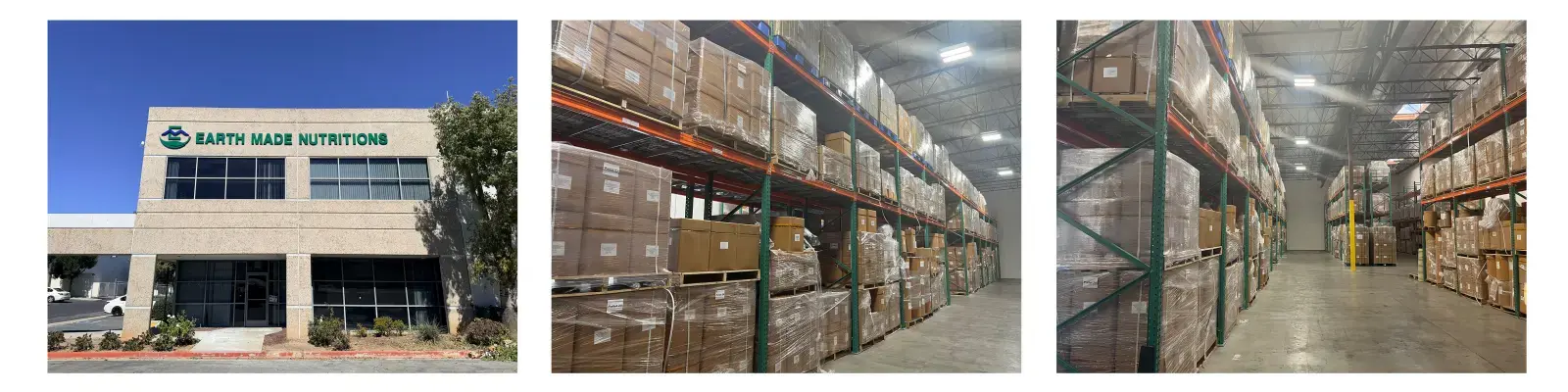
The supply of inventory has a direct effect on the schedule for output. Suppliers with stock in U.S. warehouses can fill orders with two-day picking and shipping, which is a big plus compared to only getting from abroad, which takes weeks and isn't guaranteed by customs. Earth Made Nutrition Inc. has four large local stores spread out across the United States. This way, procurement teams can quickly restock Horse Chestnut Extract 20% Aescin UV without having to carry too much product. This delivery network lowers the risk in the supply chain and makes it easier to keep track of cash flow.

Why Horse Chestnut Extract 20%? Aescin UV is the Preferred Choice for Global B2B Clients?
UV Stability Enhancing Product Shelf Life
Product stability tests show that Horse Chestnut Extract 20% Aescin UV keeps its aescin content longer than other options when left in a building with normal lighting and temperature. This feature cuts down on the need for pricey light-blocking wrapping in some situations and makes it possible for finished goods to last longer on the shelf. When brands have accelerated stability data to back up their claims, customers are less likely to worry about how the product is breaking down, and they can safely stretch the expiration date.
Sustainability and Environmental Responsibility
In modern buying, environmental effects are being taken into account along with price and quality more and more. Horse chestnut trees grow in large numbers in warm areas, which makes seed collection possible as long as it is done correctly. When compared to petrochemical liquid methods, extraction processes that use water and ethanol produce less toxic waste. Because they believe in sustainable development, suppliers collect seeds in ways that don't harm forest environments and help local farming communities.
Technical Support and Formulation Assistance
Advanced research and development (R&D) skills set top sellers apart from commodity dealers. Having access to formulation scientists who know how ingredients behave in different matrices speeds up the process of making new products. When new goods come out, technical support teams help with the best way to dose, make sure the excipients work with the product, and make it more stable. This knowledge is very helpful when fixing problems in the manufacturing process or changing the formulas of current goods to make them work better.
Regulatory Compliance and Documentation
Horse Chestnut Extract 20% Aescin UV, under U.S. FDA rules and GMP requirements, makes it hard to follow the rules. Working with providers who understand these legal systems makes it easier to meet documentation needs. Shipments come with full certificates of analysis, batch production records, and ingredient statements, which makes the quality assurance processes inside the company run more smoothly. When regulatory agencies ask for more paperwork, proactive providers quickly send the necessary materials, which keeps production from being held up.
Conclusion
Choosing Horse Chestnut Extract 20% Aescin UV that is standardised to 20% aescin and is stable in UV light meets several buying goals at the same time. This ingredient standard strikes a good mix between potency and formulation flexibility, while also providing the stable features that keep supply chain investments safe. The brownish-yellow powder works well in useful foods, cosmetics, and supplements, and is backed by clinical studies that support claims about the product. Lead times are shorter, and supply chain risks are lower when goods are bought from approved sellers who keep stock in U.S. warehouses. For R&D leaders, formulation managers, and procurement teams looking for solid botanical ingredients that help brands stand out, this extract is a good option based on both technical value and market facts.
FAQ
1. How does 20% aescin concentration compare in effectiveness to higher concentrations?
The 20% dose gives bioactivity that is relevant for most uses while still being very compatible with other formulations. Higher concentrations, like 40% or 98% medicinal types, have more potency per gram, but they may be harder to dissolve and cost more. This 20% specification strikes the best mix between how well it works and how easy it is to make. This makes it perfect for cosmetics where formulation freedom is important.
2. What safety issues should be thought about when working with this extract?
Horse chestnut extract has a well-known safety rating when used in the doses that are suggested. Esculin is present in raw seeds, but when they are extracted properly, this substance is almost completely removed. Good providers give out safety data sheets with studies on toxicology and the highest amounts of use that are suggested. Cosmetics usually have between 0.5 and 2% extract in the final product, while dietary supplements follow dosing rules that were set up by a clinical study. Always check records of analysis to make sure that the esculin level meets safety standards.
3. Why does UV stability matter for bulk ingredient purchases?
Throughout the supply chain, UV stability keeps your investment safe. Light can break down active ingredients in plant extracts that are not covered while they are being stored in a warehouse, made, or on a store's shelf. Horse Chestnut Extract 20% Aescin UV maintains stated potency for longer, which cuts down on wasted inventory and customer reports that products don't work. This stability trait is especially useful for brands that use clear cases or put their goods on store shelves where they are lit from below.
Partner with EM for Premium Horse Chestnut Extract Supply
At Earth Made Nutritions Inc., we know that comparing prices isn't the only thing that goes into buying choices. Our qualifications as a Horse Chestnut Extract 20% Aescin UV seller include NSF GMP, FSSC22000, Kosher, Halal, ISO, and Organic certifications, which make your compliance processes easier. With operations in California and four strategically placed U.S. stores, we can send horse chestnut extract for sale more quickly and reliably than anyone else. With free samples, your team can check the quality before committing to large orders, and our MOQ of just 25kg, it works for both new brands and well-known makers. Get in touch with our technical team at info@em-herb.com to talk about your recipe needs and find out how our extraction skills can help your product lines.
References
1. Sirtori, C. R. (2001). Aescin: pharmacology, pharmacokinetics, and therapeutic profile. Pharmacological Research, 44(3), 183-193.
2. Pittler, M. H., & Ernst, E. (2006). Horse chestnut seed extract for chronic venous insufficiency. Cochrane Database of Systematic Reviews, Issue 1.
3. Guillaume, M., & Padioleau, F. (1994). Veinotonic effect, vascular protection, anti-inflammatory, and free radical scavenging properties of horse chestnut extract. Arzneimittelforschung, 44(1), 25-35.
4. Wilkinson, J. A., & Brown, A. M. (1999). Horse chestnut - Aesculus hippocastanum: potential applications in cosmetic skin-care products. International Journal of Cosmetic Science, 21(6), 437-447.
5. Bombardelli, E., Morazzoni, P., & Cristoni, A. (1996). Aesculus hippocastanum L. Fitoterapia, 67(6), 483-511.
6. Kapusta, I., Janda, B., Stochmal, A., & Oleszek, W. (2007). Determination of saponins in aerial parts of barrel medic by liquid chromatography-electrospray ionization mass spectrometry. Journal of Agricultural and Food Chemistry, 55(9), 3493-3499.