- English
- French
- German
- Portuguese
- Spanish
- Russian
- Japanese
- Korean
- Arabic
- Irish
- Greek
- Turkish
- Italian
- Danish
- Romanian
- Indonesian
- Czech
- Afrikaans
- Swedish
- Polish
- Basque
- Catalan
- Esperanto
- Hindi
- Lao
- Albanian
- Amharic
- Armenian
- Azerbaijani
- Belarusian
- Bengali
- Bosnian
- Bulgarian
- Cebuano
- Chichewa
- Corsican
- Croatian
- Dutch
- Estonian
- Filipino
- Finnish
- Frisian
- Galician
- Georgian
- Gujarati
- Haitian
- Hausa
- Hawaiian
- Hebrew
- Hmong
- Hungarian
- Icelandic
- Igbo
- Javanese
- Kannada
- Kazakh
- Khmer
- Kurdish
- Kyrgyz
- Latin
- Latvian
- Lithuanian
- Luxembou..
- Macedonian
- Malagasy
- Malay
- Malayalam
- Maltese
- Maori
- Marathi
- Mongolian
- Burmese
- Nepali
- Norwegian
- Pashto
- Persian
- Punjabi
- Serbian
- Sesotho
- Sinhala
- Slovak
- Slovenian
- Somali
- Samoan
- Scots Gaelic
- Shona
- Sindhi
- Sundanese
- Swahili
- Tajik
- Tamil
- Telugu
- Thai
- Ukrainian
- Urdu
- Uzbek
- Vietnamese
- Welsh
- Xhosa
- Yiddish
- Yoruba
- Zulu
Horny goat weed powder is made by going through a number of complex steps that turn raw Epimedium grandiflorum leaves into a uniform plant ingredient. The process includes cleaning, drying, extracting with water and ethanol, concentrating, spray drying, and precise crushing to make sure that the particles are spread out evenly. Modern milling methods change the size of particles to improve their solubility and absorption. This has a direct effect on how well formulations work in functional and nutritional supplements. To make sure that the 10% icariins Horny Goat Weed Powder is of good quality, the temperature must be carefully controlled during processing to protect the delicate flavonoid chemicals that make the product work and have value on the market.
Introduction
In North America and around the world, horny goat weed powder has become a popular plant ingredient in cosmetics and useful foods. This plant material comes from Epimedium grandiflorum and is used in a wide range of B2B products, from food supplements to skin care products. Processing and milling methods used during production have a big impact on the quality of the product, the stability of the active compounds, and the consistency from batch to batch. These are important factors that buying managers and R&D leaders look at when choosing providers.
If you know how to make epimedium extract technically, you can make smart choices about where to get it that are in line with clean-label trends, legal compliance needs, and strategies for making your product stand out. This guide looks at the important steps in processing, the different milling technologies, and the quality control measures that set premium suppliers apart from basic suppliers in a food market that is getting more and more competitive.
Understanding Horny Goat Weed Powder: Composition and Benefits
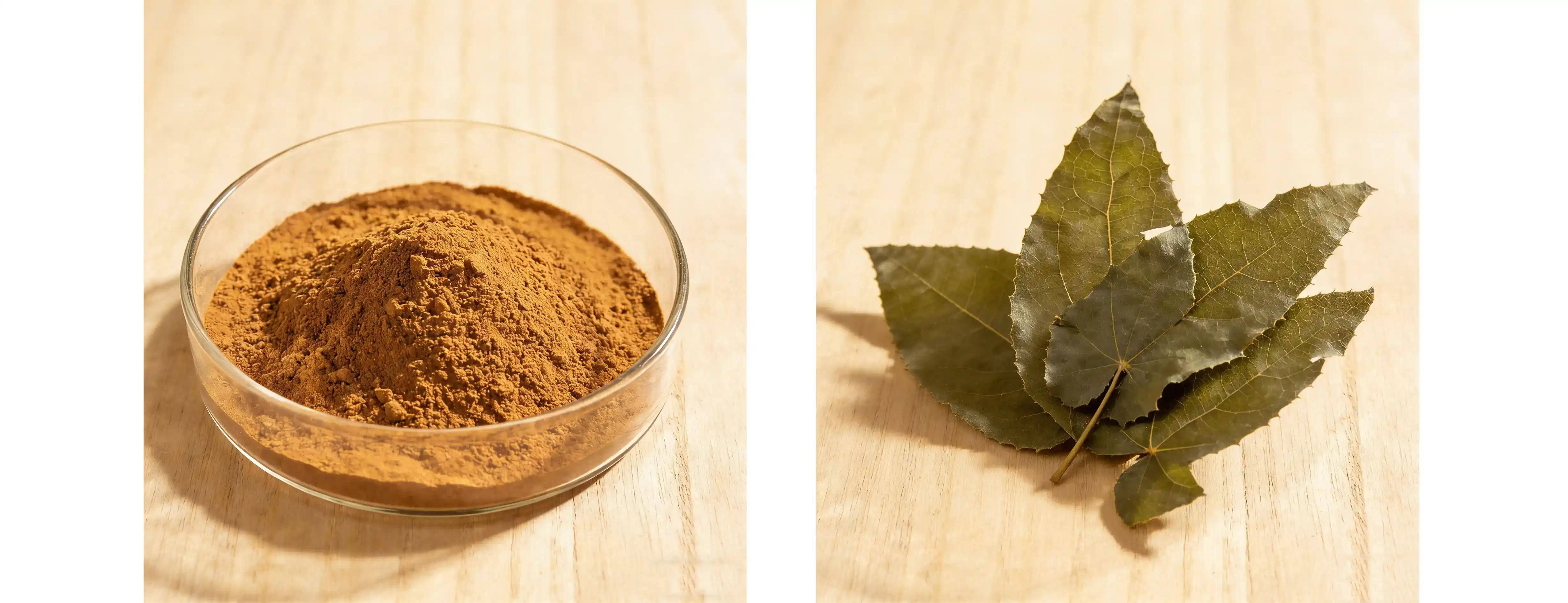
The plant Epimedium grandiflorum is in the Berberidaceae family and mostly grows in cold areas where the weather is good for beneficial flavonoids to build up in the leaf tissue. The plant material gets to the processing plants as dried leaves, which are the first step in the extraction and uniformity processes.
Active Compounds and Standardization
Icariin, the main bioactive ingredient in epimedium products, is a prenylated flavonol glycoside that is responsible for most of the biological action. Our 10% icariins standard says that every 100 grammes of finished powder has at least 10 grammes of total icariins, as tested by HPLC methods that have been proven to work. This regulation makes sure that formulation scientists can predict the strength of pills, tablets, functional drinks, and topical uses.
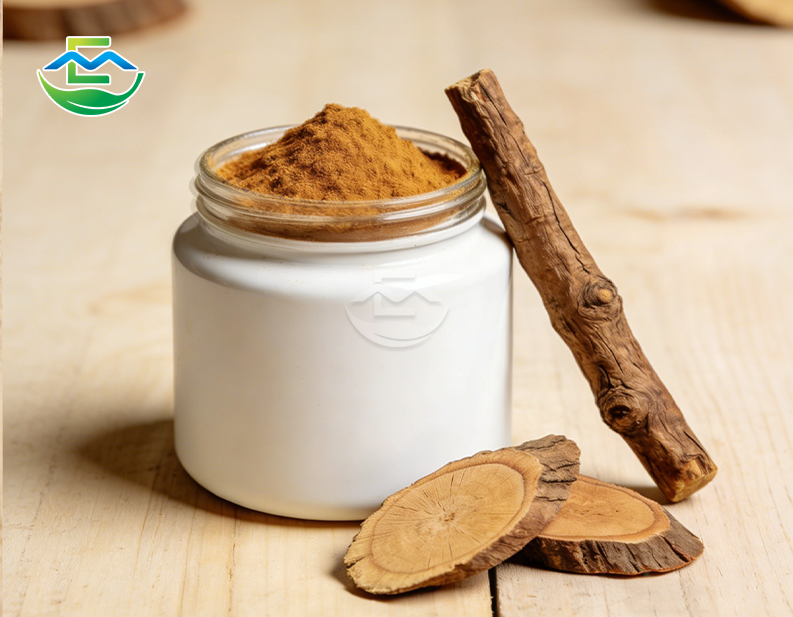
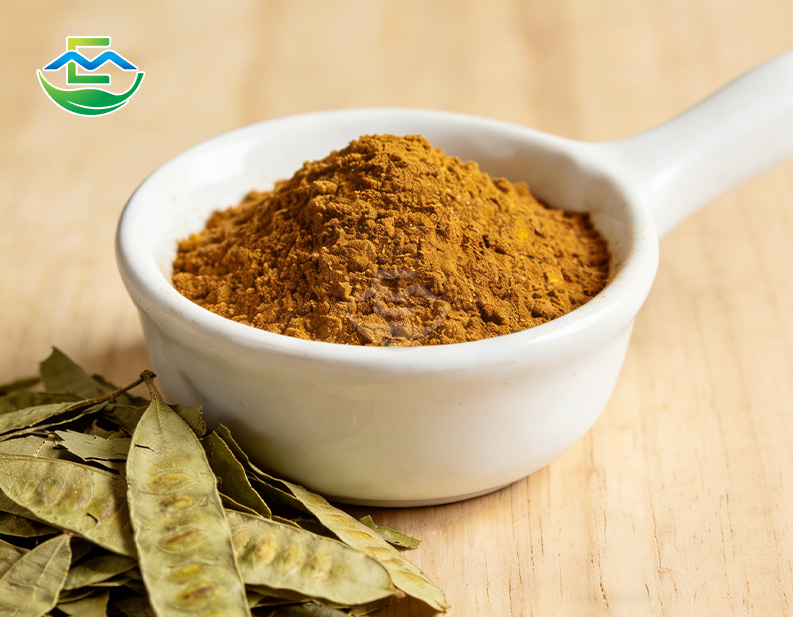
In addition to icariin, the extract has other flavonoids, such as epimedin A, B, and C, which add to the total phytochemical makeup. The powder's brownish-yellow colour comes from the flavonoid molecules, which have a unique colour when they are concentrated through extraction methods.
Applications Across Industry Segments
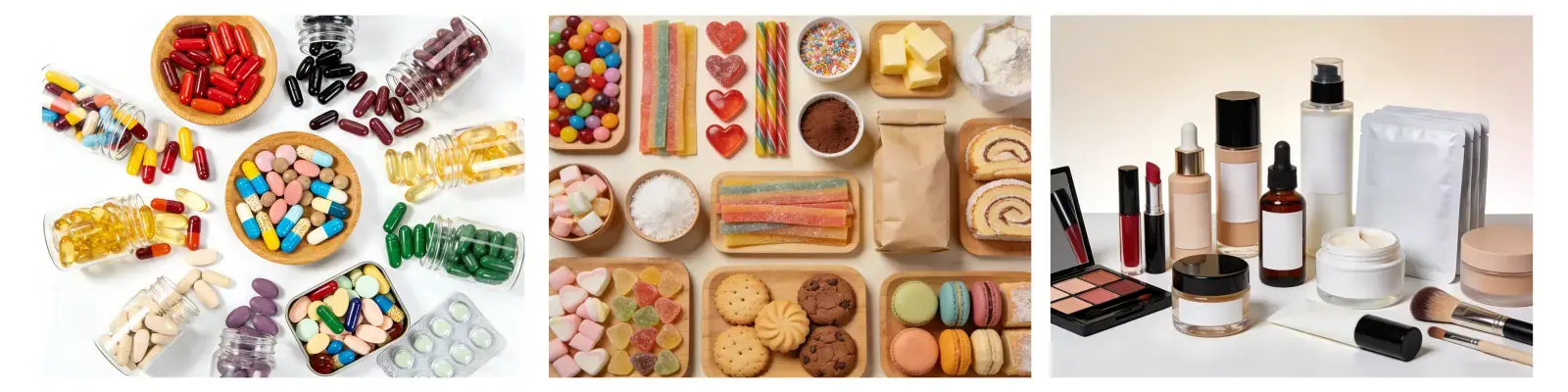
Manufacturers use uniform epimedium powder in products that are meant to support energy and vitality. In multi-ingredient mixes made for people with busy lifestyles, this ingredient works well with plant extracts like maca, tribulus, and ginseng.
Cosmetic makers are looking into epimedium extracts to see if they can help with skin appearance. This is especially true for products that focus on plant actives and natural ingredient stories. Because processed powder dissolves in water, it can be easily added to serum bases, cream formulas, and water-based delivery methods.
Functional food makers use the ingredient in snack bars, drink powders, and nutritional shake mixes that are fortified with botanicals when the botanical enhancement fits with the branding of the product. It has a bland flavour and a brownish colour that go well with chocolate, coffee, and earthy flavours without needing a lot of covering.
Traditional vs. Modern Processing and Milling Methods
In the past, epimedium (horny goat weed powder) was prepared by drying it in the sun and then grinding it by hand with a mortar and pestle or simple mill tools. These methods made rough powders with particles ranging in size from 100 to 1000 microns that didn't dissolve well and gave different extract yields when mixed back together.
Modern Extraction Workflow
In modern processing, the first step is to clean the raw materials by mechanically screening them to get rid of dirt, roots, and other unwanted matter. Clean leaves are dried in ovens that are controlled by temperature, which is between 40°C and 60°C. This keeps heat-sensitive flavonoids intact while lowering the moisture content to less than 8% to stop microbes from growing during storage.
The dried leaf material is put into extraction vessels, where icariins and other related chemicals are taken out using a carefully measured water-ethanol solvent system. Process confirmation studies find the best temperature, time, solvent ratio, and number of extraction rounds for each extraction parameter. Multiple steps of extraction increase output while keeping the purity of the compound.
After extraction, vacuum evaporation is used to concentrate the liquid. This gets rid of the chemicals and concentrates the active ingredients. After going through the tools for spray drying, the concentrated extract turns into a powder. Spray drying is the process of atomizing the liquid extract and putting it into a heated room. The fast evaporation of water creates fine powder particles with a consistent moisture content.
Advanced Milling Technologies
The spray-dried material needs to have its particles broken down even more using special grinding tools. Hammer mills use spinning blades to hit particles against screens with set hole sizes. This creates powders between 80 and 200 mesh that can be used for filling capsules and making tablets.
With jet milling technology, particles are sped up against each other by compressed air streams. This makes ultra-fine powders below 325 mesh without generating heat. This cold-grinding method works especially well for plant materials that break down easily at high temperatures, where quality risks exist.
Ball milling uses spinning cylinders with spheres made of ceramic or stainless steel that wear down particles over time by impacting and rubbing against each other. This method makes particle distributions that are very regular, which is perfect for beauty uses that need a smooth texture and even dispersion.
Sequential milling steps are used at our plant. First, coarse reduction is done with hammer milling, and then jet milling is used to reach the end specification. Laser diffraction analysis is used for in-process testing to check the consistency of the particle size distribution before packing activities start.
How to Choose the Right Horny Goat Weed Powder for Your Business?
When making a procurement choice, you need to look at more than just prices when comparing quality factors. Because making plant extracts is so complicated, there are big differences between what different suppliers offer. To reduce risk, it is important to do a lot of research.
Purity and Authentication Verification
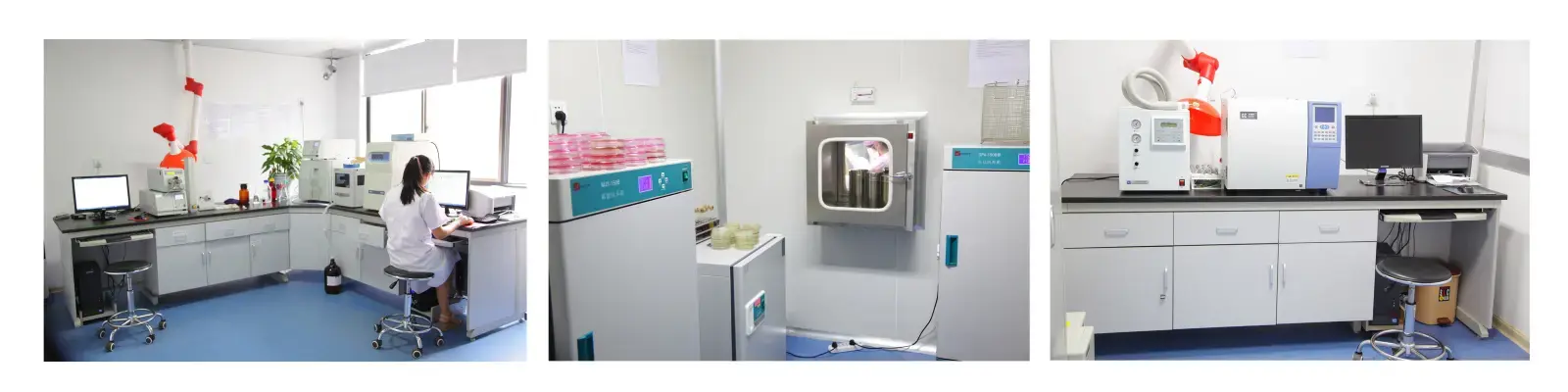
The amount of icariin should be confirmed in the Certificate of Analysis by HPLC testing done by ISO-accredited labs. The standardization of 10% icariins is a mid-level dose that can be used in most supplement uses. Higher concentrations, up to 20–50% icariins, are available for unique formulation needs.
Heavy metal tests show that the levels of lead, arsenic, cadmium, and mercury are within the USP standards. According to good manufacturing practice standards for food supplements, microbiological testing checks for yeast and mould, as well as the lack of pathogens and the total plate count.
Botanical identification using microscopic analysis or DNA barcoding makes sure that the species is real and stops it from being tampered with with cheaper Epimedium species or plant materials that aren't related. Our buying only uses Epimedium grandiflorum leaves that are picked in well-known growing areas, where origin tracking keeps the supply chain honest.
Solvent Residue Considerations
Because ethanol is used for extraction, final goods are tested for residual solvent levels to make sure they are below the limits set by ICH Q3C standards. Long vacuum drying steps in our production process lower the ethanol level to less than 500 parts per million, which is much lower than the 5000 parts per million Class 3 liquid limit.
Water-based extraction components don't leave behind any residues that are worth worrying about, and tests have shown that there are no cleaning agents for extraction tools or outdoor contaminants that could make the product less safe.
Supplier Qualification Criteria
Certifications for manufacturing give you basic peace of mind about quality systems and operating controls. Our building has NSF, GMP, FSSC22000, Kosher, Halal, ISO, and Organic certifications, which show that it meets a number of foreign standards that are important to different markets.
Supply chain openness is important for brands that care about ethical and environmentally friendly sources. Full traceability from the field to the finished product is possible with documentation that shows where the raw materials came from, where they are processed, and the transport path they took.
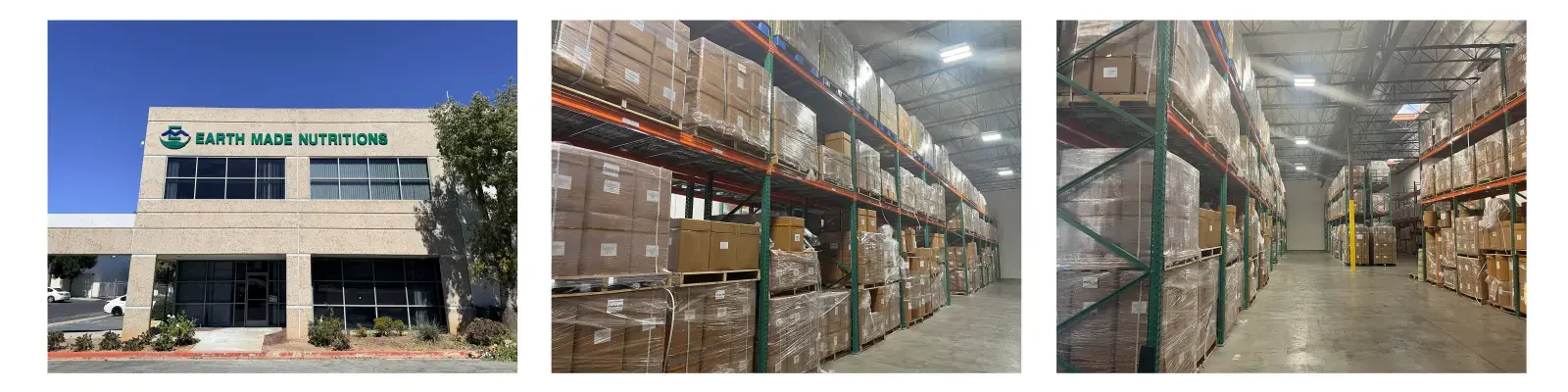
The ability to store goods, including horny goat weed powder, in the United States has a big effect on wait times and the flexibility of transportation. Having four strategically placed stores across the United States lets you pick up in-stock items, such as horny goat weed powder, in just two days, instead of having to wait for long periods of time for foreign shipping.

Optimizing Quality and Performance through Milling Techniques
The way plant powders work in finished products is largely affected by how the particles are distributed in size. Figuring out how milling methods affect useful qualities helps with improving formulations and keeping costs down.
Impact on Solubility and Bioavailability
Smaller particles have more surface area that comes into contact with fluids. This speeds up breakdown and may influence absorption. Researchers who looked at how particle size affects plant products found that powders below 200 mesh are better at reconstituting than coarser grades.
When formulas mix more than one powder ingredient, uniform particle distribution keeps the ingredients from separating during the blending process. Different particle sizes cause settling patterns that make the blend less homogeneous, which could lead to different doses in different pills or tablets.
Equipment Selection for Production Scale
For pilot-scale production, lab hammer mills usually handle batches of 5 to 50 kilograms, which are good for developing new products and making samples for clinical trials. These small units let you try a range of grind standards without having to make big material investments.
Industrial milling devices are used for large-scale production and can continuously process hundreds of kilos per hour. Our production lines have closed-loop controls that keep specification goals even during long production runs, automated feeding systems, and inline particle size tracking.
Quality Assurance Integration
Real-time quality tracking during milling processes stops deviations from specifications and cuts down on waste. Laser diffraction monitors take samples of powder streams every 15 minutes. When particle size trends get close to control limits, the mill settings are changed automatically.
Monitoring the moisture content of powders makes sure they stay in the 3-5% wetness range, which is good for both flow and stability. Too much drying leads to problems with electrostatic charging and dust formation, while too much wetness during storage encourages caking and the growth of microbes.
The brownish-yellow colour of horny goat weed powder is measured using standard methods that find differences in colour from batch to batch, which could mean that the raw materials aren't consistent or there were problems during the processing that need to be looked into.
Conclusion
In conclusion, the quality, uniformity, and performance of horny goat weed powder used in a wide range of B2B uses are largely determined by the processing and milling methods used. Modern methods of extraction using water-ethanol solvent systems, followed by spray drying and precise grinding, make a powder that is uniform at 10% icariins and meets strict quality standards. When reviewing suppliers and negotiating business terms, procurement workers find it helpful to understand these technical elements. Certifications like NSF GMP, FSSC22000, Kosher, Halal, ISO, and Organic provide objective proof of the ability to manufacture, and the country's storage and delivery systems make sure that delivery times are met. Long-term value is higher than short-term cost optimization in strategic supplier relationships that stress consistent quality, technical cooperation, and open communication.
FAQ
1. Is horny goat weed powder suitable for extended use in dietary supplements?
Standardized Horny Goat Weed Powder is suitable for use if it comes from qualified producers who follow good manufacturing practices. This is based on the plant's long history of use and modern quality control standards. Products are checked for heavy metals, herbicide leftovers, and bacterial contaminants to make sure they don't exceed the limits set by regulations. Formulation experts should look at the right dose sizes based on the amount of icariins in the product and how it will be used.
2. What dosage considerations apply when formulating with 10% icariin powder?
Each dose of most supplements has 250 to 500 milligrams of a 10% standardised extract, which gives you 25 to 50 milligrams of total icariins. When there are limits on pill size or tablet weight, higher amounts let less powder be used. When formulating, decisions should be made based on ingredients that work well together, target groups, and how the product fits in with other products in the same category.
3. How can procurement teams verify authenticity when evaluating new suppliers?
Ask for a full Certificate of Analysis that includes HPLC chromatograms that show the identification of icariin peaks, heavy metal test results, bacterial data, and reports on plant identification. Before making an order for production, samples should be tested by a lab that is not connected to the company. Qualified advisers do facility audits to check the manufacturing capabilities, quality systems, and supply chain controls for relationships that buy a lot of things.
Partner with Earth Made Nutritions Inc. for Premium Horny Goat Weed Powder Supply.
Earth Made Nutritions Inc. is a specialized provider of horny goat weed powder to cosmetics companies and functional food makers in North America. Our company in California runs modern processing plants with cutting-edge technologies for extracting and grinding icariins from Epimedium grandiflorum leaves to make a standard 10% powder. Our wide range of certifications, such as NSF GMP, FSSC22000, Kosher, Halal, ISO, and Organic, shows that we are dedicated to quality excellence across a number of legal systems.
Four carefully placed warehouses in the United States keep ready-to-ship items, which lets customers pick them up in two days instead of the longer lead times that come with buying from abroad. Our 25-kilogram drum packaging meets industry standards and can be customized to meet the minimum order quantity needs of growing brands. Formulation teams can test free samples first before committing to large amounts for production.
Professional R&D support helps with technical questions about extraction requirements, particle size optimization, and problems with formulation compatibility. Our theory on sustainability stresses social duty and taking care of the environment throughout the supply chain. Get in touch with our ingredient specialists at info@em-herb.com to talk about your Horny Goat Weed Powder needs and find out how our production skills, shipping infrastructure, and technical know-how can help your product line.
References
1. Chen, K.K., & Liu, M.H. (2019). Extraction Technology and Quality Control of Epimedium Flavonoids. Journal of Pharmaceutical Analysis, 9(4), 245-253.
2. Zhang, W., & Li, P. (2020). Particle Size Effects on Bioavailability of Botanical Extracts in Dietary Supplements. International Journal of Food Science & Technology, 55(2), 612-620.
3. Anderson, R.J., & Thompson, D.L. (2021). Modern Milling Technologies for Botanical Ingredients: A Comprehensive Review. Powder Technology, 378, 156-168.
4. United States Pharmacopeial Convention. (2022). USP-NF General Chapter on Botanical Extracts: Quality Specifications and Testing Methods. Rockville, MD.
5. Williams, S.E., & Martinez, C.A. (2020). Supply Chain Management for Botanical Ingredients: Best Practices for B2B Procurement. Journal of Supply Chain Management, 56(3), 89-105.
6. National Sanitation Foundation International. (2021). GMP Registration Guidelines for Dietary Supplement Manufacturing Facilities. Ann Arbor, MI.