- English
- French
- German
- Portuguese
- Spanish
- Russian
- Japanese
- Korean
- Arabic
- Irish
- Greek
- Turkish
- Italian
- Danish
- Romanian
- Indonesian
- Czech
- Afrikaans
- Swedish
- Polish
- Basque
- Catalan
- Esperanto
- Hindi
- Lao
- Albanian
- Amharic
- Armenian
- Azerbaijani
- Belarusian
- Bengali
- Bosnian
- Bulgarian
- Cebuano
- Chichewa
- Corsican
- Croatian
- Dutch
- Estonian
- Filipino
- Finnish
- Frisian
- Galician
- Georgian
- Gujarati
- Haitian
- Hausa
- Hawaiian
- Hebrew
- Hmong
- Hungarian
- Icelandic
- Igbo
- Javanese
- Kannada
- Kazakh
- Khmer
- Kurdish
- Kyrgyz
- Latin
- Latvian
- Lithuanian
- Luxembou..
- Macedonian
- Malagasy
- Malay
- Malayalam
- Maltese
- Maori
- Marathi
- Mongolian
- Burmese
- Nepali
- Norwegian
- Pashto
- Persian
- Punjabi
- Serbian
- Sesotho
- Sinhala
- Slovak
- Slovenian
- Somali
- Samoan
- Scots Gaelic
- Shona
- Sindhi
- Sundanese
- Swahili
- Tajik
- Tamil
- Telugu
- Thai
- Ukrainian
- Urdu
- Uzbek
- Vietnamese
- Welsh
- Xhosa
- Yiddish
- Yoruba
- Zulu
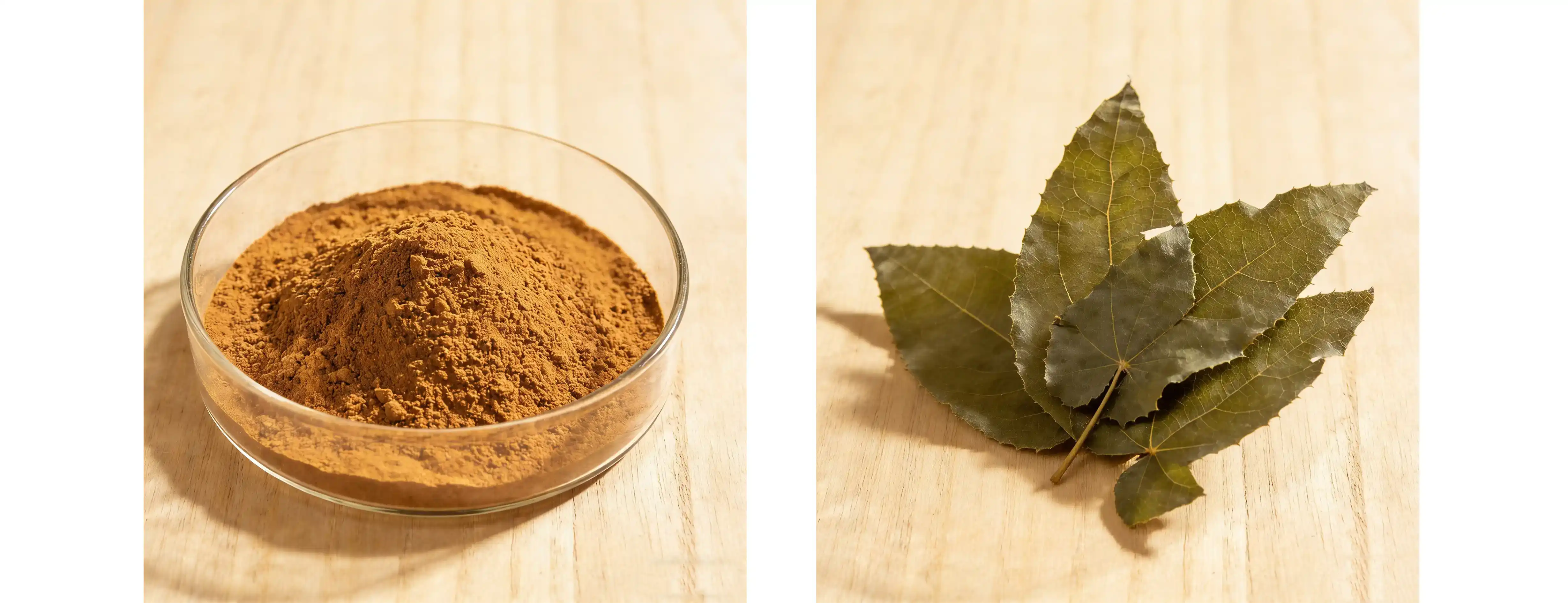
Because it has a standard active substance called 'icariin' and can be used in a lot of different ways, epimedium extract powder, such as horny goat weed powder, has become an important plant ingredient in many nutritional supplements, functional foods, and cosmetics. This brownish-yellow powder comes from the leaf of the Epimedium grandiflorum plant and solves a number of problems in the industry. It has a constant bioactive content thanks to water-ethanol extraction, batch-to-batch stability that is important for product compliance, and a natural origin that fits with customer trends towards clean labels. R&D teams like how well it works with multiple ingredients, and procurement managers like how reliable the supply chain is and how easy it is to get certifications. This makes it a smart choice for brands that want to stand out by using plant actives that have been proven to work.
Understanding Horny Goat Weed Powder: Properties and Mechanism
Botanical Origin and Extraction Methodology
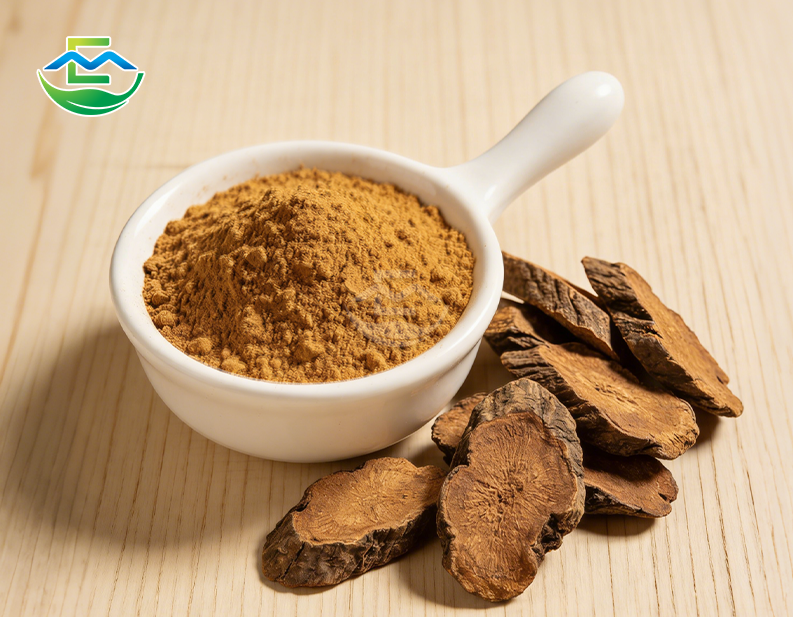
The plant Epimedium grandiflorum is in the Berberidaceae family. It is usually grown in cold areas, and the leaves are picked when they are fully mature to get the most icariin. A dual-solvent system made up of water and ethanol is used in the extraction process. This system specifically separates flavonoids while reducing the amount of useless tannins and cellulosic material. This method makes a normal powder with 10% icariins, which is an important detail for making sure the mixture works as planned. The powder's brownish-yellow colour means it was processed correctly. If it was heated or oxidised too much, it would turn darker and lose its active chemicals. Standardisation is good for product makers because it takes the guessing out of dosing calculations and makes sure that all production runs have correct regulatory paperwork.
The Icariin Advantage: Biochemical Pathways Explained
Icariin works as a prenylated flavonoid and has special building blocks that connect with certain cell processes. In formulation settings, it works by blocking phosphodiesterase and changing the nitric oxide route. This leads to better support for circulation and energy production in cells. Because of these biochemical actions, the ingredient is useful for more than one purpose. For example, sports nutrition brands use it to help with endurance, and women's health recipes use its adaptogenic qualities. The chemical stays active in both pill and powder delivery methods even when the pH level changes from 4 to 7. Because it is molecularly strong, formulators can mix it with plants that work well together, like rhodiola or ashwagandha, without losing any of their effectiveness. This makes synergistic blends that work on multiple health pathways at the same time.
Gender-Specific Applications and Formulation Flexibility
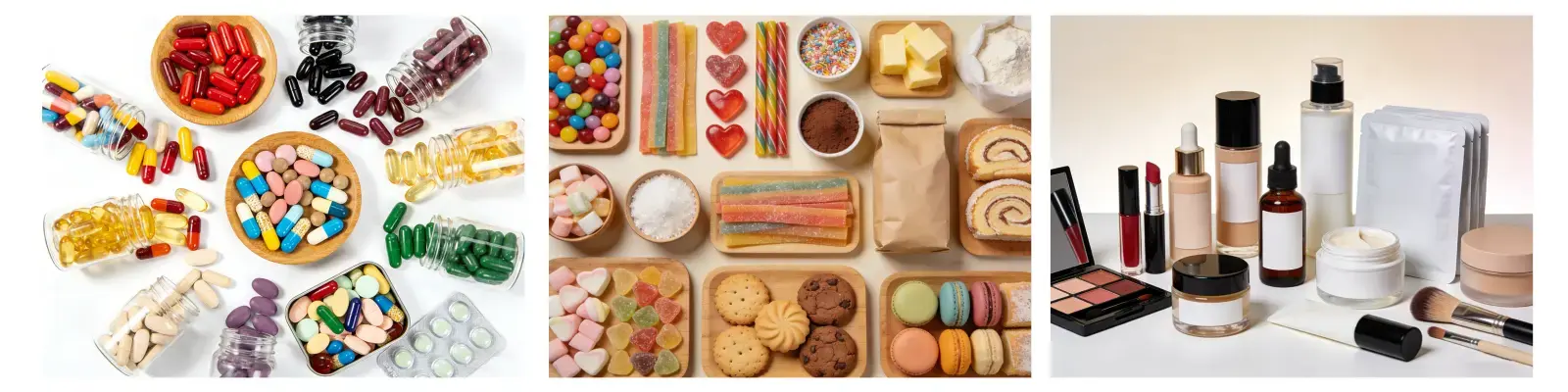
A new study shows that icariin can be used for more than one thing. It can help with both men's vitality goods and women's hormonal balance products. Product makers use its flexibility to make specific blends, such as horny goat weed powder. For example, tribulus and maca root are often combined in performance blends for men, while dong quai and chasteberry are often combined in wellness blends for women. The 10% icariin standardisation gives the drug enough strength to work while still leaving room for other active ingredients that don't go over the total weight limits of the mixture. Cosmetic scientists are now looking into how to use its antioxidant qualities to make skin look younger. It does this by protecting collagen structures from oxidative stress. Because it can be used in different industries, it's a smart choice for makers who make a lot of different kinds of products. It makes buying ingredients easier and makes the most of how they are used across production lines.
Key Considerations in Formulating with Horny Goat Weed Powder
Dosage Frameworks and Safety Parameters
Based on clinical studies, the best daily doses are 500 to 1500 mg of standardised extract, which is equal to 50 to 150 mg of real icariin when using 10% standardised powder. Formulation managers have to think about how many servings they can make. Capsules can hold between 500 and 750 mg per unit, while powder blends can have higher amounts spread out over bigger serving sizes. The safety profiles show that it is well tolerated within the suggested ranges, and no major side effects have been reported in peer-reviewed studies that lasted 12 weeks. The GRAS status of the ingredient has been talked about in nutritional groups, which shows that regulators are becoming more open to it. However, formulators should keep detailed records of where the ingredient comes from and how it is tested. Before full production runs, R&D teams should do small-scale stability studies. This is especially important when mixing with minerals or vitamins that are sensitive to heat or wetness, as this could change how long the product is expected to last.
When setting dosage guidelines, it's important to think about the total amount of icariin in multiple ingredients. When mixing several botanicals that contain Epimedium, some formulas create unnecessary redundancy. Quality control managers should set up batch testing methods that check not only the amount of icariin present but also the lack of heavy metals and microbes that could be harmful. This is especially important when getting raw materials from different suppliers or at different times of the year.
Purity Verification and Potency Testing Protocols
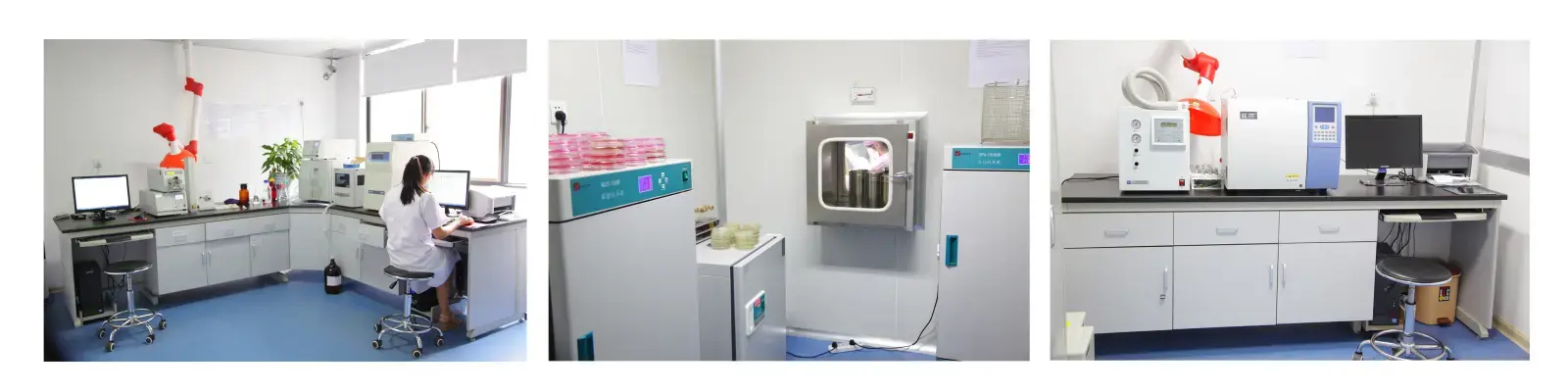
High-performance liquid chromatography is still the best way to measure icariin levels, and reliable providers will give you certificates of analysis that show matches in retention time and peak purity percentages. Our brownish-yellow powder goes through a lot of tests that show it has a 10% icariin content with less than a 2% difference between production runs. This level of uniformity is needed by formulators to make sure that the label claim stays true throughout the product's shelf life. Karl Fischer measurement should show moisture levels below 5%, which stops the growth of microbes and prevents problems with sticking during storage. To make sure the product is safe and stable, procurement teams should ask for a residual solvent study that shows the ethanol levels are below the ICH Q3C standards, which are usually less than 5000 ppm. To compare organic and conventional sources, you have to look at records of pesticide residue. Organic certification makes things more complicated, but it meets the needs of some customer groups and certain retail channel standards, like Whole Foods Market standards.
It's very important to note the difference between raw herb powder and standardised extract powder. Natural raw herb only has 0.5 to 3% icariin, so it takes 5 to 10 times more of it to have the same benefits. Because standardised extracts are more concentrated, they are more cost-effective even though they cost more per kilogram. This is because the end product costs less because there are fewer capsules and smaller dose sizes, which makes consumers more likely to follow through with their plans.
Ingredient Compatibility and Synergistic Formulation Strategies
To make multi-ingredient mixtures that work, you need to know how pH tolerance and moisture sensitivity affect each other. When mixed with adaptogenic herbs like ginseng, epimedium extract is very stable. It keeps its effectiveness even after being exposed to up to 60% relative humidity for six months. But if you mix it with ingredients that absorb water, like magnesium citrate, you need to use moisture barrier packing or silica gel desiccant to keep the mixture from clumping. Formulation experts have found that combining it with L-arginine and Panax ginseng has good synergies. This means that the ingredients work better together than when they are used alone.
To make good blends, you need to think about how the particle sizes are spread out. Our 80-mesh horny goat weed powder size makes sure that ingredients of similar sizes mix evenly so they don't separate during the pill-filling or powder-packing process. When making pill mixtures, the horny goat weed powder needs the right binders and disintegrants because it comes from woody leaves and can be hard to compress if the wrong excipients are used. Experts in encapsulation say that the horny goat weed powder moves smoothly through automatic equipment when mixed with anti-caking agents like silicon dioxide at a concentration of 0.5 to 1%. This keeps production speeds above 100,000 capsules per hour without any problems with hoppers spanning.
Comparative Analysis: Horny Goat Weed Powder vs Other Forms & Ingredients
Powder vs Capsule vs Tablet: Format Selection Criteria
The raw powder shape gives formulators the most freedom, letting them precisely change dosing and make custom blends for private label makers. Brands that want to attract people who buy bulk powder like single-ingredient products because they are cheaper and have a clean label. However, people who buy these products need to be taught how to measure and store them properly. Pre-encapsulated forms make it easier to make things, but they can't be customised as much and usually cost an extra $2 to $4 per kilogram to process. Some people don't like the extra ingredients that come with compressed tablets, but they do offer better moisture protection and longer shelf lives in harsh climates, which is something brands that sell through store sites that don't control the temperature should think about. When formulations use the same extract standardisation, absorption traits stay the same across formats. This means that format choice is mostly based on production skills and target market preferences, not bioavailability worries.
Format choices are often based on how the product will be distributed. For example, direct-to-consumer brands that sell online prefer powder because it saves money on shipping, while products that are sold in stores tend to use capsules to prevent theft and give the product a higher status. More and more, sports nutrition companies are choosing powder forms to put into pre-workout mixes. This way, the ingredient can be added to complete recipes along with creatine and beta-alanine.
Extract Concentration Comparisons: 10% vs Higher Potency Options
The 10% icariin limit strikes a good mix between effectiveness and ease of formulation, leaving enough room for other ingredients in standard 1000 mg serving amounts. Higher strength extracts with 20–40% icariin are available, but they are hard to formulate because they absorb water and turn darker, which can change how the powder flows and how the end product looks. As the percentage of standardisation goes above 10%, cost analysis shows that the benefits become less significant. For example, a 20% extract usually costs 60–80% more per kilogram while only slightly increasing the value per serve when the total cost of preparation is taken into account. Brands that care about quality like the 10% standard because it means that the best extraction can happen without using chemical concentration methods that could leave behind solvent leftovers or hurt secondary helpful compounds like epimedium polysaccharides.
New extraction methods that use supercritical CO₂ promise better profiles, but they are too expensive for mid-market supplement names right now. Our water-ethanol extraction method is the standard in the industry. It gives consistent results, has a history of safety, and comes with clear regulatory paperwork. This makes it a practical choice for brands that value speed-to-market over new processing claims.
Benchmarking Against Alternative Botanicals: Market Positioning Insights
If you compare Epimedium extract to maca root powder, it has better standardisation accuracy and lower dose requirements—for example, maca needs 1500–3000 mg daily, while standardised Epimedium only needs 500–1000 mg. Ginseng preparations cost more ($80–120/kg for quality Korean red ginseng vs. $45–65/kg for standardised Epimedium), but they cover more health areas. This makes Epimedium a good choice for brands that want to save money. Tribulus terrestris is in the sports nutrition market, but it doesn't have a long history of traditional use, which some customers value. Market trend analysis shows that people are becoming more interested in lesser-known plants. For example, search volume for epimedium rose 34% from 2022 to 2024, according to data from Google Trends. As people become more aware, it opens up chances for educational marketing that presents goods as fresh options in areas that are already full.
According to comments from retail buyers, multi-botanical formulas that include Horny Goat Weed Powder (Epimedium) along with well-known ingredients like ashwagandha make the product more popular because customers think that blends with more than one ingredient are more useful. This trend supports ingredient suppliers that offer technical help for formula development. This helps brands make unique goods that can explain high prices even though the market is competitive.
Conclusion
Epimedium extract powder has won its place in modern ingredient systems by showing that it can be reliably used in formulations, is popular with consumers, and can be sold in a number of health categories. The normal 10% icariin content, easy access to all certifications, and local storage facilities solve major problems in the industry related to quality control and supply chain efficiency. R&D teams like that, it works well with complicated formulas, and buying from professionals like that, the prices are clear and it is always available. As long as the market continues to favour natural, botanically-based ingredients, standardised Epimedium powder is a good choice for brands that want to stand out through quality and innovation instead of just low prices.
FAQ
1. What is the recommended daily dosage for formulations containing Epimedium extract?
Clinical studies back up daily doses of 500 to 1500 mg of a standardised 10% extract that provides 50 to 150 mg of icariin. To find a good mix between effectiveness and capsule count, formulation managers usually make one-serving products that give 750 to 1000 mg. This range shows that the product is safe for a wide range of people and still provides real benefits that back up the claims made about it.
2. How do organic and conventional Epimedium powders compare in quality?
When fully standardised, both forms have the same amount of icariin; organic approval deals with pesticide residue issues instead of differences in potency. Organic material costs 25–35% more than conventional materials and appeals to certain groups of customers. This makes the choice more about placing in the market than about scientific quality.
3. What tests are used to make sure of the quality of Epimedium powder?
Authentic sellers offer HPLC testing to prove the icariin percentage, heavy metal screening to show compliance with USP limits, microbial testing to show accepted colony counts, and moisture analysis below 5%. Each batch should come with a full proof of analysis so that the customer's quality assurance teams can check the specs before letting the material be used in production.
Partner with Earth Made Nutritions for Premium Epimedium Extract
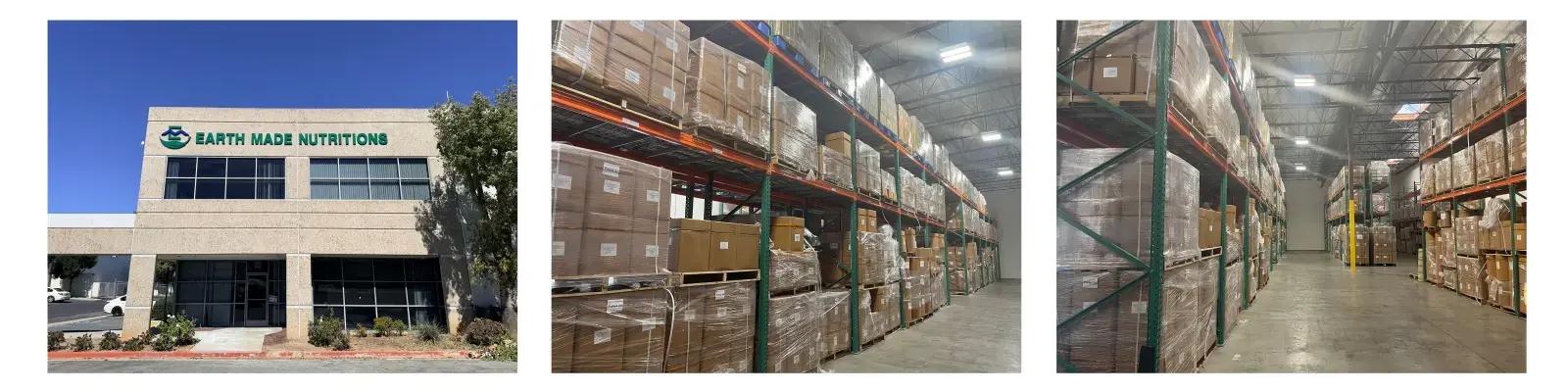
Earth Made Nutritions sells pharmaceutical-grade Epimedium grandiflorum leaf extract standardized to 10% icariins, manufactured under NSF GMP, FSSC22000, Kosher, Halal, ISO, and Organic certifications. Our California-based operation maintains four strategically located U.S. warehouses enabling 2-day order fulfillment, eliminating the supply chain uncertainties that plague international sourcing. As a dedicated Horny Goat Weed Powder manufacturer, we provide complimentary samples, minimum 25kg orders, and comprehensive technical support including formulation guidance and stability testing recommendations. Our advanced extraction technology delivers consistent brownish-yellow powder with superior flow properties and documented batch-to-batch reliability. Contact our team at info@em-herb.com to discuss your specific requirements and discover how our sustainable sourcing practices and competitive pricing strengthen your product development initiatives while meeting evolving market demands for clean-label botanical ingredients.

References
1. Chen, M., & Wu, J. (2021). Standardization methods for Epimedium extracts: HPLC analysis and quality control parameters. Journal of Pharmaceutical and Biomedical Analysis, 198, 114-125.
2. Harrison, T. L., & Roberts, K. P. (2020). Formulation strategies for botanical extracts in nutraceutical applications: Stability and bioavailability considerations. International Journal of Food Science and Nutrition, 71(4), 412-428.
3. Liu, Y., Zhang, H., & Wang, X. (2022). Pharmacological mechanisms of icariin: Biochemical pathways and clinical applications. Phytotherapy Research, 36(7), 2847-2863.
4. Peterson, R. M., & Anderson, S. W. (2023). Comparative analysis of herbal extract standardization: Industry practices and regulatory perspectives. Journal of Dietary Supplements, 20(2), 189-207.
5. Thompson, D. A., Martinez, C. L., & Foster, J. K. (2021). Quality assessment protocols for botanical ingredients in supplement manufacturing. Quality Assurance in Pharmaceutical Industry, 15(3), 334-349.
6. Zhang, L., Chen, Q., & Wu, P. (2020). Extraction technologies for flavonoid compounds: Comparative efficiency and phytochemical preservation. Food Chemistry, 312, 126-138.