- English
- French
- German
- Portuguese
- Spanish
- Russian
- Japanese
- Korean
- Arabic
- Irish
- Greek
- Turkish
- Italian
- Danish
- Romanian
- Indonesian
- Czech
- Afrikaans
- Swedish
- Polish
- Basque
- Catalan
- Esperanto
- Hindi
- Lao
- Albanian
- Amharic
- Armenian
- Azerbaijani
- Belarusian
- Bengali
- Bosnian
- Bulgarian
- Cebuano
- Chichewa
- Corsican
- Croatian
- Dutch
- Estonian
- Filipino
- Finnish
- Frisian
- Galician
- Georgian
- Gujarati
- Haitian
- Hausa
- Hawaiian
- Hebrew
- Hmong
- Hungarian
- Icelandic
- Igbo
- Javanese
- Kannada
- Kazakh
- Khmer
- Kurdish
- Kyrgyz
- Latin
- Latvian
- Lithuanian
- Luxembou..
- Macedonian
- Malagasy
- Malay
- Malayalam
- Maltese
- Maori
- Marathi
- Mongolian
- Burmese
- Nepali
- Norwegian
- Pashto
- Persian
- Punjabi
- Serbian
- Sesotho
- Sinhala
- Slovak
- Slovenian
- Somali
- Samoan
- Scots Gaelic
- Shona
- Sindhi
- Sundanese
- Swahili
- Tajik
- Tamil
- Telugu
- Thai
- Ukrainian
- Urdu
- Uzbek
- Vietnamese
- Welsh
- Xhosa
- Yiddish
- Yoruba
- Zulu
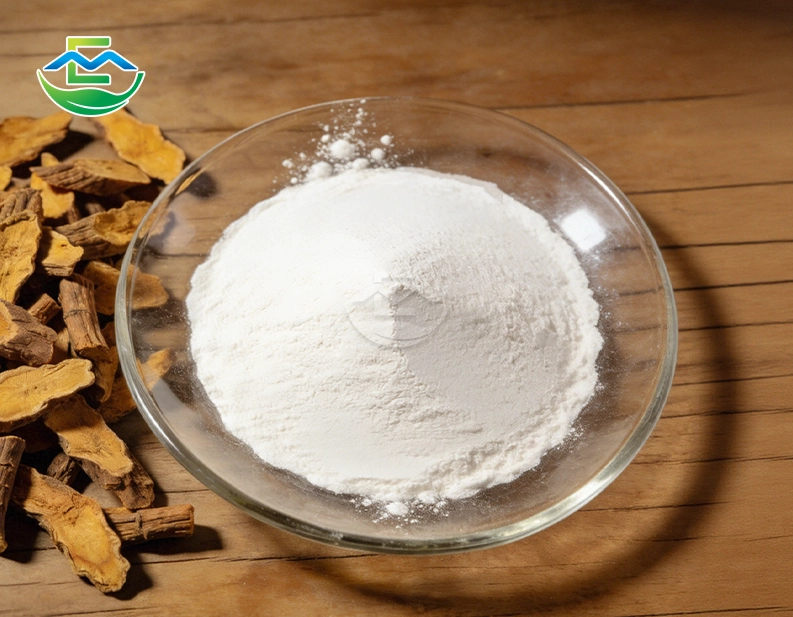
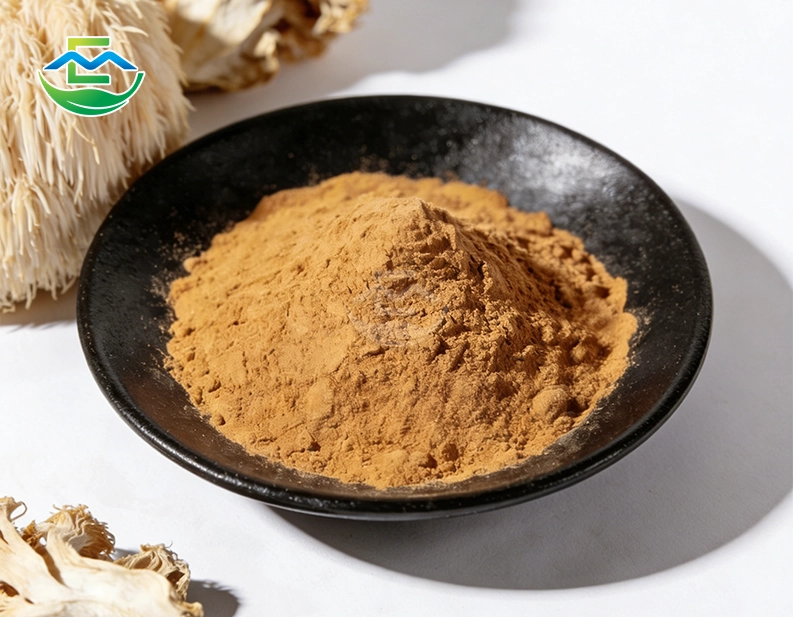
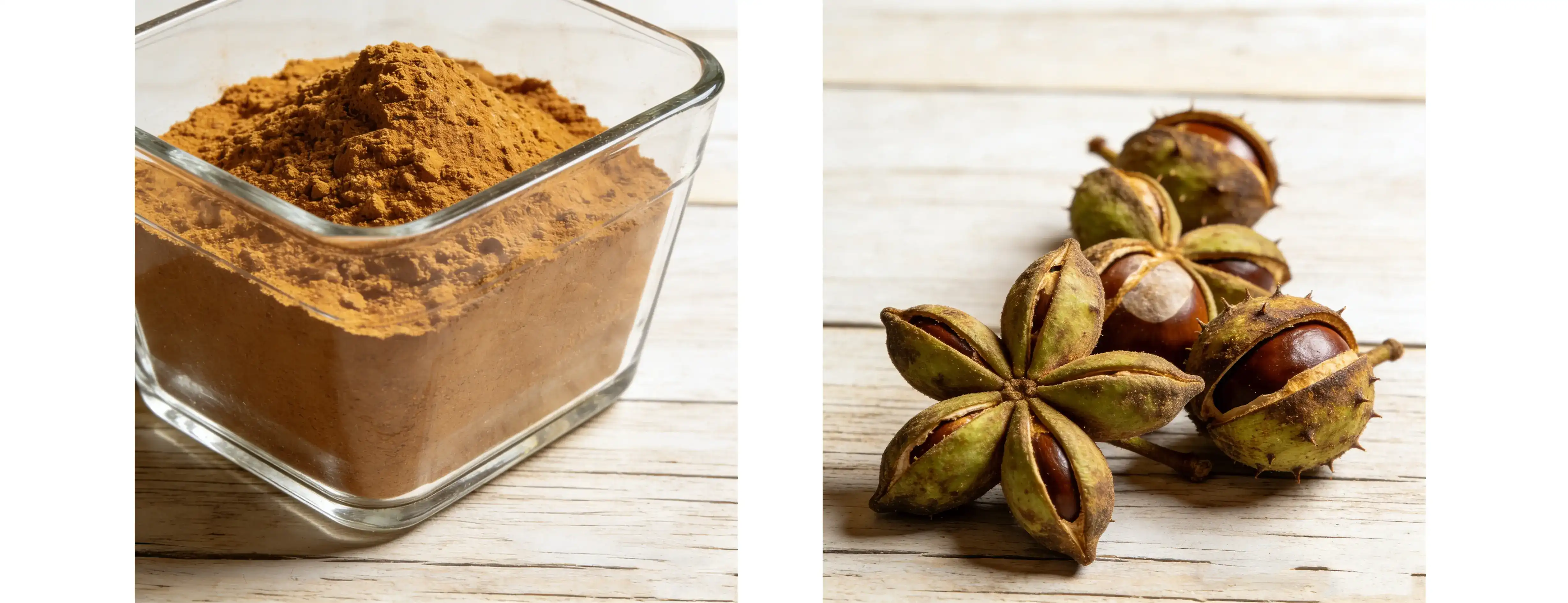
Horse chestnut extract 20% aescin UV in ingredient systems is a standardised plant active that comes from the seeds of Aesculus hippocastanum. It provides the perfect mix of effectiveness and formulation flexibility. This extract has a consistent saponin content that has been confirmed by UV spectrophotometry. This makes it a good choice for companies that make cosmetics and functional foods that want to use natural ingredients that have been shown to support blood vessels, reduce inflammation, and protect against UV rays. Its brownish-yellow powder form works well with a variety of delivery methods and meets the needs of today's health-conscious customers for clean labels and sustainability.
Understanding Horse Chestnut Extract 20% Aescin and Its Functional Benefits
This extract comes from the horse chestnut tree, which is native to the Balkan Peninsula but is now grown all over the world. Our extract only comes from fully grown seeds that are extracted with water and ethanol to keep the beneficial saponin profile and reduce the amount of useless tannins and proteins. The 20% concentration is the best level where formulators can get reliable action without the problems with solubility that often come with higher concentrations.
Botanical Source and Standardisation
Standardisation to 20% aescin using UV technology at a wavelength of about 268 to 270 nm guarantees the stability from batch to batch that buying teams need. This guideline gives a measurable guarantee, unlike non-standardised extracts whose active content can range from 8 to 15%. We use a controlled hydroalcoholic method in our extraction process to protect the saponin complex, which includes beta-aescin and flavonoids like quercetin and kaempferol derivatives. These other chemicals work with the saponins to improve their total bioactivity. This is called the "entourage effect", and it's what experts call it.
The seed-only source gets rid of the contamination risks that come with products that include bark or leaves. Seeds naturally have smaller amounts of esculin, which is a coumarin substance that needs to be closely watched in finished goods. Because of safety concerns, our standard reduces esculin to less than 0.5%. This keeps the formulation promise.
Biochemical Mechanisms and Functional Properties
Aescin has action in more than one pathway, which makes it useful in many product areas. At the level of cells, these saponins keep lysosomal membranes stable and lower capillary leakage by keeping vascular integrity. This is how the usual link with vascular applications works: less fluid leakage helps your legs feel good, and your circulatory system works better.
The inflammation-related effect happens by blocking certain enzyme pathways, such as hyaluronidase and phospholipase A2. It does this without having the systemic effects of manufactured options. Cosmetic makers like this focus on focused exercises for dealing with face problems like redness and stress from the environment. New research has looked into antioxidants and found that the saponin-flavonoid complex can get rid of free radicals just as well as well-known plant antioxidants.
A new study shows that it might have photoprotective qualities. Aescin seems to change how cells react to UV light by helping the body's natural defences, but it doesn't seem to replace specific sunscreen ingredients. This makes the extract a good addition to multifunctional skin care systems that aim to solve both short-term and long-term environmental problems. Formulation scientists think this is especially important for skin care products that make claims about overall condition rather than just one benefit.
Applications in Modern Formulation Systems
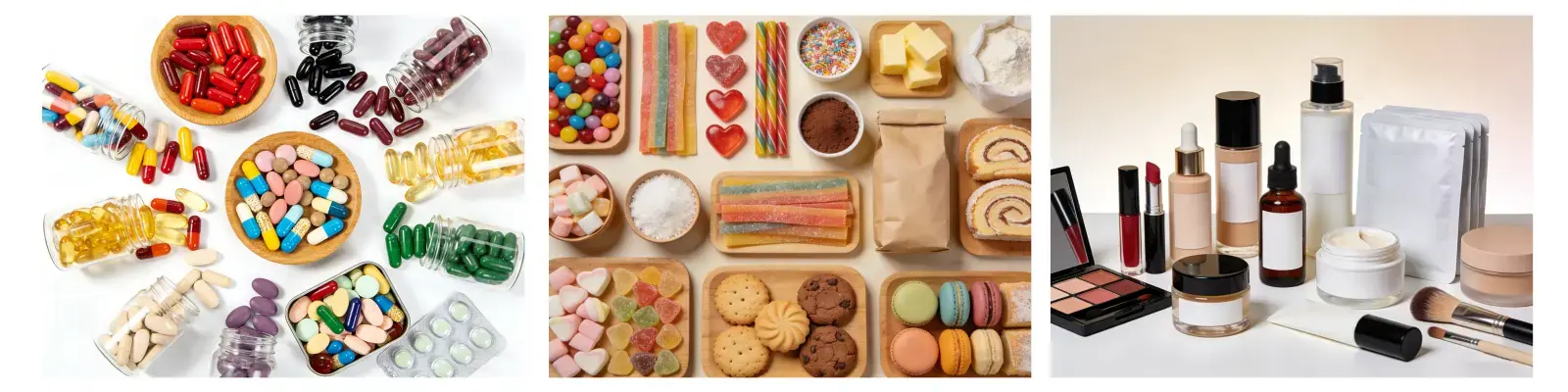
The usefulness of this product can be seen on the skin or taken by mouth. In skincare ingredient systems, the extract is usually found in finished goods at amounts between 0.5% and 3%. It helps make eye creams, leg comfort creams, and anti-ageing complexes. The brownish-yellow colour goes well with natural cosmetics that have earth tones, but it might need to be covered up in pure white emulsions.
The 20% standard is best for nutraceutical uses because it saves money when making capsules and tablets. Standard portion amounts provide 50–150 mg of total aescin, which is in line with research-based ranges for supporting circulatory comfort. The powder's 80-mesh particle size makes it very easy to crush, which is great for making tablets and making sure that the powder is evenly spread in two-piece capsules.
Because the extract is naturally bitter and doesn't mix well with water, functional food and beverage makers have a harder time coming up with new recipes. Some useful examples are capsule delivery systems, functional candies that hide flavours, and protein-based recovery drinks, where the saponin's natural foaming property is used to its advantage instead of its disadvantage. Our technical staff helps clients get stable, uniform goods by making dispersion methods work better for horse chestnut extract 20% aescin UV.
Comparative Analysis for Optimised Procurement Decisions
Concentration Comparison: 20% vs. 40% Aescin Specifications
The choice between 20% and higher-concentration types depends on the needs of the product and the cost. Our 20% specification usually costs 30–40% less per kilogram than 40% options, but to get an accurate picture of its worth, you need to figure out how much active Aescin costs per unit. The 20% grade is a better total value for formulations that want middling activity levels because it includes the helpful entourage chemicals without having to pay extra for ultra-refined isolation.
Higher concentrations are best for pharmaceutical-grade uses that need the most strength in the smallest dose or have very little room for formulation. Cosmetic systems don't need amounts above 20% very often because finished products aren't used very often. The 20% standard also shows better stability in finished goods. This could be because the residual seed matrix components protect the sensitive saponin structures naturally with antioxidants.
There are meaningful differences in the solubility patterns between amounts. The 20% extract can still dissolve in water to some extent, which is good for simple preparation systems. On the other hand, 40% grades usually need solubilising agents or hydro-alcoholic vehicles to work. This can make clean-label placement harder and raise the total cost of formulation by requiring more excipients.
Comparing Horse Chestnut Extract with Alternative Botanicals
When purchasing ingredients for vascular support, our extract is often put up against diosmin, butcher's broom, and other plant options. Diosmin has strong capillary-protective effects, but it comes from citrus fruits, which could cause allergy issues and command high prices. Horse chestnut has similar functions, is more well-known to consumers, and usually costs 20–35% less to buy at the same level of activity.
When you standardise butcher's broom extract for ruscogenins, it gives you the same benefits through similar saponin mechanisms. The choice is often based on what the local market wants and what the label already says. People in Europe are very familiar with horse chestnut, but in North America, the focus might be on butcher's broom to make the product stand out. Our company keeps both choices available, so clients can find the best formulations for their areas without having to switch production partners.
Topical vitamin K formulations work in different ways, focused on clotting factors instead of maintaining blood vessel condition. More and more, high-end eye care products use a combination of horse chestnut for structural support and vitamin K for specific issues. For these kinds of synergistic formulas, our scientific documentation has data on how well they work together.
Quality Verification and Supplier Evaluation Criteria
Tough quality control tells the difference between trustworthy providers and market traders. We suggest that buying teams look at possible partners in a number of important ways, not just by comparing prices.
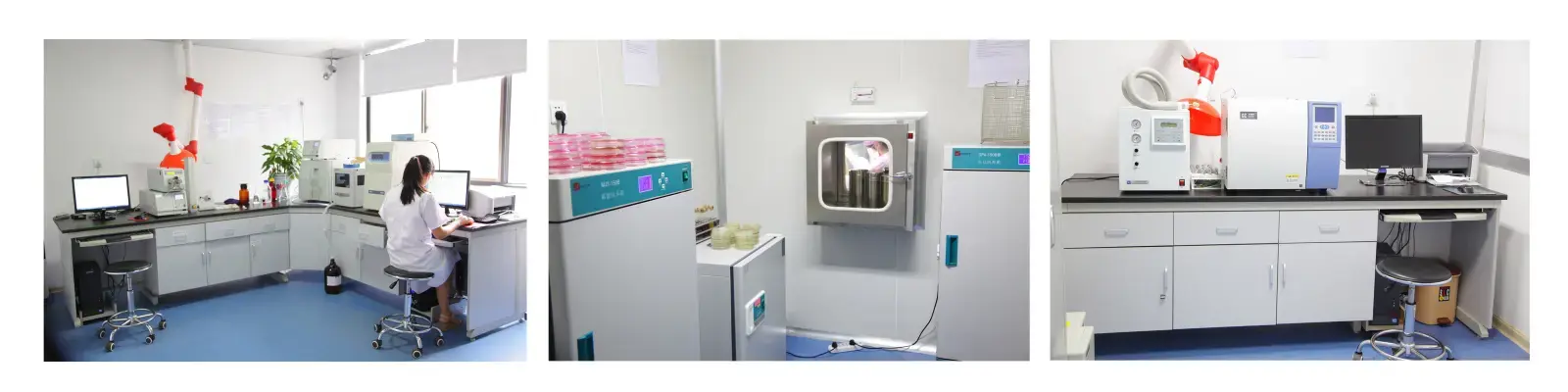
Methods for analysis are what make quality assurance possible. UV spectrophotometry is a common way to measure Aescin levels, but it is not as accurate as HPLC methods. We offer both of these ways of analysing because they are useful in different situations. UV testing is quick and cheap for regular tracking and batch verification, and HPLC testing proves specific saponin profiles for study purposes or regulatory reports. Buyers should know that UV methods usually give 1.5 to 2 times higher readings than HPLC for the same samples because they find more total saponins than specific chemicals.
Screening for contaminants is even more important for products from seeds. Polycyclic aromatic hydrocarbons can build up during drying processes. Because of this, European markets, where standards are still strict, need to test for PAHs. Our standard promises that benzo(a)pyrene will be less than 10 ppb and total PAH₄ will be less than 50 ppb, which is what the EU law calls for. ICP-MS testing has shown that heavy metal profiles always have levels of less than 3.0 mg/kg for lead and 0.1 mg/kg for mercury.
Important tests also include microbial quality and leftover liquid analysis. Total plate counts stay below 1,000 CFU/g, and bacteria are not present. This is because the extraction conditions were carefully controlled, rather than being exposed to strong radiation that could break down active chemicals. For Horse Chestnut Extract 20% Aescin UV, ethanol traces always test below 5,000 ppm, which is well below the limits of safety for food and beauty products.
Procurement Guide for Bulk Ingredient Sourcing
Sourcing Channels and Minimum Order Considerations
We have direct relationships with manufacturers, so there are no markups for middlemen. We also offer technical help throughout the product creation cycle. Our 25-kg drum minimum order number meets the needs of recipe development, letting R&D teams do stability studies and scale-up trials without having to commit to too much inventory. This MOQ covers between 500 and 2,500 bottles of finished product, based on the amount of ingredients used. It's good for small production runs or unique product lines.
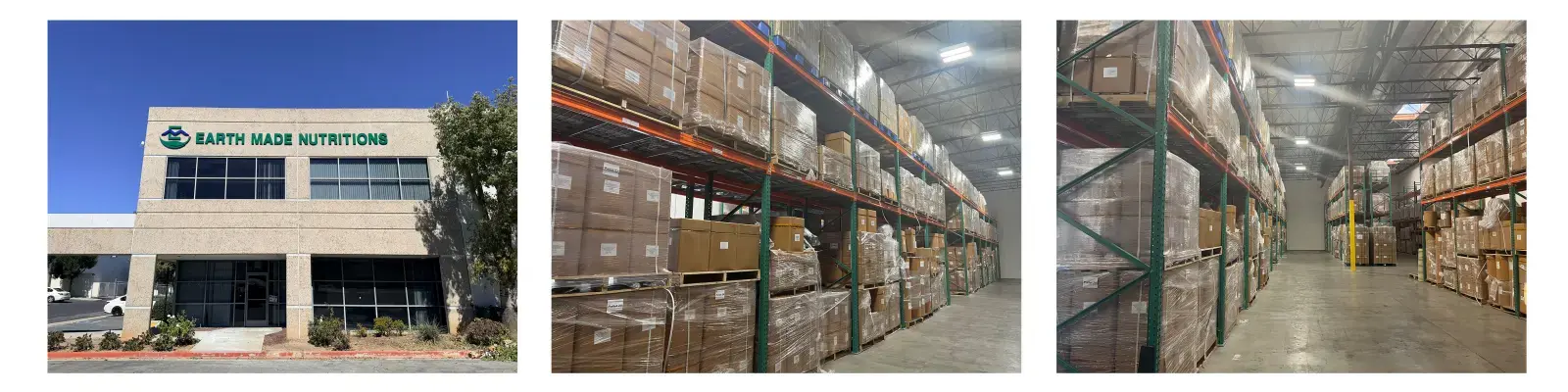
We offer better prices on well-known goods that need to be bought in bigger quantities when you place orders of 100 kg, 500 kg, or 1,000 kg. Bulk packing in fibre drums with plastic liners keeps the product safe while it's being stored and lowers the cost of wrapping each unit. We keep smart inventory in four U.S. warehouses, which lets us fill orders quickly (within two days for stocked items) and avoids the 6–8-week lead times that come with shipping directly from abroad.
Distribution relationships help customers who'd rather buy a lot of different plant ingredients at once. Specialised ingredient wholesalers in the cosmetic and functional food industries are part of our dealer network. Each of them keeps a collection of our core standards. This route works well for buyers who need smaller amounts of a variety of ingredients or who would rather have a credit relationship with an area distributor.
Pricing Factors and Certification Impact
Knowing what factors affect prices helps buying teams bargain well and stick to their budgets. The base price for Horse Chestnut Extract 20% Aescin UV is based on the cost of the raw materials, how well they are extracted, and the cost of tests. Prices on the market right now range from $35 to $55 per kilogram for orders of 25 kg, and as the order size goes up, bulk deals cut the price per unit by 15 to 25 per cent.
Organic approval raises the base price by about 40 to 60 per cent because of the limited supply of raw materials, different processing standards, and the need for more thorough paperwork. For USDA and EU organic certificates, the whole process must be able to be tracked, from the forest to the finished product. Compliance is checked every year through audits. For label difference, brands aimed at high-end natural markets often find this investment useful, while value-oriented goods usually list conventional sources.
Kosher and Halal approvals add small prices of 5 to 8 per cent, which cover the costs of rabbinic oversight and certification body fees. These qualifications allow access to large market groups with little effect on formulation, which makes them cost-effective for goods aimed at a wide range of consumers. Because our certifications come from well-known organisations, we don't have to charge customers for each batch of certifications as some sellers do.
Validation of UV protection is a new standard request as brands look for proof of their photoprotective claims. For Horse Chestnut Extract 20% Aescin UV, third-party testing by ISO-certified labs adds $0.50 to $1.50 per kilogram to the total cost, but it gives you marketing materials and legal support, which makes the cost worth it. We work with our clients to see if their forms need this extra level of proof.

Conclusion
Horse chestnut extract 20% aescin UV is a flexible plant ingredient that can be used in a wide range of nutritional, cosmetic, and functional food products. The specification strikes a mix between low cost and proven usefulness, with backing from both long-term use and growing scientific documentation. It's helpful for procurement pros to know what the advantages are compared to other concentrations and similar botanicals. This lets them do smart buying that fits with their goals for product positioning. To make applications work, you need to pay close attention to formulation methods, the right dose amounts, and strict quality checks that make sure finished goods are safe and effective. Our company's integrated method combines trustworthy production, full approval, and technical support to make finding ingredients easier while upholding the quality standards that keep brand names safe.
FAQ
1. What distinguishes the 20% aescin specification from other concentrations?
The 20% standard strikes the best mix between activity and formulation flexibility. This concentration always provides the same useful benefits at a lower cost than 40% grades, while still making final goods more stable and soluble. The standardisation includes flavonoids and similar chemicals that are good for you and make the whole thing work better by working together. Higher amounts work best in pharmaceuticals that need the most strength, while the 20% grade works best in vitamin and cosmetic systems that care most about the entourage effect and having a clean label.
2. How can buyers verify UV protection claims?
To prove UV protection, products must be tested by ISO-certified labs that specialise in photoprotection assessment. Standardised tests are done at these sites to see how well they protect cells from UV damage and how well they get rid of free radicals. We provide testing paperwork to clients who need to back up marketing claims. We work with qualified labs to make sure that the methods used are in line with what regulators in target markets expect.
3. What are typical lead times for bulk orders?
Standard specs ship within two days from our U.S. warehouses for orders up to 500 kg, thanks to the strategic inventory that is kept in four regional sites. When material needs to be restocked, it may take 3–4 weeks for custom certifications or organic requirements. We suggest that procurement teams make quarterly predictions for specific needs. This will allow for proactive inventory management that avoids supply interruptions during product launches or regular demand high points.
Partner with EM for Premium Horse Chestnut Extract Supply
Earth Made Nutritions Inc. is your reliable source for Horse Chestnut Extract 20% Aescin UV. We ask purchasing managers, formulation scientists, and product developers to look into partnership possibilities with us. Our businesses in California use cutting-edge extraction technology and thorough quality control systems to provide plant ingredients that meet pharmaceutical-grade standards at prices that are hard to beat. When you combine four carefully placed U.S. warehouses, you get fast fulfilment that keeps your production plans on track without having to buy too much inventory. During all stages of product development—from figuring out if the idea is even possible to making the final product on a larger scale—our technical team helps with the recipe. Full sets of certifications, like NSF GMP, FSSC22000, Kosher, Halal, and organic marks, make it easier to find suppliers and make sure your products are ready for regulations in all global markets. Contact our team at info@em-herb.com to talk about your specific ingredient needs, ask for certificates of analysis, or set up free samples that show how proper sourcing can improve the quality of your finished goods.
References
1. Sirtori, C.R. (2001). Aescin: pharmacology, pharmacokinetics and therapeutic profile. Pharmacological Research, 44(3), 183-193.
2. Gallelli, L. (2019). Escin: a review of its anti-edematous, anti-inflammatory, and venotonic properties. Drug Design, Development and Therapy, 13, 3425-3437.
3. Wilkinson, J.A. & Brown, A.M.G. (1999). Horse chestnut - Aesculus hippocastanum: potential applications in cosmetic skin-care products. International Journal of Cosmetic Science, 21(6), 437-447.
4. Pittler, M.H. & Ernst, E. (2012). Horse chestnut seed extract for chronic venous insufficiency. Cochrane Database of Systematic Reviews, Issue 11, CD003230.
5. Guillaume, M. & Padioleau, F. (1994). Veinotonic effect, vascular protection, anti-inflammatory and free radical scavenging properties of horse chestnut extract. Arzneimittelforschung, 44(1), 25-35.
6. European Medicines Agency (2009). Assessment report on Aesculus hippocastanum L., semen. Committee on Herbal Medicinal Products, EMA/HMPC/638244/2008.
.webp)