- English
- French
- German
- Portuguese
- Spanish
- Russian
- Japanese
- Korean
- Arabic
- Irish
- Greek
- Turkish
- Italian
- Danish
- Romanian
- Indonesian
- Czech
- Afrikaans
- Swedish
- Polish
- Basque
- Catalan
- Esperanto
- Hindi
- Lao
- Albanian
- Amharic
- Armenian
- Azerbaijani
- Belarusian
- Bengali
- Bosnian
- Bulgarian
- Cebuano
- Chichewa
- Corsican
- Croatian
- Dutch
- Estonian
- Filipino
- Finnish
- Frisian
- Galician
- Georgian
- Gujarati
- Haitian
- Hausa
- Hawaiian
- Hebrew
- Hmong
- Hungarian
- Icelandic
- Igbo
- Javanese
- Kannada
- Kazakh
- Khmer
- Kurdish
- Kyrgyz
- Latin
- Latvian
- Lithuanian
- Luxembou..
- Macedonian
- Malagasy
- Malay
- Malayalam
- Maltese
- Maori
- Marathi
- Mongolian
- Burmese
- Nepali
- Norwegian
- Pashto
- Persian
- Punjabi
- Serbian
- Sesotho
- Sinhala
- Slovak
- Slovenian
- Somali
- Samoan
- Scots Gaelic
- Shona
- Sindhi
- Sundanese
- Swahili
- Tajik
- Tamil
- Telugu
- Thai
- Ukrainian
- Urdu
- Uzbek
- Vietnamese
- Welsh
- Xhosa
- Yiddish
- Yoruba
- Zulu
To make sure that high-potency pumpkin seed extract is clean, a number of steps must be taken. Some of these are testing the data analytically, checking the source documents, and making sure the certification is real. In order to make sure that active chemical concentration ratios are correct, teams that are in charge of buying things should request HPLC chromatograms, certificates of analysis from approved third-party labs, and full microbe screening reports. If you want to make sure that the extraction method, liquid residue levels, and foreign quality standards like NSF GMP and ISO approval are all met, then you should do these things. Paperwork that links the finished product to the plant source (Cucurbita moschata) is another way to show that it is real and assist buyers in making smart decisions in crowded markets.
Understanding the Importance of Purity in High-Potency Pumpkin Seed Extract
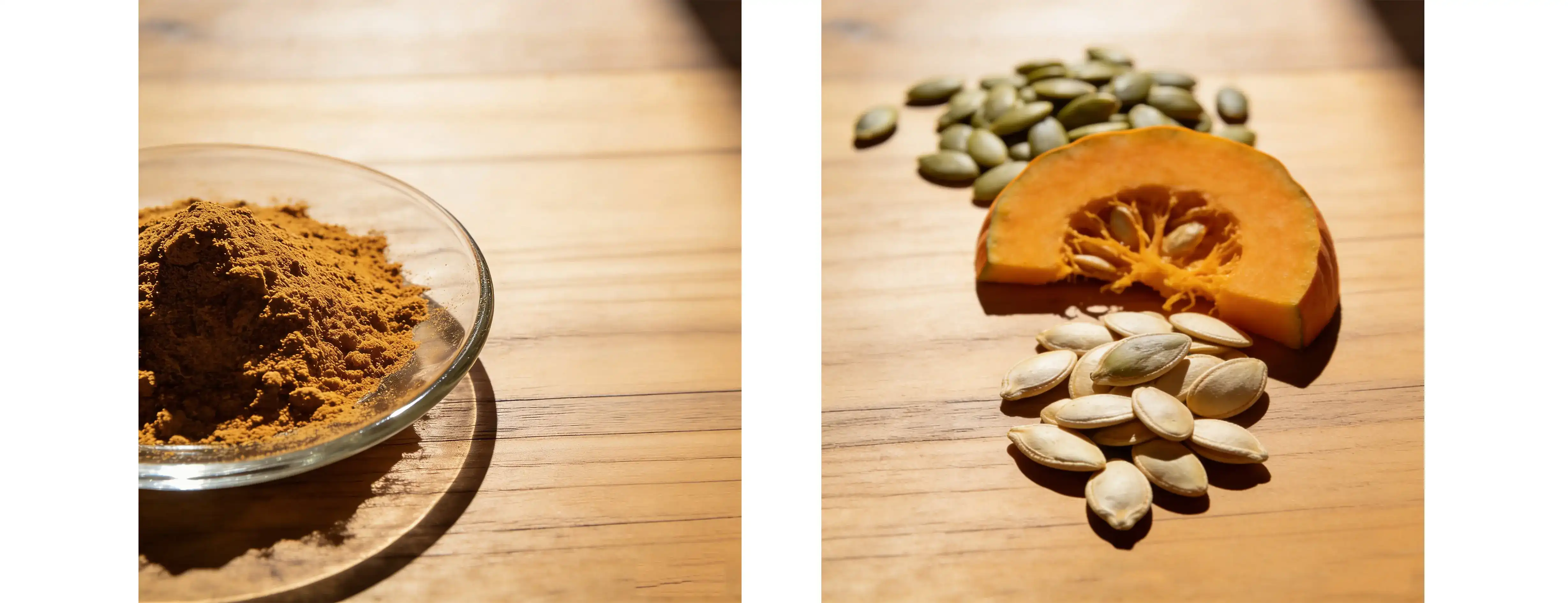
The most important thing to look for in high-potency pumpkin seed extract that you want to use in recipes is clarity. Concentrated plants are different from regular seed powders or oils because they go through extraction processes that separate beneficial substances while getting rid of inactive materials, fibres, and possible contaminants. There are problems all along the value chain when purity levels drop below what is normal. For example, batches may not work right or meet legal requirements, which can stop production and hurt the brand's image.
Defining Purity Parameters in Concentrated Plant Extracts
To be pure in plant extracts, there must be no fillers, heavy metals, herbicides, or microbiological contaminants. There must also be a certain amount of specific bioactive substances compared to the total mass. It takes 10 kg of the growing body of the Cucurbita moschata plant to make 1 kg of compressed powder. This is called a real 10:1 water extract. There is a direct link between this concentration ratio and the amount of phytosterols, tocopherols, and important fatty acids. This is the group of chemicals that gives beauty and care goods their useful qualities. Making sure that every batch has the same amount of activity is called 'standardisation'. This is very important when making skin care products that always work or food pills that say what dose to take.
Risks Associated with Low Purity and Adulteration
Fraud is a problem that keeps coming up in the markets around the world for plant-based ingredients. You can make more money and still meet looks standards if the seller isn't honest. They might mix expensive fillers like maltodextrin, rice flour, or lower-grade seed powders with expensive extracts. These actions lower the amounts of active chemicals, rendering mixes useless and leaving brands open to customer complaints and close scrutiny by authorities. Bad cleaning methods can leave behind chemical leftovers, mycotoxins from bad storage, or heavy metal pollution from growing the plant. This is in addition to intentional adulteration. These quality issues cost money since they cause businesses to lose money, products to be recalled, and the market to shrink. This is really bad for new brands that work hard to build their reputations by saying they will be honest and use clean labels.
Why B2B Buyers Must Prioritise Verification?
For nutraceuticals and cosmetics, what you choose to buy can change how well the goods work and how they are regulated in the long run. Those in charge of formulas, research and development spend a lot of time and money making formulas based on what materials should taste like. When products bought aren't as pure as they say they are, it costs more to reformulate them, which gives competitors an advantage in terms of time to market. It is even harder for quality assurance teams when there are differences in the raw materials, such as high-potency pumpkin seed extract, that make stable tests and proof of success harder. When goods cross international borders, it is more the responsibility of the wholesalers and importers to make sure the paperwork is correct. This is because customs officials and governing bodies want more thorough reports of analysis and records of where the goods came from. It's no longer a nice-to-have to set up strong verification methods during source selection and continuing quality control. It's a must-do to protect users and keep the supply chain honest.
Key Methods to Verify the Purity of High-Potency Pumpkin Seed Extract
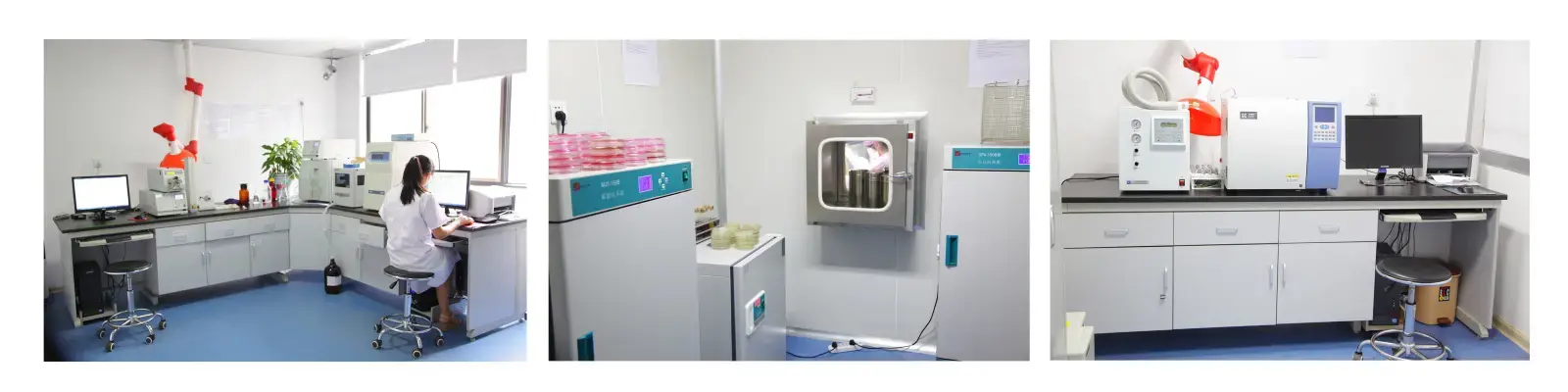
To show that High-Potency Pumpkin Seed Extract is pure scientifically, analytical chemistry methods must be used to find and measure the right chemicals and not the ones that aren't wanted. Most modern labs use more than one testing method that all work together to make sure that the results they produce are complete and accurate.
Advanced Analytical Testing Techniques
High-Performance Liquid Chromatography (HPLC) is the best way to check how much of a substance is present in plant-based foods. Scientists can accurately measure the amounts of phytosterols, fatty acid profiles, and other helpful chemicals because this method breaks complex mixtures down into their separate parts. It is a good idea to ask for HPLC chromatograms with peak identity and integration results when you buy pumpkin seed concentrate. This will keep you informed about the right extraction ratio. By finding out the shapes of molecules, mass spectrometry makes it easier to analyse things. This is a great way to find drugs or additives that were made by people who could mean the processing was tainted. Gas chromatography can find flammable chemicals and unused solvents, which can be used for many different types of analysis. For extracts made with ethanol or other chemical liquids, this is very important. For extracts made with water, it's not as important.
By using microbial screening, you can avoid pathogenic contamination that puts customers' safety and the rules at risk. Pathogens like E. coli are checked for by standard lab kits. There are also oxygen plates for E. coli, yeast, and mould. Salmonella, Staphylococcus aureus and E. coli. With Inductively Coupled Plasma Mass Spectrometry (ICP-MS), the amounts of lead, arsenic, cadmium, and mercury in a sample are checked to make sure they are within the ranges allowed by the FDA and international pharmacy standards. Multi-residue methods can find hundreds of farm chemicals at the same time when they look for pesticide leftovers. This clears up any doubts about the usual ways farmers do things and supports promises of organic approval.
Certificates of Analysis and Third-Party Validation
The full Certificate of Analysis (CoA) has a list of all the important quality factors for a certain batch of goods. Genuine CoAs have batch numbers that show when they were made, descriptions of the testing methods, standard limits that show real test results, and information about the lab's approval. A lot of people forget to check the references of the testing lab when they look at CoAs from sellers. For instance, ISO/IEC 17025 certification shows that the lab follows well-known standards for quality management and has proven its expert skill. Third-party confirmation gives quality proof an extra set of eyes from outside the group. Buying teams don't have to use only the testing data that the seller gives them; they can also send samples to approved, independent labs for more testing. Before making big purchases, this method looks for gaps between what is said and what is actually stated.
Certification Standards and Quality Seals
When you have clear and agreed-upon quality standards, it's easy to keep an eye on the creation process. If a facility has NSF GMP approval, it means that it follows good manufacturing practices. These include showing workers how to do their jobs, keeping tools in good shape, following rules for cleanliness, and keeping records. The FSSC22000 certification blends the ideas of HACCP with control of food safety. This is very important for high-potency pumpkin seed extract and other ingredients that will be used in drinks and foods. When food is certified Kosher or Halal, it means that it meets the dietary needs of religious groups and was made according to certain rules. Getting ISO licenses for both environmental management (ISO 14001) and quality management (ISO 9001) shows that a business is committed to both quality improvement and protecting the environment. Getting organic certification from the USDA NOP or a similar programme in a different country proves that the growing methods don't use man-made fertilisers and pesticides. But being organic doesn't mean that an extract is pure or useful; it still needs to be checked analytically.

Evaluating Suppliers: Ensuring Reliable Purity in Bulk Procurement
When you buy plant products, picking the right source is important for long-term success. Looking at the providers' production skills, quality systems, and how open the supply chain is can help you figure out which ones can keep purity standards the same from one order to the next.
Essential Criteria for Supplier Assessment
You need to know about the extraction technology and process control of a production plant before you can judge it. Controlled-temperature water extraction systems, filter arrays, and spray-drying towers are some examples of new extraction equipment made for processing businesses that work better than old or home-made machines. You can take a virtual or real tour of a facility to learn how to keep it clean, how to move things around, and how to keep product lines separate so they don't get dirty. No matter what kind of lab equipment is used, sellers who keep their own analysis tools and trained staff show that they care more about quality control than the law states they must. There should be HPLC machines, spectrophotometers, moisture testers, and places to do microbiological tests on hand to help with batch release decisions.
You can see how things are done in a clear way with documentation tools. Providers who use electronic batch records, approved test methods, and stability study processes do work that is complicated enough to meet the needs of the pharmaceutical industry. Systems that link groups of high-potency pumpkin seed extract to the raw materials they came from and then to specific crops make it possible to move quickly when quality issues appear. This openness is especially helpful when the government checks or when a customer asks for proof of how the goods were sourced and processed in the past.
Comparing Quality Control Approaches
Quality control is done in different ways by private label makers and named ingredient sources, which can change how you buy things. A lot of money is generally spent by branded companies on their own extraction technologies, standard recipes, and marketing help. Because of these benefits, they charge more. These sellers usually keep more stock on hand, and their products are stable from batch to batch over the years of production. If you hire private label or contract makers, you have more say over the price and the way the product looks. However, you need to learn more about their technical and quality system development skills. Which choice is best will depend on how many orders are placed, how much customisation is needed, and how many internal quality control resources can be used for ongoing service management.
Real-World Success Through Rigors Verification
There was a medium-sized nutraceutical company that made supplements for bladder support. Customers kept saying that the products didn't work the same way every time, even though the company said the recipes were the same. When they looked into it, they found that the high-potency pumpkin seed extract their supplier gave them met some basic requirements, but the phytosterol content was very different from batch to batch, running from 0.8% to 1.4% for different orders. Within two product cycles, the company got rid of performance complaints by switching to a GMP-certified supplier with tighter process control (standard deviation <0.1% across batches) and putting in place a verification protocol that needed HPLC analysis of representative samples from every shipment. Also, tests on the stability of finished supplements got better. This meant that they would last about 20% longer because the raw materials were better to begin with. Spending money on quality control and source checking pays off in the real world, as shown by this case.
Conclusion
When you buy high-potency pumpkin seed extract, purity verification protects the brand's image, the purity of the product, and compliance with regulations. It does this by using planned scientific tests, seller evaluation, and quality system approval. Using HPLC analysis, full records of analysis, third-party lab proof, and certification review all at the same time adds many levels of proof that work together to make it much less likely that the results are fake or of poor quality. There is more to a good buying process than just picking a service. It also includes keeping an eye on quality, knowing how to store things correctly, and keeping track of papers so that goods can be tracked throughout their whole lives. Investing in infrastructure for verification and building relationships with suppliers based on openness and technical know-how gives businesses a competitive edge by making sure products are always the same and quality problems happen less often. This is especially true as clean-label trends and government oversight grow. Botanical goods that have been tested and proven to be pure are more valuable from a business point of view, as picky customers and government agencies expect proof of quality claims.
FAQ
1. What specific tests should I request from suppliers to verify extract purity?
There should be a full Certificate of Analysis that includes testing for heavy metals like lead, arsenic, cadmium, and mercury, as well as testing for microbes like yeast/mould, pathogens, and total plate count. There should also be an analysis of pesticide residues and a measurement of the moisture content. It is necessary to test the liquid remains if organic solvents were used for extraction. Not only should you accept general standard sheets, but you should also make sure that the testing lab is ISO/IEC 17025 approved. Look at the results that are unique to each batch.
2. How can I manage purity variation between batches?
Set up ways to test new materials that include taking samples from each batch that comes in and doing basic identity checks and key marker chemical studies. For example, ±10% for phytosterol content is an example of an acceptable limit that should be set in purchase agreements. The buyer should be able to refuse material that doesn't meet the standards. Ask providers for control charts that show steadiness from batch to batch over time. This will help you get to know providers who can show statistical process control. You could keep a list of accepted sellers that includes a number of good sources. This way, you can quickly switch suppliers if there are problems with regularity.
3. Does organic certification guarantee extract purity?
While organic certification makes sure that farming methods don't use man-made chemicals and fertilisers, it doesn't directly check that the extract is pure, effective, or free of natural substances like heavy metals or mycotoxins. Extracts from plants must be approved as organic and be tested by a third party to make sure they have the right amounts of active ingredients and no other substances that could be harmful. Organic farming and thorough purity testing work together to give the best quality promise for clean label claims and top placement.
Partner with Earth Made Nutritions Inc. for Verified High-Potency Pumpkin Seed Extract
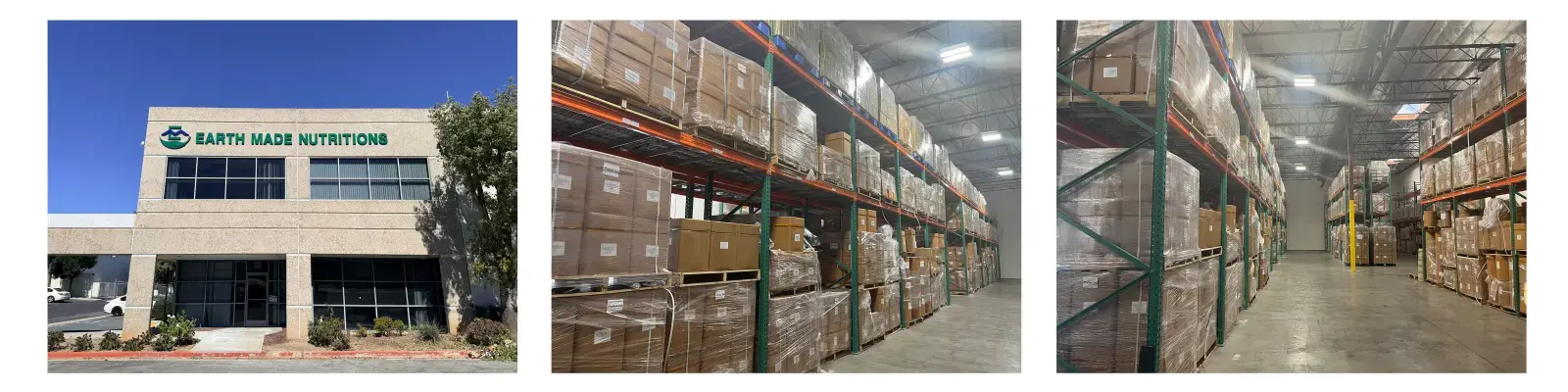
Earth Made Nutritions Inc. sells verified pumpkin seed juice that meets the high standards that buying teams in the business world expect. A lot of tests are done on our 10:1 water-extracted powder from Cucurbita moschata fruiting bodies. These tests look for germs, heavy metals, chemicals, and HPLC analysis. There is a full certification of analysis (CoA) that comes with it. Not only is our High-Potency Pumpkin Seed Extract organic, but it is also Kosher, Halal, ISO, and approved by NSF GMP. That way, you can be sure that the standard of your goods. With four strategically placed U.S. stores that allow for quick shipping and two-day pickup for in-stock items, we take the guesswork out of the supply chain and keep the 25kg MOQ in place. When our employees in California get things, they do so in ways that are good for the environment and use cutting-edge mining technology. Get your free taste and full Certificate of Analysis by emailing info@em-herb.com right now. This will show you how reliable they are at making buying herbs from a problem into a competitive advantage.
References
1. Patel S, Sharma V. "Phytosterol Composition and Bioactive Potential of Cucurbita Seed Extracts: A Comparative Analysis." Journal of Functional Foods and Nutraceuticals, 2019, 45(3): 287-301.
2. Williams DR, Thompson KM. "Quality Control Methodologies for Botanical Dietary Supplements: HPLC and Mass Spectrometry Applications." Analytical Chemistry in Natural Product Research, 2021, 12(2): 156-174.
3. Morrison LJ, Chen HP. "Stability Factors Affecting Phytosterol-Rich Plant Extracts During Storage and Formulation." International Journal of Pharmaceutical Compounding, 2020, 28(4): 312-328.
4. Rodriguez A, Kumar S. "Adulteration Detection in Commercial Pumpkin Seed Extracts: Analytical Approaches and Market Surveillance Data." Food Quality and Safety, 2022, 6(1): 89-104.
5. Bennett RN, Wallace G. "Good Manufacturing Practices in Botanical Extract Production: Certification Standards and Quality Assurance Systems." Regulatory Affairs in Herbal Medicine, 2021, 15(3): 201-219.
6. Zhang Y, Peterson JM. "Extraction Technologies and Bioactive Compound Recovery from Cucurbitaceae Seeds: Process Optimization Studies." Food Science and Biotechnology, 2020, 29(7): 923-938.