- English
- French
- German
- Portuguese
- Spanish
- Russian
- Japanese
- Korean
- Arabic
- Irish
- Greek
- Turkish
- Italian
- Danish
- Romanian
- Indonesian
- Czech
- Afrikaans
- Swedish
- Polish
- Basque
- Catalan
- Esperanto
- Hindi
- Lao
- Albanian
- Amharic
- Armenian
- Azerbaijani
- Belarusian
- Bengali
- Bosnian
- Bulgarian
- Cebuano
- Chichewa
- Corsican
- Croatian
- Dutch
- Estonian
- Filipino
- Finnish
- Frisian
- Galician
- Georgian
- Gujarati
- Haitian
- Hausa
- Hawaiian
- Hebrew
- Hmong
- Hungarian
- Icelandic
- Igbo
- Javanese
- Kannada
- Kazakh
- Khmer
- Kurdish
- Kyrgyz
- Latin
- Latvian
- Lithuanian
- Luxembou..
- Macedonian
- Malagasy
- Malay
- Malayalam
- Maltese
- Maori
- Marathi
- Mongolian
- Burmese
- Nepali
- Norwegian
- Pashto
- Persian
- Punjabi
- Serbian
- Sesotho
- Sinhala
- Slovak
- Slovenian
- Somali
- Samoan
- Scots Gaelic
- Shona
- Sindhi
- Sundanese
- Swahili
- Tajik
- Tamil
- Telugu
- Thai
- Ukrainian
- Urdu
- Uzbek
- Vietnamese
- Welsh
- Xhosa
- Yiddish
- Yoruba
- Zulu
Knowing what makes a good raw material different from a standard one is very important when looking for plant ingredients for cosmetics. It makes a huge difference in how well the products work. Horse chestnut extract 20% aescin UV is a carefully calculated standard that strikes a balance between the amount of active compounds, the accuracy of the analysis, and the protection of stability. The "20%" number refers to the total amount of aescin that was tested using UV spectrophotometry at a range of 268–270 nm. The "UV" number describes both the testing method and the extract's better resistance to UV degradation during shipping and storage. This specification has become the standard in the industry because it consistently delivers activity without the higher cost of ultra-concentrated variants. This makes it perfect for supplement, skincare, and functional beverage companies that want to add vascular support and properties for comfort to their products.
Understanding Horse Chestnut Extract 20% Aescin UV
What Makes This Extract Unique?
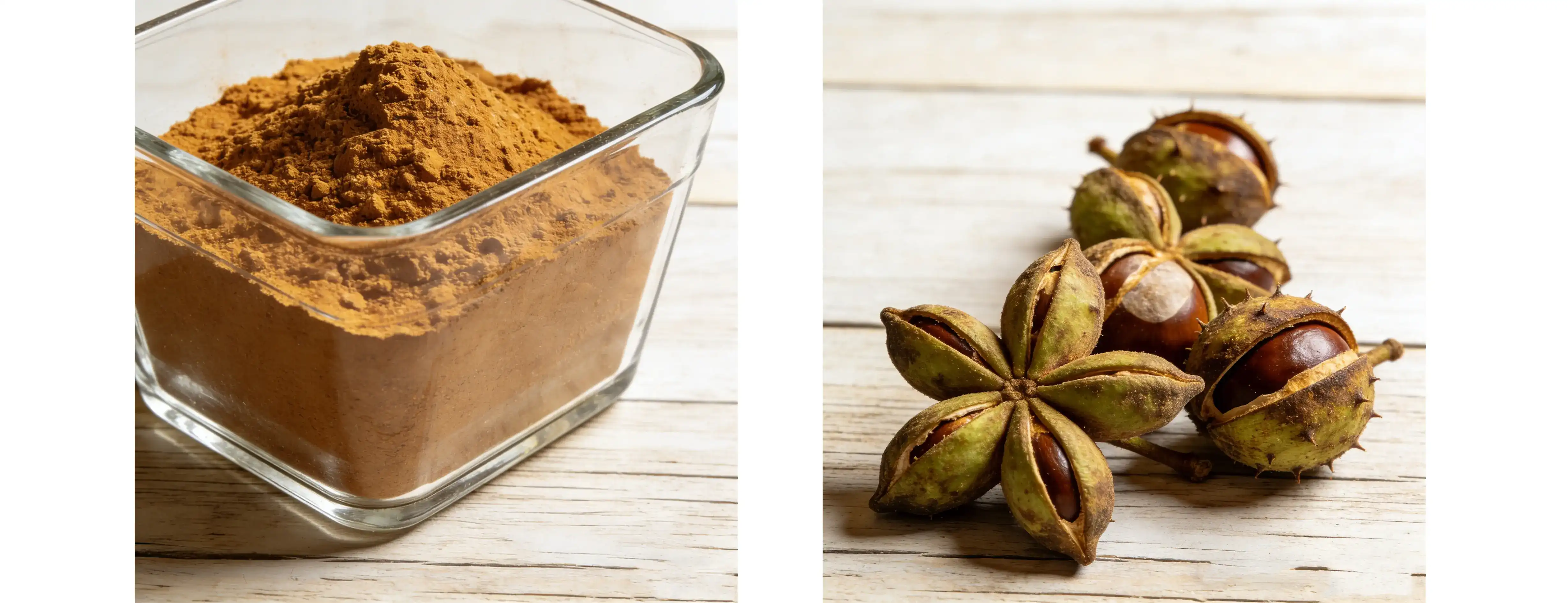
Horse chestnut extract comes from the seeds of the Aesculus hippocastanum plant. It is extracted using water and ethanol to protect the delicate saponin chemicals that make up aescin. In the end, a brownish-yellow powder was made that has aescin molecules alone as well as flavonoids, sterols, and coumarins that all work together. Researchers call this whole mix the "entourage effect", which happens when different substances boost the biological activity of each other beyond what single, pure ingredients can do.
The 20% limit is the best compromise between cost and focus. Lower concentrations, like 10%, might need higher doses to reach desired levels. On the other hand, very high concentrations, like 98% sodium aescinate, are used in pharmaceutical uses that have their own regulatory processes. Our Horse Chestnut Extract 20% Aescin UV gives people who make cosmetics a safe middle ground that meets the needs for effectiveness while still being cost-effective for mass production. The UV measurement method makes sure that each batch is the same by giving buying teams a reliable way to repeat the analysis.
The Science Behind Aescin's Activity
Aescin is useful for many types of products because it works through three main processes that are all linked to each other. The chemical lowers arterial permeability by making capillary walls stronger and preventing fluids from leaking into nearby tissues. This is why it has been used for a long time to help support blood flow in the legs and reduce feelings of stiffness. Aescin can stop enzymes like hyaluronidase and elastase from breaking down elastic tissue, which is what gives it its properties for maintaining comfort. Cosmetic formulators like this process a lot for anti-ageing uses, where keeping the skin tight is important.
Studies that have been reviewed by experts show that standardised horse chestnut extracts with 16–20% aescin can help support vein tone and help maintain oxidative balance. Proanthocyanidins and other polyphenolic chemicals give cells additional antioxidant support that helps them cope with environmental stressors. Knowing these technical details helps R&D leaders explain to regulatory affairs teams and marketing departments why they chose the ingredients they did.
Physical and Chemical Characteristics
Technical buyers should know about the qualities of the materials that affect how well they work in formulations. The extract is a fine, water-absorbing powder that has 95% of its particles going through 80-mesh screens. This makes it easy to package and spread evenly in tablet structures. The bulk density is usually between 0.45 and 0.65 g/ml, which is an important factor for figuring out how much equipment to fill and guessing how much the end product will weigh.
When formulating, it's important to pay attention to how the ingredients dissolve. Horse Chestnut Extract 20% Aescin UV doesn't dissolve all the way in pure water or ethanol, but it does dissolve completely in mixes of water and alcohol. It works well for both drinks and supplements with this flavour. Because it absorbs water, it needs to be stored in controlled, low-humidity areas that are usually below 60% relative humidity at room temperature. When things are packed in 25 kg drums with polythene liners inside, they are safe in both normal storage settings and foreign shipping.
The Importance of the 20% Aescin UV Specification in Procurement
Addressing Quality Consistency Challenges
When purchasing botanical extracts, procurement managers often run into problems, like making sure that the amounts of active compounds are the same across different production groups and sources. The amount of aescin in raw horse chestnut seeds changes naturally depending on where they were harvested, the time of year, and how they were handled after harvest. Without standardisation, finished extract batches could have anywhere from 12% to 28% aescin, which makes formulation unpredictable and messes up production plans and product performance.
Through controlled extraction and testing methods, the Horse Chestnut Extract 20% Aescin UV specification gets rid of this doubt. To get the goal standard with small tolerance ranges, manufacturers change the processing settings and mix batches. Quality certificates from trustworthy sources usually show an aescin level of 19.5-21.5%, which is consistent enough for pharmaceutical-grade operations. When going from test runs to commercial production, where different ingredients can mess up whole product launches, this standardisation is especially helpful.
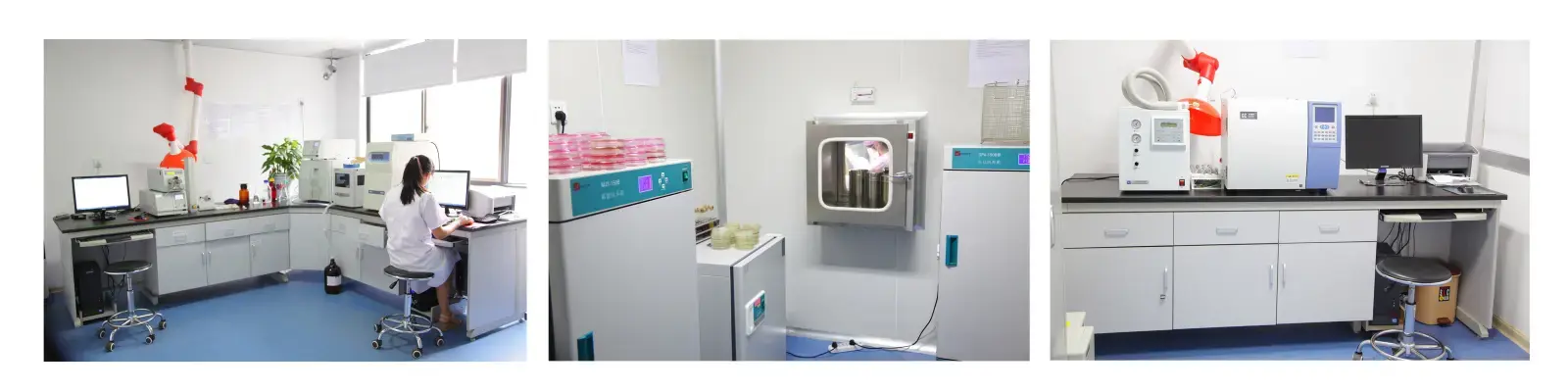
In addition to test values, the UV method itself has benefits for business-to-business deals. UV spectrophotometry gives quick results with inexpensive equipment that is easy to get. This is different from HPLC methods that need expensive equipment and long processing times. Because it's easy to get to, receiving facilities can quickly check the quality of new materials coming in, which cuts down on storage waiting times and speeds up inventory turnover. The ease of use of the method also supports supplier audits, where purchasing teams can check the analytical skills of suppliers during facility visits.
UV Stability and Extended Shelf Life
The UV label has scientific meanings that go beyond the way the measurement is done. Aescin molecules have chromophores that can break down when they are stored in places with natural light or clear packaging that is exposed to ultraviolet radiation. As aescin breaks down, it loses its biological action and may produce oxidation products that change the colour and smell of the product over time.
Manufacturers who care about quality use UV protection during the separation and drying steps. Some of these are working in orange lighting, adding natural antioxidants like tocopherols, or doing the last steps of the process in a dark room with limited light. As a result, an extract that stays effective for 24 to 36 months, which is the normal business shelf life, when kept correctly. This steadiness is especially important for cosmetic brands because skin care goods often sit on store shelves under fluorescent lights before being bought.
The useful benefits are shown by stability testing results from approved providers. Studies on accelerated ageing done at 40°C and 75% relative humidity usually show that UV-protected extracts lose less than 5% of their aescin over six months, while exposed material loses 15–20%. This improved stability means that products will last longer before they go bad, there will be less waste from old stock, and customers will have better experiences with goods that work until the last bit.
Real-World Supply Chain Benefits
A company from the Midwest that makes nutraceuticals talked about what happened when they switched their vascular health supplement line to UV-specified horse chestnut extract. When they used a normal 18–22% extract that didn't have UV protection specs, the colours varied from batch to batch, and customers complained that the pills turned dark before their expiration dates. The oxidation problems led to an expensive project to change the recipe and the brief withdrawal of the product.
Their quality control rejection rate dropped from 8% to less than 1% after they switched to a recognised source that offered Horse Chestnut Extract 20% Aescin UV, along with full paperwork on its stability. The brownish-yellow colour stayed the same throughout the product's life, so customers didn't have to worry about it changing. Consistent powder flow features cut down on machine downtime and cleaning frequency, which also increased manufacturing efficiency. The brand successfully expanded its marketing into natural food chains that have strict quality standards. The growth can be directly linked to the reliability of the ingredients.
Comparison of Horse Chestnut Extract Variants for Informed Decisions
Concentration Options and Application Suitability
There are horse chestnut items on the botanical extract market with aescin contents ranging from 10% to 98%. Each one is used for different things in different businesses. Lower concentration extracts, about 10 to 15 per cent, keep the most cofactors and phytochemical variety, which makes them appealing to formulators who value the synergy of the whole plant over the power of a single ingredient. These are used in herbal tea blends and traditional wellness products where customers want benefits that are a little milder.
Most vitamin and cosmetic brands need a standard that falls somewhere in the middle, like horse chestnut extract 20% aescin UV. It has enough strength to reach desired levels in normal capsule sizes while still keeping the beneficial chemical matrix. A typical supplement for vascular wellness might have 300 mg of 20% extract per dose, which is equal to 60 mg of aescin and is in line with what has been shown in clinical studies. This lets people take two capsules a day in normal-sized 0 gelatine or vegetarian capsules, which are a shape that is easy for people to use.
Higher amounts, like 40% aescin or 98% sodium aescinate, are used in pharmaceuticals or professional-grade goods that need to be as strong as possible while taking up as little space as possible. These ultra-concentrated forms go through extra steps of processing that make them very expensive—often three to five times the price of 20% material. This investment may be worth it for brands that are going after high-end customers or specific applications, but for mass-market goods, 20% standards are usually more cost-effective without lowering effectiveness.
Powder Versus Liquid Extract Considerations
Form selection has a big effect on how things are made and how the end result looks. Powder extracts are used a lot in the vitamin and cosmetics industries because they are more stable, easier to carry, and simpler to mix into solid and semisolid mixtures. The dry version doesn't worry about microbes growing during storage and lets calibrated scales be used for accurate gravimetric doses.
Liquid extracts, which are usually tinctures made from alcohol that have been standardised to the same amount of aescin, work well in makeup systems and drinking uses where solvent compatibility is important. But the liquid version comes with problems like labelling the alcohol level, heavier shipping, and the possibility of separation problems during storage. When buying in bulk, the 25kg drum packing is usual for powder, which is a better deal than the smaller containers needed for liquids.
Formulators have the most freedom when they can mix powdered extracts with their own special liquid systems. A cosmetics company can mix their best solvents with the powder to dissolve it, changing the pH and adding stabilisers that work with its products. This way of doing things keeps the cost and stability benefits of powder sources while getting the processing properties needed for certain uses.
Organic Certification and Market Positioning
More and more people want to buy organic goods, which gives brands that can get approved organic horse chestnut extract a chance to stand out. For food to be certified organic, it must be grown without using man-made fertilisers or pesticides, wild-harvested from areas marked as organic, or its organic status must be checked throughout the supply chain. These rules raise the prices of raw materials by about 30 to 50 per cent, but they also allow higher prices and access to speciality store outlets.
Our extract comes with a number of certificates, such as USDA Organic, Kosher, Halal, NSF GMP, and FSSC22000, so it can meet the needs of a wide range of consumers and markets. Kosher and Halal approvals are very important for businesses that want to sell to religious groups or to people in other countries, where these labels have a lot of value. The wide range of certifications removes obstacles to buying and speeds up entry into controlled areas of the market.
If a brand wants to get certified, it should look at the shopping outlets it wants to reach and the types of people who buy its products. More and more natural food stores and online shopping sites need organic approval as a basic requirement to let you join. On the other hand, clinical nutrition brands that target healthcare professionals may value pharmaceutical-grade quality standards higher than organic status, which means that conventionally approved material like Horse Chestnut Extract 20% Aescin UV is perfectly fine.

Conclusion
The Horse Chestnut Extract 20% Aescin UV specification is more than just a make-believe industry standard. It's a careful mix of activity strength, analytical accuracy, production feasibility, and economic success that makes horse chestnut extract useful in a wide range of situations. Procurement pros who understand the technical reasoning behind this standard, make sure quality by using the right testing parameters, and work with suppliers who keep full quality systems in place set their brands up for formulation success and market differentiation. Because the extract has a history of use, a favourable safety profile, and is becoming more well-known among consumers, it presents a great opportunity for supplement makers, skincare brands, and functional drink makers looking for natural ingredients that provide real benefits.
FAQ
1. Is Horse Chestnut Extract 20% Aescin UV Suitable for Use on All Skin Types in Topical Applications?
Horse chestnut extract is very good for all skin types when it is mixed with other ingredients in the right way in cosmetics. The properties for comfort are good for sensitive skin that gets red and irritated easily. As long as leave-on formulas are involved, patch testing is still a common way to try new products. The natural antioxidants in the extract offer support for mature skin and help maintain capillary health, which makes spider veins less noticeable.
2. What Advantages Come with Purchasing Certified Bulk Quantities?
Certified bulk purchases provide multiple strategic advantages beyond unit cost reductions. Volume commitments ensure supply priority during periods of raw material scarcity or seasonal harvest variations. Comprehensive documentation packages accompanying bulk orders streamline regulatory submissions and customer audits. Long-term supply agreements with qualified vendors enable collaborative innovation, including custom concentrations or specialised testing protocols that support unique formulation requirements. The economic efficiency of bulk purchasing improves margin structures, funding marketing investments that drive brand growth.
3. How Does UV Protection Extend Product Shelf Life?
Multiple layers of UV protection work together to keep the potency and look of extracts throughout their commercial lives. When you store and package things in a way that keeps light out, you keep sensitive aescin molecules from breaking down. If they were exposed to ultraviolet radiation, they would lose their biological activity. Antioxidant systems built into the product during production stop free radicals before they cause more damage that changes the colour, smell, and effectiveness. These benefits can be measured with stability testing results from reputable sources, which show that sample values can be kept for more than 24 months in the right storage conditions, compared to 12 to 18 months for horse chestnut extract 20% aescin UV materials that aren't protected.
Partner with Earth Made Nutritions Inc. for Premium Horse Chestnut Extract Supply.
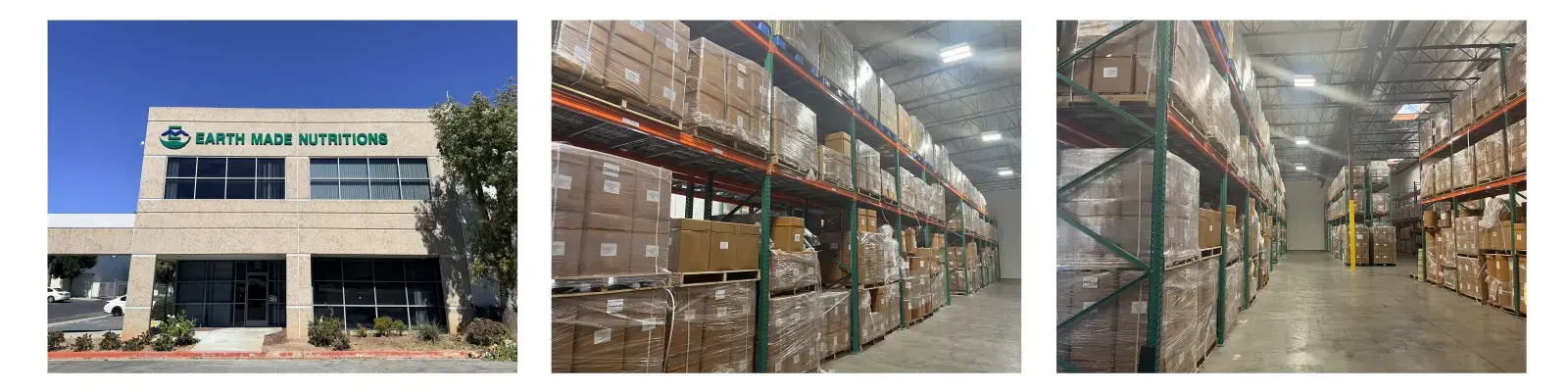
Earth Made Nutrition Inc. offers pharmaceutical-grade horse chestnut extract through our state-of-the-art plant in California, which is complete with cutting-edge quality control and extraction technology. Our Horse Chestnut Extract 20% Aescin UV specification meets the high standards that beauty and companies need. It is backed by a number of certifications, such as NSF GMP, FSSC22000, Kosher, Halal, and organic proof. As a reliable supplier, we keep the same amount of stock in all four of our domestic stores. This lets us complete orders in just two days, cutting down on long lead times and supply instability.
Our brownish-yellow powder extract comes from Aesculus hippocastanum seeds that were carefully chosen and then processed using water and ethanol liquids that keep the good co-factors while achieving exact standardisation. Specifications range from 10% to 98% aescin to meet a wide range of formulation needs. Our normal package, 25 kg drums, protects the material well while being easy to handle. Formulators can try free samples to see how good the product is before committing to large orders, and our minimum order size of 25 kg works for both new brands and well-known makers.
You can talk to our technical team directly to feel the Earth Made Nutritions Inc difference if you are a procurement manager, R&D head, or formulation scientist. You can email us at info@em-herb.com to get certificates of analysis, stability data, or application advice that is tailored to your product development needs. Our dedication to environmentally friendly buying, responsible manufacturing, and cutting-edge technology makes sure that our relationships are based on trust and mutual success.
References
1. Sirtori, C.R. (2001). Aescin: pharmacology, pharmacokinetics and therapeutic profile. Pharmacological Research, 44(3), 183-193.
2. Pittler, M.H. & Ernst, E. (2012). Horse chestnut seed extract for chronic venous insufficiency. Cochrane Database of Systematic Reviews, Issue 11.
3. Guillaume, M. & Padioleau, F. (1994). Veinotonic effect, vascular protection, antiinflammatory and free radical scavenging properties of horse chestnut extract. Arzneimittelforschung, 44(1), 25-35.
4. Wilkinson, J.A. & Brown, A.M. (1999). Horse chestnut – Aesculus hippocastanum: potential applications in cosmetic skin-care products. International Journal of Cosmetic Science, 21(6), 437-447.
5. European Medicines Agency (2009). Assessment report on Aesculus hippocastanum L., semen. Committee on Herbal Medicinal Products, London.
6. Dudek-Makuch, M. & Studzińska-Sroka, E. (2015). Horse chestnut – efficacy and safety in chronic venous insufficiency: an overview. Revista Brasileira de Farmacognosia, 25(5), 533-541.