- English
- French
- German
- Portuguese
- Spanish
- Russian
- Japanese
- Korean
- Arabic
- Irish
- Greek
- Turkish
- Italian
- Danish
- Romanian
- Indonesian
- Czech
- Afrikaans
- Swedish
- Polish
- Basque
- Catalan
- Esperanto
- Hindi
- Lao
- Albanian
- Amharic
- Armenian
- Azerbaijani
- Belarusian
- Bengali
- Bosnian
- Bulgarian
- Cebuano
- Chichewa
- Corsican
- Croatian
- Dutch
- Estonian
- Filipino
- Finnish
- Frisian
- Galician
- Georgian
- Gujarati
- Haitian
- Hausa
- Hawaiian
- Hebrew
- Hmong
- Hungarian
- Icelandic
- Igbo
- Javanese
- Kannada
- Kazakh
- Khmer
- Kurdish
- Kyrgyz
- Latin
- Latvian
- Lithuanian
- Luxembou..
- Macedonian
- Malagasy
- Malay
- Malayalam
- Maltese
- Maori
- Marathi
- Mongolian
- Burmese
- Nepali
- Norwegian
- Pashto
- Persian
- Punjabi
- Serbian
- Sesotho
- Sinhala
- Slovak
- Slovenian
- Somali
- Samoan
- Scots Gaelic
- Shona
- Sindhi
- Sundanese
- Swahili
- Tajik
- Tamil
- Telugu
- Thai
- Ukrainian
- Urdu
- Uzbek
- Vietnamese
- Welsh
- Xhosa
- Yiddish
- Yoruba
- Zulu
Green coffee bean extract powder is a key ingredient used by companies that make functional foods, skin care products, and medicines. The plant that gives us this extract is called Coffea arabica L. These are seeds that have not been cooked. Some beneficial chemicals are lost when food is heated, but this method saves them. There is more to differentiating quality standards than just making sure that buying managers, R&D directors, and formulation scientists' needs are met. It has a direct impact on how well a product works, whether it gets regulatory approval, and how well the brand is known.
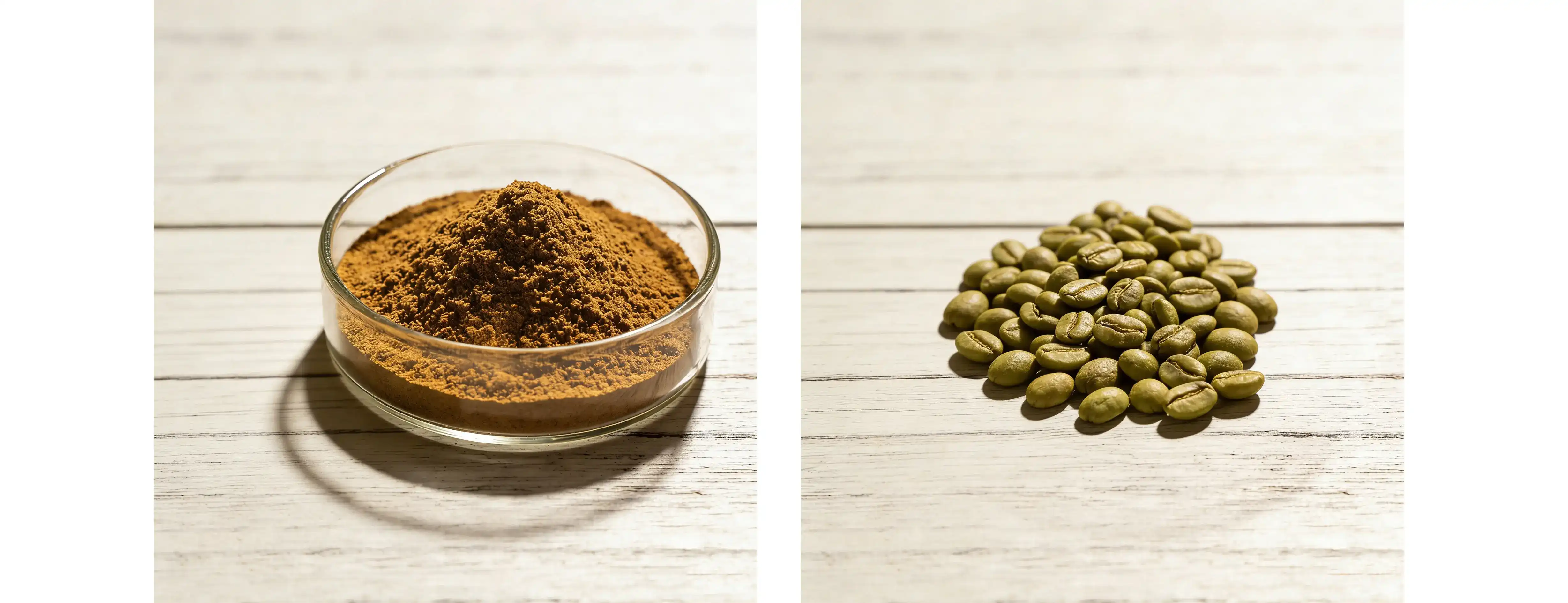
Understanding Green Coffee Bean Extract Powder
The phytochemicals in green coffee bean extract powder are all the same because it is made using controlled extraction methods that keep the beneficial substances. Chlorogenic acids are broken down by 50–95% when coffee is roasted at temperatures above 200°C. This ingredient, on the other hand, is removed at low temperatures using water and ethanol. This method carefully sorts polyphenolic chemicals while lowering the damage caused by heat. This makes a powder that is mostly yellow-brown and has the same chemical makeup.
Extraction Process and Active Compounds
Unroasted coffee beans from the plant Coffea arabica L. are first ground up by hand, and then solvent extraction is done with a mix of water and ethanol. This two-solvent method keeps safety standards for food while getting the most chlorogenic acid back. So that the powder can be mixed with water, the liquid concentrate that is left over is sprayed with water, filtered, and dried under pressure. Chlorogenic acid levels should be at least 50% when using good methods. The main isomer is 5-caffeoylquinic acid (5-CQA).
Chlorogenic acids protect cells from damage and influence how the body uses glucose. It has been found that they help influence the glucose-6-phosphatase enzyme. This enzyme influences how much glucose the liver produces. This is how the extract works, which is why it is used in metabolic-related goods. A lot of research has shown that it can relate to changes in body makeup when combined with changes in living.
Industry Applications Across B2B Sectors
It is used by nutraceutical companies to make weight loss pills, tablets, and powder mixes that fight free radicals and support weight management. As long as the standard is 50% chlorogenic acid, formulators have more freedom and can figure out doses more exactly. The people who make functional drinks know how well they melt in ready-to-drink forms. Cosmetic chemists use its antioxidant properties in skin care products that protect against damage and anti-ageing serums.
Because the vegetable comes from nature, it fits with government policies that prefer ingredients that come from plants to those that are made in a lab. This product has a simple list of chemicals: "Green Coffee Bean Extract powder" with a normal amount of chlorogenic acid. This is good for companies that want to use "clean label" ingredients. This makes people less likely to be suspicious of chemicals with strange names, and the goods still work well enough to support the higher costs.
Key Quality Parameters to Evaluate
Chlorogenic Acid Content and Standardisation
The best way to tell if something is good is to show the total chlorogenic acid level as a percentage by weight. In this field, normal ranges are between 45% and 60%, with 50% being the best balance between cost and usefulness. High-Performance Liquid Chromatography (HPLC) testing is needed to prove the results of the analysis. With this method, you can sort and test different kinds of chlorogenic acid, like 5-CQA, 3-CQA, and 4-CQA.
You can trust suppliers who give you Certificates of Analysis (CoA) that show the chlorogenic acid levels that are unique to each batch you buy. The fact that the batches are all the same shows that the extraction process was well-run and the raw materials were good. If there are big differences—more than ±5% from the given specs—it could mean that the process controls aren't good enough or that the raw materials aren't reliable, which makes it harder to guess what will happen with the mixing. When teams are looking for new sellers, they should request at least three batch CoAs in a row to make sure the manufacturing process is stable.
Purity Standards and Contaminant Screening
There are safety and legal risks from heavy metal pollution that need strict testing methods. The United States Pharmacopoeia (USP) and the Food and Drug Administration (FDA) have rules about how much lead, arsenic, cadmium, and mercury can be in food. There must be less than 0.5 ppm of lead, arsenic, cadmium, and mercury. Testing with Inductively Coupled Plasma Mass Spectrometry (ICP-MS) makes sure that even very small amounts can be found correctly.
If you screen for pesticide traces, you can see how farmers are exposed to chemicals while coffee is being grown. You should check organophosphates, organochlorines, pyrethroids, and carbamates against the rules set by the European Pharmacopoeia or the USDA for organic goods. The extract should meet or go beyond the maximum residue limits (MRLs), especially in markets that are geared towards exports and have strict rules about what can be brought in.
Products that are contaminated with microbes may not be safe to use or last as long. The number of platelets should not go over 10,000 CFU/g, and Salmonella, E. coli, and Staphylococcus aureus should all show that they are not present per gram. If the yeast and mould counts are less than 1,000 CFU/g, it means that the food was kept and treated properly. As part of Good Manufacturing Practices (GMP), providers must keep environmental controls in place to prevent handling and packing from getting dirty.
Moisture Content and Physical Properties
Levels of moisture have a direct effect on how stable green coffee bean extract powder is and how many microbes can grow in it. The best conditions keep the amount of wetness below 5% by weight. Karl Fischer titration or loss-on-drying can be used to show this. Too much moisture speeds up the breakdown of chlorogenic acid, makes it harder to flow while it's being made, and helps germs grow while it's being stored. Things that don't hold a lot of moisture can last longer than 24 months in controlled environments.
How quickly particles break down and how well they mix with other ingredients depend on how they are spread out. When you use standard mesh sizes, like 80 mesh or less (particles smaller than 180 microns), you can be sure that liquid solutions are spread out evenly and that closing equipment always flows the same way. If you use laser diffraction analysis to figure out the sizes of particles, you can guess how well they will work in different scenarios. For makeup recipes, particles as small as 200 mesh may be needed to keep the feel of the product on the skin from being gritty.
Bulk density measurements help with shipping and packing, and they also show how good the powder is. As long as the values are between 0.4 and 0.60 g/mL, the spray-drying conditions are good for making powders that are easy to work with. Changes could happen because of issues with the preparation or because the raw materials are different. To make sure the substance can be used as planned, it is dissolved in water, ethanol, and formulation media. This test also shows how the substance will dissolve when the manufacturing process is scaled up.
Certification and Regulatory Compliance
This makes it easy to get green coffee bean extract powder to markets and makes sure that workplace standards are met. When a business gets NSF GMP approval, it means that they use pharmaceutical-grade production methods. This is especially helpful when making dietary products like green coffee bean extract powder. All foreign supply lines accept food safety management systems that have been approved by FSSC 22000. These systems include risk analysis and key control points.
Kosher and Halal certifications help businesses reach more people who have to eat in a certain way because of their religion. These papers show that the places where the ingredients come from, the tools used to make them, and the way they are treated all meet the requirements set by Islamic or rabbinical officials. If you want to get ISO 9001 quality management approval, you need to handle processes in a controlled way, make them better all the time, and make sure customers are happy.
Product approval from the USDA or similar groups that are free of pesticides and GMOs is what more and more people want. The approval process keeps track of how the food is grown, when it is picked, and how it is made to make sure that organic standards are met. While organic certification does cost more, it makes a product stand out in markets that are getting more competitive and care about protecting the earth and farms in the long term.
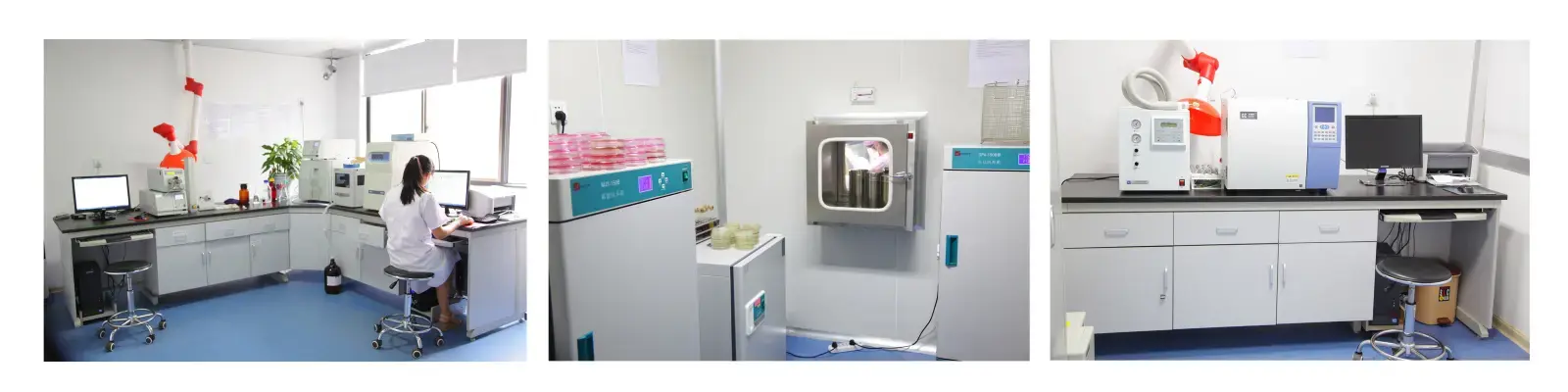
Comparative Quality Insights for Procurement Decisions
Organic Versus Conventional Extracts
Most of the time, organic green coffee bean extract powder costs 20–40% more than regular ones. This is because getting permission costs a lot of money, and each farm has a different yield. This extra money can be used to buy proof that the food doesn't come from approved organic fields and doesn't contain any manmade chemicals or pesticides. It can also help companies that care about the environment with their marketing. There isn't a big difference in the amount of chlorogenic acid present when both organic and standard sources are handled properly after being picked. A lab test proved this.
What the target market wants and how the business is set up will determine the choice. People who buy natural items and care about their well-being are ready to pay more for organic certification. This means that the price of the finished product can cover the higher costs of the raw materials. Most of the time, conventional extracts work just as well when organic claims don't give you much of an edge, like in industrial goods or with price-conscious customers.
Pure Extract Versus Blended Formulations
Some sellers offer ready-made blends of green coffee bean extract powder with chromium, garcinia cambogia, or raspberry ketones, which are all ingredients that work well together. Mixed foods are useful, but they make it harder to change the way a meal is made and hide how much each item costs. You can exactly change doses with pure extracts. They also work better with unique ingredient combinations and make it easier to get regulatory approval for new formulations.
Mixed foods may have fillers or extra ingredients that aren't mentioned on the label. These can lower the amount of active ingredients below what the label says. In order to buy something, it should be made clear that they only want pure extracts and not any extras like silicon dioxide for better flow that aren't needed for production. Because the recipe is open, you can be sure that the math is right and that the ingredients don't react in ways that weren't supposed to happen during stable testing.
Sourcing Origins and Regional Quality Variations
Where raw materials come from changes their quality through things like weather, the type of soil, and the way they are grown. Coffea arabica beans from Ethiopia and Colombia have more chlorogenic acid than robusta beans grown at lower elevations. However, robusta goods that have been processed correctly meet functional standards. Vietnam and Brazil grow most of the world's green coffee. Because they grow so much, their prices stay low thanks to economies of scale. On the other hand, specialty sources sell for more money because they have better taste profiles.
How sellers work with farms where goods like green coffee bean extract powder come from affects how well they can be tracked and how stable the quality is. It's better for buyers who are in charge of both growing and processing than for product dealers who get their goods from different places when it comes to batch-to-batch uniformity. When there are direct trade ties, it's easy to adapt quickly to changes in quality and help with environmental efforts, which are important to both companies and customers.

Conclusion
To pick a good green coffee bean extract powder, you should carefully consider how much chlorogenic acid it has, how it looks, and what kind of certifications the seller has. When teams are good at these quality factors, they can get ingredients that work well in formulations, follow the rules, and make the brand stand out. Spending money on tight seller approval, sample testing, and strategic relationships will pay off in the form of a stronger market position, lower rejection rates, and better product performance. Getting the best plant extracts is becoming more important as the need for natural ingredients backed by science grows. It's what sets stars in the industry apart from average players. Where you buy the fixings has a direct impact on how well the result turns out. This is why it's so important for buying workers who have to deal with changing food markets to understand quality standards.
FAQ
1. What certifications should I verify when sourcing green coffee extract in bulk?
Giving more weight to companies with NSF GMP certification for pharmaceutical production controls, FSSC 22000 certification for food safety systems, and ISO 9001 certification for quality management is a good idea. It's easier to get into new markets when you have a kosher or halal licence, and when you have a USDA organic licence, you know that the food was grown without using chemicals. Instead of relying on copies the supplier gives you, get current licences from the government and make sure the building names match where the seller's plant is located.
2. How can I verify chlorogenic acid authenticity in bulk purchases?
Instead of the usual flavonoid tests, you should ask for HPLC test results from reputable third-party labs that can find specific chlorogenic acid isomers (5-CQA, 3-CQA, and 4-CQA) rather than generic polyphenol measurements. Authentic green coffee bean extract powder exhibits characteristic isomer ratios, with 5-CQA predominating. Conduct identity testing on incoming shipments, comparing chromatographic fingerprints against reference standards, detecting adulteration with cheaper polyphenol sources like apple extract or synthetic compounds.
3. What chlorogenic acid concentration is optimal for metabolic support formulations?
Taking 180 to 400 mg of chlorogenic acids every day has been shown to be associated with benefits by researchers in the field. This is the same as taking between 400 mg and 800 mg of a 50% pure extract. Aim for versions that provide 200 mg of chlorogenic acids per dose and have been shown to work while also being easy to make and cost-effective for users. Bigger amounts make it possible to make smaller pills, but the product might taste bad if it's not enclosed, so the method needs to be carefully tweaked to get the best results.
Partner with EM for Premium Green Coffee Bean Extract Powder
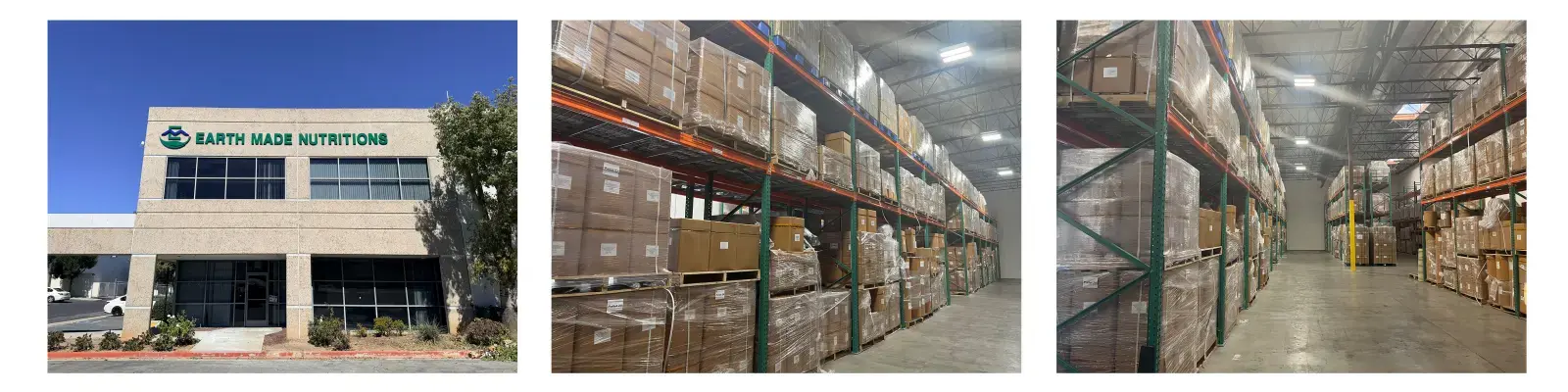
Earth Made Nutritions Inc. delivers pharmaceutical-grade Green Coffee Bean Extract powder standardised to 50% chlorogenic acids, manufactured in our California-based facility under NSF GMP, FSSC 22000, Kosher, Halal, ISO, and Organic certifications. Our water-ethanol extraction process preserves bioactive integrity while meeting strict FDA standards for dietary ingredients. As a trusted green coffee bean extract powder supplier, we maintain four strategically located U.S. warehouses, enabling 2-day order fulfilment to minimise your inventory carrying costs and production delays.
Request your complimentary sample today—our 25kg minimum order and in-stock availability eliminate procurement barriers for formulation development and market testing. Our technical team provides comprehensive documentation, including batch-specific CoAs, stability data, and regulatory support for your target markets. Contact info@em-herb.com to discuss custom formulations, competitive bulk pricing, and how our sustainable sourcing practices align with your corporate responsibility objectives.
References
1. Farah, A., & Donangelo, C. M. (2006). Phenolic compounds in coffee. Brazilian Journal of Plant Physiology, 18(1), 23-36.
2. Mubarak, A., Bondonno, C. P., Liu, A. H., Considine, M. J., Rich, L., Mas, E., Croft, K. D., & Hodgson, J. M. (2012). Acute effects of chlorogenic acid on nitric oxide status, endothelial function, and blood pressure in healthy volunteers. Food & Function, 3(8), 848-854.
3. Onakpoya, I., Terry, R., & Ernst, E. (2011). The use of green coffee extract as a weight loss supplement: A systematic review and meta-analysis of randomised clinical trials. Gastroenterology Research and Practice, 2011, Article ID 382852.
4. Clifford, M. N. (1999). Chlorogenic acids and other cinnamates – nature, occurrence and dietary burden. Journal of the Science of Food and Agriculture, 79(3), 362-372.
5. Roshan, H., Nikpayam, O., Sedaghat, M., & Sohrab, G. (2018). Effects of green coffee extract supplementation on anthropometric indices, glycaemic control, blood pressure, lipid profile, insulin resistance and appetite in patients with the metabolic syndrome. British Journal of Nutrition, 119(3), 250-258.
6. Greenberg, J. A., Boozer, C. N., & Geliebter, A. (2006). Coffee, diabetes, and weight control. American Journal of Clinical Nutrition, 84(4), 682-693.