- English
- French
- German
- Portuguese
- Spanish
- Russian
- Japanese
- Korean
- Arabic
- Irish
- Greek
- Turkish
- Italian
- Danish
- Romanian
- Indonesian
- Czech
- Afrikaans
- Swedish
- Polish
- Basque
- Catalan
- Esperanto
- Hindi
- Lao
- Albanian
- Amharic
- Armenian
- Azerbaijani
- Belarusian
- Bengali
- Bosnian
- Bulgarian
- Cebuano
- Chichewa
- Corsican
- Croatian
- Dutch
- Estonian
- Filipino
- Finnish
- Frisian
- Galician
- Georgian
- Gujarati
- Haitian
- Hausa
- Hawaiian
- Hebrew
- Hmong
- Hungarian
- Icelandic
- Igbo
- Javanese
- Kannada
- Kazakh
- Khmer
- Kurdish
- Kyrgyz
- Latin
- Latvian
- Lithuanian
- Luxembou..
- Macedonian
- Malagasy
- Malay
- Malayalam
- Maltese
- Maori
- Marathi
- Mongolian
- Burmese
- Nepali
- Norwegian
- Pashto
- Persian
- Punjabi
- Serbian
- Sesotho
- Sinhala
- Slovak
- Slovenian
- Somali
- Samoan
- Scots Gaelic
- Shona
- Sindhi
- Sundanese
- Swahili
- Tajik
- Tamil
- Telugu
- Thai
- Ukrainian
- Urdu
- Uzbek
- Vietnamese
- Welsh
- Xhosa
- Yiddish
- Yoruba
- Zulu
Green coffee bean extract powder has become a popular, useful ingredient for food companies that want to add plant actives to their products that have been backed by science. This brownish-yellow powder comes from extracting unroasted Coffea arabica beans with water and ethanol. It has a normal 50% chlorogenic acid content, which is a polyphenol that helps metabolism, protects against free radicals, and naturally preserves food. Unlike roasted coffee, which loses important substances when heated, this raw extract keeps all of its phytochemical profile. This makes it perfect for clean-label recipes in functional foods, vitamins, and drinks where stability and effectiveness are very important.
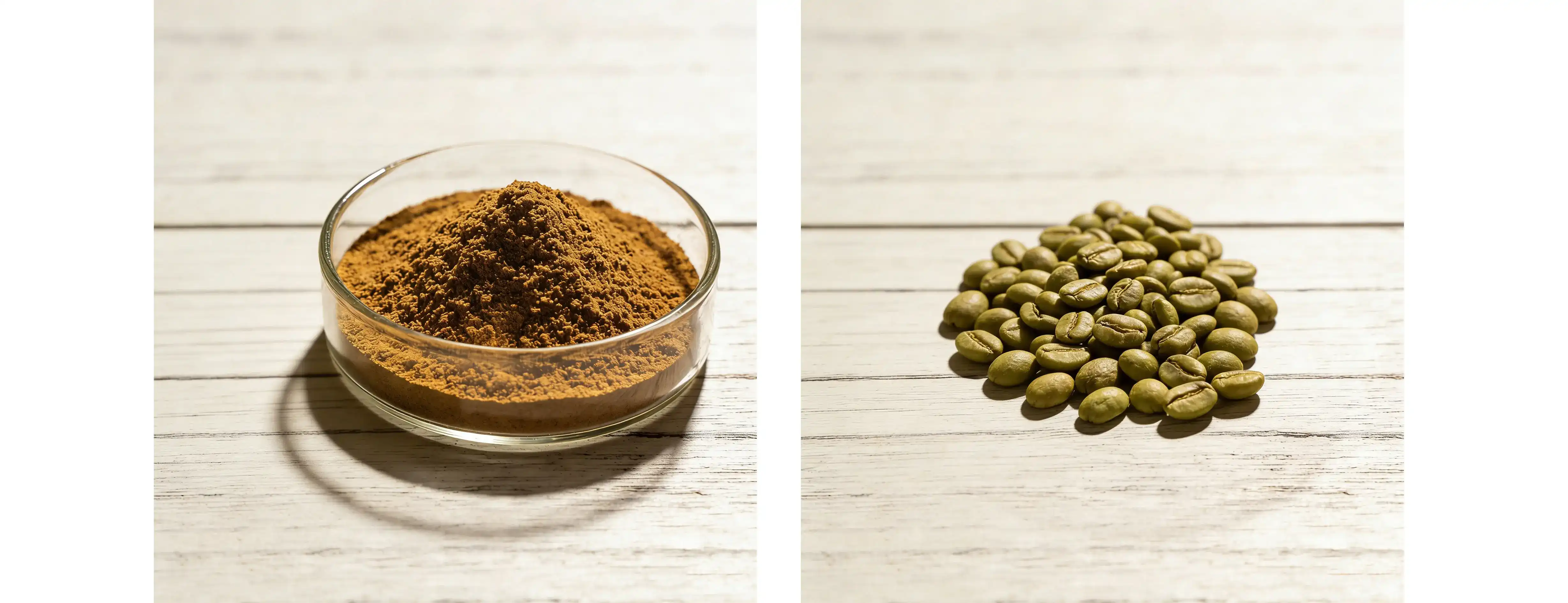
Understanding Green Coffee Bean Extract Powder in Food Formulation
Green coffee bean extract is useful because it has a lot of different biochemicals in it. Chlorogenic acids, especially 5-caffeoylquinic acid, are strong antioxidants that fight free radicals and slow down the breakdown of food materials through oxidation. This system naturally extends the shelf life of food without using artificial preservatives, meeting the growing demand from consumers for goods that have been treated as little as possible.
Biochemical Mechanisms and Food System Interactions
When added to food, chlorogenic acids work with proteins and fats to keep emulsions stable and stop them from going bad. The polyphenolic structure of the substance gives hydrogen atoms to peroxyl radicals, which break oxidation chains that ruin the taste and nutritional value. Researchers have found that a chlorogenic acid level of 45–55% gives the best useful performance without adding the bitterness or astringency that can happen when plant materials are extracted too much.
The extract has a modest amount of caffeine (about 2 to 5 per cent in standardised preparations), which gives it mild stimulant properties and makes it more useful for energy-related uses. Food engineers like how the water-ethanol extraction process gets rid of lipids and volatile chemicals that could mess up taste systems. This leaves a neutral base that can be used in a wide range of formulas.
Clean-Label Positioning and Consumer Trends
Market research shows that 73% of U.S. customers actively look for goods with clear lists of ingredients. This assumption is properly met by green coffee bean extract powder from Coffea arabica beans. The botanical name suggests that it is natural, and the standard chlorogenic acid specification suggests that it is scientifically sound. Certifications like NSF GMP, FSSC22000, Kosher, Halal, ISO, and Organic further prove the quality of the ingredients and meet the needs of buyers who need quality records and can track them.
It's impossible to stress how important the extract is as both a practical and marketing tool. Brands that use this ingredient can make structure-function promises about supporting metabolism and antioxidant activity. This helps their goods stand out in crowded categories where synthetic options are getting less trust from customers.

Core Applications of Green Coffee Bean Extract Powder in Food Formulation
Unroasted green coffee bean extract powder can be used in a lot of different types of products, and each type makes use of a different part of its functional profile. Formulation teams can improve dosage, handling conditions, and related chemicals by understanding how they will be used.
Functional Beverages and Energy Drinks
Most of the time, green coffee products, including Green Coffee Bean Extract powder, are used in sports nutrition drinks and ready-to-drink functional drinks. Most people take 100 to 300 mg per dose, which is calculated to give them 50 to 150 mg of chlorogenic acids. The extract mixes easily in water, but formulators should be aware that a pH below 3.5 may make chlorogenic acid less stable over a long period of time.
When B vitamins, fluids, and adaptogens are mixed together, they have synergistic effects that make you feel more energetic and clear-headed. The antioxidants in the plant keep ascorbic acid and other fragile nutrients from being lost when the food is heated or stored. Developers of drinks like that ensure the extract doesn't change the colour of the drink much and doesn't change the taste at the suggested doses. This lets them be creative with taste profiles.
Dietary Supplements and Nutraceuticals
Green coffee powder is used in capsules and tablets either by itself or with other ingredients such as chromium picolinate, garcinia cambogia, or conjugated linoleic acid. The 50% chlorogenic acid requirement makes sure that all batches of the product are the same strength, which is important for keeping customer trust and living up to label promises.
Manufacturers of supplements that use this ingredient gain from how well it flows and compresses. The powder's moisture content of less than 5% keeps it from caking and makes it last longer in bottles and packaging. Direct compression formulas usually have 200 to 400 mg of extract per dose, which is matched with the needs of the excipients for hardness and disintegration time.
Functional Food Products and Snacks
Green coffee powder is being used more and more as an added value in protein bars, granola products, and enriched baked goods. The extract can handle mild heat processing (up to 150°C for short periods of time), but chlorogenic acids break down when exposed to high temperatures for a long time. When harsher heat treatments are needed, encapsulation technologies can keep the active substances safe.
Texture and wetness movement are problems that come up when making solid food matrices. Because the extract is hygroscopic, it needs to be carefully managed to keep low-moisture goods from becoming too soft. Coating technologies or lipid barriers successfully separate the powder from parts that are sensitive to wetness, keeping the quality of the product high throughout its shelf life.
Flavour Stability and Preservation Benefits
In addition to their main purpose, chlorogenic acids' ability to act as antioxidants gives them technical benefits in products that are high in lipids. When 0.1% to 0.5% green coffee extract is added to nuts, seeds, and omega-3-fortified foods, the browning process is slowed down. This natural way of preserving food fits with clean-label goals and lowers the need for man-made antioxidants like BHT or BHA.
Sensory groups confirm that extracts that are properly dosed do not add any coffee flavour. However, amounts higher than 0.8% in finished goods may add mild vegetable notes. Using vanilla, cocoa, or apple tastes as masking agents works well to get rid of any off-notes in sensitive situations.
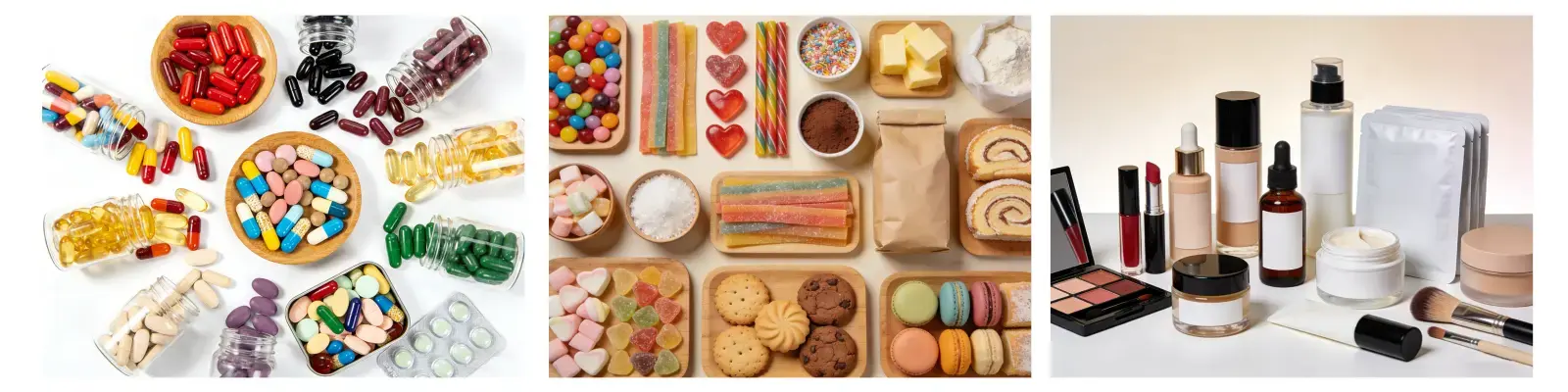
Selecting the Right Green Coffee Bean Extract Powder for Your Formulation
Quality standards have a direct effect on both following the rules and how well the product works. To get the best results, procurement teams need to look at more than just the amount of chlorogenic acid when sourcing green coffee bean extract powder.
Purity and Active Compound Concentration
A 50% chlorogenic acid guideline is the industry standard for beneficial food uses, striking a balance between effectiveness and cost-effectiveness. Higher amounts (70–90%) are possible, but they may make the substance less soluble and cost more, which makes formulation economics harder. On the other hand, lower-grade extracts with less than 45% chlorogenic acid need higher inclusion rates, which could change the texture and taste.
Bioactivity is affected by the mix of chlorogenic acid isomers in green coffee bean extract powder. For the best performance, 5-caffeoylquinic acid should make up at least 60% of all chlorogenic acids. Good suppliers offer HPLC research that confirms the spread of isomers, which helps formulators correctly guess how an ingredient will work. For organic-approved goods in particular, the amount of heavy metals, microbes, and pesticides left on the food must meet FDA standards and customer requests.
Certifications and Regulatory Compliance
NSF GMP approval shows that factories follow modern good manufacturing practices, which protect against contamination and ensure that each batch is the same. The FSSC22000 certification covers food safety management systems, which are very important for items that are going to be eaten by people. Kosher and halal licences make it easier for people with certain dietary needs to buy food.
Even though it costs more, organic approval adds a lot of value. The minimum order number of 25 kg drums with organic certification allows for both small-scale production and large-scale production. To get organic status, the whole supply chain has to be documented, from the farm to the finished product. This is appealing to brands that stress sustainability and environmental responsibility.
Comparative Analysis with Alternative Extracts
Green tea extract has antioxidant qualities because it contains catechins, but it has different taste problems and there may be legal issues with how much EGCG to take. Because roasted green coffee powder doesn't have the concentrated chlorogenic acids that come from real extracts, it needs 5–10 times higher inclusion rates to work the same way.
The water-ethanol extraction method makes cleaner extracts than purely water-based methods, which might also remove unwanted proteins and polysaccharides that make drinks cloudy or change their structure. Solvent leftovers stay below the limits of measurement (usually less than 10 ppm ethanol), so food-grade safety standards are met without needing any extra labelling information besides the extract itself.
Procurement Guide: Sourcing Green Coffee Bean Extract Powder for Food Manufacturing
For strategic buying to work, quality control, supply chain stability, and cost management all need to be balanced when purchasing green coffee bean extract powder. The following approach helps food makers and supplement brands make decisions about what to buy.
Supplier Evaluation and Quality Assurance
Suppliers with a good reputation keep clear quality records, such as Certificates of Analysis, allergen statements, and country-of-origin labels. Well-known companies in the plant extract market can show that their products can be traced back to the farms where they came from, which is very important in case there are problems with the supply chain or quality checks.
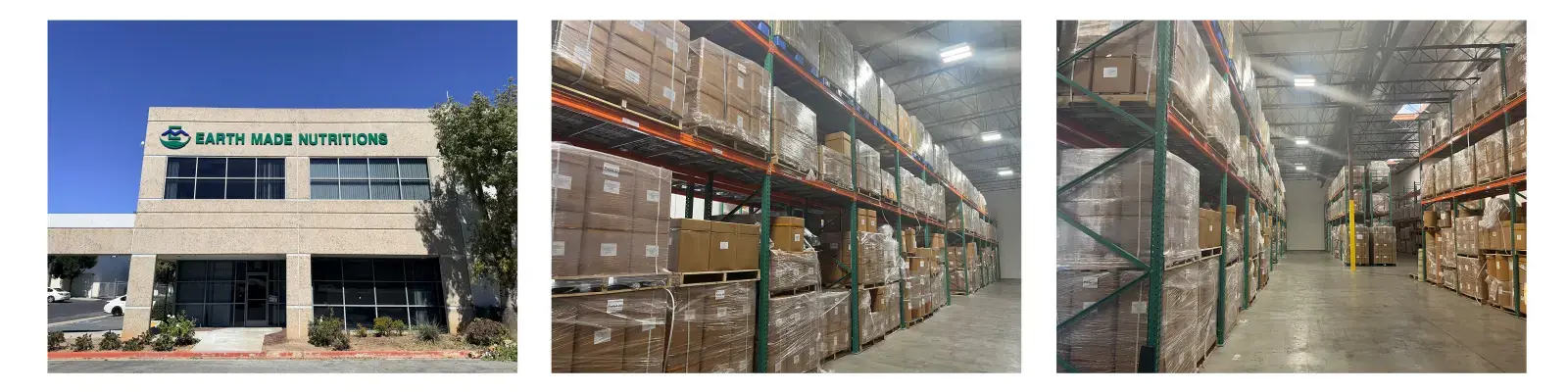
The California-based Earth Made Nutrition Inc. was formed in 2018 and uses modern extraction facilities with cutting-edge tools to make sure the quality of their products is always the same. Their four main centres in the U.S. allow for fast fulfilment—products that are in stock ship within two days of an order being placed, which helps makers with just-in-time production systems keep their inventory costs as low as possible. The 25kg drum package structure works well with batch production, and the free samples let you completely test the product before committing to a full-scale purchase.
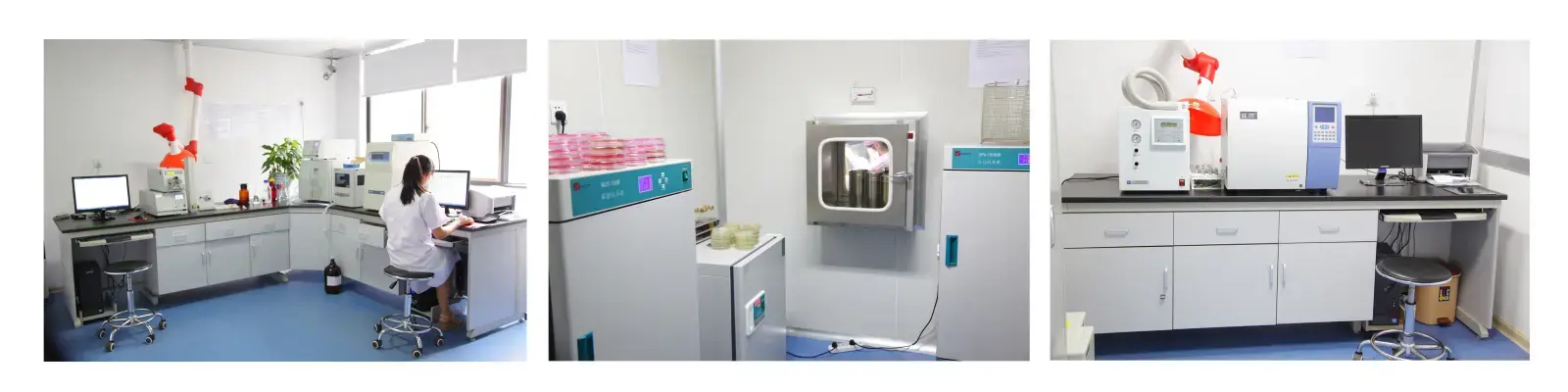
For quality control, it's not enough to just look at the ticket. Before releasing a product, suppliers who have their own labs do identification testing (HPLC, UV-Vis), purity analysis, and microbial screening. Verification by a third party through independent labs adds another level of security. This is especially helpful when working with controlled markets or private customer groups.
Bulk Purchasing Strategies and Volume Economics
The 25 kg minimum order number is a good starting point for testing the product and making the first few batches. As formulations get bigger, buying strategies should look into making volume agreements that let them get better prices without putting the product at risk of going out of date. By agreeing to buy things every three months and setting clear specs and prices, you can plan your budget and still be able to change the amount you buy if demand changes.
Managing lead times becomes very important during busy production times, especially for green coffee bean extract powder. If we keep ingredients in stock, we can get them to you right away. But if you need specific ingredients or organic certification, it could take two to four weeks. Building up strategic store buffers of 30 to 60 days' worth of consumption protects against supply gaps and keeps you from having to spend too much money on raw materials.
Logistics and International Supply Chain Management
Customs delays and changes in international freight rates that make supply planning harder are taken care of by domestic storage. Earth Made Nutrition Inc.'s U.S.-based delivery network makes it easier to coordinate operations, lowers the amount of carbon dioxide released during shipping to other countries, and provides quick customer service during normal business hours, even when there are time zone differences.
Temperature-controlled storage keeps the quality of ingredients from the storeroom to the factory. The extract is stable at room temperature (15–25°C), which makes it easier to handle than biologics that are sensitive to temperature. However, it is still important to keep the extract away from light and moisture. Putting things in fibre drums with plastic covers keeps them dry and clean while they are being stored and shipped.
Conclusion
Because it has a normal amount of chlorogenic acid, works as an antioxidant, and is labelled "clean", Green Coffee Bean Extract powder is useful in many food formulations. The ingredient solves important problems in the industry: it naturally preserves food, backs up functional product claims, and meets customers' desire for well-known botanical ingredients. To make implementation work, you need to pay close attention to quality standards, the stability of the provider, and formulation factors that are specific to the application. When manufacturers work with certified providers who offer domestic storage, quick technical support, and detailed quality paperwork, they set themselves up to stay ahead of the competition in the growing market for functional foods and drinks.
FAQ
1. What is the optimal dosage of green coffee extract in food products?
How much green coffee bean extract powder to use varies depending on the purpose and application. Most drinks have 100 to 300 mg of extract per dose, which gives you 50 to 150 mg of chlorogenic acids. For metabolic support, dietary supplements use 200 to 400 mg per dose. Functional foods and snacks contain between 0.1 and 0.5 per cent of the total weight of the ingredients. The ranges in this section strike a good mix between effectiveness, taste equality, and cost.
2. Are there any worries about safety or side effects that come with this ingredient?
When taken in the suggested amounts, green coffee bean extract powder from Coffea arabica is generally recognised as safe. Caffeine-sensitive people may be affected by the mild caffeine content (2–5%), but the amounts are still much lower than in brewed coffee. Regulatory bodies, such as the FDA, state that coffee is generally recognised as safe (GRAS), which means that it can be used in food products as long as good production practices are followed.
3. How does chlorogenic acid content affect regulatory compliance?
Labelling rules and structure-function claims are affected by chlorogenic acid standards. According to FDA rules for food supplements, products with standardised substances can list antioxidant and metabolic support qualities. The product is used in food for its properties without needing to make specific label promises. Keeping chlorogenic acid amounts the same from batch to batch ensures that the product works the same way every time and helps with the quality control paperwork that is needed to meet legal requirements.
Partner with Earth Made Nutritions Inc. for Premium Green Coffee Bean Extract Powder.
Join forces with Earth Made Nutritions Inc. to get top-notch green coffee bean extract powder. Earth Made Nutrition Inc. gives supplement and food companies access to high-quality extract powder that comes with a lot of approvals and a dependable supply chain. Formulation makers and procurement managers who want reliable, effective plant ingredients will find our 50% chlorogenic acids specification from Coffea arabica beans to be just what they need. Our goods meet strict quality standards because they are certified by NSF, GMP, FSSC22000, Kosher, Halal, ISO, and Organic. We also have four warehouses in the U.S. that make sure things in stock ship within two days.
We are an experienced seller of Green Coffee Bean Extract powder, and we offer free samples with orders over 25 kg so that you can make a full assessment before starting to make more. Our skilled R&D team and advanced extraction technology support custom specs and expert advice, which helps you make the best formulations for the market. Get in touch with us right away at info@em-herb.com to talk about your ingredient needs and find out how our environmentally friendly sources and quality-focused production can help your product development efforts.
References
1. Farah, A., & Duarte, G. (2021). Bioavailability and Metabolism of Chlorogenic Acids from Coffee. In Coffee: Production, Quality and Chemistry (pp. 789-823). Royal Society of Chemistry.
2. Cheng, B., Liu, X., Gong, H., Huang, L., ocean, H., Zhang, X., & Li, C. (2020). Coffee Components Inhibit Amyloid Formation of Human Islet Amyloid Polypeptide: Possible Link between Coffee Consumption and Metabolic Health. Journal of Agricultural and Food Chemistry, 68(7), 1700-1709.
3. Tajik, N., Tajik, M., Mack, I., & Enck, P. (2017). The Potential Effects of Chlorogenic Acid, the Main Phenolic Component in Coffee, on Health: A Comprehensive Review. European Journal of Nutrition, 56(7), 2215-2244.
4. Santana-Gálvez, J., Cisneros-Zevallos, L., & Jacobo-Velázquez, D. A. (2017). Chlorogenic Acid: Recent Advances on its Dual Role as a Food Additive and a Nutraceutical against Metabolic Syndrome. Molecules, 22(3), 358.
5. Meng, S., Cao, J., Feng, Q., Peng, J., & Hu, Y. (2013). Roles of Chlorogenic Acid on Regulating Glucose and Lipids Metabolism: A Review. Evidence-Based Complementary and Alternative Medicine, 2013, Article ID 801457.
6. Ludwig, I. A., Clifford, M. N., Lean, M. E., Ashihara, H., & Crozier, A. (2014). Coffee: Biochemistry and Potential Impact on Health. Food & Function, 5(8), 1695-1717.