- English
- French
- German
- Portuguese
- Spanish
- Russian
- Japanese
- Korean
- Arabic
- Irish
- Greek
- Turkish
- Italian
- Danish
- Romanian
- Indonesian
- Czech
- Afrikaans
- Swedish
- Polish
- Basque
- Catalan
- Esperanto
- Hindi
- Lao
- Albanian
- Amharic
- Armenian
- Azerbaijani
- Belarusian
- Bengali
- Bosnian
- Bulgarian
- Cebuano
- Chichewa
- Corsican
- Croatian
- Dutch
- Estonian
- Filipino
- Finnish
- Frisian
- Galician
- Georgian
- Gujarati
- Haitian
- Hausa
- Hawaiian
- Hebrew
- Hmong
- Hungarian
- Icelandic
- Igbo
- Javanese
- Kannada
- Kazakh
- Khmer
- Kurdish
- Kyrgyz
- Latin
- Latvian
- Lithuanian
- Luxembou..
- Macedonian
- Malagasy
- Malay
- Malayalam
- Maltese
- Maori
- Marathi
- Mongolian
- Burmese
- Nepali
- Norwegian
- Pashto
- Persian
- Punjabi
- Serbian
- Sesotho
- Sinhala
- Slovak
- Slovenian
- Somali
- Samoan
- Scots Gaelic
- Shona
- Sindhi
- Sundanese
- Swahili
- Tajik
- Tamil
- Telugu
- Thai
- Ukrainian
- Urdu
- Uzbek
- Vietnamese
- Welsh
- Xhosa
- Yiddish
- Yoruba
- Zulu
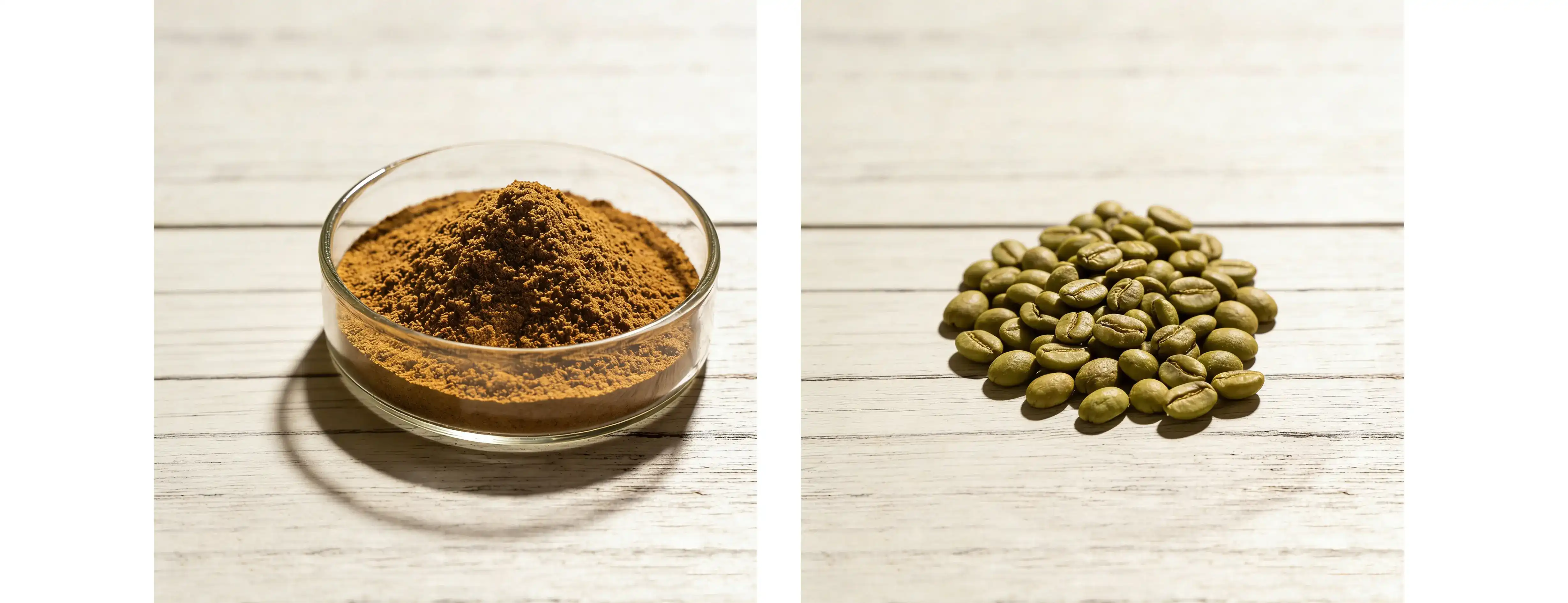
When sourcing botanical ingredients for functional beverages, selecting the right green coffee bean extract powder becomes mission-critical. Derived from unroasted beans of Coffea arabica L., this brownish-yellow powder, standardised to 50% chlorogenic acids, offers potent antioxidant properties and metabolic support. Unlike roasted coffee, this water-ethanol-extracted ingredient preserves bioactive polyphenols essential for formulation efficacy. Contract manufacturers and R&D teams rely on this extract to develop weight management supplements, functional beverages, and clean-label products that meet consumer demand for natural, scientifically validated ingredients. Choosing a supplier with robust quality control, regulatory compliance, and scalable production capacity directly impacts product performance, brand reputation, and market success.
Understanding Green Coffee Bean Extract Powder: Key Insights for B2B Clients
What Makes Green Coffee Extract Different from Regular Coffee Powder?
Green coffee bean extract powder still has chlorogenic acids in it, which are phenolic substances that break down a lot when coffee is roasted. To keep the most common and useful form of chlorogenic acid, 5-caffeoylquinic acid, the beans are extracted with cold water and ethanol. This process solves a major problem in the industry: it gives antioxidant effects without the acidity or flammable oils that come from roasting coffee. It's helpful for procurement teams to know that standardised extracts have consistent strength, unlike raw ground beans whose chlorogenic acid content changes a lot based on where they come from, when they are harvested, and how they are stored.
Core Functional Benefits Driving Market Demand
The extract's bioactivity comes from its ability to influence glucose-6-phosphatase, an enzyme involved in glucose breakdown. Clinical studies show that it can help support blood sugar levels already within the normal range and fat breakdown, which makes it useful for weight management products. ORAC numbers show that this ingredient has a lot of antioxidant power, which makes it a useful addition to anti-ageing products and supplements for heart health. It is used by sports nutrition brands to provide sustained energy with less caffeine than roasted coffee alternatives. These benefits, backed by science, are in line with clean-label trends and meet the needs of consumers who want plant-based, lightly processed products.
Safety Profiles and Regulatory Considerations for Industrial Use
Supplementing with 200 to 400 mg of chlorogenic acid every day has been shown to be safe in human studies. But B2B clients need to make sure that the file specifications fit the apps they want to use them for. According to FDA rules, dietary supplement labels must list the amount of caffeine in the ingredient, which is usually between 2 and 5 per cent in controlled extracts. Testing for heavy metals, herbicides, and bacteria loads must follow the rules set by the USP and the EU Pharmacopoeia. Supply chain openness shows that companies that want to sell to kosher or halal markets need to show proof that they have the right licences. Because these compliance factors have a direct effect on product responsibility and market access, procurement managers have no choice but to vet suppliers.
How to Choose the Best Green Coffee Bean Extract Powder for Contract Manufacturing?
Evaluating Quality Metrics and Analytical Standards
When choosing extract powders, you need to look closely at the Certificates of Analysis (CoA) to see how much chlorogenic acid is listed, which can be done using HPLC. A standard of 50% chlorogenic acid means that the extract is highly effective and can be used in low-dose capsules. Green coffee bean extract powder stays stable during storage and handling as long as the moisture content is below 5%. Flowability in encapsulation equipment and solubility in drinking uses are both affected by the spread of particle sizes. Organic approval from the USDA or the EU adds value to the product, but it needs proof that the beans were grown organically and that they were extracted organically. These factors have a direct effect on the accuracy of the formulation and the effectiveness of the final product. This is why analytical rigour is so important during supplier approval.
Assessing Supplier Manufacturing Capabilities and Certifications
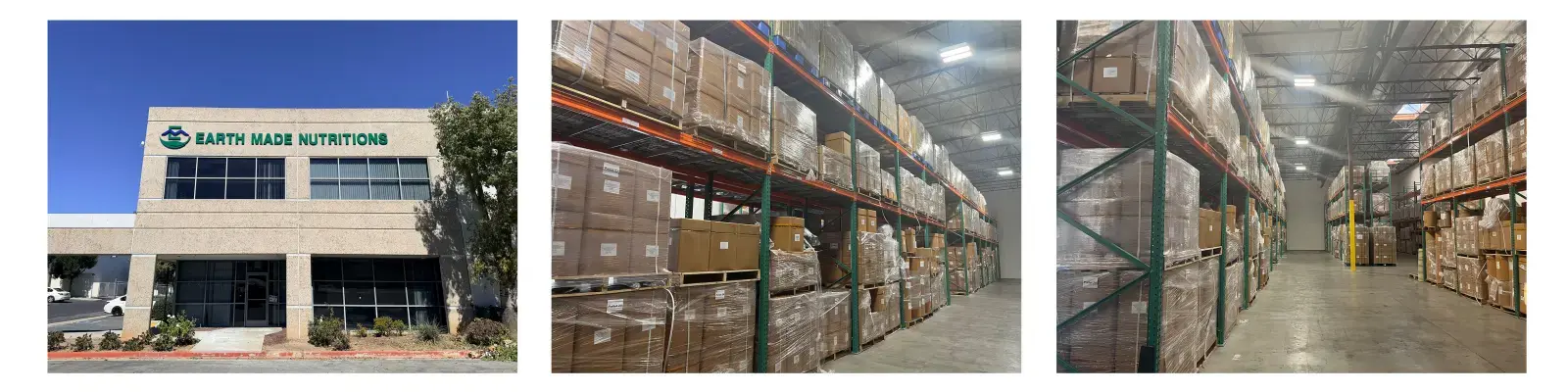
When suppliers show that they can scale up production and align their quality processes, they can work together in a contract manufacturing relationship that works, including for ingredients like green coffee bean extract powder. With NSF GMP approval, you can be sure that extraction facilities follow pharmaceutical-grade rules for keeping samples clean and keeping records on each batch. With FSSC22000 approval, you can be sure that food safety management is in place when you handle raw materials, process them, and package them. Suppliers who keep their ISO approval show that they are dedicated to process standardisation and ongoing growth. This method is used by Earth Made Nutritions Inc., which has been in business in California since 2018 and has modern extraction equipment as well as multiple licences, such as Kosher, Halal, and Organic qualifications. Checking to see if a provider offers toll manufacturing, private labelling, and custom formulation help can help you decide if a relationship is a good idea for long-term product development.
Balancing Cost, Lead Times, and Supply Chain Reliability
The prices of chlorogenic acid products depend on where they come from, how they are extracted, and how much you order. Bulk pricing usually starts at a minimum order size of 25 kg, and prices go down as the number goes up to 100 kg or more. But finding the cheapest source of goods often comes with risks when it comes to batch accuracy and following the rules. Lead time dependability is very important—suppliers with U.S.-based goods can fill orders within 48 hours, cutting out shipping delays and customs problems. Because the United States has four carefully placed warehouses, contract makers across the country can get their orders the same week. This transportation benefit lowers the cost of keeping supplies and supports just-in-time production plans, which are important for launching seasonal products.

Top 5 Contract Manufacturing Considerations When Using Green Coffee Bean Extract Powder
Maintaining Batch-to-Batch Consistency and Quality Control
How stable chlorogenic acid is depends on how it is stored and how it is processed. When heat or humidity hits extracts, they break down quickly, which changes how potent the product is between runs. Formulation failures can be avoided by putting in place testing methods for arriving raw materials, such as identity verification through TLC or HPLC. Setting up seller deals with retention samples and batch tracking documents makes everyone in the supply chain responsible. When contract makers work with certified suppliers, they can use extraction methods that have already been tested and proven to work, so the results are always the same across production runs. During stability testing, this uniformity has a direct effect on claims about how well the product works and on meeting legal requirements.
Ensuring Ingredient Compatibility and Formulation Stability
The security of chlorogenic acids changes depending on the pH level. Above pH 6.5, they break down. When formulators make drinks or tablets with alkaline balancing agents, they need to keep this in mind. Because the green coffee bean extract powder absorbs water, it's important to choose excipients that keep the capsules from caking. Testing for compatibility with vitamins, minerals, and other plant products stops unexpected reactions that shorten the shelf life. Microencapsulation technologies help protect chlorogenic acids from oxidation and make them easier to dissolve in water, which is useful for beverage uses. Because of these formulation issues, ingredient providers and R&D teams need to work together technically during the product creation stages.
Meeting Regulatory Compliance and Documentation Requirements
Dietary supplement makers have to follow the FDA's Current Good Manufacturing Practice rules, which say they have to keep full records on all of their ingredients from the farm to the final product. This includes declaring the place of origin, listing allergens, and checking the GMO status. For export markets, you need more certifications. For example, Health Canada's Natural Product Number forms need clinical evidence to support product characteristics. Depending on the chemicals used and the way the food is processed, EU Novel Food rules may apply. Product registration processes are sped up when suppliers offer complete paperwork packages that include safety data sheets, specification sheets, and letters of support from regulators. Earth Made Nutrition Inc. keeps safety paperwork that is in line with international standards. This makes it easier for global contract makers to handle paperwork.
Optimising Supply Chain Logistics and Inventory Management
Changes in the supply of ingredients have an effect on production plans and customer commitments. Coffee bean harvests happen at certain times of the year, and major producing areas may experience supply problems due to weather events or political issues. Diversified buying strategies lower these risks; sellers who keep working ties with different bean processors make sure that business keeps going even when there are shortages. International freight and customs clearance can take a long time. Domestic storing gets rid of those delays. Minimum order amounts must match production rates so that stock doesn't go bad and costs stay low. Setting up vendor-managed inventory systems with qualified suppliers helps with predicting demand and automatically restocks, which makes the best use of working capital.
Securing After-Sales Support and Technical Assistance
After they are bought the first time, complex plant ingredients like green coffee bean extract powder need technical help. Application scientists help with formulating better medicines, giving advice on doses, and fixing problems with stability. Support for regulatory affairs helps people figure out how to meet the changing compliance standards in different areas. Quality assurance teams work together to look into results that don’t meet standards or customer issues. When suppliers offer these services that add value, they stop being transactional sellers and become strategic partners. Product release dates can be sped up by having access to scientific testing tools, such as heavy metal screening and microbe testing. This all-around support system is important for contract manufacturing relationships to work, and companies like Earth Made Nutritions Inc. offer it with their specialised R&D teams and high-tech analysis tools.
Innovative Usage and Application Ideas for Green Coffee Bean Extract Powder in Product Development
Expanding Product Formats Beyond Traditional Capsules
Chlorogenic acid supplements are mostly still taken in the form of pills, but there are new possibilities in functional drinks, gummies, and food. Ready-to-drink coffee options use the natural coffee flavours of the green coffee bean extract powder and have more antioxidants than brewed coffee. Along with amino acids, protein shake powders aimed at exercise fans contain the ingredient for digestive support. Manufacturers of chocolate add it to dark chocolate bars as a useful ingredient that backs up claims related to heart well-being. Different uses need different technical changes. For example, beverage recipes need solubility boosters, and gummy materials need ways to hide tastes. Contract makers with pilot sites can test these ideas before they are used on a large scale in the real world.
Recipe Development Inspiration for Consumer-Facing Products
Functional beverage companies make cold-brew-style drinks that are ready to drink by mixing green coffee extract with stress-relieving herbs like ashwagandha. Smoothie bowl powders mix the extract with açai, spirulina, and plant proteins to make breakfasts that are high in antioxidants. Companies that make tea add it to mixes of herbal or green tea to give them a unique taste and additional wellness attributes. Sports nutrition companies make pre-workout powders that contain both chlorogenic acids and natural caffeine sources to provide steady energy without the jitters. These uses show how the flexibility of ingredients helps brands stand out in the health market, which is very competitive.
Case Studies from Successful Commercial Products
A supplement company from California released a weight management capsule with Green Coffee Bean Extract powder, 50% chlorogenic acid extract, chromium, and green tea extract. The capsule sold two million units in its first year in retail outlets. A functional beverage company made a sparkling coffee-flavoured drink with 200 mg of chlorogenic acids per serving. Within 18 months, it was sold in more than 500 natural grocery shops. A cosmetics business put the extract in anti-ageing serums and advertised that it would protect skin from external environmental factors because it was an antioxidant. These examples show that a market can work when material quality, new formulations, and information for consumers all work together well.

Conclusion
To find the best green coffee bean extract powder for contract manufacturing, you need to carefully look at quality measures, the supplier's skills, and compliance with regulations. The 50% chlorogenic acid standard comes from Coffea arabica L. through water-ethanol extraction and provides useful benefits that have been proven by science and are important for placing a product in the market. To do a good job of procurement, you need to mix rigors analysis with real issues like certifications, wait times, expert help, and the reliability of the supply chain. Partnering with well-known providers that offer domestic storage, detailed paperwork, and formulation knowledge lowers operating risks and speeds up time-to-market. More and more people want natural ingredients that work effectively for their wellness. This opens up big possibilities for brands that use high-quality plant extracts in new ways.
FAQ
1. What certifications should I verify when sourcing green coffee extract for manufacturing?
Check NSF GMP, FSSC22000, and ISO certificates with the groups that gave them out. Check the USDA or a similar foreign body to see if the food is organic. Ask for Kosher and Halal certificates if you want to sell to those groups. Tests for heavy metals and pesticides should meet USP guidelines. Make sure that sources send CoAs with every batch that show how much chlorogenic acid is in it and the results of any microbic tests.
2. How does chlorogenic acid content affect product efficacy and labelling?
Higher amounts of chlorogenic acid allow for smaller doses, which cuts down on the size of the capsule and the cost per serve. A 50% guideline lets you dose between 400 mg and 800 mg per serve. Label claims must match the actual content, which can be checked through stable testing. The amount of caffeine in green coffee bean extract powder is usually between 2 and 5 per cent, and the FDA requires that this information be included on supplement facts screens.
3. What are typical lead times and minimum order quantities?
For specialised products, the lowest amount that can be ordered is usually 25 kg. Orders can be filled within 2-3 business days by suppliers who keep stock in the U.S. International orders take 4 to 6 weeks, which includes time for customs processing. Setting up blanket buy orders with planned releases makes sure that there is a steady supply while keeping an eye on working capital. Unexpected spikes in demand can be met quickly with emergency orders from local stores.
Partner with a Trusted Green Coffee Bean Extract Powder Supplier
Earth Made Nutritions Inc. sells high-quality Green Coffee Bean Extract powder that was made to work well with contract manufacturing. Our operations, which began in 2018 in California, use cutting-edge extraction technology and quality systems that are approved by NSF GMP, FSSC22000, Kosher, Halal, ISO, and Organic standards. We have four carefully placed warehouses in the U.S. that can fill orders in 48-hour windows so that your production plans don't have to be interrupted. The 50% chlorogenic acid that we get from Coffea arabica L. meets the strictest standards for cleanliness needed for functional foods and cosmetics. Email our expert team at info@em-herb.com to get free samples, talk about your needs for a unique formulation, or get full quotes. Whether you're making weight loss supplements, functional drinks, or new health goods, our knowledge of where to find botanical ingredients and how to help you make them will speed up your way to market leadership.
References
1. Chlorogenic Acids: A Review on Their Bioactivities and Impact on Health and Disease. Critical Reviews in Food Science and Nutrition, 2020, 60(18): 3078-3094.
2. Green Coffee Bean Extract in Human Health: A Comprehensive Review of Efficacy and Safety. Nutrients, 2019, 11(11): 2661-2680.
3. Quality Control and Standardization of Botanical Dietary Supplements: Current Challenges and Future Directions. Journal of AOAC International, 2021, 104(3): 629-640.
4. Stability of Chlorogenic Acids During Processing and Storage: Implications for Functional Food Development. Food Chemistry, 2018, 246: 147-153.
5. Regulatory Framework for Dietary Supplements in the United States: FDA Guidelines and Compliance Requirements. Journal of Dietary Supplements, 2022, 19(2): 215-235.
6. Contract Manufacturing Best Practices in the Nutraceutical Industry: Quality Systems and Supply Chain Management. Pharmaceutical Technology, 2021, 45(6): 38-44.