- English
- French
- German
- Portuguese
- Spanish
- Russian
- Japanese
- Korean
- Arabic
- Irish
- Greek
- Turkish
- Italian
- Danish
- Romanian
- Indonesian
- Czech
- Afrikaans
- Swedish
- Polish
- Basque
- Catalan
- Esperanto
- Hindi
- Lao
- Albanian
- Amharic
- Armenian
- Azerbaijani
- Belarusian
- Bengali
- Bosnian
- Bulgarian
- Cebuano
- Chichewa
- Corsican
- Croatian
- Dutch
- Estonian
- Filipino
- Finnish
- Frisian
- Galician
- Georgian
- Gujarati
- Haitian
- Hausa
- Hawaiian
- Hebrew
- Hmong
- Hungarian
- Icelandic
- Igbo
- Javanese
- Kannada
- Kazakh
- Khmer
- Kurdish
- Kyrgyz
- Latin
- Latvian
- Lithuanian
- Luxembou..
- Macedonian
- Malagasy
- Malay
- Malayalam
- Maltese
- Maori
- Marathi
- Mongolian
- Burmese
- Nepali
- Norwegian
- Pashto
- Persian
- Punjabi
- Serbian
- Sesotho
- Sinhala
- Slovak
- Slovenian
- Somali
- Samoan
- Scots Gaelic
- Shona
- Sindhi
- Sundanese
- Swahili
- Tajik
- Tamil
- Telugu
- Thai
- Ukrainian
- Urdu
- Uzbek
- Vietnamese
- Welsh
- Xhosa
- Yiddish
- Yoruba
- Zulu
Finding botanical ingredients requires accuracy, especially when making goods whose energy delivery, clean-label appeal, and batch stability have a direct effect on the image of your brand. Guarana seed extract powder, which comes from Paullinia cupana seeds, is one of the best natural sources of caffeine. It solves the main problem that many R&D directors have, which is getting long-lasting energy without the jitters or crashes that come with manmade options. This guide shows buying teams, formulation managers, and quality assurance professionals the important quality control factors that set high-quality extract powders apart from low-quality products. This way, you can make sure that your products meet both legal requirements and customer expectations.
Understanding Guarana Seed Extract Powder and Its Quality Parameters
The Fundamental Difference Between Raw and Concentrated Extract
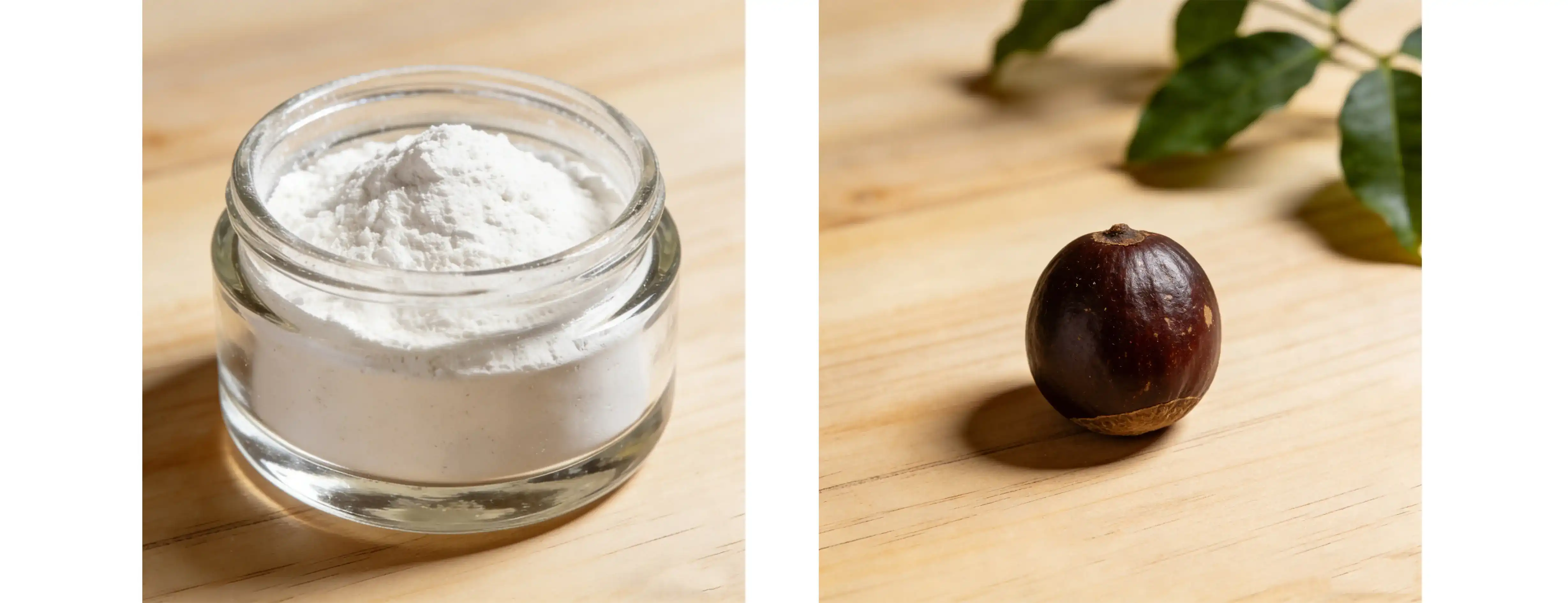
To make raw guarana seed powder, the seeds are just ground up mechanically. To make a concentrated extract, beneficial chemicals are separated using a solvent. The extract has a standard level of potency—usually 50% chlorogenic acids in pharmaceutical-grade products—while raw powder only has 3–6% natural caffeine. For example, this concentration is very important when making products with an exact amount needed or drinks that need to work the same way in every batch.
Bioactive Components That Define Functional Value
The main active ingredient is natural caffeine (guaranine), but this plant is different from manufactured caffeine because it has theobromine, theophylline, tannins, and saponins that work together. The tannin profile has a time-release effect because it binds to caffeine molecules. This slows down the absorption in the stomach and gives you energy for an extra 4 to 6 hours. If a buyer is looking for sources for sports nutrition or functional drinks, they should choose those that offer full phytochemical profiling through HPLC analysis instead of just caffeine levels.
Application-Specific Quality Benchmarks
Quality standards are different for each industry. For cosmetic uses, microbe limits must be less than 100 CFU/g, and particle sizes must be less than 80 mesh so that the product can be easily blended into the skin. Manufacturers of functional drinks need to make sure that their products can dissolve in low-pH settings (pH 2.5–4.0) without forming crystals. Knowing what you want to use the product for lets you choose the right testing methods when looking at different sources.
Core Criteria for Evaluating Guarana Seed Extract Powder Quality
Standardised Potency and Purity Verification
The requirement of 50% chlorogenic acids is an important quality indicator for Guarana Seed Extract powder, but buying teams should ask for Certificate of Analysis (CoA) paperwork that backs up this claim with HPLC methods that have been proven to work. In addition to testing for main actives, purity assessments must also check for heavy metals (lead <3 ppm, arsenic <2 ppm, cadmium <1 ppm, and mercury <0.1 ppm according to USP guidelines), pesticide residue panels that include organophosphates and organochlorines, and mycotoxin testing for aflatoxins. When ethanol extraction methods are used, solvent residue testing is necessary because ethanol amounts should stay below 5000ppm according to ICH Q3C standards.
Certification Infrastructure for Global Compliance
Different target markets have very different regulatory routes. Products going to U.S. nutraceutical outlets benefit from NSF GMP certification, which shows that production rules are followed in a way that goes beyond FDA registration. FSSC22000 approval takes care of food safety issues that are very important for beverage applications. Kosher and halal licences make it easier to reach more customers in certain groups. Premium prices are charged for organic certification (USDA Organic or EU equivalent), but full supply chain paperwork is needed from seed source to final packaging. Instead of depending only on documentation given by suppliers, procurement managers should check certifications directly with the groups that issue them.
Packaging and Stability Considerations
Standard packaging in 25kg fibre drums with food-grade plastic liners protects most supply lines well enough. However, recipes that are sensitive to moisture may need extra desiccant to be added. Nitrogen flushing is used by good providers to keep oxidative damage to a minimum while goods are being stored. The shelf life is usually 24 months if it is kept below 25°C and the relative humidity is less than 60%. However, estimates based on rapid stability studies (40°C/75% RH for 6 months) are more accurate. Changes in temperature during international shipping are a common place where quality fails. Asking for temperature-monitored logistics paperwork will protect you against batches that aren't suitable.

Quality Control Processes in Guarana Seed Extract Powder Manufacturing
Raw Material Sourcing and Traceability Systems
Premium sellers work directly with Brazilian groups that grow Paullinia cupana. This makes sure that the seeds are real by checking the plants and confirming where they come from. More and more, brands that want to attract environmentally conscious customers care about how the crops are harvested. Traceability tools should keep track of the date of harvest, coordinates, joint recognition, and phytosanitary certificates. DNA barcoding technology can now confirm the name of a plant, which stops people from adding cheaper caffeine sources.
Extraction Technology and Bioactive Retention
Water-ethanol extraction is both effective and suitable because it doesn't use harsh chemical agents that could leave behind unwanted leftovers. The amount of liquid used, the temperature (usually between 40 and 60°C), and the length of time used all have a direct effect on the phytochemical profile. Single-pass methods don't get as many compounds as multi-stage extraction with sequential liquid phases. Different ways of concentrating are just as important. For example, vacuum evaporation at lower temperatures keeps heat-sensitive antioxidants better than air boiling. The spray-drying factors (inlet temperature 160–180°C and outlet temperature 80–90°C) determine the finished powder's properties, such as the spread of particle sizes and the amount of moisture it contains.
In-Process and Final Product Testing Protocols
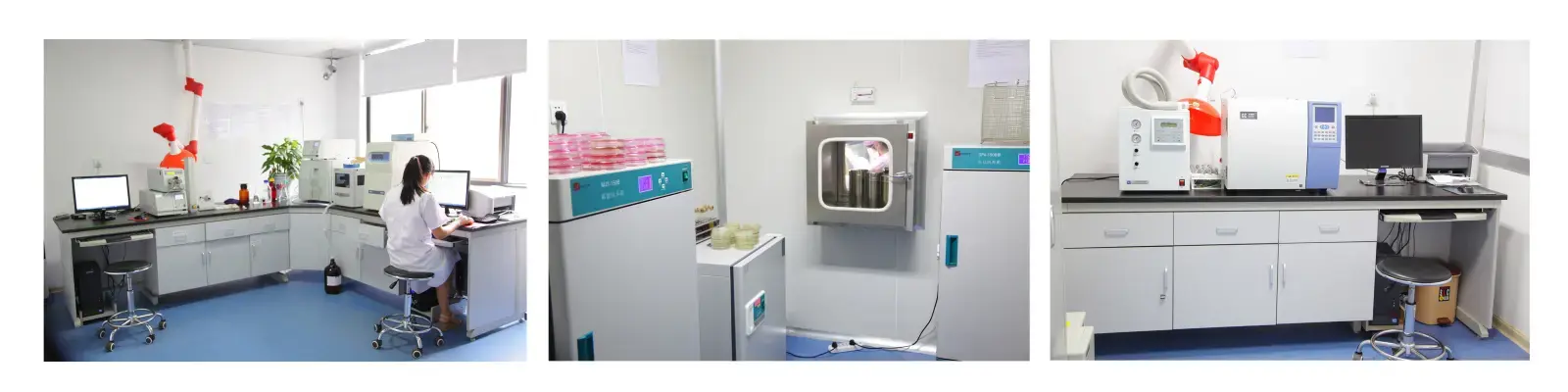
Testing is done at several stages of production as part of comprehensive quality control. When inspecting raw seeds, they are looked at visually for mould, their moisture content (which should be less than 10%) is checked, and they are first tested for identity. Testing after extraction confirms the concentration of the active ingredient using HPLC with photodiode array detection. According to USP <2021>, microbiological testing shows that the total aerobic plate count is less than 10,000 CFU/g, yeast and mould counts are less than 1,000 CFU/g, coliforms are not present, and pathogens like Salmonella, E. coli, and Staphylococcus aureus are negative for every 25 g sample. The finished powder goes through more physical testing, including measuring its bulk density, particle size distribution, and solubility profile, to make sure it can be used in production.
Comparing Guarana Seed Extract Powder with Alternative Natural Caffeine Sources
Bioactive Profile Differentiation
Green tea extract usually has between 40 and 98 per cent polyphenols and 5 to 10 per cent caffeine. It provides antioxidant properties more prominently than caffeine-related effects, but it is not as strong a booster. Yerba mate has a reasonable amount of xanthine alkaloids (1-2% caffeine) and extra chlorogenic acids and flavonoids, which makes the energy curve smoother. Coffee berry extract has 1% to 2% caffeine and special phenolic acids, but it doesn't have the tannin-mediated time-release process. The 50% chlorogenic acid content of guarana seed extract powder makes it suitable for formulas that need to provide instant energy and long-lasting focus.
Organic Versus Conventional Quality Considerations
Organic approval limits the pesticides and fertilisers that can be used, which could change the regularity of the yield, but is good for clean-label products. Conventional guarana farming lets farmers use a wider range of inputs, which can save them 15 to 20 per cent on costs. Testing for residues shows that traditional extracts that are properly handled often meet organic standards for contaminant levels, but marketing claims are still limited. Organic certification is worth the extra cost for buyers who sell high-end natural products, but for buyers who use functional beverages on a regular basis, cost-performance rates are more important than certification status.
Natural Extract Advantages Over Synthetic Caffeine
Consumer perception studies show that people consistently choose "natural caffeine from guarana seeds" over "caffeine anhydrous" on ingredient labels, even though the two chemicals are the same. Regulatory classifications are different. For example, natural products may state that they come from plants and have traditional use, while in some places, synthetic caffeine needs different safety paperwork. The phytochemical structure around natural caffeine provides additional properties (such as antioxidant activity) that manufactured isolates don't have. In competitive supplement markets, the 20–40% price increase for natural ingredients is worthwhile because they can help brands stand out.
Practical Buyer's Tips: How to Choose and Maintain Quality Guarana Seed Extract Powder?
Application-Aligned Specification Development
Formulation managers should make thorough design sheets that list all of their exact needs. For nutritional capsules, the specification might need to contain 50% chlorogenic acids, particles that are 80 mesh in size, and less than 5% water content. For use in drinks, the solubility needs to be >95% soluble in a pH 3.5 solution in two minutes at 20°C. For cosmetic uses, processing without preservatives is needed, and particles must be smaller than 200 mesh to keep the skin smooth. Sharing these requirements with possible suppliers during the initial questions helps identify unsuitable sources early in the buying process.
Volume Planning and Minimum Order Quantities
The normal MOQ of 25kg is suitable for testing new formulations and making small amounts of the product. When there aren't enough supplies, annual sales agreements usually lead to price cuts of 8–15% and better allocation of resources. For 6 to 12 months out, procurement teams should plan ahead, taking into account lead times (which are usually 2 to 4 weeks for stock items and 6 to 8 weeks for custom orders) and building up 30 to 60 days' worth of safety stock. Warehouse capacity planning is important—for proper storage conditions, you need climate-controlled spaces that stay between 15 and 25°C and have a relative humidity of less than 60%.
Supplier Evaluation and Partnership Development
Request information about the manufacturer's location for Guarana Seed Extract powder, such as a list of equipment, documents for the quality management system, and customer reference contacts. This is in addition to verifying the certification. Samples (usually 100–500g) that are available for free let you test for compatibility thoroughly before making big orders. Supply deals with audit rights allow for regular on-site checks to make sure that written processes match up with real practices. Long-term relationships benefit from clear information about changes in crops, early warnings of possible delays, and working together to solve quality problems when they happen.
Conclusion
To succeed in the guarana seed extract powder market, you need to find a balance between quality control, following the rules, keeping costs low, and relying on reliable suppliers. Premium extract powders stand out by passing strict testing methods, having clear paperwork, having full certifications, and performing the same way from batch to batch. When people who work in procurement take the time to learn about phytochemical profiles, extraction methods, and application-specific needs, they can help their companies find ingredients that enhance product performance and help brands stand out. When you switch from reactive buying to strategic sourcing relationships, your supply chain becomes more resilient, and the quality of the products you buy stays consistent.
FAQ
1. What Caffeine Content Qualifies as Appropriate for Energy Supplements?
Most energy supplements contain between 100 and 200 mg of caffeine per dose. About 4-8% natural caffeine (40-80 mg per gram of extract) can be found in guarana seed extract powder that has 50% chlorogenic acids. Formulation managers should calculate the total caffeine contribution from all ingredients, ensuring that the highest amount in a single serving stays below 400 mg to follow FDA guidelines.
2. How Can Buyers Be Sure That Guarana Extract Is Real?
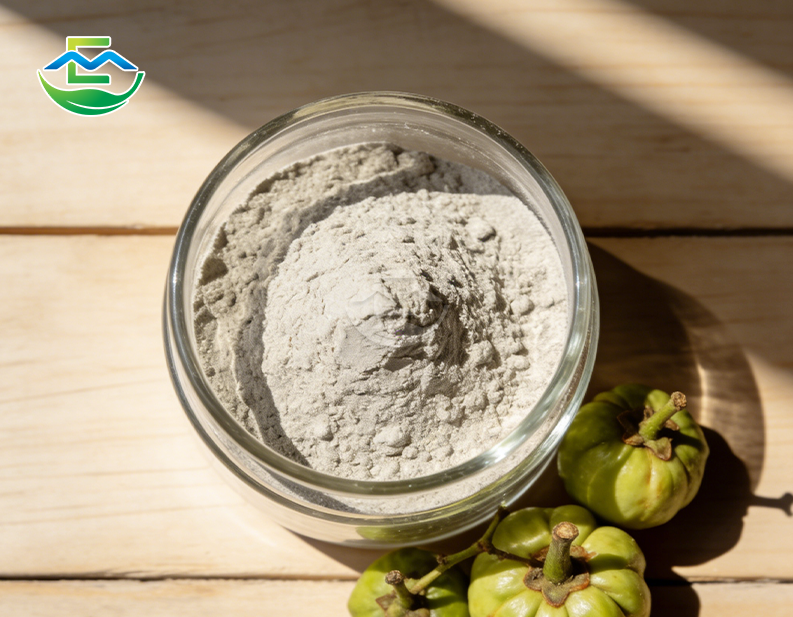
Ask recognised labs that do HPLC analysis with authentic reference standards to send you a copy of their COA. DNA barcoding services confirm the identity of plants at the species level. By comparing prices to market standards, you can spot deals that seem too good to be true, such as those using adulterated caffeine or lower-quality herbs. When looked at closely, it should have a cream to light-tan colour and a slightly sour taste.
3. What Price Difference Exists Between Organic and Conventional Powders?
Organic approval usually means a 20–35% price increase because farmers face higher compliance costs and the crops typically yield less. However, the market changes depending on how the crop performs and what demand looks like. Buyers should decide whether the price is justified for their specific target groups or whether a conventional product meeting the same quality standards will meet their needs.
Partner with a Trusted Guarana Seed Extract Powder Manufacturer
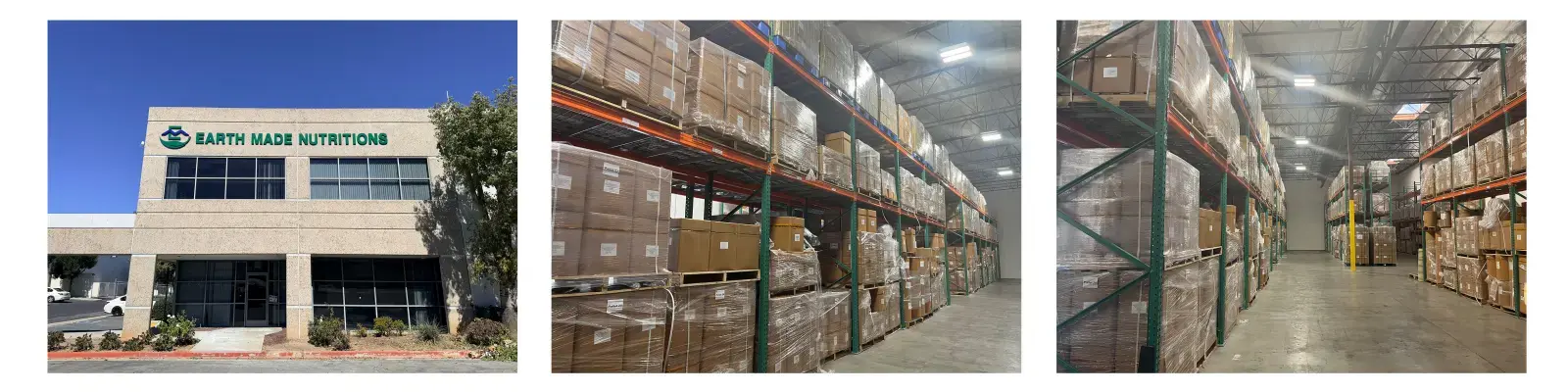
Earth Made Nutritions Inc. specialises in sending pharmaceutical-grade plant extracts that meet the strict requirements of people who make cosmetics and functional drinks. Our Guarana Seed Extract powder has 50% chlorogenic acids that come from real Paullinia cupana seeds that were extracted with water and ethanol, keeping all of the phytochemicals intact. We make sure your formulations meet global legal needs by obtaining NSF GMP, FSSC22000, Kosher, Halal, ISO, and Organic certificates. Our four carefully placed U.S. stores make it possible to ship orders quickly—within 48 hours. We keep stock on hand, so there are no longer any long wait times that mess up production plans. Free samples let you fully test compatibility before deciding to buy. Get in touch with our technical team at info@em-herb.com to talk about your unique needs and get a price from a reputable Guarana Seed Extract powder provider.
References
1. Smith, N., & Atroch, A.L. (2010). Guarana's Journey from Regional Tonic to Aphrodisiac and Global Energy Drink. Evidence-Based Complementary and Alternative Medicine, Volume 2010, Article ID 179052.
2. Haskell, C.F., Kennedy, D.O., Wesnes, K.A., Milne, A.L., & Scholey, A.B. (2007). A Double-Blind, Placebo-Controlled, Multi-Dose Evaluation of the Acute Behavioural Effects of Guarana in Humans. Journal of Psychopharmacology, 21(1), 65-70.
3. Moustakas, D., Mezzio, M., Rodriguez, B.R., Constable, M.A., Mulligan, M.E., & Voura, E.B. (2015). Guarana Provides Additional Stimulation over Caffeine Alone in the Planarian Model. PLoS ONE, 10(4), e0123310.
4. Portella, R.L., Barcelos, R.P., da Rosa, E.J., Ribeiro, E.E., da Cruz, I.B., Suleiman, L., & Soares, F.A. (2013). Guarana (Paullinia cupana Kunth) Effects on LDL Oxidation in Elderly People. Lipids in Health and Disease, 12, Article 12.
5. Schimpl, F.C., da Silva, J.F., Gonçalves, J.F., & Mazzafera, P. (2013). Guarana: Revisiting a Highly Caffeinated Plant from the Amazon. Journal of Ethnopharmacology, 150(1), 14-31.
6. Kennedy, D.O., Haskell, C.F., Robertson, B., Reay, J., Brewster-Maund, C., Luedemann, J., Maggini, S., Ruf, M., Zangara, A., & Scholey, A.B. (2008). Improved Cognitive Performance and Mental Fatigue Following a Multi-Vitamin and Mineral Supplement with Added Guarana. Appetite, 50(2-3), 506-513.