- English
- French
- German
- Portuguese
- Spanish
- Russian
- Japanese
- Korean
- Arabic
- Irish
- Greek
- Turkish
- Italian
- Danish
- Romanian
- Indonesian
- Czech
- Afrikaans
- Swedish
- Polish
- Basque
- Catalan
- Esperanto
- Hindi
- Lao
- Albanian
- Amharic
- Armenian
- Azerbaijani
- Belarusian
- Bengali
- Bosnian
- Bulgarian
- Cebuano
- Chichewa
- Corsican
- Croatian
- Dutch
- Estonian
- Filipino
- Finnish
- Frisian
- Galician
- Georgian
- Gujarati
- Haitian
- Hausa
- Hawaiian
- Hebrew
- Hmong
- Hungarian
- Icelandic
- Igbo
- Javanese
- Kannada
- Kazakh
- Khmer
- Kurdish
- Kyrgyz
- Latin
- Latvian
- Lithuanian
- Luxembou..
- Macedonian
- Malagasy
- Malay
- Malayalam
- Maltese
- Maori
- Marathi
- Mongolian
- Burmese
- Nepali
- Norwegian
- Pashto
- Persian
- Punjabi
- Serbian
- Sesotho
- Sinhala
- Slovak
- Slovenian
- Somali
- Samoan
- Scots Gaelic
- Shona
- Sindhi
- Sundanese
- Swahili
- Tajik
- Tamil
- Telugu
- Thai
- Ukrainian
- Urdu
- Uzbek
- Vietnamese
- Welsh
- Xhosa
- Yiddish
- Yoruba
- Zulu
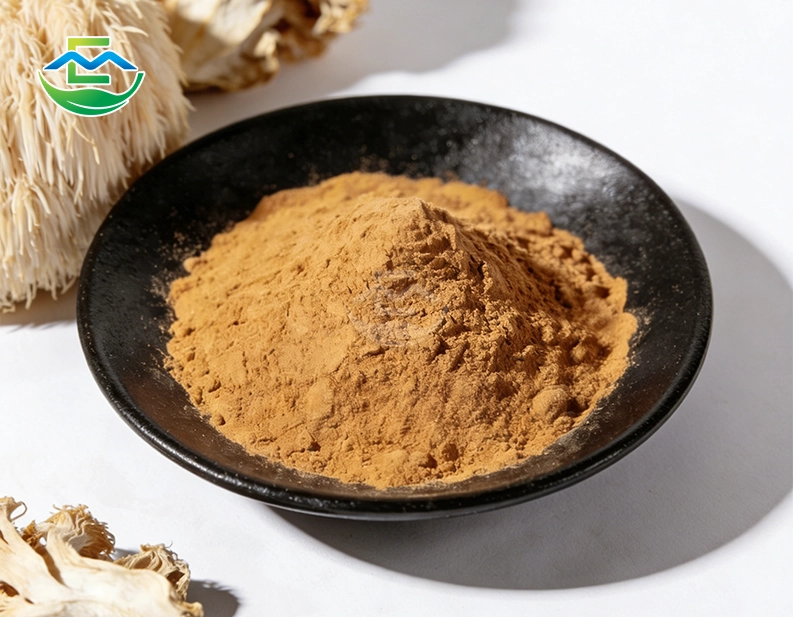
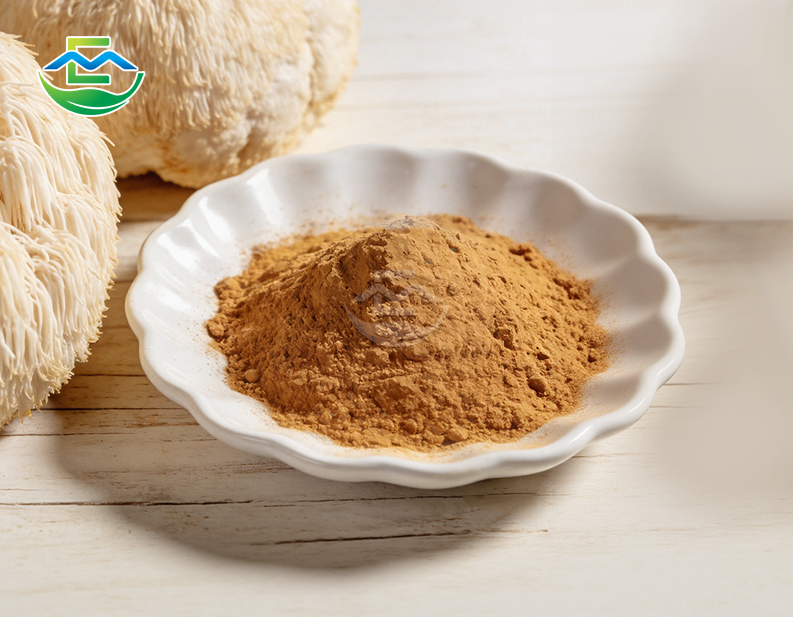
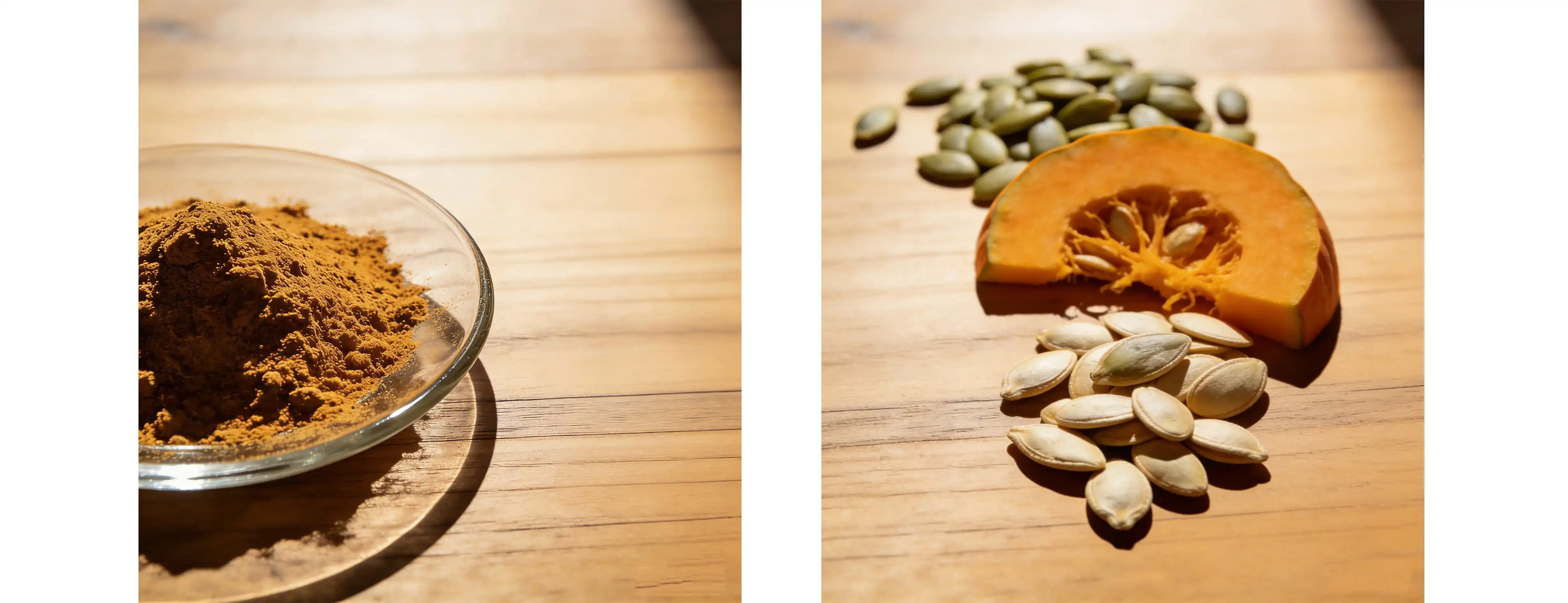
It can be like looking for gold when you're trying to figure out how to make current food products. Finding items that are both useful and appealing to the market can be hard. High-potency pumpkin seed extract has become that rare gem. It is a concentrated organic ingredient that comes from the Cucurbita moschata plant and has a high nutritional density, good formulation stability, and clean label believability. This extract is different from other pumpkin seed powders because it uses modern water-based extraction to get a 10:1 concentration ratio. This makes a fine brownish-yellow powder that is full of phytosterols, important fatty acids, and antioxidants. When your brand's image depends on consistently high quality and proven effectiveness, it's important for R&D directors, formulation managers, and buying teams who work in the functional foods and beverage industries to know what makes this ingredient unique.
Introduction
At a point where customer demands for natural, health-promoting products meet the strict requirements of production accuracy and regulatory compliance, the food industry is at a crossroads. Pumpkin seed concentrate meets both of these needs by providing a scientifically standardised ingredient that is reliable from batch to batch and provides the bioactive chemicals that today's health-conscious customers are actively seeking. Working with procurement workers all over the US has shown us a similar problem: finding botanical extracts that won't break down during processing, won't cause problems with formulation, and won't fail third-party tests when certifications are most important.
There have been big changes in the nutritional supplement and dietary food industries towards plant-based actives that can back up product promises without using man-made ingredients. This concentrated extract from the fruiting bodies of pumpkin seeds works in food in two ways: it improves the nutrients and keeps the food stable naturally. By knowing the rules for buying things, the technical details, and the application protocols, makers can seize market opportunities while keeping costs low enough to keep goods competitive. This guide will talk about the differences between good providers and those who cut corners, as well as how those differences affect how well your end product does in the market.
Understanding High-Potency Pumpkin Seed Extract: Composition, Benefits, and Applications
What Makes This Extract "High-Potency"?
About 10 kg of raw pumpkin seeds are turned into 1 kg of regulated extract powder during the concentration process. This water-based extraction method keeps heat-sensitive chemicals safe while getting rid of extra fibre and carbs that make the active ingredient less dense. Because of this, a brownish-yellow powder was made that has much higher amounts of polyunsaturated fatty acids, tocopherols, and delta-7-sterols than whole seed goods. Phytosterol content is usually used as the main indicator of potency in testing methods, and quality standards require that results be the same across production runs.
Functional Benefits in Food Manufacturing
This plant extract is used in nutritional supplements to support urinary tract wellness, hormonal balance, and heart-related nutrition. Formulators of men's wellness goods are especially interested in the phytosterol level because natural alternatives to synthetic chemicals are becoming more popular with customers. Tocopherols' antioxidant qualities help with oxidative stability in more than one way. These compounds can keep other sensitive ingredients in your product from breaking down during storage.
Functional beverage makers like that can use the extract with both water-based and fat-based systems if it is made correctly. It is used by companies that make sports nutrition in protein powders and recovery recipes because its important fatty acid makeup goes well with amino acid blends. The neutral taste of the extract lets it mix with other ingredients without overpowering them. However, it can clump in dry mixes if you don't use the right dispersion methods.
Regulatory Standing and Safety Profile
Generally Recognised as Safe (GRAS) for food uses, pumpkin seed extract that is food-grade and comes from a reputable source comes with a lot of documentation. Good makers give out reports of analysis that say the product doesn't contain any heavy metals, chemical residues, or microbes that could harm the safety of the product or the ability to get approved by the government. Certifications like NSF GMP, FSSC 22000, Kosher, Halal, ISO, and Organic badges, along with FDA standards for dietary supplements, show that a seller is dedicated to meeting international quality standards.
When using the high-potency pumpkin seed extract in functional foods, it's important to follow the suggested dosage amounts that strike a balance between efficiency and cost-effectiveness. Depending on how your product is marketed for wellness, the usual amount of inclusion is between 250 mg and 1000 mg per dose. These doses are in line with research that looks at the roles of bioactive substances in nutritional support. This gives companies solid evidence to back up choices about new products.

Procurement Guide for High-Potency Pumpkin Seed Extract in B2B Food Industry
Supplier Evaluation Criteria
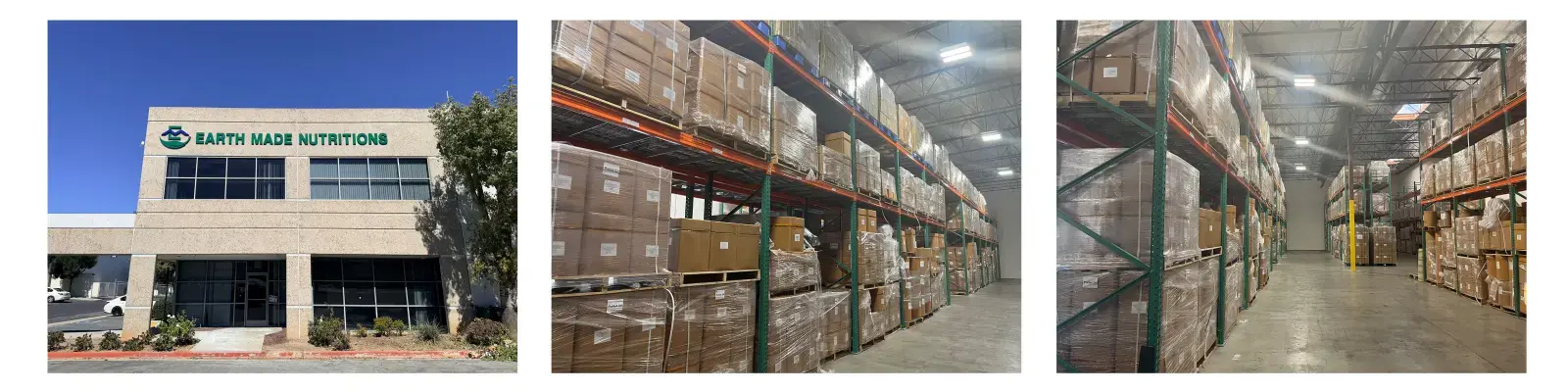
Before you choose a supplier, you should check their quality control methods and see what they can make. You can take a virtual or real tour of their buildings to check out their testing labs, storage areas, and extraction tools. If a manufacturer has their own modern plant with cutting-edge tools, you know you're not working with a middleman who doesn't have control over the production factors. Our business in California is a good example of this combined method because we keep an eye on everything from getting the raw materials to packaging them up.
Certification files show what the seller thinks is most important. Following strict quality guidelines is shown by NSF GMP approval, which is only given to companies that make food supplements. FSSC22000 approval proves that food safety management systems work, which is especially important for items that go into food and drinks. Kosher and halal licences let you sell to groups of people whose religious food needs are important. To get organic certification, growth methods and recorded tracking must be checked. This is important for brands that want to put their goods in the natural and organic market.
Understanding Bulk Purchase Variables
The smallest amount you can buy is usually 25 kilograms, and it comes in fibre drums that keep the powder safe from light and moisture. This MOQ is based on the economics of production and is still easy for medium-sized makers to use when trying new formulations. The prices are different depending on the ratios of extract concentration, whether the products are organic or conventionally sourced, and the approval standards. If you ask for detailed quotes that break down these factors, you can more correctly compare sellers instead of just relying on headline prices.
Lead times separate sellers who are prompt from those who are having trouble keeping track of their goods. A supplier's commitment to meeting your production plans is shown by items that are in stock and can be picked up the next day. Our four main area stores are spread out across the United States. This lets us deliver quickly, which keeps production from being held up. When looking at possible partners, you should ask them specific questions about how much inventory they have, how often they restock, and what their backup plans are in case of supply problems.
Product Format and Packaging Considerations
The fine powder size is the most flexible for a wide range of industrial processes. With the right tools, it's easy to add to processes that fill capsules, crush tablets, and make dry drink mixes. Packaging in 25-kilogram drums is a good way to protect the quality of the product while also making it easier to handle in production settings. These drums should have lids that don't absorb water and seals that can't be broken while they're being stored or shipped.
Sample access takes the guesswork out of choosing a seller. Manufacturers of good quality offer free samples that your expert team can use to test compatibility before deciding to buy in bulk. These tests show how the extract reacts with your specific mixture, which helps you figure out what changes need to be made to the processes before you can make large amounts of the product.
How High-Potency Pumpkin Seed Extract Works in Food Applications: Mechanism and Benefits?
Bioactive Compound Mechanisms
The phytosterols in the product, including those from high-potency pumpkin seed extract, are structurally similar to cholesterol, which lets them compete with each other for absorption during digestion. This is how they work with food goods that are meant to support heart wellness. The different sterols found, like beta-sitosterol, stigmasterol, and campesterol, each have their own biological effects that scientists are still looking into. Because they are so concentrated in the extract, formulators can use standard amounts that can't be found in regular seed goods.
The naturally high zinc level that comes from extraction plays an important role in many enzyme processes. Along with other beneficial chemicals, this mineral is suitable for products that are meant to support immune function, maintain skin wellness, or support men's wellness. Zinc, fatty acids, and antioxidants work together to form a complete nutritional makeup that products with only one ingredient can't match.
Stability Factors in Food Matrices
To keep the functional purity of a product over its shelf life, you need to pay attention to its pH, water activity, and oxygen exposure. The extract demonstrates good stability in dry applications like capsules and tablets, where moisture levels remain controlled. When used in beverages, extra care needs to be taken—encapsulation technologies or antioxidant synergists may make the product more stable in liquids where oxidation risks are higher.
Temperature exposure during manufacturing affects sensitive compounds. When high heat is used in a process, the high-potency pumpkin seed extract should be added during the cooling phase, or the actives should be protected from thermal breakdown by packaging. Our expert team gives you formulation advice that is specific to your production processes. This way, you can make sure that you get the most out of the extract's nutritional benefits and don't endanger them by making bad processing decisions.
Supporting Product Claims with Evidence
More and more studies are looking into the bioactives in pumpkin seeds. This gives companies a solid basis for how to place their products. Nutrition and food science magazines have studies that show the antioxidant capacity, mineral content, and fatty acid profiles of foods, which help with formulation choices. Even though we don't make direct claims, this research helps your marketing teams come up with legal messages that will connect with smart customers who want goods that are backed by evidence.
Real-life examples from the supplement business show that the extract can be successfully added to different types of products. It is mixed with saw palmetto and zinc in men's wellness products to give them full nutritional support. Along with collagen and hyaluronic acid, beauty-from-within products use its antioxidant qualities. These case studies show how to come up with new ideas and show how the extract can be used in a variety of product types.
Comparative Analysis: High-Potency Pumpkin Seed Extract Versus Alternatives
Concentrated Extract Versus Whole Seed Powder
To get the same bioactive amounts, whole pumpkin seed powder needs much higher inclusion rates, which makes formulation harder in pill and tablet forms where room is limited. The powder has a lot of fibre and oil, which can make it hard for encapsulation tools to work and raise worries about rancidity during storage. These factors are taken away by concentrated extracts, which give formulators reliable ingredients that make production easier and keep products stable for longer.
Cost comparisons must account for active ingredient density rather than simple per-kilogram pricing. When standardised to equivalent bioactive levels, concentrated extracts often give better value, even though they cost more at first. Along your supply chain, these cost savings are made even bigger by lighter shipping loads, smaller storage spaces, and lower dosing needs for produced goods.
Competitive Botanical Extracts
Saw palmetto powder is the most popular men's wellness product, especially when it comes to prostate wellness. High-potency pumpkin seed extract is a different or additional choice that has its own bioactive profiles and market appeal. Some formulators mix the two extracts to make blends that work well together and add to the nutritional base of the product. More and more people want plant products with a variety of ingredients instead of ones that only focus on one ingredient. This opens the door for new mixes.
Flaxseed and chia seed oils both have omega-3 fatty acids, which are similar to those found in pumpkin seeds. However, pumpkin seed extract's unique phytosterol makeup and zinc content make it useful in different ways. By knowing these differences, product designers can choose ingredients that fit a certain nutritional strategy instead of thinking of all seed-based extracts as the same.
Conclusion
To find plant products that work well technically and are trusted by the market, you need to carefully evaluate suppliers and know a lot about quality factors. High-Potency Pumpkin Seed Extract from Cucurbita moschata is a flexible way for food companies to improve the nutrition of their products because it contains concentrated bioactives and can be used in a wide range of formulations. The things we've talked about here—from making sure the ingredients are certified to following store rules—can help you choose ingredients that will protect your brand's image while also allowing for new ideas. As the need for natural, scientifically backed goods grows, working with sellers who value quality, openness, and technical support will help your products do well in markets that are getting more and more competitive. Investing in high-quality materials pays off in the form of fewer formulation problems, reliable manufacturing results, and the trust of customers that leads to brand loyalty over time.
FAQ
1. What distinguishes high-potency versions from standard pumpkin seed products?
The main thing that sets them apart is the concentration ratio. Our 10:1 High-Potency Pumpkin Seed Extract means that 10 kg of raw seeds make 1 kg of finished powder. This concentrates bioactive substances like phytosterols and vital nutrients to levels that aren't possible with whole-seed goods. This standardisation makes it possible for formulations to be the same and for results to be predicted across production runs.
2. How should procurement teams evaluate potential suppliers?
Verification of credentials is the first step—check that stated credentials are up-to-date and real by contacting the organisations that issued them. In addition to the paperwork, you should look at their technology help, inventory management, and how quickly they answer questions. When suppliers give free samples, thorough specifications, and help with application, it shows that they want to build partnerships instead of just business relationships.
3. What makes this ingredient suitable for clean-label products?
Chemical agents that bother people who buy clean labels are not used in water extraction. "Pumpkin seed extract" is all that needs to be written on the ingredient list, without any fancy chemical names or man-made additions. Customers want ingredients that they can recognise, and this openness supports marketing messages about how natural products should be positioned.
Partner with Earth Made Nutritions for Premium Pumpkin Seed Extract Supply.
Earth Made Nutrition delivers the reliable sourcing relationship your product development deserves. As a California-based company that has been providing high-potency pumpkin seed extract since 2018, we make sure that the quality is uniform from the time we choose the raw materials to the time we send the finished product. Functional food makers and sports nutrition brands that need ingredients that work reliably batch after batch are happy with our 10:1 water-extracted powder.
By using our four ideally placed U.S. warehouses, you can keep your production plans on track without having to deal with long lead times that slow down the manufacturing process. Our in-stock items are ready to be picked up the next day, and we have a wide range of standards, such as NSF GMP, FSSC22000, Kosher, Halal, ISO, and Organic, to meet the needs of a wide range of customers. Get a free taste today and see how improved research and development (R&D) and environmentally friendly sourcing make a difference in your formulations. Email our team at info@em-herb.com to talk about how our pumpkin seed extract can help your product stand out while also meeting the needs of today's market for clean labels.
References
1. Stevenson, D.G., Eller, F.J., Wang, L., Jane, J.L., Wang, T., & Inglett, G.E. (2007). "Oil and Tocopherol Content and Composition of Pumpkin Seed Oil in 12 Cultivars." Journal of Agricultural and Food Chemistry, 55(10), 4005-4013.
2. Fruhwirth, G.O., & Hermetter, A. (2007). "Seeds and Oil of the Styrian Oil Pumpkin: Components and Biological Activities." European Journal of Lipid Science and Technology, 109(11), 1128-1140.
3. Gossell-Williams, M., Davis, A., & O'Connor, N. (2006). "Inhibition of Testosterone-Induced Hyperplasia of the Prostate of Sprague-Dawley Rats by Pumpkin Seed Oil." Journal of Medicinal Food, 9(2), 284-286.
4. Ryan, E., Galvin, K., O'Connor, T.P., Maguire, A.R., & O'Brien, N.M. (2007). "Phytosterol, Squalene, Tocopherol Content and Fatty Acid Profile of Selected Seeds, Grains, and Legumes." Plant Foods for Human Nutrition, 62(3), 85-91.
5. Procida, G., Stancher, B., Cateni, F., & Zacchigna, M. (2013). "Chemical Composition and Functional Characterisation of Commercial Pumpkin Seed Oil." Journal of the Science of Food and Agriculture, 93(5), 1035-1041.
6. Nakić, S.N., Rade, D., Škevin, D., Štrucelj, D., Mokrovčak, Ž., & Bartolić, M. (2006). "Chemical Characteristics of Oils from Naked and Husk Seeds of Cucurbita pepo L." European Journal of Lipid Science and Technology, 108(11), 936-943.
.webp)