- English
- French
- German
- Portuguese
- Spanish
- Russian
- Japanese
- Korean
- Arabic
- Irish
- Greek
- Turkish
- Italian
- Danish
- Romanian
- Indonesian
- Czech
- Afrikaans
- Swedish
- Polish
- Basque
- Catalan
- Esperanto
- Hindi
- Lao
- Albanian
- Amharic
- Armenian
- Azerbaijani
- Belarusian
- Bengali
- Bosnian
- Bulgarian
- Cebuano
- Chichewa
- Corsican
- Croatian
- Dutch
- Estonian
- Filipino
- Finnish
- Frisian
- Galician
- Georgian
- Gujarati
- Haitian
- Hausa
- Hawaiian
- Hebrew
- Hmong
- Hungarian
- Icelandic
- Igbo
- Javanese
- Kannada
- Kazakh
- Khmer
- Kurdish
- Kyrgyz
- Latin
- Latvian
- Lithuanian
- Luxembou..
- Macedonian
- Malagasy
- Malay
- Malayalam
- Maltese
- Maori
- Marathi
- Mongolian
- Burmese
- Nepali
- Norwegian
- Pashto
- Persian
- Punjabi
- Serbian
- Sesotho
- Sinhala
- Slovak
- Slovenian
- Somali
- Samoan
- Scots Gaelic
- Shona
- Sindhi
- Sundanese
- Swahili
- Tajik
- Tamil
- Telugu
- Thai
- Ukrainian
- Urdu
- Uzbek
- Vietnamese
- Welsh
- Xhosa
- Yiddish
- Yoruba
- Zulu
Before you pick a company to get white peony extract from, make sure they are who they say they are. The material should come from the root of the Paeonia lactiflora plant and have clear extract ratios and paperwork for each batch. After that, don't just compare the price per kilogram; also look at the certifications, testing, packaging, minimum order quantity (MOQ), and delivery time. Before you use the ingredient in a capsule, powder, drink, or skin care product, make sure it works with that form. Last but not least, ask for a sample and do a small test run before you place a big order. This guide shows food, supplement, and beauty brands how to compare suppliers in a clear and easy way. At EM, we do the same checks on our own ingredients.
Start With Clear Requirements and Verified Identity
Write Down Your Procurement Requirements
Before I meet with a potential supplier, I compose a brief that is one page long. There is a listing of the completed form, which may include capsules, pills, drink powders, creams, or serums. This is due to the fact that the colour, fragrance, and solubility need distinct characteristics for each. In addition to that, it details the market that the products are intended for, the chosen packaging, the yearly volume, and the place where the items will be delivered. As a result of the fact that a multi-drum contract and a 25-kilogram pilot order need different quotations, each category of demand is maintained as distinct. It is possible for all of the providers to quote the same facts provided you provide them with a clear brief. After that, the price would not be sufficient to tell you the difference between a 4:1 powder and a 10:1 powder on its own.
Confirm Botanical Identity and Plant Part
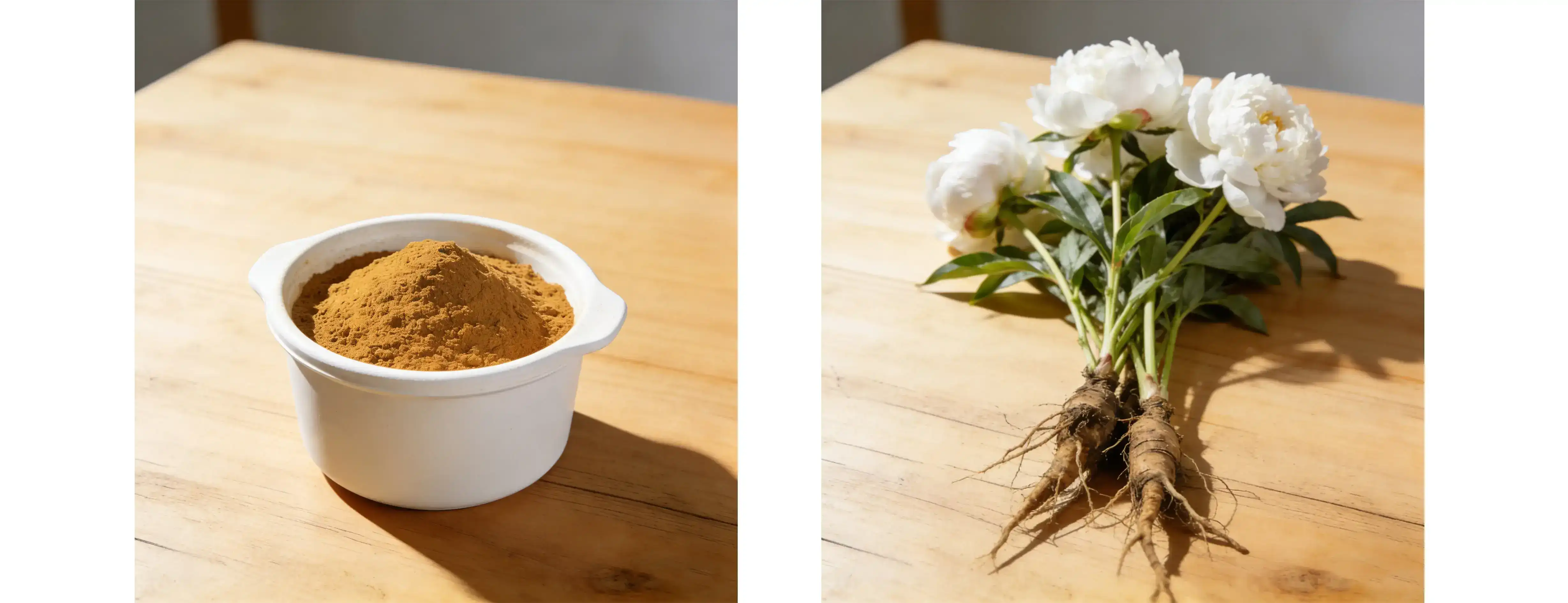
Bai Shao is the name given to the dried root obtained from Paeonia lactiflora Pall. in the field of Chinese medicine. It is from this source that the extract of white peony should originate. The Latin name, the portion of the plant that it originates from, and the environment in which it was cultivated should all be written down on the specification sheet. Ask the provider to follow the same procedure. There are three distinct types of peonies: the cherry peony, the red peony, and the tree peony. These peonies should never be used together. Additionally, in accordance with 21 CFR Part 111, businesses in the United States that manufacture dietary supplements are required to verify that each component is exactly what it claims to be. This indicates that the assessment of your supplier's identification does contribute to the improvement of your own compliance file. Not even a single line of a statement is sufficient. You need to enquire about the technique of testing, which may include HPLC or TLC fingerprinting.
Understand Extraction Ratio and Standardization
This particular instance involves the use of four parts of the raw root in order to produce one part of the final output (19:1). Adding a 10:1 extract to it makes it much more potent. The ratio is not about what is taken out but rather what is taken in. The Pharmacopoeia of the People's Republic of China stipulates that dried white peony root must have a certain quantity of paeoniflorin in order to be considered safe for consumption. The majority of purchasers are looking for this. It is important to enquire with the provider about whether they use water as a solvent or a mixture of ethanol and water. You should also enquire about the method that was used to dry the goods as well as the composition of the carrier. That number, as well as instructions on how to test it, needs to be included in the purchasing information if your recipe calls for a certain marker level. Both 4:1 and 10:1 are the strengths of white peony extract that are available from EM.a. 1.
Check Quality Systems and Documentation
Match Certifications to the Production Site
Certificates are only useful if they show the real site and product. Check the address, start date, and end date of each one. For NSF GMP certification, a third party must check how the product is made. FSSC 22000 is a plan for making sure food is safe. The Global Food Safety Initiative rates it. Managing quality is what ISO standards are all about. It's important that the labels on your food say they are kosher, halal, or organic. Products can only be called organic if they have been certified. The business EM has awards from NSF GMP, FSSC22000, ISO, Kosher, Halal, and Organic. Our goods also follow the rules set by the US FDA and GMP.
Documents to Request With Every Quote
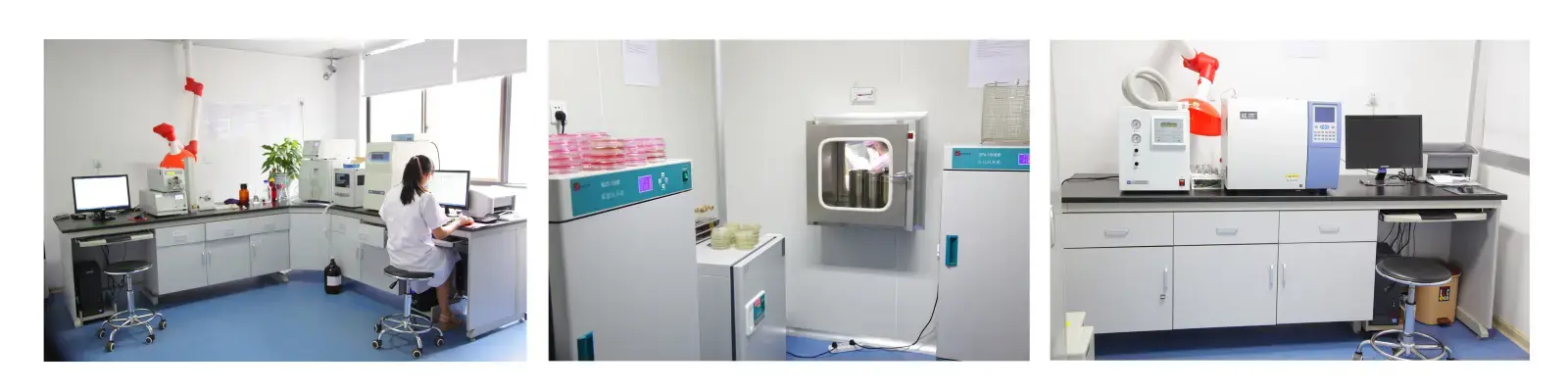
Paperwork shows how a supplier makes sure the work is done well. It's important that I get a specification sheet, an SDS, and a TDS for each batch. Reports on heavy metals and pesticides, microbiology results, allergen and non-GMO claims, and data on residual solvents are some of the things I add. The label on the drum should match the batch number on the COA, and the test method should be written next to each result. Check the COA against the specification sheet line by line. The controls aren't strong if the limits or methods don't match. Providers who don't want to share these files before an order should act the same way after it.
Test Batch Consistency Before You Commit
It's not very clear from just one good batch. Look at a few different lots of COAs and compare how they look, how wet they are, how well they dissolve, and how much marker is in them. Anything that doesn't look like the white peony extract from EM should be looked into further. An outside lab can test your sample and confirm the numbers given by the supplier for a small fee. Another thing I do is look at how a supplier makes things. As part of our process, we take care of everything from the raw materials to the finished product in our own modern factory. This makes sure that every lot has the same level of quality.

Match the Extract to Your Product and Supplier Type
Supplement Formats: Capsules, Tablets, and Powders
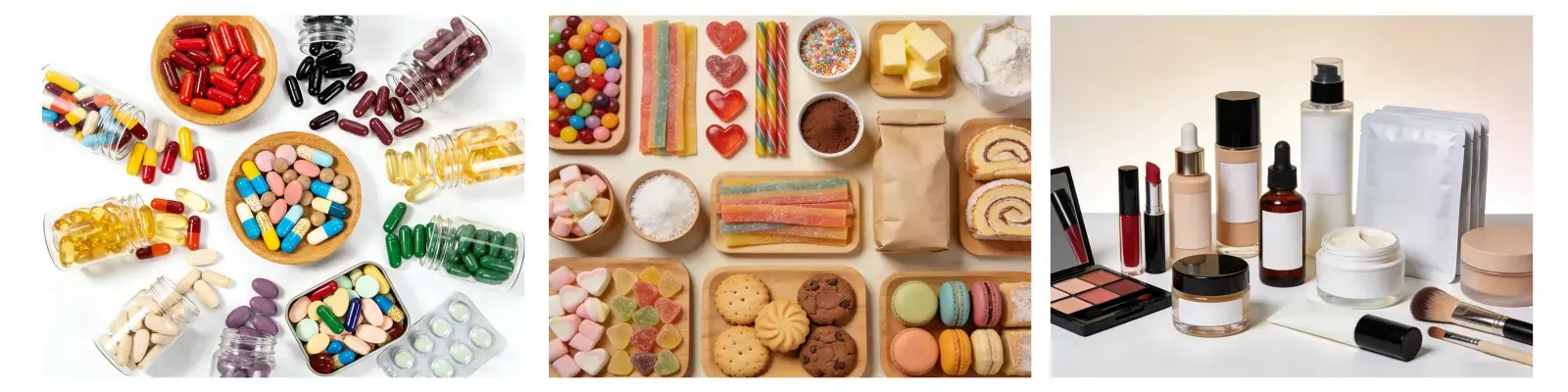
Laboratory studies of supplements only reveal a portion of the truth. The ease with which the substance may flow and the overall density of the material will be the determining factors in determining how well it presses through tablet presses and how well it fits into capsules. Because plant extracts have a tendency to absorb water, it is imperative that you read the directions regarding hygroscopicity and storage once again. Either a stick pack or a drink mix needs to have a pleasant aroma and flavour. The ability to blend ready-to-mix items well is a crucial skill to possess. You should do a tiny test mix that you prepare using your own materials to check for clumping, colour shift, and variations in fill-weight. It should not be stated on labels or in advertisements that the components may treat or prevent illnesses. Instead, they need to discuss the materials that they are constructed from and the typical applications for them.
Skincare and Beverage Applications
For the purpose of determining whether or not a preservative is compatible with a serum, cream, lotion, mask, or toner, a cosmetic chemist should conduct tests to determine how easily it dissolves, how much of it may be used, the pH range it is compatible with, and how well it can withstand heat. If you take a glance at the colour and scent of an extract that is brownish yellow, you will be able to determine the desired dosage. In the field of food technology, it is important to investigate how water-based beverages spread and how transparent they are. While they are being processed, they should also pay attention to how the effect of heat alters the appearance and flavour of the food. It is possible to enquire with the provider about the application data and the levels of usage that they propose. In the next step, you will begin your own work on stability using those statistics as a guide. Exams conducted in the laboratory are always preferable to a data sheet.
Direct Manufacturers, Traders, and Powder Versus Liquid
The amount of electricity you have is impacted by the many types of suppliers you have. Direct manufacturers often provide you with a greater degree of control over the manufacturing process. You are able to make adjustments and monitor the status of your orders. On the other hand, a trader or regional distributor can have a lower quantity of stock and provide a smaller quantity of the product. Because it has its own plant and stock in the United States, EM is able to provide both to its customers. Additionally, compare the different sorts of files. Powder extracts often have a longer shelf life and take up less space in the shipping process than liquid extracts do for each unit of substance. But beverages and personal care products aren't the only things that can be done with liquids. As is the case with flower extract and red peony, they should be treated as distinct goods, with each having its own individual criteria to follow.
Compare MOQ, Pricing, Packaging, and Supply
Read the Price Beyond the Per-Kilogram Number
The amount of white peony extract that is extracted, how it is standardized, certified, tested, packaged, the size of the order, and where it is going all affect the price per kilogram. The prices for a 10:1 extract and a 4:1 extract should not be the same because the 10:1 extract needs more root per kilogram than the 4:1 extract. Get a written quote that includes the price, Incoterms, lead time, payment terms, packaging, and how long the quote is good for. You should ask about the ratio, the carrier content, and the testing if the quote is very low. It will cost more if the cheapest lot fails your inspection when it comes in or if the launch is pushed back by weeks.
Packaging, MOQ, and Samples
The way a business treats new customers can be seen in plain English. The usual terms used by EM for white peony extract are these:
| Item | Detail |
|---|---|
| Latin name | Paeonia lactiflora |
| Used part | Root |
| Specification | 4:1 / 10:1 |
| Appearance | Brownish yellow |
| Package | 25 kg/drum |
| MOQ | 25 kg |
| Sample | Free sample available |
When the MOQ is 25 kg, a development team can run a real pilot batch without having to keep a lot of stock on hand. You can also test it out for free first. Keep the things inside the drums safe from water, light, and dirt; ask the supplier how they label and seal each one.
US Warehouses and Lead Time
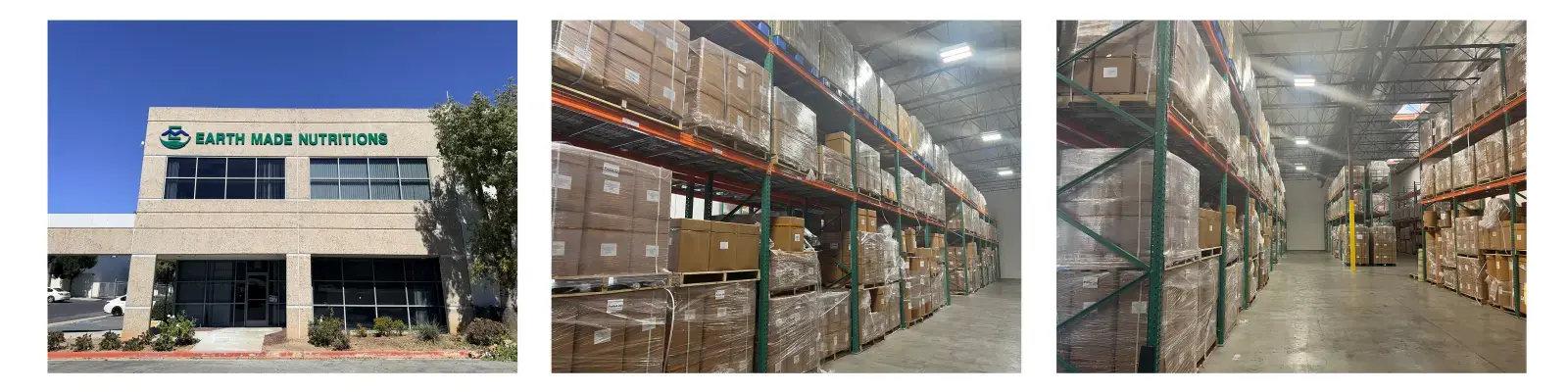
When things go on sale depends on how fast they are delivered. EM has white peony extract in stock and can arrange for you to pick it up the next day. To back them up, they have four warehouses in the US. Your order won't have to wait for ocean freight or customs clearance if you keep your goods in stock in the US. This also speeds up the time between getting approval for the recipe and starting to make it. People from other countries who want to buy or sell something should still ask any seller or buyer about certificates of origin, how they handle damaged or late goods, and how they plan shipping. Write down how long it will take to get your order and where it will be sent.
Score Suppliers and Make the Final Call
Spot Red Flags Early
When someone is not ready for serious buyers, a lot of the same things happen. There are claims of purity that don't have a test method, extract ratios that no one can explain, COAs that are unique to the batch that was used, and GMP or organic claims that don't have certificates. The list is completed by different looks for different lots and export paperwork that isn't complete. Even though none of these are signs of bad intentions, they all make sense as a direct question. A ready supplier will answer quickly and fully. If you want the answers to your questions to be kept, email them. Finally, look at the answers of at least two people before making your choice.
Build a Weighted Scorecard and Run a Trial Order
A scorecard counts up the things you think about. Order these factors by how important they are: the authenticity of the botanicals, the quality systems, the fit of the application, the supply capacity, the price, the logistics, and the technical support. After that, give each one a weight that fits with the list. It's possible that a skin care brand cares more about smell and color than a supplement brand does about keeping records. There should be a score given to each candidate after you look at their samples, documents, and other people's test scores. You should then test the recipe and place a controlled pilot order to make sure that the product quality, the integrity of the packaging, the paperwork, and the response time are all good. Audits that are done on-site or from afar add more proof for bigger programs.
Match Supplier Strengths to Your Business Model
Brands of supplements need to show that their capsules are made in a GMP way and always work the same way. Skin care cosmetics should have a neutral pH, a light scent, and a color that can't be changed. Distributors need a steady flow of goods, flexible packaging, and paperwork that is simple to read. People who want to buy under a private label should directly ask about formula development, help with labeling, and privacy. Also, they should write down who owns the formula and that only those people can use it. The research and development team at EM is very good, and they have the most up-to-date extraction equipment. We also run our business with eco-friendliness and responsible growth in mind. We'll let you know right away if our white peony extract works for your project after you tell us about it.
Conclusion
At every step of the way, you should check the white peony extract supplier you choose. First, say what it will be used for and how much. Then, give an extract ratio and, if needed, a marker like paeoniflorin to make sure the material is Paeonia lactiflora root. Certificates, batch-specific COAs, and consistent lots will show that a supplier is in charge of quality. Tests on formulations will show how well the ingredient works in drinks, skin care bases, or capsules. People only care about price when they are comparing items with the same specs. The real cost and schedule depend on the MOQ, the packaging, the lead time, and the location of the warehouse. If you use a scorecard, test samples, and set up a controlled pilot order, these checks can become a choice that keeps the rules and the quality of the product safe.
FAQ
1. What should I verify before buying white peony extract online?
Make sure you have the right Latin name, plant part, extract ratio, and batch-specific COA before you pay. Check the supplier's certificates to make sure they cover the place where the goods are made. First, get a little bit to see how it works in your own recipe.
2. Is white peony extract the same as white peony root extract?
People often use both names to talk about the same thing because most white peony extract comes from the root of Paeonia lactiflora. Still, pay close attention to the part about the plant, since flower extracts and red peony extracts are not the same thing.
3. What are EM's MOQ and sample terms?
We give away samples for free, and the least you can order is 25 kg, which is packed in 25 kg drums. You can pick up the item on the second day because it is in stock.
4. Which certifications does EM hold for this ingredient?
You can tell that our products follow US FDA and GMP rules because they are NSF GMP, FSSC22000, ISO, Kosher, Halal, and organic. Ask us for copies of the certificates and details about the scope while you are evaluating.
Request a White Peony Extract Specification From EM
Want to buy white peony extract from a company in the US? There are two different strengths of Paeonia lactiflora root extract that are sold by the California-based company EM. They have four warehouses in the US where they keep stock and offer free samples. The lowest amount you can order is 25 kg. Write to us at info@em-herb.com about the use, quantity, and packaging you need, and someone from our team will get back to you with more information and what to do next.
References
1. Pharmacopoeia of the People's Republic of China, 2020
2. U.S. Food and Drug Administration, Current Good Manufacturing Practice for Dietary Supplements, 21 CFR Part 111, 2007
3. NSF/ANSI 173: Dietary Supplements, 2022
4. FSSC 22000 Scheme Version 6, Foundation FSSC, 2023
5. United States Pharmacopeia, General Chapter <561> Articles of Botanical Origin, 2023
6. ISO 9001: Quality Management Systems Requirements, International Organization for Standardization, 2015