- English
- French
- German
- Portuguese
- Spanish
- Russian
- Japanese
- Korean
- Arabic
- Irish
- Greek
- Turkish
- Italian
- Danish
- Romanian
- Indonesian
- Czech
- Afrikaans
- Swedish
- Polish
- Basque
- Catalan
- Esperanto
- Hindi
- Lao
- Albanian
- Amharic
- Armenian
- Azerbaijani
- Belarusian
- Bengali
- Bosnian
- Bulgarian
- Cebuano
- Chichewa
- Corsican
- Croatian
- Dutch
- Estonian
- Filipino
- Finnish
- Frisian
- Galician
- Georgian
- Gujarati
- Haitian
- Hausa
- Hawaiian
- Hebrew
- Hmong
- Hungarian
- Icelandic
- Igbo
- Javanese
- Kannada
- Kazakh
- Khmer
- Kurdish
- Kyrgyz
- Latin
- Latvian
- Lithuanian
- Luxembou..
- Macedonian
- Malagasy
- Malay
- Malayalam
- Maltese
- Maori
- Marathi
- Mongolian
- Burmese
- Nepali
- Norwegian
- Pashto
- Persian
- Punjabi
- Serbian
- Sesotho
- Sinhala
- Slovak
- Slovenian
- Somali
- Samoan
- Scots Gaelic
- Shona
- Sindhi
- Sundanese
- Swahili
- Tajik
- Tamil
- Telugu
- Thai
- Ukrainian
- Urdu
- Uzbek
- Vietnamese
- Welsh
- Xhosa
- Yiddish
- Yoruba
- Zulu
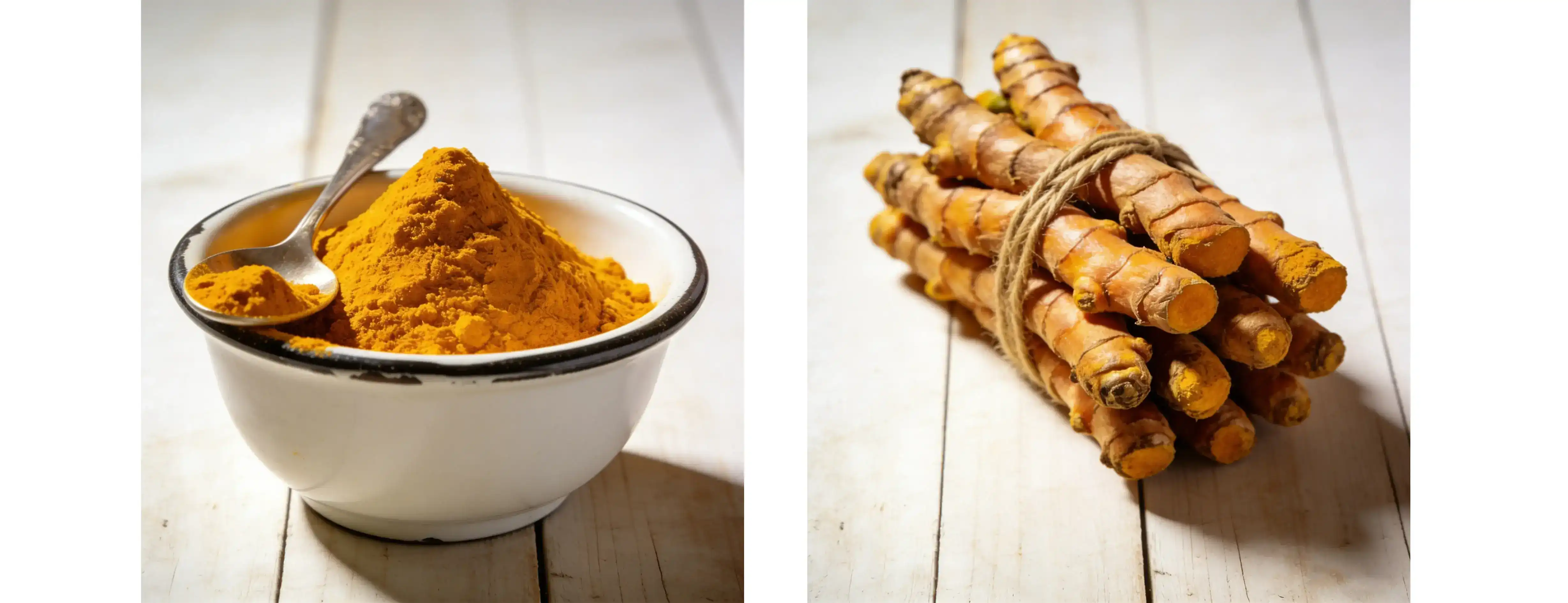
Some things are the same between curcumin extract and turmeric root extract, but they are not the same thing. There is a plant called Curcuma longa whose roots are used to make turmeric root extract. Because it has curcuminoids and other plant chemicals, it can be put into a wider botanical group. It is standardized, which means that the amount of curcuminoids in curcumin extract is close to a certain level. This helps with dosing more accurately. It depends on how much each serving costs, the market, the dosage form, and the labeling's goals. The buyer can see both options and learn how EM helps with sourcing decisions by giving written specs and stock in U.S. warehouses in this guide.
What Is Turmeric Root Extract?
The rhizomes of turmeric plants are the source of turmeric root extract, as the name of this product suggests. There are several chemicals involved. For the purpose of extracting the root, it is acceptable for the corporation to make use of solvents such as water or petrol. After that, the root is ground into a powder by being compressed and then dried. It is possible that the final product may include volatile oils, curcuminoids, and several other plant components. It is said in a number of sources that raw turmeric powder contains around three percent curcuminoids. It has a greater quantity of plant material per gram when it is taken from the plant. Each kind of turmeric extract, curcumin goods that are very pure, and turmeric extract that has been standardised have to have their own line on a quotation sheet. Names, on their own, don't reveal much about a person. For more information about the product that you are purchasing, it is important to take into consideration the quantity of curcumin, the amount of water, the size of the particles, and the botanical name.
What Is Curcumin Extract?
One of the most important forms of curcuminoids that may be found in turmeric is this particular type. Curcumin, demethoxycurcumin, and bisdemethoxycurcumin are the three components that make up the majority of the curcumin extracts that are sold in shops. The majority of the time, the businesses that offer them refer to all of them as "total curcuminoids." Due to the fact that these goods are cleaner and more concentrated, the active substances that are included inside them are more consistent. Additionally, it is feasible for them to have enrolment rates that are lower. It is not always the case that applying a larger proportion will result in the final product having better absorption, being more stable, or functioning more effectively. If the seller promises simply curcumin or all of the curcuminoids, you should be sure to learn this information. In addition, you should enquire about the kind of analysis that was used in order to guarantee that the quantity is accurate. HPLC is used rather often. When you set these two quotations next to each other, you notice that they have a distinct appearance.
Why the Difference Matters for Your Purchase
You might make mistakes with formulation math, label statements, and quotes that can't be compared if you mix up the two names. What does a 10:1 extract ratio mean? It tells you how much raw root was used to make the extract. On the other hand, a curcuminoid percentage shows how much active content there is. Between these two points, something has changed. This is hard for importers, supplement brands, and people who make food and drinks because they read the sheets in different ways. First, write down how much curcumin you want to use, who you want to sell it to, and how you're going to give it to them. Then, tell each supplier what you want and ask them to price it. This easy step makes things fair and gives you more time to work on your project.
Turmeric Root Extract vs Curcumin: Key Buying Differences
Composition and Standardization
The way they are made is the first thing that makes them unique. In line with how the whole root and traditional botanical place it, turmeric root extract has more root compounds. You only get curcuminoids when you take curcumin extract. This is good for products that need to know the exact dose and level of activity. The same thing happens with standardization. If you check how much of a substance called curcuminoid is in the raw material, you can tell how concentrated it is. This can be seen in extract ratios of 10:1 or 20:1. If you want to know how much moisture, ash, and solvents are still there, as well as the test report, it is important to get these things. After that, you don't have to use the name of the product to see if two batches are the same. Instead, you can compare the certificates of analysis for each lot.
Processing Behavior and Cost per Active Dose
The price per kilogram can be hard to figure out. It's possible that a powder that isn't as concentrated will cost more per meal than one that is. Find out how much it costs per serving or per gram of curcuminoids. Next, add up how much it costs to test, ship, pack, and use a carrier. How you think about things is also important. Curcuminoids don't mix well with water because they like fats. That's why people who make drinks need grades that can mix with water or form emulsions. You should also think about color. It changes the color of light polish from clear to orange-yellow. Before you buy, get a sample and do a quick test to see how well the capsules fill and blend. Mass density, flowability, and mesh size all play a role.
How to Choose Between Turmeric Root Extract and Curcumin Extract
Start with the finished product, the person who will buy it, and the audience you want to reach. It is important that the different types of capsules, tablets, gummies, softgels, beverage powders, and herbal blends taste good, flow well, and spread out evenly. Write down the name of the plant, how much curcuminoid it has, where it came from, how it was extracted, any certifications or tests for contaminants, how it was packed, and how long it will last. After that, connect it to the story. When used with whole-root positioning and botanical blends, turmeric root extract works really well. A lot of research has shown that curcumin extract works well in tech products that are strong, standardized, or have low inclusion rates. When it comes to drinks, softgels, and liquids, you may need special formats that are easy to spread. To the list of things to do, add getting help from a supplier with the sample, the paperwork, the lead time, the minimum order quantity (MOQ), and becoming bigger.
Piperine, Delivery Systems, and Product Formats
Turmeric Root Extract With Black Pepper vs Without Black Pepper
In order to facilitate the body's absorption of turmeric, several recipes call for the addition of black pepper extract, which is often tested for the presence of piperine. An investigation that was published in the year 1998 in the publication Planta Medica discovered that the presence of piperine led to an increase in the levels of curcumin in the blood. Because of this, they are often employed side by side. It is not required, and it does not demonstrate that one product is superior to another. Determine the origin of the piperine, the quantity that was used, and the precise procedure that was utilised to ascertain its quality. Peppermint mixes have the potential to be effective in delivering capsules and tablets; nevertheless, they have the potential to alter the flavour of the pills as well as the way they are labelled. Piperine-free substances may be used in products that have a bland flavour, in a variety of methods to administer medication, and in retail establishments that adhere to stringent regulations.
Delivery Systems and Bioavailability Technologies
Curcuminoids are difficult to produce, according to reviews such as the one that was published in Molecular Pharmaceutics in 2007. This is because curcuminoids do not mix well with water. It may be delivered in a variety of forms, including phospholipid complexes, emulsions, lipid dispersions, and grades that degrade in water. These are just some of the forms that are available. Methods vary in the manner in which they do this. By altering the phospholipid complex, it is possible to modify both the price and the words that are printed on the label. By altering the emulsion itself, it is possible to alter the stability and durability of an emulsion. It is not enough to just glance at the label and the proportion of curcuminoids if you want to know what kind of product to purchase. If a provider makes a statement concerning bioavailability, you need to enquire about the research that supports that statement. It is up to you to decide whether or not the technology is compatible with the dosage form you choose and what you say.
Product Formats: Powder, Liquid, and Capsule
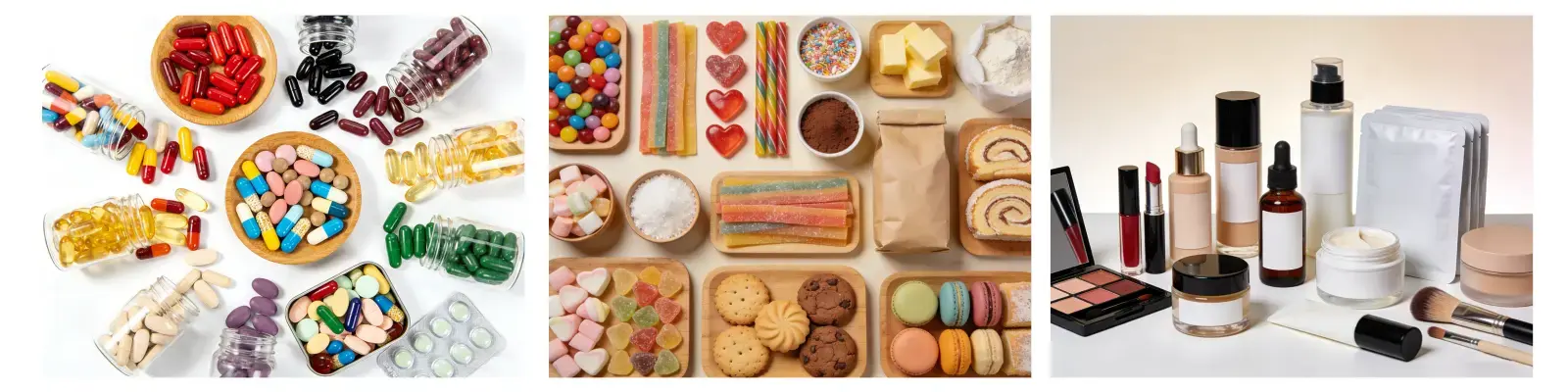
Different forms of turmeric are available, including powder, liquid, capsules, bulk, wholesale, private-label, and original equipment manufacturer (OEM) varieties. Powder is the most common form of turmeric. It is still the most frequent method for producing capsules, pills, blended supplements, and large quantities of products. Powder is the most prevalent form. A variety of factors, including mesh size, bulk density, moisture content, and flowability, may influence the manner in which objects are processed and conveyed. Examining the pH of liquid extracts, determining how well they function with various forms of packing, and determining how effectively they manage bacteria are all necessary steps in the testing process. When you utilise capsules that are already prepared for sale, you can speed up the production process, but you won't be able to do as many different things with them. Standard extracts, private-label programs, and bespoke mixes are all obtainable options for consumers to purchase products. Prior to beginning the formulation process, it is essential that you familiarise yourself with the minimum order quantity, the packaging, the certifications, and the requirements of the final market.
Quality, Compliance, and Supplier Evaluation
Quality and Compliance Documents to Request
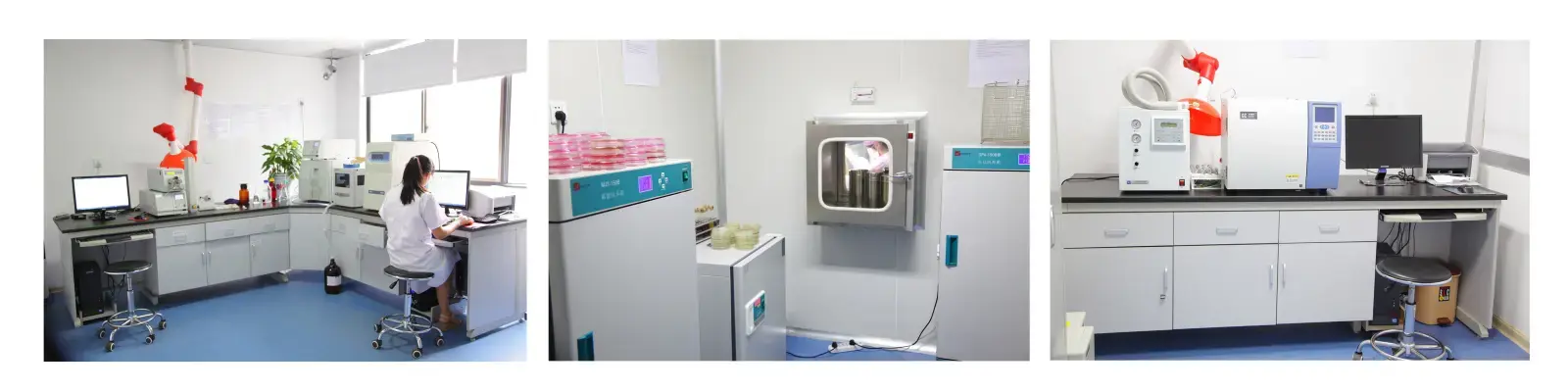
It is important to make certain that the quality and compliance criteria are satisfied before placing an order for a firm. In accordance with the Good Manufacturing Practice (GMP) regulations, 21 CFR Part 111 may be found. The United States of America companies that manufacture dietary supplements adhere to these guidelines. To clarify, the documentation provided by your provider demonstrates that you adhere to the regulations. Find out where the product was manufactured, what allergies and genetically modified organisms it includes, the findings of identification testing, microbiological testing, heavy metal and pesticide testing, residual solvent data, and evidence that it will remain stable. Each batch must have a Certificate of Analysis in order to be considered complete. In the event that your consumers are concerned about certain aspects, you may include organic, kosher, halal, ISO, FSSC22000, or NSF GMP certifications. When you put anything on the label, you need to make sure that it complies with the regulations that have been established by the FDA and the individuals that you want to communicate with.
Comparing Supplier Quotes: A Practical B2B Buying Checklist
To make a fair comparison when sourcing turmeric root extract, start by requesting detailed quotations based on clearly defined specifications. Provide information about the botanical origin, desired curcuminoid content, product format, organic requirements, destination country, required certifications, packaging, annual purchase volume, trial order quantity, labeling needs, and expected delivery date. Next, compare quotations by calculating the cost per gram of curcuminoids or per finished serving, using consistent units and specifications rather than rounding figures prematurely. Confirm whether each quoted price includes testing, packaging, shipping, freight charges, carrier fees, import duties, taxes, and customized labeling. Beyond price, evaluate minimum order quantities (MOQs), payment terms, lead times, production capacity, and supply reliability. Be cautious of vague "high-potency" claims, missing batch-specific documentation, unclear botanical origins, inconsistent specifications, and unusually low prices that cannot be adequately explained.
Recommended Decision Matrix for Different Buyer Profiles
People who want to buy something look at different things. Supplement brands need to think about many things, such as their claims, how stable their products are, how well they work with different dosage forms, and how consistent their active ingredients are. Wholesalers and distributors need a steady supply, a range of grades, flexible packaging, and quality that doesn't change from batch to batch. If a customer wants to use OEM or private label, they need to check the minimum order quantity (MOQ), privacy, and laws and rules. Companies that make functional foods and drinks should test their own bases to see how they look, taste, mix, and turn hot. Brands that are known for being good or based on research should ask for analytical methods that have been tried and tested and shown to work, along with data that shows they can be tracked and are stable. The profile approval process goes faster if your profile meets these steps.

EM Turmeric Root Extract: Specifications and Supply
Product Specifications at a Glance
The root of the Curcuma longa plant is used to make our turmeric root extract. It comes in two strengths, 10:1 and 20:1. They come in 25 kg drums, and you have to buy at least 25 kg. That way, you can test a recipe before you place a bigger order. It's possible to get it for free. On the second day, you can get the stock. It comes in 10 to 1 and 20 to 1 rates. Please let us know how much curcumin your recipe needs. After that, we'll see how it stacks up against your goal.
Certifications and Quality Control
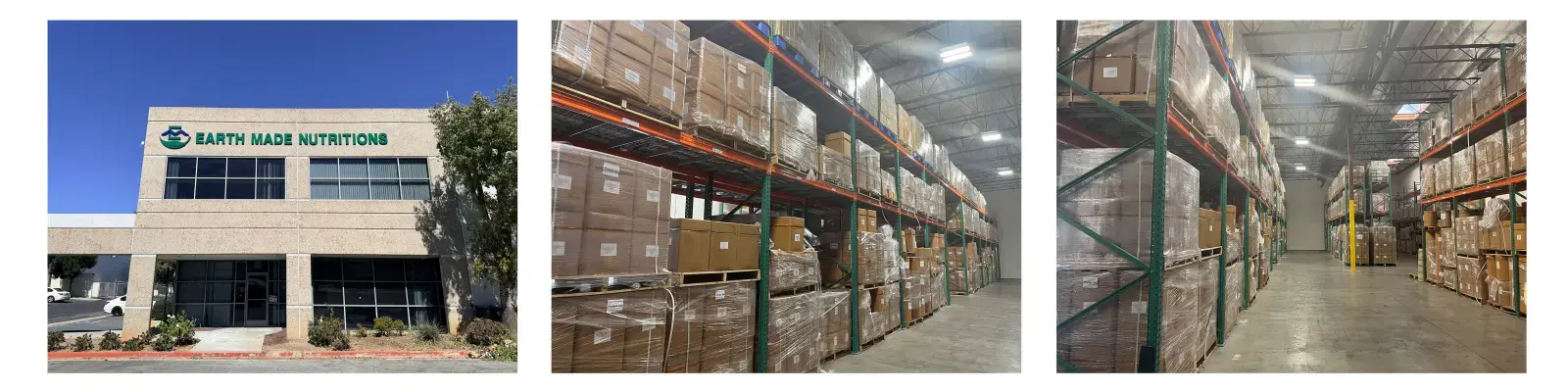
Eco-Friendly Foods Inc. has been around since 2018 and is based in California. The factory is very new and works quickly to make good products from raw materials. The standards we use to make our products are very high, like those set by the US FDA and GMP. We have the following certifications: OSH, FSSC22000, Kosher, Halal, ISO, and NSF GMP. We can give you the papers that will help your business and market the most. Proficient researchers and developers work on it, and high-tech tools are used to get the best results. Sustainability is a good idea, and we agree that it's important to help other people and look after the earth.
Four U.S. Warehouses and Supply Support
Planning how to get something is often just as important as reading the specs when you want to buy something. This is what procurement teams need to do most:
- Local stock: Four major local warehouses in the United States let us deliver in a timely manner. Because inventory sits inside the country, second-day pick-up helps procurement teams plan production runs and repeat orders with fewer delays.
- Technical and documentation support: Our R&D team can discuss specification questions with your formulators. Importers, distributors, and brand owners can also request certificates and batch documents during the sampling stage, before a larger commitment.
Companies that make, sell, or distribute supplements and need a steady supply of turmeric extract powder can use these tips to make better decisions.
Conclusion
Curcumin extract and turmeric root extract are different, so the goal should help you decide which one to use. Curcumin extract is good for formulas that need a certain amount of curcuminoids and accurate dosing, while turmeric root extract is good for whole-root and botanical positioning. When you compare prices, you shouldn't use extract ratios and curcuminoid percentages since they show different things. Use the same unit of measure instead, like cost per serving or cost per active dose. Piperine, delivery technology, and the way a product is packaged can all change how well it works and how it is labeled, but they don't make the product better. When there are clear specs, documents that are only available for that batch, and the right certifications, it's safe to buy something.
FAQ: Turmeric Root Extract vs Curcumin
1. Is turmeric root extract the same as curcumin?
You'll need turmeric root extract for that. It comes from the rhizome and has more chemicals than the root itself. These are the main parts of curcumin extract.
2. Does a higher curcuminoid percentage mean a better product?
Not all the time. The way it is given, how stable it is, the dosage form, and the price per serving can all change how well it works and how much it costs.
3. Does piperine automatically improve a product?
You don't need it, though. You should check the percentage, the way you looked at it, and how well it fits with your formula and the rules in your area.
4. What specifications should I request?
Find out what kind of plant was used, how much extract was used, what the active ingredient is, what kinds of contaminants were found, if there are any certifications, and if the batches have been tested. EM is giving away the 10:1 and 20:1 samples of turmeric root extract for free.
Request a Turmeric Root Extract or Curcumin Supply Consultation
Want to know where in the US you can buy turmeric root extract? EM sells 10:1 and 20:1 turmeric root extract in 25 kg drums. They offer free samples and keep stock in four US warehouses. Write to info@em-herb.com and tell them what you need, who you want to reach, and how much you need. We'll get back to you with prices and paperwork.
References
1. Planta Medica, 1998 – Influence of Piperine on the Pharmacokinetics of Curcumin in Animals and Human Volunteers
2. Molecular Pharmaceutics, 2007 – Bioavailability of Curcumin: Problems and Promises
3. Molecules, 2014 – The Chemistry of Curcumin: From Extraction to Therapeutic Agent
4. Journal of Medicinal Chemistry, 2017 – The Essential Medicinal Chemistry of Curcumin
5. Foods, 2017 – Curcumin: A Review of Its Effects on Human Health
6. U.S. Food and Drug Administration, 2007 – Current Good Manufacturing Practice in Manufacturing, Packaging, Labeling, or Holding Operations for Dietary Supplements (21 CFR Part 111)