- English
- French
- German
- Portuguese
- Spanish
- Russian
- Japanese
- Korean
- Arabic
- Irish
- Greek
- Turkish
- Italian
- Danish
- Romanian
- Indonesian
- Czech
- Afrikaans
- Swedish
- Polish
- Basque
- Catalan
- Esperanto
- Hindi
- Lao
- Albanian
- Amharic
- Armenian
- Azerbaijani
- Belarusian
- Bengali
- Bosnian
- Bulgarian
- Cebuano
- Chichewa
- Corsican
- Croatian
- Dutch
- Estonian
- Filipino
- Finnish
- Frisian
- Galician
- Georgian
- Gujarati
- Haitian
- Hausa
- Hawaiian
- Hebrew
- Hmong
- Hungarian
- Icelandic
- Igbo
- Javanese
- Kannada
- Kazakh
- Khmer
- Kurdish
- Kyrgyz
- Latin
- Latvian
- Lithuanian
- Luxembou..
- Macedonian
- Malagasy
- Malay
- Malayalam
- Maltese
- Maori
- Marathi
- Mongolian
- Burmese
- Nepali
- Norwegian
- Pashto
- Persian
- Punjabi
- Serbian
- Sesotho
- Sinhala
- Slovak
- Slovenian
- Somali
- Samoan
- Scots Gaelic
- Shona
- Sindhi
- Sundanese
- Swahili
- Tajik
- Tamil
- Telugu
- Thai
- Ukrainian
- Urdu
- Uzbek
- Vietnamese
- Welsh
- Xhosa
- Yiddish
- Yoruba
- Zulu
Selecting high-quality suppliers for milk thistle seed powder requires more than comparing prices. Buyers should verify botanical authenticity (Silybum marianum), evaluate silymarin specifications and analytical methods, confirm relevant certifications, and assess supply chain transparency. Reliable suppliers provide consistent batch quality, Certificates of Analysis (CoA), traceability, technical support, and logistics capabilities suited to B2B procurement.
For nutraceutical, cosmetic, functional food, and international distribution businesses, supplier selection directly affects product consistency, regulatory compliance, and brand reputation.
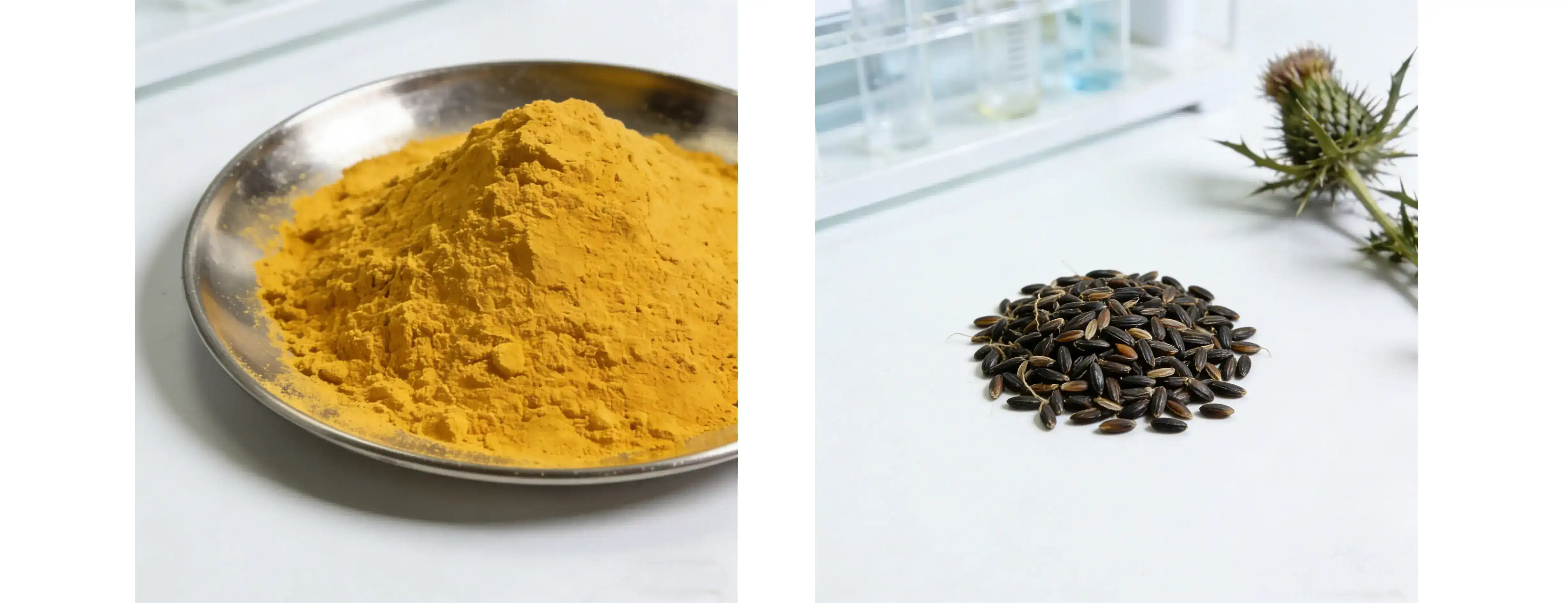
Introduction
There is a significant amount of utilisation of the plant that is commonly known as milk thistle, which is technically known as Silybum marianum. This plant is used in the production of nutritional supplements, cosmetics, and functional food items. Flavonolignans are naturally occurring compounds that are referred to collectively as silymarin. Flavonolignans may be recovered from the seeds of this plant. As a result of this, the botanical component is essential to the economic success of a wide range of industries.
It is important to make an informed decision when selecting a source of Milk Thistle seed Powder since the effects go beyond the cost of the ingredients. There are a number of aspects that may have an effect on the quality of the final product. These factors include the validity of the botanical ingredients, the consistency of the active substance, the control of impurities, the reliability of the delivery, and the regulatory documentation.
In order to conduct an accurate evaluation of suppliers, procurement managers and formulation teams should take into consideration not only the technical requirements but also the commercial and operational capabilities of each individual provider. This book provides an overview of the most significant aspects that should be considered while searching for reliable suppliers and seeking to reduce the risks that are involved with procurement.
Understanding the Core Requirements for Milk Thistle Seed Powder Procurement
Defining Quality Standards and Product Forms
The legitimacy of the botanical specimen is the first condition. It is important for purchasers to verify that the material is sourced from Silybum marianum and to have a clear understanding of whether they are buying a standardised extract or whole seed powder.
Additionally, the manufacturing performance is affected by the particle size. It is possible to increase the efficiency of blending, encapsulating, and tableting by using powder specifications that are uniform. Additional quality indications may be provided by visual features such as colour, odour, and moisture condition; nevertheless, it is always important to establish the identification and purity of the product by analytical testing.
The difference between concentrated extracts and raw seed powder is an essential distinction to make. Although it contains relatively modest amounts of silymarin, whole seed powder often preserves the natural oils and fibre that are present in the seed. Standardised extracts are treated in order to generate larger concentrations of flavonolignans that are the aim of the formulation. These extracts are also more appropriate for formulations that need a regulated quantity.
During the process of analysing active content, purchasers should also be aware of the analytical technique that was used. As a consequence of the fact that UV spectrophotometry and HPLC detect chemicals in distinct ways, the findings that they provide may be different. Generally speaking, high-performance liquid chromatography (HPLC) offers a more complete profile of individual flavonolignans, which is why the testing technique is an essential component of specification comparison.
Regulatory and Certification Benchmarks
Certification requirements depend on the target market and application. Dietary supplement and food manufacturers may prioritize GMP systems, food safety certifications, and batch documentation. Organic certification can support clean-label positioning, while Kosher and Halal certifications may expand market access.
Common certifications buyers may evaluate include:
- NSF GMP or equivalent GMP systems
- USDA Organic or EU Organic certification
- ISO 22000 or FSSC 22000
- Kosher certification
- Halal certification
Each batch should also be supported by a Certificate of Analysis covering identity, active compound specifications, microbiological limits, and relevant contaminant testing.
Verifying certifications directly with issuing organizations can reduce the risk of relying on expired or misleading documentation.
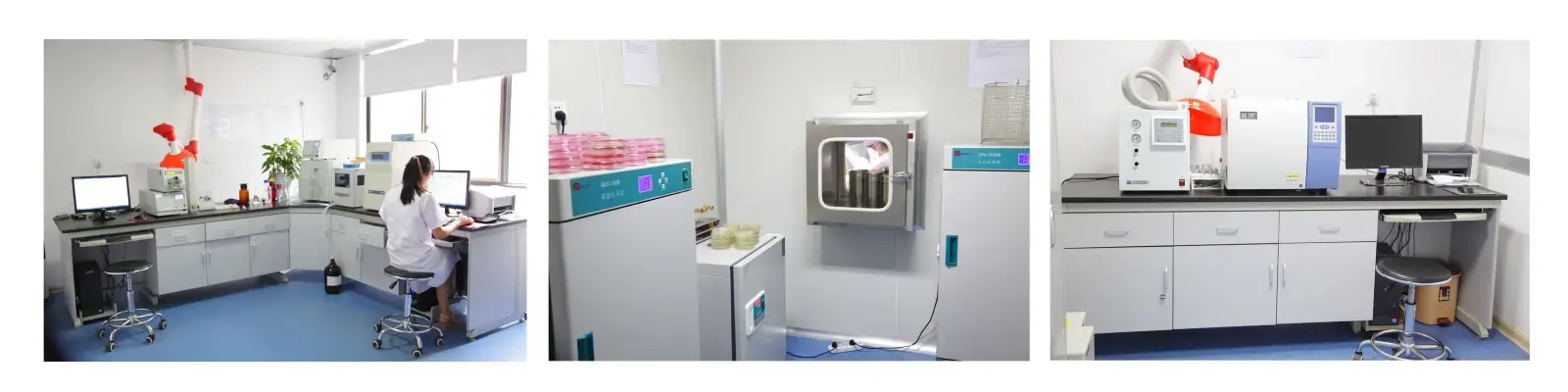
Key Criteria to Evaluate When Selecting Milk Thistle Seed Powder Suppliers
Product Quality and Consistency Metrics
Batch consistency for milk thistle seed powder is essential for manufacturers that need stable formulation performance and reliable label specifications. Suppliers should maintain documented production controls and standardized testing procedures.
A comprehensive quality evaluation may include:
- Botanical identity confirmation
- Silymarin or flavonolignan assay
- Particle size distribution
- Moisture and ash content
- Heavy metal testing
- Pesticide residue screening
- Microbiological testing
- Aflatoxin testing, where relevant
- Residual solvent analysis for extracted products
Testing requirements should match the product's intended application and target market. Buyers should also request batch-specific rather than generic analytical documentation.
Suppliers should clearly disclose extraction and processing methods. Transparent technical information is generally more valuable than simply comparing a single percentage specification or purchase price.
Supply Chain Transparency and Sourcing Practices
Supply chain transparency helps buyers evaluate both ingredient reliability and long-term availability. Important questions include:
- Where are the seeds sourced?
- How is botanical identity verified?
- What storage controls are used after harvesting?
- How are raw materials protected from moisture and contamination?
- Can batches be traced from raw material to finished product?
Vertically integrated suppliers may offer stronger control over sourcing, processing, and packaging, although reliable quality systems can also be maintained through qualified supply networks.
Sustainable agricultural practices and responsible sourcing can provide additional value for brands with ESG or clean-label positioning. Long-term relationships with growers may also help reduce supply volatility.
Pricing Structures and Logistics Efficiency
When it comes to overall procurement costs, the lowest unit price does not always indicate the lowest total cost. It is important for purchasers to take into consideration items such as product quality, freight, import prices, testing requirements, inventory carrying costs, and any dangers associated with reformulation.
There should be a clear definition of whether quotes are based on FOB, CIF, DDP, or any other Incoterms included within commercial terms. MOQ flexibility is also significant, especially for research and development trials and the introduction of new products.
It is possible for suppliers that have regional storage to minimise lead times and the demand on inventories. For instance, several suppliers, such as Earth Made Nutritions Inc., have numerous warehouses located in the United States in order to facilitate speedier domestic fulfilment for qualifying business-to-business clients.
Supplier Reputation and Technical Support
Certificates alone cannot fully demonstrate supplier capability. Buyers should also evaluate industry experience, customer references, responsiveness, and technical knowledge.
Strong suppliers can support customers with:
- Sample evaluation
- Technical data sheets
- Formulation guidance
- Application recommendations
- Documentation support
- Scale-up assistance
OEM and private-label capabilities may provide additional value for brands that require integrated product development services.
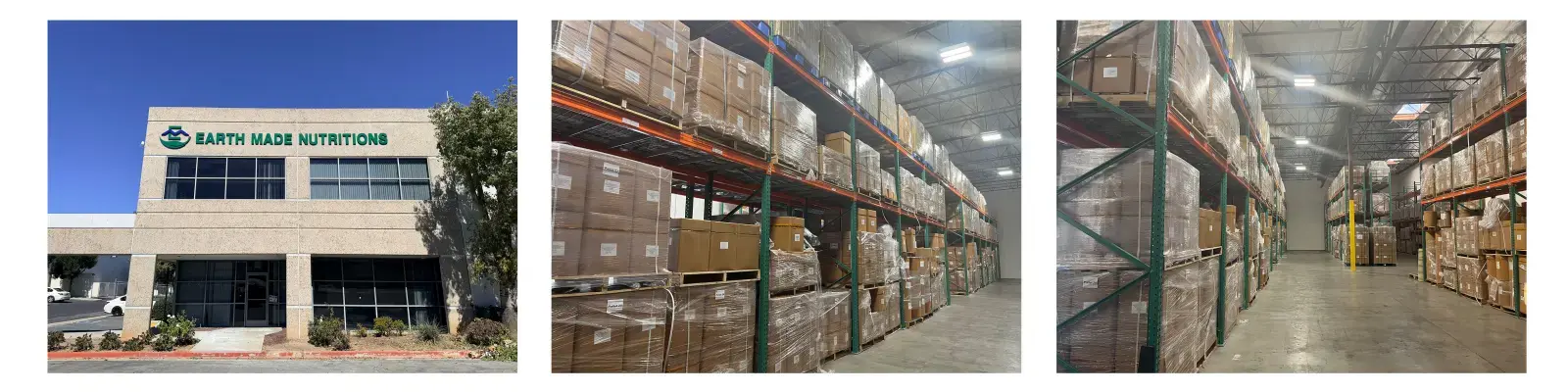
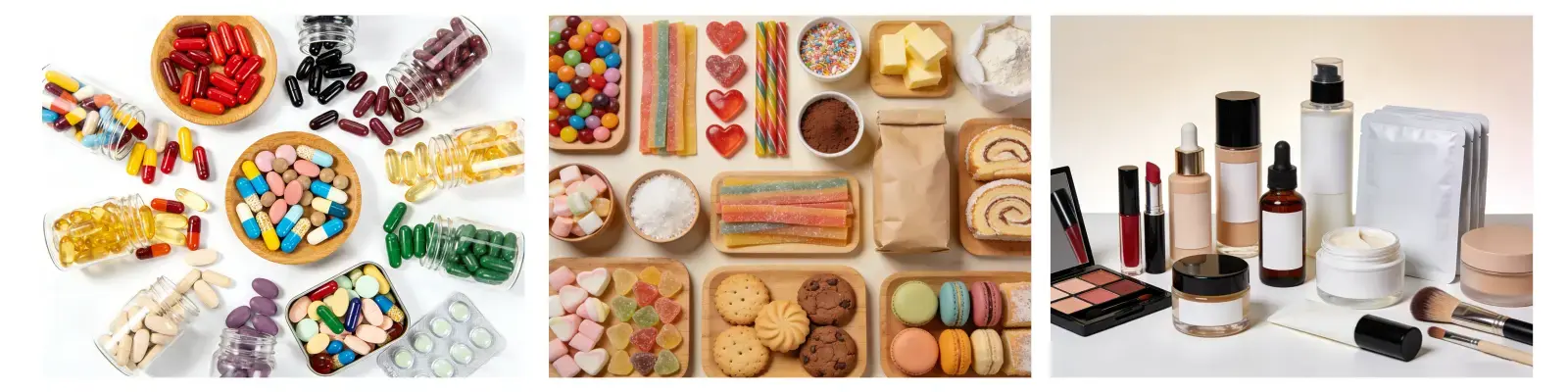
Matching Supplier Solutions to Diverse B2B Needs
Different industries require different specifications, so supplier evaluation should be application-specific.
Nutraceutical and Supplement Manufacturers
Supplement manufacturers generally prioritize standardized active content, identity testing, contaminant control, and complete regulatory documentation for milk thistle seed powder.
Suppliers should be able to provide consistent specifications across pilot- and commercial-scale batches. Custom particle sizes or standardized extract concentrations may also be valuable for specialized formulations.
Technical support can reduce development risks when manufacturers need to evaluate ingredient compatibility, dosage formats, or stability.
Cosmetic and Personal Care Formulators
Cosmetic applications require careful evaluation of purity, microbiological specifications, and formulation compatibility.
Technical documentation should ideally include information about:
- Recommended usage levels
- Particle characteristics
- Solubility or dispersibility
- Stability considerations
- Compatibility with common formulation systems
Organic certification and sustainable sourcing information can also support clean beauty positioning.
Functional Food and Beverage Developers
Some of the additional challenges that are brought about by applications in the food and beverage sector include changes in taste, stability during processing, dispersibility, and compliance with regulatory requirements.
Those individuals who are interested in acquiring the component are required to investigate how effectively it operates under the required conditions of temperature, pH, and storage. When it comes to the strategies of inclusion and the sensory considerations that are involved, suppliers that have knowledge in the area of functional meals are able to give beneficial guidance.
When it comes to commercial food applications, it is of the utmost importance to possess credentials that demonstrate food safety as well as documentation that properly identifies the product.
International Distributors and Importers
Distributors require consistent quality across repeated shipments, flexible order volumes, and documentation suitable for customs and customer qualification.
Useful documents may include:
- Certificate of Analysis
- Safety data documentation
- Allergen statements
- BSE/TSE statements where applicable
- Country-specific compliance documentation
- Packaging specifications
Clear communication regarding inventory, production schedules, and potential supply disruptions can also improve long-term distribution relationships.
How to Verify and Validate Your Milk Thistle Seed Powder Supplier
Documentation and Certification Review
Supplier qualification should begin with a structured document review. A batch-specific CoA should contain relevant specifications rather than general marketing statements.
Depending on the product type, buyers may request data covering:
- Botanical identification
- Silymarin assay method and result
- Moisture and ash
- Particle size
- Heavy metals
- Pesticide residues
- Microbiological limits
- Aflatoxins
- Residual solvents
Certificates such as GMP, Organic, Kosher, and Halal should also be checked for validity and relevance to the specific manufacturing facility or product.
Supplier Audits and Third-Party Inspections
Audits provide information that documentation alone may not reveal. Where possible, buyers can conduct on-site or remote assessments covering:
- Raw material storage
- Production hygiene
- Quality control laboratories
- Batch traceability
- Employee training
- Packaging procedures
Third-party inspection organizations may also be used when direct audits are impractical. Periodic supplier reassessment helps maintain quality standards as business relationships develop.
Sampling and Pilot Orders
Samples should be tested in actual formulations rather than evaluated only by appearance.
Buyers can assess:
- Analytical specifications
- Particle behavior
- Odor and sensory properties
- Formulation compatibility
- Processing performance
- Stability
Pilot orders for milk thistle seed powder provide a further opportunity to evaluate packaging quality, documentation accuracy, delivery performance, and supplier communication before establishing a long-term purchasing agreement.

Common Challenges in Procuring Milk Thistle Seed Powder and How to Overcome Them
Detecting and Avoiding Adulteration
Botanical ingredient markets can face risks related to adulteration, substitution, or dilution. Visual inspection alone is insufficient for verifying authenticity.
Risk reduction strategies include:
- Requesting batch-specific CoAs
- Using independent laboratory testing
- Verifying botanical identity
- Reviewing supplier traceability systems
- Investigating unusually low prices
- Conducting periodic incoming material testing
Reliable suppliers should be transparent about raw materials, processing methods, and quality control procedures.
Balancing Cost and Quality
Focusing exclusively on purchase price can increase long-term costs if poor-quality materials create formulation problems, product inconsistency, or regulatory issues.
A total-cost approach should consider:
- Ingredient price
- Freight and logistics
- Quality testing costs
- Inventory requirements
- Reformulation risks
- Supply disruption risks
Volume agreements and long-term purchasing relationships may help buyers achieve better commercial terms without compromising quality standards.
Navigating Supply Chain Disruptions
Agricultural ingredients can be affected by weather, harvest variability, transportation delays, and regulatory changes.
To improve supply resilience, buyers can:
- Qualify alternative suppliers
- Maintain appropriate safety stock
- Review supplier production capacity
- Monitor harvest conditions
- Establish clear supply agreements
- Maintain regular communication with suppliers
Regional warehousing may also reduce dependence on international shipping and improve response times. Regulatory monitoring is equally important. Suppliers that proactively update documentation and specifications can help customers avoid unexpected compliance issues.
Conclusion
When searching for providers of milk thistle seed powder of superior quality, it is necessary to do a comprehensive analysis of the technical quality, regulatory compliance, supply chain transparency, commercial terms, and service capabilities of the potential suppliers.
Verifying the botanical identification of the product, understanding the distinctions between raw powder and standardised extracts, reviewing analytical procedures, and requiring full batch documentation are all important things for buyers to undertake. In addition, the certification of suppliers has to include pilot orders, audits in the right circumstances, and sample testing.
Those ties with suppliers that are the most robust go beyond the transactions of ingredients. Partners that can be relied upon provide quality that is consistent, technical assistance that is quick, documentation that is transparent, and logistics that are reliable. Through the use of a systematic qualifying process, procurement teams have the ability to lessen the risks associated with sourcing and construct supply chains that are more reliable for applications including nutraceuticals, cosmetics, functional foods, and worldwide distribution.
FAQ
1. What distinguishes Milk Thistle seed Powder from silymarin extract?
Milk Thistle seed Powder and standardized silymarin extracts are different product forms. Whole seed powder retains natural components such as fiber and oils but generally contains lower concentrations of silymarin. Standardized extracts are processed to concentrate flavonolignans and are commonly selected when formulations require controlled potency. Buyers should confirm which form they are purchasing because specifications, applications, pricing, and analytical requirements can differ significantly.
2. How can buyers verify organic and non-adulterated status?
Buyers should verify valid organic certification through recognized certification bodies and review batch-specific analytical documentation. Additional verification may include independent laboratory testing, botanical identity confirmation, and traceability records linking finished materials to qualified raw material sources. Supplier audits can provide further confidence in sourcing and processing controls.
3. What are typical lead times for bulk orders?
Lead times depend on inventory availability, order volume, customization requirements, and shipping arrangements. Stocked materials from domestic warehouses may be available within a few business days, while custom production orders can require several weeks. Buyers should confirm expected lead times during supplier qualification and align purchasing schedules with production forecasts.
Partner with Earth Made Nutritions Inc. for Reliable Milk Thistle Seed Powder Supply
Customers in the business-to-business sector who are looking for consistent supply support and proven quality may purchase milk thistle seed powder from Earth Made Nutritions Inc. In order to determine whether or not a product is suitable for their purposes, purchasers have the flexibility to request product specifications, Certificates of Analysis, and other pertinent certification papers.
Flexibility in order amounts, technical communication, and storage in the United States are some of the ways in which the organization satisfies procurement needs. Certifications such as NSF GMP, Kosher, Halal, ISO, FSSC 22000, and Organic certifications are among the credentials that are included in its portfolio of accessible certifications. However, the availability of product-specific paperwork and certifications may vary.
Milk Thistle seed Powder is offered in bulk packaging that is suited for use in commercial formulation and manufacturing operations. Before making bigger commitments to purchase, it is possible to obtain samples for the purpose of formulation testing. Please contact Earth Made Nutritions Inc. at info@em-herb.com if you have any questions about product specs, information on bulk purchase, or sample requests.
References
1. Abenavoli, L., Capasso, R., Milic, N., & Capasso, F. (2010). Milk thistle in liver diseases: past, present, future. Phytotherapy Research, 24(10), 1423–1432.
2. United States Pharmacopeial Convention. (2020). Milk Thistle Extract. USP 43–NF 38. Rockville, MD: United States Pharmacopeial Convention.
3. European Medicines Agency. (2018). Assessment report on Silybum marianum (L.) Gaertn.
4. Dietary Supplement Ingredient Database. (2022). Milk Thistle. National Institutes of Health Office of Dietary Supplements.
5. Kroll, D. J., Shaw, H. S., & Oberlies, N. H. (2007). Milk thistle nomenclature: why it matters in cancer research and pharmacokinetic studies. Integrative Cancer Therapies, 6(2), 110–119.
6. World Health Organization. (2002). WHO Monographs on Selected Medicinal Plants (Vol. 2). Geneva: World Health Organization.