- English
- French
- German
- Portuguese
- Spanish
- Russian
- Japanese
- Korean
- Arabic
- Irish
- Greek
- Turkish
- Italian
- Danish
- Romanian
- Indonesian
- Czech
- Afrikaans
- Swedish
- Polish
- Basque
- Catalan
- Esperanto
- Hindi
- Lao
- Albanian
- Amharic
- Armenian
- Azerbaijani
- Belarusian
- Bengali
- Bosnian
- Bulgarian
- Cebuano
- Chichewa
- Corsican
- Croatian
- Dutch
- Estonian
- Filipino
- Finnish
- Frisian
- Galician
- Georgian
- Gujarati
- Haitian
- Hausa
- Hawaiian
- Hebrew
- Hmong
- Hungarian
- Icelandic
- Igbo
- Javanese
- Kannada
- Kazakh
- Khmer
- Kurdish
- Kyrgyz
- Latin
- Latvian
- Lithuanian
- Luxembou..
- Macedonian
- Malagasy
- Malay
- Malayalam
- Maltese
- Maori
- Marathi
- Mongolian
- Burmese
- Nepali
- Norwegian
- Pashto
- Persian
- Punjabi
- Serbian
- Sesotho
- Sinhala
- Slovak
- Slovenian
- Somali
- Samoan
- Scots Gaelic
- Shona
- Sindhi
- Sundanese
- Swahili
- Tajik
- Tamil
- Telugu
- Thai
- Ukrainian
- Urdu
- Uzbek
- Vietnamese
- Welsh
- Xhosa
- Yiddish
- Yoruba
- Zulu
Verifying the authenticity and purity of Curcuma longa L. extracts demands specialized knowledge, especially when sourcing ingredients for nutraceutical, cosmetic, or functional food applications. As a procurement specialist, understanding how to verify Turmeric Root Extract quality through proper testing protocols protects your brand integrity and ensures formulation consistency. This guide outlines practical verification methods used by leading manufacturers, covering everything from initial supplier vetting through advanced analytical techniques. Whether you're formulating dietary supplements or developing anti-aging skincare lines, proper quality assurance processes reduce sourcing risk while meeting regulatory standards like FDA compliance and GMP certification.
Understanding the Challenges in Verifying Turmeric Root Extract Quality
Why Extract Verification Differs from Raw Turmeric Powder
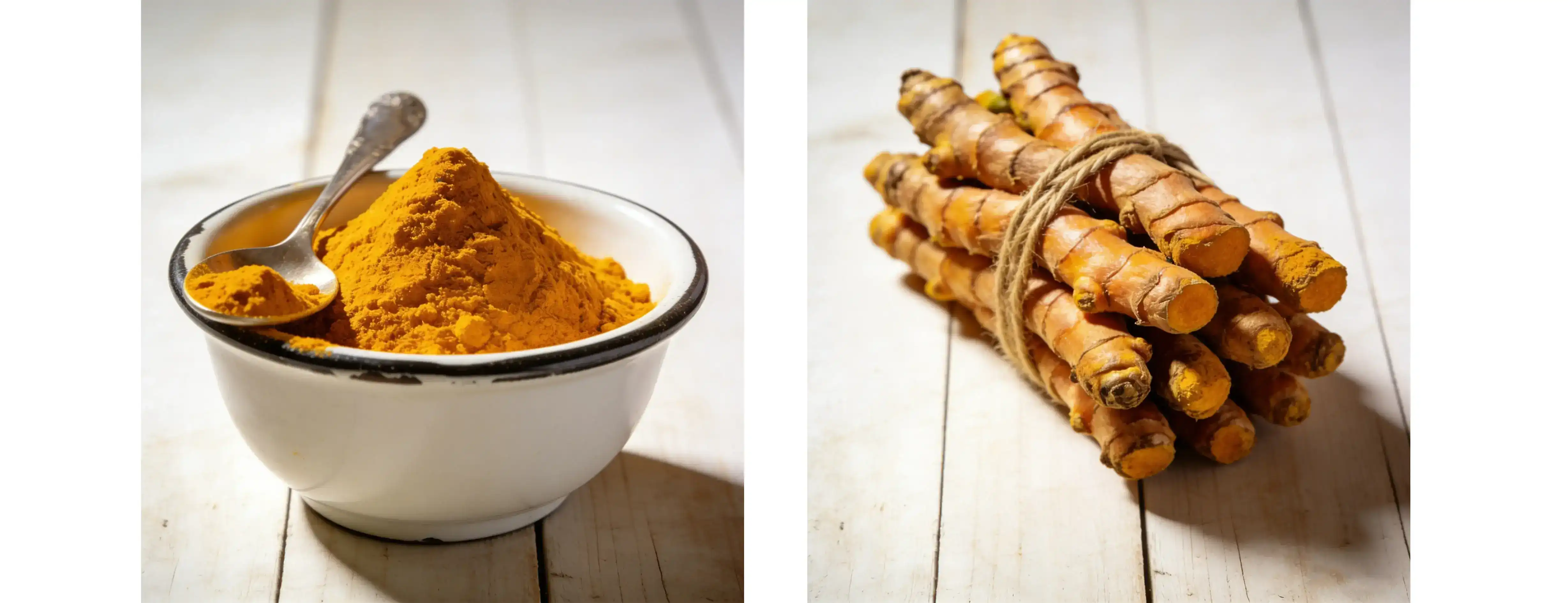
Turmeric extracts, which come from the root of the Curcuma longa L. plant, are very concentrated, which means they have special quality control requirements that regular turmeric powder doesn't have. Curcuminoids like curcumin, demethoxycurcumin, and bisdemethoxycurcumin are highly concentrated in extracts, with amounts ranging from 10:1 to 95% standardization. Variability risks are introduced by this concentration process that can't be seen with the naked eye (Hewlings & Kalman, 2017).
Whole turmeric powder keeps the natural amounts of bioactive compounds, but extracts go through steps like liquid extraction, filtration, and cleaning that can add contaminants or break down molecules that are sensitive. For business-to-business purchases, lab testing is a must because the yellow color of genuine extracts can look the same as versions that have been tampered with by adding synthetic colorants or fillers.
Critical Quality Parameters That Impact Formulation Performance
A good formulation needs a steady amount of curcuminoid, less than 5% moisture, and particles of the same size. When making digestible food supplements, these factors have a direct effect on how quickly they dissolve and how well they are absorbed. Heavy metal levels (lead < 2 ppm, arsenic < 1 ppm) and microbial contamination need to be looked at more closely in cosmetic formulations to make sure they are safe for the skin.
When curcumin's naturally poor intestinal absorption means that it needs to be combined with piperine or liposomal delivery systems, bioavailability concerns become the most important thing to think about. Without verified potency data, your end goods could lead to different experiences for customers and the cost of reformulating them.
Common Adulteration Risks in Global Supply Chains
The market for turmeric extract is constantly being hacked, with cheaper Curcuma species being used instead, manufactured curcumin analogs being added, or maltodextrin being added in large amounts that aren't allowed by the manufacturer. Labels that aren't certified often have mistakes, like saying that the product contains 95% curcuminoids when it only has 60–70%.
Quality profiles are also affected by where the goods come from. Turmeric from Alleppey or Madras in India usually has higher curcumin levels than turmeric from other growing places. Procurement teams can't guarantee batch-to-batch uniformity, which is necessary for regulated markets, without the right traceability paperwork and third-party proof.
Core Principles and Methods for Turmeric Root Extract Quality Testing
Advanced Analytical Techniques for Curcuminoid Quantification
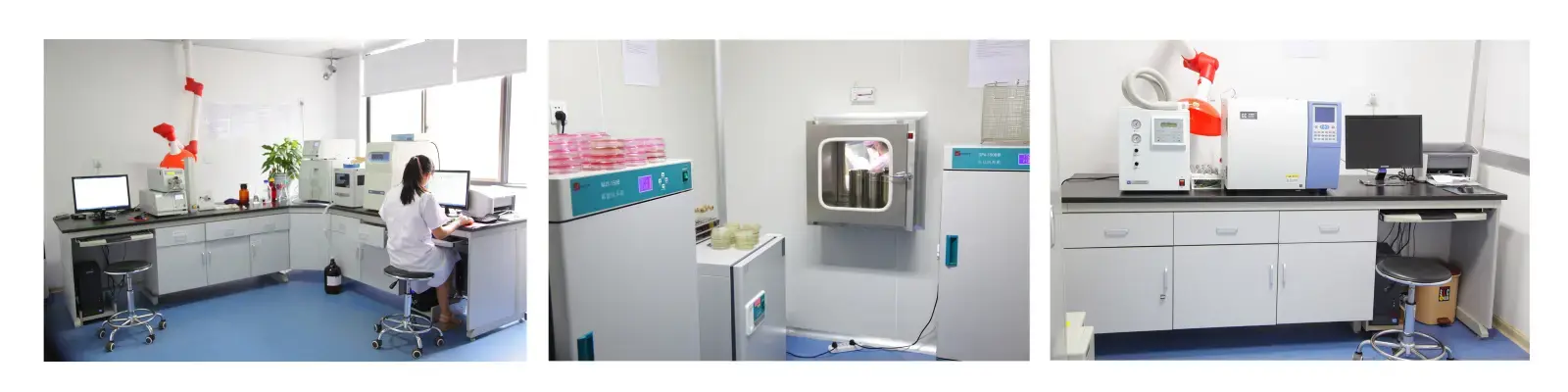
High-Performance Liquid Chromatography (HPLC) is the best way to profile curcuminoids because it can precisely measure each curcuminoid within complex extract mixtures. This method sorts compounds by their polarity, giving accurate fingerprints that show when something has been tampered with or broken down. Reliable providers keep HPLC documents for each batch that show the peak areas and retention times for curcumin, demethoxycurcumin, and bisdemethoxycurcumin.
When Mass Spectrometry (MS) and HPLC are used together, they improve the ability to identify substances by confirming molecular weights and finding manufactured additions that regular chromatography can't see. Nuclear Magnetic Resonance (NMR) spectroscopy can check the structure of something, but because it's more expensive, it's usually only used for disputed batches or to qualify new suppliers.
While Thin Layer Chromatography (TLC) can quickly screen materials that come in for inspection, it doesn't have the level of precision needed for a Certificate of Analysis. When you combine TLC screening with regular HPLC validation, you can make quality tracking processes that don't cost too much.
Safety Testing Protocols for Heavy Metals and Contaminants
With a sensitivity of parts-per-billion, Inductively Coupled Plasma Mass Spectrometry (ICP-MS) can find small amounts of heavy metals like cadmium, lead, mercury, and arsenic in Turmeric Root Extract. Levels below the FDA tolerance thresholds are required for the US market, and even stricter limits are set for organic certifications. Testing should be done on a regular basis based on the risk profile of each supplier. For new suppliers, testing should be done lot by lot until consistent compliance shows reliability.
Tests for microbial pollution look at yeast and mold, coliforms, E. coli, and the total plate count. Salmonella, E. coli, and Staphylococcus aureus. Some markets don't allow irradiated products or require specific labels, so the irradiation or steam-cleaning methods used to lower microbial loads must be made public. The specs should meet the purpose—for example, dietary vitamins usually allow higher microbial numbers than pharmaceutical-grade ingredients.
When looking for conventional (non-organic) extracts, screening for pesticide residues becomes very important. Multi-residue methods check for hundreds of agricultural chemicals, and organic certifications give extra peace of mind by checking for banned substances.
Certification Standards That Validate Manufacturing Quality
NSF GMP approval shows that a company follows Good Manufacturing Practices for making dietary supplements. These practices include designing the building, keeping the equipment in good shape, training employees, and keeping records. This certification addresses a common concern among R&D directors about the ability and consistency of suppliers.
FSSC 22000 certification combines ISO 22000 standards for food safety management. This is especially useful for functional food and drink uses where turmeric extracts come into contact with processing equipment. With Kosher and Halal certifications, you can get into more markets and be sure that no illegal substances were used in the extraction process.
Organic certifications (USDA, EU, JAS) check how crops are grown and how they are handled after they are picked. Synthetic poisons are not allowed, and the process must be fully recorded from the farm to the finished extract. The process of getting certified includes testing and inspections every year, which gives more confidence than what the supplier says. Products that meet these standards usually cost more, but they lower the risk of governmental action in natural product markets (Prasad et al., 2014).

Comparative Analysis: How to Choose the Best Turmeric Root Extract for Your Procurement Needs
Evaluating Extract Forms and Bioavailability Enhancement
Different manufacturing goals can be met with standardized products that are 10:1, 20:1, or 95% curcuminoid. Ratio extracts (10:1, 20:1) keep more phytochemicals, like turmeric essential oils and water-soluble compounds, which could help health products work better by working on more than one route at once. These shapes fit easily into capsule and tablet matrices without any special processing.
High-potency 95% curcuminoid extracts get the most active compound into each serving, which is important for joint support products that need clinically relevant doses (500–2000 mg of curcuminoids daily). But because they don't dissolve well and don't like water, bioavailability enhancement strategies are needed. Phytosomes, which are made up of phospholipids, are seven times better at absorption than regular extracts. Nanoparticle formulations and micellar preparations help with the problem of the intestinal barrier (Anand et al., 2007).
Microencapsulation technologies protect curcuminoids from oxidative degradation in beverage applications, keeping the yellow color and stopping precipitation. Cold-water-dispersible formats make it possible to make clear drinks, but they cost 40–60% more than standard extracts because they are harder to make.
Organic Versus Conventional Sourcing Considerations
Organic turmeric extracts meet the growing demand for clean labels in the supplement and cosmetics industries. According to studies of the industry, 64% of US customers prefer certified organic ingredients. In addition to helping with marketing, organic approval makes sure that there are no leftovers of synthetic pesticides or GMOs, which eases the minds of health-conscious consumers who are worried about safety.
Conventional extracts are 20–35% cheaper than organic ones, which makes them a good choice for price-conscious customers or items where organic claims don't really set them apart from the competition. If growing and manufacturing standards are kept the same, the main changes in quality between organic and conventional sources are the levels of pesticides present rather than the amount of curcuminoids present.
When making choices about bulk purchases, certification costs should be weighed against standing in the target market. With organic ingredients, premium brands aimed at natural health stores can make more money, while value-oriented products may focus on maintaining quality at regular prices. Most of the time, the minimum order quantity (MOQ) starts at 25 kg, and prices drop at 500 kg and 1000 kg.
Supplier Verification Strategies for Long-Term Partnerships
A thorough evaluation of a supplier starts with a look at their paperwork, such as their business licenses, manufacturing permits, export certifications, and proof that they have insurance. Asking customers or certification groups for audit reports from the last three years shows compliance records and how things have been getting better over time. Online checks in regulatory databases (FDA, EU RASFF) find import violations or warning letters that show problems with the quality system.
On-site audits let inspectors see the extraction tools, lab facilities, storage of raw materials, and training programs for employees firsthand. Watching real production runs shows if written instructions match what really happens in the workplace. Quality-focused suppliers are open to inspections and willing to share their plans for improvement. On the other hand, vendors who are resistant may hide problems.
Traceability systems that connect finished Turmeric Root Extract to specific lots of turmeric and growing areas make it possible to respond quickly to changes in quality. Good agricultural practices (GAP)-documented suppliers who maintain farm partnerships show upstream quality commitment that lowers the risk of contamination. Before signing a long-term supply deal, you should ask for samples from more than one production date to check the stability between batches.
Step-by-Step Approach to Verify Quality Before Bulk Purchasing
Initial Supplier Vetting Through Documentation Analysis
Before asking for samples, procurement teams should make qualification plans that include important documents. Check the Certificate of Analysis (COA)'s accuracy by getting in touch with the lab directly and making sure it is ISO 17025-certified. Legitimate COAs list the testing methods (for example, "curcuminoids by HPLC-UV at 425nm"), the standards that were used, and how to get in touch with the lab to confirm the information.
Compare the stated specs to industry standards. For example, 95% curcuminoid extracts with moisture levels above 8% or heavy metals close to the limits of measurement could mean that the quality has been compromised. The expected shelf life is based on the manufacturing date code and the retest date. Turmeric extracts usually stay effective for 24 months when stored below 25°C in packaging that keeps moisture out.
The legitimacy of a certificate needs to be checked directly with the organization that issued it. There are registration numbers on NSF GMP, Organic, Kosher, and Halal certificates that can be searched in databases maintained by the certifiers. Expired or unverifiable certificates are instant grounds for rejection because they suggest that the paperwork was faked or that compliance has been broken.
Sample Testing Protocols and Trial Order Management
By asking for 100–500g samples, thorough testing can be done by both internal and external parties without having to spend a lot of money. Samples should be split into parts so that they can be tested for color consistency, particle size, and smell, as well as for in-house screening tests and for sending them to approved labs for full analysis. This method verifies the COAs given by the seller while setting minimum quality standards.
Even though organoleptic evaluation is subjective, it shows right away when there are quality problems: off-odors that could mean microbes are present, changes in color that could mean oxidation, or clumps that could mean moisture is getting in. When you put samples from different suppliers next to each other, you can see how differences in quality affect the performance of the formulation.
When choosing a third-party laboratory, facilities that have experience with turmeric extract and the right credentials should be given the most weight. The testing panels should be like the regulatory setting in which the products will be sold. For example, US sellers need USP method validation, while EU markets may demand Ph. Eur. protocols. Results are usually ready in 10 to 14 business days, but you can pay more for faster services.
Trial orders of 100–250 kg let you test the stability and validity of the formulation before you buy enough for the whole batch. Negotiating trial-specific terms, such as longer payment terms or quality guarantees, lowers risk and shows that you are serious about buying. For trials to be successful, they should include rapid stability studies (40°C/75% RH for 3 months) that show the extract works well throughout the product's shelf life.
Implementing Continuous Quality Monitoring Systems
Setting up rules for checking new materials makes sure that the quality is the same from delivery to delivery. Risk-based methods test every lot from new suppliers at first, but after sellers show they can be trusted, they only test every third or fifth lot. Rapid verification methods, such as TLC or handheld spectrometers, let established vendors make decisions about releases the same day.
Keep samples from each lot for at least 12 months after the expiration dates on the products. This method allows testing to be done in the past if customers complain or the government has questions. Samples must be stored in a controlled environment (15–25°C, <60% RH) with clear rules for who can access them.
Supplier performance scorecards that keep track of things like on-time delivery, correct paperwork, consistent test results, and handling of complaints make suppliers more accountable. Reviews of the business every three months that talk about quality metrics, market trends, and improvement projects make partnerships stronger and make expectations clear. Suppliers who do a good job get designated as recommended sellers and are promised a certain amount of work. Suppliers who don't do a good job are put on probation or fired.
Conclusion
Checking the quality of Turmeric Root Extract from Curcuma longa L. needs a methodical approach that combines reviewing documentation, analytical testing, and managing relationships with suppliers. Layered verification is used by successful procurement teams. It starts with validating the certificate, then moves on to checking samples, and ends with ongoing quality tracking. The money spent on HPLC analysis, heavy metal screening, and microbe testing keeps formulation failures and regulatory problems from happening, which can be very expensive. These ideas are shown by Earth Made Nutritions Inc., which has NSF GMP, FSSC 22000, Kosher, Halal, ISO, and Organic certifications and follows strict testing methods. Creating relationships with transparent, certified sellers lowers the risk of long-term purchases and helps brands stand out in natural product markets that are already very competitive. By using these methods correctly, you can protect your company's image and give people formulations that work and are safe, backed by quality assurance that can be checked.
FAQ
1. What is the most reliable test for verifying Turmeric Root Extract purity?
High-Performance Liquid Chromatography (HPLC) is the most accurate way to measure curcuminoid levels because it can separate and count individual compounds in the extract matrix. This method checks for adulteration with synthetic curcumin or cheaper species of Curcuma while also proving the levels of strength that were stated. Third-party labs that offer ISO 17025-accredited testing give objective results that help with following the rules. When you combine HPLC analysis with heavy metal screening (ICP-MS) and microbial tests, you get a full purity check that checks for both strength and safety.
2. How can buyers differentiate quality extracts from standard turmeric powder?
Solvent extraction and concentration methods give extracts with standardized curcuminoid levels (10:1, 20:1, or up to 95%). Powders, on the other hand, have whole ground turmeric root with naturally varying curcumin content (2–5%). Quality extracts have a uniform yellow color, finely divided particles, and low moisture levels (less than 5%). This is backed up by analytical papers that list the amounts of curcuminoids present. Pharmaceutical-grade extracts can be distinguished from commodity materials by the processing documentation that lists the extraction solvents (ethanol vs. chemical solvents), purification methods, and standardization techniques.
3. Which certifications validate organic turmeric sourcing and quality?
International organic standards like USDA Organic, EU Organic, and others make sure that crops are grown without using synthetic chemicals, that GMOs are not used, and that the food can be tracked from the farm to the processing plant. These certificates need to be inspected and tested every year, which gives more confidence than a supplier's own statement. Other quality certifications, such as NSF GMP, prove good production practices. Kosher and Halal certifications, on the other hand, make sure that products follow dietary requirements. ISO certifications show that a quality management system has been put in place. This creates a level of verification that covers both farming methods and manufacturing controls, which is important for building trust in B2B procurement.
Partner With a Trusted Turmeric Root Extract Manufacturer
These problems with proof are solved by Earth Made Nutritions Inc.'s vertically integrated operations, which use cutting-edge extraction technology and strict testing methods. Our main office in California manages four carefully placed US stores, making sure that in-stock Turmeric Root Extract from Curcuma longa L. can be delivered in two days. It comes in 10:1 and 20:1 ratios. roots. Along with NSF GMP, FSSC 22000, Kosher, Halal, ISO, and Organic certificates, each 25 kg drum package comes with batch-specific Certificates of Analysis that show the amounts of curcuminoids, heavy metals, and microbes that are safe. Our R&D team helps with formulations that improve bioavailability and stability, and we offer free samples so that you can try them out without any risk before you commit to our 25 kg minimum order. People who work in procurement and want to buy Turmeric Root Extract from a reliable supplier can email our ingredient specialists at info@em-herb.com to get technical specs, bulk pricing, and custom sourcing solutions that meet your quality standards and delivery deadlines.
References
1. Anand, P., Kunnumakkara, A. B., Newman, R. A., & Aggarwal, B. B. (2007). Bioavailability of curcumin: problems and promises. Molecular Pharmaceutics, 4(6), 807-818. https://pubs.acs.org/doi/10.1021/mp700113r.
2. Hewlings, S. J., & Kalman, D. S. (2017). Curcumin: A review of its effects on human health. Foods, 6(10), 92. https://www.mdpi.com/2304-8158/6/10/92.
3. Prasad, S., Gupta, S. C., Tyagi, A. K., & Aggarwal, B. B. (2014). Curcumin, a component of golden spice: From bedside to bench and back. Biotechnology Advances, 32(6), 1053-1064. https://www.sciencedirect.com/science/article/pii/S0734975014000755.
4. Pulido-Moran, M., Moreno-Fernández, J., Ramírez-Tortosa, C., & Ramírez-Tortosa, M. (2016). Curcumin and health. Molecules, 21(3), 264. https://www.mdpi.com/1420-3049/21/3/264.
5. Kocaadam, B., & Şanlier, N. (2017). Curcumin, an active component of turmeric (Curcuma longa), and its effects on health. Critical Reviews in Food Science and Nutrition, 57(13), 2889-2895. https://www.tandfonline.com/doi/full/10.1080/10408398.2015.1077195.
6. Nelson, K. M., Dahlin, J. L., Bisson, J., Graham, J., Pauli, G. F., & Walters, M. A. (2017). The essential medicinal chemistry of curcumin. Journal of Medicinal Chemistry, 60(5), 1620-1637. https://pubs.acs.org/doi/10.1021/acs.jmedchem.6b00975.