- English
- French
- German
- Portuguese
- Spanish
- Russian
- Japanese
- Korean
- Arabic
- Irish
- Greek
- Turkish
- Italian
- Danish
- Romanian
- Indonesian
- Czech
- Afrikaans
- Swedish
- Polish
- Basque
- Catalan
- Esperanto
- Hindi
- Lao
- Albanian
- Amharic
- Armenian
- Azerbaijani
- Belarusian
- Bengali
- Bosnian
- Bulgarian
- Cebuano
- Chichewa
- Corsican
- Croatian
- Dutch
- Estonian
- Filipino
- Finnish
- Frisian
- Galician
- Georgian
- Gujarati
- Haitian
- Hausa
- Hawaiian
- Hebrew
- Hmong
- Hungarian
- Icelandic
- Igbo
- Javanese
- Kannada
- Kazakh
- Khmer
- Kurdish
- Kyrgyz
- Latin
- Latvian
- Lithuanian
- Luxembou..
- Macedonian
- Malagasy
- Malay
- Malayalam
- Maltese
- Maori
- Marathi
- Mongolian
- Burmese
- Nepali
- Norwegian
- Pashto
- Persian
- Punjabi
- Serbian
- Sesotho
- Sinhala
- Slovak
- Slovenian
- Somali
- Samoan
- Scots Gaelic
- Shona
- Sindhi
- Sundanese
- Swahili
- Tajik
- Tamil
- Telugu
- Thai
- Ukrainian
- Urdu
- Uzbek
- Vietnamese
- Welsh
- Xhosa
- Yiddish
- Yoruba
- Zulu
White Mulberry Extract is a well-known plant-based ingredient in healthy and useful foods. Morus alba tree leaves are where it comes from. For hundreds of years, people have used them to make medicine. This powder extract that has been purified contains 1-Deoxynojirimycin (DNJ), a bioactive alkaloid, as well as flavonoids and polysaccharides. These make it a flexible element that can be used in metabolic health, makeup, and new functional foods. To meet the requirements for clean labels, procurement managers and formulation scientists are looking for ingredients that are natural, effective, and legal. It's important to know the technical details, uses, and ways of getting this extract if you want your product to stand out and do well in the market.
Understanding White Mulberry Extract: Nature's Multifunctional Ingredient
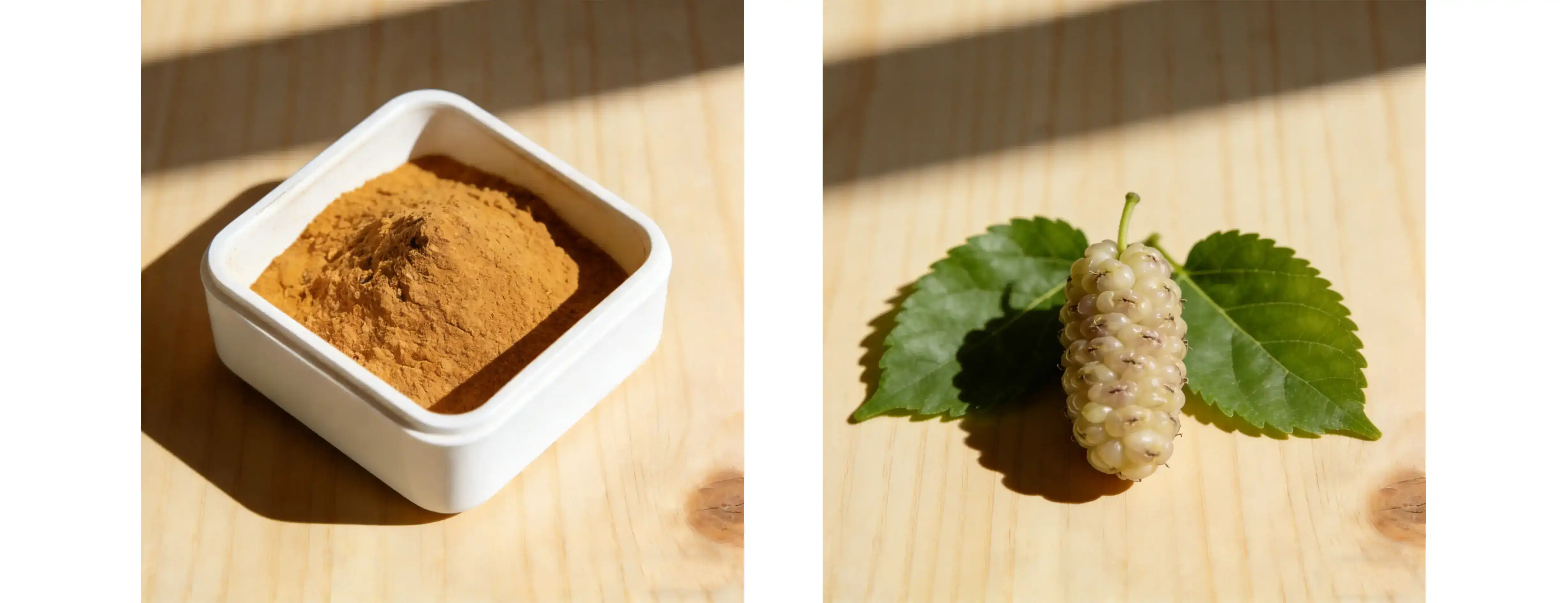
White Mulberry Extract is made from Morus alba leaves in a way that keeps the bioactive chemicals safe. These days, businesses use either solvent-based or water-based extraction methods to create a brownish-yellow powder that is known to contain 1% 1-Deoxynojirimycin (DNJ). HPLC-ELSD tests have shown this to be true. Because it has this iminosugar alkaloid, professional-grade extracts are different from regular White Mulberry Extracts because the quality and strength don't change from batch to batch.
Botanical Heritage and Extraction Methods
Morus alba has been grown in North America, Asia, and Europe. To get the most DNJ from the leaves, they are picked when they are fully grown. As part of the extraction process, the plant is dried, ground, cleaned, and sprayed with water to make a fine powder that can usually get through an 80-mesh sieve. This even distribution of particle sizes is very important for mixing supplements and making drinks because it keeps the mixture from sticking or settling.
Key Bioactive Compounds and Nutritional Profile
DNJ and flavonoids like quercetin and rutin in White Mulberry Extract boost antioxidant activity. Polysaccharides, trace minerals, and vitamins enhance the prebiotic properties of the extract. End products will always have the same activity if DNJ is 1%. This solves the ingredient discovery dilemma for many R&D directors. Alpha-glucosidase enzymes can't convert carbohydrates into glucose at this level. This alters post-meal blood sugar.
Since the extract is below 5% moisture, microbes can't grow. This extends its lifespan. Chemical waste is minimal since ash is below 5%. For optimal formulation and pill fill weight, bulk density should be 0.45–0.65 g/ml. White Mulberry Extract is a high-quality chemical and physical ingredient that may be utilized to produce therapeutic goods.
Health and Functional Benefits of White Mulberry Extract
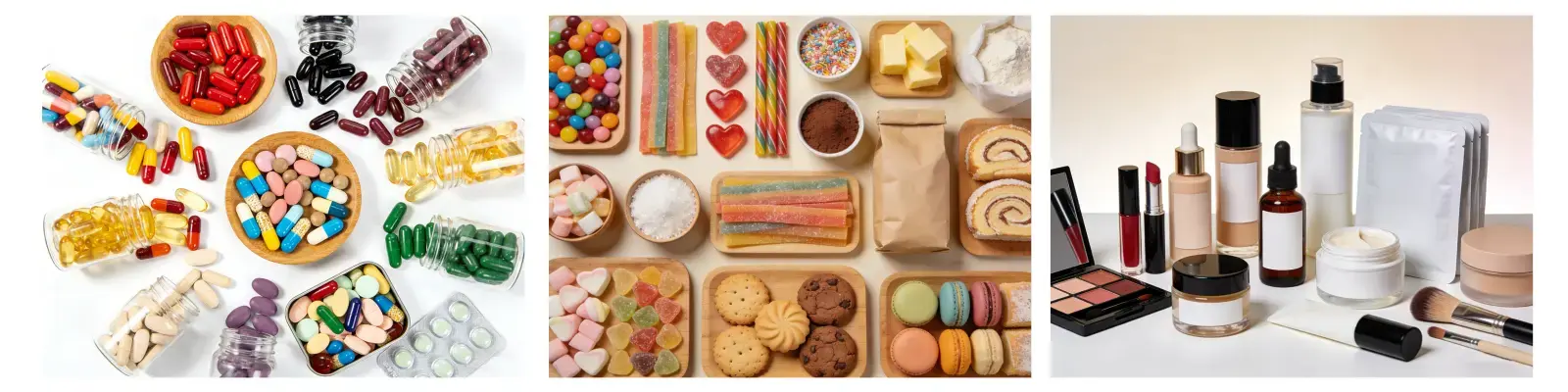
White Mulberry Extract can help you lose weight, keep your body healthy, and look better, among other things. It is a material that can be used in a lot of different goods. Scientists have studied DNJ and flavonoids to learn more about how they affect living things. This backs up claims about the product with proof.
Metabolic Health and Blood Sugar Modulation
DNJ competes with intestinal alpha-glucosidase enzymes. This slows glucose absorption and carbohydrate breakdown. Eating this before carb-heavy meals helps maintain healthy blood sugar levels. Drinking White Mulberry Extract may help stabilize blood sugar after meals, say researchers. This healthy metabolism-boosting method doesn't include dieting.
White Mulberry Extract supports green tea polyphenols and cinnamon extract with various enzymes. It mixes nicely with many other plant-based compounds that benefit the body in numerous ways. Formulators prefer this component because it enables them to create unique supplement combinations for naturalists.
Weight Management and Metabolic Modulation
Changes in enzymes and metabolic pathways that work with fats may be what White Mulberry Extract does to change how fat is burned. Free radicals can damage cells, but flavonoids protect them. This may help cells stay healthy while they are metabolically active. For these reasons, the extract is a good addition to weight loss plans for people who are busy and fitness fans who want natural food to help them perform at their best.
Dermatological and Cosmetic Applications
It is called White Mulberry Extract, and it comes from Morus alba root bark that has been checked for Mulberroside A. This activity is often found in high-end serums and creams because it makes skin look lighter and more even. Leaf extract also moisturises and fights free radicals, which makes anti-aging products work better. Skin care chemists like how stable it is in mixtures of oil and water and how well it works with many different active ingredients.
Recommended Usage and Formulation Considerations
There are usually 500 mg to 1,500 mg of extract in a dose of dietary vitamins. This is equal to 5 mg to 15 mg of DNJ. It is best to take it 15 to 30 minutes before a meal to get the most enzyme-blocking. The extract works at pH levels between 3.5 and 6.0 and stays stable at normal temperatures during pasteurisation. For this reason, it doesn't need to be broken down before being used in functional drinks, meal replacement shakes, and enriched foods.
How to Choose the Right White Mulberry Extract for Your Business
There are a lot of technical and business factors you need to think about in order to pick the best White Mulberry Extract for your product and your customers. It is up to procurement managers to find a balance between potency, purity, certification, and supplier dependability to make sure that formulations work and suppliers follow the rules.
Formulation Format and Application Requirements
The most common way to buy White Mulberry Extract is as a powder that comes in 25 kg drums, which makes it easy to handle in bulk. This shape is good for mixing drinks, pressing tablets together, and filling capsules. Types that dissolve in water can be used to make clear mixes for ready-to-drink drinks that don't get thick like raw plant powders do. For makeup, the product works with emulsion systems because it has smaller particles and different ways of separating them.
Organic vs. Conventional: Certification and Quality Signals
If food is certified organic by the USDA, the EU, or a similar group, it means that it comes from safe sources and meets strict farming standards. These awards will be useful for brands that want to reach health-conscious customers who are willing to pay more for clean-label products. You can still use conventional extracts when going organic doesn't really change your buying decisions because they are cheaper. Each option should not only meet basic quality standards but also pass heavy metal and chemical residue tests (Pb <10 ppm, As <2 ppm, Hg <0.1 ppm).
Potency, Purity, and Analytical Verification
All of the product batches have the same biological activity because the DNJ amount is checked by HPLC and is always the same. An analysis report (COA) should be included with every package. This report should show the amount of active ingredients, the number of microbes (Total Aerobic Microbial Count <1,000 cfu/g), and the absence of pathogens such as Salmonella and E. coli. By looking at the solvent residues, we can see that extraction solvents like ethanol don't go over the ICH Q3C limits. This keeps people healthy and makes sure that the rules are followed.
There are no fillers, excipients, or adulterants in the item, so it stays pure. A few suppliers offer formulas with better bioavailability that contain phospholipid complexes or microencapsulation technologies. This could be a reason to charge more for high-end lines of products that are meant for picky buyers.
Supplier Credibility and Supply Chain Reliability
Clear sourcing, GMP clearance, and well-documented quality standards build brand confidence. NSF GMP, FSSC22000, Kosher, Halal, and ISO certifications indicate quality and compliance with international standards. Case studies and favorable customer testimonials reduce the likelihood of a sale.
Supply chain stability includes wait times, warehouse locations, and inventory management. Merchants with U.S. warehouses ship more quickly and cheaply than international merchants. New and established brands may save money by purchasing in bulk as long as the MOQ is 25 kilograms.

Procurement Guide for White Mulberry Extract: Bulk Buying and Sourcing Strategies
To get the best deals on White Mulberry Extract, you need to understand how the market works, be able to negotiate good terms, and build long-term relationships with suppliers who can guarantee stable prices and product availability.
Sourcing Channels: Marketplace vs. Direct Factory Procurement
Online business-to-business (B2B) marketplaces let buyers and sellers find a lot of suppliers and see clear prices, which makes it easy for purchasing teams to compare products quickly. But if you buy from the factory, you can often get better deals on large orders, custom specs, and the chance to use your own brand. It is easier to get professional help, help with formulation, and a quick resolution of quality problems when you have direct relationships with people.
Some regional wholesalers store White Mulberry Extract in warehouses in the U.S. so they can offer quick access and lower MOQs. This lets new brands test the market before they make bigger purchases. Importers of international ingredients can help you get a lot of different plants and take care of the shipping and customs rules.
Key Bulk Purchase Considerations
Small quantities of 25 kg may be purchased in fibre containers coated with food-grade polyethylene to keep dirt and water out. Prices reflect bulk-buying savings. Big discounts are available at 100, 500, and 1,000 kg. Not all lead times are identical. Local dealers of well-known brands may deliver in two days, while customized manufacturing runs might take four or six weeks.
Consider shipping costs, insurance, and temperature control. FOB (Free on Board) and CIF (Cost, Insurance, Freight) pricing methods affect landing costs and risk sharing. New clients may pay ahead of time, while on-time payers can pick Net 30 or Net 60.
Due Diligence and Supplier Evaluation
To properly judge a supplier, you should request samples, read COAs, and have claims checked by a third party. You can try out the recipe before buying a lot of it by getting free samples. This lowers the risk to your money. It shows that the company wants to do a good job if you ask about how the materials are extracted, where they come from, and the steps they take to make sure the quality is good.
People are more likely to trust suppliers who are open about their certifications, paperwork for regulatory compliance, and systems for tracking goods. It is easier to get your money back when things go wrong if you include clear requirements in your buy contracts, like DNJ content, moisture levels, bacteria limits, and heavy metal standards. This way, you won't get material that doesn't meet your needs.
Future Trends and Market Outlook of White Mulberry Extract in B2B Procurement
As health trends change, new tools come out, and new rules are put in place, the world of natural foods is changing very quickly. When people who work in procurement understand these forces, they can see how the supply chain will change and seize new opportunities. White Mulberry Extract is a good fit for this story because it has benefits backed by science that people who like to buy non-GMO products will like.
Growing Demand for Nutraceuticals and Functional Foods
Older people in North America and Europe who want to stay healthy naturally are more aware of metabolic health. Because of this change in the population, more people want plants that help them stay young and age well. White Mulberry Extract fits this narrative perfectly, offering science-backed functionality aligned with clean-label preferences.
New functional drinks are making it more important to have plant extracts that can dissolve in water, stay stable at high temperatures, and keep working while they are being processed. Because of how it works, White Mulberry Extract is great for making ready-to-drink teas, pre-workout mixes, and meal replacement drinks for people who are trying to be healthier.
Extraction Technology Innovations
Bioactive compounds become increasingly concentrated and soluble as extraction processes improve. New technologies like supercritical CO2 extraction, enzymatic hydrolysis, and microencapsulation provide better, more expensive items. These innovations help them stand out in crowded marketplaces. Premium brands vary from generics in certain areas due to ingredient quality.
Improved analytical procedures increase standardization accuracy. This tightens parameters and improves batch-to-batch uniformity. Small quantities of alkaloids and flavonoids may be discovered using HPLC-MS/MS. This suggests botanicals are purer.
Regulatory Landscape and Compliance Requirements
As the rules about plant ingredients change, it's important to be very careful about how you follow them. It takes a lot of paperwork and chemical tests to follow the rules for novel foods in Europe, let the FDA know about a new dietary ingredient (NDI), and follow Proposition 65 in California. When brands are in markets that aren't easy to understand, it's easier for them to stay in line when their suppliers offer full legal help.
What you use to import and export goods, as well as phytosanitary certificates and country-of-origin declarations, can have an effect on international trade. Tariff classifications and duty rates affect how much it costs to buy something, which makes it more appealing to buy from within the country, even if the prices per unit are higher.
Conclusion
Some useful foods, soaps, and nutraceuticals use white mulberry extract because it is a plant-based ingredient that works well. There is a lot of scientific evidence to back it up, and it can be made in different ways to meet the needs of the industry and give consumers what they want—clean labels. Get the best results in product creation by making sure that your buying plans take into account technical needs, the need for approval, the need for providers to be reliable, and cost worries. As the market for natural products grows and extraction methods get better, it's important to work with reliable providers who are honest, follow the law, and provide fast service. In this fast-paced field, this will help you stay ahead of the competition.
Frequently Asked Questions
1. Is White Mulberry Extract appropriate for sensitive populations?
For adults who want to maintain their digestive health, White Mulberry Extract is used in food items after extensive research. People who are pregnant, nursing, or have certain health issues should talk to a doctor or nurse before adding new foods to their diet. According to the law and good marketing practices, product labels should have clear instructions on how to use the product correctly.
2. How does White Mulberry Extract compare with other botanicals?
There are many healthy things in moringa powder, such as vitamins and minerals. On the other hand, White Mulberry Extract has more DNJ, which is needed for certain enzymes to work. Green tea polyphenols are antioxidants that work in more than one way. Using a mix of them is better than using just one type. Because each plant has its own specific use, formulators can make full products that help with many health issues at once by combining ingredients that work well together.
3. What storage practices preserve White Mulberry Extract potency?
Make sure that White Mulberry Extract stays out of water, light, and heat by putting it in containers that are fully covered and locked. The best conditions are found in places that are cool and dry (below 25°C). If you store the extract the right way, it will work for 24 months from the date it was made. If you open a large container, make sure the contents don't get too much air by tightly closing it back up. For best biological activity and formulation performance, use the contents within six months.
Partner with Earth Made Nutritions Inc. for Premium White Mulberry Extract Supply
If you want to buy White Mulberry Extract that is made from real Morus alba leaves, Earth Made Nutritions Inc. can help. Our normal powder is 80-mesh and brownish-yellow. It has 1% DNJ in it. It comes in handy in 25 kg drums and is safe to use in functional and nutraceutical foods according to strict rules. To make sure we meet high U.S. and international standards, we keep our NSF GMP, FSSC22000, Kosher, Halal, ISO, and Organic certifications up to date.
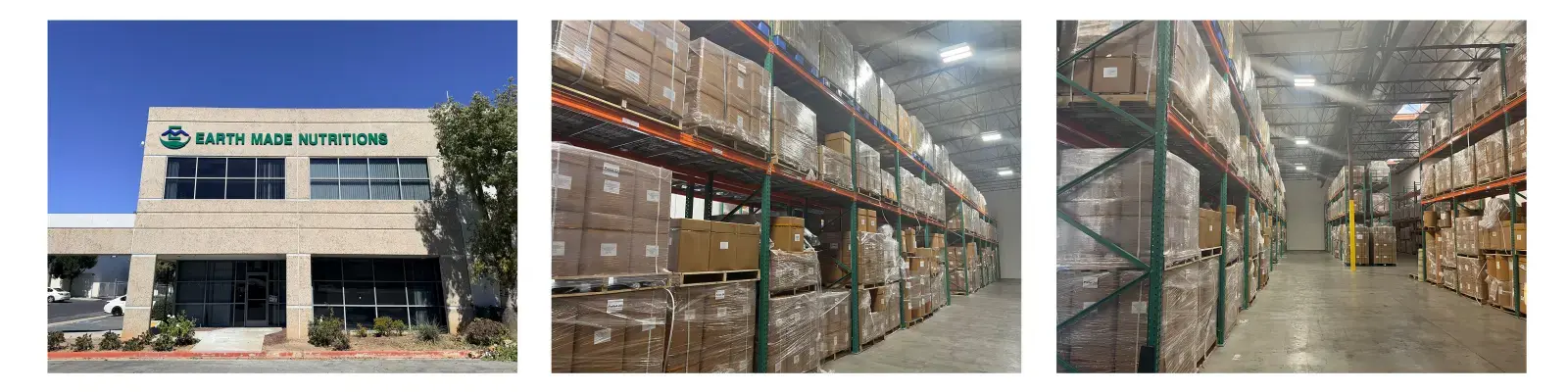
When you place an order for at least 25 kg, you can pick up in-stock items from any of our four carefully placed warehouses in the U.S. in just two days. We can make new things quickly because of this. You can try the recipe for free before you decide to buy it. With our advanced research and development team and extraction skills, we can meet your exact needs and give you private label options that fit the way your brand is positioned.
The business called Earth Made Nutritions Inc. began in 2018 and is based in California. It gets its products from modern facilities in ways that are good for the environment. As the buyer goes through the process, our technical experts help with formulation, provide legal paperwork, and offer quick customer service. Send us an email at info@em-herb.com right now to get samples, talk about bulk prices, or find out how to work with a dependable White Mulberry Extract provider that wants your business to succeed.
References
1. Wang, Y., Xiang, L., Wang, C., Tang, C., & He, X. (2013). Antidiabetic and antioxidant effects and phytochemicals of mulberry fruit (Morus alba L.) polyphenol-enhanced extract. PLoS ONE, 8(7), e71144.
2. Naowaboot, J., Pannangpetch, P., Kukongviriyapan, V., Kongyingyoes, B., & Kukongviriyapan, U. (2009). Antihyperglycemic, antioxidant, and antiglycation activities of mulberry leaf extract in streptozotocin-induced chronic diabetic rats. Plant Foods for Human Nutrition, 64(2), 116-121.
3. Kimura, T., Nakagawa, K., Kubota, H., Kojima, Y., Goto, Y., Yamagishi, K., ... & Miyazawa, T. (2007). Food-grade mulberry powder enriched with 1-deoxynojirimycin suppresses the elevation of postprandial blood glucose in humans. Journal of Agricultural and Food Chemistry, 55(14), 5869-5874.
4. Ann, J. Y., Eo, H., & Lim, Y. (2015). Mulberry leaves (Morus alba L.) ameliorate obesity-induced hepatic lipogenesis, fibrosis, and oxidative stress in high-fat diet-fed mice. Genes & Nutrition, 10(6), 46.
5. Lee, Y. J., Choi, D. H., Kim, E. J., Kim, H. Y., Kwon, T. O., Kang, D. G., & Lee, H. S. (2011). Hypotensive, hypolipidemic, and vascular protective effects of Morus alba L. in rats fed an atherogenic diet. American Journal of Chinese Medicine, 39(1), 39-52.
6. Chan, E. W. C., Lye, P. Y., & Wong, S. K. (2016). Phytochemistry, pharmacology, and clinical trials of Morus alba. Chinese Journal of Natural Medicines, 14(1), 17-30.