- English
- French
- German
- Portuguese
- Spanish
- Russian
- Japanese
- Korean
- Arabic
- Irish
- Greek
- Turkish
- Italian
- Danish
- Romanian
- Indonesian
- Czech
- Afrikaans
- Swedish
- Polish
- Basque
- Catalan
- Esperanto
- Hindi
- Lao
- Albanian
- Amharic
- Armenian
- Azerbaijani
- Belarusian
- Bengali
- Bosnian
- Bulgarian
- Cebuano
- Chichewa
- Corsican
- Croatian
- Dutch
- Estonian
- Filipino
- Finnish
- Frisian
- Galician
- Georgian
- Gujarati
- Haitian
- Hausa
- Hawaiian
- Hebrew
- Hmong
- Hungarian
- Icelandic
- Igbo
- Javanese
- Kannada
- Kazakh
- Khmer
- Kurdish
- Kyrgyz
- Latin
- Latvian
- Lithuanian
- Luxembou..
- Macedonian
- Malagasy
- Malay
- Malayalam
- Maltese
- Maori
- Marathi
- Mongolian
- Burmese
- Nepali
- Norwegian
- Pashto
- Persian
- Punjabi
- Serbian
- Sesotho
- Sinhala
- Slovak
- Slovenian
- Somali
- Samoan
- Scots Gaelic
- Shona
- Sindhi
- Sundanese
- Swahili
- Tajik
- Tamil
- Telugu
- Thai
- Ukrainian
- Urdu
- Uzbek
- Vietnamese
- Welsh
- Xhosa
- Yiddish
- Yoruba
- Zulu
Apple Cider Vinegar fruit Powder can be used in a variety of ways, including as a supplement, in drinks, and in beauty products. For capsules, we suggest 500–1000 mg per serving, mixed with anti-caking agents like silicon dioxide to keep the powder from clumping. In drink mixes, 200–500 mg dissolve right away in cold liquids without settling to the bottom. 1–3% inclusion rates work well in topical skin care products to gently exfoliate and balance the pH. Always check the total acidity specification, which should be between 5% and 10%, to make sure you're dosing correctly and that it meets the stability needs of your formulation.
Understanding Apple Cider Vinegar Fruit Powder
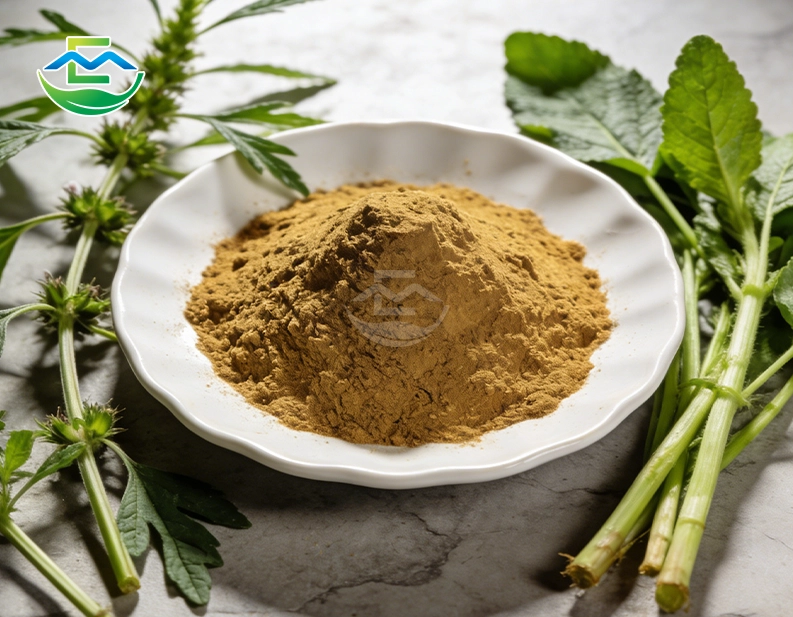
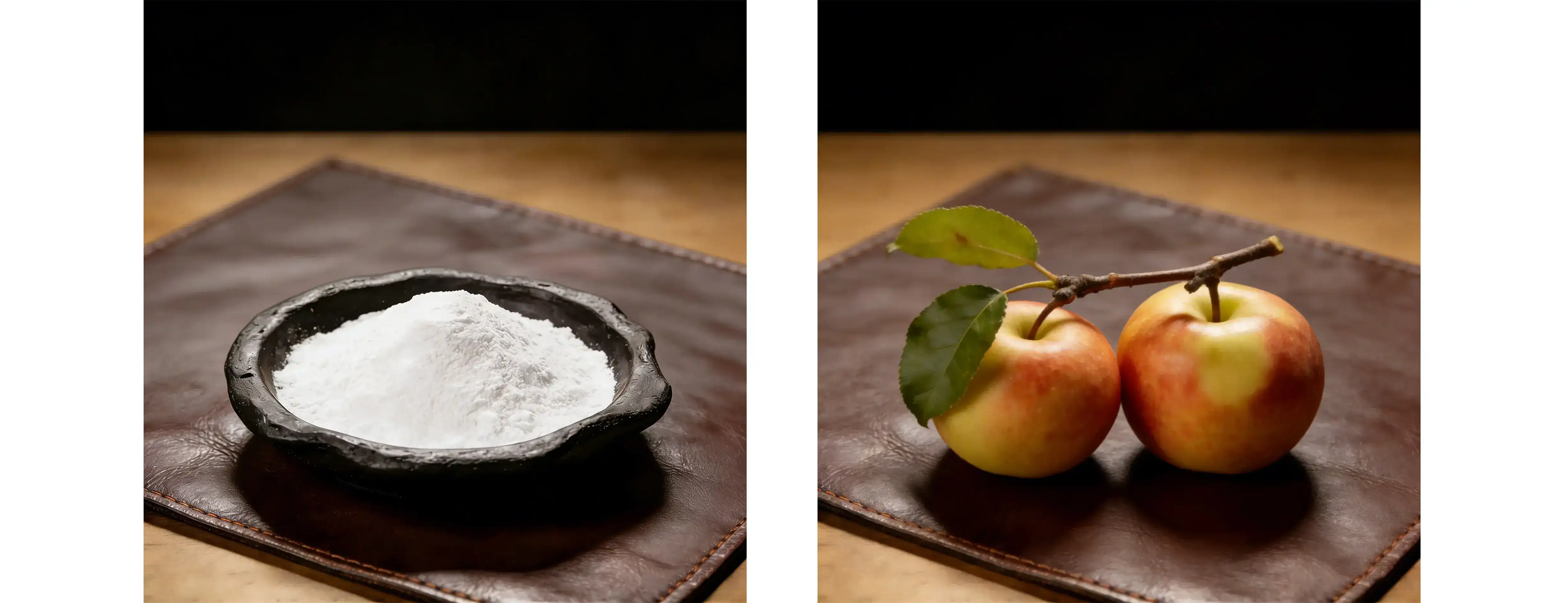
In terms of natural ingredient technology, Apple Cider Vinegar fruit Powder offers an advancement. This brownish-yellow powder is made from the Pyrus malus fruit using fermentation and advanced spray-drying methods. It concentrates the health benefits of liquid vinegar into a stable, portable form. The dehydrated form is different from the liquid form because it has 95% less water. This solves important logistics problems like corrosivity, shipping weight, and formulation instability.
Production Process and Quality Preservation
To make this powder, crushed apple fruit is fermented with Acetobacter cultures and then spray-dried on a carrier matrix under controlled conditions. At Earth Made Nutritions Inc., we use low-temperature drying technology that keeps the structure of organic acids, mostly acetic and malic acids, while keeping enzyme activity. Because our extraction process is based on water instead of harsh chemicals, we can guarantee a clean label profile that meets the needs of today's market for openness.
Titration analysis shows that the finished product stays at a standard acidity level of 5% or 10% total acids. This consistency solves a problem that has been around for a long time with liquid vinegar: batch-to-batch variations make formulation work harder. Our certifications, such as NSF GMP, Kosher, Halal, ISO, FSSC22000, and Organic, show that we follow strict quality control procedures that are in line with global legal requirements.
Nutritional Advantages Over Liquid Formats
Powdered vinegar concentrates minerals and antioxidants onto a dry surface, so it doesn't dilute like liquid vinegar does. The brownish-yellow colour shows that the polyphenols from the fruit processing are still there, and the 5–10% acidity requirement makes sure that finished products will work as expected. The carrier system keeps sensitive compounds from breaking down due to oxidation, which makes the functional stability higher than what liquid vinegar can reach when stored at room temperature.
When it comes to buying things, the powder format meets three important needs: the ability to make different formulations, the ability to keep products stable on the shelf, and the ability to precisely control doses. Because of these qualities, it is very useful for people who are making gummy supplements (because liquid acidity would destabilise pectin matrices) and for people who are making drinks and want the ingredients to mix right away without settling to the bottom.
How to Use Powdered Apple Cider Vinegar Fruit Powder Effectively
To use Apple Cider Vinegar fruit Powder correctly, you need to know its chemical properties and how they affect different formulation environments. Because the powder absorbs water, it needs to be handled carefully, and its high acidity level means that it needs to be dosed in a way that is specific to each application.
Dosage Guidelines for Different Applications
When making wellness-focused product claims, dietary supplement formulas usually have 500–1000 mg per dose. Depending on whether 5% or 10% is picked, this dose gives you 25 to 100 mg of acetic acid. For functional beverage dry mixes, lower addition rates (200–500 mg) add flavour and nutritional content without overpowering the taste profiles. When making gummy vitamins, the powder's stability is very important because it lets makers use higher loadings without changing the texture or breaking down the shell like liquid vinegar does.
For cosmetic uses, less strong concentrations are needed. Cleansers and toners for the face work best with inclusion rates of 1-3%. The natural acidity helps with gentle cleansing and pH stabilisation. Formulators can get functional benefits at these levels while still making sure that other active ingredients can work with them. We've seen that mixing the powder with buffering agents like sodium bicarbonate can change the release profiles and make formulations that are gentle enough for use on sensitive skin.
Practical Integration Methods
When this powder is added to capsules, the flow qualities need to be carefully considered. Adding 2–5% silicon dioxide to the mix stops caking during encapsulation and makes sure that the fill weights are all the same. We suggest HPMC vegetable shells over gelatin for two-piece hard capsules because gelatin can become brittle when exposed to concentrated organic acids for long periods of time. The powder dissolves quickly in cold water, which makes it perfect for ready-to-drink mixes. To hide the powder's tart taste, just mix it with flavourings and sweeteners.
Manufacturers of drinks like that our spray-dried powder doesn't need to be filtered like liquid vinegar does, which often has sediment in it. The range of particle sizes makes it possible for finished drinks to have a smooth mouthfeel, and the standard acidity makes it possible for flavour profiles to be the same from batch to batch. When R&D teams are making prototype formulations, they should do accelerated stability testing to make sure that the new ingredients will work with the old ones. This is especially important for systems that contain proteins or calcium salts that might react with organic acids.
Creative Application Ideas
In addition to standard supplement forms, new brands are looking into using this powder to make protein shakes better, as it offers a clean-label acidulant that goes well with fruit flavours. Seasoning blend makers use small amounts to add tangy notes to dry rubs and chip seasonings without adding water, which shortens the shelf life. The powder can be used instead of liquid vinegar in vegan cake recipes that need acid-base processes to leaven. This shows how versatile it is.
These different use cases show why purchasing managers in many fields, from functional foods to sports nutrition, are switching to powdered formats. Customising recipes without having to re-formulate around limitations on liquid speeds up product development and makes manufacturing simpler.

Comparison and Selection: Powder vs Other ACV Formats
When judging ingredient formats, you have to weigh technical performance against cost and user preferences. When it comes to the market, powdered forms are unique because they have benefits that liquid, capsule, and gummy forms can't always match.
Performance Characteristics Across Formats
Liquid apple cider vinegar is still the cheapest option for direct consumer use, but because it is mostly water, it is too expensive to ship in bulk for business-to-business buyers. Because it is corrosive, it needs special containers and rules for how to handle it, which add hidden costs to the supply chain. Powdered forms get rid of these worries and offer 10:1 concentration ratios—100 mg of powder has the same acidity as 1 gram of liquid vinegar, which makes storage a lot smaller.
Pre-encapsulated goods are convenient, but they make it harder to change the way they are made. When brands buy finished capsules, they can't change the dose, mix them with their own blends, or make their own unique delivery systems that set their products apart. In the same way, manufacturers of gummy formats can't choose their own ingredients because they have to stick to what their suppliers say. When formulators buy Apple Cider Vinegar fruit Powder from Earth Made Nutritions Inc., they have full creative freedom and can get technical help from us as they work to make new products.
Shelf Life and Stability Considerations
The powder version is more stable when stored in a controlled environment. Our packaging in 25 kg drums with moisture-barrier induction seals keeps humidity out, which would cause caking. When stored properly, powder stays in line with specifications for 24 to 36 months, while liquid vinegar tends to lose its flavour and form sediment. This longer-lasting stability cuts down on waste, makes it easier to keep track of supplies, and makes sure that the product performs the same way throughout all distribution rounds.
The lack of water activity in powder form removes the risks of bacterial growth that come with liquid systems. Even though vinegar's natural acidity kills bacteria, the maltodextrin carrier in some versions can help microbes grow if wetness is added again. Our total plate count requirement of less than 3,000 CFU/g and negative pathogen testing make sure that our products meet strict safety standards for both food and medicine.
Market Trends Driving Format Selection
Data on consumer preferences shows that there is a growing need for supplement forms that are easy to carry and use. This style goes well with powdered goods, especially when they are made into single-use stick packs or fizzy pills. The clean-label movement also likes powders because they don't need glycerin, corn syrup, or artificial colours like gummy candies do. More and more, brands that want to be seen as high-end natural goods are asking for organic, non-GMO powders with little to no carrier content. Our certified organic choice meets this need.
Procuring Apple Cider Vinegar Fruit Powder for B2B Buyers
Making decisions about strategic sourcing has a direct effect on the quality of the product, following the rules, and being competitive. Understanding the criteria used to evaluate suppliers and the logistics of procurement helps buyers make the most of their supply chain while keeping costs low.
Supplier Evaluation Framework
Manufacturers with a good reputation show compliance through third-party certifications instead of self-attestation. Our NSF GMP certification shows that we follow current Good Manufacturing Practices for dietary supplements. Our FSSC22000 certification shows that our food safety management systems are reliable. Our ISO certifications show that we follow standard procedures for quality management, and the Kosher and Halal certifications help brands that are trying to reach certain groups of customers get into more markets.
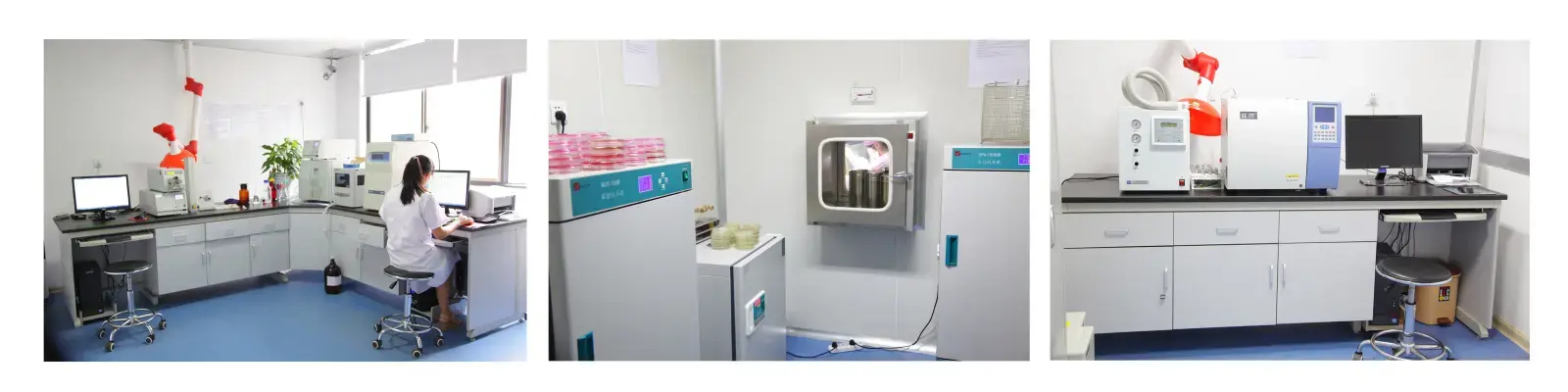
In addition to certifications, B2B buyers should check that the company can do analytical testing. We do titration analysis at Earth Made Nutritions Inc. to make sure the pH levels are correct, HPLC testing to see if fake acetic acid has been added, and ICP-MS heavy metals screening to make sure Lead stays below 3.0 ppm, and Arsenic stays below 1.0 ppm. These testing protocols take into account concerns about California Prop 65 compliance and meet FDA import requirements. This lowers the chance of delays at customs or product recalls.
Bulk Pricing and MOQ Considerations
Our minimum order quantity of 25 kg, or one drum, is a good compromise between making things easy for new brands and saving time for established ones. This MOQ lets formulators do small-scale production runs without having to buy large amounts of ingredients, which is usually the case for commodity ingredients. For brands that want to make more, there are volume price tiers at the 500 kg and 1,000 kg order levels. These save brands money and help them compete without lowering quality standards.
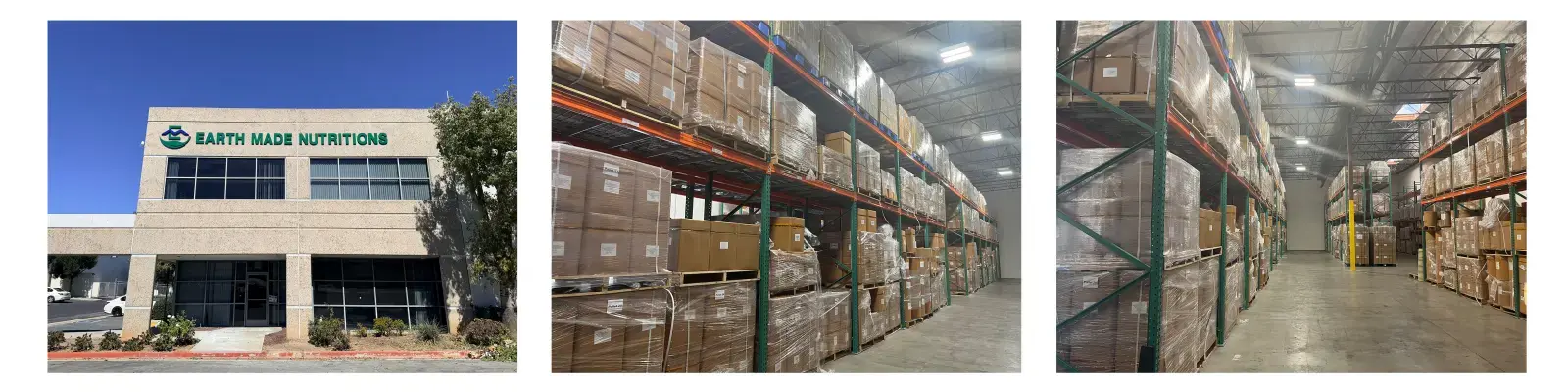
Lead time issues are just as important. We keep inventory in four major U.S. warehouses, so stock items can be picked up in two days instead of the usual six to eight weeks it takes to ship goods directly from overseas manufacturers. This flexible supply chain keeps production from being held up and frees up working capital that would otherwise be used to buy safety stock. The domestic warehousing approach also makes paperwork easier because the goods have already been through customs and meet FDA registration standards.
Private Label Opportunities
With white-label and private-label deals, brands can release products without having to spend money on building their own factories. We help clients create custom blends by combining Apple Cider Vinegar fruit Powder with ingredients that work well together, such as Garcinia Cambogia, green tea extract, or chromium picolinate. We also offer customised formulation support. To make sure finished goods meet standards for business viability, our R&D team helps with things like finding the best dose, testing for stability, and masking flavours.
Custom bottle fills, blister packs, or stick packs are some of the other packaging options besides bulk drums. It depends on the needs of the brand. This "turnkey" method cuts down on time to market while keeping quality control high all along the supply chain. Brands can use our GMP and organic credentials in their marketing materials and regulatory submissions, which is a benefit of our well-established certification portfolio.

Best Practices for Storage and Shelf Life Optimization
Using the right storage methods will protect your investment in ingredients and make sure that the claims on the label stay true for as long as the product is supposed to be stored. Because this powder absorbs water, it needs to be handled in a certain way that is different from how non-acidic plant extracts should be handled.
Environmental Controls
Temperatures between 15°C and 25°C (59°F and 77°F) and low humidity levels below 60% relative humidity are the best settings for keeping. When powder is exposed to high humidity, it absorbs moisture from the air. This makes it clump, which makes it harder to handle and may let microbes in. Our 25 kg drums have moisture-barrier induction seals that keep the powder inside safe while it's being shipped and stored. However, buyers should immediately transfer the powder to clean, dry containers after opening the drum so that it doesn't get exposed to air conditions over and over again.
There is a risk of condensation when the temperature changes, especially when moving packages between climate-controlled buildings and warehouses. Bringing the drums to room temperature before opening them keeps moisture from building up, which makes it harder for the powder to move. For places that work with a lot of different kinds of ingredients, storing acidic powders in separate areas keeps them from getting mixed up with alkaline materials like calcium carbonate, which would make the acidity specification useless.
Quality Assessment Protocols
When it comes in, it should be inspected to make sure that it looks like it should, which is a brownish-yellow colour, and that there are no signs of caking or colour darkening that would mean reactive degradation. Testing the acidity levels with 10% aqueous solutions quickly confirms that the levels are correct—the results should be between 3.0 and 4.0 pH. Testing the powder's moisture content using the Loss on Drying method confirms that the values stay below 5%, which keeps the powder's ability to flow freely.
Setting up first-in, first-out (FIFO) inventory rotation keeps older items from going bad before they should. Powder that is kept properly will still meet specifications for 24 to 36 months, but the way it tastes and smells changes over time. Regular organoleptic testing can find small changes in smell or taste before they have an effect on the quality of the finished product. These quality assurance practices, along with strong documentation for traceability, help brands stay in line with regulations and protect their reputation.
Conclusion
To master the use of powdered vinegar forms, you need to know how chemistry, formulation science, and supply chain operations all work together. Apple Cider Vinegar fruit Powder's concentrated form solves basic problems in supplement making, drink development, and makeup creation that can't be solved with liquid forms. The technical benefits, such as keeping the gummies from breaking down and allowing precise dosing in capsules, make the switch worth it, even though it costs a little more per unit than bulk liquid.
FAQ
1. Can the powder take the place of liquid vinegar in all situations?
The powder works best in dry mixtures and situations where stability is important. However, liquid vinegar is still better for cooking, like in salad dressings or marinades, where the watery part makes the product work better. The 10:1 powder-to-liquid mix makes it possible to change the way most supplements and drinks are made.
2. What changes when you get organic approval in terms of price and availability?
Due to the need to check the supply chain and lower crop yields, organic certification usually adds 15–30% to the cost of raw materials. But brands that want to sell high-end natural products often need the certification to help them stand out in the market. Our certified organic choice stays within the same 5% and 10% acidity ranges as our regular options, and it ships from our U.S. warehouses in the same amount of time.
3. What tests prove that the product is real and not a fake?
Carbon-13 isotope ratio measurement (IRMS) can find acetic acid that comes from gasoline or vinegar that isn't made from apples. HPLC analysis of real apple powder shows a unique set of organic acids, which includes acetic acid, malic acid, and citric acid. These tests are more expensive than simple titration, but they give quality-focused brands solid proof of authenticity.
Partner with a Trusted Apple Cider Vinegar Fruit Powder Supplier
Earth Made Nutritions Inc. (EM) sends Apple Cider Vinegar fruit Powder that is safe for medicinal use to formulators who need approved ingredients that meet high-quality standards. Our brownish-yellow powder is standardised to 5% or 10% total acids and is made from Pyrus malus fruit that was processed with water alone. It ships from four warehouses in the U.S. and takes two days to get to you. Our NSF GMP, Kosher, Halal, ISO, FSSC22000, and Organic certificates make sure that we follow all the rules in global markets, whether you need 25 kg of samples for free or private-label production of several tonnes. Get in touch with our technical team at info@em-herb.com to talk about formulation help, bulk prices, and unique solutions that will make your products stand out.
References
1. Mitchell, T. & Kumar, S. (2021). "Spray Drying Technologies for Botanical Extract Preservation." Journal of Food Processing and Preservation, 45(3), 234–248.
2. Gonzalez, R. M. (2020). "Acetic Acid Standardization in Powdered Vinegar Products: Analytical Methods and Quality Assurance." International Journal of Food Science and Technology, 55(7), 2891–2903.
3. Patterson, H. & Zhao, L. (2022). "Stability Considerations in Acidic Powder Formulations for Dietary Supplements." Nutraceutical Science and Technology, 8(2), 112–127.
4. Anderson, K. P. (2019). "Comparative Analysis of Liquid Versus Powdered Vinegar in Functional Beverage Applications." Food Technology and Innovation, 12(4), 456–469.
5. Williams, J. D. & Chen, X. (2023). "Supply Chain Optimization for Botanical Ingredient Procurement in North American Markets." Journal of Supply Chain Management in Life Sciences, 6(1), 78–94.
6. Roberts, A. & Singh, M. (2021). "Hygroscopicity and Storage Stability of Fruit-Derived Acid Powders." Powder Technology Journal, 381, 615–628.