- English
- French
- German
- Portuguese
- Spanish
- Russian
- Japanese
- Korean
- Arabic
- Irish
- Greek
- Turkish
- Italian
- Danish
- Romanian
- Indonesian
- Czech
- Afrikaans
- Swedish
- Polish
- Basque
- Catalan
- Esperanto
- Hindi
- Lao
- Albanian
- Amharic
- Armenian
- Azerbaijani
- Belarusian
- Bengali
- Bosnian
- Bulgarian
- Cebuano
- Chichewa
- Corsican
- Croatian
- Dutch
- Estonian
- Filipino
- Finnish
- Frisian
- Galician
- Georgian
- Gujarati
- Haitian
- Hausa
- Hawaiian
- Hebrew
- Hmong
- Hungarian
- Icelandic
- Igbo
- Javanese
- Kannada
- Kazakh
- Khmer
- Kurdish
- Kyrgyz
- Latin
- Latvian
- Lithuanian
- Luxembou..
- Macedonian
- Malagasy
- Malay
- Malayalam
- Maltese
- Maori
- Marathi
- Mongolian
- Burmese
- Nepali
- Norwegian
- Pashto
- Persian
- Punjabi
- Serbian
- Sesotho
- Sinhala
- Slovak
- Slovenian
- Somali
- Samoan
- Scots Gaelic
- Shona
- Sindhi
- Sundanese
- Swahili
- Tajik
- Tamil
- Telugu
- Thai
- Ukrainian
- Urdu
- Uzbek
- Vietnamese
- Welsh
- Xhosa
- Yiddish
- Yoruba
- Zulu
Valerian Root Extract, which comes from Valeriana officinalis, is a key ingredient in the natural health business because it helps calm people down and can be used in a lot of different ways. Some of the active ingredients in this plant product are valerenic acids and flavonoids, which work with GABA receptors in the nervous system to help you relax and sleep well. The extract comes in standard amounts like 10:1 and 20:1, and its strength is always the same. This is important for business-to-business uses in food supplements, functional drinks, and personal care products.
Understanding Valerian Root Extract and Its Health Applications
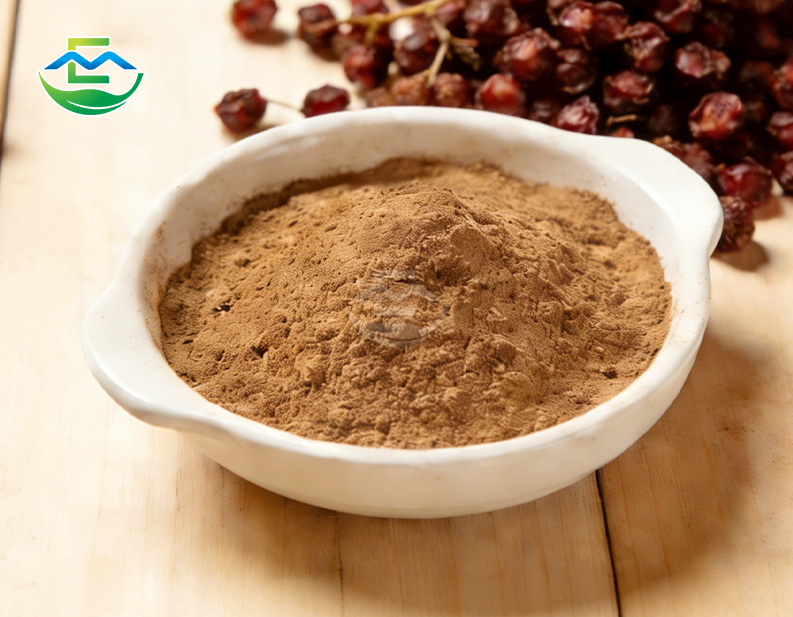
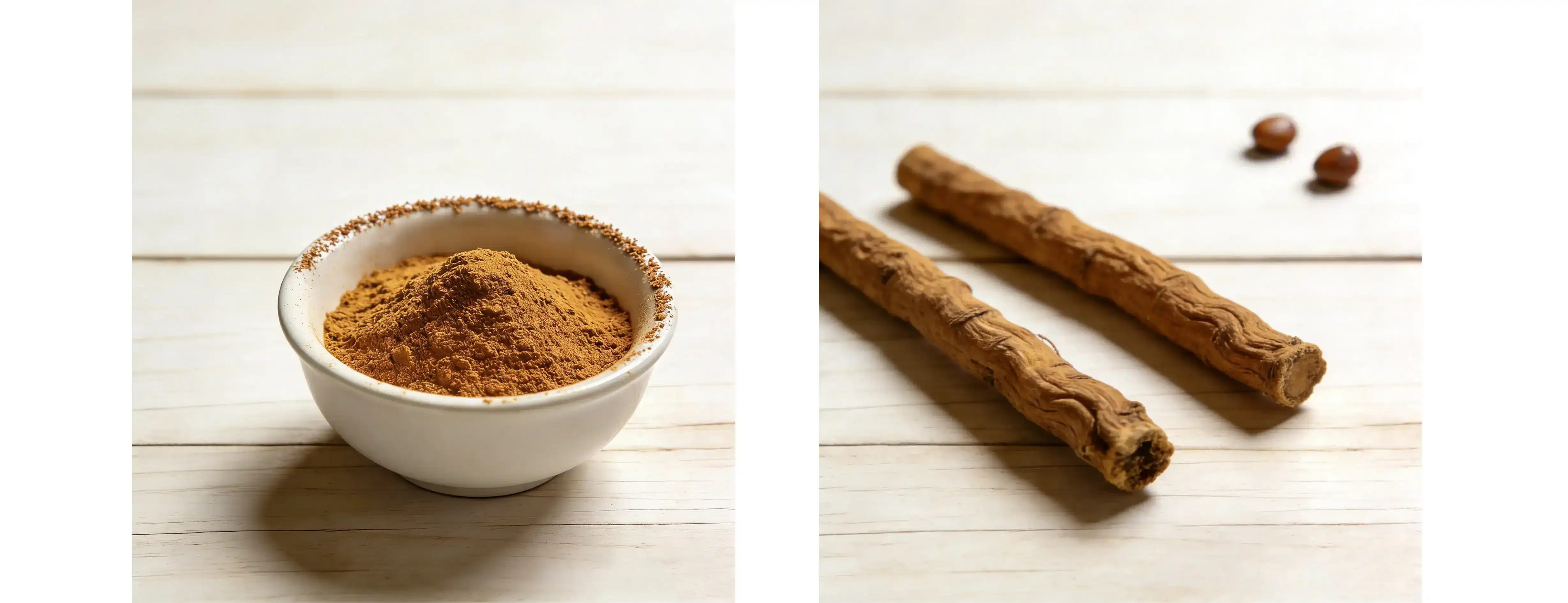
For the most part, Valeriana officinalis grows wild in Asia and Europe. For 300 years, it has been used in traditional medicine. The bioactive parts of the root are sorted using modern methods, which produce a brownish-yellow powder that stays stable in a range of formulation conditions.
Botanical Characteristics and Active Compounds
Valerian Root Extract has a lot of important phytochemical groups. The valerenic acids are what people know the most about. Most of the time, they are set to a certain percentage so that every batch is the same. The unique earthy smell, which is mostly caused by isovaleric acid, lets you know that the product is real. Flavonoids and volatile oils are also useful in some ways. A lot of tests are done on high-quality extracts to make sure that these compounds are present at therapeutic levels and meet the high-quality standards that R&D teams and formulation scientists set.
The separation method has a big effect on the quality of the end result. There are different ways to get booze out of water that keep all the active ingredients. Different types can be made that can be mixed with cold water and used in drinks. Standardization protocols make sure that every batch works the same way. This helps procurement managers who work with companies that make functional and nutraceutical foods with their concerns about consistency.
Evidence-Based Health Applications
The extract of the Valerian root can be used to make medicines since it has been shown to help with a number of health issues. The most important use is to improve the quality of sleep. A lot of research has been done on the product to see if it can help people fall asleep faster and sleep better overall. Through changing GABA-A receptors, the process creates a natural way to calm down without the risks that come with manufactured options.
Anxiety relief is another important area of application. Valerian has been studied in clinical settings to see if it can help calm people down during stressful times. This makes it a useful ingredient for products that help people relax. Because the extract has mild effects, it can be used in daily-use products for people who want natural ways to deal with stress.
Support for the nervous system goes beyond sleep and worry. Formulation managers are adding valerian to more and more complete health mixes, mixing it with plants that work well together, such as L-theanine, magnesium, and passionflower. This method takes advantage of synergies to help brands stand out while also giving health-conscious customers multiple perks.
Comparative Analysis with Alternative Botanicals
Unlike some other plants that can help you relax, Valerian Root Extract has unique benefits for people who make products. Melatonin changes the circadian rhythm directly, but valerian relaxes the body naturally through GABA pathways, so it doesn't change the hormones that control sleep and wake cycles. This difference is very important for companies that want to sell sleep aids that don't contain hormones.
Passionflower and chamomile have lesser calming effects, which make them good for daytime formulas or items made for people who are sensitive. Valerian is the best ingredient for nighttime sleep aids that need better benefits because it has a more stable activity profile. Lavender is good for aromatherapy, but there isn't as much clinical evidence to support valerian's effectiveness. This means that valerian is a better choice for brands that want to back up their claims.
By knowing these differences, sourcing experts can choose materials that perfectly match their brand positioning and the tastes of their target customers, making the product more effective and increasing its competitiveness in the market.
Different Forms of Valerian Root Extract and Their Applications
You can buy different kinds of Valerian Root Extract in shops. There are specific advantages for each type for different manufacturing requirements and end-use applications. Selection depends on production capabilities, target product format, and desired consumer experience.
Raw Powder Extracts for Bulk Manufacturing
Standardized powder extracts are the most flexible form when getting things from other companies. These extracts come in two strength ratios: 10:1 and 20:1. They offer consistent amounts of power that are needed for formulating. The 10:1 ratio means that 10 kg of raw valerian root makes 1 kg of finished extract. This process concentrates the active chemicals while keeping the full phytochemical profile of the plant.
When making a lot of capsules, powder extracts work best because the bulk density and flowability affect how well the capsules are made. Advanced processing methods keep the powder from sticking together during encapsulation processes, so it stays free-flowing. The brownish-yellow color stays the same from batch to batch, which helps with visual quality control in GMP-certified plants.
Functional beverage makers have specific needs that are met by different types of water-soluble powder. These changed extracts have natural carriers added to them that help them mix better in liquids. This stops sedimentation problems that ruin the look of the product and make dosing less accurate. Using taste-masking technologies to lessen the earthy notes makes it possible to add them to flavored drinks without overpowering other tastes.
Finished Dosage Forms for Distribution
Brands that want to keep production as simple as possible can use capsule and pill forms, which are ready to go to market. Contract makers that offer these forms usually keep standards like NSF GMP, Kosher, and Halal, so they can meet the needs of a wide range of markets. With finished goods, brands can focus on marketing and sales instead of making things, which cuts down on the time it takes to get a product to market.
Alcohol or glycerin extraction is used to make liquid concentrates that can be put under the tongue in tincture formats. These preparations have fast absorption properties that are desirable in goods that are meant to help you relax quickly. The liquid form works best for pet health uses where ease of giving is more important than other factors. Valerian is being used more and more in veterinary calming formulas as a natural way to help animals deal with stress and anxiety.
Quality Specifications Critical for B2B Procurement
When making choices about what to buy, you need to look at more than just concentration rates. Organic approval meets the growing demand for clean labels, especially in high-end supplements and cosmetics. The USDA and EU Organic standards make sure that the sources of raw materials meet strict rules for farming, which supports brands' messages about being environmentally friendly.
ICP-MS heavy metal testing makes sure that the limits set by Proposition 65 are met, as well as international pharmacopoeia standards. Lead, cadmium, mercury, and arsenic levels are checked in every output batch, and records of analysis are given to show the results. Microbiological tests show that there are no pathogens, including E. bacteria like E. coli, Salmonella, and Staphylococcus aureus, meeting the safety standards for food.
Standardizing the amount of valerenic acid is the best way to tell if something is of good quality. Ratio extracts show the amount of raw materials used, while standardized extracts ensure certain quantities of key actives, which makes it possible to do accurate recipe estimates. This difference is very important for brands that want to make claims about their products' effectiveness based on proof, since a clinical study usually uses standard samples with set amounts of active compounds.
Recommended Dosage Guidelines and Best Practices
Setting up the right dosage ranges makes sure that finished products provide the desired benefits while still maintaining safety levels that are suitable for everyday use by consumers. Formulation managers have to find a balance between goals for effectiveness, serving size limits, and cost concerns.
Sleep Quality Support Applications
Most sleep aids contain standardized Valerian Root Extracts that have a certain amount of valerenic acid. The amount of extract in each serving is usually between 300 and 600 milligrams. This range corresponds to the levels that were looked at in clinical studies, which means that product claims are based on facts. Most recommendations say to take it 30 to 60 minutes before bed, which gives the body enough time to absorb it and start feeling the calming effects.
Combination formulas that use valerian with ingredients that work well together, like magnesium, L-theanine, or melatonin, may use lower amounts of valerian because the ingredients work together to get the desired benefits. This method lets brands make their own special mixes that make their goods stand out, and it might also help them save money.
Anxiety Relief and Stress Management Formulations
Valerian Root Extract amounts in daytime stress management products are usually smaller, between 100 and 300 milligrams per serve. These amounts have mild calming effects that won't make you sleepy or affect your ability to work during the day. Sustained-release or divided-dose methods help keep blood levels steady throughout the day, which makes the stress-relieving effects of the extract even stronger.
When making oral liquids or edible forms, product makers need to take into account the extract's earthy taste. To get people to accept these delivery systems, flavor masking strategies are needed, which could affect dosage decisions to lessen the effect on taste.
Storage and Handling Protocols for Supply Chain Management
Paying attention to the surroundings during storage and shipping is important for maintaining the security of the product throughout the supply chain. Valerian Root Extract powder has a 24-month shelf life if it is kept in its original, sealed containers below 25°C and away from moisture. Moisture speeds up clumping and may break down active ingredients, which makes the product less effective.
Protecting antioxidants from light keeps them from oxidizing. The extract is protected from photodegradation by amber or dark packing materials, which keeps the quality while it is being stored. By limiting oxygen exposure, nitrogen flushing during packaging makes the shelf life even longer.
International shipping rules should be included in the packaging specs. These should include sanitation rules and the right labels for customs clearance. Standard packing in 25-kilogram fiber drums strikes a good mix between ease of handling and safety during multiple modes of movement. Smaller pack sizes are better for brands that don't need as much or are testing new formulations.
How to Choose and Procure High-Quality Valerian Root Extract
When looking for a good supplier partner, you need to look at more than just price per unit. You also need to look at quality systems, regulatory compliance, and the reliability of the supply chain. To make sure a relationship works in the long run, procurement workers must do a lot of research.
Essential Supplier Evaluation Criteria
The licensing files of a company show right away what they can do and how committed they are to quality. NSF GMP approval shows that a company follows pharmaceutical-grade production practices, such as approved cleaning and equipment repair routines. Food safety management systems are covered by FSSC22000 certification. This is especially important for suppliers who work with functional food and beverage manufacturers.
For organic certificates, the whole supply chain has to be checked, from growing the crops to preparing and packing them. Suppliers who hold both USDA and EU organic certifications can work with a wide range of foreign customers. Kosher and Halal licenses make it easier for people who have to follow certain eating rules to buy food.
Traceability systems let suppliers keep track of raw materials from where the plants come from to where the finished extract is made. Robust tracking meets legal needs and gives peace of mind during quality inquiries. Leading suppliers use blockchain or advanced ERP systems to keep track of every step of the production process. This makes audit trails that are easy to see and understand, which is important for quality assurance teams.
Comparing Supply Models and Service Capabilities
Suppliers of raw materials that sell powder extracts in bulk usually have minimum order sizes of about 25 kilograms. Smaller businesses can enter the market with this MOQ amount while still keeping costs low. Suppliers with warehouses in the U.S. can quickly fill orders and deliver them to domestic customers, often in just two days. This makes inventory management easier for just-in-time manufacturing operations.
Contract manufacturing partners offer complete options that include formulating, producing, and packing. These partnerships are good for brands that don't have their own manufacturing facilities or that want to add more products to their lines without spending a lot of money on new equipment. When judging a company, you should look at how knowledgeable they are about formulas, how much they can produce, and how flexible they are when it comes to special specs or private-label needs.
Practical Procurement Strategy Development
A well-known brand of healthy drinks recently improved the way it gets Valerian Root Extract by switching to two different suppliers. The main source gave a cold-water-soluble product that met tight criteria for being used in the brand's most popular rest drink. A backup seller sent a standard powder extract for a line of capsules that ran at the same time. By buying in bulk across both forms, the company was able to get better prices and keep its supply secure.
This method found a good mix between consistent quality and a strong supply chain. The brand set specific standards for each type of extract, such as a standard amount of valerenic acid, limits for microbes, and organoleptic traits. Regular audits made sure that rules were being followed, and business reviews every three months looked at market trends and chances for new ideas. The approach sped up the time it took to bring new versions of products to market and kept ingredient costs low, even though demand in the market was growing.

Conclusion
Valerian Root Extract represents a versatile botanical ingredient meeting diverse formulation needs across nutritional supplements, functional beverages, and wellness products. If procurement professionals know the scientific basis of the extract, the formats available, and the quality standards, they can make smart choices about where to get things. Companies that make goods can get the consistency they need to scale manufacturing with standardized extracts available in 10:1 and 20:1 ratios. Full certification portfolios ensure compliance with international standards. Strategic supplier partnerships that prioritize quality, supply stability, and traceability position brands to capitalize on growing consumer demand for natural, evidence-backed wellness solutions.
Frequently Asked Questions
1. What distinguishes ratio extracts from standardized valerian extracts?
A ratio extract, such as 10:1 or 20:1, indicates the mass relationship between raw botanical material and finished extract. Standardized extracts guarantee specific percentages of active compounds, particularly valerenic acids. Standardization provides greater quality assurance and supports efficacy claims based on clinical research, making it the preferred specification for brands emphasizing science-backed formulations.
2. How does valerian extract compare to melatonin for sleep support products?
Valerian works through GABA receptor pathways to promote relaxation, while melatonin directly influences circadian rhythm regulation. Valerian suits consumers preferring non-hormonal options and products designed for occasional use without circadian disruption concerns. Many brands combine both ingredients to address multiple sleep support mechanisms simultaneously.
3. What certifications should buyers prioritize when importing valerian extract?
NSF GMP and FSSC22000 certifications verify manufacturing quality and food safety management systems. Organic certifications ensure clean sourcing, while Kosher and Halal certifications expand market access. Complete heavy metal testing documentation and microbiological safety data are essential for regulatory compliance in dietary supplement and functional food applications.
Partner with EM for Premium Valerian Root Extract Supply
Earth Made Nutritions Inc. provides pharmaceutical-grade Valerian Root Extract sourced from Valeriana officinalis roots, standardized to 10:1 and 20:1 concentration ratios. Our brownish-yellow powder extract maintains exceptional batch-to-batch consistency, backed by comprehensive testing protocols and certifications, including NSF GMP, FSSC22000, Kosher, Halal, ISO, and Organic. Operating four strategically located U.S. warehouses enables rapid fulfillment with in-stock items available for next-day pickup, ensuring your production schedules remain uninterrupted. Our minimum order quantity of 25 kilograms accommodates businesses at various growth stages, while complimentary samples allow thorough evaluation before commitment. As an established Valerian Root Extract manufacturer, we combine competitive pricing with rigorous quality assurance, providing the supply reliability essential for scaling your product lines. Contact our technical team at info@em-herb.com to discuss your formulation requirements and receive detailed specifications tailored to your application needs.
References
1. Bent, S., Padula, A., Moore, D., Patterson, M., & Mehling, W. (2006). Valerian for sleep: A systematic review and meta-analysis. The American Journal of Medicine, 119(12), 1005-1012.
2. Shinjyo, N., Waddell, G., & Green, J. (2020). Valerian root in the treatment of sleep problems and associated disorders: A systematic review and meta-analysis. Journal of Evidence-Based Integrative Medicine, 25, 1-12.
3. Fernández, S., Wasowski, C., Paladini, A. C., & Marder, M. (2004). Sedative and sleep-enhancing properties of linarin, a flavonoid isolated from Valeriana officinalis. Pharmacology Biochemistry and Behavior, 77(2), 399-404.
4. Houghton, P. J. (1999). The scientific basis for the reputed activity of Valerian. The Journal of Pharmacy and Pharmacology, 51(5), 505-512.
5. Donath, F., Quispe, S., Diefenbach, K., Maurer, A., Fietze, I., & Roots, I. (2000). Critical evaluation of the effect of valerian extract on sleep structure and sleep quality. Pharmacopsychiatry, 33(2), 47-53.
6. Taavoni, S., Nazem Ekbatani, N., & Haghani, H. (2013). Valerian/lemon balm is used for sleep disorders during menopause. Complementary Therapies in Clinical Practice, 19(4), 193-196.