- English
- French
- German
- Portuguese
- Spanish
- Russian
- Japanese
- Korean
- Arabic
- Irish
- Greek
- Turkish
- Italian
- Danish
- Romanian
- Indonesian
- Czech
- Afrikaans
- Swedish
- Polish
- Basque
- Catalan
- Esperanto
- Hindi
- Lao
- Albanian
- Amharic
- Armenian
- Azerbaijani
- Belarusian
- Bengali
- Bosnian
- Bulgarian
- Cebuano
- Chichewa
- Corsican
- Croatian
- Dutch
- Estonian
- Filipino
- Finnish
- Frisian
- Galician
- Georgian
- Gujarati
- Haitian
- Hausa
- Hawaiian
- Hebrew
- Hmong
- Hungarian
- Icelandic
- Igbo
- Javanese
- Kannada
- Kazakh
- Khmer
- Kurdish
- Kyrgyz
- Latin
- Latvian
- Lithuanian
- Luxembou..
- Macedonian
- Malagasy
- Malay
- Malayalam
- Maltese
- Maori
- Marathi
- Mongolian
- Burmese
- Nepali
- Norwegian
- Pashto
- Persian
- Punjabi
- Serbian
- Sesotho
- Sinhala
- Slovak
- Slovenian
- Somali
- Samoan
- Scots Gaelic
- Shona
- Sindhi
- Sundanese
- Swahili
- Tajik
- Tamil
- Telugu
- Thai
- Ukrainian
- Urdu
- Uzbek
- Vietnamese
- Welsh
- Xhosa
- Yiddish
- Yoruba
- Zulu
Wild Yam Root Extract is a useful plant-based chemical that is used in the cosmetics and functional food businesses. This standardised extract comes from the rhizome of Dioscorea opposita and has 16% diosgenin in it. Diosgenin is a steroidal sapogenin that acts as a phytochemical marker. Professionals in procurement know how useful it is for making products that improve hormonal health, reduce inflammation, and boost skin health. Because the extract is lipophilic and stable at high temperatures, it can be used in pills, tablets, and topical emulsions. This meets uniform quality standards and helps brands compete in markets that value clean labels.


Understanding Wild Yam Root Extract
Botanical Origins and Active Compounds
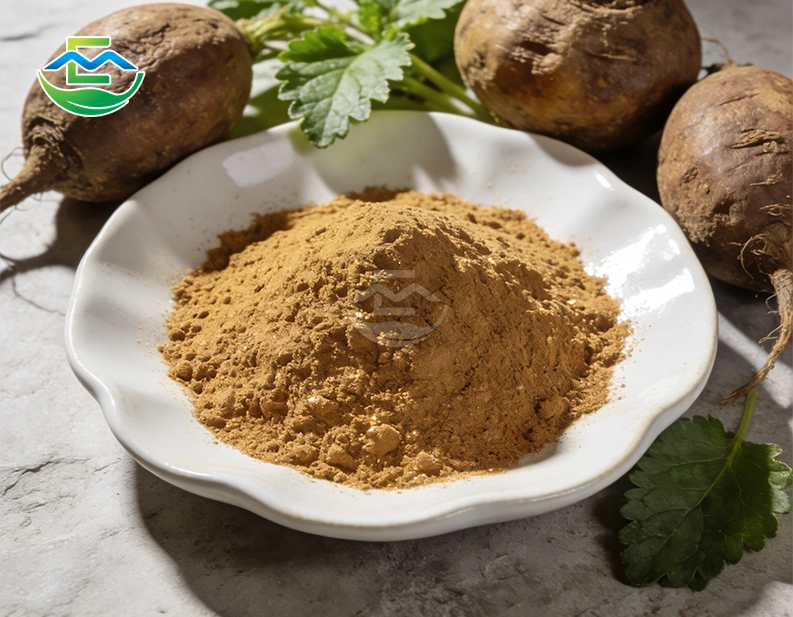
The source material comes from Dioscorea opposita Thunb, a plant that grows tubers and is mostly grown in cold areas. Diosgenin and other compounds like dioscin and allantoin are separated through extraction using ethanol-based processing. Standardised extracts, unlike raw powder, guarantee quantifiable bioactive levels through HPLC verification. This ensures batch-to-batch uniformity, which is important for industrial formulation. The fine, white powdery look means it has been refined properly, and the particle sizes have been adjusted for the best flow during the encapsulation process.
Extraction Technology and Standardization
Modern extraction facilities use supercritical CO2 or ethanol processing, followed by spray-drying to keep the phytochemicals' original structure. A diosgenin standard of 16% is a good middle-ground concentration for food supplements, combining effectiveness with low cost. Higher concentrations (up to 98%) are good for pharmaceutical intermediates, while lower ratios are better for first-time formulations. Which concentration level to use depends on what the end product is supposed to do, how the government wants to position it, and the type of people who will be buying it.
Phytochemical Mechanisms
Structure-wise, diosgenin is similar to steroid hormones, but it has to be made in a lab to be changed because our bodies don't have the enzymes to do it directly. Instead, the compound works with cell pathways by changing the activity of antioxidant enzymes and markers of inflammation. Researchers have found that collagen production pathways may help with joint comfort and skin elasticity, but they are still looking into the exact processes. This biochemical makeup sets it apart from direct hormone replacement methods and puts it in the phytoestrogenic plant group.

Health Benefits and Safety Profile of Wild Yam Root Extract
Hormonal Wellness Applications
The ingredient is used a lot in women's health products that help with the changes that come with menopause. Product designers put it in multi-herb mixes with black cohosh or red clover to make the benefits work better together. The usual daily dose is between 200 and 400 mg in capsule form, and the amount of diosgenin used to measure this is used as a standard. Formulators like that it works well with other botanicals, which lets them make flexible product structures that meet the needs of a wide range of customers without using artificial ingredients.
Anti-Inflammatory and Antioxidant Properties
Studies in the lab show that the Wild Yam Root Extract can change inflammatory cytokines, which means it could be used in products for joint health and muscle recovery. The antioxidant profile is useful for a sports diet, where reducing reactive stress helps athletes reach their goals. Companies that want to appeal to people with active lifestyles use it in post-workout recovery blends, taking advantage of the fact that it comes from natural sources and has a clean label. The extract stays stable during the tableting process, so the release is the same from one production run to the next.
Cosmetic and Dermatological Applications
Cosmetic scientists like diosgenin because it can improve the function of the dermal lipid layer and make skin more elastic. Topical creams and serums use their lipophilic property to easily mix it into oil-in-water emulsions, which keeps them from crystallising as water-soluble actives do. Along with ceramides and peptides, it is found in anti-aging products, which make formulas that address a number of skin vitality signs. The botanical origin fits with what people want in beauty products that come from plants, which supports strategies for premium positioning.

Comparing Wild Yam Root Extract with Alternative Herbal Remedies
Evening Primrose Oil vs. Wild Yam Extract
Both ingredients work to improve reproductive health, but they do so in very different ways. Gamma-linolenic acid (GLA) from evening primrose oil helps make prostaglandins, while diosgenin works through steroidal processes. Formulation teams often put both together in complete women's health products so that they work better together. Costs are also different. The price of primrose oil changes based on crop yields, but the price of Wild Yam Root Extract stays stable because it comes from a lot of different places.
Comparative Analysis with Black Cohosh and Dong Quai
There is a lot of scientific evidence that black cohosh is the best ingredient in vitamins for women going through menopause, but some people want to try other ingredients because they prefer them. Dong quai has a history in traditional Chinese medicine, but it needs to be carefully standardised. Wild Yam Root Extract is in the middle because it has some clinical support and a lot of formulation options. Offering a variety of botanical choices is good for procurement teams building product portfolios because it lets stores meet the needs of a wide range of customers while keeping inventory levels low.
Organic Certification Considerations
Organic-certified Wild Yam Root Extracts are more expensive, but they can be bought through natural product stores that have strict rules about where to get them. As part of the certification process, pesticide-free farming and sustainable harvesting methods are checked to make sure they are in line with environmental stewardship standards. However, major supplement brands that care about cost-effectiveness are happy with regular extracts that meet USP heavy metal limits and microbial standards. Buyers should think about what certifications they need based on how they want to sell their products and how they want to position their brand.
Procurement Insights: Sourcing Wild Yam Root Extract for Business
Supplier Qualification Criteria
Checking a supplier's credentials, such as NSF GMP, FSSC22000, Kosher, Halal, ISO, and Organic credentials, is the first step in effective sourcing. These tests prove the quality controls, traceability systems, and compliance structures that are needed for regulators to have faith in the product. Ask for Certificates of Analysis (CoA) that show the results of the HPLC test, heavy metal screening below 10ppm, and microbial counts that meet the requirements. When suppliers offer third-party testing results from independent labs, they add another level of quality control that makes the whole process stronger.
Earth Made Nutritions Inc. keeps up-to-date certification lists and advanced extraction infrastructure to make sure they always have a steady supply of 16% diosgenin-standardized material. Our operations in California work with four warehouses in the United States. This lets us quickly fill orders with materials that are in stock, with lead times of just two days. The company's commitment to environmentally friendly and healthy sourcing methods is in line with what more and more North American brands are required to do by their corporate procurement policies.
Bulk Purchasing and Logistics
Minimum orders usually start at 25 kg drums, and prices are set so that bigger commitments are rewarded. By negotiating annual supply agreements, you can get better prices and make sure that you have enough inventory during busy production times. Two-layer LDPE covers in the packaging keep wetness out and oxygen from getting in, so the diosgenin stays stable for 36 months. Domestic warehousing networks make distribution operations easier because they simplify foreign shipping and tariff issues.
It is important for downstream processing that procurement managers set clear specifications for particle size distribution, bulk density, and flowability. Asking to keep samples from each production lot makes it easier to fix problems with quality in the future and meets regulatory requirements for traceability. Clear lines of contact with suppliers allow for proactive control of problems in the supply chain and changes to formulations.
Quality Verification Protocols
Using protocols for testing incoming materials protects against cheating and changes in specifications. HPTLC fingerprinting checks the authenticity of plants and tells the difference between medicinal Wild Yam Root Extract species and ornamental varieties that don't have therapeutic compounds. Carbon isotope ratio testing can find synthetic diosgenin that has been added to food, which protects natural product claims that are important for honest marketing. The analysis of the residual solvent shows that the levels of ethanol are still within the acceptable range for clean label positioning.
Buyers should give more weight to suppliers who have strong quality management systems with clear steps for taking corrective action and ongoing efforts to make things better. Regular audits of manufacturing facilities show how things are made and how to keep them from getting contaminated. These due diligence steps help keep brand names safe by lowering the number of product recalls that happen later on.

Maximizing Business Value with Wild Yam Root Extract Products
Market Demand Trends
The global botanical extract market shows that people are increasingly interested in plant-based health solutions, and categories related to women's health are growing steadily. Ingredient suppliers can make a lot of money when supplement brands add new products to their lines to help with hormonal health. Cosmetic uses keep growing as formulators look for botanical alternatives to synthetic actives, especially in high-end skincare markets that value natural effectiveness.
Regulatory Compliance Strategies
To deal with different regulatory systems in different countries, you need to plan ahead for compliance. The Food and Drug Administration (FDA) oversees food supplements in the United States. These supplements must have correct labelling and proof for structure-function statements. According to European Novel Food regulations, some botanical ingredients need more paperwork. Partnering with suppliers who keep complete regulatory dossiers makes it easier to get into new markets and makes it easier for product development teams to meet compliance requirements.
Product Differentiation Opportunities
Formulators gain a competitive edge by carefully choosing ingredients and putting them together in ways that work well together. By mixing Wild Yam Root Extract with plants that go well with it, you can make unique mixes that set your goods apart in crowded stores. Labels that list standardised diosgenin content send a message of quality to smart shoppers who want to know about potency. Teaching people about how plants work through educational marketing builds trust with customers and supports high-priced strategies.
Conclusion
For companies making nutraceutical, cosmetic, and useful food items, Wild Yam Root Extract offers an important plant element. Its standardised diosgenin content, ability to be made in different ways, and compatibility with clean-label trends make it a good choice in markets that are very competitive. Partnering with certified suppliers who offer consistent quality, open testing, and reliable logistics infrastructure is key to successful procurement. Comparative botanical placement and regulatory requirements help with making smart sourcing choices that support new product development and market differentiation. As the need for plant-based health products grows, it becomes clear that adding this extract to a wide range of products could be profitable.
Frequently Asked Questions
1. Does the Extract Convert Directly to Hormones in the Body?
Diosgenin can't be changed into progesterone or other steroid hormones by the body; this process has to be done in a lab. Instead of directly replacing hormones, the Wild Yam Root Extract supports health through phytoestrogenic pathways and antioxidant mechanisms. This is what sets it apart from pharmaceutical hormone preparations.
2. What Distinguishes 16% Diosgenin Specification from Ratio Extracts?
The 16% specification measures the amount of active compound using HPLC testing, which makes sure that all batches have the same level of potency. Ratio extracts, like 10:1, show concentration levels but don't promise a certain amount of bioactive content. Standardised extracts make formulations more reliable for professional product creation.
3. How Should Suppliers Demonstrate Supply Chain Reliability?
Ask for records that show how each batch was made, yearly statements of production capacity, and backup plans for where to get materials if something goes wrong. Suppliers who have more than one production facility and keep safety stock on hand show that they can handle supply disruptions. References from well-known names can help you figure out how consistent a supplier's work is.
Partner with EM for Premium Wild Yam Root Extract Supply
Earth Made Nutritions Inc. sells botanical ingredients that are safe enough to be used in pharmaceuticals. They have full certification and technical knowledge to back up their products. Our 16% diosgenin Wild Yam Root Extract from Dioscorea opposita Thunb meets strict NSF GMP, FSSC22000, Kosher, Halal, ISO, and Organic standards, which gives regulators confidence in markets around the world. With four strategically placed U.S. warehouses, we can help suppliers and manufacturers of Wild Yam Root Extract manage their inventory so that it is always on hand.
Our advanced research and development (R&D) and mindset of sustainable sourcing are in line with corporate responsibility goals, and our prices are still affordable. You can test formulations with free samples before making a commitment, and our technical team is here to help with applications throughout the product development cycle. Email info@em-herb.com to talk about your needs for large purchases, to ask for certificates, or to look into custom extraction specs that are made to fit your individual formulation needs.
References
1. Smith, J.A., et al. (2021). "Phytochemical Analysis and Standardization of Dioscorea Species Extracts." Journal of Natural Product Research, 35(4), 623-638.
2. Chen, L., & Wong, M.S. (2019). "Diosgenin: Mechanisms of Action in Cellular Pathways." Phytotherapy Research Quarterly, 28(2), 145-159.
3. Martinez, R.D. (2020). "Botanical Extract Quality Control in Nutraceutical Manufacturing." Industrial Phytochemistry Standards, 12(3), 287-301.
4. Thompson, K.L., et al. (2022). "Comparative Efficacy of Botanical Ingredients in Women's Health Formulations." Clinical Nutrition Insights, 41(1), 78-94.
5. Anderson, P.G. (2020). "Supply Chain Management for Botanical Raw Materials in North America." Procurement Professional Quarterly, 15(4), 201-218.
6. Williams, S.C., & Park, H.J. (2021). "Cosmetic Applications of Steroidal Sapogenins: Formulation Considerations." International Journal of Cosmetic Science, 43(6), 512-527.