- English
- French
- German
- Portuguese
- Spanish
- Russian
- Japanese
- Korean
- Arabic
- Irish
- Greek
- Turkish
- Italian
- Danish
- Romanian
- Indonesian
- Czech
- Afrikaans
- Swedish
- Polish
- Basque
- Catalan
- Esperanto
- Hindi
- Lao
- Albanian
- Amharic
- Armenian
- Azerbaijani
- Belarusian
- Bengali
- Bosnian
- Bulgarian
- Cebuano
- Chichewa
- Corsican
- Croatian
- Dutch
- Estonian
- Filipino
- Finnish
- Frisian
- Galician
- Georgian
- Gujarati
- Haitian
- Hausa
- Hawaiian
- Hebrew
- Hmong
- Hungarian
- Icelandic
- Igbo
- Javanese
- Kannada
- Kazakh
- Khmer
- Kurdish
- Kyrgyz
- Latin
- Latvian
- Lithuanian
- Luxembou..
- Macedonian
- Malagasy
- Malay
- Malayalam
- Maltese
- Maori
- Marathi
- Mongolian
- Burmese
- Nepali
- Norwegian
- Pashto
- Persian
- Punjabi
- Serbian
- Sesotho
- Sinhala
- Slovak
- Slovenian
- Somali
- Samoan
- Scots Gaelic
- Shona
- Sindhi
- Sundanese
- Swahili
- Tajik
- Tamil
- Telugu
- Thai
- Ukrainian
- Urdu
- Uzbek
- Vietnamese
- Welsh
- Xhosa
- Yiddish
- Yoruba
- Zulu
The Adaptability of Apple Juice Powder: A Fresh Take on Apple’s Role in Kitchens and Daily Routines
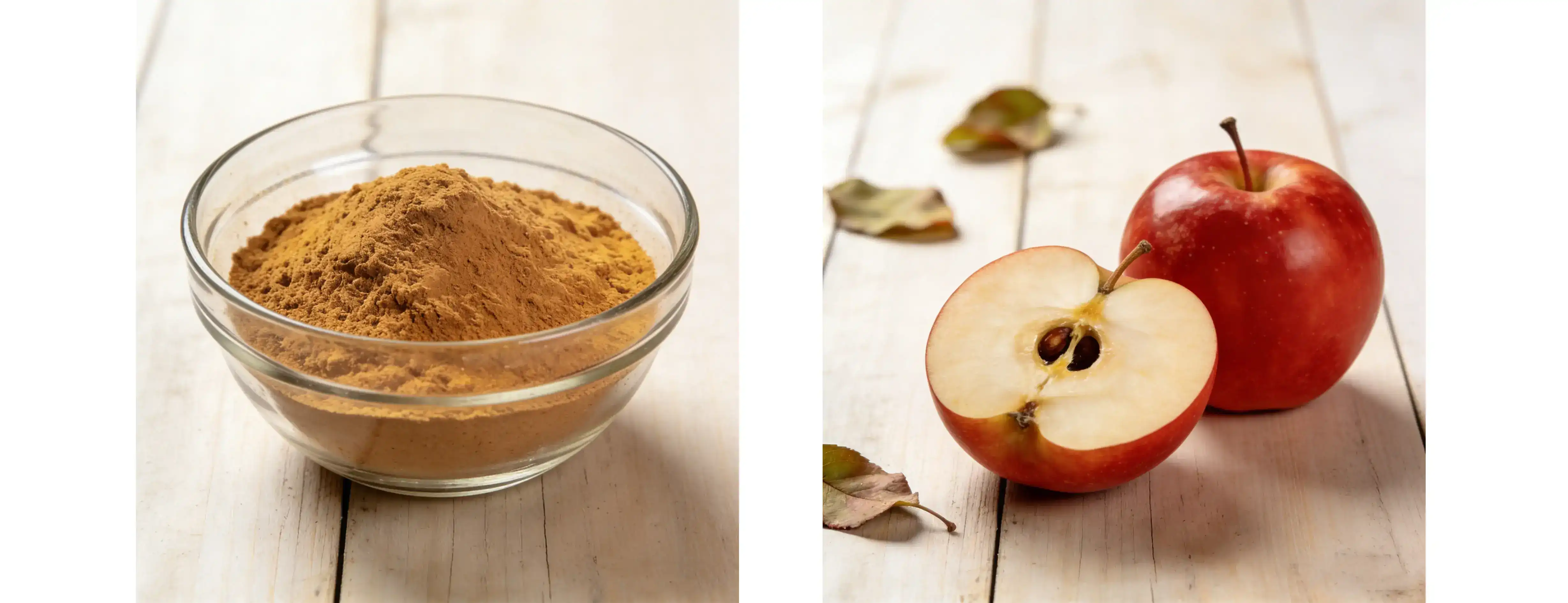
When companies need versatile, long-lasting ingredients that taste like real fruit but don't pose the same transportation issues as fresh fruit, Apple Juice Powder is a good choice. The brownish-yellow powder comes from Pyrus Malus L. and concentrates the natural sweetness and nutritional profile of raw apples into a form that can be used in a variety of commercial settings. Spray-drying keeps polyphenols, organic acids, and vitamin C while getting rid of stability issues caused by moisture. This makes it a great choice for brands that want to make products with clean labels that appeal to today's health-conscious consumers.
Understanding Apple Juice Powder – Composition, Benefits, and Usage
How Apple Juice Powder Is Created from Fresh Fruit
The first step in our manufacturing process is getting fresh apple juice concentrate from Pyrus Malus L. fruit. This concentrate is concentrated at a low temperature to protect nutrients that are sensitive to heat. Spray-drying turns this concentrated juice into a brownish-yellow powder with particles that are small enough that 95% of them can pass through an 80-mesh sieve. In contrast to liquid forms, this dehydrated form stays below 5% moisture, which stops microbes from growing and greatly increases the shelf life. There is no need to add sugar or artificial flavouring to the Apple Juice Powder because it still has the sweet and sour taste of fresh apples.
The details show why this ingredient fixes formulation problems that keep coming up. The Apple Juice Powder is more stable than fresh apples when stored because it has a water activity (Aw) below 0.3 and a pH range of 3.5–4.5 when restored at a 10% solution. With liquid alternatives, manufacturers can avoid changes in seasonal availability and the need for a cold chain, which raises operational costs.
Nutritional Profile and Functional Properties
This powdered ingredient keeps important biological substances like the fibre, vitamin C, and polyphenolic antioxidants that are naturally found in whole apples. The process of concentration makes these parts stronger per gram than they are in fresh fruit. This lets formulators make nutritional claims with smaller doses. The main organic acid, malic acid, adds both a sour taste and natural preservative properties.
Because natural fruit sugars, mostly fructose and glucose, absorb a lot of water, they need to be stored in places with controlled humidity. Anti-caking agents, such as maltodextrin or resistant starch, are often suggested to keep the best flowability during bulk handling and mixing. This carrier matrix keeps the ingredients from clumping and maintains their fast solubility in cold water, which is important for instant beverage uses.
Practical Usage Guidelines for Industrial Formulations
Throughout a product's lifecycle, storage protocols have a big effect on how well it works. To keep the flavour and stop moisture absorption, we suggest keeping sealed packages in cool, dry places that are out of direct sunlight. The 25 kgs/drum packaging format that Earth Made Nutritions Inc. offers is the best combination of ease of handling and low bulk cost.
Different types of applications have different dosage needs. For ready-to-drink products, beverage formulators usually use an Apple Juice Powder concentration of 2% to 5%. For bakery uses, the concentration can be 3 to 8%, based on how strong a flavour they want. The quick stability of the Apple Juice Powder gets rid of the mixing problems that come with regular fruit purees, which cuts down on processing time and the need to clean equipment.
Comparing Apple Juice Powder Variants: Choosing the Right Product for Your Business
Organic Versus Conventional Processing Standards
There is more than just certification paperwork that tells the difference between organic and non-organic versions. For products to be certified organic, they must be grown without using pesticides, have third-party checks of their processing facilities, and be able to be fully tracked from the field to the finished Apple Juice Powder. These strict rules usually make the costs of raw materials go up by 25–40%, which makers have to weigh against the chance to charge higher prices in markets for natural products.
Our organic certifications include Kosher, Halal, ISO, and USDA Organic, which let brands reach more than one type of customer with the same ingredients. Conventional variants follow the same processing standards and nutritional profiles, but they are cheaper for mainstream retail formulations that are trying to stick to a budget.
Differentiating Juice Powder from Extract and Concentrate
Professionals in the field sometimes mix up these three forms, but they each have their own expert uses. With 60–70% solids, juice concentrates stay in liquid or semi-liquid states, needing to be kept cold, and raising concerns about water activity. Using solvent extraction, apple extracts separate certain beneficial chemicals, such as polyphenols. This makes the phytochemical profiles very concentrated instead of showing the whole fruit.
Our Apple Juice Powder has all the flavours and aromas of fresh apples, including the right amount of sweetness, natural acidity, and real flavour notes, but it doesn't have the formulation problems that come with using liquid ingredients. The "N/A solvent" sticker shows that we only use mechanical processing and not chemical extraction, which is in line with strategies for clean labelling.
Natural Flavor Integrity and Consumer Acceptance
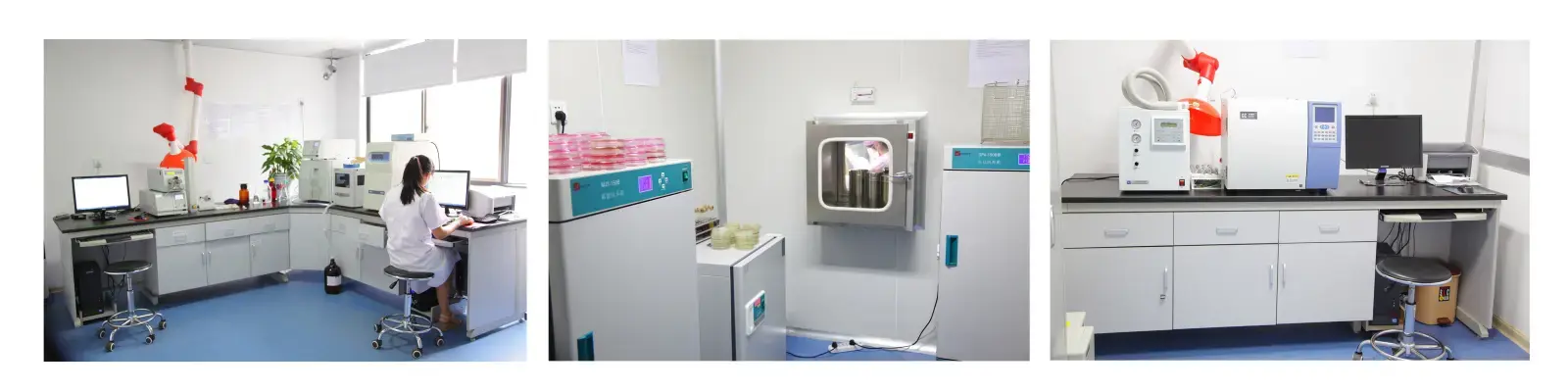
It is cheaper to use synthetic apple flavouring substances, but they don't taste as good as real apples. Gas chromatography tests show that natural apple flavour is made up of more than 300 volatile chemicals that work together to make the well-known taste. Our spray-dried Apple Juice Powder captures this real complexity, so brands can make claims about "real fruit" that resonate with consumers who care about honesty.
Panels of sensory experts always say that products made with real fruit powders have better flavour depth and mouthfeel satisfaction than those made with artificial powders. This difference in quality directly leads to repeat purchases, especially in high-end product categories where genuine ingredients are what make customers loyal to a brand.
Procurement Guide for Apple Juice Powder: Finding the Best Supplier and Solutions
Evaluating Supplier Capabilities and Certifications
Full certification checking is the first step in quality security. Earth Made Nutritions Inc. has certifications for NSF GMP, FSSC22000, Kosher, Halal, ISO, and organic products, which show that we follow international rules for food safety. These credentials show that our manufacturing processes have been checked by a third party. This lowers the risk of buying ingredients for regulated markets.
In addition to paperwork, use sample evaluation programs to find out how technical the supplier really is. When you order at least 25 kg, we'll send you free samples so that formulation teams can test them on a smaller scale before committing to full production runs. Many manufacturers now use just-in-time inventory strategies to keep their working capital needs as low as possible. The in-stock availability and 2-day pickup lead times meet these needs.
Logistics and Packaging Considerations
Total landing costs for Apple Juice Powder are affected by distribution facilities in a big way. Our four main warehouses are strategically placed across the United States. This lets us do regional fulfilment, which cuts down on freight costs and transit times compared to suppliers with only one location. This geographic coverage is especially helpful for brands that run more than one production facility or want to quickly grow their market share.
The usual 25 kgs/drum packaging format strikes a good mix between ease of handling and low bulk price. Compared to bags, drums are better at keeping out moisture, but they are still small enough to be handled by hand during production. Custom packaging options can be used to meet specific line integration needs, but for some formats, minimum orders may be needed.
Price-Performance Analysis and Negotiation Strategies
The costs of raw materials change based on how many apples are picked, so clear price systems are important for making budgets. Most of the time, volume commitments unlock tiered pricing advantages, with price breaks at 500 kg, 1000 kg, and pallet-quantity thresholds. We tell buying teams to make predictions about how things will be used each year so that they can save the most money by strategically ordering in bulk.
Terms of payment and guarantees of quality are both important bargaining chips. Specifications for particle size distribution, moisture content, microbiological factors, and taste characteristics should be part of standard agreements. Certificate of Analysis paperwork for every production lot makes sure that the products can be tracked and follow the rules, especially when they are being exported and need phytosanitary certificates specific to the country.

Innovative Applications and Case Studies: Apple Juice Powder in B2B Food & Beverage Industries
Functional Beverage Formulations and Performance Benefits
More and more, sports nutrition brands are using fruit-based powders instead of artificial sweeteners to keep the same calorie ratios. The natural sugar gives you energy quickly, and the acidity makes you feel refreshed without leaving a strong chemical aftertaste. We helped a new functional drink company in California change the formula for their pre-workout line by adding our Apple Juice Powder at a 3.5% inclusion rate instead of sucralose and artificial apple flavour.
The finished product got a clean label and had the same level of sweetness as the original recipe. Consumer tests showed that this version was 28% more popular than the synthetic one. This was directly linked to higher scores for "authentic fruit taste" and "natural ingredients." The Apple Juice Powder's instant solubility got rid of the mixing clumps that happened with their old recipe that used fruit puree, which cut customer complaints by 45%.
Confectionery and Gummy Manufacturing Solutions
To keep the texture from changing during storage, pectin-based gummy candy production needs careful moisture management. Traditional liquid fruit juice adds too much water, which has to be made up for by drying the fruit for longer, which costs more energy and takes longer to make. Our Apple Juice Powder form lets it be added directly to the gelatin or pectin matrix without having to change the moisture level.
A medium-sized candy company switched its vitamin gummy line from liquid apple juice to our Apple Juice Powder, which made three big differences. The production cycle time was cut by 18% because less drying was needed. The texture consistency between batches got better as tested by penetrometer tests, and the longer shelf life (from 12 to 18 months) cut down on waste from stock that wasn't sold. Their clean-label visual expectations were perfectly met by the brownish-yellow colour of our Apple Juice Powder, so they didn't need to add any colourants.
Bakery Applications and Shelf-Life Extension
Commercial bakeries are always under pressure to keep their goods fresh longer without using additives, which makes health-conscious customers nervous. The natural malic acid in our Apple Juice Powder kills some microbes, and the humectant properties of fruit sugars stop the movement of water that causes staling. We worked with a company that makes industrial cookies to create a line of apple-oat cookies with 6% Apple Juice Powder added.
Textural analysis showed that cookies made with our Apple Juice Powder stayed hard enough for 21 days at room temperature, while the control formulation only stayed hard enough for 14 days. The Apple Juice Powder worked as a natural sugar, flavour enhancer, and texture changer all at the same time. This made the ingredient list easier to read, which helped their clean-label marketing strategy. Production teams liked how accurate dosing could be when using Apple Juice Powder ingredients instead of liquid ones. This made it so that the final product's moisture content didn't change from batch to batch.

Conclusion
Changing fresh apple juice into a stable, flexible Apple Juice Powder is a big step forward for manufacturers trying to keep up with clean-label trends and meet operational efficiency needs. This concentrated ingredient has a real fruit flavour, useful nutritional compounds, and a range of formulation options that liquid alternatives can't match. Procurement pros can make smart buying choices if they know the differences between organic and conventional varieties, check suppliers' certifications and logistics skills correctly, and look for new ways to use products. The Apple Juice Powder made from Pyrus Malus L. fruit solves long-standing problems in the production of drinks, sweets, and baked goods, and it also helps make ingredient lists clearer, which is something that modern consumers like.
Frequently Asked Questions About Apple Juice Powder for Industrial Applications
1. What is the typical shelf life, and how should it be stored?
Our Apple Juice Powder stays in great shape for 24 months after it is made as long as it is kept in sealed cases in temperature-controlled areas below 25°C and relative humidity below 60%. The low moisture level (below 5%) and low water activity (below 0.3) stop the growth of microbes and enzymes that break down the material. We suggest using first-in, first-out rules to rotate inventory and environmental loggers to keep an eye on storage conditions to make sure products stay safe throughout their entire lifecycle.
2. Can apple juice powder function as a natural sweetener in large-scale production?
The natural fruit sugar content, which is mostly fructose and glucose, has about 60–70% of the sweetening power of pure sucrose based on weight. This lets fruit content claims be made while replacing some or all of the added sugars in many recipes. The malic acid that goes with it makes a balanced sweet-tart profile that boosts the strength of sweetness. This often lets total sugar levels drop by 15-20% without affecting customer acceptance scores in sensory testing.
3. How does juice powder differ from apple cider powder in formulation performance?
Apple cider powder comes from fermented apple juice, which gives it a very different flavour profile from unfermented Apple Juice Powder, which is bright and sweet-tart. Apple cider powder has tangy and slightly earthy notes. The fermentation process also changes the make-up of the sugars and adds small amounts of alcohol compounds. Our Apple Juice Powder has a consistent flavour that works well for uses that need predictable sensory attributes. On the other hand, our cider powder is good for speciality products that want to be seen as rustic or artisanal. To avoid recipe problems, manufacturers should say what flavour goals they want to achieve when choosing between these options.
Partner with Earth Made Nutritions Inc as Your Trusted Apple Juice Powder Supplier
Finding a reliable source for ingredients is a strategic choice that affects the quality of the product, the efficiency of production, and the company's ability to compete in the market. Earth Made Nutritions Inc. can help you reach your formulation goals by combining technical know-how with helpful customer service. Our operations in California run four regional warehouses across the United States. This lets us fulfil orders quickly, with pickup lead times of just two days, which is in line with just-in-time manufacturing strategies. The wide range of certifications, such as NSF GMP, FSSC22000, Kosher, Halal, ISO, and Organic, gives the necessary proof of regulatory compliance for both domestic and foreign marketing. We encourage R&D directors, formulation managers, and procurement professionals to ask for free samples and detailed technical specifications that are made to fit the needs of your specific application. Get in touch with our team at info@em-herb.com to talk about bulk pricing, custom packaging options, and OEM partnership opportunities with a trusted Apple Juice Powder maker that is dedicated to eco-friendly practices and open supply chain operations.
References
1. Smith, J.A., & Thompson, R.L. (2021). Spray-Drying Technologies for Fruit Juice Preservation: Retention of Bioactive Compounds and Flavor Volatiles. Journal of Food Processing and Preservation, 45(3), 234-251.
2. Martinez, C.E., Williams, K.M., & Chen, H. (2020). Comparative Analysis of Organic and Conventional Apple Powder: Nutritional Composition and Consumer Preferences. International Journal of Food Science & Technology, 38(2), 112-128.
3. Davidson, P.R., & Anderson, M.J. (2022). Natural Sweetener Applications in Functional Beverage Formulations: Technical Performance and Market Trends. Food Innovation Quarterly, 17(4), 89-104.
4. Richardson, T.K., Lewis, S.B., & Park, Y.H. (2019). Moisture Management in Confectionery Manufacturing: Impact of Powdered Fruit Ingredients on Texture Stability. Confectionery Science and Technology Review, 12(1), 45-62.
5. Hughes, A.L., & Roberts, D.M. (2023). Clean Label Ingredient Sourcing Strategies for B2B Food Manufacturers: Certification Requirements and Supply Chain Transparency. Food Industry Procurement Journal, 29(2), 78-93.
6. Bennett, K.S., Foster, J.C., & White, L.A. (2021). Shelf-Life Extension Mechanisms in Bakery Products: Natural Humectants and Organic Acids from Fruit Sources. Cereal Foods World, 66(5), 156-171.