- English
- French
- German
- Portuguese
- Spanish
- Russian
- Japanese
- Korean
- Arabic
- Irish
- Greek
- Turkish
- Italian
- Danish
- Romanian
- Indonesian
- Czech
- Afrikaans
- Swedish
- Polish
- Basque
- Catalan
- Esperanto
- Hindi
- Lao
- Albanian
- Amharic
- Armenian
- Azerbaijani
- Belarusian
- Bengali
- Bosnian
- Bulgarian
- Cebuano
- Chichewa
- Corsican
- Croatian
- Dutch
- Estonian
- Filipino
- Finnish
- Frisian
- Galician
- Georgian
- Gujarati
- Haitian
- Hausa
- Hawaiian
- Hebrew
- Hmong
- Hungarian
- Icelandic
- Igbo
- Javanese
- Kannada
- Kazakh
- Khmer
- Kurdish
- Kyrgyz
- Latin
- Latvian
- Lithuanian
- Luxembou..
- Macedonian
- Malagasy
- Malay
- Malayalam
- Maltese
- Maori
- Marathi
- Mongolian
- Burmese
- Nepali
- Norwegian
- Pashto
- Persian
- Punjabi
- Serbian
- Sesotho
- Sinhala
- Slovak
- Slovenian
- Somali
- Samoan
- Scots Gaelic
- Shona
- Sindhi
- Sundanese
- Swahili
- Tajik
- Tamil
- Telugu
- Thai
- Ukrainian
- Urdu
- Uzbek
- Vietnamese
- Welsh
- Xhosa
- Yiddish
- Yoruba
- Zulu
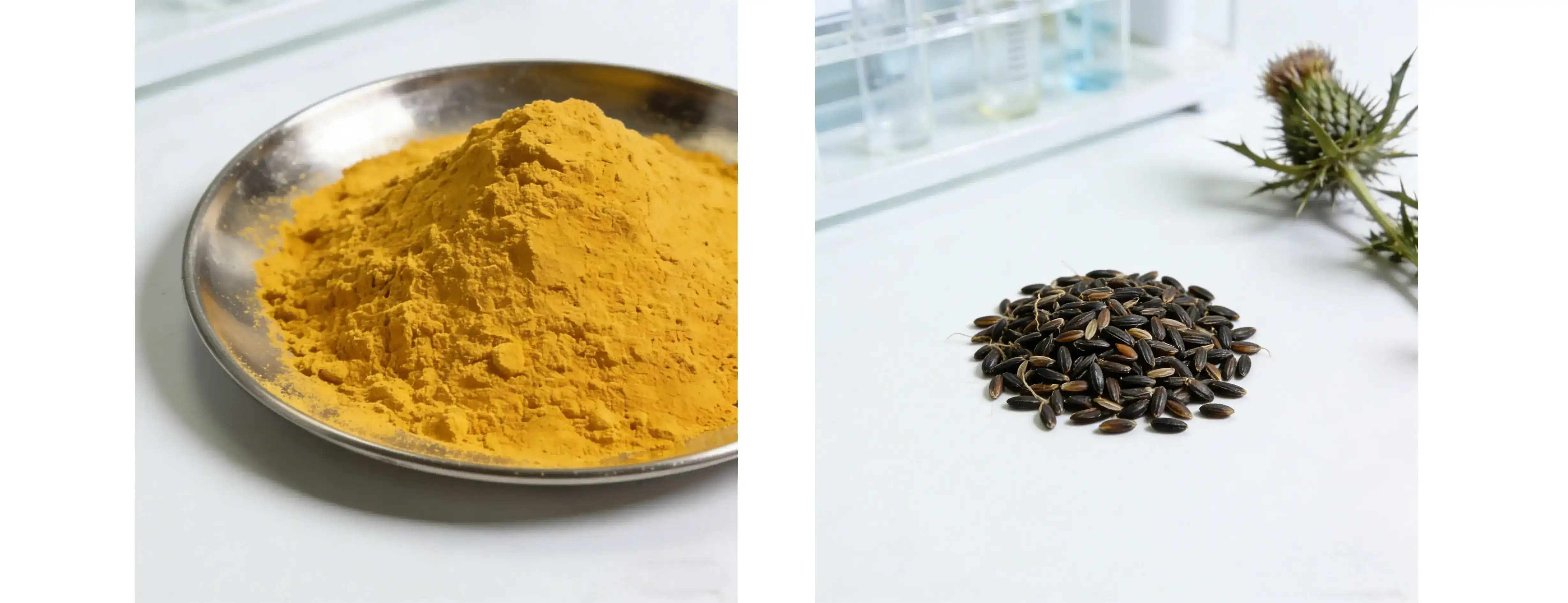
One of the most well-known plant products in the current global nutraceutical market is Milk Thistle seed Powder, which is made from the seeds of Silybum marianum. This yellow powder has been standardized to contain a high concentration of silymarin, a strong flavonolignan complex. It has great antioxidant qualities and helps the liver. As buyers look for natural, clean-label ingredients to make their products stand out, it's important to know about the technical details, bioactive profiles, and buying methods for Milk Thistle seed Powder. This complete guide covers the main benefits, best forms, correct doses, and buying information you need to make smart choices when looking for this valuable plant ingredient.
Understanding Milk Thistle Seed Powder and Its Core Benefits
Botanical Origins and Nutrient Composition
Milk Thistle seed Powder, or Silybum marianum, is a plant in the Asteraceae family that has been used for hundreds of years in traditional European and Mediterranean medicine. The seeds have a special mix of beneficial chemicals, with silymarin being the main one that does the work. There are silybin A and B, isosilybin A and B, silychristin, and silydianin in this group. Depending on the testing method and extraction method, high-quality standardized products can have silymarin amounts anywhere from 50% (HPLC method) to 80% (UV method).
To separate and concentrate these good chemicals, the plant's seeds are either cold-pressed or extracted using solvents like ethanol. When it's done, the powder is a fine, light yellow to pale yellow substance that tastes a little bitter. When it's properly found, it has very little wetness (usually less than 5%), which keeps it stable while it's being stored and made.
Primary Health Benefits and Mechanisms
The fame of Milk Thistle seed Powder comes from its powerful antioxidant and liver-protecting qualities. At the cellular level, the silymarin complex helps the body's natural cleansing processes and keeps hepatocyte membranes stable. Because of this, it works especially well in formulas that aim to support liver health, cleansing, and antioxidants.
In addition to being good for your liver, the beneficial chemicals in Milk Thistle seed Powder are also very good at reducing inflammation. Researchers have found that silymarin changes the processes that cause inflammation. Because of this, it is used in functional foods, drinks, and dietary supplements that are meant to improve general health. Because silymarin is an antioxidant, it helps get rid of free radicals, which protect cells in many parts of the body.
Commercial Value in Product Development
Knowing these functional benefits helps R&D leaders and formulation managers put Milk Thistle seed Powder in the right place in their product lines. The ingredient meets clean-label requirements and meets the rising desire for natural, plant-based remedies. It can be used to make pills, softgels, functional drinks, or topical products. Standardized Milk Thistle seed Powder can be used in a lot of different ways in the cosmetic and functional food industries.
Best Forms of Milk Thistle for Procurement and Use
Raw Seed Powder Versus Standardized Extracts
When buying, teams look at Milk Thistle seed Powder choices, and they come across different types of products. Raw seed powder is made from ground whole seeds that naturally contain between 1.5% and 3% silymarin. Even though this form is cheaper, it is hard to get regular potency with it, and you have to take more of it to get useful bioactive amounts.
Standardized extracts are the standard for B2B buying in the business. After being extracted with a solvent (usually ethanol for clean-label uses or acetone/ethyl acetate for cost-effectiveness), these concentrated powders are cleaned up and made uniform. The powder that is made concentrates silymarin to amounts that are useful for medicine, which allows for precise control over the mixture. Our Earth Made Nutritions Inc. standardized Milk Thistle seed Powder is made with high-tech extraction tools that give us a uniform yellow powder with a confirmed silymarin content and very little solvent waste.
Concentrated Extracts and Encapsulation Forms
In addition to bulk flour, Milk Thistle seed Powder can be bought in a number of forms that are ready to use. High-end supplement products need ingredients that are highly concentrated and contain 80% silymarin (UV). These products work well in hard-shell pills and tablets, which need concentrated actives because they don't have a lot of room. In softgel uses, Milk Thistle seed Powder is often mixed with oil matrices like soybean or lecithin to make the medicine more bioavailable. This is done because silymarin is lipophilic and doesn't dissolve well in water.
Micro-encapsulated forms have become available as options for healthy food and drinks. This method of processing makes it easier for water to mix with the substance and hides its bitter taste, which means it can be used to make more ready-to-drink detox drinks, protein shakes, and enriched foods.
Quality Standards and Certification Requirements
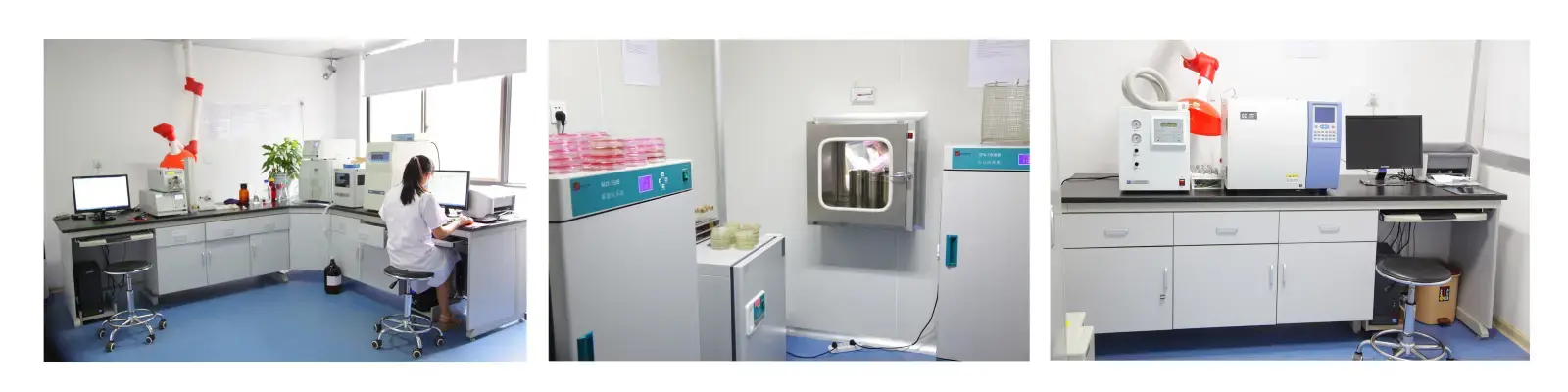
To choose the right form, you need to make sure it meets certain quality standards. Premium Milk Thistle seed Powder should meet USP (United States Pharmacopeia) or EP (European Pharmacopoeia) monograph standards. These include strict limits on heavy metals, ash content (usually less than 5%), and loss on drying (less than 5%). Particle size distribution—usually 95% going through 80 mesh—makes sure that the encapsulation and tableting processes mix the particles evenly.
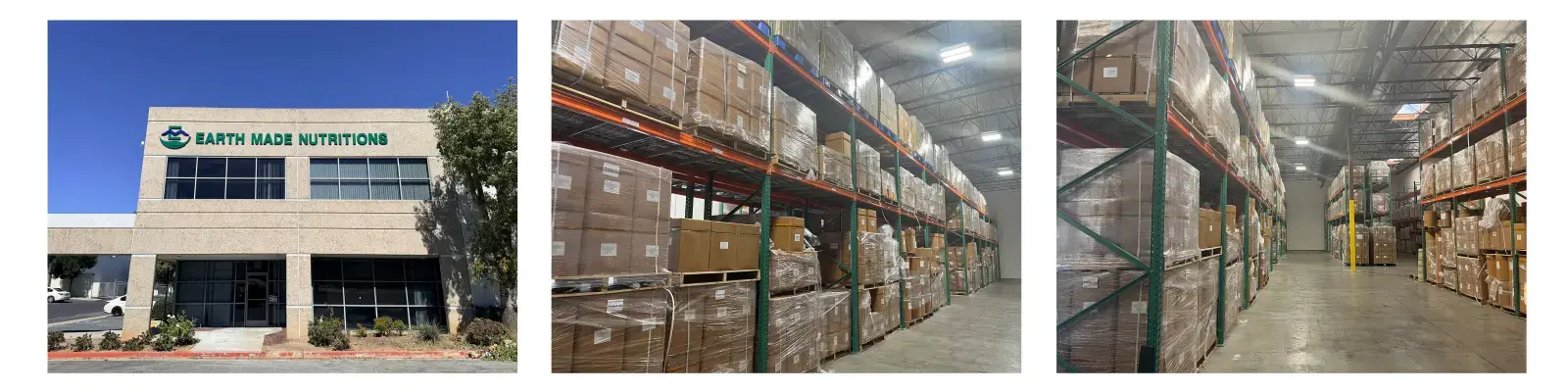
Certifications like NSF GMP, Organic, Kosher, Halal, ISO, and FSSC22000 make sure that the products are made correctly and meet the needs of different markets. These qualifications are especially important for foreign brands and distributors that have to deal with a lot of different regulations. At our facility in California, we keep full certification coverage, and our in-stock inventory in four U.S. warehouses helps us process orders quickly, with as little as a two-day wait time.
Figuring out the bulk density (0.40-0.60 g/ml) and tapping density affects how the equipment is set up during production, and the solubility profiles decide how to make the mixture. The fact that Milk Thistle seed Powder doesn't dissolve well in water but does well in ethanol and methanol helps with choosing delivery methods and excipients.

Recommended Dosage and Safe Usage Guidelines
Clinically Supported Dosing Parameters
Dosing correctly is the basis for how well a product works and for following the rules. In clinical studies, silymarin is usually given in amounts of 140 mg to 420 mg per day, spread out over two or three treatments. These amounts are equal to about 200 to 600 mg of a pure extract that has 70 to 80% silymarin in it. To figure out equal amounts when making with Milk Thistle seed Powder, you need to know the exact silymarin concentration, which can be proven through analytical testing.
Standardized extracts make it easier to figure out how much to give. A pill with 300 mg of 80% silymarin extract gives you 240 mg of active complex, which is within the ranges that have been shown to work in clinical trials. Due to their lower natural silymarin content (1.5–3%), raw seed powder versions need much higher doses—often 5–10 grams—to deliver the same amount of bioactives. This makes them impractical for most supplement shapes.
Dosage Variations Across Product Types
Dosing tactics are greatly affected by the shape of the product. Softgels with oil-based structures may help the body absorb the medicine better, which could mean that slightly lower amounts are needed to keep the medicine working. Each dose of Milk Thistle seed Powder mixes for functional drinks or meal replacements might have 200 to 400 mg of standardized extract, which is a good balance between taste and health benefits.
Adding items that work well together can improve results. When you mix Milk Thistle seed Powder with phosphatidylcholine or liposomal transport methods, the bioavailability goes up. This is because silymarin's lipophilic structure makes it harder for the body to absorb. Formulation experts could also mix Milk Thistle seed Powder with other botanicals that protect the liver, such as dandelion root or artichoke extract. This would create benefits that work better together while spreading the active doses among more than one ingredient.
Formulation Considerations and Labeling Clarity
Product designers have to think about how stable silymarin is in different processing situations. Bioactivity can be lost in places with a lot of heat, light, and oxygen, so it's important to store and package things safely. Labels that clearly show how much silymarin is in each dose, not just the total weight of the Milk Thistle seed Powder, help consumers trust the product and make sure it meets regulatory standards.
Correct documentation helps QA teams and fits the requirements of foreign regulations. Giving full Certificates of Analysis (CoAs) with silymarin test results, microbial counts, heavy metal testing, and pesticide screening makes things clear for procurement workers who are deciding how reliable a provider is.
Sourcing Milk Thistle Seed Powder: Procurement Insights for B2B Clients
Market Dynamics and Pricing Factors
The global Milk Thistle seed Powder market shows that the nutrition, skincare, and functional food industries all want more of it. Prices change based on the amount of silymarin, how it was extracted, whether it is certified organic, and the size of the order. Standardized 80% silymarin extracts are more expensive than raw seed powder because they are easier to process, have stricter quality control, and work better in formulations.
When you buy in bulk, you save a lot of money. Minimum order amounts (MOQ) usually start at 25 kg, and prices go down by 100 kg, 500 kg, and 1,000 kg or more. Long-term supply deals can lock in good prices and make sure that goods are always available. This is especially important when farming factors affect harvests of raw materials.
Assessing Supplier Credibility and Compliance
A careful review of suppliers is key to a successful procurement. Key evaluation factors include the company's ability to manufacture, its extraction technology, its scientific testing infrastructure, and its certification collection. Suppliers must show that they follow GMP guidelines, keep their quality control systems strong, and give a lot of information about their products, such as specs, analytical methods, and stable data.
Another important factor is traceability. Reliable sellers can track materials back to the organic source by keeping records of how the plants were grown, when they were harvested, and how they were handled afterward. This line of custody is very important when working with pharmaceutical-grade materials or markets that need very strict name proof for plants.
Our company, Earth Made Nutritions Inc., has its own modern factory with skilled R&D staff and cutting-edge extraction technology. Our method for quality control makes sure that goods meet U.S. FDA and GMP standards and have many certifications, such as NSF GMP, Kosher, Halal, ISO, and FSSC22000. With this infrastructure, we can consistently supply high-purity Milk Thistle seed Powder that meets the most exacting recipe needs.
Logistics, Sampling, and Order Fulfillment
More than just product details are practical things to think about when buying something. Lead times, shipping processes, and minimum order amounts all have an effect on planning your inventory and your cash flow. North American buyers can save a lot of money and time on shipping by working with sellers who have stores in the U.S. Our four carefully placed U.S. warehouses allow for fast delivery, and you can pick up in-stock items within two days.
Having samples available speeds up the process of making a product. Before placing full-scale orders, R&D teams can test for compatibility and stability, and make preliminary recipes by getting representative samples with matched CoAs. At EM, we give free samples to approved B2B customers to help them make smart buying choices and lower the risk of procurement.
You should also think about your choices for packaging. Standard 25 kg fiber drums with polyethylene covers are a great way to protect most things, but custom packing solutions may be better for certain storage or handling needs. Understanding these organizational factors makes the buying process easier and helps make production schedules more reliable.
Conclusion
Milk Thistle seed Powder is an important ingredient for companies in the nutrition, skincare, and functional food markets that want to offer natural solutions that work. Because it is a strong vitamin that helps the liver, and can be mixed in many different ways, it is a good choice for differentiating products. To get the most out of this plant-based ingredient, you need to know the difference between raw seed powder and standardized extracts, use dosing strategies that are based on evidence, and work with suppliers who can show they have technical knowledge, quality control, and reliable fulfillment. By putting silymarin standardization, thorough testing, and ethical sources at the top of their list of priorities, procurement professionals can safely add Milk Thistle seed Powder to formulas that meet regulatory requirements and customer expectations.
Frequently Asked Questions
1. What distinguishes organic from conventional milk thistle seed powder?
Organic Milk Thistle seed Powder comes from plants that were grown without using chemical fertilizers, herbicides, or pesticides. These plants meet USDA Organic or similar certification guidelines. This label is appealing to brands that want to reach customers who care about clean labels and the environment. Conventional milk thistle is tested for chemical residues to make sure it meets safety standards, but it doesn't have organic approval. When properly standardized and tested, both forms can provide the same amount of silymarin. Which one to use depends on the brand's positioning and the interests of its target market.
2. How can buyers verify silymarin content and product purity?
The main way to check something is to ask for specific Certificates of Analysis (CoAs). CoAs should list the amount of silymarin that was found using certain testing methods, like UV or HPLC, and also include the levels of heavy metals, microbes, pesticide residues, and solvent residues. Reliable providers give paperwork for each package that is specific to the batch it came in. Third-party laboratory testing is another way to be sure of the quality of the silymarin. Reputable analytical labs can confirm the quantity of silymarin and look for possible adulterants or contaminants.
3. Is milk thistle seed powder compatible with other formulation ingredients?
It has been shown that Milk Thistle seed Powder works well with most vitamins and useful food ingredients. Because it is lipophilic, it mixes well with oil-based ingredients. Adding phosphatidylcholine or microencapsulation makes water-based formulations work better. When formulators mix powders with ingredients that respond quickly or put them through extremes in pH, temperature, or moisture during processing, they should test for stability. The purity of silymarin is maintained throughout the manufacturing process by using the right excipients and processing settings.
Partner with EM for Premium Milk Thistle Seed Powder Supply
Earth Made Nutritions Inc is a reliable source for Milk Thistle seed Powder. They provide standardized extracts that meet the strict requirements of current formulation science. Our yellow powder comes from Silybum marianum seeds and is strictly inspected for quality. It also comes with all the necessary standards, such as NSF GMP, Organic, Kosher, Halal, ISO, and FSSC22000. With a 25 kg minimum order amount, free samples, and fast two-day shipping from our four U.S. stores, we make it easy to get what you need while keeping the quality of our products high. Our research and development team in California and our high-tech extraction tools allow us to offer solutions that are fully adjustable and fit your exact formulation needs. We offer the technical know-how and reliable supply chain that procurement professionals value when they are making food supplements, functional drinks, or cosmetics. You can email us at info@em-herb.com to get product specs, CoAs, or quotes that are specifically made for your needs.
References
1. Abenavoli L., Capasso R., Milic N., Capasso F. "Milk thistle in liver diseases: past, present, future." Phytotherapy Research, 24(10), 1423-1432, 2010.
2. Flora K., Hahn M., Rosen H., Benner K. "Milk thistle (Silybum marianum) for the therapy of liver disease." The American Journal of Gastroenterology, 93(2), 139-143, 1998.
3. Kren V., Walterova D. "Silybin and silymarin—new effects and applications." Biomedical Papers, 149(1), 29-41, 2005.
4. Post-White J., Ladas E.J., Kelly K.M. "Advances in the use of milk thistle (Silybum marianum)." Integrative Cancer Therapies, 6(2), 104-109, 2007.
5. Wellington K., Jarvis B. "Silymarin: a review of its clinical properties in the management of hepatic disorders." BioDrugs, 15(7), 465-489, 2001.
6. Zhao J., Agarwal R. "Tissue distribution of silibinin, the major active constituent of silymarin, in mice and its association with enhancement of phase II enzymes: implications in cancer chemoprevention." Carcinogenesis, 20(11), 2101-2108, 1999.