- English
- French
- German
- Portuguese
- Spanish
- Russian
- Japanese
- Korean
- Arabic
- Irish
- Greek
- Turkish
- Italian
- Danish
- Romanian
- Indonesian
- Czech
- Afrikaans
- Swedish
- Polish
- Basque
- Catalan
- Esperanto
- Hindi
- Lao
- Albanian
- Amharic
- Armenian
- Azerbaijani
- Belarusian
- Bengali
- Bosnian
- Bulgarian
- Cebuano
- Chichewa
- Corsican
- Croatian
- Dutch
- Estonian
- Filipino
- Finnish
- Frisian
- Galician
- Georgian
- Gujarati
- Haitian
- Hausa
- Hawaiian
- Hebrew
- Hmong
- Hungarian
- Icelandic
- Igbo
- Javanese
- Kannada
- Kazakh
- Khmer
- Kurdish
- Kyrgyz
- Latin
- Latvian
- Lithuanian
- Luxembou..
- Macedonian
- Malagasy
- Malay
- Malayalam
- Maltese
- Maori
- Marathi
- Mongolian
- Burmese
- Nepali
- Norwegian
- Pashto
- Persian
- Punjabi
- Serbian
- Sesotho
- Sinhala
- Slovak
- Slovenian
- Somali
- Samoan
- Scots Gaelic
- Shona
- Sindhi
- Sundanese
- Swahili
- Tajik
- Tamil
- Telugu
- Thai
- Ukrainian
- Urdu
- Uzbek
- Vietnamese
- Welsh
- Xhosa
- Yiddish
- Yoruba
- Zulu
Whole Spirulina Platensis cells are used to make Blue Spirulina Phycocyanin, a new natural ingredient. This is a great choice for businesses that want to make clean signs. Some of the many ways this amazing dark blue pigment-protein complex can be used are in cosmetics, useful foods, and gourmet drinks. It is also a very strong antioxidant. More and more people want eco-friendly, plant-based options. Phycocyanin is a common choice as a strategic ingredient that meets both the needs of aesthetics and wellness-focused product positioning. Creators of new goods now have a way to make them that has been tested in science and is ready for the market.
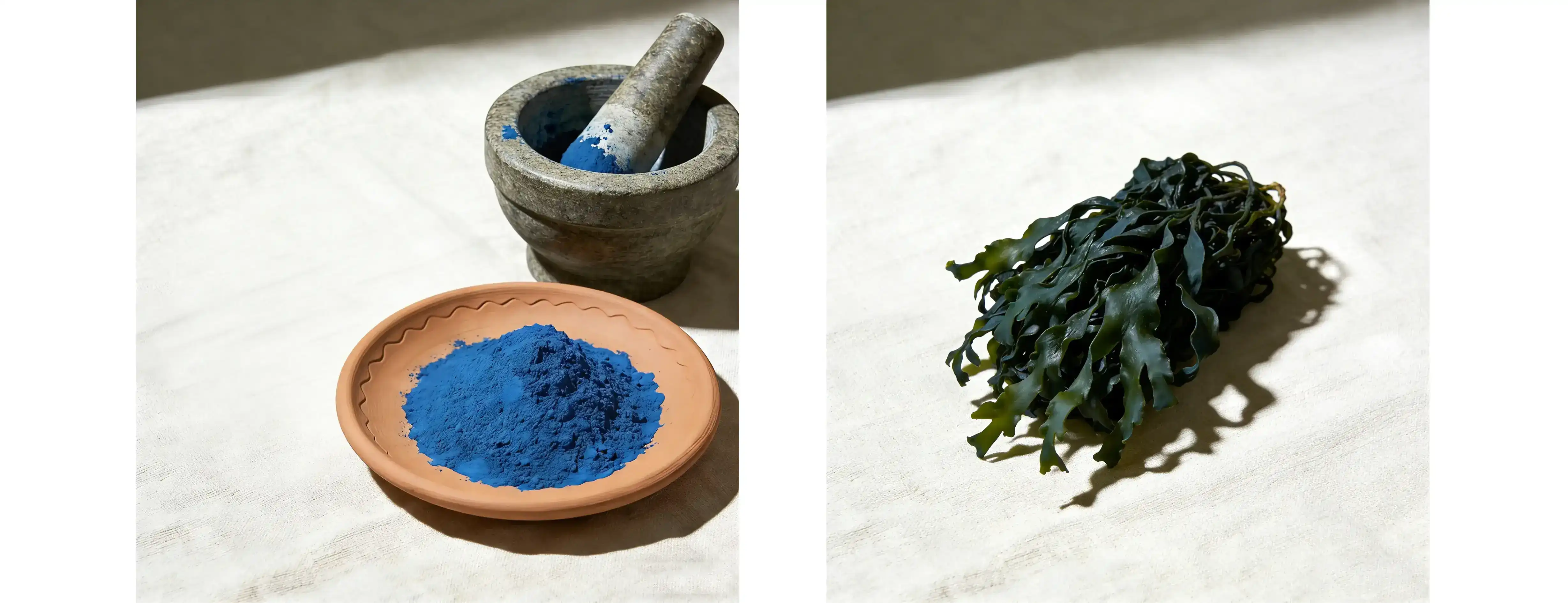
Understanding Blue Spirulina Phycocyanin: Nature's Powerful Compound
One thing that makes phycocyanin different from regular spirulina powder is that it is made of different chemicals and is extracted in a different way.
Molecular Structure and Extraction Excellence
It comes from the cyanobacterium Spirulina Platensis and is a part of the phycobiliprotein family. Whole-cell spirulina, on the other hand, has chlorophyll in it, which makes it green. To separate the blue pigment while keeping its shape, phycocyanin separation uses methods that are based on water. This water-soluble extraction method doesn't use chemicals and saves the bioactivity. This makes sure that clean-label rules are followed, which is important for customers today who care about their health.
It was a dark blue powder that could only be made from cell parts that were found. It goes down quickly in water, which makes it great for drinks and makeup serums that need to spread out evenly.
Compositional Advantages for Product Development
Phycocyanin is not the same as regular spirulina because it has a protein-pigment structure that is very thick. There is about 15 to 20 percent phycocyanin mixed in with the chlorophyll, fats, and carbs that make up regular spirulina. If you compare it to isolated phycocyanin, it is a pure active ingredient whose strength has been managed. With this focus, you can exactly control the recipe, make sure that each batch is the same, and guess how well the finished goods will work.
Being without chlorophyll, whole spirulina doesn't taste like the rich, oceanic food that most people think of when they think of it. This means it can be used in more expensive drinks, sweets, and skin care products where the way they taste and smell is important to the buyer. Product designers have more freedom to be creative and add helpful features without affecting the way the product looks or tastes.
Differentiating Value in Raw Material Selection
It is important for B2B buying teams to understand the finer points of algae-based products when they look at them. Whole spirulina can't compare to phycocyanin when it comes to keeping its color, neutralizing tastes, and having high amounts of antioxidants. When making high-end lines of products, this difference is very important because the quality of the materials has a direct impact on how people see the brand and where it stands in the market.
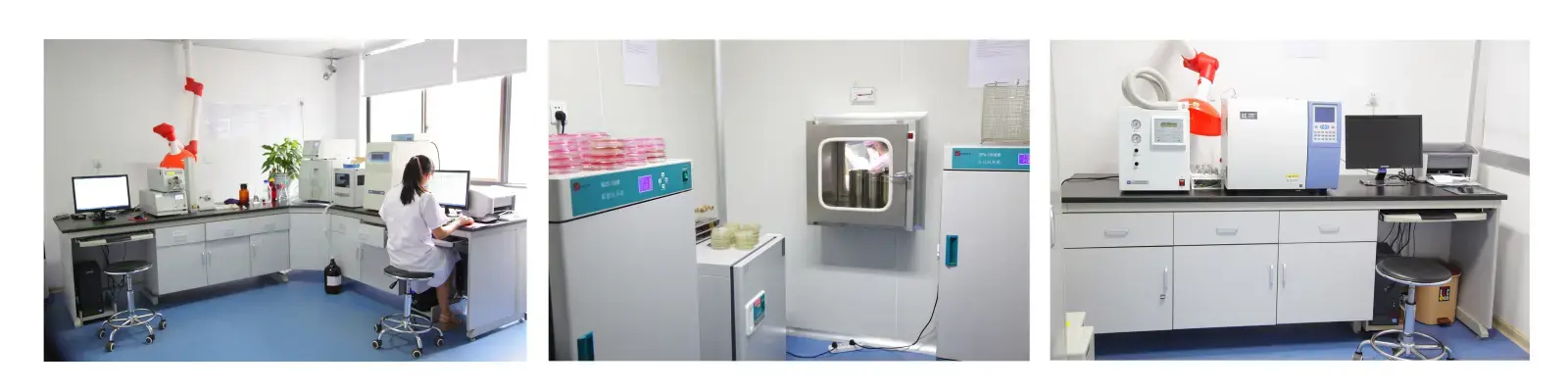
Health Benefits and Functional Properties of Blue Spirulina Phycocyanin
Scientists have proven that phycocyanin has a number of useful properties. Because of these qualities, it's a good choice for use in many items, from sports nutrition to anti-aging skin care.
Antioxidant Capacity and Free Radical Defense
Blue Spirulina Phycocyanin is a very strong antioxidant because it can get rid of reactive oxygen species. This is due to a phycocyanobilin chromophore that helps cells deal with oxidative stress by giving them electrons. This means that nutrition brands have to come up with recipes that help cells stay healthy and deal with oxidative imbalance problems without using products that were made in a lab.
The chemical is a strong antioxidant, which makes it useful for sports nutrition items that help busy people who are exposed to oxidative stress through exercise. People who make products can market supplements with phycocyanin as ways to help people heal, which will help their goods stand out in crowded marketplaces.
Anti-Inflammatory Properties for Wellness Applications
Researchers say that phycocyanin can lower inflammation by stopping some of the processes that cause inflammation. This feature can help people who make products that are good for their health or that they need to keep up with every day. The story of how the product came to be naturally and its proven bioactivity make for interesting marketing stories that appeal to health-conscious customers looking for plant-based choices.
Cosmetic Applications and Skin Health Support
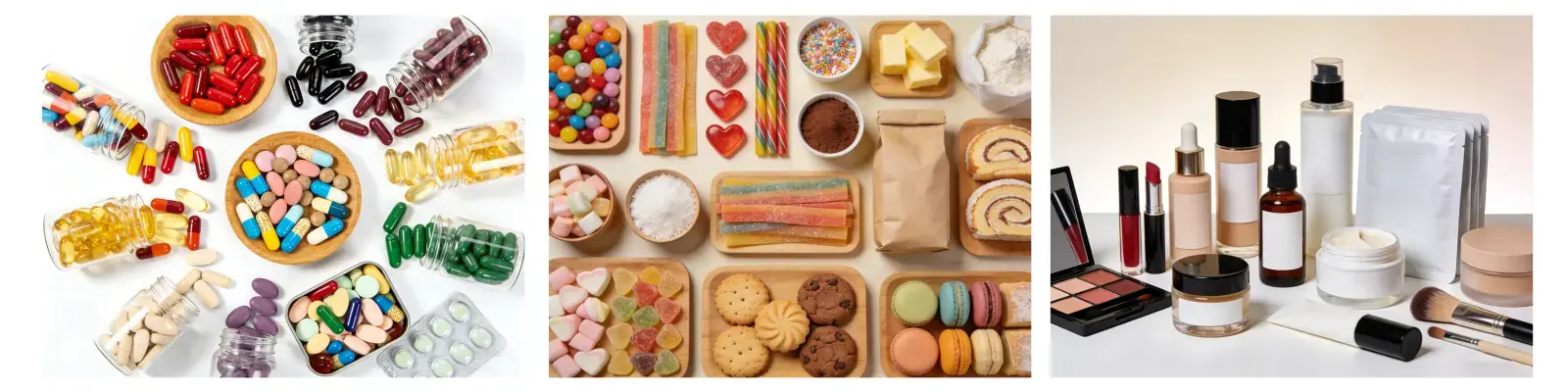
Phycocyanin is useful for more than just food. It is also useful in makeup. The antioxidants in it help skin care products protect the skin, and the blue color makes face masks, serums, and other specialized skin care items more interesting to look at. Cosmetic chemists like that it can be used as both an active ingredient and a natural colorant.
The protein structure of phycocyanin changes how the product feels and may help the skin's defense system when put on the skin. There are a lot of natural cosmetic names on the market, and phycocyanin helps them stand out. It also has clean label properties that buyers want from botanical actives.
By knowing these useful traits, R&D teams can carefully put things into a lot of different groups. Some examples are vitamins for immune health, sports diet, and high-end skin care brands.
Quality and Purity: Choosing the Right Blue Spirulina Phycocyanin for Your Business
If you want to buy something, you should carefully look at the quality standards, certifications, and style choices that work with the company's production skills and meet government standards.
Certification Standards and Compliance Assurance
To get into world markets, high-quality Blue Spirulina Phycocyanin has to pass strict approval processes. Some food items, like those that are NSF GMP, Kosher, Halal, ISO, FSSC22000, or Organic, come with the paperwork that many places need to follow the rules. With these licenses, you can be sure that strict quality control measures are in place from the time the raw materials are gathered to the time they are packed.
Health food and other items meant to be used with drugs must be made in a way that follows Good Manufacturing Practices. Companies that buy from suppliers with full approval profiles find it easier to follow the rules. This speeds up the process of putting new goods on the market.
Purity Grades and Specification Considerations
Phycocyanin sold in stores comes in different amounts of purity, which can be seen by the color value (E-value) at different wavelengths. The pigments and vitamins are more concentrated when the E-value is higher. With these specs, formulators can figure out exact amounts while keeping costs as low as possible.
By setting a norm for phycocyanin content, all production runs will be the same. This is very important for people who want to keep the quality of their products good. It is easy to tell how pure the goods really are compared to what the sellers say they are when you ask for certificates of analysis and standard sheets.
Format Options and Application Suitability
Most of the time, phycocyanin is sold as a powder in 25 kg drums, which are good for making a lot of it. One way this style can be used is to put vitamins and minerals in pills. Another way is to add them to drink powders and makeup bases. The powder is easy to mix with water because it melts quickly. You don't need any special tools to do this.
Phycocyanin usually has a minimum order size of 25 kg. Small to medium-sized businesses can use it to test out new recipes, and big names can still use it because they need a steady supply. Formulators can make sure that the two work together before they buy the full version because there are free demos available. This lowers the chances of growth and makes sure the recipe works.

Comparative Overview: Blue Spirulina Phycocyanin vs Other Algae and Antioxidants
To buy strategically, you need to know how Blue Spirulina Phycocyanin compares to other ingredients in terms of what it is made of, how useful it is, and where it fits in the market.
Phycocyanin Versus Whole Spirulina Powder
They both come from Spirulina Platensis, but they are made in very different ways and have very different things in them. Whole spirulina powder tastes and looks different because it has a special green-blue color, and it has the whole cell structure, which includes chlorophyll. The blue color that was taken out of this structure is called phycocyanin. Some people might not find it as helpful because it doesn't taste or look good, but it's good for you in many ways.
This difference is important when the way something looks is important, like when making high-end drinks or makeup. The bright blue color and bland taste of spirulina can be kept by formulators using phycocyanin to get to the healthy parts.
Comparison with Chlorella and Other Algae Extracts
Another well-known microalgae is Chlorella, which is made up of different chemicals. It is a plant that has a lot of chlorophyll and nucleic acids. It's good for you in many ways, but it's not blue like phycocyanin and doesn't have as many antioxidants. Phycocyanin is better than chlorella for businesses that want to make products that look good or make specific health claims.
Positioning Against Synthetic Colorants and Antioxidants
The market is strongly going toward natural blues instead of man-made ones like Brilliant Blue FCF. Phycocyanin meets this need and has other useful properties besides coloring. People in high-end markets who carefully read ingredient labels and place a high value on plant sources will find this two-for-one deal interesting.
Because it comes from plants and is made of proteins, phycocyanin is different from antioxidants that are made in a lab. This can help brands build their image for using clean labels. The fact that it can be extracted with just water makes it even more appealing to cooking teams that want to use ingredients that come from natural sources.
Procurement Guide: Sourcing High-Quality Blue Spirulina Phycocyanin for Your Business
Good sourcing strategies take into account business issues, quality control, and the reliability of the supply chain to make sure that a relationship lasts for a long time.
Identifying Reliable Manufacturing Partners
The most important things to look at when judging a provider are their ability to make things, their quality control methods, and their compliance with rules. If a company has its own production sites with cutting-edge extraction equipment, it has a better handle on quality security than middlemen or traders. Trust in the supply chain grows when manufacturing is open and honest, like when there are site checks and process records.
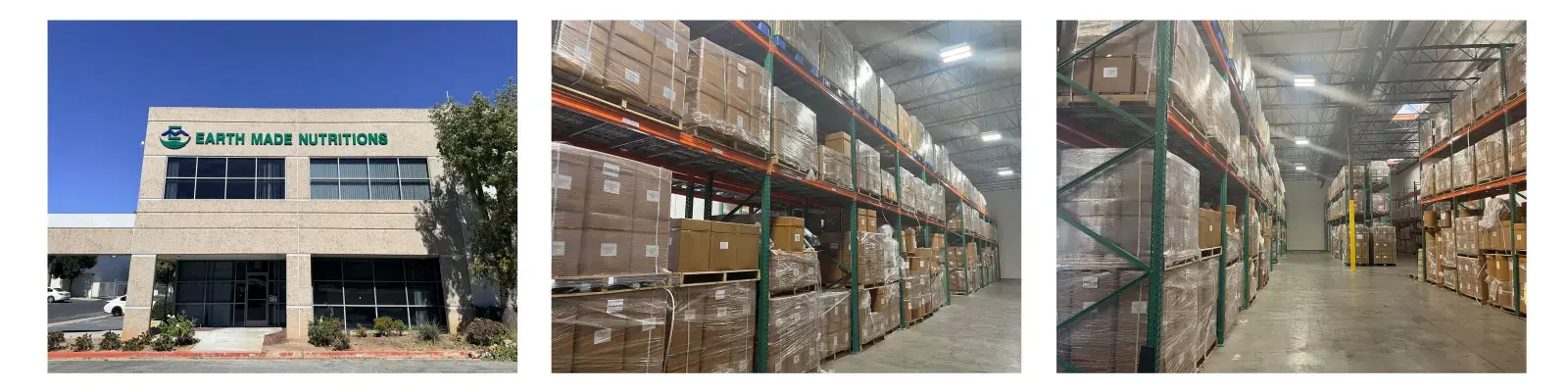
The company Earth Made Nutritions Inc. was set up in 2018 and is based in California. It has its own modern plant with state-of-the-art extraction tools that make sure production runs smoothly, and goods are of the same high quality from start to finish. There is less work in the supply chain because of this vertical merger, and quality is checked at every stage of production.
Logistics and Supply Chain Optimization
Shipping times and handling goods are affected by domestic warehousing in a big way. With multiple warehouses in the U.S., suppliers can offer fast delivery, often within two days. This lowers the risk of running out of stock and helps just-in-time manufacturing tactics work. When it comes to transportation, this edge helps keep track of working capital and lowers the cost of storage at customer sites.
Manufacturing processes can adapt quickly to changes in the market or the production plan because Blue Spirulina Phycocyanin goods are always in stock and can be picked up quickly. When picking a service, knowing how long the wait times are and what kinds of items are offered keeps production from stopping further down the line.
Quality Verification and Sample Evaluation
By asking for free samples, you can fully test how well they work with certain methods before making big purchases. Samples should be looked at to see how well they melt, how stable the color is in the conditions that will be used for processing, and how the finished goods smell and taste. The mixture is less likely to go wrong, and this basic testing backs up what the seller says about the product specs.
Because these are food items, it's important to think about the purity grades, bacterial safety, and heavy metal tests that come with them. The certificate of analysis backs these up. In order to set clear performance standards for long-term supply partnerships, it is important to set quality standards early on through sample review.
Conclusion
Companies that want to keep up with changing customer tastes for natural, useful products are starting to use Blue Spirulina Phycocyanin more and more. It is more than just a colorant because it has been shown to be an antioxidant and can be used in many health, beauty, and useful foods. It is an ingredient that can be used for many things and backs up many product claims. There are many licensing options for the compound, and more and more research is being done on it. This makes it a good deal for formulators who want to stand out in busy markets. When buying teams look at different ingredient portfolios, phycocyanin gives them the quality, stability, legal compliance, and functional performance they need to make products that work well in a number of different industry groups.
Frequently Asked Questions
1. What distinguishes phycocyanin from regular spirulina supplements?
The blue color that is taken out of spirulina cells and kept separated is called phycocyanin. Plain spirulina has all the parts of a cell, like chlorophyll, proteins, fats, and carbs. This way of extracting concentrates the blue color and the vitamins that go with it. It also gets rid of the strong taste and green color that come from spirulina that is whole. So, there is a more adaptable ingredient that can be used in high-end drinks, sweets, and makeup where a neutral taste and bright blue color are needed.
2. How should businesses evaluate phycocyanin quality when selecting suppliers?
There are many things that can be used to judge the quality of something, such as certifications (NSF GMP, Organic, ISO, FSSC22000), purity standards (measured by E-values), how open the production process is, and proof that each batch has been tested. One objective way to make sure that the claims about the standards are correct is to ask for proof of analysis. Also, checking the production skills of suppliers and seeing if they own their own plants or buy from other businesses can affect how stable the quality is and how reliable the supply chain is. Before you buy a lot of it, you should try a taste in the area where you will be using it to make sure that it works well.
Partner with a Trusted Blue Spirulina Phycocyanin Supplier
The good Blue Spirulina Phycocyanin sold by Earth Made Nutritions Inc. comes from Spirulina Platensis and is made using water-based methods. Their goods meet the standards of NSF GMP, Kosher, Halal, ISO, FSSC22000, and Organic. Our advanced research and development (R&D) center and four strategically placed U.S. stores are based in California. These stores make sure that orders are brought quickly, usually within two days of being made. We offer a variety of flexible ways to buy, with a minimum order amount of 25 kg, and we give away free samples so that you can try out different formulas. Because we care about making things in an eco-friendly and long-lasting way, brands that want to work with honest and reliable providers can do so. You can email our team at info@em-herb.com to talk about your phycocyanin needs and get more information, or to set up sample packs for your next product idea.
References
1. Romay, C., et al. "Phycocyanin: A Biliprotein with Antioxidant, Anti-inflammatory and Neuroprotective Effects." Current Protein and Peptide Science, vol. 4, no. 3, 2003, pp. 207-216.
2. Benedetti, S., et al. "Antioxidant Properties of a Novel Phycocyanin Extract from the Blue-Green Alga Aphanizomenon flos-aquae." Life Sciences, vol. 75, no. 19, 2004, pp. 2353-2362.
3. Riss, J. et al. "Phycobiliprotein C-Phycocyanin from Spirulina platensis is Powerfully Responsible for Reducing Oxidative Stress and NADPH Oxidase Expression." Journal of Agricultural and Food Chemistry, vol. 55, no. 18, 2007, pp. 7962-7967.
4. Bhat, V.B. and Madyastha, K.M. "C-Phycocyanin: A Potent Peroxyl Radical Scavenger In Vivo and In Vitro." Biochemical and Biophysical Research Communications, vol. 275, no. 1, 2000, pp. 20-25.
5. Eriksen, N.T. "Production of Phycocyanin—A Pigment with Applications in Biology, Biotechnology, Foods and Medicine." Applied Microbiology and Biotechnology, vol. 80, no. 1, 2008, pp. 1-14.
6. Sekar, S. and Chandramohan, M. "Phycobiliproteins as a Commodity: Trends in Applied Research, Patents and Commercialization." Journal of Applied Phycology, vol. 20, no. 2, 2008, pp. 113-136.