- English
- French
- German
- Portuguese
- Spanish
- Russian
- Japanese
- Korean
- Arabic
- Irish
- Greek
- Turkish
- Italian
- Danish
- Romanian
- Indonesian
- Czech
- Afrikaans
- Swedish
- Polish
- Basque
- Catalan
- Esperanto
- Hindi
- Lao
- Albanian
- Amharic
- Armenian
- Azerbaijani
- Belarusian
- Bengali
- Bosnian
- Bulgarian
- Cebuano
- Chichewa
- Corsican
- Croatian
- Dutch
- Estonian
- Filipino
- Finnish
- Frisian
- Galician
- Georgian
- Gujarati
- Haitian
- Hausa
- Hawaiian
- Hebrew
- Hmong
- Hungarian
- Icelandic
- Igbo
- Javanese
- Kannada
- Kazakh
- Khmer
- Kurdish
- Kyrgyz
- Latin
- Latvian
- Lithuanian
- Luxembou..
- Macedonian
- Malagasy
- Malay
- Malayalam
- Maltese
- Maori
- Marathi
- Mongolian
- Burmese
- Nepali
- Norwegian
- Pashto
- Persian
- Punjabi
- Serbian
- Sesotho
- Sinhala
- Slovak
- Slovenian
- Somali
- Samoan
- Scots Gaelic
- Shona
- Sindhi
- Sundanese
- Swahili
- Tajik
- Tamil
- Telugu
- Thai
- Ukrainian
- Urdu
- Uzbek
- Vietnamese
- Welsh
- Xhosa
- Yiddish
- Yoruba
- Zulu
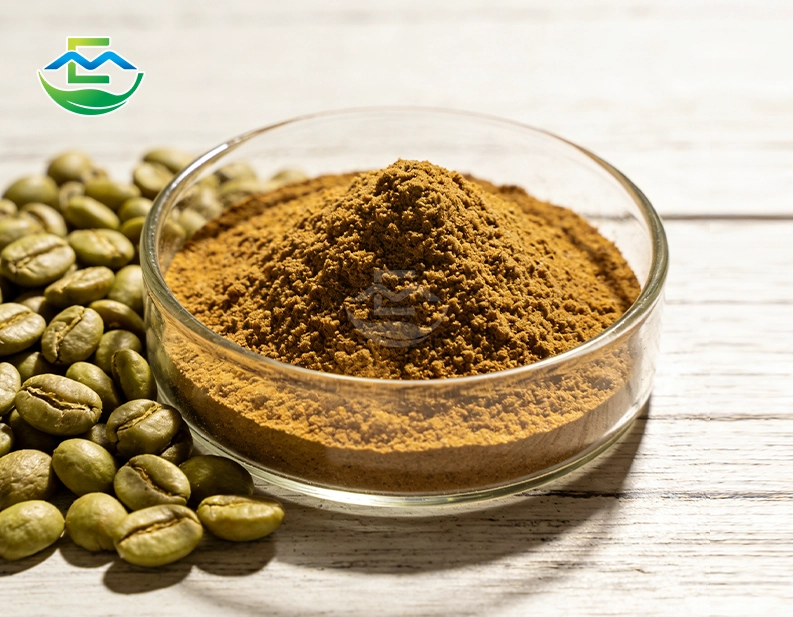
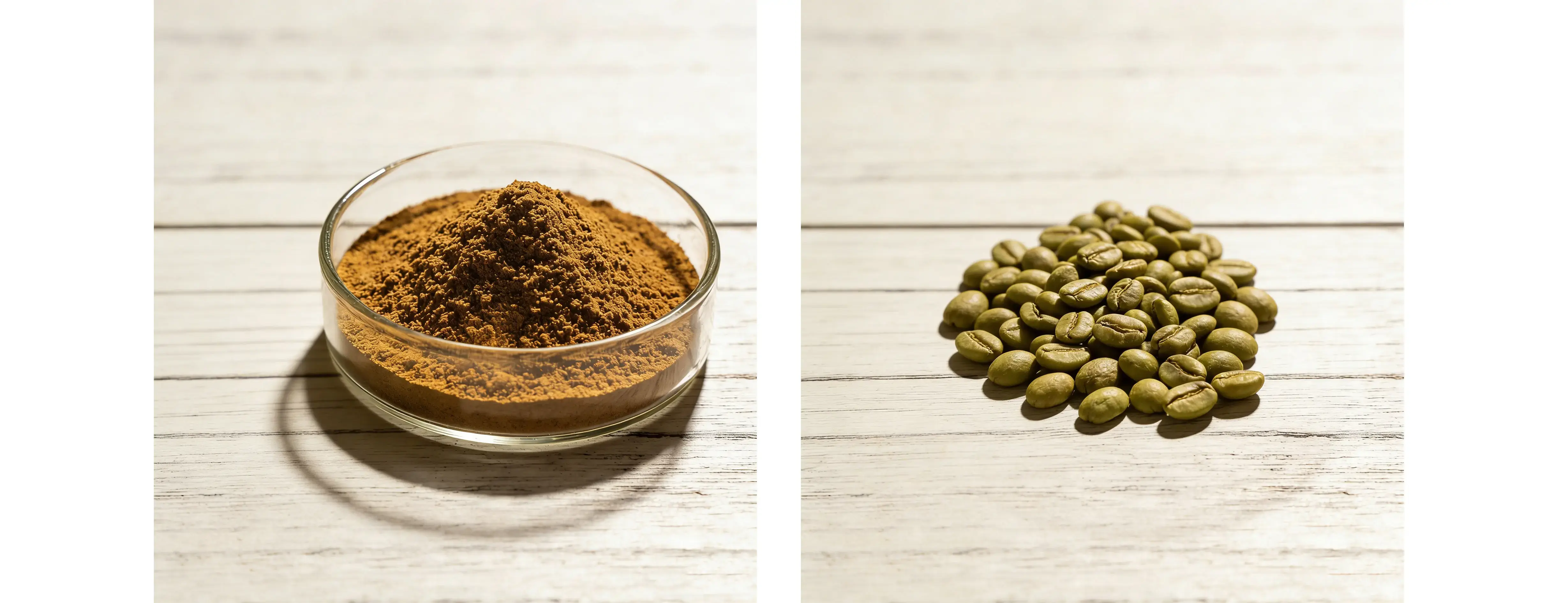
To find your way around the complicated world of Green Coffee Bean Extract powder suppliers, you need to know how to spot quality signs, what suppliers can do, and what the application needs. This plant-based ingredient comes from unroasted Coffea arabica beans and provides concentrated chlorogenic acids that are needed in nutrition products. To get reliable goods, smart buying teams look at things like extraction methods, standardization levels, and compliance certifications. Technical know-how, regular quality control, and following the rules in all global markets are necessary for sourcing agreements to work.
Understanding Green Coffee Bean Extract Quality Specifications
To be great at procurement, you need to be able to spot the quality standards that set expensive extracts apart from average ones. The main way to tell if something is good is by how much chlorogenic acid it has. For most uses, amounts between 45% and 50% are ideal. The extraction fluid system has a big effect on both purity and absorption. For example, water-ethanol extraction methods usually give better results than processes that only use water.
The spread of particle sizes affects both the rate of dissolution and the compatibility of the mixture. Professional-grade extracts always have mesh sizes that are between 80 and 120, which makes sure that they mix evenly when making capsules and tablets. The moisture level should stay below 5% to keep microbes from growing and to keep the powder's flowability while it's being processed.
In today's regulatory world, heavy metal standards need extra care. Cadmium and mercury should both be less than 0.1 ppm, and lead should not be more than 0.5 ppm. These factors have a direct effect on market entry in different regulatory areas. For global distribution plans to work, compliance paperwork is a must.
Evaluating Supplier Manufacturing Capabilities
Leading sellers are different from commodity companies because they use more advanced extraction technologies for green coffee bean extract powder. Supercritical CO2 extraction systems keep the delicate phytochemicals while getting rid of the solvents that are left over from older methods. Temperature-controlled handling keeps heat-sensitive chemicals from breaking down, so they stay effective throughout the manufacturing process.
Quality management systems show how reliable and complex operations can be. NSF GMP certification shows that standards for pharmaceuticals are being met, and FSSC22000 certification confirms that food safety rules are being followed. These two licenses, Kosher and Halal, open up new market possibilities, especially for religiously strict consumers.
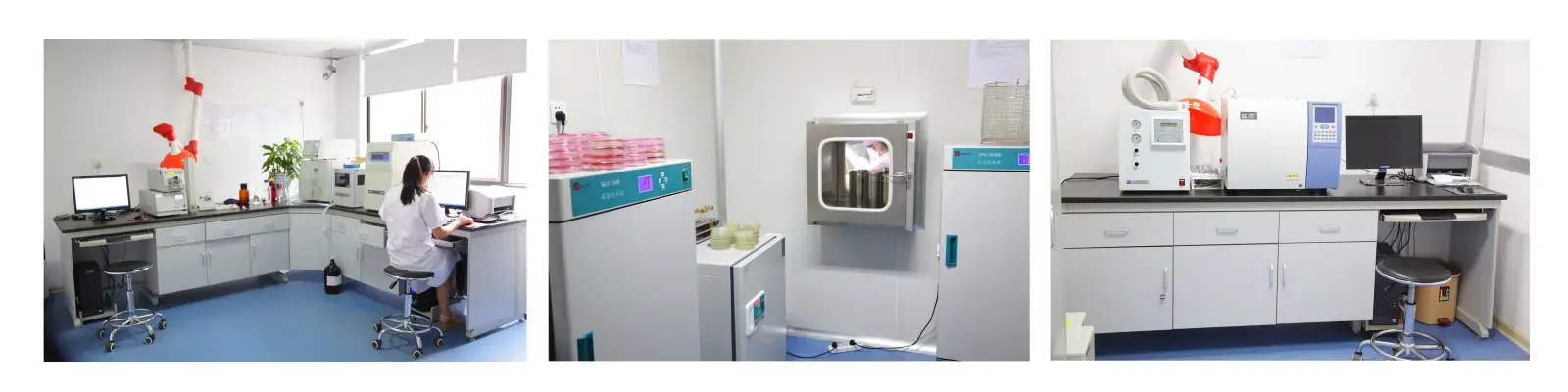
Testing laboratory capabilities indicate supplier commitment to quality assurance. In-house HPLC analysis for measuring chlorogenic acid, bacterial testing suites, and heavy metal detection tools are all signs of high-quality infrastructure. Independent labs that do third-party checking give scientific claims and regulatory submissions more weight.
Transparency in the supply chain is becoming more and more important as customers demand ethical ways to source goods. Traceability systems that follow raw materials from the farm to the finished product back up clean label programs and ethical sourcing claims that brands that care about the environment will like.
Regulatory Compliance and Documentation Requirements
When you trade internationally, you need to send a lot of paperwork to help register your goods, green coffee bean extract powder, and get them through customs. Each package must come with a Certificate of Analysis (CoA) that lists the analytical results for important factors like purity, strength, and safety marks. For manufacturing processes that come after, these papers are proof of quality and legal requirements.
Being GRAS (Generally Recognized as Safe) makes it easier to sell food and drinks in the United States. Providing GRAS paperwork by suppliers speeds up the legal processes for customers, which lowers the time it takes for new products to hit the market. In the same way, Novel Food approvals make it easier for supplement companies that want to sell their products all over the world to get into the European market.
Certifications that are organic command higher prices and meet the needs of consumers who want clean labels. Different kinds of approvals, like USDA Organic, JAS Organic, and EU Organic, need different kinds of paperwork and checks. Suppliers with multiple organic certificates show they are committed to meeting the needs of a wide range of markets and providing excellent business excellence.
Manufacturers are protected from responsibility by allergen labels, which also keep customers safe. Cross-contamination problems that could lead to expensive recalls and brand damage can be avoided by doing thorough allergy testing and keeping records. Gluten-free approvals are especially helpful for supplement makers who want to reach celiac and gluten-sensitive people.

Application-Specific Sourcing Considerations
Weight loss products are the biggest market for green coffee extracts, which need to have certain useful qualities. Formulations that speed up the metabolism work better with ingredients that keep 8 to 12 percent of their natural caffeine content. These specs back up claims that they increase energy and give people what they expect from fat burners: the ability to curb hunger.
For antioxidant uses, green coffee bean extract powder, with different quality standards needed, with absorption and polyphenol stabilization being the most important. Formulas for controlling blood sugar need extracts that have been shown to affect glucose metabolism in a way that is backed up by clinical study and normal levels of potency. These apps are usually made for areas that need pharmaceutical-grade quality standards, like managing diabetes and heart health.
Beverage applications present unique solubility and stability challenges. Extracts that dissolve in water keep liquid mixtures clear, which is important for getting people to buy them. To keep pH stable across acidic drinking systems, bioactive chemicals must be kept without affecting taste profiles. This can only be done with special processing methods.
Topical formulas used in cosmetics take advantage of the natural qualities that help the metabolism and reduce inflammation. When compared to oral vitamins, these uses need different particle sizes and processing methods. This means that suppliers need to be flexible and have technical knowledge across a number of different production platforms.

Cost Optimization and Supply Chain Management
Cost-effectiveness, quality standards, and supply stability must all be taken into account in procurement plans. When you buy in bulk, you can usually get better prices and make sure that you always have what you need during times of high demand. But because of storage issues and managing shelf life, it's important to plan your supplies carefully to avoid waste and quality loss.
Geographic diversity lowers the risks in the supply chain and makes the best use of transportation costs. Suppliers who keep their goods in key places can cut down on shipping times and costs while also giving customers backup supply choices in case of problems. For just-in-time manufacturing processes that need flexible shipping schedules, local warehouse networks are very helpful.
Changes in the value of the dollar have an effect on the total cost of procurement, green coffee bean extract powder, especially for ties with foreign suppliers. Forward contracts and currency trading help keep prices stable and protect profit margins from changes in the value of the dollar. Through volume promises and strategic pricing deals, long-term relationships often protect natural currencies.
Consistency in quality has a direct effect on how well products are made and how happy customers are. Suppliers who can show batch-to-batch regularity don't have to make as many changes to the recipe or do as many quality control tests. This regularity means that production costs are lower, and the result is more reliable across production runs.
Building Strategic Supplier Partnerships
Transactional providers are different from strategic partners because they don't offer technical help. Formulation help, help with stable tests, and legal advice are all very useful in addition to providing the product itself. These services shorten the time it takes to create a product while lowering the need for specialized knowledge in-house.
Innovation partnership chances increase the number of ways that products can be made and give companies a competitive edge. When suppliers put money into research and development, they often give customers early access to new extraction methods, better specs, and new uses. These agreements help the industry move forward and give forward-thinking brands chances to stand out.
Communication methods and relationship management tools make sure that things run smoothly, green coffee bean extract powder, and problems are solved quickly. Regular technology reviews, quality checks, and performance reviews keep service standards high and find ways to make things better. Communicating ahead of time keeps small problems from growing into big supply problems.
As being environmentally responsible becomes a competitive advantage, sustainability programs have a bigger impact on the choice of suppliers. Suppliers that use green energy systems, programs to cut down on waste, and ethical sourcing practices are in line with business social responsibility goals and back up marketing claims that customers will believe.
Conclusion
For green coffee bean extract sourcing to go well, quality standards, supplier skills, and legal compliance standards need to be carefully looked at. Strategic relationships with highly advanced suppliers give businesses a competitive edge by ensuring uniform quality, dependable supply lines, and ongoing support for new ideas. Spending money on good sourcing ties pays off in the form of lower manufacturing risks, better product performance, and a better place in the market. Smart buying teams know that choosing the right provider affects every part of a product's success, from how well it's developed to how happy customers are with it.
Partner with Us for Premium Green Coffee Bean Extract Solutions
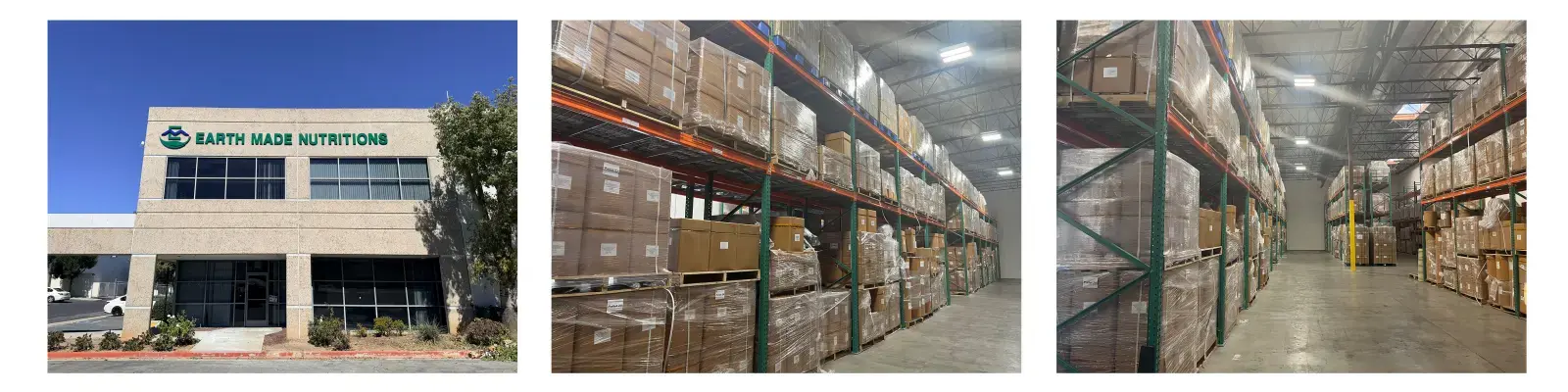
Earth Made Nutritions Inc. delivers pharmaceutical-grade green coffee bean extract powder through our California-based operations and nationwide warehouse network. Our 50% chlorogenic acid standardized extracts meet rigorous NSF GMP, FSSC22000, and organic certifications. Connect with our technical team at info@em-herb.com to discuss your specific sourcing requirements and discover how our sustainable extraction processes support your formulation goals.
References
1. Smith, J.M. & Rodriguez, A.L. (2023). "Quality Assessment Protocols for Botanical Extract Procurement in Nutraceutical Manufacturing." Journal of Natural Products Sourcing, 15(3), 124-138.
2. Chen, L.K., Thompson, D.R. & Wilson, M.P. (2022). "Regulatory Compliance Strategies for International Green Coffee Extract Trade." Global Food Safety Review, 8(7), 89-102.
3. Martinez, S.E. & Kumar, R.S. (2023). "Supply Chain Risk Management in Botanical Ingredient Procurement." International Journal of Nutraceutical Business, 12(4), 67-81.
4. Anderson, K.J., Brown, T.A. & Lee, H.C. (2022). "Extraction Technology Impact on Chlorogenic Acid Stability in Commercial Applications." Food Processing Technology Quarterly, 29(2), 234-247.
5. Johnson, P.B. & Williams, C.M. (2023). "Cost Optimization Strategies in Premium Botanical Extract Sourcing." Procurement Management Today, 18(6), 156-169.
6. Davis, R.L., Zhang, W.F. & Miller, S.J. (2022). "Sustainable Sourcing Practices in the Global Coffee Extract Industry." Environmental Business Review, 21(9), 78-94.