- English
- French
- German
- Portuguese
- Spanish
- Russian
- Japanese
- Korean
- Arabic
- Irish
- Greek
- Turkish
- Italian
- Danish
- Romanian
- Indonesian
- Czech
- Afrikaans
- Swedish
- Polish
- Basque
- Catalan
- Esperanto
- Hindi
- Lao
- Albanian
- Amharic
- Armenian
- Azerbaijani
- Belarusian
- Bengali
- Bosnian
- Bulgarian
- Cebuano
- Chichewa
- Corsican
- Croatian
- Dutch
- Estonian
- Filipino
- Finnish
- Frisian
- Galician
- Georgian
- Gujarati
- Haitian
- Hausa
- Hawaiian
- Hebrew
- Hmong
- Hungarian
- Icelandic
- Igbo
- Javanese
- Kannada
- Kazakh
- Khmer
- Kurdish
- Kyrgyz
- Latin
- Latvian
- Lithuanian
- Luxembou..
- Macedonian
- Malagasy
- Malay
- Malayalam
- Maltese
- Maori
- Marathi
- Mongolian
- Burmese
- Nepali
- Norwegian
- Pashto
- Persian
- Punjabi
- Serbian
- Sesotho
- Sinhala
- Slovak
- Slovenian
- Somali
- Samoan
- Scots Gaelic
- Shona
- Sindhi
- Sundanese
- Swahili
- Tajik
- Tamil
- Telugu
- Thai
- Ukrainian
- Urdu
- Uzbek
- Vietnamese
- Welsh
- Xhosa
- Yiddish
- Yoruba
- Zulu
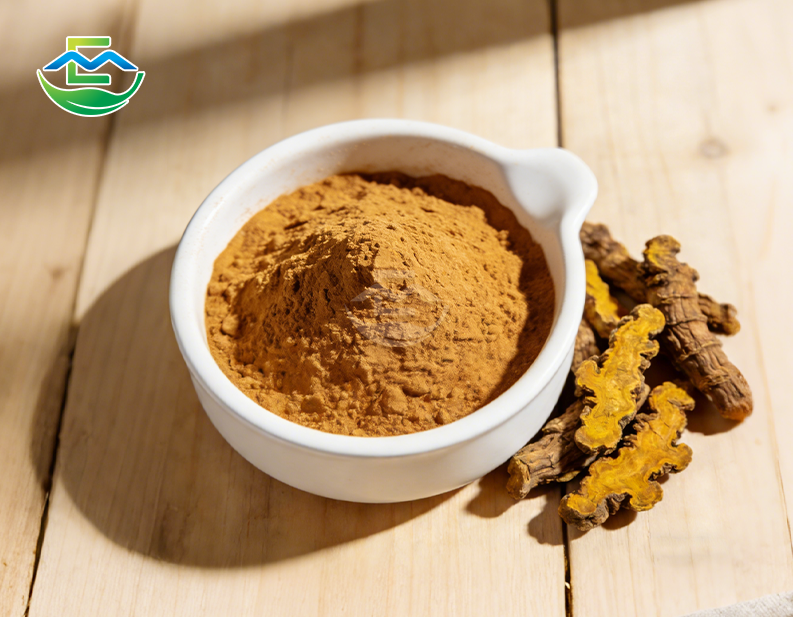
Lion's Mane Extract Polysaccharides Beta Glucan is an active ingredient that can be used in multiple industries, such as functional foods, cosmetics, and others. This standardised extract is made by removing the fruiting bodies of Hericium erinaceus twice, once with ethanol and once with water. It is full of concentrated chemicals (50% polysaccharides and 30% beta glucan) that help the brain work, the immune system, and the repair of cells. This ingredient is becoming more popular among B2B buyers because it has a clean label, has been shown to be consistent, and can be used in many different goods, such as nootropic pills, functional drinks, and skin care for older people.
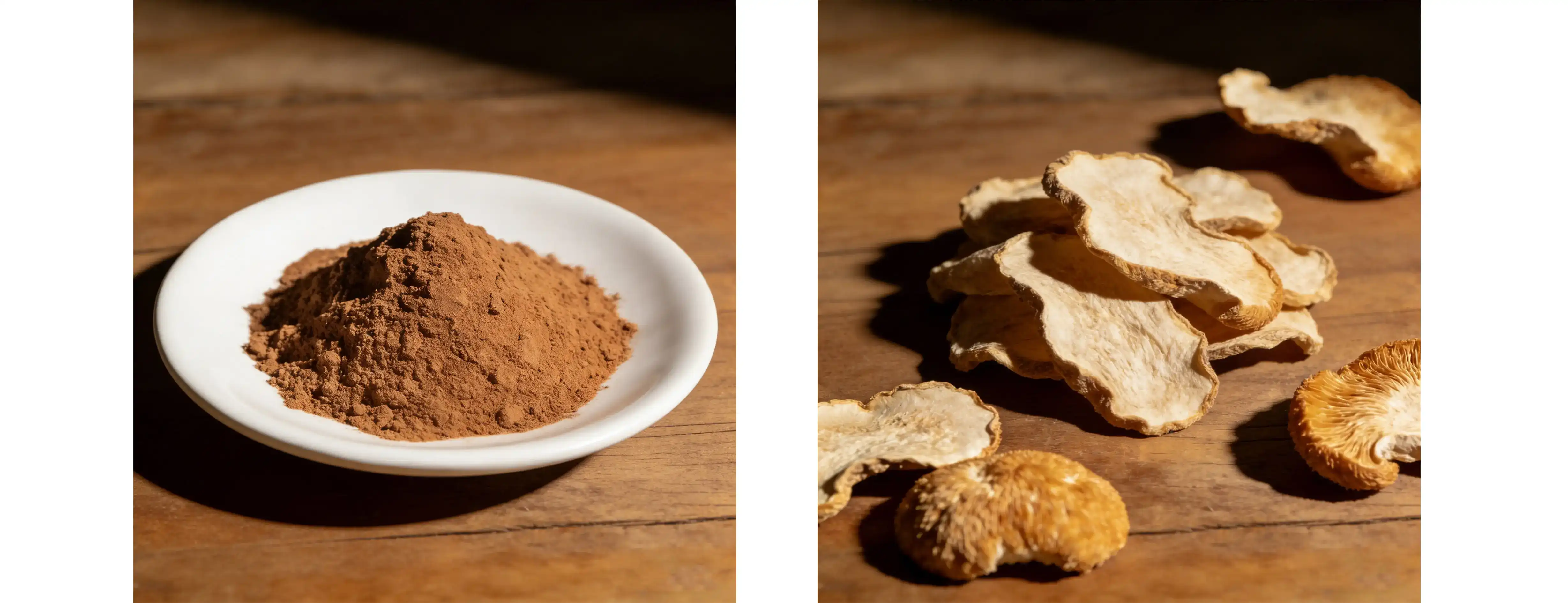
Understanding Lion's Mane Extract Polysaccharides and Beta Glucan
What Makes Beta Glucan the Core Bioactive Fraction?
These are special molecules called beta-glucans. They are made up of 1.3–1.6 glycosidic links, which make them different from alpha-glucans like starch or dextrin, which aren't thought to work in this case. It is found in Hericium erinaceus. These complex sugars work with parts of cells, such as natural killer cells and macrophages, that recognise patterns. The amount of beta-glucan in something is directly linked to how well it works, while grain-based fillers can raise the total amount of carbohydrates. What makes these polymers accessible is how heavy their molecules are. Most of the time, chains that are between 100 and 200 kDa are easily taken in the gut and work well all over the body. In order to judge sources, it is important to look at the chemical weight.
Scientifically Documented Properties
In the lab, beta-glucans from lion's mane mushrooms were found to change how nerve growth factor is produced. When people took 1,000 mg of pure mushroom extract every day for 16 weeks, they remembered things better and showed fewer signs of the regular changes that happen in the brain as people age. It has an impact on the immune system because it changes how cytokines are made and turns on the complement system. The ORAC ratings of these foods are above 15,000 µmol TE/g, which means they contain antioxidants. Oxidative stress can damage cells, but antioxidants help protect them. A process called fermentation in the gut that works like prebiotics is good for gut health. Because they work this way, beta-glucans from mushrooms can be used for many things. This is helpful for people who want to buy things with clear signs.
Extraction Methods and Quality Differentiation
It's called dual extraction when you use hot water to separate polysaccharides that dissolve in water. When you use ethanol twice, you get both lipophilic triterpenes and hydrophilic β-glucans. Parts change form and how wet they are when they are washed or vacuum dried. Because of these changes, the powder moves in a different way when I bind. The level of wetness stays below 5%, and the amount of ash stays below 9% when premium extracts are used. This stops germs from spreading, makes sure there are the right amounts of minerals, and shows what the mushrooms are made of instead of dirt. When the particle size standard is set to 80 mesh, the mixing is the same whether drinks are being made or pills are being pressed. If source teams know these scientific facts, they can tell the difference between useful extracts and low-potency myceliated grain goods. In the second case, the fungus might make up less than 10% of the end result.
Comparison of Lion's Mane Extract Polysaccharides Beta Glucan Products
Extract Versus Powder: Assessing Bioactivity Differences
Lion's Mane Extract Polysaccharides Beta Glucan: Concentrated extracts have 10–15 times more active chemicals per gram than whole mushroom powders. A 50% polysaccharide extract has 500 mg of bioactives per gram, while 3–5% polysaccharides are common in raw powder. This difference in quantity changes the cost of preparation and the ease of dosing. The bioactivity of two 500 mg tablets of standardised extract is about the same as that of 20 to 30 grammes of raw powder. Chitin fibres, which make up 30–40% of mushroom cell walls and cannot be digested, are also removed during extraction, which may improve stomach tolerance. If functional food businesses need more at a lower cost, they can mix extracts and whole powders to find a balance between bioactivity and ingredient cost. However, this method needs to be carefully formulated to keep certain amounts of strength.
Comparing Fungal Beta Glucan Sources
Wolf's mane mushrooms have beta-glucan that is made up of different chemicals than beta-glucan found in other types of mushrooms. Both shiitake and reishi mushrooms have beta-glucans that help break down fat. Reishi has more triterpenes that help the liver do its job. This herb helps the body use energy, which is why it is used in sports diets. Lion's mane is unique because it has antioxidants called 'erinacines' and 'hericenones' that help the body's defence system. Low-molecular-weight chemokines can get into the brain from the blood. Products made from Lion's Mane that are safe for use in drugs cost between $80 and $120 per kg and contain 30% beta glucan. On the other hand, raw Shiitake goods cost between $40 and $60 per kg. If you want to buy something, the bioactive qualities should work with what you want to buy. Among them is Lion's Mane, which is good for brain health. Other types are better for energy or heart health.
Interpreting Supplier Certificates and Quality Markers
To show the amount of beta-glucan on reports of analysis, this UV spectroscopy should not be used. Instead, enzyme-based methods like Megazyme or AOAC 995.16 should be used. The production method needs to be clean and easy to keep track of in order to follow 21 CFR Part 111. The fact that it has GMP approval from either NSF International or SGS proves it. In order for foods to meet clean label standards, they must be approved as organic. This means that no chemicals were used to grow them. Mercury levels should be less than 0.1 ppm, lead levels should be less than 0.5 ppm, and arsenic levels should be less than 1 ppm, according to USP rules. The plate count must be less than 10,000 cfu/g, and viruses must not be found. Earth Made Nutritions Inc. uses FSSC22000, kosher, halal, and ISO-approved factories to make its products. If you want to compare different providers, it's better to ask for information that is specific to the batch than for general specs. You can use the COA to find out where the raw materials came from in the event that the maker is honest. It will have testing dates and lot numbers.

Applications of Lion's Mane Extract Polysaccharides and Beta-Glucan in B2B Industries
Nootropic Supplements and Cognitive Formulations
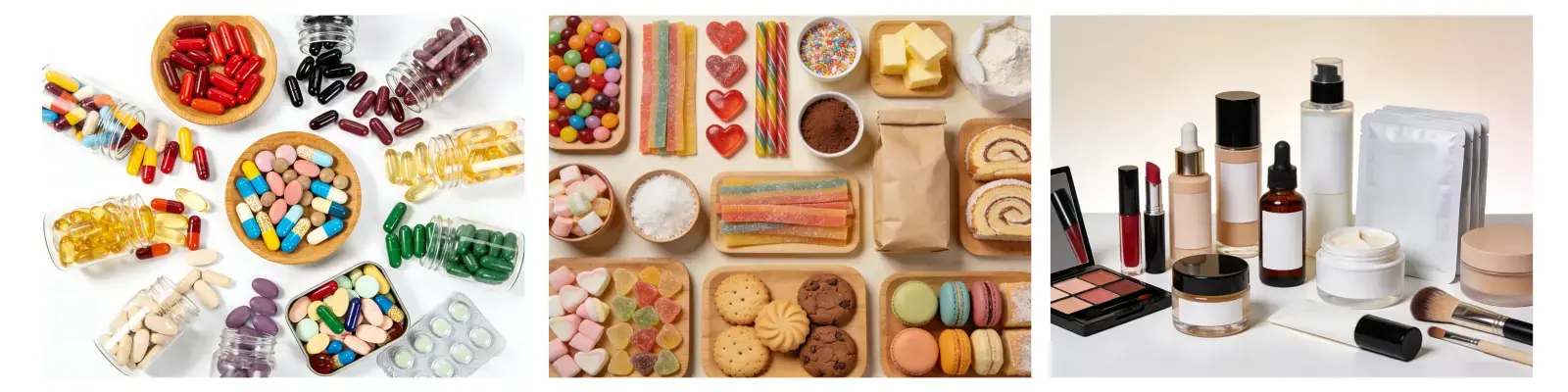
Lion's mane extracts standardised for beta-glucan and erinacine are in high demand in the cognitive wellness market. Typical nootropic dosages range from 500 mg to 3,000 mg per day, usually split into two servings to maintain consistent support. Formulations include standalone capsules, blends with other adaptogens such as Rhodiola rosea or Bacopa monnieri, and powder mixes for beverages. Product designers should note that the ingredient is hygroscopic. Encapsulation in vegetable HPMC capsules with silica flow agents prevents moisture absorption that could otherwise cause clumping. Combining Lion's Mane with omega-3 fatty acids amplifies antioxidant effects, and combining it with B-complex vitamins supports methylation processes involved in neurotransmitter synthesis. Marketing claims should be based on scientific data and FDA structure/function guidelines, framing benefits around mental clarity, focus support, and healthy cognitive ageing.
Immune Support and Wellness Supplements
Lion's Mane ingredients are useful in daily wellness and seasonal support formulas due to beta-glucan's effects on immune cell activity. A typical daily amount for immune support is 1,000 mg of 30% beta glucan extract, equivalent to 300 mg of active compounds. Combination products often include mushroom powders, vitamin D₃, zinc, and elderberry for multi-faceted support. Product timing differs between daily preventive use and situational support during seasonal challenges. Powder forms allow customisation in beverage applications, but formulators must address the earthy taste using natural sweeteners, citrus extracts, or chocolate flavouring. Stability tests using accelerated ageing studies at 40°C/75% RH should verify beta-glucan retention, as polysaccharide degradation can occur in moisture-permeable packaging. Shelf life exceeds 24 months when stored in blister packs or amber glass bottles with desiccant sachets.
Functional Foods and Beverage Integration
Mushroom powders, including lion's mane extract Polysaccharides beta-glucan, are increasingly added to ready-to-drink functional shots, coffee alternatives, and protein shakes in the functional beverage industry. Water-soluble beta-glucans disperse easily in liquids, though processing above 80°C may reduce bioactivity. Post-pasteurisation additions or cold processing methods preserve compound integrity. Their solubility allows direct blending into smoothie bases or incorporation into water-dispersible sachets for instant drink mixes. Regulatory considerations vary by market. For example, the US FDA classifies mushroom extracts as dietary ingredients under DSHEA, while EU Novel Foods regulations may require pre-market clearance for certain fungal preparations. Successful functional food launches balance effective dosing with cost. Mainstream products typically contain 250–500 mg per serving to maintain affordability, while premium brands offer higher potencies exceeding 1,500 mg per container. Flavour-matching R&D helps avoid taste issues that could reduce consumer acceptance.
Procurement Guide for Lion's Mane Extract Polysaccharides: Beta-Glucan
Identifying Reliable Suppliers and Manufacturers
Before judging a provider, you should check to see how much they can produce. Established companies run specialised extraction sites that handle more than 50 metric tonnes of product every year. This makes sure that growing brands can always get the product they need. Private label services let you change the look of a brand with orders as few as 25 kg, so they can work for both new wholesalers and those who have been around for a while. Commercial bills, certificates of origin, and phytosanitary licenses that meet USDA and FDA import standards should all be included in export compliance paperwork. Suppliers who say where their raw materials come from—ideally, organic farms with crop records that can be tracked—lower the risk of contamination.
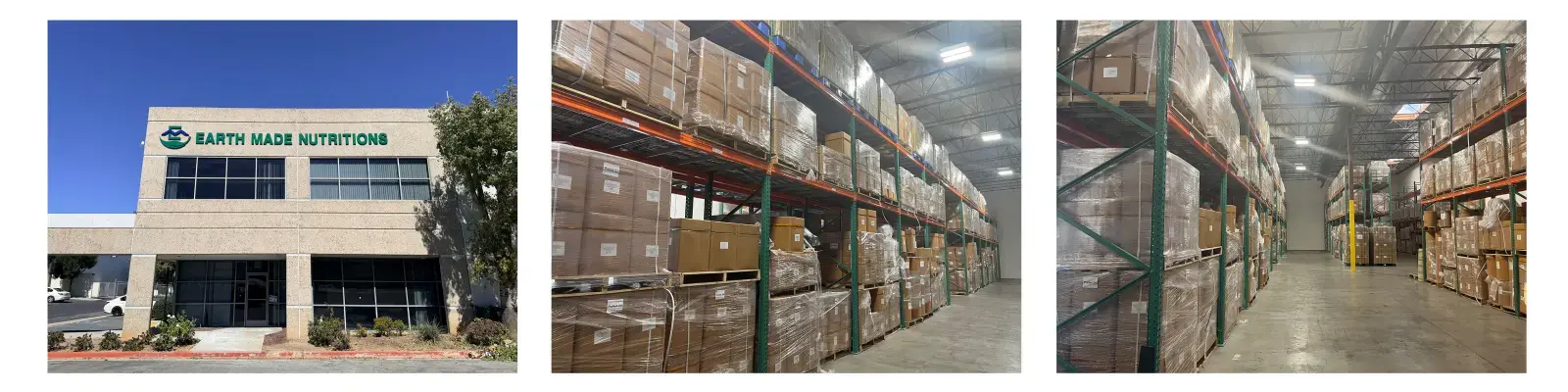
Earth Made Nutrition Inc. has four stores in the US. This means that orders from customers in the US can be filled in two days, instead of having to wait for long lead times in other countries. This system allows just-in-time inventory management, which means that sellers don't need as much working capital. When looking at possible partners, make sure they follow GMP by asking for site audit records or setting up third-party checks. Technical support teams that are quick to respond and give formulation advice, stability data, and regulatory paperwork show that they care about their clients' success in more ways than just a business relationship. Long-term partners should look for suppliers that offer co-development services, which include joint research and development to change extraction parameters, particle sizes, or capsule forms for specific uses.
Pricing Strategies and MOQ Considerations
Prices for bulk goods are usually tiered by commitment volume: orders of 25 to 100 kg cost $95 to $110/kg, orders of 100 to 500 kg cost $80 to $95/kg, and contract sizes cost $65 to $80/kg, based on how complicated the specifications are. Beta-glucan content determines price; 30% standardisation costs 20–30% more than 10% goods because it needs more steps to be cleaned. The cost of farming and getting certified as organic goes up by 15–25%. A strategic purchase weighs the cost of buying goods up front against the savings per unit. For instance, brands that think they'll use 500 kg per year might make yearly supply deals with deliveries every three months to get better prices on volume while keeping their inventory levels reasonable. Payment terms affect the ability to change prices. Suppliers who offer net 30–60 day terms to long-term customers may make it easier for them to get cash quickly compared to those who require prepayment. For quality assurance, sampling rules are very important. Suppliers you can trust will give you free 100–200 gram samples with full COAs. This lets you test the products in your own lab and try different formulations before you commit to buying in bulk.
Future Trends and Innovations in Lion's Mane Polysaccharides: Beta-Glucan
Advanced Extraction Technologies
Emerging supercritical CO₂ extraction methods increase beta-glucan yield from Lion's Mane Extract Polysaccharides Beta-Glucan while reducing solvent waste, supporting ultra-clean product positioning. Enzyme-assisted extraction using cellulase and hemicellulase breaks down fungal cell walls more efficiently than heat-based methods, increasing active compound recovery by 15–25%. Membrane filtration technologies separate polysaccharides by molecular weight, enabling precise targeting of optimal bioactive ranges. These innovations support premium product lines with higher margins while being more environmentally sustainable through reduced energy and solvent use. Manufacturers investing in these technologies gain competitive advantages, though high capital intensity requires sufficient market size to support return on investment.
Expanding Applications in Cosmetics
Lion's Mane compounds are being explored in cosmetics for their ability to support wound healing and moisture retention. For example, mushroom extracts are incorporated into age-support serums, hydrating creams, and post-procedure skin care focused on barrier repair. The cosmetics market requires extracts that meet INCI naming standards and preservation systems compatible with stable emulsions. Diversifying beyond dietary supplements opens additional markets for ingredient suppliers, though regulatory pathways differ significantly. Cosmetic applications have less stringent pre-market approval requirements but still require full safety assessments under EU cosmetic regulation or US FDA oversight.
Conclusion
Lion's Mane Extract Polysaccharides Beta-Glucan is a scientifically documented ingredient associated with brain function, immune modulation, and overall vitality. It is helpful for B2B purchasing professionals to understand the technical distinctions between generic polysaccharides and bioactive beta-glucan fractions, allowing more accurate supplier evaluation and improved formulations. Strong scientific literature and rising consumer awareness support the ingredient's flexibility across functional beverages and emerging cosmetic applications. Strategic partnerships with qualified manufacturers ensure consistent quality, regulatory compliance, and supply reliability—all necessary for market positioning in a competitive landscape.
FAQ
1. What distinguishes polysaccharides from beta-glucan in Lion's Mane extracts?
Polysaccharides are a broad group of complex sugars found in fungal cell walls, including both bioactive and inactive substances. Beta-glucans are specific polysaccharides with 1,3-1,6 glycosidic links. Total polysaccharide numbers may include inactive alpha-glucans, so the beta-glucan ratio is the most important factor when evaluating performance.
2. How can buyers verify extract quality and authenticity?
Request Certificates of Analysis that specify beta-glucan content tested using enzymatic methods. Verify GMP certification from a reputable organisation such as NSF International. Check organic certification if clean label positioning is important. Review USP guidelines for heavy metal testing and microbial limits. Third-party lab testing (e.g., Eurofins) verifies supplier claims and checks for potential adulteration.
3. What dosage ranges support cognitive wellness applications?
Clinical studies indicate that 500 to 3,000 mg per day of a standardised product containing 10–30 per cent beta-glucan is commonly used. Most nootropic blends provide 1,000–1,500 mg per serving, divided across multiple servings per day. Consistent daily use for 8–16 weeks is typically recommended, as the effects build over time through sustained nerve growth factor stimulation.
Partner with Earth Made Nutritions Inc. for Premium Lion's Mane Extract Supply
Earth Made Nutritions Inc. sells pharmaceutical-grade Lion's Mane Extract Polysaccharides Beta Glucan that is standardised to contain 50% polysaccharides and 30% beta glucan. The extract is made from the fruiting bodies of Hericium erinaceus using proven ethanol-water methods. Our NSF GMP, FSSC22000, Kosher, Halal, ISO, and Organic standards make sure that we follow the rules in many markets. With four carefully placed warehouses in the US, we can ship stock items in just two days, cutting down on long lead times that mess up production plans. Our 25 kg minimum order number works for new names, and our tonnage capacity supports well-known companies. Testing formulations without risk is possible with free samples that come with full COAs. As a seasoned Lion's Mane Extract Polysaccharides Beta Glucan seller, we provide technical support, unique extraction guidelines, and adaptable private label services. Email our team at info@em-herb.com to talk about the ingredients you need and get reasonable bulk prices that are tailored to your buying needs.
References
1. Friedman M. Chemistry, Nutrition, and Health-Promoting Properties of Hericium erinaceus (Lion's Mane) Mushroom Fruiting Bodies and Mycelia and Their Bioactive Compounds. Journal of Agricultural and Food Chemistry, 2015.
2. Mori K, Inatomi S, Ouchi K, Azumi Y, Tuchida T. Improving effects of the mushroom Yamabushitake (Hericium erinaceus) on mild cognitive impairment: a double-blind placebo-controlled clinical trial. Phytotherapy Research, 2009.
3. Wang M, Konishi T, Gao Y, Xu D, Gao Q. Anti-Gastric Ulcer Activity of Polysaccharide Fraction Isolated from Mycelium culture of Lion's Mane medicinal mushroom. International Journal of Medicinal Mushrooms, 2015.
4. Thongbai B, Rapior S, Hyde KD, Wittstein K, Stadler M. Hericium erinaceus, an amazing medicinal mushroom. Mycological Progress, 2015.
5. Li IC, Lee LY, Tzeng TT, Chen WP, Chen YP, Shiao YJ, Chen CC. Neurohealth Properties of Hericium erinaceus Mycelia Enriched with Erinacines. Behavioural Neurology, 2018.
6. Venturella G, Ferraro V, Cirlincione F, Gargano ML. Medicinal Mushrooms: Bioactive Compounds, Use, and Clinical Trials. International Journal of Molecular Sciences, 2021.