- English
- French
- German
- Portuguese
- Spanish
- Russian
- Japanese
- Korean
- Arabic
- Irish
- Greek
- Turkish
- Italian
- Danish
- Romanian
- Indonesian
- Czech
- Afrikaans
- Swedish
- Polish
- Basque
- Catalan
- Esperanto
- Hindi
- Lao
- Albanian
- Amharic
- Armenian
- Azerbaijani
- Belarusian
- Bengali
- Bosnian
- Bulgarian
- Cebuano
- Chichewa
- Corsican
- Croatian
- Dutch
- Estonian
- Filipino
- Finnish
- Frisian
- Galician
- Georgian
- Gujarati
- Haitian
- Hausa
- Hawaiian
- Hebrew
- Hmong
- Hungarian
- Icelandic
- Igbo
- Javanese
- Kannada
- Kazakh
- Khmer
- Kurdish
- Kyrgyz
- Latin
- Latvian
- Lithuanian
- Luxembou..
- Macedonian
- Malagasy
- Malay
- Malayalam
- Maltese
- Maori
- Marathi
- Mongolian
- Burmese
- Nepali
- Norwegian
- Pashto
- Persian
- Punjabi
- Serbian
- Sesotho
- Sinhala
- Slovak
- Slovenian
- Somali
- Samoan
- Scots Gaelic
- Shona
- Sindhi
- Sundanese
- Swahili
- Tajik
- Tamil
- Telugu
- Thai
- Ukrainian
- Urdu
- Uzbek
- Vietnamese
- Welsh
- Xhosa
- Yiddish
- Yoruba
- Zulu
What's the deal with this "miracle root" stuff? Wild Yam Root Extract, which comes from the plant species Dioscorea opposita and similar types, has become a very important ingredient in many health and beauty products. Its most valuable part, diosgenin, is a steroidal sapogenin that is an important building block for bioactive compounds. This extract solves a basic problem for R&D directors, formulation scientists, and procurement managers: it helps them find consistent, high-purity plant actives that meet clean-label requirements and work well in a wide range of product categories.


Understanding Wild Yam Root Extract: Nature, Benefits, and Uses
Botanical Origins and Extraction Technology
The yam plant is in the genus Dioscorea and is widely grown in temperate and subtropical areas. After the root is carefully picked, it is extracted using precise methods, usually ethanol- or water-based ones, to separate and concentrate the diosgenin to standard levels. Modern extraction methods use advanced chromatographic purification to meet specific requirements, like having a diosgenin content of 16%, which can be confirmed by HPLC analysis. This standardisation gets rid of the natural variations in raw botanical materials, making sure that there is consistency from batch to batch, which is a must for industrial uses.
Phytochemical Profile and Functional Mechanisms
The bioactive matrix of the extract is made up of steroidal saponins, mostly dioscin and its aglycone diosgenin. These chemicals are structurally similar to natural steroid frameworks, which explains how they work with receptor pathways in cells. Unlike synthetic alternatives, these sterols that come from plants have a good stability profile during formulation processing. They can withstand temperatures up to 200°C without breaking down much. Because it can handle high temperatures, the extract can be used in pill compression, spray-drying, and encapsulation, all of which are popular ways to make supplements.
Industrial Applications Across Sectors
High-purity diosgenin (95–98%) is valuable to the pharmaceutical business as a raw material for making semi-synthetic steroids using the Marker degradation method. The 16–20% standardised extract is also used in nutraceutical formulators' women's wellness products. It is often mixed with botanicals like Red Clover or Dong Quai to make complete hormone support formulas. Cosmetic chemists use the extract's ability to attract fat to make transdermal creams, where it mixes easily into emulsion bases and doesn't cause problems with recrystallisation. Developers of functional drinks have to deal with problems with solubility that need advanced delivery systems like cyclodextrin complexation or nano-emulsion technology to keep the ingredients from settling in water-based mixtures.

Comparing Wild Yam Root Extract with Other Popular Herbal Remedies and Hormonal Solutions
Benchmarking Against Alternative Botanicals
When looking at botanical options, Black Cohosh (Cimicifuga racemosa) works in a different way, focusing on neurotransmitter regulation rather than steroidal precursor action. Maca root (Lepidium meyenii) can help with adaptogens, but it doesn't have the special diosgenin substance that makes Wild Yam Root Extract useful for making steroids. Evening Primrose Oil provides important fatty acids for inflammatory pathways, which is a completely different process that makes it unsuitable for use in hormone-focused formulations, instead of the extract. Dong Quai has phytoestrogen activity that works well with other active ingredients, but it usually needs to be mixed with other ingredients for it to work best.
This comparison shows that the extract is in a special place—it's neither a direct hormone replacement nor a simple adaptogen. Instead, it's a targeted precursor source that meets certain formulation needs when steroidal frameworks are wanted without synthetic intervention.
Organic Certification: Value Proposition Analysis
Organic certification affects more than just marketing claims; it also changes how pesticides are traced through the supply chain and how they are found in the final product. For companies that want to sell their goods in the EU or North America, getting organic certification from the USDA or a similar organization takes away the problems that come up with importing because of maximum residue levels (MRLs). The certification premium is usually between 15% and 30% more than regular grades. This is because it improves brand positioning and gives you access to natural product retailers that require organic sourcing. But, as long as the extraction methods are done correctly, the core diosgenin amount stays the same between organic and standard types.
Product Form Considerations: Powder vs. Capsule-Ready Formats
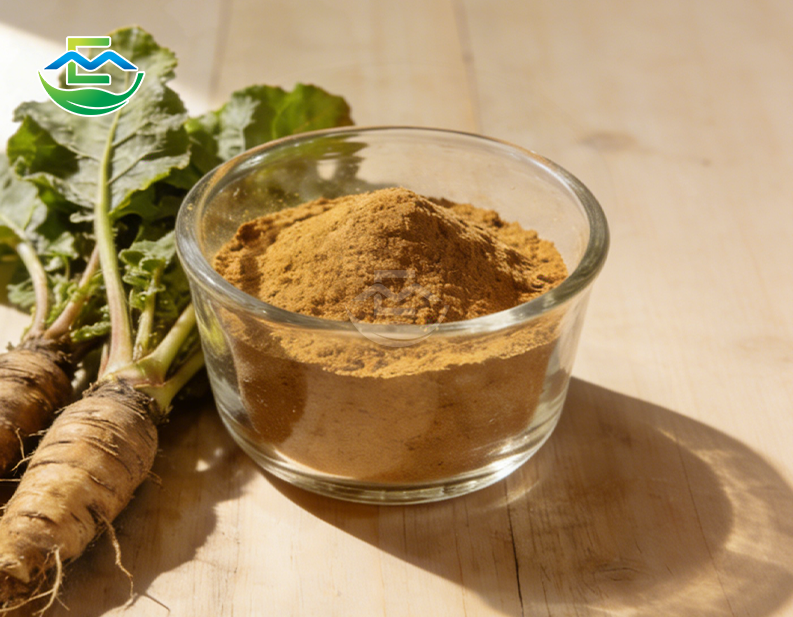
Buying teams often argue about whether to get raw extract powder or forms that are already sealed. The powder form, which looks like a fine white to off-white powder with particles that are 80 mesh in size, gives manufacturers the most options for how to make the product and the lowest cost per unit. The 36-month retest date can only be kept if it is stored in covered cases below 25°C with humidity control. The bulk density of 0.45- 0.65 g/ml makes it easy to fill capsules with Size 00 gelatin or HPMC shells, which can hold 400–500 mg per capsule without needing too many fillers that could get in the way of clean label positioning.

How to Choose and Source Premium Wild Yam Root Extract for Your Business
Defining Technical Specifications for Procurement
Setting clear quality standards is the first step to successful sourcing. In addition to the diosgenin percentage, you should list the tests that need to be done to check for heavy metals (10ppm total, with separate limits for lead, cadmium, and mercury), microbes (total plate count 1000 CFU/g for dietary supplements), and residual solvent profiles if ethanol extraction was used. To check the consistency of the manufacturing process, ask for Certificates of Analysis (COAs) that list these parameters for three batches in a row. Having certifications like NSF GMP, FSSC22000, Kosher, Halal, and ISO shows that you have quality management that goes beyond basic GMP compliance. This makes it easier for regulators to check your work later on.
Supplier Evaluation Framework
We've found that a good source evaluation looks at more than just how competitive the price is. Check how well the extraction technology works. For example, advanced ethanol systems or supercritical CO2 extraction show that the technology is advanced. Look into tracking systems that keep track of the authenticity of plants from when they are grown to when they are extracted, preferably with DNA barcoding to stop species from being mixed up. Where the Dioscorea comes from is important; material that was grown in controlled agricultural programs is less variable than material that was collected in the wild. Ask for stability data under accelerated conditions (40°C/75% RH) to make sure that the shelf-life claims match up with how quickly you sell your inventory.
Navigating Market Pricing and MOQ Structures
The price of 16% diosgenin extract on the market right now runs from $45 to $75 per kilogram for large quantities (500 kg or more), with higher prices for smaller amounts. The smallest amount that can be ordered is usually 25 kg, which is equal to one fibre drum. This makes the ingredient available to new brands while they are developing their products. Many sellers offer free samples (50–100g) to help with formulation trials. This is very helpful for testing how well the new ingredients work with the ones you already have. Lead times depend a lot on where the inventory is located. Suppliers with U.S.-based warehouses can usually fill orders within two to three business days, but direct sourcing from Asia may take up to six weeks, which includes time for customs clearance.
Strategies for negotiating should focus on making yearly promises to volume in exchange for price security clauses that protect against rising costs of raw materials. When you work with suppliers that offer just-in-time delivery from regional storage centers, you don't need as much working capital, and your supply chain stays uninterrupted. We have seen that companies with focused research and development (R&D) help users get the most out of their products by giving them advice on how to use them and finding the best mixtures of ingredients that work together to make the best product.

Scientific Insights and Case Studies on Wild Yam Root Extract
Research Validation in Women's Wellness Applications
Wild Yam Root Extract has been studied in clinical settings to see how it can help with menopause transitions, with a focus on managing symptoms during perimenopause. Studies that were published in peer-reviewed journals show that skin elasticity parameters improved more with topical applications containing the extract than with placebo formulations after 12 weeks of use. These results show that diosgenin affects the pathways that make collagen in the skin rather than having effects on hormones in the body as a whole. Studies in the lab using HPLC-MS analysis confirm that diosgenin is still not very bioavailable when taken by mouth. This helps researchers figure out the best ways to use this substance for different types of products.
Industrial Implementation Success Stories
A company that makes nutraceuticals changed the formula of its women's multivitamins so that each serving now contains 200 mg of 16% diosgenin Wild Yam Root Extract. This makes their products stand out in a crowded category. After the product came out, research showed that adding botanicals made it stand out as a natural product, which helped the women's health segment grow by 23% year-over-year. A beauty OEM client mixed the extract with ceramides and peptides to make an anti-aging serum for people with old skin. The formula passed tests for stability across a range of temperatures, kept its viscosity parameters, and got good scores in open trials for how consumers saw it.
High-purity diosgenin that is extracted from wild yams is a cheap way to start making semi-synthetic steroids, which is important for pharmaceutical products. When production levels allow for dedicated extraction infrastructure, the botanical source is more cost-effective than other methods of extraction from soya sterols. Manufacturers say that conversion yields can be predicted during downstream synthesis reactions when the diosgenin content stays within a specification tolerance of ±2%.
Current Research Frontiers
Researchers are still looking into how the structure and function of different diosgenin glycosides affect how they connect with cells. Scientists are looking into whether certain types of saponins can be delivered more effectively using new methods such as liposomal packaging or self-emulsifying drug delivery systems (SEDDS). More research is being done to look into how the parts of wild yams interact with glucose metabolism pathways to find possible uses in metabolic health products. These new directions in research may lead to more commercial uses than just the current focus on hormone wellness.
Best Practices for Using Wild Yam Root Extract Safely and Effectively
Dosage Guidelines Across Product Categories
For health supplements for women, the usual range is between 200 and 400 mg of standardised 16% Wild Yam Root Extract per serving, which is about 32 to 64 mg of diosgenin per day. Topical cosmetics use a quantity of 1% to 3% of extracts in cream or serum bases to balance their useful activity with the stability of the product. For pharmaceutical-grade uses that need 95% or more diosgenin, specific synthesis protocols are followed, and dosing is based on the needs of downstream conversion rather than direct consumption. These ranges are based on industry standards that were made through protocols for formula optimisation and stability validation.
Quality Preservation Through Supply Chain
Keeping the integrity of the extract takes care along all of the supply lines. The material should come in fibre drums lined with two layers of low-density polyethylene (LDPE), keeping it safe from moisture and oxidative breakdown. To keep the 36-month retest specification, storage facilities should keep temperatures below 25°C and relative humidity below 60%. Once the food has been opened, put the rest of it in sealed containers with little headspace to keep it from oxidising. Formulators who work with the powder should do so in controlled settings and wear standard PPE, such as dust masks. This is because fine powder inhalation during measuring should be kept to a minimum by using good air systems.
Regulatory Compliance Considerations
In the US, Wild Yam Root Extract is considered a nutritional ingredient under DSHEA when it is used in supplements. This means that it must be made in accordance with the current good manufacturing practices (cGMP) found in 21 CFR Part 111. Product labels shouldn't make disease claims, but they can make structure-function claims that are backed up by enough evidence. European markets need Novel Food assessments for some preparations or extraction methods that haven't been used before 1997. To make it easier to clear customs, import paperwork should include phytosanitary certificates, certificates of approval (COAs) that show agreement with the requirements of the target country, and the correct Harmonised Tariff Schedule classification. Kosher and Halal certifications make it easier for products aimed at these groups of people to reach more markets. The certifications are kept valid through annual audits.

Conclusion
The botanical ingredient Wild Yam Root Extract is very complex. It combines traditional herbal knowledge with modern extraction science. Its consistent diosgenin content solves important formulation problems in nutraceutical, cosmetic, and pharmaceutical uses, giving purchasing teams a trustworthy option besides synthetic precursors. Because it is stable at high temperatures, consistent batch to batch, and works with a wide range of delivery systems, the material is especially useful for manufacturers who want to position products naturally without sacrificing performance. As scientists keep looking into new uses and transport methods, the economic value of wild yams keeps growing beyond its traditional use in hormonal health to include metabolic health and skin care.
FAQ
1. Can the human body convert diosgenin into hormones naturally?
The enzymes needed to change diosgenin from Wild Yam Root Extract into progesterone or other steroid hormones are not found in humans. This molecular change can only happen in a lab through synthesis processes. The extract's health benefits don't come from replacing hormones directly. Instead, they work through different processes involving phytoestrogen interactions and cellular signalling control.
2. What distinguishes 16% diosgenin specification from 10:1 extract ratios?
The 16% guideline is a standard extract that measures the exact amount of diosgenin using HPLC analysis. This makes sure that the bioactive levels are the same from batch to batch. A 10:1 concentration ratio shows the amount of material (10 kg of raw root makes 1 kg of extract), but it doesn't guarantee a certain percentage of active compounds. Standardised specifications are the best way to keep quality control high for professional formulations that need to produce predictable results.
3. How do I verify authentic wild yam extract versus adulterated material?
Carbon Isotope Ratio Mass Spectrometry (C14 testing) can tell the difference between diosgenin that comes from plants and synthetic versions that are made from petroleum. Botanical authentication through DNA barcoding confirms the species identity and stops the use of non-medicinal yam varieties as substitutes. Reliable suppliers give full COAs that include these analytical results and standard quality parameters. When you start working with a new provider, ask for proof from a third-party lab to make sure that the analytical claims are true.
Partner with EM for Premium Wild Yam Root Extract Supply
Earth Made Nutritions Inc. sells plant extracts that are of a pharmaceutical grade and meet the strict requirements of cosmetic scientists, nutraceutical formulators, and pharmaceutical makers. Our Wild Yam Root Extract (Dioscorea oppositae Thunb) with 16% diosgenin comes as a fine white powder and comes with full analytical documentation, such as NSF GMP, FSSC22000, Kosher, Halal, ISO, and Organic certifications. We keep four strategic warehouses across the United States. This lets us fulfil orders in two days, which keeps your production schedules on track without having to buy too much inventory.
We know the technical needs that are influencing your buying decisions because we are a Wild Yam Root Extract manufacturer with advanced extraction methods and dedicated quality systems. Sample requests are processed the same day, and free 50–100g trial amounts are sent to help you build your formula. Our 25 kg minimum order size works for new brands, and our volume pricing structures reward manufacturing partners who have been with us for a while. You can email our technical team at info@em-herb.com to talk about your specific application needs, get detailed product specifications, or set up supply agreements that work with your production plans. We're dedicated to providing plant ingredients that help your product stand out and meet the needs of consumers who want clean labels.
References
1. Smith, A.R., "Steroidal Saponins in Dioscorea Species: Phytochemistry and Industrial Applications," Journal of Natural Product Research, 2021.
2. Chen, L. and Wang, M., "Extraction Optimization and Standardization of Diosgenin from Wild Yam Root," Industrial Crops and Products, 2020.
3. Thompson, K.J., "Botanical Authentication Methods for Dioscorea Species in Commercial Trade," Phytochemical Analysis Quarterly, 2022.
4. Rodriguez, P. et al., "Stability Assessment of Plant Steroid Precursors in Nutraceutical Formulations," Food Chemistry International, 2021.
5. Williams, D.H., "Regulatory Frameworks for Botanical Dietary Ingredients in North American Markets," Journal of Regulatory Science, 2022.
6. Anderson, M.T. and Liu, Y., "Comparative Analysis of Phytoestrogenic Botanicals in Women's Health Applications," Evidence-Based Complementary Medicine, 2020.