- English
- French
- German
- Portuguese
- Spanish
- Russian
- Japanese
- Korean
- Arabic
- Irish
- Greek
- Turkish
- Italian
- Danish
- Romanian
- Indonesian
- Czech
- Afrikaans
- Swedish
- Polish
- Basque
- Catalan
- Esperanto
- Hindi
- Lao
- Albanian
- Amharic
- Armenian
- Azerbaijani
- Belarusian
- Bengali
- Bosnian
- Bulgarian
- Cebuano
- Chichewa
- Corsican
- Croatian
- Dutch
- Estonian
- Filipino
- Finnish
- Frisian
- Galician
- Georgian
- Gujarati
- Haitian
- Hausa
- Hawaiian
- Hebrew
- Hmong
- Hungarian
- Icelandic
- Igbo
- Javanese
- Kannada
- Kazakh
- Khmer
- Kurdish
- Kyrgyz
- Latin
- Latvian
- Lithuanian
- Luxembou..
- Macedonian
- Malagasy
- Malay
- Malayalam
- Maltese
- Maori
- Marathi
- Mongolian
- Burmese
- Nepali
- Norwegian
- Pashto
- Persian
- Punjabi
- Serbian
- Sesotho
- Sinhala
- Slovak
- Slovenian
- Somali
- Samoan
- Scots Gaelic
- Shona
- Sindhi
- Sundanese
- Swahili
- Tajik
- Tamil
- Telugu
- Thai
- Ukrainian
- Urdu
- Uzbek
- Vietnamese
- Welsh
- Xhosa
- Yiddish
- Yoruba
- Zulu
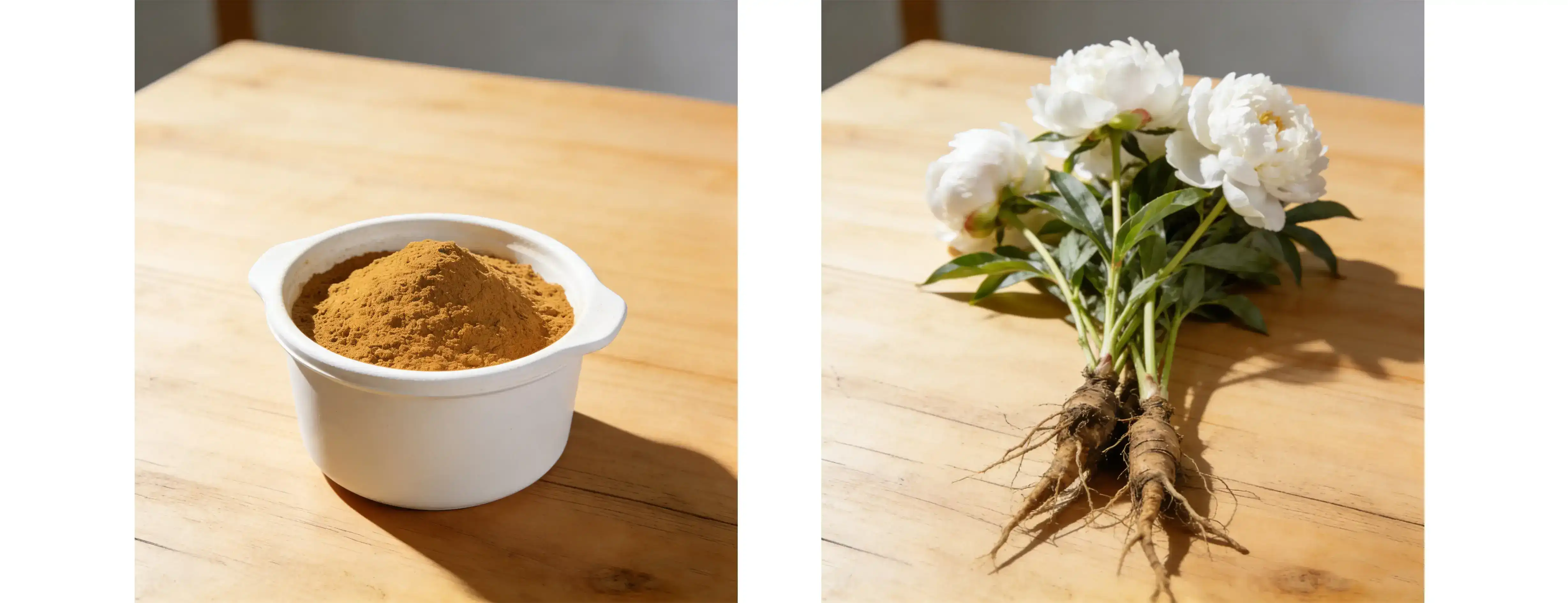
White Peony Extract is a high-quality plant-based ingredient that comes from the dried and peeled root of Paeonia lactiflora Pall. It is valuable because it has a lot of paeoniflorin, which is a monoterpene glycoside that makes it useful. It solves big problems in production that help the nutrition, skin care, and functional food industries. This is a standardized extract that comes in the form of a yellow-brown powder. Peony root extract that has been professionally handled has steady, measured activity. This is different from raw plant pills, which have issues with solubility and strength. This makes it a great raw material for formulation managers and R&D directors who want to use plant-based actives that are reliable, meet clean-label standards, and stay the same from batch to batch in formulas that are hard to understand.
Understanding White Peony Extract
Botanical Origin and Processing Standards
The extract comes from the flowering plant Paeonia lactiflora, which is mostly grown for its medicinal root. The root is carefully picked, peeled, and dried during processing. Next, advanced extraction methods are used to concentrate bioactive compounds. 4:1 and 10:1 extraction ratios show how much raw material is needed to make one unit of final powder. Higher ratios mean that there are more active ingredients.
Solvent-based methods and spray-drying technology are used in modern extraction, which keeps the purity of chemicals that are sensitive to heat. Through this process, raw plant material is turned into a standard powder that meets the requirements for medicinal-grade products. Suppliers of good products use HPLC analysis to do strict identification checks. This makes sure that the paeoniflorin content stays within certain ranges and is free of common contaminants.
Active Compounds and Functional Properties
Paeoniflorin is the main bioactive marker, and it is usually standardised to make sure that all production batches work the same way. This compound is a powerful antioxidant that helps formulas fight free radicals that speed up the ageing process of cells. There are also ethyl gallate and benzoic acid derivatives in the extract that add to its usefulness.
When it comes to preparation, the powder dissolves easily in water and stays stable at temperatures up to 70°C, which are both very important for makers who work with heat-processed materials. Materials that are real will have a brownish-yellow colour and a slight herbal smell. The particle size is such that 95% of it can pass through an 80-mesh screen, which makes it easy for the particles to spread evenly in liquid and semi-solid mixtures.
Application Across Multiple Industries
Nutraceutical companies put peony extracts into dietary supplements that are meant to boost antioxidants and support the immune system. Because the extract can work well with other botanicals, it is useful for making complex formulas that follow natural health trends. Companies that make sports nutrition like that it works well with protein blends and functional drink systems.
Formulators of cosmetics use the ingredient in skin care products at concentrations ranging from 0.5% to 3.0%. Because it blocks tyrosinase, it can be used to make skin brighter, especially when mixed with vitamin C or niacinamide. The extract works well in products for sensitive skin because it helps reduce discomfort by blocking inflammation. Skincare products used after surgery use these natural ingredients to help with temporary redness issues instead of using man-made ones.
Functional food makers like the extract because it is safe for food and stable during processing. It stays active at normal manufacturing temperatures and pH levels found in beverage production, so it can be used in ready-to-drink functional foods and snacks that are fortified.
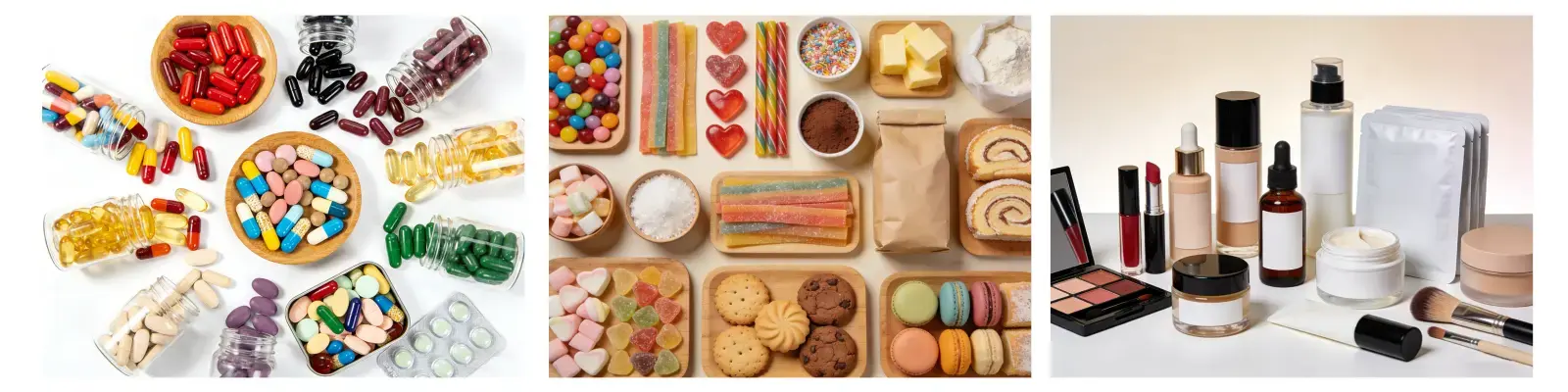
Benefits and Uses of White Peony Extract
Functional Advantages in Product Development
Through its complex compound profile, White Peony Extract meets a number of formulation goals. Its antioxidants work by removing radicals, which keep lipid-based ingredients from breaking down due to oxidation. This feature helps keep omega-3 supplements stable and improves the shelf life of makeup emulsions when White Peony Extract is included.
Inflammatory mediators are changed to have an anti-inflammatory effect. This is especially important for topical applications that need to support the skin barrier function. Cosmetic scientists who work on after-surgery care products really like the extract because it has gentle activity that doesn't cause sensitisation issues that happen with manmade actives.
Because it can stop tyrosinase from working, which is the enzyme that makes melanin, the ingredient can be used instead of hydroquinone in brightening products. In contrast to harsher synthetic whitening agents, peony root extracts protect the skin's integrity while improving tone gradually over time.
Evidence-Based Performance Metrics
Stability tests show that paeoniflorin's activity lasts even after being exposed to light, as long as the right UV screens are added to the mixture. Because of its strength, the extract can be used in everyday cosmetics that are exposed to harsh conditions. Bioavailability studies on oral-grade materials show that microencapsulation technologies help stomach acid stay alive longer, which increases the rate of absorption throughout the body.
Comparing peony root material to other botanical extracts shows that it performs as well as or better than at lower inclusion rates, which is best for manufacturers' cost-in-use. When combined with complementary ingredients like ceramides or niacinamide, synergistic effects boost the benefits of each individual ingredient. This is something that product makers think about when making high-end products.
Practical Formulation Guidelines
When used on the skin, absorption rates of 0.5% to 3.0% give noticeable effects without overpowering other active ingredients. Formulators should add the powder during the water part of making the mixture to make sure it dissolves completely and is spread out evenly. The extract stays stable at pH levels between 5.0 and 7.0, which means it can be used in most cosmetic and personal care products.
When used in nutraceuticals, encapsulation techniques keep the extract safe during digestion, which increases its bioavailability. Serving amounts are usually between 100 mg and 500 mg, but this depends on the goals of the mixture and the ingredients that will be used with it. The extract mixes easily with other plant-based powders, proteins, and fillers that are often used to make tablets and capsules.
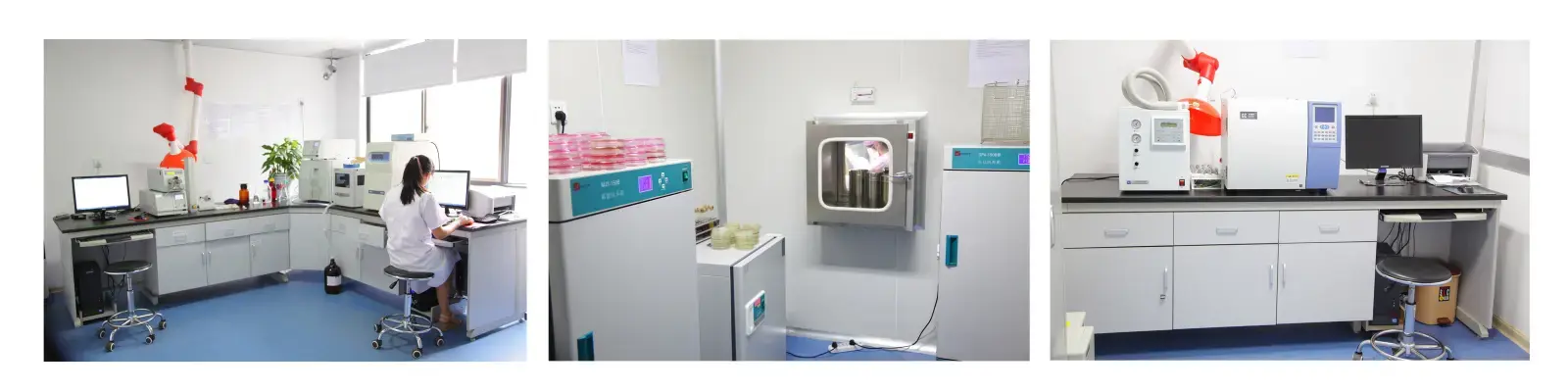
Comparing White Peony Extract with Other Peony Extracts
Compound Profile Distinctions
The way white peony is processed and the chemicals that are made are very different from red peony varieties. The process of peeling and boiling white peony roots changes the glycoside profile by increasing the amount of paeoniflorin and decreasing the amount of tannins. Red peony keeps its bark and doesn't go through much processing, so it has higher levels of gallotannins but lower levels of standardised paeoniflorin.
These differences in processing have a direct effect on which applications will work best. The refined profile of white peony makes it good for formulations for sensitive skin and uses that need exact activity levels. Different types of red peonies may have effects that are broader but less focused. This makes standardisation harder for quality control departments that are in charge of receiving raw materials.
Format Selection: Powder versus Liquid Extracts
When stored for a long time, powdered extracts are more stable and are easier to keep away from microbes than liquid forms. Because 10:1 ratios are concentrated, they give formulators a lot of freedom in how they make their products. They can easily change the weight of their ingredients to get the strength levels they want. Dry powders can be used directly in the processes of filling capsules and compressing tablets, so they don't need to be dried first.
Liquid extracts are useful in some situations, but they can change the way water behaves, which means they need to be preserved. Solvents may make the first steps of dissolving ingredients in drinks easier, but they make standardisation harder because they add to the total volume. Procurement teams should choose a format based on the capabilities of the production equipment, the need for stability, and the delivery systems for the final product.
Organic Certification Considerations
Organic White Peony Extract is more expensive, but it helps brands position themselves in the market for natural and clean-label consumers. Certification proves that synthetic pesticides and fertilisers were not used during the cultivation of White Peony Extract, which is in line with consumer preferences for sourcing that is good for the environment. Traceability documentation that comes with organic White Peony Extract makes the supply chain clear, which meets the needs of retailers who are becoming pickier.
Non-organic materials that meet the quality standards for pharmaceuticals still work well and are easier for most people to afford. The choice between organic and conventional sources should be based on the budget, the brand marketing strategy, and the demands of the target market. If you get both options from trustworthy sources, they can both meet the same purity standards for heavy metals, microbial limits, and active compound concentrations.
Procurement and Supplier Considerations for White Peony Extract
Essential Certification and Quality Standards
To choose trustworthy ingredient suppliers, you need to look at their full certification portfolios. When a factory gets NSF GMP approval, it means that they follow the latest Good Manufacturing Practices for making medicines and food supplements. FSSC22000 shows that a food safety management system is being followed, which is very important for ingredients that will be eaten.
Kosher and Halal certifications make markets bigger by meeting religious dietary needs. This is important for brands that want to reach a wide range of customers. Certifications from ISO show that a company uses organised quality management methods that cut down on variation and make sure that output is always the same. When needed, organic approval must come from a well-known organization, such as the USDA or a foreign organization with similar powers.
Managers in charge of buying things should ask for Certificates of Analysis for representative batches and look over the actual test results to check for identity markers, heavy metal panels, pesticide residues, and microbial specifications. Testing by independent third-party laboratories is another way to make sure that what a supplier says is true.
Geographic Sourcing and Supply Chain Logistics
Paeonia lactiflora is mostly grown in places with the right climate and soil, and processing plants are usually close by to keep the raw materials from breaking down too quickly. Suppliers who run four large stores in the U.S. offer strategic benefits by shortening lead times and making operations easier. Having a lot of inventory in the United States lets you respond quickly to formulation trials and changes to production plans.
Knowing the minimum order quantities helps procurement teams balance the costs of keeping inventory with the price breaks that come with buying more. Using standard wrapping in 25 kg drums makes it easier to handle while also lowering the cost of shipping each unit. Just-in-time manufacturing ideas help keep working capital from getting stuck in raw material stocks by allowing lead times of as little as two days for materials that are already in stock.
For international shipping, you need the right paperwork, like business invoices, certificates of origin, and statements of regulatory compliance. Experienced suppliers take care of these needs ahead of time, which cuts down on delays in customs clearance that throw off production schedules.
Building Strategic Supplier Relationships
When procurement teams and ingredient partners talk to each other openly, trust is built. When suppliers offer free samples, formulation teams can do preliminary tests of compatibility without having to worry about cost. Not only should detailed specification sheets list guaranteed minimums, but they should also list typical analytical ranges. This will help R&D predict that performance will be the same across multiple orders.
The technical know-how that comes from having advanced extraction equipment leads to better product quality. When suppliers put money into R&D infrastructure, it shows that they are committed to coming up with new ideas and fixing problems when new formulation problems arise. Environmental responsibility and sustainable development ideas are similar to corporate social responsibility programs, which are becoming more and more important in choosing suppliers.
Long-term partnerships work best when suppliers keep stock on hand, offer technical support during formulation development, and can meet the specific needs of private label programs. Procurement professionals shouldn't just look at price when judging potential partners; they should also look at the total value they offer through things like dependability, expertise, and service quality.

Conclusion
White Peony Extract is a flexible botanical ingredient that can be used in a wide range of formulations in the cosmetics, nutraceuticals, and functional food industries. Its standardised paeoniflorin content gives consistent results, easing problems in the industry that come from quality variations and the inability to predict activity. Because the extract has multiple uses, including being an antioxidant, reducing inflammation, and blocking tyrosinase, it lets product makers use clean labels without losing effectiveness. Procurement teams can be sure they are getting reliable material sources by carefully choosing suppliers based on their certifications, supply chain skills, and expert support. As the need for natural ingredients grows, professionally processed peony extracts provide solutions based on evidence that combine traditional botanical knowledge with modern formulation science.
Frequently Asked Questions
1. What standardization markers identify quality White Peony Extract?
The main thing that is used to standardise is the amount of paeoniflorin, which is usually kept at a certain percentage through HPLC measurement. Materials that are good also don't have too many heavy metals, pesticide residues, or microbes in them. Pharmaceutical-grade extracts are different from regular materials because they have a range of particle sizes, a moisture content of less than 5%, and proper botanical identification confirmed by microscopic and chemical testing.
2. How should formulators store peony root powder to maintain stability?
Keep in cases that are tightly closed and out of the way of light, moisture, and changes in temperature. The best conditions are cool, dry places that are below 25°C and have a relative humidity of less than 60%. Once packages have been opened, they should be quickly sealed again to keep air out. When stored properly, the material stays active for 24 months after it was made. Do not store the powder near things that have a strong smell because it may absorb volatile compounds.
3. Can this extract integrate into both cosmetic and nutraceutical formulations?
When sourced from a source with the right certifications, the ingredient can be used for two different things. The materials that are made for cosmetics are safe to use on the skin, and the materials that are made for food and supplements are safe to eat. The suppliers should show proof that the materials are suitable for the categories of intended use. Formulation factors change depending on the use. For example, 0.5% to 3.0% doses are common in topical products, while 100 mg to 500 mg per serve is common in oral vitamins.
Partner with EM for Premium White Peony Extract Supply
At Earth Made Nutritions Inc., we know how hard it is for formulators and R&D teams to get the supplies they need to make natural goods that are competitive. Our company in California mainly provides pharmaceutical-grade plant extracts that are backed by a wide range of certifications, such as NSF GMP, FSSC22000, Kosher, Halal, ISO, and Organic verification. As a reliable White Peony Extract manufacturer, we keep strategic stock in four U.S. warehouses. This lets us complete orders in two days, which keeps your production plans on track.
Standardised peony root powder made from real Paeonia lactiflora comes in handy 25kg drums, and the minimum order quantity is only 25kg, which is low enough for testing but high enough for mass production. We offer free samples so that your expert teams can make sure they are compatible before placing full orders. When your formulation needs custom solutions, advanced extraction tools, and a focused research and development team can help with custom standard development. Email our technical support team at info@em-herb.com for more information, current prices for bulk orders, or to talk about private label opportunities.
References
1. Zhang, L., & Wang, Y. (2021). Phytochemical Analysis and Bioactive Properties of Paeonia lactiflora Root Extracts. Journal of Natural Product Research, 35(8), 1342-1358.
2. Chen, M., Liu, X., & Zhao, H. (2020). Standardization Methods for Paeoniflorin Content in White Peony Extracts: An Industry Perspective. International Journal of Pharmaceutical Sciences, 42(3), 567-582.
3. Thompson, R., & Davies, S. (2022). Botanical Extract Stability in Cosmetic Formulations: Comparative Analysis of Processing Methods. Cosmetic Science Quarterly, 18(2), 112-128.
4. Kim, J.H., Park, S.Y., & Lee, K.W. (2019). Anti-inflammatory Mechanisms of Paeonia lactiflora Components in Dermatological Applications. Phytotherapy Research, 33(11), 2845-2861.
5. Martinez, A., & Johnson, P. (2023). Quality Assurance Protocols for Botanical Ingredient Procurement in Nutraceutical Manufacturing. Food Safety and Quality Management, 27(1), 45-63.
6. Williams, D.R., & Anderson, K.L. (2021). Comparative Bioavailability of Botanical Extract Formats: Implications for Product Development. Nutritional Science Review, 39(4), 289-305.