- English
- French
- German
- Portuguese
- Spanish
- Russian
- Japanese
- Korean
- Arabic
- Irish
- Greek
- Turkish
- Italian
- Danish
- Romanian
- Indonesian
- Czech
- Afrikaans
- Swedish
- Polish
- Basque
- Catalan
- Esperanto
- Hindi
- Lao
- Albanian
- Amharic
- Armenian
- Azerbaijani
- Belarusian
- Bengali
- Bosnian
- Bulgarian
- Cebuano
- Chichewa
- Corsican
- Croatian
- Dutch
- Estonian
- Filipino
- Finnish
- Frisian
- Galician
- Georgian
- Gujarati
- Haitian
- Hausa
- Hawaiian
- Hebrew
- Hmong
- Hungarian
- Icelandic
- Igbo
- Javanese
- Kannada
- Kazakh
- Khmer
- Kurdish
- Kyrgyz
- Latin
- Latvian
- Lithuanian
- Luxembou..
- Macedonian
- Malagasy
- Malay
- Malayalam
- Maltese
- Maori
- Marathi
- Mongolian
- Burmese
- Nepali
- Norwegian
- Pashto
- Persian
- Punjabi
- Serbian
- Sesotho
- Sinhala
- Slovak
- Slovenian
- Somali
- Samoan
- Scots Gaelic
- Shona
- Sindhi
- Sundanese
- Swahili
- Tajik
- Tamil
- Telugu
- Thai
- Ukrainian
- Urdu
- Uzbek
- Vietnamese
- Welsh
- Xhosa
- Yiddish
- Yoruba
- Zulu
When I first encountered pure Chaga mushroom powder from Inonotus obliquus in formulation labs, I realized we were working with a distinctive botanical ingredient—a dark, nutrient-rich material that connects traditional botanical use with modern ingredient research. Derived from wild birch forests in sub-arctic regions, authentic Chaga powder contains naturally occurring compounds including polysaccharides, beta-glucans, and betulinic acid, making it a valuable ingredient for nutraceutical, cosmetic, and food applications seeking clean-label, plant-derived components with documented antioxidant characteristics.


Understanding Pure Chaga Mushroom Powder
What Defines Authentic Chaga Powder
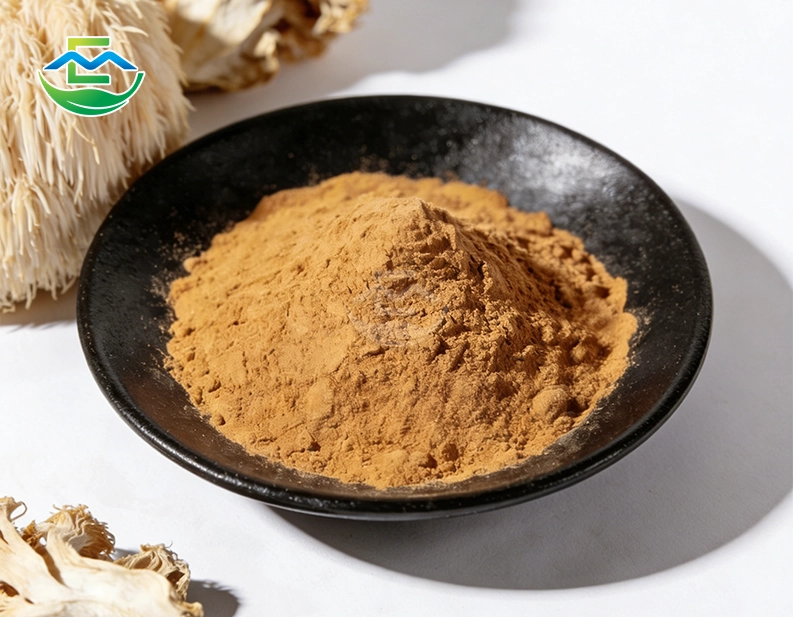
Pure Chaga fungus Powder is prepared from the finely crushed growth body (sclerotium) of the Inonotus obliquus fungus, which grows naturally on birch trees in northern latitudes. True Chaga powder is only fungal biomass with no added additives or carriers, unlike mycelium-on-grain versions that may include starch-based fillers. The Latin term Inonotus obliquus certifies the botanical identification of the substance, a key consideration for buying teams assessing the authenticity and purity of ingredients. Composition is the difference between pure powder and its blends. The real product is often a fine brownish-yellow powder (normally 80–120 mesh), which gives a more uniform look than bigger mushroom fragments. The powder retains the original constituent qualities via sophisticated dry grinding technology, but also improves the processing compatibility for varied formulation needs.
Production and Quality Control Standards
Wild harvesting from mature birch trees preserves Chaga's original makeup. The mushroom body is cleaned, dried at low temperatures, then finely powdered to protect temperature-sensitive components. In supplement, cosmetic, and functional food businesses, clean-label positioning is growing due to solvent-free manufacture. The Megazyme Method (K-YBGL) assesses beta-glucan and alpha-glucan levels for quality. Alpha-glucan levels may suggest starch-related elements, while true Chaga has lower alpha-glucan levels and greater beta-glucan content, notably 1,3–1,6 structures.DNA barcoding by ITS region sequencing verifies species identification and reduces the danger of utilising other fungal sources.
ICP-MS heavy metal analysis is essential for quality control. Fungi naturally collect ambient elements, thus rigorous testing requirements are used to check lead, cadmium, mercury, and arsenic. Raw material quality may be assessed by Cesium-137 radioactivity testing in Siberian materials. Microbiological testing ensures total plate counts and other indicators meet food ingredient standards.
Nutritional Profile and Bioactive Compounds
Several naturally occurring compounds contribute to the characteristics of pure Chaga mushroom Powder. Standardized HPLC methods show that polysaccharide content can exceed 30%, representing one of the major components found in Chaga material. Triterpenes such as betulin and betulinic acid are present in measurable concentrations and originate from the birch substrate where Chaga naturally develops. The chromogenic complex contributes to the characteristic dark color of Chaga powder and provides antioxidant properties. The combination of different naturally occurring compounds gives Chaga powder its unique ingredient profile. Beta-glucans and triterpenes represent important components studied in botanical ingredient research. The melanin-related compounds contribute to the natural color characteristics of the material. Moisture content is maintained below 5% to support powder stability, prevent clumping, and improve flowability during automated production processes. Stability throughout distribution is supported through moisture-resistant packaging, commonly using 25 kg drums with protective barriers.

Applications and Usage of Pure Chaga Mushroom Powder
Scientifically Studied Ingredient Characteristics
Various studies have examined the naturally occurring compounds found in Chaga mushroom. Research has focused on antioxidant characteristics and the composition of polysaccharides, triterpenes, and other fungal-derived compounds. These ingredient characteristics create opportunities for product developers working on botanical formulations, clean-label products, and plant-based ingredient solutions across multiple categories. Companies developing food and nutrition products incorporate Chaga powder into different formulas based on its unique composition and market positioning. Products featuring botanical ingredients may use Chaga powder as part of antioxidant-focused concepts, while its beta-glucan content provides opportunities for diverse formulation strategies. The powder format allows integration into capsules, tablets, powdered drink mixes, functional beverages, and topical cosmetic preparations where botanical ingredients are valued for their natural characteristics.
Practical Dosage and Formulation Guidelines
Depending on formulation and placement, finished goods utilise 500 mg to 2000 mg per day. Encapsulation is effective due to a tiny mesh and steady wetness. Natural binding qualities of the powder reduce the requirement for excipients in tablet manufacture. Proper hydration aids beverage dispersion. The brownish-yellow colour complements earthy or herbal flavours. Powder compatibility across pH settings shows its applicability for varied formulation circumstances. Although temperature-sensitive chemicals may change after lengthy heat exposure, the substance is stable at standard pasteurisation temperatures. Chaga powder is an antioxidant-rich botanical ingredient for serums and creams. Water-soluble polysaccharides and lipid-soluble triterpenes enable product makers to experiment with formulations. Technical support resources including utilisation levels, stability, and compatibility data expedite product development.

Comparing Pure Chaga Mushroom Powder with Alternatives
Powder Versus Extract Forms
Pure Chaga mushroom Powder preserves the mushroom's natural components, making it suited for whole-food positioning and clean-label formulations. Extract forms concentrate polysaccharides or triterpenes using hot water or ethanol extraction and spray drying. Extract ingredients have greater concentrations per gram, which is advantageous when formulation space is restricted and ingredient requirements are needed. Costs vary greatly between powder and extract versions. Powder is cheaper per kilogram, making it appropriate for formulations with greater inclusion levels. Due to additional processing steps, extracts cost more but may allow manufacturers to meet specifications with smaller serving sizes. Companies weigh ingredient concentration, formulation needs, and cost during procurement. Products with entire botanical constituents may choose pure powder, whereas those with standardised chemical levels may choose extract.
Chaga Versus Other Mushroom Ingredients
Compared to other mushroom ingredients, Chaga shows a variety of botanical characteristics for product creation. Ganoderma lucidum (Reishi) has distinct triterpene structures and polysaccharides compared to Chaga, making it unique. Birch-tree-grown chaga contains melanin and betulinic acid. Brands may diversify botanical ingredient portfolios by using both constituents in various product categories. Another mushroom ingredient with naturally occurring erinacines, Lion's Mane (Hericium erinaceus), offers various commercial positioning potential. Turkey Tail (Trametes versicolour) polysaccharide-protein complexes offer another mushroom-based option. Procurement teams may use mushroom powders' composition, sourcing, and processing variances to establish complementary ingredient strategies.
Organic Certification and Sourcing Considerations
Organic certification meets the requirements of a growing natural ingredient market. USDA Organic, EU Organic, and similar certifications help verify sourcing practices, production procedures, and processing standards. Although wild Chaga naturally develops without agricultural cultivation, certification provides additional documentation regarding harvesting methods, handling procedures, and supply chain transparency. Wild-collected materials from untouched forest environments may contain different levels of naturally occurring compounds compared with cultivated alternatives. Since the relationship between Chaga and birch trees is difficult to replicate artificially, cultivation methods may provide a more controlled supply while producing different ingredient profiles. Traceability systems that record harvesting locations, batch numbers, and testing results strengthen supply chain transparency. Complete documentation from forest collection through warehouse delivery helps B2B buyers evaluate ingredient reliability and maintain quality standards.
How to Choose and Procure Pure Chaga Mushroom Powder for Your Business
Essential Supplier Selection Criteria
Certification documents demonstrate a manufacturer’s production capabilities and commitment to quality management. Pharmaceutical-grade manufacturing practices may be supported through certifications such as NSF GMP. Food safety management systems can be demonstrated through FSSC22000 certification. Kosher and Halal certifications expand market accessibility, while ISO standards demonstrate structured quality management practices. Organic certifications provide additional verification of sourcing standards. Suppliers offering comprehensive certification documentation can help reduce procurement risks and simplify compliance management. Testing protocols also demonstrate a supplier’s quality commitment. Buyers should request Certificates of Analysis (COA) containing information such as heavy metal results, microbiological testing, moisture levels, and beta-glucan/alpha-glucan ratios. HPLC-based triterpene analysis helps verify ingredient characteristics and sourcing information. Suppliers providing complete testing documentation as a standard practice demonstrate stronger quality control systems.
Logistics and Supply Chain Reliability
For buyers in North America, regional warehouse networks can significantly improve ingredient procurement efficiency. EM operates multiple storage locations in the United States, allowing available inventory to be accessed quickly and reducing potential delays associated with international transportation and customs procedures. The standard minimum order quantity of 25 kg drums provides flexibility for medium-sized businesses while maintaining efficient transportation management. Sample availability helps companies evaluate ingredient compatibility before committing to larger purchases. Providing samples allows formulation teams to assess processing performance, appearance, taste characteristics, and overall suitability within existing product systems. Shorter lead times for stocked materials support faster product development cycles and more flexible inventory planning. Sealed 25 kg drum packaging provides a balance between handling convenience and material protection, allowing ingredients to be directly integrated into manufacturing processes or divided into smaller units for distribution.
Pricing Structures and Procurement Platforms
Effective cost planning requires explicit pricing models based on order volume, certification, processing, and delivery. Tiered pricing in bulk buying schemes helps greater order commitments save money. Understanding minimum order amounts and predicted consumption helps organisations manage inventories and maximise volume advantages. Direct supplier ties can have benefits over marketplace platforms. Ingredient experts may assist with formulation creation, and customised processing can meet particle size adjustment and ingredient standardisation needs.OEM relationships help with formulation, paperwork, and production coordination for private-label product development. Marketplace platforms provide simple buying methods, but direct engagement with Chaga mushroom powder producers may improve supply chain visibility, technological collaboration, and customer support. Companies may create long-term product innovation partnerships with skilled ingredient suppliers.

Conclusion
Pure Chaga mushroom Powder from Inonotus obliquus meets market demands with its unique composition and sourcing. Naturally occurring polysaccharides, beta-glucans, triterpenes, and other substances make up its ingredient composition. Solvent-free processing promotes clean-label products, while beta-glucan analysis, heavy metal testing, and DNA identification ensure material authenticity and uniformity. Procurement teams must weigh the difference between pure powder and cheaper options. Companies may preserve product quality and brand confidence by choosing suppliers with suitable certifications, clear testing processes, and dependable paperwork. Chaga powder from certified wild harvests with full documentation offers supplement, cosmetic, and functional food options as the natural ingredient industry emphasises transparency and quality.
FAQ
1. Is Pure Chaga Mushroom Powder Safe for Commercial Formulations?
Research reviews back up Chaga's long history of use and its safety rating today when it comes from quality-controlled sources. Testing for microbes, heavy metals, and contaminants makes sure that the material meets the safety standards for food and supplements. Regulatory compliance across FDA and foreign frameworks is supported by the right paperwork. When materials are processed without solvents, any residual chemicals are removed, which protects the integrity of the clean label.
2. What Dosage Ranges Work Across Different Product Types?
Finished goods usually have 500mg to 2000mg daily servings, but the preparation goals decide the exact amounts. Capsules usually have 500 to 1000 mg per serving, so you can take two capsules every day. Higher amounts, 1500 to 2000 mg per serving, may be found in powdered drink mixes, where the earthy flavor blends into functional beverage profiles. In cosmetics, lower concentrations (1–5%) are used because the antioxidant activity helps the formulation without making the textures too strong.
3. How Do Beta-Glucans Support Formulation Claims?
Cellular studies have shown that beta-glucans associate with immune cell surface receptors. Fungal beta-glucans and grain beta-glucans have different 1,3-1,6 linkage structures, which give them different qualities. This group of compounds is used in formulations that focus on immune wellness. The effectiveness of these formulations is backed up by ingredient documentation and testing of the finished product to ensure delivery and stability over time.
Partner with EM for Premium Chaga Mushroom Powder Supply
EM is an expert in providing pharmaceutical-grade pure Chaga mushroom Powder that comes from legally harvested wild mushrooms that have been processed to the highest standards. Our wide range of certifications, including NSF GMP, FSSC22000, Kosher, Halal, ISO, and Organic, shows that we are dedicated to quality in all areas of regulation. We send materials within two days of receiving an order because our four carefully placed U.S. warehouses help meet tight production schedules and inventory management goals.
Our expert team helps with formulation, provides legal paperwork, and offers unique processing choices that are made to fit the needs of your product. Whether you're making herbal cosmetics, immune-supporting supplements, or drinks with antioxidants, we can give you consistent, tried material that comes with full analysis paperwork. Free samples let you try something out without any risk before you commit to buying it. To talk about your Chaga mushroom powder needs, email our ingredient experts at info@em-herb.com. We want you to be successful, so we offer a reliable supply, technical know-how, and quick, helpful service that grows with your business.
References
1. Balandaykin, M. E., & Zmitrovich, I. V. (2015). Review on Chaga medicinal mushroom, Inonotus obliquus (higher Basidiomycetes): Realm of medicinal applications and approaches on estimating its resource potential. International Journal of Medicinal Mushrooms, 17(2), 95-104.
2. Glamočlija, J., Soković, M., & van Griensven, L. J. (2014). Chemical composition and biological activities of Chaga (Inonotus obliquus): A literature review. Mycological Progress, 13(4), 1-12.
3. Wasser, S. P. (2011). Current findings, future trends, and unsolved problems in studies of medicinal mushrooms. Applied Microbiology and Biotechnology, 89(5), 1323-1332.
4. Zheng, W., Miao, K., & Liu, Y. (2010). Chemical analysis of the bioactive constituents of medicinal mushroom Inonotus obliquus. Journal of Food Composition and Analysis, 23(6), 637-643.
5. Park, Y. K., Lee, H. B., & Jeon, E. J. (2004). Quality characteristics of Chaga mushroom (Inonotus obliquus) and its biological activities. Korean Journal of Food Science and Technology, 36(4), 551-556.
6. Shashkina, M. Y., Shashkin, P. N., & Sergeev, A. V. (2006). Chemical and medicobiological properties of Chaga: A review. Pharmaceutical Chemistry Journal, 40(10), 560-568.