- English
- French
- German
- Portuguese
- Spanish
- Russian
- Japanese
- Korean
- Arabic
- Irish
- Greek
- Turkish
- Italian
- Danish
- Romanian
- Indonesian
- Czech
- Afrikaans
- Swedish
- Polish
- Basque
- Catalan
- Esperanto
- Hindi
- Lao
- Albanian
- Amharic
- Armenian
- Azerbaijani
- Belarusian
- Bengali
- Bosnian
- Bulgarian
- Cebuano
- Chichewa
- Corsican
- Croatian
- Dutch
- Estonian
- Filipino
- Finnish
- Frisian
- Galician
- Georgian
- Gujarati
- Haitian
- Hausa
- Hawaiian
- Hebrew
- Hmong
- Hungarian
- Icelandic
- Igbo
- Javanese
- Kannada
- Kazakh
- Khmer
- Kurdish
- Kyrgyz
- Latin
- Latvian
- Lithuanian
- Luxembou..
- Macedonian
- Malagasy
- Malay
- Malayalam
- Maltese
- Maori
- Marathi
- Mongolian
- Burmese
- Nepali
- Norwegian
- Pashto
- Persian
- Punjabi
- Serbian
- Sesotho
- Sinhala
- Slovak
- Slovenian
- Somali
- Samoan
- Scots Gaelic
- Shona
- Sindhi
- Sundanese
- Swahili
- Tajik
- Tamil
- Telugu
- Thai
- Ukrainian
- Urdu
- Uzbek
- Vietnamese
- Welsh
- Xhosa
- Yiddish
- Yoruba
- Zulu
Cordyceps sinensis extract represents a concentrated botanical ingredient derived from one of nature's valued fungal species. Through advanced water and ethanol extraction processes, this brownish-yellow powder provides standardized polysaccharide content ranging from 30% to 50%, making it a suitable raw material for nutraceutical, cosmetic, functional beverage, and sports nutrition applications. As procurement professionals navigate the growing demand for natural and standardized ingredients, understanding the technical specifications, quality benchmarks, and application versatility of this mycelium-derived extract becomes essential for product development and market differentiation.


Understanding Cordyceps sinensis Extract: Basics and Characteristics
Botanical Origins and Modern Extraction Technology
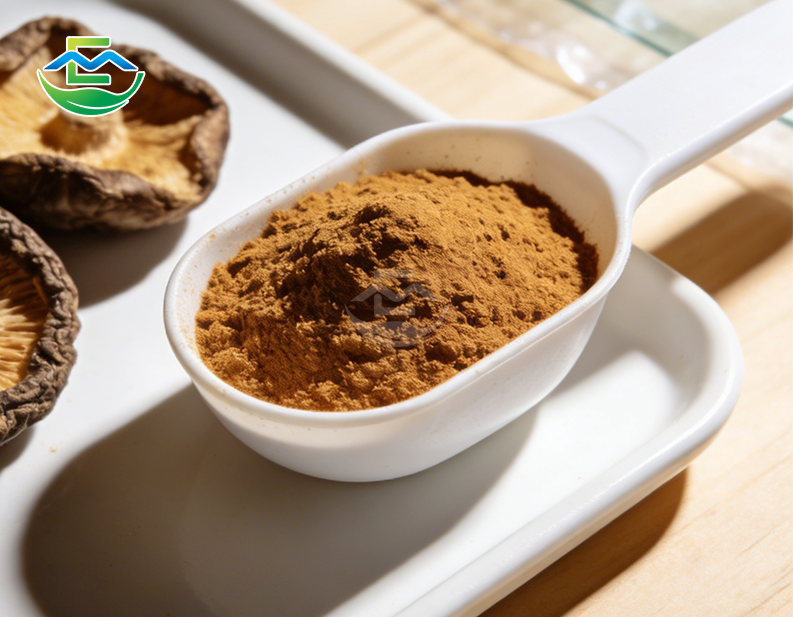
Asian cultures have used Cordyceps sinensis fungus (Ophiocordyceps sinensis) for centuries. Controlled mycelium-growing technologies in modern production eliminate wild-harvested specimen variability and preserve raw material quality. Manufacturers use dual-solvent extraction to isolate essential natural chemicals while retaining polysaccharides, adenosine, and cordycepin. High-quality extraction procedures include hot water extraction for polysaccharide concentration and ethanol extraction for nucleoside compounds. Spray-drying turns the concentrated extract into a brownish-yellow powder that passes 80-mesh sieves. This processing method enhances powder flow and component mixing. These technical advances meet B2B ingredient standardisation and batch-to-batch uniformity needs.
Key Compounds and Their Characteristics
Polysaccharides, 30% to 50% in premium Cordyceps sinensis extract, indicate quality. Ingredient profiles sometimes include complex carbs as standardisation indicators. Adenosine levels vary from 0.2% to 1.0% depending on extraction circumstances. This molecule is crucial for ingredient identification and quality assessment. The naturally occurring nucleoside compound Cordycepin is found in Cordyceps species. It is found in various quantities and is another benchmark for premium extract requirements. These chemicals provide a unique ingredient profile that benefits numerous sectors. These standardised indicators help sports nutrition, functional food, and botanical formulation manufacturers maintain consistency and quality. The chemical profile helps R&D teams test ingredient combinations with other botanical extracts like rhodiola or ashwagandha for formulation ideas. Polysaccharides and nucleoside compounds are water-soluble and may be used in powder mixes, capsules, tablets, and liquid drinks.

Comparing Cordyceps Extract Forms and Quality Dimensions
Cordyceps sinensis Versus Cordyceps militaris: Species Distinction
Both species belong to the Cordyceps genus, but their chemical compositions differ significantly. Cordyceps militaris may contain different levels of cordycepin, while Cordyceps sinensis products are commonly evaluated through polysaccharide content and adenosine specifications. Procurement teams should clearly identify the desired species based on product positioning, formulation requirements, and target market expectations. Extracts produced from Cordyceps sinensis mycelium provide a more consistent supply option compared with wild-harvested fruiting bodies, which may experience availability and pricing fluctuations.DNA barcoding and TLC fingerprinting are used to verify ingredient identity and help prevent the presence of undeclared materials or fillers. This identification process is especially important for premium markets requiring transparent sourcing information.
Extract Concentration Versus Raw Powder Formats
Standardised Cordyceps sinensis extracts are more concentrated and consistent than mushroom powders. Natural mushroom matrix components in raw powders may affect processing and formulation. Concentrated extracts help businesses to create goods with regulated ingredient requirements by providing more standardised chemicals per gram. Quality extracts are brownish-yellow due to processing and ingredient control. Technical criteria for automated capsule filling equipment include bulk density readings between 0.45 and 0.65 g/ml and tapped density between 0.6 and 0.85. These parameters affect unit cost and manufacturing efficiency. Storage stability is improved by keeping moisture below 5.0%. When sealed in drums with desiccants, the substance may last longer.
Organic Certification and Purity Standards
Organic certification addresses North American and European demand for clean-label ingredients. Cordyceps sinensis extracts must meet regulated growth conditions and agricultural regulations to be organically certified. International markets benefit from third-party verification by credible organisations like USDA NOP or EU organic certification schemes. Earth Made Nutrition's Organic, Kosher, Halal, NSF GMP, and FSSC22000 certifications assist in fulfilling clients' regional and industry needs. Beyond organic certification, heavy metal testing is vital for quality monitoring. Cordyceps constituents fulfil raw material requirements with strict limitations for arsenic (As < 1ppm), lead (Pb < 2ppm), cadmium (Cd < 1ppm), and mercury (Hg < 0.1ppm). Microbiological criteria include a Total Plate Count of fewer than 1,000 cfu/g and E. coli and Salmonella testing to fulfil food and cosmetic ingredient quality standards.

Usage Guidelines and Ingredient Specifications
Industry-Standard Usage Frameworks
Cordyceps sinensis extracts are added to supplements at 500 mg to 2,000 mg per day, depending on polysaccharide content and formulation needs. Products employing 30% polysaccharide extract may choose 1,000 mg daily serving sizes, whereas formulations using 50% standardised materials may alter consumption levels based on product specifications and design. Formulation-based use ranges let producers standardise ingredient quantities while retaining product forms. From standard to concentrated extracts, formulation makers must consider extract ratios and constituent concentration. A 10:1 extract ratio converts 100g of raw mycelium material into 10g of final extract, increasing chemical concentration. This data helps producers compute botanical equivalency and define product requirements.
Formulation Compatibility and Processing Stability
An ingredient suited for different formulation systems is extracted using water and ethanol. Microcrystalline cellulose and magnesium stearate may be added to Cordyceps sinensis extract to compress tablets. Tablet production is more efficient, and capping and lamination difficulties are reduced with this compatibility. The brownish-yellow colour matches earthy ingredient mixes or may be covered with coloured capsule shells. When mixed properly, water-soluble polysaccharide fractions distribute uniformly in beverages. Controlling formulation conditions, especially pH between 4.5 and 6.5, preserves nucleoside chemical stability during pasteurisation. Encapsulation or lipid matrix systems may increase cosmetic emulsion compatibility, enabling better serum and cream formulations.
Regulatory Compliance and Documentation Requirements
Global botanical extract laws vary. In the US, Cordyceps compounds are examined under food ingredient rules. Product identity, purity, strength, and composition consistency are maintained by good manufacturing practices. Products must include appropriate structure and function statements and avoid unapproved claims related to specific conditions. European markets follow EFSA regulations and requirements for novel food ingredients and botanical materials.
Strategic Procurement: Finding Reliable Cordyceps sinensis Extract Suppliers
Evaluation Criteria for Manufacturer Selection
Beyond price, choosing a dependable source takes assessment. Product consistency is affected by extraction equipment, clean room classification, quality control laboratory certification, and production expertise. Suppliers with ISO-certified facilities and mycology teams prioritise technical competency and process optimisation. Traceability solutions that link raw material origins to product lot numbers aid quality investigations and organic or regional sourcing documentation. High-end vendors may give DNA authentication reports, HPLC chromatograms with chemical profiles, and microbiological testing data. Professional manufacturers are distinguished from ingredient vendors without direct manufacturing control by these documentation criteria.
Strategic Procurement: Finding Reliable Cordyceps sinensis Extract Suppliers
Evaluation Criteria for Manufacturer Selection
Companies with multiple warehouse locations in the U.S., such as Earth Made Nutritions with four strategically positioned warehouses, provide significant logistical advantages. Domestic inventory availability can reduce lead times from weeks to days, helping companies improve inventory planning and production scheduling. This infrastructure is especially valuable during new product launches or periods of increased market demand, allowing brands to respond more efficiently to changing requirements.
Market Pricing Structures and Wholesale Options
The cost of Cordyceps sinensis extract varies based on raw material quality, extraction concentration, certification, and manufacturing complexity. Premium 50% polysaccharide extract costs $80.00 to $120.00 per kilogram, whereas standard 30% costs $45.75 to $57.55.Special cultivation and processing for organic certification may cost 15–25% more. Bulk purchases may save money. Volume discounts are frequent for 100, 500, and 1,000 kilogram yearly purchases. Strategic procurement teams may arrange yearly supply agreements with quarterly delivery dates to enhance inventory planning and cost certainty. Companies may make 25 kg. Supplier connections and order volume affect payment periods. New and current clients with good credit may qualify for advance payment or extended payment options. International buyers should consider currency rates, customs classifications, and import procedures. Companies prefer domestic suppliers with recognised facilities to facilitate supply chain management.
Private Label Partnerships and Custom Formulation Services
Value-added services help distinguish premium suppliers from basic ingredient distributors. Private labeling allows brands to outsource manufacturing while maintaining control over product specifications and market positioning. Experienced manufacturers can assist clients with flavor masking, capsule size selection, packaging considerations, and label documentation support, helping accelerate product development. Custom extraction services allow manufacturers to create customized specifications beyond standard market options. Technical collaboration can support customers seeking specific polysaccharide-to-nucleoside ratios, extraction profiles, or specialized ingredient characteristics. These partnerships allow brands to develop differentiated products with unique specifications and improve market competitiveness.
Sampling Programs and Product Evaluation
Sampling programs reduce procurement risks by allowing customers to evaluate ingredients before committing to large-volume purchases. Reliable suppliers provide samples suitable for formulation testing and stability evaluations. Sample quantities typically range from 100g to 500g and are provided with supporting analytical documentation. Earth Made Nutritions provides free samples and ships them from available inventory, helping customers accelerate R&D evaluation and product development processes.
Integrating Cordyceps sinensis Extract into Product Lines: Practical Applications and Market Trends
Nutraceutical and Sports Nutrition Applications
The largest application area for Cordyceps sinensis extracts includes capsule and tablet supplement products. In standalone products, the ingredient is commonly positioned as a botanical component used in specialized supplement formulations. Combination formulas may include Cordyceps sinensis extract with other botanical ingredients, such as astragalus, reishi, or ginseng, to create diversified botanical blends. Sports nutrition manufacturers incorporate Cordyceps sinensis extract into pre-workout, endurance, and performance-oriented product concepts. The ingredient's traditional association with active lifestyle products supports its use in sports nutrition market categories. Protein powder manufacturers may include Cordyceps sinensis extract in customized formulas that combine botanical ingredients with macronutrient-based product designs. These applications align with continued growth in the sports nutrition market and increasing interest in plant-based ingredients.
Functional Beverage Applications
Functional beverage development represents a rapidly expanding application area. Cordyceps sinensis extract is used in ready-to-drink mushroom beverages, botanical teas, and specialty hydration products. Water-soluble extracts disperse effectively in liquid systems, maintaining product appearance or contributing earthy color characteristics depending on the formulation. When used in beverages, flavor optimization is an important consideration because concentrated Cordyceps sinensis extract may introduce mild earthy notes that require adjustment within the flavor system.
Cosmetic and Personal Care Integration
Luxury skincare firms use Cordyceps sinensis extract more. Chemical properties and water compatibility make polysaccharides useful in cosmetics. Extract botanicals enhance formulation and ingredient selection. Creams may include more Cordyceps sinensis extract than serums (1–3%), depending on formulation. Due to their 24-36-month lifespan, cosmetics need stability testing. Fast ageing at regulated temperatures lets manufacturers assess component stability. Since certain antimicrobials reduce polysaccharide performance, Cordyceps sinensis extract formulations must be preserved similarly. Component suppliers and cosmetic formulators work together on product stability and quality owing to technological problems. Certified organic Cordyceps sinensis extracts are used in natural personal care. Cleaning firms that use plant-based ingredients use botanical extracts. Specialist cosmetics have more narrative possibilities with traditional plant sourcing and contemporary extraction.
Market Growth Drivers and Consumer Demand Patterns
Market research indicates mushroom-based products are rising throughout North America. Functional food, beverage, and supplement development is driven by botanical ingredients and clean-label goods. Media and the internet have increased mushroom-derived ingredient knowledge and demand across distribution channels. Big retailers' clean-label requirements prioritise ingredient origin, verification, and minimal processing. Standardised Cordyceps sinensis extracts with natural polysaccharide markers may meet these requirements due to consistent ingredient specifications and verified sources. Certified Organic/Non-GMO Project Verified brands may sell more naturally. European markets value environmental documentation and ethical sourcing. Sustainable farming, transparent supply chains, and extensive documentation help providers meet market needs. Supply chain openness, traceability, and certifications improve long-term partnerships.

Conclusion
Cordyceps sinensis extract represents an advanced botanical ingredient with standardized compound profiles, versatile application possibilities, and growing market interest across beverage, sports nutrition, cosmetic, and nutraceutical industries. Successful procurement requires understanding extraction methods, quality standards, regulatory requirements, and supplier capabilities to ensure consistent ingredient specifications and reliable supply. Mycelium-derived extract standardized to 30–50% polysaccharides, produced through water-ethanol extraction, and packaged with complete documentation provides a combination of quality, application flexibility, and commercial value. As demand for natural and standardized ingredients continues to grow, brands can benefit from establishing strategic partnerships with qualified manufacturers. These partnerships help companies maintain consistent quality standards, improve product development efficiency, and build long-term market competitiveness.
FAQ
1. What distinguishes high-quality cordyceps extract from inferior products?
Premium Cordyceps sinensis extracts have uniform bioactive content that has been confirmed by HPLC tests. These extracts show specific polysaccharide percentages and adenosine levels. Quality goods come with full records of analysis that show the limits of heavy metals, the purity of microbes, and the identification of plants through DNA barcoding. A brownish-yellow color, the right amount of moisture (below 5%), and the right distribution of particle sizes are all signs of good processing. Certifications from organizations like NSF GMP, FSSC22000, Organic, Kosher, and Halal give you an extra quality guarantee on top of basic manufacturing standards.
2. How should cordyceps extract be stored to maintain potency?
Cordyceps sinensis extract should be kept in sealed drums or containers out of direct sunlight, heat sources, and water. Temperatures below 25°C (77°F) and relative humidity below 60% are the best conditions for keeping. Once a container is opened, it should be quickly sealed again with desiccant packets to keep moisture from escaping. Quality extracts keep their bioactive potency for 24 to 36 months after they were made, as long as they are stored properly.
3. Can cordyceps extract be combined with other botanical ingredients?
When designing a recipe, Cordyceps sinensis extract works well with many plants. For full mushroom complexes, reishi and lion's mane are popular combinations. Rhodiola and ashwagandha are popular for adaptogenic blends, and ginseng is popular for energy-focused products. Testing for compatibility makes sure that mixes are steady and that chemical interactions don't change their bioavailability or shelf life.
Partner with EM for Premium Cordyceps sinensis Extract Supply
According to Earth Made Nutritions Inc., their Cordyceps sinensis extract is pharmaceutical-grade and is standardized to 30–50% polysaccharides. It is made from superior mycelium using modern water-ethanol processing. Our operations in California run four key U.S. warehouses that allow orders to be filled in two days with a 25 kg minimum order size and free sample programs. Full certifications like NSF GMP, FSSC22000, Organic, Kosher, Halal, and ISO standards help companies easily follow the rules in all global markets. Our technical team can help you with formulation, private labeling, and making sure that your product's extraction specifications are exactly what you need to make it stand out. Email our buying experts at info@em-herb.com to talk about bulk prices, ask for analytical paperwork, or set up free samples from the products we keep in stock. Find out why top cosmetic formulators, sports nutrition companies, and supplement brands choose EM as their Cordyceps sinensis extract provider for stable quality, technical know-how, and dependable domestic supply chains.
References
1. Holliday, J. & Cleaver, M. (2008). Medicinal Value of the Caterpillar Fungi Species of the Genus Cordyceps. International Journal of Medicinal Mushrooms, 10(3), 219-234.
2. Zhou, X., Gong, Z., Su, Y., Lin, J., & Tang, K. (2009). Cordyceps Fungi: Natural Products, Pharmacological Functions and Developmental Products. Journal of Pharmacy and Pharmacology, 61(3), 279-291.
3. Ng, T. B. & Wang, H. X. (2005). Pharmacological Actions of Cordyceps, a Prized Folk Medicine. Journal of Pharmacy and Pharmacology, 57(12), 1509-1519.
4. Paterson, R. R. (2008). Cordyceps: A Traditional Chinese Medicine and Another Fungal Therapeutic Biofactory. Phytochemistry, 69(7), 1469-1495.
5. Zhu, J. S., Halpern, G. M., & Jones, K. (1998). The Scientific Rediscovery of an Ancient Chinese Herbal Medicine: Cordyceps sinensis. Journal of Alternative and Complementary Medicine, 4(3), 289-303.
6. Cunningham, K. G., Manson, W., Spring, F. S., & Hutchinson, S. A. (1950). Cordycepin, A Metabolic Product Isolated from Cultures of Cordyceps militaris. Nature, 166(4231), 949-950.