- English
- French
- German
- Portuguese
- Spanish
- Russian
- Japanese
- Korean
- Arabic
- Irish
- Greek
- Turkish
- Italian
- Danish
- Romanian
- Indonesian
- Czech
- Afrikaans
- Swedish
- Polish
- Basque
- Catalan
- Esperanto
- Hindi
- Lao
- Albanian
- Amharic
- Armenian
- Azerbaijani
- Belarusian
- Bengali
- Bosnian
- Bulgarian
- Cebuano
- Chichewa
- Corsican
- Croatian
- Dutch
- Estonian
- Filipino
- Finnish
- Frisian
- Galician
- Georgian
- Gujarati
- Haitian
- Hausa
- Hawaiian
- Hebrew
- Hmong
- Hungarian
- Icelandic
- Igbo
- Javanese
- Kannada
- Kazakh
- Khmer
- Kurdish
- Kyrgyz
- Latin
- Latvian
- Lithuanian
- Luxembou..
- Macedonian
- Malagasy
- Malay
- Malayalam
- Maltese
- Maori
- Marathi
- Mongolian
- Burmese
- Nepali
- Norwegian
- Pashto
- Persian
- Punjabi
- Serbian
- Sesotho
- Sinhala
- Slovak
- Slovenian
- Somali
- Samoan
- Scots Gaelic
- Shona
- Sindhi
- Sundanese
- Swahili
- Tajik
- Tamil
- Telugu
- Thai
- Ukrainian
- Urdu
- Uzbek
- Vietnamese
- Welsh
- Xhosa
- Yiddish
- Yoruba
- Zulu
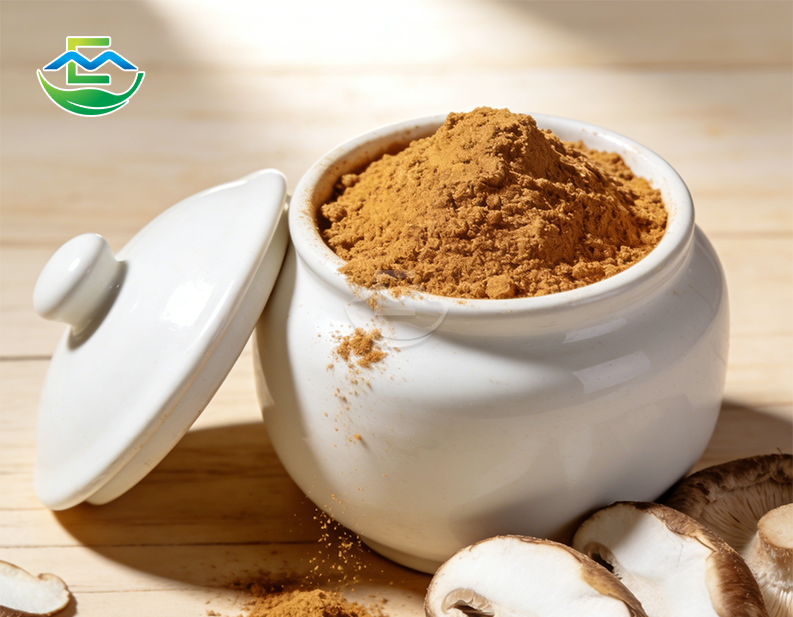
Pure Chaga mushroom powder is the finely milled form derived from the sterile conk (sclerotium) of Inonotus obliquus, a fungus predominantly wildcrafted from birch trees in subarctic circumpolar regions like Siberia, Northern Canada, and Alaska. Unlike mycelial biomass products grown on grain substrates, authentic Chaga powder consists of 100% wild-harvested fungal material, free from carriers, starch fillers, or excipients. This powder is processed through dual-extraction methods—hot water followed by ethanol extraction, then spray-dried—to concentrate naturally occurring compounds including beta-glucans, triterpenes, polyphenols, and melanin. For procurement professionals evaluating botanical ingredients, understanding the distinction between authentic Chaga and lower-quality alternatives is essential for formulation development and brand positioning.

Understanding Pure Chaga Mushroom Powder
Natural Origins and Botanical Identity
For 10 to 20 years before harvesting, pure Chaga mushroom powder develops on birch trees through a slow natural growth process. Its Latin name, Inonotus obliquus, identifies its botanical classification. When wildcrafted from living birch trees, it naturally contains compounds associated with the host tree, including betulin and betulinic acid. These components contribute to the unique chemical profile of wild-sourced Chaga compared with cultivated alternatives produced under controlled conditions. Harvesting methods have a significant influence on raw material quality. Responsible collection involves removing only a portion of the conk at a time, helping preserve the surrounding forest environment and allowing natural regeneration. After harvesting, the raw material is dried at controlled low temperatures to help maintain its naturally occurring compounds and physical characteristics.
Physical and Chemical Characteristics
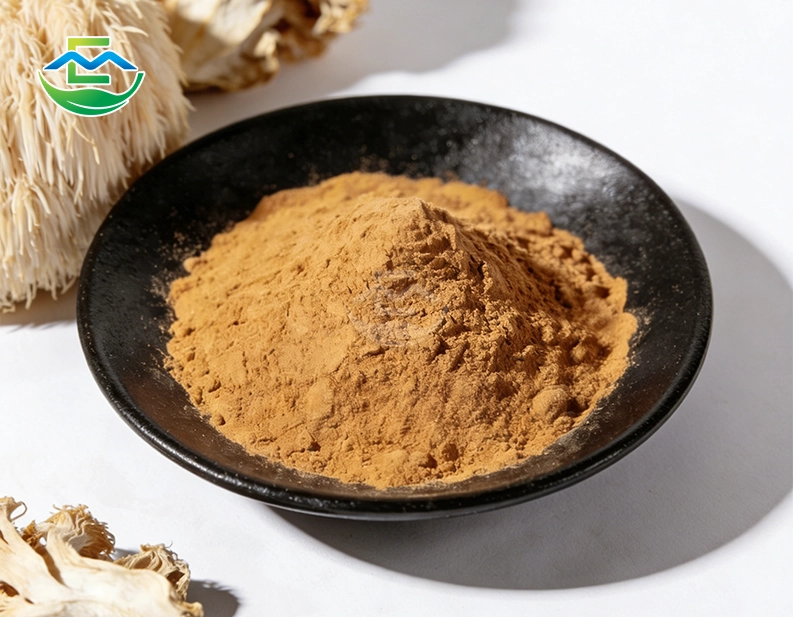
High-quality pure Chaga mushroom powder typically features particle sizes between 80 and 120 mesh, producing a fine powder with a characteristic brown to dark brown appearance due to its naturally occurring melanin content. Quality evaluation commonly focuses on the following analytical indicators:
- Polysaccharides: Greater than 30%, based on standard carbohydrate analysis methods used to evaluate composition consistency.
- Beta-Glucans: Generally measured within a defined specification range, with analytical methods such as the Megazyme enzymatic assay used to identify fungal glucan structures and distinguish them from starch-derived alpha-glucans.
- Triterpenes: Above 2% in selected specifications, including naturally occurring compounds such as betulin and betulinic acid associated with birch-derived materials.
- Chromogenic Complex: Above 10% in some quality standards, representing the group of naturally occurring pigments and compounds contributing to Chaga’s characteristic color profile.
- Moisture Content: Below 5% to support powder flowability, storage stability, and reduced clumping during transportation and processing.
Advanced “dual extract” specifications are also available for manufacturers requiring ingredients with improved compatibility across both water-based and fat-based formulations. This makes the ingredient suitable for development in various product categories, including powdered beverages, nutritional formulations, and cosmetic applications.
Quality Control Measures and Certifications
Professional purchasing teams evaluate multiple quality factors when sourcing pure Chaga mushroom powder. HPTLC fingerprinting is commonly used to verify the identity of Inonotus obliquus sclerotium and confirm consistency between production batches. Because mushrooms naturally interact with their growing environment, ICP-MS testing is often applied for heavy metal analysis.
Typical quality specifications may include:
- Cadmium: below 1 ppm
- Lead: below 2 ppm
- Mercury: below 0.1 ppm
- Arsenic: below 1 ppm
Materials collected from specific geographic regions may also undergo additional testing, such as Cesium-137 screening, depending on sourcing requirements and regional regulations. Many suppliers provide certifications including NSF GMP, FSSC22000, Kosher, Halal, ISO, and organic certifications for pure Chaga mushroom powder. These certifications support international quality management requirements and help procurement teams meet regulatory expectations when supplying products to North American and European markets.

Applications and Usage of Pure Chaga Mushroom Powder
Scientifically Supported Ingredient Applications
Since it contains various natural compounds, pure Chaga mushroom powder is useful in plant-based therapies. Beta-glucans, polyphenols, triterpenes, and melanin distinguish and sell it. Analyses of Chaga's natural ingredients' composition, antioxidant capacity, and formulation compatibility are prevalent. Companies that respect natural ingredients, clean labelling, and botanical sources like pure Chaga mushroom powder. Polyphenolics and natural pigments differentiate Chaga ingredients. This powder is used in botanically complex, natural-colored, and ingredient-driven products. Cosmetic formulators like pure Chaga mushroom powder's melanin and plant-derived elements. Skincare products including serums, creams, and botanicals use it. Fat-soluble molecules provide flexibility, whereas water-soluble polysaccharides add texture. Cosmetic companies producing plant-based, clean ingredient lines benefit from chaga powder's versatility.
Practical Application Methods
Hot water extraction has traditionally produced drinks with naturally occurring soluble components from pure Chaga mushroom powder. Today, powder is employed in capsules, tablets, powdered drink mixes, and customised ingredient formulations. Recommended application amounts vary by product type, formulation, and regulation. B2B manufacturers base inclusion rates on product specs, target market needs, and technical testing. Functional food makers use pure Chaga mushroom powder in protein blends, energy bars, coffee alternatives, and speciality beverage mixes. Its earthy, moderate bitterness complements coffee, chocolate, and vanilla. When creating novel formulations, beverage producers consider processing stability, heat tolerance, and shelf life. Cosmetic makers choose micronised grades like 120 mesh or higher for smoother creams and lotions. Based on formulation design and desired sensory qualities, use levels vary from 0.5% to 5%.

Comparing Pure Chaga Mushroom Powder with Alternatives
Powder Versus Extract Concentrates
Chaga ingredients standardized to specific beta-glucan or polysaccharide levels generally require additional processing steps and may have higher production costs. Many extracts involve removing fibrous materials to achieve concentration ratios such as 10:1 or 20:1.Pure Chaga mushroom powder maintains more of the original mushroom material, making it a practical option for applications where higher inclusion rates are acceptable, such as powdered beverages, bulk ingredient blends, and whole-food-style formulations. Different formats provide different formulation advantages. Properly processed dual-extracted powders offer compatibility with both water-based and alcohol-based systems, making them suitable for various ingredient applications. Procurement managers should evaluate factors such as formulation requirements, target pricing, processing conditions, and product positioning when selecting between whole powder and concentrated extract formats.
Wildcrafted Versus Cultivated Sourcing
Many years of natural growth on birch trees create authentic wildcrafted pure Chaga fungus powder with a unique chemical makeup. Controlled Chaga production may have more constant production cycles, although its composition may vary from naturally obtained materials. Cultivated Chaga may have various ratios of naturally occurring chemicals depending on growing techniques and growth factors. DNA barcoding and ITS region sequencing may verify species identification and raw material authenticity. Environmental responsibility is needed for wild harvesting. Reliable suppliers use expert collectors who gather responsibly to safeguard forest ecosystems and ensure sustainable sourcing.EM works with certified wildcrafters to responsibly gather genuine Chaga mushroom powder. Organic positioning and ecologically responsible sourcing claims may be supported by supply chain evidence and traceability.
Understanding Label Claims: Organic Versus Pure
Organic certification indicates that materials are produced according to specific agricultural standards without the use of synthetic pesticides or fertilizers. For naturally wildcrafted Chaga collected from untouched forest environments, certification requirements may differ from cultivated agricultural products. The term “pure” refers primarily to product composition, indicating that the ingredient contains no unnecessary fillers, carriers, starches, or additional substances. This distinction is particularly important in markets where some mushroom products may contain added materials from grain-based cultivation processes. Business buyers should request certificates of analysis (CoA) to verify ingredient specifications, including identity testing, composition analysis, purity standards, and quality parameters.
Buying Guide for Pure Chaga Mushroom Powder: Ensuring Quality and Competitive Pricing
Essential Supplier Evaluation Criteria
More than price comparison is needed to find reliable pure Chaga mushroom powder vendors. Certification promotes quality control. NSF GMP accreditation verifies production procedures, FSSC22000 certifies food safety management systems, and Kosher and Halal help companies fulfil market expectations. Responsible sourcing claims may be supported by USDA, EU, or similar organic certifications. Technical knowledge and quality management identify seasoned vendors. HPLC, ICP-MS, and DNA sequencing are used by advanced R&D teams to verify raw material legitimacy, composition uniformity, and production standards. Since ingredient effectiveness depends on reliable raw materials, companies need uniform standards. Buyers should request heavy metal testing, beta-glucan content, triterpene profiles, microbiological examination, and batch-to-batch uniformity. Supplier reputation may be assessed by business history, third-party audits, customer feedback, and clear documentation. Long-term partnerships are built on transparent supply chains, including wildcrafting locations, processing procedures, and quality inspections.
Procurement Channels and Logistics Considerations
Companies seeking customisation, low price, and consistent supply typically benefit from working directly with manufacturers. Communication on product specifications, packaging, paperwork, and delivery dates is easier with direct manufacturers.EM has numerous strategically located US locations to simplify ordering and delivery for 100% Chaga mushroom powder consumers. Supplement, food, beverage, and cosmetic businesses may decrease transit, customs, and storage issues with domestic inventory management. Minimum order amounts vary per source. EM's 25 kilogram MOQ lets mid-sized firms test recipes and create new products with modest initial cost. For bulk distribution, pure Chaga mushroom powder is packed in 25 kilogram fibre drums with moisture-resistant packaging to ensure ingredient quality. Before placing significant orders, producers may test flavour, processing compatibility, and formulation performance using samples.
Pricing Benchmarks and Negotiation Strategies
Pure Chaga mushroom powder prices vary by source area, harvesting technique, processing technology, certification level, and order amount. Due to constrained harvesting circumstances, lengthier natural development cycles, and specialised collecting procedures, wildcrafted products cost more than produced ones. Dual-extracted powders cost more to make than ground Chaga powder due to additional processing. However, premium ingredient producers may have more formulation freedom. Volume purchases frequently provide price optimisation, with reductions offered at bigger order numbers. Long-term supply agreements may help firms stabilise purchases and enhance supply planning despite wild harvesting seasons. Complete CoA paperwork, third-party testing findings, and quality records are provided by transparent vendors. This information helps customers assess product value and identify certified ingredients from cheaper ones without quality verification.
Maximizing Procurement Success: Best Practices and Brand Trust
Building Strategic Supplier Relationships
Finding genuine Chaga mushroom powder requires more than purchasing. Prolonged partnerships with skilled suppliers may help with formulation, stability, paperwork, and regulation. Customers use EM's R&D team for application requirements, formulation optimisation, sensory characteristics, and product development. This cooperation accelerates product launches and development. Transparent sourcing improves customer communication. Natural and traceable products may learn more about ingredients from suppliers that document harvesting, processing, testing, and quality verification. Product lifecycle transparency may be improved by supply chain visibility technologies that track pure Chaga mushroom powder from raw material collection to final ingredient manufacturing. Manufacturers need reliable after-sales assistance for formulation changes, documentation updates, and regulations. Product management is simplified by suppliers updating CoAs, allergy declarations, technical specifications, and quality papers.EM provides extensive technical paperwork for product registration, international market preparation, and ingredient compliance.
Operational Reliability and Risk Management
Supply stability depends heavily on supplier management capabilities and sourcing strategies. Using multiple sourcing approaches can help reduce risks associated with seasonal wild harvesting changes, environmental conditions, and regional collection limitations. Strategic inventory planning allows suppliers to maintain appropriate stock levels, helping manufacturers avoid unexpected shortages during periods of increased demand. Reliable inventory management supports consistent production schedules and reduces potential supply interruptions. Maintaining consistent quality specifications for pure Chaga mushroom powder helps manufacturers reduce reformulation requirements and maintain product consistency. Each production batch should undergo comprehensive evaluation to confirm compliance with established standards.
Quality control programs may include:
- Megazyme enzymatic analysis for beta-glucan measurement
- ICP-MS testing for heavy metal evaluation
- Microbial testing for product safety specifications
- Identity verification through botanical authentication methods
- Moisture and physical property testing
EM’s quality management system monitors multiple production parameters for each batch, helping ensure consistent ingredient specifications and reliable supply performance.

Conclusion
Securing real pure Chaga mushroom powder needs careful consideration of source, quality, analytical testing, and supplier dependability. Professional buying choices include DNA authenticity, modern analytical methodologies, and vendors with uniform manufacturing standards. Knowing the variations between powder and extract forms, wildcrafted and cultivated sources, and organic and pure labelling helps producers choose ingredients that match product positioning, market needs, and quality expectations. Ingredient procurement may become a competitive advantage with transparent suppliers who provide technical assistance, uniform specs, verifiable sourcing, and dependable transportation. With careful supplier selection and quality-focused buying, enterprises may create genuine pure Chaga mushroom powder goods with high transparency and consistency.
FAQ
1. Is Chaga powder suitable for regular inclusion in supplement formulations?
Pure Chaga mushroom Powder has been eaten for hundreds of years, and when it comes from a reliable source that meets quality standards, it is usually thought to be good for you. The people whose job it is to buy things should make sure that the companies they work with give them all the safety information they need, such as proof that they follow food-grade manufacturing methods and test for heavy metals. Product makers can safely add Chaga to drinks, functional foods, and vitamins that people take every day, as long as they follow established usage standards and put the right labels on the products.
2. How can buyers verify Chaga powder quality before bulk purchasing?
Ask for full certificates of analysis that cover a lot of different areas, such as measuring triterpenes using HPLC, heavy metals using ICP-MS, and DNA barcoding to confirm that the Inonotus obliquus is the right species. The Megazyme enzymatic assay will tell you the difference between fungal polysaccharides and starch. Trustworthy sellers give away free samples of pure Chaga mushroom Powder that can be used for trying and making recipes in-house. Even more peace of mind comes from having a third-party lab check it through an independent testing site.
3. Can Chaga powder be used across diverse product formulations?
There are many times when pure Chaga mushroom Powder comes in handy. Because it is a dual-extract, it can dissolve in both water-based drinks and lipophilic makeup emulsions. The company that makes functional foods puts it in protein shakes, energy bars, and coffee alternatives. Health food businesses turn it into pills, tablets, and liquid extracts. Cosmetic scientists like it because it has vitamins and melanin, which are good for making anti-aging creams and serums that protect the skin. Changing the particle size (from 60 to 200 mesh) makes it work better for different tasks, like making drink mixes that dissolve quickly or skin care products that feel smooth.
Partner with a Trusted Chaga Mushroom Powder Supplier
EM's main business is selling high-quality pure Chaga mushroom Powder that meets the strict needs of companies that make useful foods, cosmetics, and nutraceuticals. Our wildcrafted material comes from boreal forests that haven't been touched by humans. It is put through a lot of tests to make sure it is the right plant, has the right bioactive chemical profiles, and is free of any contaminants. With our NSF GMP, FSSC22000, Kosher, Halal, ISO, and Organic certifications, we can meet a lot of legal needs in North America and other countries.
We can fill your order in two days if the product is in stock, and we have four carefully placed warehouses all over the United States. New brands can buy as little as 25 kg, and our bulk price rewards customers who commit to a longer term. Free samples help you figure out what you want before you decide to buy a lot of pure Chaga mushroom Powder. Our research and development team can help you with technical problems like writing up legal paperwork, finding the best dose, and making sure the product is stable. You can email our team at info@em-herb.com to find out how to get phycocyanin, get technical help, or talk about possible business partnerships.
References
1. Balandaykin, M. E., & Zmitrovich, I. V. (2015). Review on Chaga Medicinal Mushroom, Inonotus obliquus: Realm of Medicinal Applications and Approaches on Estimating its Resource Potential. International Journal of Medicinal Mushrooms, 17(2), 95-104.
2. Glamočlija, J., Ćirić, A., Nikolić, M., Fernandes, Â., Barros, L., Calhelha, R. C., Ferreira, I. C., Soković, M., & van Griensven, L. J. (2015). Chemical Characterization and Biological Activity of Chaga (Inonotus obliquus), a Medicinal Mushroom. Journal of Ethnopharmacology, 162, 323-332.
3. Géry, A., Dubreule, C., André, V., Rioult, J. P., Bouchart, V., Heutte, N., Eldin de Pécoulas, P., Krivomaz, T., & Garon, D. (2018). Chaga (Inonotus obliquus), a Future Potential Medicinal Fungus in Oncology? A Chemical Study and a Comparison of the Cytotoxicity Against Human Lung Adenocarcinoma Cells and Human Bronchial Epithelial Cells. Integrative Cancer Therapies, 17(3), 832-843.
4. Shashkina, M. Y., Shashkin, P. N., & Sergeyev, A. V. (2006). Chemical and Medicobiological Properties of Chaga. Pharmaceutical Chemistry Journal, 40(10), 560-568.
5. Zheng, W., Miao, K., Liu, Y., Zhao, Y., Zhang, M., Pan, S., & Dai, Y. (2010). Chemical Diversity of Biologically Active Metabolites in the Sclerotia of Inonotus obliquus and Submerged Culture Strategies for Up-Regulating their Production. Applied Microbiology and Biotechnology, 87(4), 1237-1254.
6. Wold, C. W., Kjeldsen, C., Corthay, A., Rise, F., Christensen, B. E., Duus, J. Ø., & Inngjerdingen, K. T. (2018). Structural Characterization of Bioactive Heteropolysaccharides from the Medicinal Fungus Inonotus obliquus. Carbohydrate Polymers, 185, 27-40.