- English
- French
- German
- Portuguese
- Spanish
- Russian
- Japanese
- Korean
- Arabic
- Irish
- Greek
- Turkish
- Italian
- Danish
- Romanian
- Indonesian
- Czech
- Afrikaans
- Swedish
- Polish
- Basque
- Catalan
- Esperanto
- Hindi
- Lao
- Albanian
- Amharic
- Armenian
- Azerbaijani
- Belarusian
- Bengali
- Bosnian
- Bulgarian
- Cebuano
- Chichewa
- Corsican
- Croatian
- Dutch
- Estonian
- Filipino
- Finnish
- Frisian
- Galician
- Georgian
- Gujarati
- Haitian
- Hausa
- Hawaiian
- Hebrew
- Hmong
- Hungarian
- Icelandic
- Igbo
- Javanese
- Kannada
- Kazakh
- Khmer
- Kurdish
- Kyrgyz
- Latin
- Latvian
- Lithuanian
- Luxembou..
- Macedonian
- Malagasy
- Malay
- Malayalam
- Maltese
- Maori
- Marathi
- Mongolian
- Burmese
- Nepali
- Norwegian
- Pashto
- Persian
- Punjabi
- Serbian
- Sesotho
- Sinhala
- Slovak
- Slovenian
- Somali
- Samoan
- Scots Gaelic
- Shona
- Sindhi
- Sundanese
- Swahili
- Tajik
- Tamil
- Telugu
- Thai
- Ukrainian
- Urdu
- Uzbek
- Vietnamese
- Welsh
- Xhosa
- Yiddish
- Yoruba
- Zulu
Valerian Root Extract is a concentrated botanical ingredient derived from the roots of Valeriana officinalis. It is widely used in natural ingredient formulations because of its unique composition, including valerenic acid, valepotriates, flavonoids, and other naturally occurring compounds. The bioactive components in Valerian Root Extract are commonly studied for their interaction with neurotransmitter-related pathways, particularly gamma-aminobutyric acid (GABA)-associated mechanisms. These characteristics make valerian a popular ingredient choice for manufacturers developing relaxation-focused formulations, nighttime products, and botanical-based consumer products. For ingredient procurement professionals, understanding extraction methods, active compound specifications, and quality consistency is essential when selecting Valerian Root Extract for product development.

Understanding Valerian Root Extract and Its Composition
The Science Behind Valerian's Botanical Characteristics
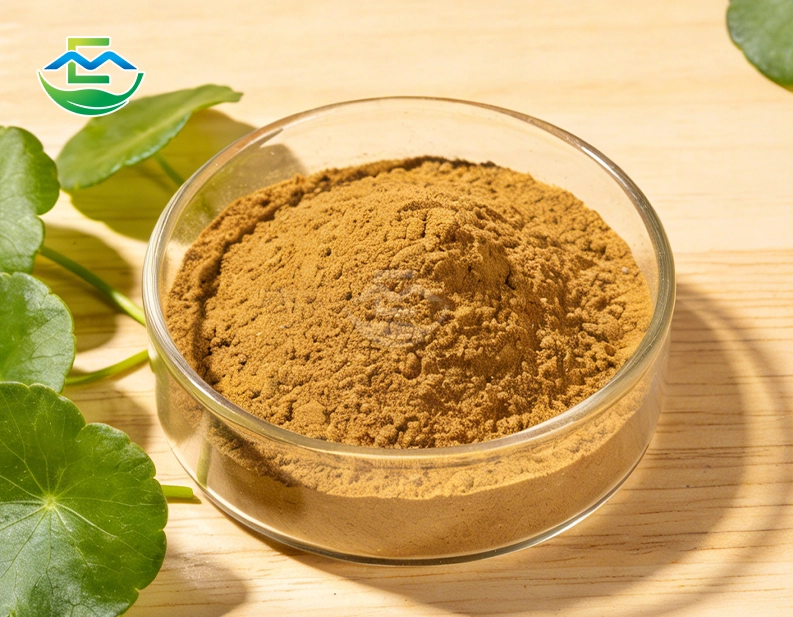
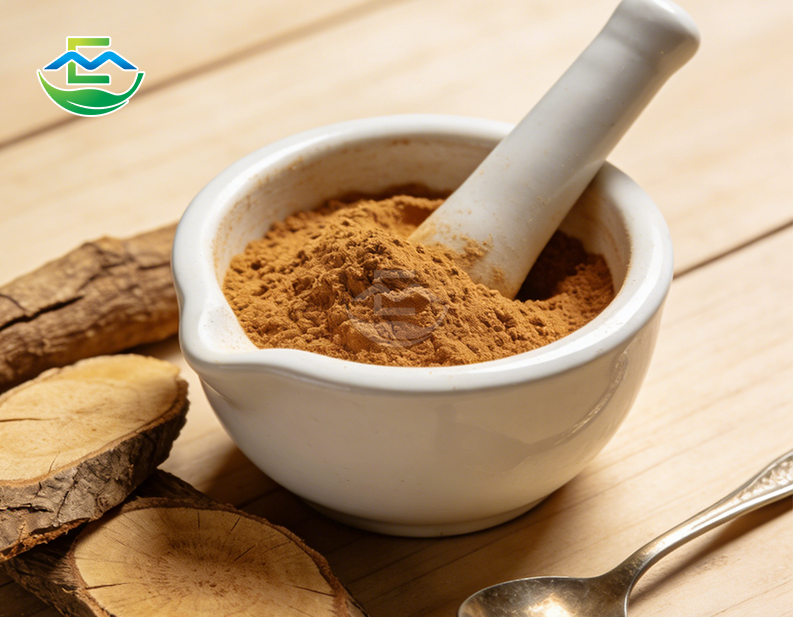
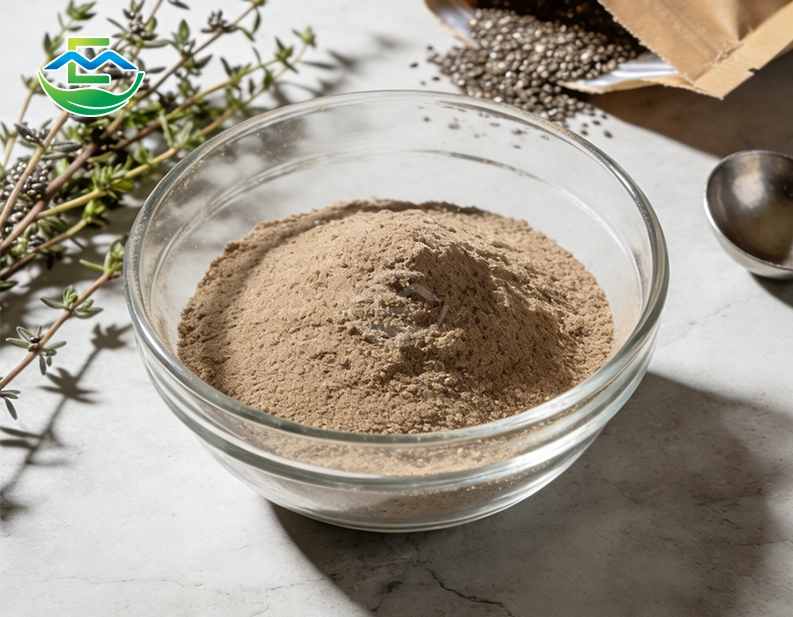
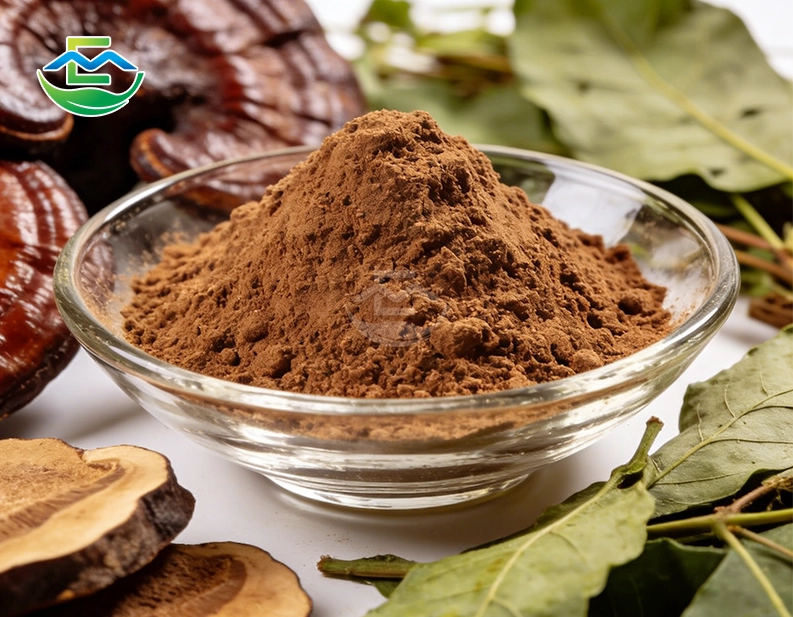
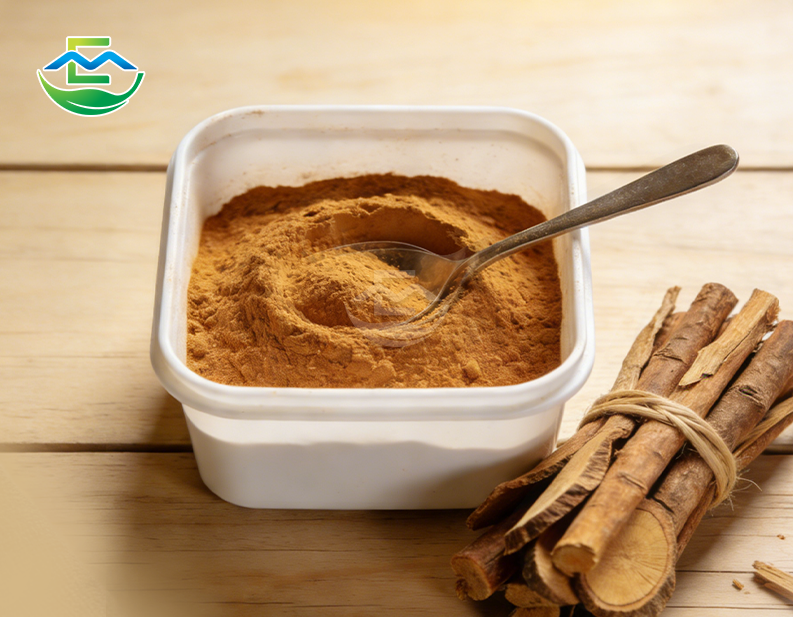
Traditional herbal ingredient Valerian Root Extract contains naturally occurring compounds from Valeriana officinalis roots. Powdered chemicals include more plant components than unprocessed root material. Commercial extracts produce a brownish-yellow powder with enriched plant components at 10:1 or 20:1. Valerenic acid is essential for these compounds' purity and product identification. GABA-associated circuits have been studied using valerenic acid and other drugs. These compounds are studied for receptor activity and botanical composition, not GABA synthesis. Extraction technology helps procurement professionals standardise ingredients. Standardised extracts decrease batch variances, helping formulation teams maintain product standards. A 10:1 extract employs 10 kg of root material to generate 1 kg of extract. Concentration helps companies regulate ingredient levels and product performance.
Neurotransmitter-Related Pathways and Botanical Research
In addition to GABA-associated pathways, Valerian Root Extract compounds have also been studied in relation to serotonin-related and other biochemical pathways. Flavonoids and alkaloids naturally present in valerian contribute to its complex botanical profile. Current research explores the interaction between valerian compounds and various receptor systems, providing information that supports ingredient development for relaxation-oriented products and botanical formulations. The plant material also contains naturally occurring compounds associated with adenosine-related pathways, which are commonly researched in connection with sleep-wake cycles. These characteristics make Valerian Root Extract an ingredient of interest for manufacturers creating products designed around evening routines and relaxation concepts.
Extract Quality and Bioavailability Factors
Procurement teams should understand that extraction solvents, processing temperatures, and manufacturing procedures significantly influence the quality of the final Valerian Root Extract. Ethanol-water extraction methods are commonly used because they can help preserve various botanical compounds, including acids and volatile components. High-quality extracts typically display a brownish-yellow appearance, reflecting their natural plant composition. Particle size distribution also affects how easily powdered extracts disperse in different formulations. For beverage manufacturers and encapsulation facilities, particle sizes commonly ranging from 80 to 200 mesh may provide suitable processing characteristics. When sourcing materials supplied in 25 kg drums with minimum order quantities of 25 kg, buyers should request particle size specifications, certificates of analysis, and technical documentation to confirm formulation compatibility.

Applications and Product Development Potential of Valerian Root Extract
Sleep-Related Product Formulation Applications
Valerian Root Extract is often utilised in botanical preparations for bedtime rituals, relaxation, and sleep. Manufacturers of capsules, pills, powders, and blended botanical formulations use it because it contains valerenic acid and other plant-derived chemicals. Valerian Root Extract research frequently focuses on sleep and relaxation. This knowledge helps product manufacturers create clean-label botanical goods that meet customer demand for natural ingredients.Valerian Root Extract is used in daily-use formulations for stability and long-term user experience, unlike compounds with quick sensory effects. This makes it ideal for firms making routine items rather than single-use ones. Extraction ratios, product format, and regulations determine formulation levels. Standardised extract concentrations and inclusion levels are evaluated by manufacturers based on product requirements.
Relaxation-Oriented Product Applications
Relaxation, balancing, and evening lifestyle products often include Valeriana officinalis. Valerian Root Extract is typically blended with lemon balm, hops, chamomile, or magnesium. Brands seeking plant-based solutions in competitive natural product marketplaces might formulate using Valerian Root Extract. Herbal ingredient customers like its botanical uniqueness and extensive heritage. For product developers, valerian sensory properties are crucial. The extract may have an earthy, herbal taste, necessitating careful flavour formulation in drinks, powders, and chewables. Vanilla, berry, and botanical flavour combinations are often used to enhance taste balance and clean-label positioning.
Comparative Advantages Over Alternative Botanical Ingredients
Botanical Mechanism Differentiation
Knowing how Valerian Root Extract differs from other botanical substances helps companies create targeted goods. Natural hormone melatonin is used in sleep timing products. Valerian Root Extract includes neurotransmitter-related plant compounds. Both passionflower and valerian are studied for GABA-related pathways. Some companies make multi-plant botanical remedies from these ingredients. Functional beverages and relaxation products use L-theanine from green tea. Unlike Valerian Root Extract's complex botanicals, its amino acid profile offers alternate formulation. When formulating using direct GABA chemicals or plant extracts, formulators must consider constituent properties, absorption qualities, and regulatory restrictions. Valerian Root Extract is a botanical solution with confirmed component identification and pill, beverage, powder, and blended formulas.
Organic Versus Conventional Sourcing Considerations
Ingredient cost, market positioning, and supply chain needs are greatly affected by organic categorisation. Valeriana officinalis grown organically must follow organic production guidelines and avoid synthetic pesticides. These requirements raise production costs above ordinary farming. However, organic certification lets producers create goods for premium natural ingredient markets and organic customers. Conventional Valerian Root Extract that passes stringent quality tests might be cost-effective for high-volume applications. Target markets, product positioning, and certification needs should guide procurement teams' sourcing strategy. Root-based botanical substances must be carefully sourced since plants absorb soil elements. To ensure ingredient quality, responsible suppliers employ agricultural paperwork, regional sourcing regulations, and batch-level testing.
Leading suppliers provide certificates of analysis that include heavy metal testing results, such as:
- Lead: below 3.0 ppm
- Arsenic: below 2.0 ppm
- Mercury: below 0.1 ppm
These specifications support compliance with international ingredient quality expectations.
Procurement Guide for Valerian Root Extract: Sourcing, Pricing, and Supplier Evaluation
Evaluating Supplier Capabilities and Certifications
Procurement teams should emphasise quality-managed vendors with good documentation. NSF GMP accreditation supports quality and manufacturing standards. The FSSC22000 certification indicates structured production and operational food safety management systems. Kosher and Halal certifications assist businesses in serving specific markets and show ingredient management. ISO certification complements GMP certification by showing extensive quality management systems. For correct supplier assessment, buyers should request current certification papers and validate certificate information with acknowledged certifying agencies.USDA or comparable international organic certificates must be renewed and inspected often to meet organic production standards. Before buying minimal quantities, manufacturers may verify taste, processing compatibility, and formulation performance using samples. Regional inventory saves transportation time and allows flexible production planning, enhancing logistics efficiency.
Understanding Pricing Structures and Cost Optimization
Extraction ratio, certification, raw material sourcing, processing, and order volume affect Valerian Root Extract pricing. High-concentration extracts cost more owing to raw materials and processing. Manufacturing and raw material variances affect 10:1 and 20:1 extract costs. Stricter agricultural laws, certification, and supply chain management raise organic extract prices. They help premium botanical brands. Mid-sized companies testing novel formulae or products may utilise 25-kilogram bulk packaging. Price optimisation may work for bigger orders. High-volume customers may negotiate better prices, but procurement teams must balance cost, inventory, and demand. Bottled Valerian Root Extract lasts. Established product manufacturers may boost sales while maintaining ingredient quality. Comparing direct manufacturer purchase to regional distribution should include shipping, customs, storage, and delivery costs. Regional warehouses could simplify logistics by improving delivery times and supply flexibility.
Specification Verification and Quality Control Protocols
Technical specifications are essential when evaluating Valerian Root Extract suppliers. Product documentation should clearly identify extraction ratios, particle size ranges, moisture levels, and characteristic compound specifications. Valerenic acid content is one of the commonly referenced markers for valerian extract identification. High-quality standardized extracts typically provide clearly defined valerenic acid specifications verified through analytical methods such as HPLC.
Quality documentation should also include:
- Botanical identification testing
- Physical appearance evaluation
- Moisture content analysis
- Particle size measurement
- Microbiological testing
- Heavy metal screening
- Residual solvent analysis
Microbiological evaluation is an important part of botanical ingredient quality management. Testing commonly includes total aerobic microbial count, yeast and mold evaluation, and pathogen screening. Because herbal extracts may be affected by moisture conditions during storage, batch-level microbial testing helps maintain consistent quality standards.
Suppliers should provide documentation demonstrating compliance with applicable microbiological specifications, including:
- Total aerobic count limits
- Yeast and mold count limits
- Absence of specified microorganisms
Residual solvent testing is also an important quality parameter for extracted botanical ingredients. Extraction solvents such as ethanol should remain within accepted regulatory limits. Advanced suppliers use analytical methods such as gas chromatography to evaluate residual solvent levels and confirm that finished extracts meet applicable quality requirements.
Pesticide screening panels may also be performed to evaluate common agricultural residues, including:
- Organophosphates
- Organochlorines
- Pyrethroids
Testing requirements should align with the regulations of the target market, including relevant international food ingredient standards.

Practical Applications Across Industry Segments
Nutraceutical Formulation Strategies
Valerian Root Extract is widely used in capsule, tablet, powder, and blended botanical formulations. Manufacturers typically select standardized extracts according to desired product positioning, formulation requirements, and regional regulations. Concentrated extracts allow brands to create compact dosage formats while maintaining consistent ingredient specifications. For example, a 10:1 extract represents a concentrated form produced from a larger quantity of raw root material, allowing manufacturers to design smaller-volume formulations. Combination formulas often include Valerian Root Extract with complementary botanical ingredients such as hops, lemon balm, chamomile, or mineral-based ingredients.
When designing multi-ingredient formulas, product developers consider factors such as:
- Ingredient compatibility
- Flavor profile
- Extraction ratio
- Release characteristics
- Product format
Different delivery systems, including capsules, powders, and blended products, may require different approaches to ingredient selection and processing. Valerian Root Extract is also being explored in sports nutrition and lifestyle-oriented product categories where consumers are interested in evening routine products and balanced daily nutrition concepts. Its botanical identity and formulation flexibility allow it to be incorporated into various product formats, including powdered drink mixes and specialty blends.
Functional Food and Beverage Integration
The use of Valerian Root Extract in functional beverages continues to attract interest among manufacturers developing botanical drink concepts, evening beverages, and tea-style products. Water-dispersible spray-dried extracts are commonly selected for beverage applications because they offer convenient processing characteristics. However, formulators should consider valerian’s naturally distinctive herbal flavor. Flavor-masking strategies using natural ingredients such as vanilla, berry, cocoa, or complementary botanicals can help create more balanced sensory profiles.
Microencapsulation technology may be used to improve ingredient handling, protect sensitive botanical compounds, and support incorporation into products such as:
- Nutritional bars
- Functional confectionery
- Powdered beverage blends
- Specialty food products
The processing stability of Valerian Root Extract allows manufacturers to evaluate its use in products requiring controlled heating or extended shelf-life considerations.
Cosmetic and Topical Applications
Beyond traditional oral formulations, Valerian Root Extract is also considered by cosmetic developers exploring botanical-based skincare and personal care applications.
The plant-derived compounds and antioxidant characteristics of valerian contribute to its interest as an ingredient for botanical cosmetic formulations.
Formulators may incorporate Valerian Root Extract into products such as:
- Creams
- Serums
- Body lotions
- Botanical skincare products
Its compatibility with different formulation systems provides flexibility when designing water-based and oil-based cosmetic products. Valerian’s distinctive botanical profile also offers opportunities for brands seeking unique ingredient stories beyond commonly used cosmetic botanicals. Aromatic characteristics associated with valerian may be explored in sensory-focused products, including bath products, body care items, and lifestyle-oriented personal care formulations.

Conclusion
Valerian Root Extract is a versatile botanical ingredient with applications across supplement, food, beverage, and cosmetic industries. Its naturally occurring compounds, standardized extract options, and established botanical identity make it a valuable choice for manufacturers developing plant-based formulations. Successful sourcing requires careful evaluation of extraction methods, certification standards, analytical testing procedures, and supplier reliability.
Procurement teams should consider key factors including:
- Extraction ratio
- Botanical authentication
- Active compound specifications
- Quality certifications
- Supply chain transparency
- Documentation support
Understanding the differences between organic and conventional sourcing, concentrated extract formats, and application requirements helps manufacturers select ingredients that align with product goals and market expectations. By partnering with suppliers that provide consistent quality, comprehensive testing, technical support, and reliable logistics, businesses can develop competitive botanical products featuring Valerian Root Extract while maintaining strong standards for transparency, quality control, and ingredient consistency.
FAQ
1. How long does valerian extract take to show effects?
Valerian Root Extract usually starts to work 30 to 120 minutes after being taken, but for best results, it should be used regularly for 2 to 4 weeks. The plant works by changing receptors instead of filling neurons right away, which explains why the effects happen more slowly than with drugs. Product designers should tell customers about this feature so that customers know what to expect and are more likely to follow the rules during the first few uses.
2. Is it possible to mix valerian extract with other things?
Hops, passionflower, lemon balm, and L-theanine are all botanicals that work well with Valerian Root Extract. Together, they make formulations that work on multiple relaxation pathways. Stability testing is a good way for formulation scientists to make sure that ingredients are compatible, especially in liquid systems where pH and oxidation factors can affect many ingredients at the same time. Putting Valerian Root Extract and magnesium together helps neurotransmitters and relaxes muscles, which is a common method used in complete sleep formulas.
3. What storage conditions preserve valerian extract potency?
For best keeping, keep things cool and dry, away from direct light and moisture. Valerenic acids and flammable chemicals don't break down as quickly when they are sealed in 25 kg drums and flushed with nitrogen. This makes the food last longer on the shelf. Powder extracts don't clump and can still flow when stored in warehouses with temperatures below 25°C and relative humidity below 60%. When you store things the right way, they stay in good shape for the typical 24-month shelf life. This protects your procurement investments.
Partner With EM for Premium Valerian Root Extract Supply
EM provides Valerian Root Extract that is of a pharmaceutical grade and meets the high standards that your formulations need. Our operations in California combine advanced research and development with strategically placed U.S. warehouses. This allows for quick two-day pickup from in-stock inventory kept in four regional distribution centers. Our company is a reliable source for Valerian Root Extract. We offer regular 10:1 and 20:1 extracts from Valeriana officinalis roots in handy 25kg drum packing. Our flexible minimum orders start at just 25kg. Each batch has a lot of different certifications, such as NSF GMP, FSSC22000, Kosher, Halal, ISO, and Organic, along with clear documentation from third-party testing. Contact info@em-herb.com today to get your free sample and learn how our environmentally friendly gathering methods and technical know-how can help your product line.
References
1. Bent, S., Padula, A., Moore, D., Patterson, M., & Mehling, W. (2006). Valerian for sleep: a systematic review and meta-analysis. The American Journal of Medicine, 119(12), 1005-1012.
2. Fernández, S., Wasowski, C., Paladini, A. C., & Marder, M. (2004). Sedative and sleep-enhancing properties of linarin, a flavonoid isolated from Valeriana officinalis. Pharmacology Biochemistry and Behavior, 77(2), 399-404.
3. Houghton, P. J. (1999). The scientific basis for the reputed activity of Valerian. Journal of Pharmacy and Pharmacology, 51(5), 505-512.
4. Khom, S., Baburin, I., Timin, E., Hohaus, A., Trauner, G., Kopp, B., & Hering, S. (2007). Valerenic acid potentiates and inhibits GABA(A) receptors: molecular mechanism and subunit specificity. Neuropharmacology, 53(1), 178-187.
5. Murphy, K., Kubin, Z. J., Shepherd, J. N., & Ettinger, R. H. (2010). Valeriana officinalis root extracts have potent anxiolytic effects in laboratory rats. Phytomedicine, 17(8-9), 674-678.
6. Yuan, C. S., Mehendale, S., Xiao, Y., Aung, H. H., Xie, J. T., & Ang-Lee, M. K. (2004). The gamma-aminobutyric acidergic effects of valerian and valerenic acid on rat brainstem neuronal activity. Anesthesia & Analgesia, 98(2), 353-358.