- English
- French
- German
- Portuguese
- Spanish
- Russian
- Japanese
- Korean
- Arabic
- Irish
- Greek
- Turkish
- Italian
- Danish
- Romanian
- Indonesian
- Czech
- Afrikaans
- Swedish
- Polish
- Basque
- Catalan
- Esperanto
- Hindi
- Lao
- Albanian
- Amharic
- Armenian
- Azerbaijani
- Belarusian
- Bengali
- Bosnian
- Bulgarian
- Cebuano
- Chichewa
- Corsican
- Croatian
- Dutch
- Estonian
- Filipino
- Finnish
- Frisian
- Galician
- Georgian
- Gujarati
- Haitian
- Hausa
- Hawaiian
- Hebrew
- Hmong
- Hungarian
- Icelandic
- Igbo
- Javanese
- Kannada
- Kazakh
- Khmer
- Kurdish
- Kyrgyz
- Latin
- Latvian
- Lithuanian
- Luxembou..
- Macedonian
- Malagasy
- Malay
- Malayalam
- Maltese
- Maori
- Marathi
- Mongolian
- Burmese
- Nepali
- Norwegian
- Pashto
- Persian
- Punjabi
- Serbian
- Sesotho
- Sinhala
- Slovak
- Slovenian
- Somali
- Samoan
- Scots Gaelic
- Shona
- Sindhi
- Sundanese
- Swahili
- Tajik
- Tamil
- Telugu
- Thai
- Ukrainian
- Urdu
- Uzbek
- Vietnamese
- Welsh
- Xhosa
- Yiddish
- Yoruba
- Zulu
Blue spirulina phycocyanin is a sophisticated natural ingredient technology for skin care. This bright blue protein-pigment complex is derived from the cyanobacterium Arthrospira platensis (Spirulina platensis) and offers natural colour attributes with clean-label formulation benefits. This particular molecular makeup of the pigment makes it a useful element for cosmetic compositions that call for botanical-derived compounds with unique visual qualities. Phycocyanin is a multi-functional ingredient backed by biochemical research and increasing market awareness for formulators and procurement experts looking for high-purity natural ingredients that align with customer need for sustainable and effective skincare products.

Understanding Blue Spirulina Phycocyanin: Composition and Applications for Skincare
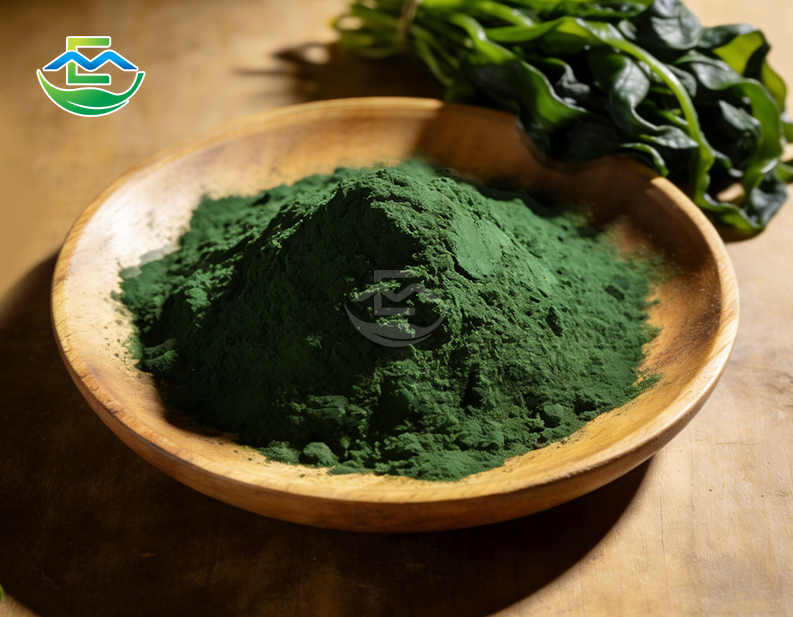
There is a phycobiliprotein called phycocyanin in spirulina that gives it its blue color. A lot of the time, whole spirulina powder is used in supplements. This pigment-protein complex is concentrated in Blue Spirulina Phycocyanin isolate by extracting it with water. This makes a pure, dark blue powder that doesn't taste of soil and doesn't have green chlorophyll as normal spirulina does.
Biochemical Structure and Skin Affinity
Phycocyanin is made up of chromophore groups that are molecularly linked to protein chains. The way it is structured gives it strong color characteristics and makes it suitable for cosmetic formulations. The pigment can be incorporated into topical products and provides a distinctive blue appearance for skincare products.
The protein part also contains amino acids that contribute to the ingredient composition. Phycocyanin is valued by formulators because it can be used as both an ingredient and a natural colorant. This makes it easier to create clear ingredient decks and improve product presentation.
Formulation Characteristics and Product Compatibility
Those who study phycocyanin have found that its molecular structure provides unique formulation possibilities. This ingredient can be used in products designed for different cosmetic categories, including serums, masks, creams, and gels.
Companies that develop natural skincare products can use phycocyanin to create ingredient-focused product concepts that appeal to consumers who prefer botanical and clean-label formulations.

Extraction and Quality Factors: Ensuring Purity and Stability of Blue Spirulina Phycocyanin
The quality of the Blue Spirulina Phycocyanin powder depends on how it is made and where the raw materials come from. These methods of extraction by EM are based on water and maintain ingredient characteristics while still meeting clean-label standards. Whole Spirulina platensis cells are used by our plant to make a standardized ingredient through ultrafiltration and spray drying. This makes sure that each batch maintains consistent quality, which is important for producing cosmetic formulations.
Water Extraction: The Clean-Label Advantage
Solvent-free extractions meet the requirements for organic certification and address user concerns about chemical residues. The protein structure stays stable when the pigment is extracted with water. This makes the pigment suitable for cosmetic applications and helps maintain color consistency. The dark blue powder that is made doesn't leave behind any solvents, which makes it easier to complete documentation for cosmetic uses.
Purity Standards and Certification
People who buy things have to think about a lot of quality issues when they buy phycocyanin for skincare uses.
- Colour Value Specification: The E-value is the absorption coefficient, which indicates how dense the colour is. In cosmetics, the criteria utilised are generally between E10 and E18, with the higher numbers giving increased intensity of colour.
- Microbial Control: Total plate count should be within the limits set by the cosmetic industry, and no undesirable micro-organisms such as Salmonella, Staphylococcus aureus or E. coli should be present. Our goods are manufactured in accordance with the NSF GMP standards, which helps assure consistent quality of ingredients.
- Limits on Heavy Metals: There are international restrictions on the levels of lead, arsenic, cadmium and mercury allowed in substances used in cosmetics. ICP-MS analyses are carried out to verify that impurity levels are below the limits imposed by international cosmetic standards.
- Certifications: Our phycocyanin is NSF GMP, Kosher, Halal, ISO, FSSC22000 and organic certified. This guarantees access to the worldwide market and conformity to relevant regulatory standards.
Packaging and Stability Considerations
Phycocyanin is a protein that responds to changes in light, temperature, and pH. We store and export goods in 25-kilogram barrels that are nitrogen-blanketed to preserve the quality of the product. The powder is stable for 24 months when stored at room temperature and protected from direct light. Good storage conditions may increase the life of a product over the long term.
Cosmetic formulators should be aware that phycocyanin is active within the pH range of 5.5 to 7.5. It may thus be utilised in various cosmetic formulations such as emulsions, serums and hydrogels. The addition of stabilisers such as polysaccharides or adjusting the pH of the mixture may help the finished goods keep their colour constancy.

Comparative Insights: Why Choose Blue Spirulina Phycocyanin Over Alternatives?
Teams in charge of purchasing can evaluate different natural colorants and skincare ingredients. Understanding how Blue Spirulina Phycocyanin compares to other choices can help improve product design and cost management.
Blue Spirulina Phycocyanin vs. Whole Spirulina Powder
Spirulina powder has several ingredients that make up its makeup. These components include pigments and lipids like chlorophyll. It is cheap, yet the strong fragrance and green-brown colour make it less appropriate for luxury skincare uses. Blue spirulina isolation contains 30–45% pure phycocyanin, which offers a brilliant blue colour without any strong odour or extra colours influencing the formulation. For brands that concentrate on product appearance and user experience, purified chemicals may provide more formulation flexibility.
Natural vs. Synthetic Blue Colorants
Synthetic colours such as Brilliant Blue FCF (FD&C Blue No. 1) tend to have longer-lasting colour performance and less expense per unit of colour intensity. But government rules and customer tastes are increasingly favouring natural ingredient solutions. Synthetic colours are used largely for colouring; however, phycocyanin has the qualities of a natural pigment and the flexibility of an ingredient.
Claims like “naturally coloured with blue spirulina” may impact purchase decisions, according to consumer research, particularly among customers who value ingredient disclosure.
Supplier Evaluation Criteria
You need to look at more than just the technical details to find a phycocyanin provider you can trust. Take a look at these:
- Source Traceability – You need to know where the spirulina is coming from. More attention should be paid to managing pollution control in open pond farming systems than in controlled cultivation systems. Both may supply compliant ingredients with the right use of quality control processes.
- Testing Documentation: You want to ask for Certificates of Analysis (COA) for the latest batches for testing. The testing for heavy metal, microbiological, and colour value should be competent laboratory tests.
- Supply Chain Reliability: Confirm minimum order quantities, lead times, and inventories. EM ready-to-ship goods are carried at 4 U.S. retailers. This means consumers will get their goods on time and producers may arrange their operations around a reliable supply.
- Regulatory Support: Compliance declarations, safety data sheets, and INCI names are some of the documentation required to register cosmetic ingredients in various markets. Ensure that the providers you deal with offer full paperwork.
Applications of Blue Spirulina Phycocyanin in Natural Skincare Products
Blue Spirulina Phycocyanin can be found in many different skincare products because it offers flexible formulation possibilities. It can be used in light serums, thick creams, and specialty cosmetic products. If formulators understand application factors, they can improve product stability and appearance.
Recommended Dosage and Formulation Guidelines
They are employed normally in a range of 0.1 to 1.0 % by weight of final products, depending on colour intensity required and formulation requirements. The pigments are present in quantities of 0.1 to 0.3% and lend a light blue hue to toners and essences, improving the visual appearance of the products. Bright blue hues for masks, speciality treatments and colour cosmetics with natural pigments are manufactured at a concentration of 0.5 to 1.0%.
It is better when introduced to the water phase so it is simple to incorporate into emulsions. Dissolve the powder in the hydrosol or water, gradually, before adding the other ingredients. Avoid strong shear or high temperatures in the mixing; both may alter protein structure and impair colour intensity.
Product Categories and Market Positioning
Leading natural skincare brands have successfully added phycocyanin to a range of products, such as facial serums, gel masks, and cosmetic products that focus on natural ingredient concepts. Because the ingredient functions as both an ingredient and a colorant, it makes formulation development more flexible and supports marketing concepts based on botanical sources and environmentally friendly production.
Brands can emphasize that phycocyanin comes from a renewable source. It takes less land and water to grow spirulina compared with many traditional agricultural sources, which supports sustainability-focused product positioning.
Synergistic Ingredient Combinations
It works well with other cosmetic ingredients that complement its formulation characteristics. When combined with ingredients such as hyaluronic acid, niacinamide, vitamin C derivatives, or plant-based extracts like green tea, brands can create diverse product formulas while maintaining simple and clear ingredient lists.

Strategic Procurement Guide for Blue Spirulina Phycocyanin
Maintaining consistent ingredient quality while controlling costs and reducing supply chain risks are important goals of effective purchasing strategies. These ideas come from experience working with cosmetics companies, private label partners, and ingredient suppliers regarding Blue Spirulina Phycocyanin.
Minimum Order Quantities and Pricing Structure
Our normal MOQ is 25 kg, and it comes in fiber drums suitable for large-scale production. This amount supports product testing and initial commercial launches while maintaining manageable inventory requirements. For orders of 100 kg or more, volume pricing is available. Customers who sign up for yearly supply agreements can receive additional pricing advantages.
Pricing reflects purity levels, certification requirements, and order volume. Buyers should not only consider the price per kilogram but also evaluate the total cost of ownership, including storage, freight, and inventory management expenses.
Logistics and Delivery Efficiency
Customers in the United States can quickly receive their orders because EM has four strategically located warehouses across the country. Items that are in stock are sent out within two business days. This supports just-in-time inventory management and helps reduce inventory holding costs.
We provide combined packages for international buyers and offer customs documentation, including commercial invoices, phytosanitary certificates, and regulatory compliance statements specific to different markets.
OEM and Private Label Partnerships
We help our OEM partners develop finished skincare products containing phycocyanin in addition to providing the ingredient itself. All of these processes are completed by our R&D team, including formulation development, safety evaluation, and scale-up optimization. The turnkey approach helps brands that do not have their own cosmetic production teams improve development efficiency.
With existing technical capabilities and certifications, private label programs allow emerging brands to launch phycocyanin-containing products without investing heavily in building new production facilities.
Quality Assurance and Traceability
Every package comes with a Certificate of Analysis. It shows the results of tests that evaluate physical properties, chemical characteristics, and microbial indicators. We maintain complete records of spirulina cultivation, extraction, processing, and packaging to meet customer requirements for ingredient transparency and sustainability documentation.
We follow ISO guidelines for our quality management system, and third-party organizations regularly review our processes to support consistent operations and continuous improvement. This systematic approach reduces quality variations and supply issues that may affect customers' production schedules.

Conclusion
Blue Spirulina Phycocyanin is a valuable ingredient for natural skincare products because of its distinctive color, clean-label characteristics, and flexible formulation possibilities. Its natural blue appearance and botanical origin make it an attractive choice for brands developing visually appealing and environmentally conscious beauty products. Companies working in procurement should select suppliers that provide consistent quality, complete certifications, and reliable services. As consumer interest in transparent and sustainable beauty products continues to grow, phycocyanin provides an ingredient option that meets cosmetic safety requirements and aligns with current market trends.
FAQ
1. Is phycocyanin suitable for all skin types in skincare formulations?
Phycocyanin is great for all skin types, even sensitive skin. Because the color calms inflammation, it is great for sensitive skin that gets red or inflamed easily. What makes the end product work better than phycocyanin itself is the pH of the formula and the chemicals that work well with it.
2. How does phycocyanin's shelf life compare in finished skincare products?
When it's in the right form, packed in the right way, and stored with the right preservatives, phycocyanin stays safe for 24 to 30 months. The color may fade over time if clear packaging is left out in the light. Cases that are opaque are best for long shelf lives and good looks.
3. Can phycocyanin replace synthetic colorants entirely in natural skincare?
Phycocyanin can be used for more than just making blue colors. It works just as well as man-made dyes for that purpose. If you want certain shades of green or blue, you may need to mix it with natural colorants that work well together, such as chlorophyll or spirulina powder. This will depend on the look you want and the formula's limits.
Partner with EM for Premium Blue Spirulina Phycocyanin Supply
There is Blue Spirulina Phycocyanin for sale at Earth Made Nutritions Inc. that can be used in medicine without danger. The whole Spirulina platensis cells are used to get it in a way that doesn't harm the bioactivity and meets organic standards. We are a well-known provider to cosmetic and nutraceutical businesses. Our quality is always the same, and we have certifications for NSF GMP, Kosher, Halal, ISO, FSSC22000, and Organic.
Our four shops in the U.S. make sure that orders get sent out quickly and that you can pick up in-stock items in two days. Our research and development team helps private label programs and OEM partners with technical development. You can try out different formulas with free samples before you decide to buy. We can make as much or as little as you need while still maintaining high standards of quality, whether you only need 25 kg for a test run or several tons every year. You can email our team at info@em-herb.com to find out how to get phycocyanin, get technical help, or talk about possible business partnerships.
References
1. Eriksen, N.T. (2008). Production of phycocyanin—a pigment with applications in biology, biotechnology, foods and medicine. Applied Microbiology and Biotechnology, 80(1), 1-14.
2. Romay, C., González, R., Ledón, N., Remirez, D., & Rimbau, V. (2003). C-phycocyanin: a biliprotein with antioxidant, anti-inflammatory and neuroprotective effects. Current Protein and Peptide Science, 4(3), 207-216.
3. Becker, E.W. (2013). Microalgae in human and animal nutrition. In Handbook of Microalgal Culture: Applied Phycology and Biotechnology (2nd ed., pp. 461-503). Oxford: Wiley-Blackwell.
4. Sekar, S., & Chandramohan, M. (2008). Phycobiliproteins as a commodity: trends in applied research, patents and commercialization. Journal of Applied Phycology, 20(2), 113-136.
5. Sonani, R.R., Rastogi, R.P., & Madamwar, D. (2015). Antioxidant potential of phycocyanin: an overview. In Natural Antioxidants: Sources, Compounds, Mechanisms of Action, and Potential Applications (pp. 121-136). New York: Nova Science Publishers.
6. Kulshreshtha, A., Zacharia, A.J., Jarouliya, U., Bhadauriya, P., Prasad, G.B., & Bisen, P.S. (2008). Spirulina in health management—Current status, future prospects and a natural fountain of life. International Journal of Pharmaceutical Sciences and Research, 19(2), 61-74.