- English
- French
- German
- Portuguese
- Spanish
- Russian
- Japanese
- Korean
- Arabic
- Irish
- Greek
- Turkish
- Italian
- Danish
- Romanian
- Indonesian
- Czech
- Afrikaans
- Swedish
- Polish
- Basque
- Catalan
- Esperanto
- Hindi
- Lao
- Albanian
- Amharic
- Armenian
- Azerbaijani
- Belarusian
- Bengali
- Bosnian
- Bulgarian
- Cebuano
- Chichewa
- Corsican
- Croatian
- Dutch
- Estonian
- Filipino
- Finnish
- Frisian
- Galician
- Georgian
- Gujarati
- Haitian
- Hausa
- Hawaiian
- Hebrew
- Hmong
- Hungarian
- Icelandic
- Igbo
- Javanese
- Kannada
- Kazakh
- Khmer
- Kurdish
- Kyrgyz
- Latin
- Latvian
- Lithuanian
- Luxembou..
- Macedonian
- Malagasy
- Malay
- Malayalam
- Maltese
- Maori
- Marathi
- Mongolian
- Burmese
- Nepali
- Norwegian
- Pashto
- Persian
- Punjabi
- Serbian
- Sesotho
- Sinhala
- Slovak
- Slovenian
- Somali
- Samoan
- Scots Gaelic
- Shona
- Sindhi
- Sundanese
- Swahili
- Tajik
- Tamil
- Telugu
- Thai
- Ukrainian
- Urdu
- Uzbek
- Vietnamese
- Welsh
- Xhosa
- Yiddish
- Yoruba
- Zulu
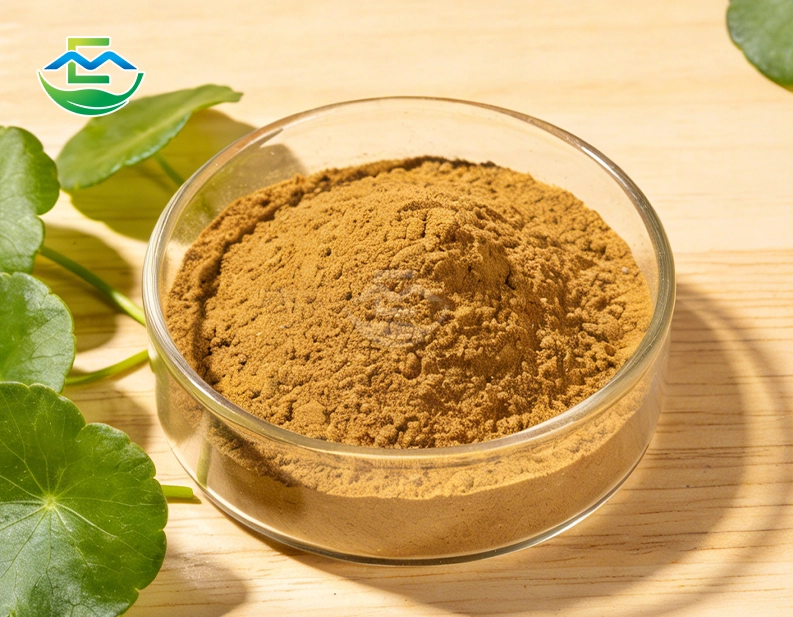
Ilex paraguariensis Yerba Mate Extract powder is an important botanical ingredient for nutritional product producers and functional food businesses seeking clean-label, organically derived ingredients. This concentrated plant extract is standardised for bioactive ingredients including polyphenols, chlorogenic acid and natural caffeine, and provides formulation benefits across a range of product categories. This brownish-yellow powder is sourced from verified South American plantations and delivers batch-to-batch uniformity that is crucial for product development in the nutraceutical, cosmetic and beverage sectors.


Introduction
Plant-based raw materials are still preferred by manufacturers globally for new product development. Yerba Mate Extract Powder appeals to research and development teams seeking transparent sources and identifiable constituents. Unlike manufactured substances, this South American plant extract's phytochemical composition makes it suitable for many applications. This extract helps product makers with clean-label compliance and formulation flexibility. The chemical works for sports nutrition, functional drinks, and natural skincare. Our lab uses gentle water-based extraction and low-temperature vacuum concentration to prepare this extract. This preserves botanicals and increases manufacturing solubility. The 5:1 ratio guarantees batch consistency for enterprises with specific ingredient needs and quality control. NSF, FSSC22000, Kosher, Halal, ISO, and Organic ingredient certifications. International buyers want it to meet quality requirements.
Understanding Yerba Mate Extract Powder: Composition and Benefits
Origin and Extraction Process
In South American conditions, Ilex paraguariensis is cultivated, and shade culture contributes to the preservation of the original composition of leaves. We only source materials from approved organic plantations tested for pesticides, heavy metals, and microbial indicators prior to extraction. Every batch of raw material is screened to verify that it satisfies the appropriate quality criteria. We employ exclusive processing procedures in our extraction process to extract the chlorogenic acid and maintain the natural balance of caffeine, theobromine and theophylline. The procedure does not include harsh chemical agents and provides a Yerba Mate Extract Powder with great water solubility, suited for beverage and other formulation applications. The spray drying process also ensures constant particle sizes so that the powder is easily dispersed throughout manufacture.
Bioactive Component Profile
The extract is characterised by a rich phenolic skeleton. Product parameters will normally be in the range of 10 to 50 percent for chlorogenic acid concentration. The constituent composition of the extract is a combination of naturally occurring polyphenols and other botanical chemicals. Natural caffeine levels provide formulation freedom for manufacturers creating goods using botanical caffeine sources. Theobromine and theophylline are naturally occurring constituents of the plant matrix contributing to the total makeup of the extract. This ingredient is different from separate sources of caffeine since it’s the naturally occurring minerals in the biomass.
Functional Benefits for Product Development
The botanical composition and processing flexibility of Yerba Mate Extract Powder provide formulation possibilities in a wide range of product categories. Manufacturers may utilise this ingredient to build goods that need to have a plant-based positioning, recognisable constituents and consistent standards. The extract may be used in numerous formulations depending on commercial aims such as drinks, nutritional items and cosmetic applications. Its natural caffeine level, polyphenol profile and botanical origin fit manufacturers who want to produce goods with clean-label attributes.
Processing Advantages and Formulation Compatibility
The water-based extraction procedure yields an ingredient that is readily integrated into diverse industrial processes. It is in powder form, making it easy to store, transport, and handle throughout manufacturing. Particle size is adjusted to provide better dispersion in both liquid and dry formulations. The amount of inclusion may be changed by the manufacturer to comply with the product requirements, flavour system, and target criteria.

Extraction and Quality Factors: Ensuring Consistency of Yerba Mate Extract Powder
The quality of the Yerba Mate Extract Powder depends on raw material selection, extraction technology, and manufacturing controls. These production methods are designed to maintain the natural characteristics of the botanical extract while meeting clean-label requirements.
Water Extraction: Maintaining Botanical Characteristics
Water-based extraction methods help reduce the need for additional chemical processing while maintaining the natural composition of the plant material. This approach supports applications where manufacturers prefer naturally derived ingredients with transparent processing methods. Low-temperature concentration techniques help preserve important botanical components during production. The final powder format provides convenience for manufacturers developing different types of finished products.
Purity Standards and Certification
When picking a supplier, companies purchasing yerba mate extract have to examine various quality factors. Active Compound Specification: Consistent Extracts of Chlorogenic Acid and Natural Caffeine. The standards allow manufacturers to predict the result of a formulation. Microbial Control: Microbial tests guarantee the product meets the quality criteria for its use. Manufacturers use quality management to make sure their products are safe and consistent. Heavy Metal Limits Testing for lead, arsenic, cadmium, and mercury to verify ingredient quality is up to international standards. Impurity levels are checked by means of sophisticated analytical processes during manufacture. Certifications: NSF GMP, Kosher, Halal, ISO, FSSC22000 and Organic certifications are available for the extract. The certifications complement global market norms and serve as evidence to buyers.
Packaging and Stability Considerations
Yerba Mate Extract Powder should be maintained in proper storage conditions to guarantee product quality. The correct packaging protects the powder from moisture, oxygen, and environmental changes during storage and transit. Bulk ingredient supply is often packaged in fibre drums, sealed bags and other protective packaging forms. The powder will retain its quality for the indicated shelf-life time if kept in a cool, dry location, away from direct sunlight. The extract works effectively in diverse product systems when proper processing conditions are used for formulators. “pH, temperature and ingredient compatibility are all things to consider when developing a product.

Comparative Insights: Why Choose Yerba Mate Extract Powder Over Alternatives?
Procurement teams can evaluate various botanical extracts and natural ingredients when developing new products. Understanding how Yerba Mate Extract Powder compares with alternative ingredients can help improve sourcing decisions and formulation planning.
Yerba Mate Extract Powder vs. Whole Yerba Mate Powder
The whole plant is included in the yerba mate powder, including fibre, plant particles, and naturally occurring chemicals. It does provide a more conventional botanical character, yet the more robust plant flavour and less concentrated nature might be problematic for certain applications. Yerba Mate Extract Powder is a more concentrated version with defined parameters, allowing producers to better regulate dose, flavour balance, and uniformity in formulation. Extract forms may be used by brands focused on standardised botanical ingredients to allow for more manufacturing flexibility.
Natural vs. Synthetic Caffeine Sources
Synthetic caffeine provides a standardized ingredient option with predictable specifications and wide availability. However, many brands are increasingly focusing on naturally sourced ingredients to meet consumer preferences for recognizable botanical components. Yerba Mate Extract Powder provides a plant-derived caffeine source combined with naturally occurring botanical compounds. This allows manufacturers to create product concepts centered around natural sourcing and ingredient transparency.
Supplier Evaluation Criteria
It's not only about the technicalities to find a great source of yerba mate extract. Evaluation key factors: Suppliers must declare the origin of yerba mate. “Traceable sourcing methods allow manufacturers to understand cultivation, harvesting, and raw material quality.”Buyers require current batch COAs from the manufacturer to test. Documentation of analysis of active compounds, microbiological testing, screening for heavy metals and other quality indicators. Supply chain reliability is influenced by low order numbers, manufacturing capacity, delivery timeframes and inventory availability. Stable supply systems allow planning of output and minimisation of interruptions. Companies need product paperwork, safety data sheets, compliance declarations and ingredient needs from emerging markets. The customer should be supplied with sufficient technical documentation from well-known suppliers.
Applications of Yerba Mate Extract Powder: Practical Uses for B2B Clients
Yerba Mate Extract Powder can be used across multiple industries because of its flexible formulation characteristics. It can be incorporated into beverages, nutritional products, and cosmetic applications. Understanding application requirements helps manufacturers optimize product design and maintain consistent quality.
Formulation Guidelines by Industry Segment
The extract can build products across categories because of its adaptability. Application-specific features boost formula performance and customer satisfaction. Cold water dissolves Yerba Mate Extract Powder fast, making it ideal for ready-to-drink cocktails. (caffeine and other variables) 200–500 mg per serving. Other flavours may enhance natural flavours. Berries and citrus improve beverage botanical tastes. pH matters for manufacturing carbonated beverages. Each capsule and pill contains free-flowing powder with specific particle sizes. Sports nutrition might include amino acids and botanicals. Product location and composition determine quantities. Clean label and herbal skin care extract. Toners and serums benefit from water-soluble polyphenol. Cosmetics need 0.5%–2%. Used in herbal meals and snack bars. Extract. Powder works with dry and food anti-caking substances. Baking ingredient makers should assess heat stability during manufacturing for consistency.
Regulatory Compliance and Labeling
Product information and marketing descriptions must follow the regulations of the target market. Ingredient names, specifications, and usage information should be accurately presented according to regional requirements. Organic certification and other quality certifications can support transparent labeling practices and help brands communicate ingredient sourcing information. Manufacturers should review applicable regulations and consult with regulatory professionals when preparing product documentation for different markets.
Marketing Differentiation Strategies
Botanical extracts can provide advantages for brands that focus on recognizable ingredients and transparent sourcing. Highlighting the South American origin and traditional use background of yerba mate can help create a distinctive product story. Certification marks, including "Organic," "Non-GMO," "Kosher," or "Halal," can provide additional information for consumers and business partners. Educational content comparing botanical caffeine sources can help brands communicate ingredient differences clearly.
Strategic Procurement Guide for Yerba Mate Extract Powder
Effective purchasing strategies focus on maintaining consistent ingredient quality, managing costs, and reducing supply chain risks. These approaches come from experience working with manufacturers, private label companies, and ingredient distributors regarding Yerba Mate Extract Powder.
Minimum Order Quantities and Pricing Structure
The minimum quantity for an order is 25 kg in packaging appropriate for commercial manufacturing. The amount also helps test the product, refine the formulation, and introduce it in the market for the first time, while keeping the inventory needs at a reasonable level. If you have bigger purchases, say 100 kg or more, we may provide pricing based on volume. “Buyers who sign long-term supply contracts may be able to secure additional benefits. Pricing is based on extraction ratio, specification requirements, certification requirements, and order quantities. Buyers should be concerned not just with the price per kilogram, but also the whole cost of ownership including storage, shipping, and inventory management costs.
Supplier Selection and Quality Management
Selecting the right supplier requires evaluating production capability, documentation systems, and quality control procedures. Reliable manufacturers provide consistent specifications, transparent sourcing information, and technical support throughout the purchasing process. Reviewing production records, testing reports, and certification documents helps buyers assess supplier reliability before establishing long-term cooperation.
Logistics and Supply Chain Management
Reliability in logistics avoids downtimes of production and stabilises the planning of inventories. Local warehousing may make delivery and transportation easier.
Packing is a must for product transportation stability. Powder components in heat-sealed foil packets in fibre drums maintain quality in transit.
Purchasing helps by monitoring orders and controlling stocks. Clear shipping updates, delivery confirmation, and quality comments strengthen supplier relationships. Regularly assess supplier performance, specification conformance, and technical response times. These assessments assist in long-term sourcing and supply chain management.
Risk Mitigation Through Dual Sourcing
A stable supply chain requires planning beyond dependence on a single supplier. Selecting qualified backup suppliers that meet the same quality requirements helps maintain supply continuity. Maintaining appropriate inventory reserves based on consumption patterns and delivery timelines can reduce unexpected disruptions. Recording supplier performance data helps companies make strategic sourcing decisions that balance cost control and reliability. By diversifying procurement of Yerba Mate Extract Powder, businesses can improve long-term supply stability.
How to Use Yerba Mate Extract Powder: Practical Applications for B2B Clients
Formulation Development Considerations
The extract's flexibility allows manufacturers to develop products across multiple categories. Understanding formulation requirements, ingredient compatibility, and processing conditions helps improve product consistency and production efficiency. When incorporating Yerba Mate Extract Powder into formulas, manufacturers should consider factors such as dosage, flavor balance, solubility, and interaction with other ingredients. Proper formulation planning helps maintain the desired product characteristics throughout production and storage.
Beverage Product Development
The water-soluble characteristics of Yerba Mate Extract Powder make it suitable for various beverage applications, including ready-to-drink beverages, powdered drink mixes, and botanical beverage blends. Manufacturers can combine the extract with fruit flavors, botanical ingredients, and other functional components to create differentiated beverage concepts. Processing conditions such as temperature, pH, and storage environment should be evaluated to maintain consistent quality.
Nutritional Product Applications
The powder format provides convenience for capsule, tablet, and blended powder formulations. Manufacturers can adjust inclusion levels based on product specifications, serving size requirements, and target market positioning. The standardized composition allows brands to maintain consistent ingredient profiles across different production batches, supporting reliable manufacturing processes.
Cosmetic and Personal Care Applications
Cosmetic formulators can incorporate Yerba Mate Extract Powder into products such as serums, creams, masks, and other botanical-based skincare formulations. Its plant-derived composition and ingredient transparency support clean-label product concepts. Formulators should evaluate compatibility with emulsifiers, stabilizers, preservatives, and other cosmetic ingredients during product development.

Quality Control and Manufacturing Standards
Maintaining consistent quality requires comprehensive testing procedures throughout the production process. Reliable manufacturers implement quality control systems covering raw material selection, extraction, processing, and final product inspection.
Raw Material Testing
Each batch of yerba mate leaves should be evaluated before extraction. Testing procedures may include identification checks, moisture analysis, pesticide screening, heavy metal testing, and microbial evaluation. These quality checks help ensure that raw materials meet required specifications before entering the manufacturing process.
Production Process Control
Controlled extraction parameters help maintain consistency in the final product. Temperature management, concentration methods, and drying processes are monitored to ensure stable ingredient characteristics. Manufacturers should maintain detailed production records for each batch, allowing traceability from raw materials to finished powder.
Finished Product Testing
Final products should undergo testing to confirm specifications such as appearance, moisture content, active compound levels, particle size, and microbial indicators. Certificates of Analysis (COA) provide buyers with important information about product quality and support transparent supplier relationships.
Choosing a Reliable Yerba Mate Extract Powder Supplier
Selecting an appropriate supplier is an important step for companies developing botanical products. Buyers should evaluate manufacturing capability, quality systems, certifications, and customer support services.
Manufacturing Capability Assessment
Experienced suppliers should have professional extraction facilities, advanced processing equipment, and established quality management systems. Evaluating production capacity, technology platforms, and process documentation helps companies identify suppliers capable of supporting long-term cooperation.
Documentation and Compliance Support
Reliable suppliers provide complete documentation packages, including:
- Certificates of Analysis (COA)
- Product specifications
- Safety documentation
- Certification records
- Regulatory support materials
These documents help companies complete internal reviews and meet market requirements.
Customer Support and Technical Assistance
Beyond product quality, supplier service capabilities are also important factors when selecting a long-term ingredient partner. Professional suppliers provide technical communication, application guidance, and documentation support throughout the cooperation process.
Formulation Support
Expert suppliers may advise on ingredient qualities, compatibility, and use. This service helps customers create effective and acceptable product mixes. Technical teams can resolve powder storage, processing, ingredient integration, and handling issues.
Communication and Service Efficiency
Clear communication helps suppliers and customers collaborate. Business relationships depend on quick responses, accurate documentation, and problem-solving. Transparent communication helps suppliers assist consumers throughout product development and manufacture.
Sustainability and Responsible Sourcing
Sustainable sourcing practices are becoming increasingly important for companies selecting botanical ingredients. Yerba mate suppliers that focus on responsible cultivation and environmental management can help brands meet growing market interest in sustainable products.
Botanical Source Management
Responsible suppliers work with qualified plantations and follow appropriate agricultural practices to maintain consistent raw material quality. Traceable sourcing systems provide greater transparency regarding cultivation and harvesting processes.
Environmental Considerations
Efficient extraction technologies and responsible manufacturing practices can help reduce resource consumption during production. Companies may consider environmental factors when selecting suppliers for long-term cooperation.
Conclusion
Yerba Mate Extract Powder is a multi-functional plant component for cosmetics, beverages, and nutrition. Natural origin and adaptable formulation of the standardised composition may allow companies to locate clean label ingredients. A successful acquisition takes into account supplier credentials, manufacturing capabilities, quality documents, certification status, and supply chain stability. Working with experienced manufacturers that provide quality, technical support and reliable service allows firms to sustain product lines and meet market demands. As demand for transparent sourcing and botanical ingredients rises, creative product developers across sectors may utilise Yerba Mate Extract Powder.
FAQ
1. What makes yerba mate extract different from regular caffeine?
The extract has naturally occurring xanthine chemicals (caffeine, theobromine, and theophylline) that work together to stimulate the brain rather than separately. When you mix these two substances together, you get long-lasting energy without the sharp strength peaks that come with manmade anhydrous caffeine. The polyphenol matrix that goes with it has useful effects that go beyond simple stimulation.
2. How should I evaluate supplier quality claims?
To get full scientific information, you should ask for data from HPLC tests for active chemicals, GC-MS tests for PAHs, ICP-MS tests for heavy metals, and microbial tests. Use records from the granting body to check current certifications (Organic, GMP, FSSC22000). Check the technical help of suppliers and the equipment of their factories by visiting them or reading audit reports from a third party.
3. What certifications matter most for U.S. market access?
Organic certification backs up farming methods and appeals to people who like natural products. NSF GMP shows that production standards are up to par for pharmaceuticals. FSSC22000 covers management of food safety, which is necessary for applications that are edible. Kosher and Halal certificates allow you to reach more people. ISO guidelines show how mature a quality control system is.
4. Can this ingredient work in both supplements and beverages?
Because the powder dissolves easily (>95% in cold water) and comes in uniformly sized particles, it can be used in a wide range of products, such as supplement capsules, drink mixes, functional foods, and even cosmetics. The most important things to think about are changing the inclusion rates to get the right amount of caffeine and coming up with good flavor systems that hide natural sharpness in apps that care about taste.
Partner with EM for Premium Yerba Mate Extract Powder Supply
Earth Made Nutritions Inc. has certified organic Yerba Mate Extract Powder that meets the highest standards in the industry and is ready to help you with your product development projects. Our operations in California use cutting-edge extraction technology and strict quality control systems to make sure that every batch is the same and comes with full analysis paperwork. As a trusted provider of yerba mate extract powder, we keep strategic stock in four U.S. warehouses. This lets us ship orders quickly and on time, so your production schedules don't get thrown off.
Our technical team has a lot of experience with formulation and can help joint relationships by giving advice on the best inclusion rates, ways to improve solubility, and ways to stay in line with regulations. With a 25 kg minimum order amount and free samples, you can get a good feel for the product before committing to buying more. Get in touch with our purchasing experts at info@em-herb.com to talk about your unique needs and get access to full product details.
References
1. Heck, C. I., & de Mejía, E. G. (2007). Yerba Mate Tea (Ilex paraguariensis): A Comprehensive Review on Chemistry, Health Implications, and Technological Considerations. Journal of Food Science, 72(9), R138-R151.
2. Bracesco, N., Sanchez, A. G., Contreras, V., Menini, T., & Gugliucci, A. (2011). Recent Advances on Ilex paraguariensis Research: Minireview. Journal of Ethnopharmacology, 136(3), 378-384.
3. Bastos, D. H. M., Saldanha, L. A., Catharino, R. R., Sawaya, A. C., Cunha, I. B., Carvalho, P. O., & Eberlin, M. N. (2007). Phenolic Antioxidants Identified by ESI-MS from Yerba Maté (Ilex paraguariensis) and Green Tea (Camellia sinensis) Extracts. Molecules, 12(3), 423-432.
4. Cardozo, E. L., Ferrarese-Filho, O., Filho, L. C., Ferrarese, M. L. L., Donaduzzi, C. M., & Sturion, J. A. (2007). Methylxanthines and Phenolic Compounds in Mate (Ilex paraguariensis St. Hil.) Progenies Grown in Brazil. Journal of Food Composition and Analysis, 20(7), 553-558.
5. Gawron-Gzella, A., Chanaj-Kaczmarek, J., & Cielecka-Piontek, J. (2021). Yerba Mate—A Long but Current History. Nutrients, 13(11), 3706.
6. Filip, R., López, P., Giberti, G., Coussio, J., & Ferraro, G. (2001). Phenolic Compounds in Seven South American Ilex Species. Fitoterapia, 72(7), 774-778.