- English
- French
- German
- Portuguese
- Spanish
- Russian
- Japanese
- Korean
- Arabic
- Irish
- Greek
- Turkish
- Italian
- Danish
- Romanian
- Indonesian
- Czech
- Afrikaans
- Swedish
- Polish
- Basque
- Catalan
- Esperanto
- Hindi
- Lao
- Albanian
- Amharic
- Armenian
- Azerbaijani
- Belarusian
- Bengali
- Bosnian
- Bulgarian
- Cebuano
- Chichewa
- Corsican
- Croatian
- Dutch
- Estonian
- Filipino
- Finnish
- Frisian
- Galician
- Georgian
- Gujarati
- Haitian
- Hausa
- Hawaiian
- Hebrew
- Hmong
- Hungarian
- Icelandic
- Igbo
- Javanese
- Kannada
- Kazakh
- Khmer
- Kurdish
- Kyrgyz
- Latin
- Latvian
- Lithuanian
- Luxembou..
- Macedonian
- Malagasy
- Malay
- Malayalam
- Maltese
- Maori
- Marathi
- Mongolian
- Burmese
- Nepali
- Norwegian
- Pashto
- Persian
- Punjabi
- Serbian
- Sesotho
- Sinhala
- Slovak
- Slovenian
- Somali
- Samoan
- Scots Gaelic
- Shona
- Sindhi
- Sundanese
- Swahili
- Tajik
- Tamil
- Telugu
- Thai
- Ukrainian
- Urdu
- Uzbek
- Vietnamese
- Welsh
- Xhosa
- Yiddish
- Yoruba
- Zulu
When formulation scientists and procurement managers look at plant materials, they need more than just marketing claims. They need proof. Turmeric Root Extract, which comes from Curcuma longa L., is a scientifically proven ingredient that can be used in cosmetics, functional foods, nutraceuticals, and pharmaceuticals. When it comes to quality and strength, standardised extracts of concentrated bioactive compounds are better than raw turmeric powder. Because of this, brands that want to set their goods apart and meet customer desire for natural, effective solutions backed by studies must use this ingredient.


What is Turmeric Root Extract? An Evidence-Based Overview
Turmeric Root Extract is a concentrated plant-based ingredient that comes from the rhizomes of Curcuma longa L. and is extracted using special techniques. During the extraction process, the active compounds, mostly curcuminoids, are concentrated to much higher levels than in raw turmeric powder, which only has about 2-5% curcuminoids by weight. Solvent extraction or supercritical CO2 extraction is used to standardise professional-grade extracts, which give a standard range from 10:1 to 20:1 concentration ratios.
Understanding Extraction Methods and Concentration
The purity, stability, and bioavailability of the final product are all affected by the extraction method that is used. Using ethanol or ethyl acetate to extract is still the usual way to get high amounts of curcuminoids. Supercritical CO2 extraction is an alternative that doesn't use solvents and keeps volatile compounds and essential oils intact, but it costs more to make. When stored properly, the resulting yellow powder stays stable and gives manufacturers a consistent raw material for formulating new products.
Comparing Extract Specifications for Industrial Applications
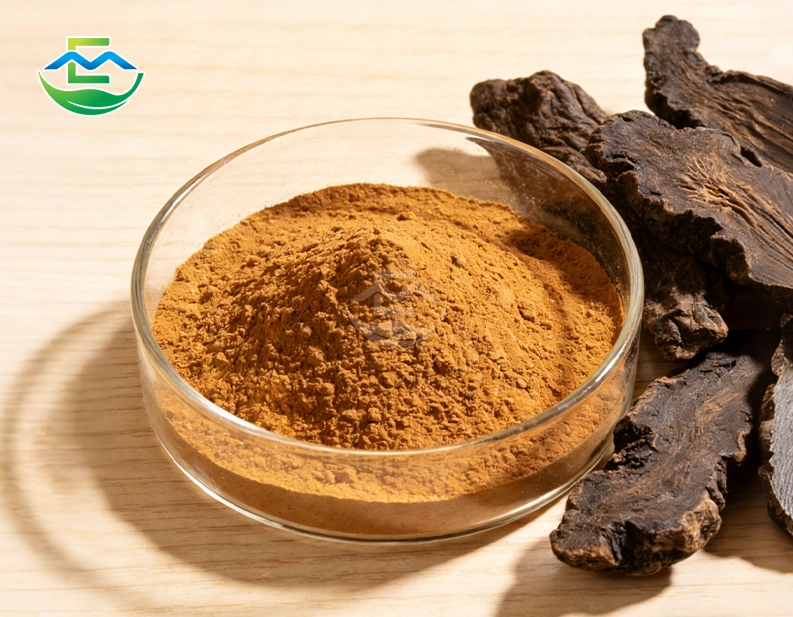
There are standard guidelines on the market for 10:1 and 20:1 concentration ratios, and each one is useful for a different type of mixture. A 10:1 extract means that 10 kg of raw root makes 1 kg of extract. This concentrates the bioactive profile while lowering the amount needed in finished products. This concentration advantage solves a big problem for supplement makers: how to make therapeutic amounts of active ingredients in serving sizes that people can easily handle. Quality extracts look bright yellow, which means they were processed correctly and the curcuminoids were kept.
Curcuminoids Composition and Quality Markers
There are three main curcuminoids found in good turmeric extracts: curcumin, demethoxycurcumin, and bisdemethoxycurcumin. These chemicals work together to do the biological things that have been written about in scientific writings. High-performance liquid chromatography (HPLC) testing checks the amount of curcuminoid and makes sure that the product is consistent from batch to batch, which is a must for GMP-compliant manufacturing. Reliable providers offer reports of analysis that list these factors along with microbiological screening and heavy metal testing.

Proven Health Benefits of Turmeric Root Extract
Turmeric Root Extract is known to be good for your health. Over the past 30 years, scientists have found that turmeric's bioactive compounds can change a number of physiological pathways. These results have direct effects on people who make products in many fields, from sports nutrition to anti-aging cosmetics.
Anti-Inflammatory Properties in Formulation Development
Studies that have been studied by experts show that curcuminoids change the way inflammation works at the molecular level. This activity supports their use in products that support joint health, help the body recover from exercise, and health supplements that target inflammatory responses. For B2B clients making formulations for specific conditions, this proof gives them the solid basis they need to place their products and back up their promises. The compound is useful in many different types of products because it can keep normal inflammatory responses going.
Antioxidant Activity and Product Stability
The antioxidant properties of turmeric extract help fight oxidative stress at the cellular level and, in some cases, also help keep products fresh. The ORAC (Oxygen Radical Absorbance Capacity) and DPPH (2,2-diphenyl-1-picrylhydrazyl) assays show that the standardised extracts can remove free radicals. This two-pronged benefit—biological activity and recipe stability—is useful for companies that want chemicals that can do more than one thing. Cosmetic formulators like this feature a lot for lines of anti-aging and skin-protecting products.
Digestive Wellness Applications
Modern research that looks at turmeric's effects on digestive function backs up the traditional use of the spice to help with digestive problems. Studies show that curcuminoids help the body make bile and stomach enzymes work properly. Turmeric extracts are added to digestive health products by functional food and beverage companies, making their products stand out in a competitive market segment. When mixed in the right way, the ingredient works well in both capsule supplements and food.
Skin Health and Cosmetic Applications
A dermatological study backs up the claim that turmeric powder helps skin health in more than one way. The compound has properties that help the skin's barrier function, even out skin tone, and protect it from environmental stressors. Natural beauty brands have started using turmeric extract in everything from face creams to cleansers. Because the ingredient works with a number of different cosmetic bases and stays stable in the right pH ranges, it can be used in a wide range of product formats. Formulators should keep in mind that the staining risk is reduced by using the right extraction and processing methods.

How to Use Turmeric Root Extract Effectively
To make a good product with Turmeric Root Extracts, you need to know the right way to use them, how to formulate them, and how to make them bioavailable.
Dosage Guidelines and Formulation Considerations
Standardised turmeric extracts are usually taken in supplement form at doses between 500 mg and 2,000 mg per day, depending on the concentration and the purpose of the supplement. These levels are the same as those used in published studies that show biological activity. Use rates for cosmetics range from 0.5% to 5%, depending on the type of product and the effects that are wanted. When asking for quotes, procurement teams should be clear about the concentration ratios and curcuminoid content to make sure that they can compare costs and do correct formulation estimates.
Format Options for Different Product Categories
Turmeric Root Extract can be delivered in a number of different ways. Capsules, tablets, and dry drink mixes are all made from powder forms. Liquid extracts work well in medicines and some types of drinks. When making each format, there are different things to think about when it comes to dissolving, masking tastes, and staying stable. The standard in the industry for 25 kg drum packaging works for both small-batch R&D and large-scale production. When sealed and kept properly, it keeps ingredients fresh.
Bioavailability Enhancement Strategies
Bioavailability of curcuminoids is a well-known formulation problem that has been solved by new technologies. Pharmacokinetic studies show that mixing turmeric extract with piperine (black pepper extract) greatly improves absorption. Lipid-based transport methods, nanoparticle formulations, and complexation with phospholipids are some other options. Product developers should look at these choices based on how easy they are to make, how much they cost, and what the target market wants. Each method has its own benefits for certain product positioning strategies.
Selecting the Right Turmeric Root Extract for Your Business
Choosing which providers to work with depends on judging them on a number of factors that affect both the quality of the Turmeric Root Extracts and the way the business runs.
Quality Parameters and Certification Requirements
Premium turmeric products meet strict quality standards that have been confirmed by testing by a third party. Key factors involve checking the amount of curcuminoid using HPLC, making sure that the heavy metal levels are within USP limits, making sure that there are no pathogens in the sample through microbiological testing, and checking for any leftover solvents. Certifications like NSF GMP, FSSC22000, Kosher, Halal, ISO, and Organic credentials make sure that the product is made to the right standards and make it easier to sell in areas that have rules about it. In the U.S. market, these certifications are especially important for both following the rules and building consumer trust.
Supplier Evaluation and Due Diligence
Suppliers you can trust show their technical know-how by giving you a lot of paperwork, like specifications, certificates of analysis, safety data sheets, and allergen statements. Earth Made Nutritions Inc., which was founded in 2018 and is based in California, is a modern botanical ingredient supplier with the ability to manufacture products in-house and quality systems that meet pharmaceutical-grade standards. Their infrastructure includes high-tech extraction tools and testing labs that help them keep up production.
Supply Chain Reliability and Logistics Optimization
Domestic inventory positioning helps U.S. manufacturers because it cuts down on lead times and shipping problems. To meet the needs of just-in-time manufacturing, suppliers with four large stores across the United States can fill orders within two days if they have the goods in stock. This logistical benefit keeps output going while lowering the cost of keeping inventory on hand. Formulation teams can test for compatibility before buying in bulk because they can get free samples. This lowers the development risks.

Procurement Insights: Buying Turmeric Root Extract in Bulk
To do strategic procurement for botanical ingredients, you need to know how the market works, how much they cost, and what the best ways to run a business are.
Pricing Dynamics and Cost Factors
The price of Turmeric Root Extract depends on a number of factors, such as the concentration ratio, the amount of approval, the number of orders, and the state of the market. The 25 kg minimum order quantity (MOQ) standard strikes a balance between the flexibility of the buyer and the efficiency of the supplier. It lets mid-sized manufacturers get quality ingredients without having to keep too much inventory on hand. Because of the extra farming and verification requirements, organic certification usually comes with a higher price. When you make a volume promise, you can often use tiered pricing structures that make more money for high-volume goods.
Quality Control and Verification Protocols
The incoming material should be inspected to make sure it is what it says it is by using HPLC fingerprinting, looking at its appearance and particle size, and making sure that the paperwork matches the material that was delivered. Setting up qualified supplier agreements speeds up these steps while still ensuring quality. Testing by a third-party lab makes sure that important parameters are correct without any interference from the company. This is especially helpful when adding new suppliers or making sure that important production batches are safe. These investments in quality control keep output from stopping, which would cost a lot of money, and protect the brand's image.
Inventory Management and Storage Optimization
Turmeric extract stays stable for as long as it is stored properly. Curcumin stays active longer when it's cool, dry, and out of direct light. This stops it from absorbing water. When sealed between uses, the standard 25 kg drum package keeps the goods safe. First-in, first-out (FIFO) inventory movement makes sure that production is always as fresh as possible. Climate-controlled warehouses, like those run by well-known U.S. distributors, are the best places to store ingredients because they keep them fresh longer and protect your investment.
Documentation and Regulatory Compliance
Compliance with regulations is supported by a lot of paperwork in many markets. As part of their orders, suppliers should include allergen statements, GMO status statements, country of origin certificates, and regulatory status confirmations. When making products for dietary supplements, it's best to get them from suppliers who know the FDA rules about identity, purity, strength, and composition. In the same way, cosmetic applications need to follow the rules for safety assessments and ingredient lists. Companies with a lot of experience, like Earth Made Nutritions Inc., know how these rules work and can help with the development of products that are compliant.

Conclusion
More and more scientific proof supports the use of Turmeric Root Extract in nutraceuticals, cosmetics, and functional foods. This opens the door for new product creation. Professionals in procurement who know about extraction methods, quality standards, and suppliers' abilities can find ingredients that meet both technical and business needs. Having certified, standardised extracts from reputable suppliers with operations in the U.S. takes care of important issues related to quality control, following rules, and the efficiency of the supply chain. Choosing ingredients strategically based on evidence instead of marketing claims helps brands succeed in markets that are getting more complex and where customers want both effectiveness and honesty.
Frequently Asked Questions
1. What distinguishes Turmeric Root Extract from regular turmeric powder?
There are about 2 to 5 percent curcuminoids in raw turmeric powder, along with fibre, starches, and other plant stuff. Concentrated extracts have concentration ratios of 10:1 or 20:1, which means that they deliver much higher amounts of bioactive compounds in smaller amounts. This concentration lets supplement makers use useful serving sizes and cosmetic makers use effective inclusion rates. By standardising, extracts also offer better stability from batch to batch, which is a major quality issue in botanical production.
2. How can buyers verify extract quality and purity?
Ask sellers for reports of analysis that show the HPLC results of tests for heavy metals, microbiological screening, residual solvent analysis, and curcuminoid content. Reliable providers give documentation that is specific to each batch instead of general standards. Verification by a third-party laboratory gives you more peace of mind, especially when dealing with new suppliers. Certifications like NSF GMP, FSSC22000, and organic credentials show that quality systems have been set up and are supporting consistent production.
3. What factors should guide bulk purchasing decisions?
Check out a supplier's quality paperwork, list of certifications, production skills, and ability to handle logistics. Domestic producers can simplify their supply chains by keeping inventory in the U.S. and being able to complete orders quickly. Having access to samples helps with formulating before making large promises. Suppliers who are willing to work with growing brands through scaling phases will be open and honest about lead times, minimum order quantities, and technical support.
Partner With EM for Premium Turmeric Root Extract Solutions
Turmeric Root Extract of certified high quality is sent all over North America by Earth Made Nutritions Inc. to companies that make functional foods, cosmetics, and nutraceuticals. As a well-known provider of Turmeric Root Extract, we keep smart inventory in four U.S. warehouses so that we can ship your order quickly—within two days—using materials that are in stock. Our businesses in California use cutting-edge extraction technology and quality control systems that are certified to meet NSF GMP, FSSC22000, Kosher, Halal, ISO, and Organic standards. We offer concentrations of 10:1 and 20:1 that come from Curcuma longa L. root, which comes in 25 kg drums and has a flexible 25 kg MOQ. You can get free samples to help you develop your formulation, and our technical team is available to help you throughout the process. Email us at info@em-herb.com to talk about your specific needs and get solutions that are tailored to your quality standards and production schedules.
References
1. Aggarwal BB, Harikumar KB. Potential therapeutic effects of curcumin, the anti-inflammatory agent, from traditional medicine to modern medicine. Journal of Clinical Immunology, 2009, 29(2): 153-168.
2. Hewlings SJ, Kalman DS. Curcumin: A review of its effects on human health. Foods, 2017, 6(10): 92-107.
3. Prasad S, Aggarwal BB. Turmeric, the golden spice: From traditional medicine to modern nutritional science. Herbal Medicine: Biomolecular and Clinical Aspects, 2nd edition, 2011, Chapter 13.
4. Vaughn AR, Branum A, Sivamani RK. Effects of turmeric on skin health: A systematic review of the clinical evidence. Phytotherapy Research, 2016, 30(8): 1243-1264.
5. Gupta SC, Patchva S, Aggarwal BB. Therapeutic roles of curcumin: Lessons learned from clinical studies. AAPS Journal, 2013, 15(1): 195-218.
6. Kocaadam B, Şanlier N. Curcumin, an active component of turmeric: Effects on health and molecular targets. Critical Reviews in Food Science and Nutrition, 2017, 57(13): 2889-2895.