- English
- French
- German
- Portuguese
- Spanish
- Russian
- Japanese
- Korean
- Arabic
- Irish
- Greek
- Turkish
- Italian
- Danish
- Romanian
- Indonesian
- Czech
- Afrikaans
- Swedish
- Polish
- Basque
- Catalan
- Esperanto
- Hindi
- Lao
- Albanian
- Amharic
- Armenian
- Azerbaijani
- Belarusian
- Bengali
- Bosnian
- Bulgarian
- Cebuano
- Chichewa
- Corsican
- Croatian
- Dutch
- Estonian
- Filipino
- Finnish
- Frisian
- Galician
- Georgian
- Gujarati
- Haitian
- Hausa
- Hawaiian
- Hebrew
- Hmong
- Hungarian
- Icelandic
- Igbo
- Javanese
- Kannada
- Kazakh
- Khmer
- Kurdish
- Kyrgyz
- Latin
- Latvian
- Lithuanian
- Luxembou..
- Macedonian
- Malagasy
- Malay
- Malayalam
- Maltese
- Maori
- Marathi
- Mongolian
- Burmese
- Nepali
- Norwegian
- Pashto
- Persian
- Punjabi
- Serbian
- Sesotho
- Sinhala
- Slovak
- Slovenian
- Somali
- Samoan
- Scots Gaelic
- Shona
- Sindhi
- Sundanese
- Swahili
- Tajik
- Tamil
- Telugu
- Thai
- Ukrainian
- Urdu
- Uzbek
- Vietnamese
- Welsh
- Xhosa
- Yiddish
- Yoruba
- Zulu
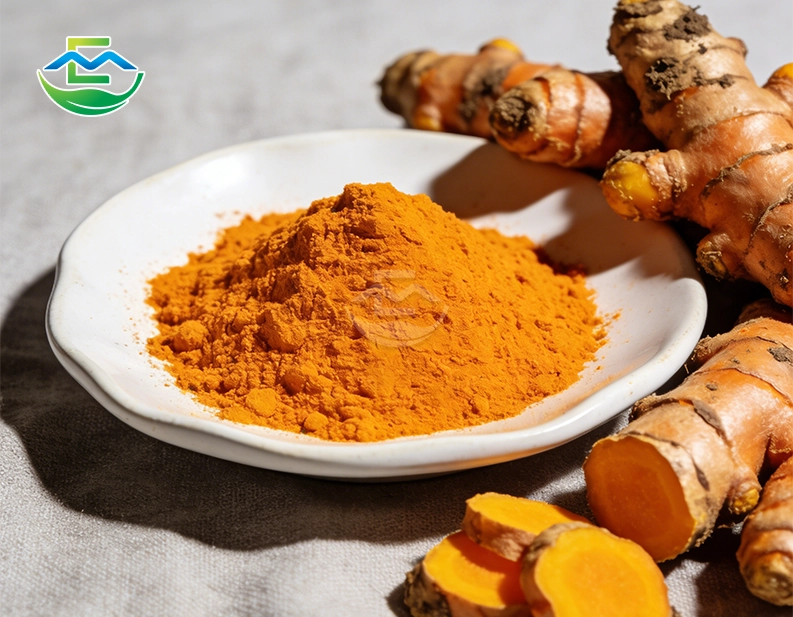
Concentrated beneficial chemicals found in Turmeric Root Extract have wide-ranging benefits. This powerful plant ingredient comes from Curcuma longa L. and has standardized curcuminoids, mostly curcumin, that have strong anti-inflammatory and antioxidant properties. Raw turmeric powder only has about 2 to 5 percent active compounds. Professional-grade Turmeric Root Extracts, on the other hand, use controlled extraction processes to concentrate these good molecules, making them more potent for use in nutraceutical formulations, cosmetics, and functional foods. Because the Turmeric Root Extract can be used in many different ways, it is very useful for companies that want to use natural, clean-label products that meet customer needs and keep high-quality standards.


Understanding Turmeric Root Extract and Its Key Benefits
What Makes Turmeric Root Extract Different From Powder?
The process of extraction changes raw turmeric into an active ingredient that is concentrated. Professional extraction with ethanol or ethyl acetate separates and concentrates curcuminoids to meet particular requirements, such as 10:1 or 20:1 ratios. Turmeric powder, on the other hand, keeps the whole root's natural makeup. This concentration solves a major problem in the manufacturing process: getting therapeutic levels of active compounds into the product without needing large dosage amounts. A 20:1 Turmeric Root Extract means that 20 kg of raw root makes 1 kg of concentrated Turmeric Root Extract. This means that finished formulations need a lot less bulk.
The presence of curcuminoids is indicated by the yellow colour of good Turmeric Root Extracts, though the strength changes with concentration levels. By getting the plant from the root, you can be sure to get to the rhizome's most bioactive areas, where curcuminoids naturally build up as the plant grows.
Powerful Anti-Inflammatory Properties for Joint Health Formulations
Curcuminoids change inflammatory pathways at the molecular level, focusing on NF-κB signalling pathways in particular. Because of this, Turmeric Root Extract is very useful for sports nutrition brands and supplements that help with joint pain. Because Turmeric Root Extracts are concentrated, they can be used in standard capsule sizes to make meaningful doses. This is a big advantage over bulk powder, which would need several grams per serving.
Researchers have found that curcuminoid molecules work well with other plant-based ingredients, making it possible to make new combinations. Nutraceutical companies are combining Turmeric Root Extract with piperine from black pepper more and more to improve bioavailability. This makes products that are easier to absorb, which helps brands stand out in crowded markets.
Antioxidant Support for Immune Function and Overall Wellness
The protective power of curcuminoids comes from their ability to fight free radicals and help cells defend themselves. Manufacturers of functional drinks use Turmeric Root Extract to make drinks that boost the immune system and appeal to health-conscious customers. When buffered and formulated correctly, the Turmeric Root Extract stays stable during processing, which lets it be added to a wide range of materials, such as drinks, soft gels, and foods that have been fortified.
The manufacturing teams that use standardized Turmeric Root Extracts make sure that all production batches have the same amount of antioxidant activity. This consistency is very important when making goods with specific ORAC (Oxygen Radical Absorbance Capacity) numbers or putting antioxidant promises on labels that can be backed up.
Natural Anti-Aging Benefits for Cosmetic Applications
Cosmetic scientists like Turmeric Root Extract because it can help the face in many ways. Curcuminoids naturally make skin brighter and help the skin's barrier function, which makes them perfect for anti-aging serums and repair creams. Botanical Turmeric Root Extracts, on the other hand, are in line with the clean beauty trends that influence consumer buying decisions.
When formulating with Turmeric Root Extract, scientists have to take into account that it has a strong colour, which can be a problem in some cosmetic uses. This problem can be solved with modern encapsulation technologies and smart mixing of ingredients that work well together. This way, brands can use the Turmeric Root Extract's benefits without affecting the look of their products. By scavenging free radicals, the natural compounds gently but effectively support mature skin. They also help with photoaging issues.

Comparative Insights: Choosing the Right Turmeric Root Extract Product
Extract Versus Powder: Potency and Bioavailability Considerations
The main choice that procurement managers have to make is between traditional powders and concentrated Turmeric Root Extracts. Turmeric Root Extracts have 20–40 times more curcuminoids per gram, which has a huge effect on how well a product works and how much to use. This higher concentration directly leads to smaller serving sizes, fewer capsules, and better compliance from consumers, all of which are important factors that affect market success.
Bioavailability is another important difference. Raw powder doesn't get absorbed very well by the digestive system, but Turmeric Root Extracts can be turned into better delivery formats. Phytosome technology, liposomal encapsulation, and nano-emulsion systems all need concentrated Turmeric Root Extracts as their starting materials. This makes it possible for next-generation products to be priced higher than the competition.
Standardized Extract Versus Isolated Curcumin: Formulation Flexibility
Some companies try to isolate curcumin that is 95% pure for pharmaceutical-grade uses that need the highest concentration. But standardized Turmeric Root Extracts that have the whole natural spectrum of curcuminoids, such as demethoxycurcumin and bisdemethoxycurcumin, have more biological effects. When it comes to nutraceutical goods that focus on whole-plant benefits, the effects of multiple curcuminoid chemicals often outweigh those of single molecules.
The regulatory paths are also different between these choices. When it comes to compliance, standardized plant Turmeric Root Extracts usually have less strict rules than highly purified isolated chemicals, which may lead to more safety tests in some places. R&D teams should look at both options in light of their specific formulation goals and regulatory environment.
Organic Certification: Quality Assurance and Market Positioning
Organic approval takes care of several business issues at once. The checking process makes sure that the raw materials meet strict agricultural standards. This gives procurement teams peace of mind about quality, which is important to supply chain integrity. Consumer research consistently shows that claims about organic ingredients are what make people buy things, especially high-end products.
In addition to helping with marketing, organic approval shows that the company uses sustainable farming methods and cares for the earth. Brands that care about doing the right thing by society find that using organic ingredients helps their business stories and meets store needs for shelf placement in natural product channels.
Powder Versus Capsule Forms: Supply Chain and Cost Efficiency
For companies that can encapsulate their own products, buying powder in bulk gives them the most formulation options and the best value for money. The 25 kg drum packing standard strikes a good mix between ease of handling and economies of scale, while also reducing the amount of packaging waste per unit of active ingredient. Companies that make a lot of different SKUs, like how powdered ingredients can be used in a lot of different formulas.
Different types of businesses can use pre-encapsulated options, especially OEMs and smaller brands that don't have their own manufacturing infrastructure. However, powder is better for most B2B uses where scientific know-how to handle raw ingredients is available, even though it costs more and gives less control over the mixture.

How to Incorporate Turmeric Root Extract Into Your Business: From Procurement to Application
Bulk Sourcing Criteria: MOQ, Pricing, and Supplier Assessment
To be a professional buyer of Turmeric Root Extract, you need to know how to find the right balance between unit economics and inventory investment. A 25 kg MOQ is the standard for building relationships with suppliers while keeping a fair financial commitment. This amount is enough for pilot production runs and checking for steadiness before moving on to bigger purchases.
Specification differences should be taken into account when setting prices—for example, the difference between 10:1 and 20:1 ratios has a big effect on the cost per unit of active curcuminoid. Professional buyers ask for certificates of analysis (COAs) that show the amounts of curcuminoids, heavy metals, microbes, and residual solvents. Suppliers who provide full documentation for third-party testing show they care about quality, which lowers the risk of the procurement process.
Taking lead time into account is very important for keeping production schedules. When suppliers keep their goods in stock in the United States, they can quickly fulfil orders and avoid the risks of international shipping and customs clearance, which are big benefits. Just-in-time production methods that make the best use of operating capital are supported by being able to get materials within two to three days.
Certification Requirements: NSF GMP, Organic, Kosher, and Halal
Having more than one certification meets the needs of different markets and meets customer expectations. The NSF GMP certification makes sure that the manufacturing processes meet pharmaceutical-grade standards, which is important for using dietary supplements in controlled markets. The FSSC22000 certification is very important for companies that make healthy foods and drinks because it focuses on food safety management.
Kosher and Halal certifications make it easier for people from religious groups and international areas to buy goods. This is because these standards are required, not just nice to have. Maintaining multiple certifications costs money, but it shows that a supplier knows what they're doing and is committed to the market, which is something that procurement teams look for in long-term partners.
Organic approval is based on specific rules for farming and handling, which are checked by audits every year. Organic ingredients are more expensive because they have to be certified and farmers get less food from their crops, but the benefits in market positioning often make the extra money worth it for high-end product lines.
Dosage Guidelines and Regulatory Compliance Considerations
Nutraceutical formulas usually have 500 to 1000 mg of standardized Turmeric Root Extract per serving, which is measured to give 50 to 200 mg of real curcuminoids. These ranges are based on values that have been shown to work in studies and are also useful for manufacturing. Sports nutrition items may use higher amounts, while functional drinks use lower levels that are better for everyday use.
For cosmetic uses, you need to use a completely different concentration range. Usually, 0.5 to 2% Turmeric Root Extract is used in finished formulations. Because of its strong colour and ability to stain skin, it needs to be carefully formulated and tested according to the right procedures. When working with plant actives in leave-on cosmetics, patch tests and stability checks become even more important.
Regulatory compliance changes a lot between areas and types of products. Under DSHEA, the U.S. Food and Drug Administration (FDA) oversees Turmeric Root Extract used in food, but a different group is in charge of cosmetics. International markets, like the EU, Canada, and Australia, have their own rules about what claims are allowed, what paperwork is needed, and how to import goods.
Why Trust Our Turmeric Root Extract? Brand Assurance for B2B Clients
Comprehensive Certification Portfolio and Quality Systems
Earth Made Nutritions Inc. has a number of certifications, including NSF GMP, FSSC22000, Kosher, Halal, ISO, and Organic. These all meet the needs of a wide range of customers. Customers don't have to deal with multiple sellers for different product lines because of this complete licensing portfolio. This makes purchasing easier and lowers the costs of managing vendors.
Professional research and development (R&D) and state-of-the-art extraction tools make sure that the quality of each batch meets the high standards of pharmaceutical and nutritional companies. The company's quality control systems check the identity of the products using HPLC, make sure they work, and do a full safety check that checks for heavy metals, pesticides, and microbiological contaminants.
Strategic Warehouse Network for Reliable U.S. Distribution
Four carefully placed warehouses across the United States make it possible to quickly fill orders, which helps customers meet their production plans. This positioning of domestic inventory gets rid of international shipping delays and customs uncertainty that make planning the supply chain harder. When compared to foreign sellers who need weeks for container shipments, the ability to pick up items from stock in just two days shows great responsiveness.
The logistics infrastructure shows that the company knows how to meet the operational needs of its customers, especially when production delays caused by a lack of raw materials have expensive effects further down the line. Purchasing managers feel better knowing that there is extra stock in the United States in case of sudden increases in demand or changes to the formulation that require quick access to materials.
Tailored Support and Partnership Approach
Technical support goes beyond basic customer service and includes advice on formulation and how to use the product. The professional research and development team helps customers find the best ways to incorporate Turmeric Root Extracts, deal with problems with stability, and create better delivery systems that make products work better. This way of working together turns relationships with suppliers into smart agreements that help customers make successful products.
Free sample policies let you do a full evaluation before committing to large amounts of output. Customers can use sample quantities to do full formulation development, stability testing, and even small-scale market testing. This lowers the financial risk that comes with using new ingredients. This method of sampling shows confidence in the product and helps customers make decisions.
Environmental Stewardship and Sustainable Practices
The philosophy of sustainable development guides all business decisions, from where to get raw materials to delivering the finished product. Customers who are under more and more pressure to show that their supply chains are sustainable are interested in environmental protection steps and social responsibility obligations. Transparent practices and ethical buying bring together the values of the seller and the values of the customer, which strengthens business relationships beyond just transactions.

Conclusion
Turmeric Root Extract is a flexible plant-based ingredient that has been backed by science and meets important needs in the cosmetics, functional foods, and nutraceuticals industries. Because quality Turmeric Root Extracts are concentrated, they offer consistent potency and formulation efficiency that raw powders can't match. Additionally, full certification and reliable domestic supply chains lower the risk of purchasing. As the need for natural, clean-label ingredients continues to rise, companies that use standardized Turmeric Root Extract gain advantages in how well their products work and where they position themselves in the market. When you choose a provider with strong quality systems, technical know-how, and quick logistics, buying ingredients becomes a strategic relationship that helps your business grow over the long run.
FAQ
1. What is the typical shelf life of turmeric root extract for inventory planning?
If you keep Turmeric Root Extract in sealed cases away from light, heat, and moisture, it will stay effective for 24 to 36 months. The 25kg drum packaging does a great job of protecting the goods while they are being stored, but customers should use first-in, first-out inventory movement. On certificates of analysis, there is information about stability and specific storage suggestions. This helps procurement teams find the best inventory levels without putting materials at risk of breaking down.
2. How can buyers verify extract authenticity and curcuminoid content?
Each batch from a reliable supplier comes with a certificate of analysis from a third party that includes HPLC chromatograms that show curcuminoid profiles. Before buying, buyers should ask for these documents and check that the testing lab is accredited. A close look should show that it really is yellow and has the form of fine powder. The most reliable way to be sure of something's authenticity is to work with approved sellers who have thorough quality control systems.
3. What regulatory documentation is needed for importing turmeric extract?
Importers in the U.S. need supplier certificates of analysis, proof of country of origin, and any relevant certifications (Organic, Kosher, etc.) based on how the product is positioned. For customs clearance, you usually need packing lists and commercial invoices. Products meant to be used as dietary supplements should make sure that their suppliers are still registered with the FDA. Customers from other countries should check the local rules because the EU, Canada, and other places have different rules about how botanical ingredients should be documented and tested.
Partner With a Trusted Turmeric Root Extract Supplier
Earth Made Nutritions Inc. can help you with your formulation needs by providing you with high-quality Turmeric Root Extract that comes from Curcuma longa L. and is backed by a wide range of approvals, such as Organic, Kosher, Halal, and NSF GMP qualifications. Our operations in California use cutting-edge extraction technology and are supported by four U.S. warehouses that make sure products are always available and delivered quickly. Our quality-controlled Turmeric Root Extracts give your goods the standard strength they need, whether you need 10:1 or 20:1 specs.
If you email info@em-herb.com, R&D directors, formulation managers, and procurement professionals can ask for free samples and technical specifications. Find out how working with a well-known Turmeric Root Extract manufacturer can make your supply chain run more smoothly while also making your products work better and making you more competitive in the market.
References
1. Aggarwal, B.B., and Harikumar, K.B. (2009). "Potential therapeutic effects of curcumin, the anti-inflammatory agent, in neurodegenerative diseases." Journal of Neural Transmission, 116(6), 731-748.
2. Gupta, S.C., Patchva, S., and Aggarwal, B.B. (2013). "Therapeutic roles of curcumin: lessons learned from clinical studies." AAPS Journal, 15(1), 195-218.
3. Hewlings, S.J., and Kalman, D.S. (2017). "Curcumin: A review of its effects on human health." Foods, 6(10), 92.
4. Prasad, S., Gupta, S.C., Tyagi, A.K., and Aggarwal, B.B. (2014). "Curcumin, a component of golden spice: from bedside to bench and back." Biotechnology Advances, 32(6), 1053-1064.
5. Vaughn, A.R., Branum, A., and Sivamani, R.K. (2016). "Effects of turmeric (Curcuma longa) on skin health: A systematic review of clinical evidence." Phytotherapy Research, 30(8), 1243-1264.
6. Nelson, K.M., Dahlin, J.L., Bisson, J., Graham, J., Pauli, G.F., and Walters, M.A. (2017). "The essential medicinal chemistry of curcumin." Journal of Medicinal Chemistry, 60(5), 1620-1637.