- English
- French
- German
- Portuguese
- Spanish
- Russian
- Japanese
- Korean
- Arabic
- Irish
- Greek
- Turkish
- Italian
- Danish
- Romanian
- Indonesian
- Czech
- Afrikaans
- Swedish
- Polish
- Basque
- Catalan
- Esperanto
- Hindi
- Lao
- Albanian
- Amharic
- Armenian
- Azerbaijani
- Belarusian
- Bengali
- Bosnian
- Bulgarian
- Cebuano
- Chichewa
- Corsican
- Croatian
- Dutch
- Estonian
- Filipino
- Finnish
- Frisian
- Galician
- Georgian
- Gujarati
- Haitian
- Hausa
- Hawaiian
- Hebrew
- Hmong
- Hungarian
- Icelandic
- Igbo
- Javanese
- Kannada
- Kazakh
- Khmer
- Kurdish
- Kyrgyz
- Latin
- Latvian
- Lithuanian
- Luxembou..
- Macedonian
- Malagasy
- Malay
- Malayalam
- Maltese
- Maori
- Marathi
- Mongolian
- Burmese
- Nepali
- Norwegian
- Pashto
- Persian
- Punjabi
- Serbian
- Sesotho
- Sinhala
- Slovak
- Slovenian
- Somali
- Samoan
- Scots Gaelic
- Shona
- Sindhi
- Sundanese
- Swahili
- Tajik
- Tamil
- Telugu
- Thai
- Ukrainian
- Urdu
- Uzbek
- Vietnamese
- Welsh
- Xhosa
- Yiddish
- Yoruba
- Zulu
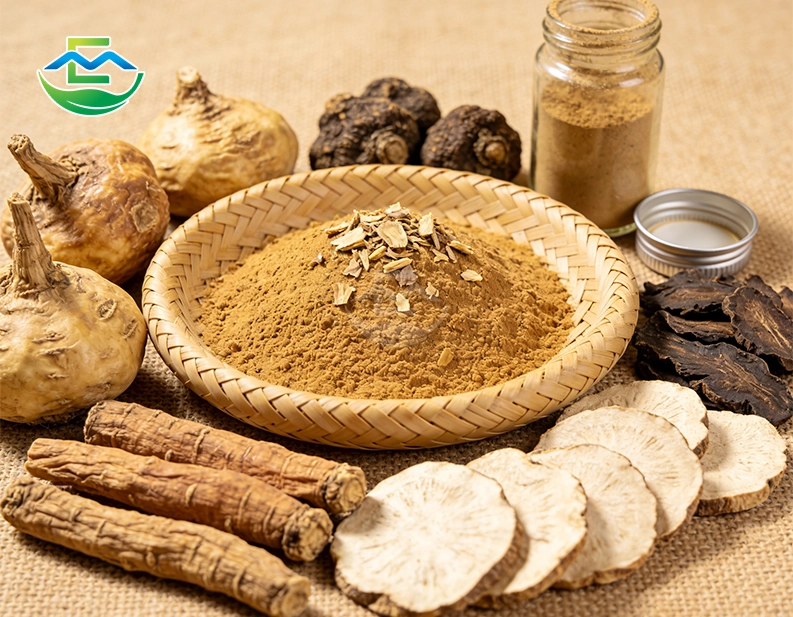
White Peony Extract is a high-quality plant-based ingredient that comes from the roots of Paeonia lactiflora. It contains concentrated bioactive compounds like paeoniflorin, tannins, and flavonoids. This standardized extract meets important needs in the nutraceuticals, skincare, and functional formulations industries. It gives R&D teams a flexible way to make clean-label goods. This botanical active has roots in Traditional Chinese Medicine and has been proven to work by modern research. It meets the growing market demand for natural, multifunctional ingredients that make products work better and help brands stand out. In today's competitive natural products market, procurement professionals value its consistent quality, proven bioactivity, and ability to be used in a wide range of formulation challenges.
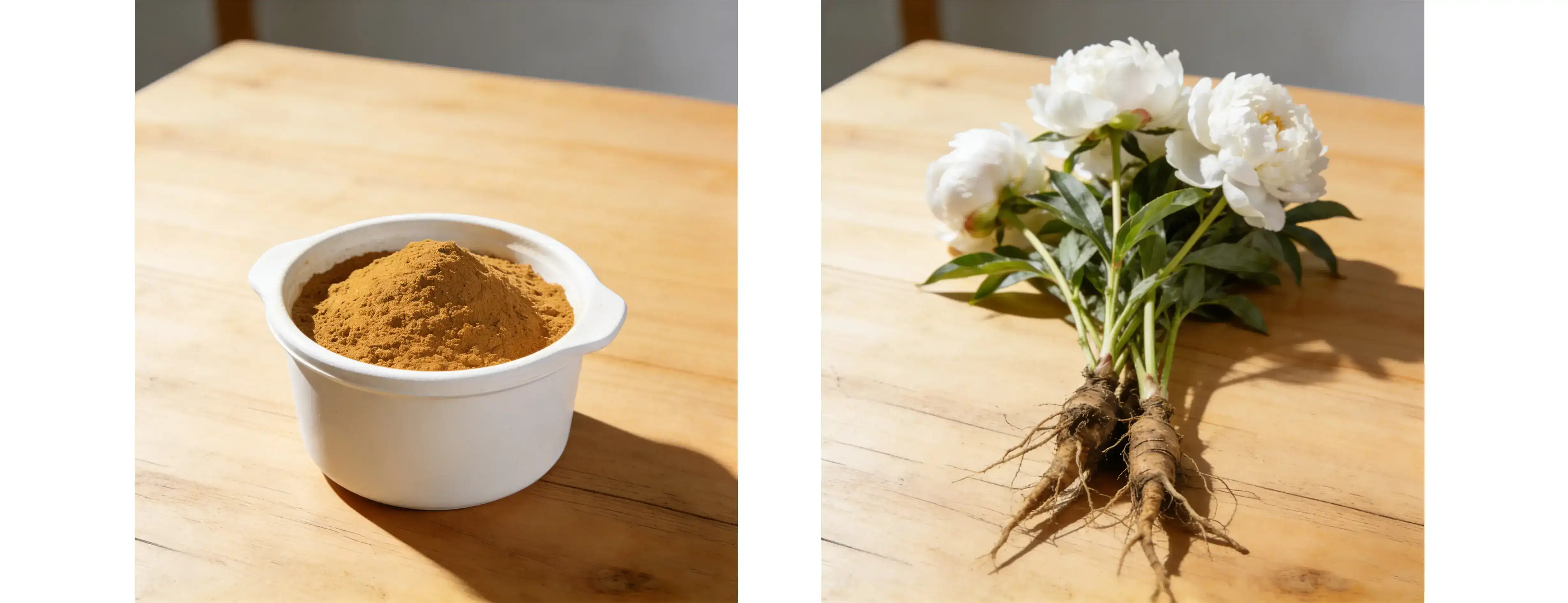
Understanding the Composition and Extraction Process
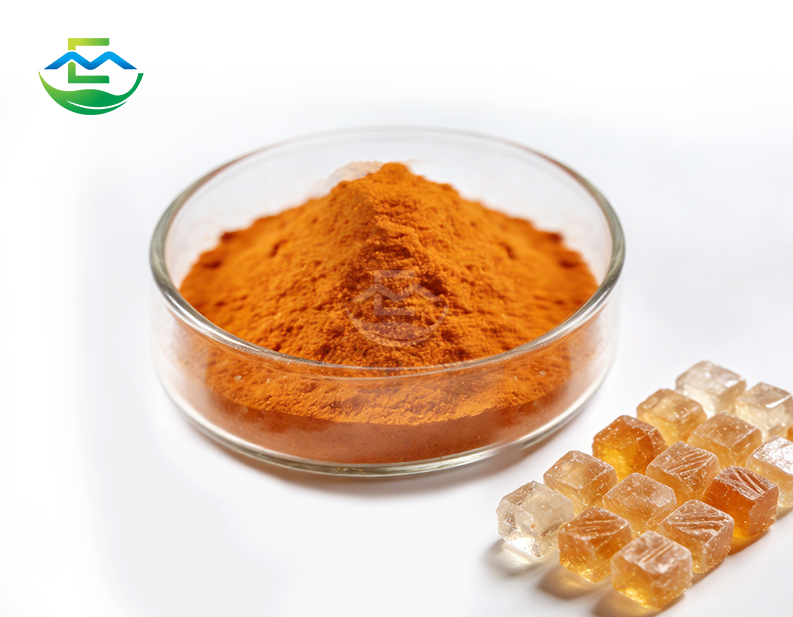
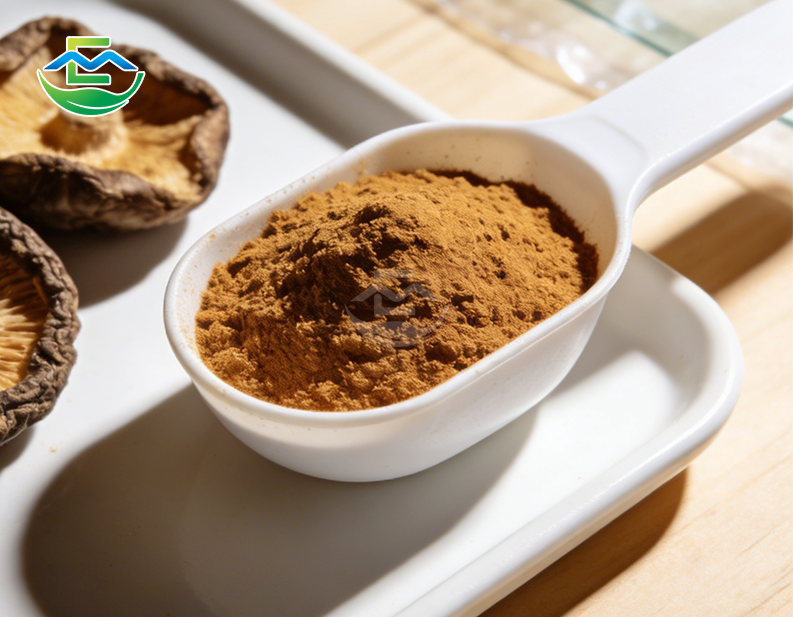
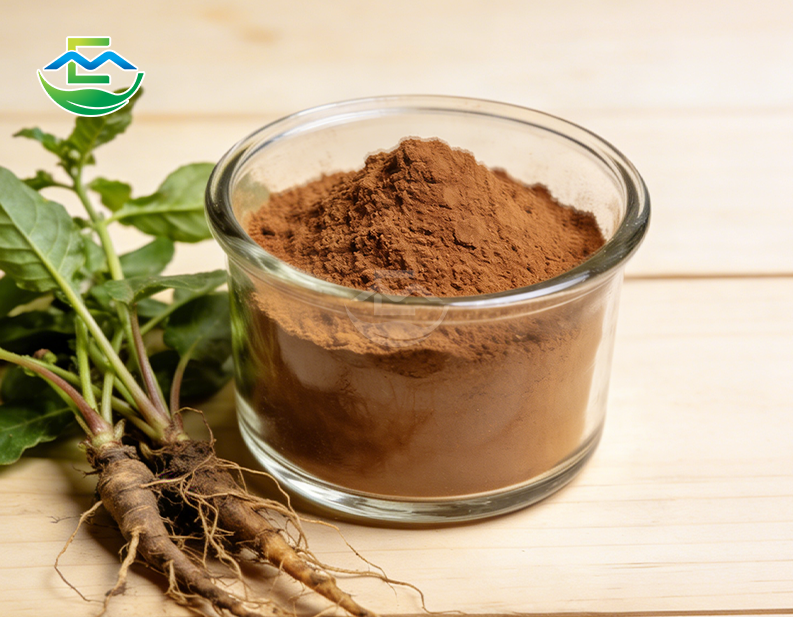
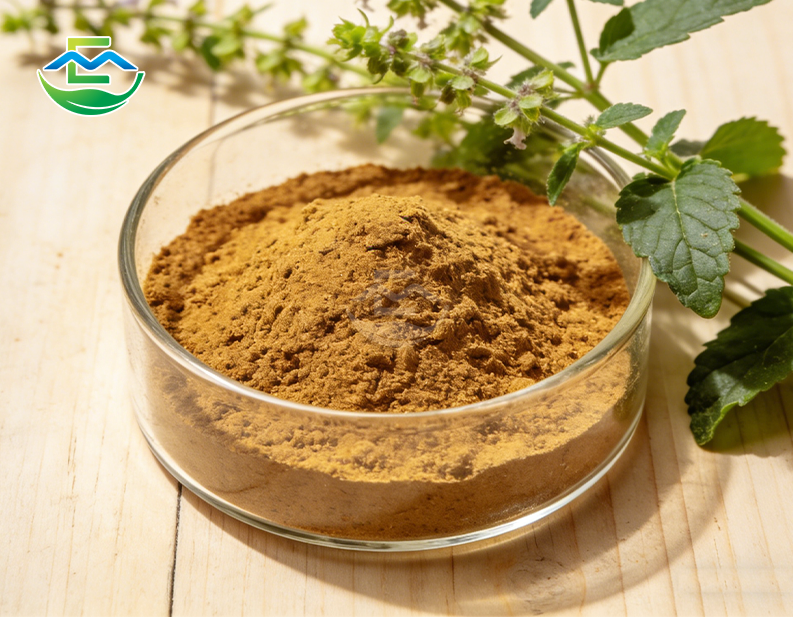
This strong ingredient comes from the roots of the plant Paeonia lactiflora, which are peeled and processed. This plant is grown a lot in controlled agricultural environments. Our extraction method uses advanced liquid extraction along with spray-drying technologies to make sure that the bioactive concentration is high while the chemical stability is maintained. The brownish-yellow powder that is made has standardized ratios of 4:1 and 10:1, which gives the formulators freedom to change it depending on the needs of the application.
Key Bioactive Compounds and Their Functions
Paeoniflorin is the main monoterpene glycoside, and it is usually standardized to 90% or higher for pharmaceutical-grade standards. This chemical changes how the immune system responds by blocking cytokines that cause inflammation and controlling T-cell activity through the NF-κB pathway. Tannins have astringent properties that are useful for skin applications, and flavonoids make formulations more antioxidant, which keeps them from breaking down over time.
Traditional Chinese Medicine Foundations
In Traditional Chinese Medicine (TCM), the plant called Bai Shao has been respected for its ability to balance and support many body systems. The special way it is processed, which includes peeling and boiling, changes the chemical makeup to give it unique medicinal properties. Modern extraction parameters are based on this traditional body of knowledge. This makes sure that modern products keep the botanical intelligence that has been built up over hundreds of years of empirical observation.
Modern Research Validation
New studies indicate that antioxidants can be tested using the DPPH and ABTS assays. These tests show that substances can scavenge free radicals, which is important for anti-aging formulas. Researchers studying tyrosinase inhibition have found ways to make skin brighter without using harsh chemicals. Because the extract can change endocrine processes, supplement makers who make products for women's health are interested in it, especially for its antispasmodic properties in functional formulas.
Comparing Quality Standards Across Product Categories
When purchasing, teams look at botanical extracts, they have to deal with a number of different product forms, sourcing methods, and standardization approaches for White Peony Extract. Knowing these differences helps you make smart choices that meet the needs of specific formulation goals and regulatory requirements. Key considerations for White Peony Extract include paeoniflorin content (typically 10–20% for standardized grades), extraction solvent profile, heavy metal limits, and microbial specifications that align with the intended application in dietary supplements, functional foods, or cosmetic formulations.
White Peony Versus Red Peony Extracts
The chemicals in them are very different because of how they were processed, even though they both come from the same species of Paeonia. Getting clean and boiling The amount of paeoniflorin in white peony roots goes up, and the structure of the tannins changes. There are different amounts of benzoyl paeoniflorin and other chemicals in Red Peony when it is handled without being peeled. Cosmetic chemists usually pick the white variety for use on the skin because it has a softer activity profile. Supplement makers, on the other hand, pick based on the functional goals they want to achieve in the final goods.
Organic Certification Impact on Supply Chains
Organically certified ingredients cost more, but they help brands market themselves as coming from clean sources. This is because all steps, from growing the plants to extracting them, have to be written down as part of the license process. This makes QA/QC teams less worried about tracking. They will still have the same bioactive levels if you buy non-organic alternatives from reputable sellers who farm in a good way. This means that groups that care about price can save money without giving up functionality.
Powder Forms Versus Encapsulated Products
Formulators have more freedom when they use bulk powder ingredients because they can change the amounts and mix them with actives that work well with each other. A factory that needs to keep putting in the same amount of raw materials can use our 25 kg drum packaging. There have been tests that show that the brownish-yellow powder works as long as it is kept in a cool, dry place. Some end-users may find capsules useful, but they make it harder to be creative with formulas and cost more per unit than getting powder in bulk for B2B clients.
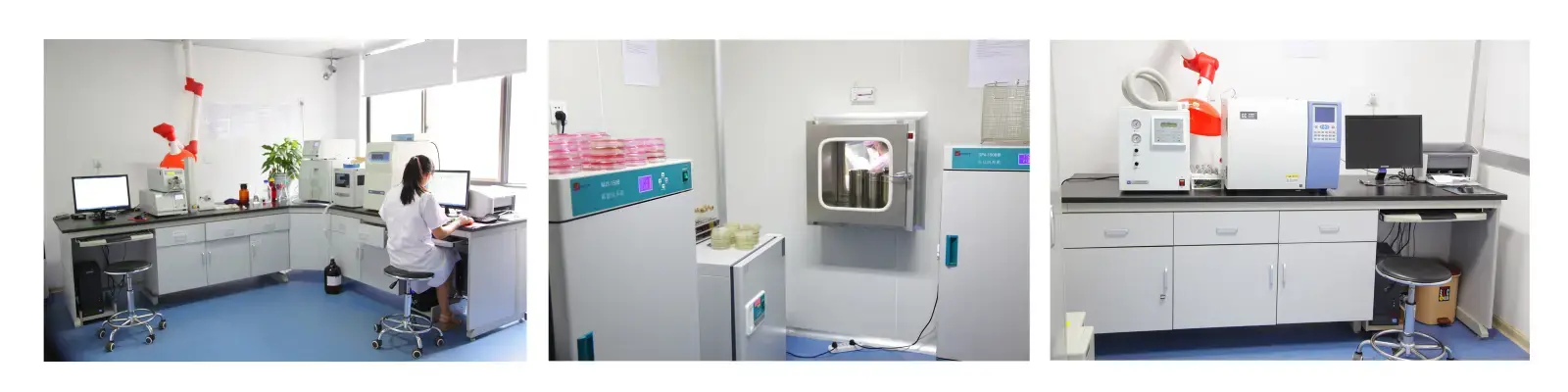
The first step in deciding quality is to check the license. They are approved by NSF GMP, FSSC22000, Kosher, Halal, ISO, and Organic, which means they meet standards around the world. Standardized extraction protocols and thorough testing using HPLC methods to confirm active compound concentrations are needed to make sure that results are the same from batch to batch.

B2B Procurement Strategies for Consistent Supply
To find high-quality botanical extracts, you need to know how the supply chain works, how to check the quality of the products, and how to set up partnerships that will last. When buying things for different markets, procurement managers have to find a mix between quality standards and price pressures, all while staying in line with regulations.
Quality Specifications and Testing Protocols
For botanical extracts that are good enough for professionals, you need detailed specification sheets that show how much heavy metals, microbes, pesticides, and active compound there is. Our products are checked for lead, arsenic, cadmium, and mercury to make sure they follow the strict rules set by the FDA and USP. Each batch comes with a Certificate of Analysis, which gives your quality control teams more information to look at when they check out new materials.
Geographic Sourcing Considerations
Through soil composition, climate patterns, and farming methods, cultivation regions have a big effect on the quality of raw materials for White Peony Extract. Asian farming areas have established delivery networks and have been growing crops for hundreds of years. But verification steps are still necessary, no matter where the information comes from, for White Peony Extract. We do supplier audits that look at how the plants are grown, how the extraction facilities are certified, and the systems for keeping records that help with regulatory filings in target markets.
Pricing Dynamics and Value Assessment
There are a lot of factors that affect market prices, such as the cost of organic certification, the amount of the extraction ratio, and the number of sales. There are different levels of concentration shown by the 4:1 and 10:1 specs. Because they take longer to make and need more raw materials, higher rates cost more. It can save you money to buy in bulk, especially for brands that plan to keep their annual volumes the same.
Private Label and OEM Opportunities
With our extraction expertise and certified facilities, our custom formulation services help brands make their products stand out. OEM agreements allow for specific extract ratios, special testing needs, and special mixes that help protect intellectual property. Private label programs let distributors and new brands get into new markets without having to spend a lot of money on building up production facilities. Through our free sample program, we let formulation teams test for stability and compatibility before committing to large-scale production. This way of reducing risk speeds up the process of making new products and builds trust in supply relationships at the same time.
Practical Applications Across Industry Segments
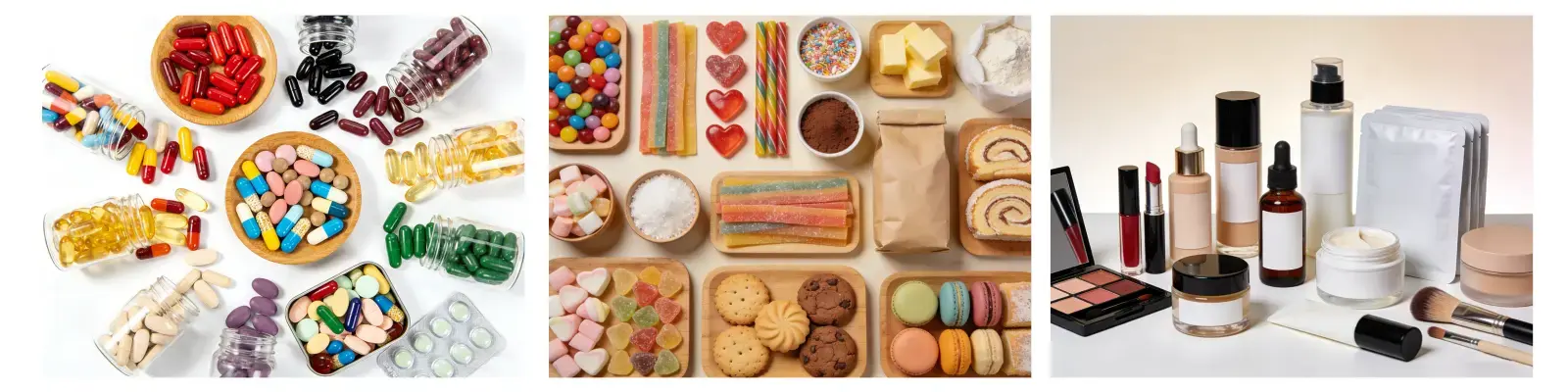
Because this botanical extract is so flexible, it can be used in a wide range of formulation strategies for consumer goods. Understanding application-specific factors helps product developers get the most out of their features while still meeting the needs of regulators in target markets.
Skincare and Cosmetic Formulations
Cosmetic chemists use this ingredient in anti-aging serums, brightening treatments, and products for people with sensitive skin. The tyrosinase inhibition properties make natural brightening agents that can be used instead of synthetic ones. This fits with the trend toward clean beauty without sacrificing effectiveness. Antioxidant action keeps other parts of the mixture from breaking down due to oxidation, which could make the product last longer. Inclusion rates usually fall between 0.5% and 5%, but this depends on how much activity is wanted and what format the final product will be in. Because it dissolves in water, it can be easily added to water-based systems like toners, essences, and emulsions. To make sure that finished goods are the same from batch to batch, stability testing should check for pH compatibility, interactions between preservatives, and colour stability under accelerated ageing conditions.
Nutritional Supplement Development
Standardized paeoniflorin content is useful for supplement brands that sell health, stress management, and immune support products for women. The extract mixes easily with other plants that work well together in capsules or powders that are used in drinks. Quality control methods make sure that food supplement Good Manufacturing Practices are followed for heavy metals and microbes. Formulation managers like that the brownish-yellow colour doesn't change the look of the final product as much as botanicals with strong colours. The 4:1 and 10:1 concentrations let you find the best dose based on the results of clinical studies and the claims made on the label. Packaging in 25 kg drums meets the mixing needs of contract makers while keeping costs low.
Functional Food and Beverage Innovation
Fortified drinks, nutrition bars, and wellness shots are being made better because more and more people want functional ingredients in everyday foods. Our FSSC22000 certification and food-grade specifications help with applications in these controlled groups for White Peony Extract. Because it dissolves easily, it can be added to both clear and cloudy drinking systems. However, it is still important to test its compatibility with certain pH ranges and protection systems when using White Peony Extract. Product designers who are making useful tea blends, ready-to-drink health drinks, or powdered supplement sachets should consider how well the extract mixes with different types of ingredients. When compared to whole herb powders, the concentrated form of White Peony Extract has less volume, which is important for formulations that don't have a lot of room for botanicals.
Ensuring Regulatory Compliance for Global Markets
To navigate worldwide regulatory settings, you must understand regional regulations, documentation standards, and compliance methods. Our certifications and quality systems help firms enter large regional markets and fulfill regulatory requirements. Kosher and Halal certifications let businesses enter new markets with specific audiences. Organic certification makes natural items premium. Manufacturing quality systems meet pharmaceutical requirements with NSF GMP. Buyers serving health-conscious populations feel more confident. Specification papers, Certificates of Analysis, allergy statements, and BSE/TSE declarations are required for overseas shipment and customs clearance. Our staff can answer formulation-specific regulatory inquiries, but for formal compliance guidance in target markets, consult regulatory professionals.
Conclusion
White Peony Extract is a good ingredient for companies that want to make natural products that work well in the nutraceutical, cosmetic, and functional food categories. When you mix the history of TCM with current scientific proof, you get marketing stories that connect with today's smart customers. For product development projects, this plant extract is a good choice because it can be bought easily and comes with a lot of benefits, such as domestic storage, full certifications, and different concentration options. Its clean labelling and the growing body of research supporting its functional properties are in line with market trends that favour botanical actives over synthetic alternatives.
FAQ - Frequently Asked Questions about White Peony Extract
1. What standardization markers define quality specifications?
Professional materials are standardized for the amount of paeoniflorin they contain, which is the main monoterpene glycoside that gives bioactivity. Pharmaceutical standards usually call for purity levels of 90% or higher, while cosmetic-grade materials may use lower standards that are better for use on the skin. Always ask for a Certificate of Analysis that shows the amounts of active compounds that were found using approved HPLC testing methods.
2. How do extraction ratios affect formulation decisions?
A 4:1 ratio means that four kilograms of raw root material are used to make one kilogram of extract, and a 10:1 ratio means that more starting material is needed for a higher concentration. Higher ratios give more potency per unit weight, which changes how much to use and how much it costs. Formulation teams choose ratios based on how much work they want to do, how much space they have for formulating, and how much they want to charge for finished products.
3. What verification steps ensure supplier reliability?
Check the supplier's credentials, such as GMP, ISO, and category-specific credentials like FSSC22000 for food uses. Ask for Certificates of Analysis from more than one batch to check for stability. You can directly judge the quality of free samples using your lab's testing procedures. When they are possible, facility audits give people more faith in the way things are made and the quality systems that are in place.
Partner with Earth Made Nutritions Inc for Premium Botanical Ingredients
Earth Made Nutritions Inc. offers dependable access to approved White Peony Extract through our connected supply network, which includes activities in California and strategic storage in the United States. Our NSF GMP, FSSC22000, Kosher, Halal, ISO, and Organic certifications show that we are committed to quality, which makes it easier for you to follow the rules set by regulators. Our advanced research and development (R&D) skills, environmentally friendly sourcing methods, and helpful customer service all work together to help you reach your product development goals, from the first ideas to mass production. Email us at info@em-herb.com to get free samples, talk about custom requirements, or look into private label options with a reliable White Peony Extract supplier who wants you to succeed.
References
1. Zhang, L., & Wei, W. (2020). Paeoniflorin: A Monoterpene Glycoside from Paeonia Species with Immunomodulatory Effects. Journal of Ethnopharmacology, 251, 112519.
2. Chen, H., Liu, Y., & Li, X. (2019). Tyrosinase Inhibitory Activity and Antioxidant Properties of Paeonia lactiflora Root Extracts. Phytotherapy Research, 33(4), 1098-1107.
3. Wu, S., & Pang, K. (2018). Traditional Chinese Medicine Applications of Paeonia lactiflora: Historical Context and Modern Validation. Chinese Herbal Medicines, 10(3), 227-238.
4. Johnson, R., & Martinez, E. (2021). Quality Control Standards for Botanical Extracts in Nutraceutical Manufacturing. Journal of AOAC International, 104(2), 445-453.
5. Kim, S., Park, J., & Lee, D. (2020). Extraction Technologies and Bioactive Compound Stability in Paeonia root Processing. Food Chemistry, 312, 126089.
6. Thompson, A., & Davies, M. (2019). Regulatory Compliance and Certification Requirements for Botanical Ingredients in Global Markets. International Journal of Food Science and Technology, 54(6), 2156-2165.