- English
- French
- German
- Portuguese
- Spanish
- Russian
- Japanese
- Korean
- Arabic
- Irish
- Greek
- Turkish
- Italian
- Danish
- Romanian
- Indonesian
- Czech
- Afrikaans
- Swedish
- Polish
- Basque
- Catalan
- Esperanto
- Hindi
- Lao
- Albanian
- Amharic
- Armenian
- Azerbaijani
- Belarusian
- Bengali
- Bosnian
- Bulgarian
- Cebuano
- Chichewa
- Corsican
- Croatian
- Dutch
- Estonian
- Filipino
- Finnish
- Frisian
- Galician
- Georgian
- Gujarati
- Haitian
- Hausa
- Hawaiian
- Hebrew
- Hmong
- Hungarian
- Icelandic
- Igbo
- Javanese
- Kannada
- Kazakh
- Khmer
- Kurdish
- Kyrgyz
- Latin
- Latvian
- Lithuanian
- Luxembou..
- Macedonian
- Malagasy
- Malay
- Malayalam
- Maltese
- Maori
- Marathi
- Mongolian
- Burmese
- Nepali
- Norwegian
- Pashto
- Persian
- Punjabi
- Serbian
- Sesotho
- Sinhala
- Slovak
- Slovenian
- Somali
- Samoan
- Scots Gaelic
- Shona
- Sindhi
- Sundanese
- Swahili
- Tajik
- Tamil
- Telugu
- Thai
- Ukrainian
- Urdu
- Uzbek
- Vietnamese
- Welsh
- Xhosa
- Yiddish
- Yoruba
- Zulu
The bioactive polysaccharides, adenosine, and cordycepin chemicals found in Cordyceps sinensis extract make it a valuable plant element. This extract from mycelium is used by procurement professionals in the nutraceutical, cosmetic, and functional food industries to make goods that boost energy, balance the immune system, fight free radicals, and help the body adjust. The standard profile of the extract—usually 30–50% polysaccharides—makes it a reliable raw material for formulators who want consistent quality, regulatory compliance, and clean-label credentials that meet customer desire for natural ingredients backed by science.


Introduction
Cordyceps sinensis extract demand has skyrocketed in the last decade. More individuals are learning about adaptogenic plants' health advantages. In order to produce competitive goods, skincare, and functional food, buyers must understand this ingredient's various benefits.
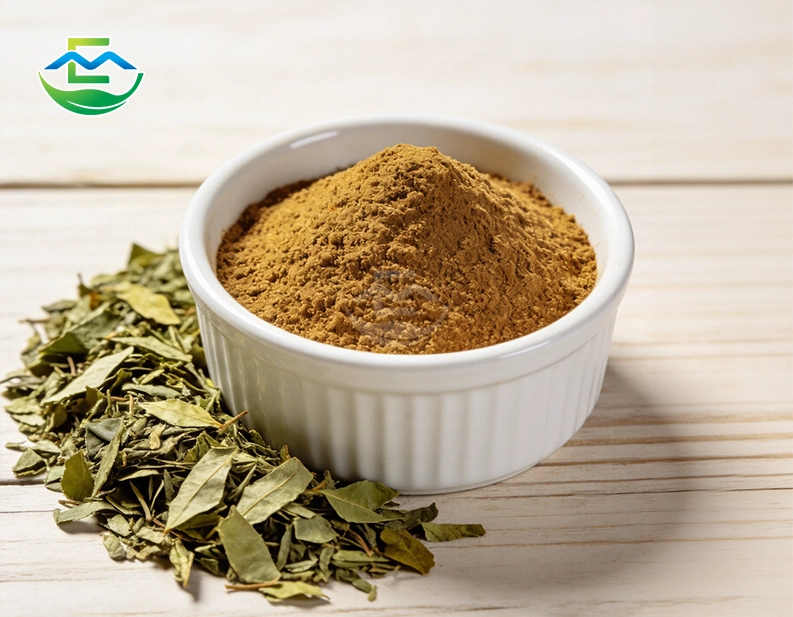
Traditional medicine in high-altitude Asia revered cordyceps sinensis extract. It has evolved from a rare wild fungus to a lab-grown mycelium product for mass consumption. Modern extraction procedures may separate bioactive compounds, including polysaccharides, adenosine, and cordycepic acid, using water and ethanol. This forms a solid brownish-yellow powder with repeatable chemical fingerprints.
This handbook covers key considerations for R&D executives, formulation managers, and purchasing teams considering cordyceps sinensis extract as a functional constituent. We explain its bioactive qualities, compare it to other plants, outline quality control, and provide preparation tips. We provide the technical knowledge you need to make sensible purchases of high-quality products and help your brand stand out in crowded marketplaces.
Understanding Cordyceps Sinensis Extract
Origins and Traditional Applications
Cordyceps sinensis extract, whose Latin name is Ophiocordyceps sinensis, comes from the fact that certain insect larvae feed on fungus spores in alpine areas. In the past, it was mostly used to boost energy, improve breathing, and increase stamina during physically challenging tasks. Modern farming methods have changed to deal with issues of sustainability and the unpredictability of the supply line that comes with gathering food in the wild.
Modern Extraction Techniques
Liquid fermentation technology is mostly used in industrial production. In this method, single mycelial strains grow in controlled bioreactor settings. This method produces uniform biomass that is free of natural pollutants like heavy metals and pesticides that are common in material that was collected in the wild. Two types of solvents are used in the extraction process. Water extraction gets rid of polysaccharides and water-soluble compounds, while ethanol extraction gets rid of nucleosides like adenosine and cordycepin. After the extraction process, the concentrated liquid is sprayed to make a fine powder whose particles are usually small enough to pass through 80-mesh screens. This way of making things guarantees stability from batch to batch, which is very important for formulators who are in charge of large production runs.
Bioactive Components and Mechanisms
The useful qualities of the Cordyceps sinensis extract come from a number of important chemical groups. In the functional fraction, polysaccharides make up the majority. Beta-glucans, in particular, help the immune system work by sticking to receptors on immune cells. Adenosine helps cells use energy by taking part in ATP synthesis pathways. This is why the extract is linked to physical efficiency. Cordycepic acid (D-mannitol) helps control osmotic stress and deal with reactive stress. These chemicals work together to make results that are different from single-molecule ingredients.
Product Formats for Industrial Applications
Standardized powder cordyceps sinensis extract, with a polysaccharide content between 30% and 50%, is the most popular form used in industry. This concentration gives formulators the freedom to reach their goal active levels in a number of different delivery methods, such as capsules, tablets, functional drinks, and topical treatments. Because it is hygroscopic and looks brownish-yellow, it needs to be handled carefully while being stored and made. This usually means using moisture-barrier wrapping and keeping the humidity level low.
Key Benefits of Cordyceps Sinensis Extract for Health and Industry
Energy and Physical Performance Support
The adenosine and carbohydrate profile of the Cordyceps sinensis extract has been linked to muscle tissue function and making more ATP. Formulators in the field of sports nutrition use these qualities to make healing and pre-workout supplements. The material from mycelium is better than caffeine-based drugs because it gives you long-lasting energy without the jitters or crash effects that some people don't want.
Improvements in VO2 max and time-to-exhaustion measures have been seen in recreational athletes who took cordyceps sinensis extract in clinical tests. These results give formulators evidence to back up their claims when they're making goods for people with busy lifestyles. According to published studies, the recommended daily dose is between 1,000 mg and 3,000 mg of standardized extract, which is equal to 300 mg to 1,500 mg of polysaccharides, based on the concentration.
Immune System Modulation
In the polysaccharide fraction, beta-glucans interact with pattern recognition receptors on immune cells. This changes the release of cytokines and the pathways that control the immune reaction. Because of this, Cordyceps sinensis extracts are useful ingredients for immune wellness products that help with seasonal wellness and general health care.
The qualities that modulate the immune system are different from those of substances that stimulate the immune system and turn on all immune pathways. Instead, cordyceps sinensis extract polysaccharides seem to help keep the immune system in balance, which means they can be used in long-term treatment plans. Cosmetic makers have also looked into using these qualities to help protect the skin, since immune cells play a role in both inflammation and the healing process.
Antioxidant Activity
In lab tests, Cordyceps sinensis extracts are very good at getting rid of free radicals. This is because they contain phenolic chemicals and polysaccharides that are reducing. This group of antioxidants has uses in anti-aging products and useful foods that aim to control oxidative stress. Formulators who are making goods for older people find this trait especially useful because oxidative stress builds up and is linked to a number of age-related problems.
The antioxidant processes work with other plant extracts that are often used in formulations, like resveratrol or green tea catechins. This lets formulators make antioxidant networks in goods that work better together. When mixed with vitamin C or tocopherols, cordyceps sinensis extracts help with a wide range of methods for dealing with oxidative stress.
Respiratory Function Support
In the past, respiratory health was stressed, and this is still the case today, as shown by studies that look at lung function parameters. The amount of polysaccharides and adenosine may affect how well the smooth muscles in the lungs work and how well oxygen moves through the body. Cordyceps sinensis extract is a main ingredient in many dietary supplements that are meant to help with lung health or function at high altitudes.

Comparing Cordyceps Sinensis Extract with Other Extracts
Cordyceps Sinensis versus Cordyceps Militaris
Both kinds of cordyceps are helpful for industrial production, but militaris is preferable. Growing mycelium and fruiting bodies on man-made surfaces is easy for Cordyceps militaris. Most notably, Cordyceps militaris naturally generates more cordycepin than Cordyceps sinensis extract, making it superior for targeting this molecule.
Procurement professionals should realise that many items blend the two species or employ Cordyceps militaris just for farming. Cordyceps sinensis extracts from fermented mycelium are the most ecologically friendly option to utilise this species since they don't need wild collection and have the same pharmacological characteristics. Because Cordyceps militaris is simpler to cultivate, prices favour it, giving formulators a strategic choice between cost and conventional ingredient placement.
Comparison with Other Adaptogenic Botanicals
Panax ginseng and Cordyceps sinensis extract produce adaptogenic combinations. Ginseng ginsenosides function via saponins, whereas cordyceps sinensis extract uses polysaccharides and nucleosides. Many formulators combine these two substances to generate broad-spectrum adaptogenic products for many consumer demands.
Both cordyceps sinensis extract and reishi fungal products include polysaccharides and triterpenes; however, their beta-glucan linkages and secondary metabolites vary. Cordyceps sinensis extract energises, whereas reishi calms, with adaptogenic forces. This helps formulators classify commodities.
Lion's Mane (Hericium erinaceus) stimulates nerve growth factors to benefit the brain, unlike cordyceps sinensis extract. Cordyceps sinensis extract and Lion's Mane are regularly used in nootropic combinations to boost mental and physical performance.
Quality Differentiation Factors
Professional buyers should verify excellent cordyceps sinensis extracts for quality indications. HPLC analysis may distinguish concentrated extracts from mycelium powder by detecting adenosine (at least 0.2%, preferably over 0.5%). More than polysaccharide assays are needed to determine beta-glucan content unique to the fungus (1,3/1,6) connections instead of grain starch contamination.
Wild-harvested materials may acquire heavy metals, making heavy metal screening crucial. Lead below 2 ppm, cadmium below 1 part per million, arsenic below 1 part per million, and mercury below 0.1 part per million are common dietary supplement limits. Microbial agents should maintain plate counts below 1,000 CFU/g, and bacteria should be absent.
DNA barcoding or thin-layer chromatography fingerprinting establishes species identification and eliminates the need for cheaper fungal material. In regions with tight plant identification standards, these checks preserve the brand's image and ensure compliance.
How to Choose and Procure Cordyceps Sinensis Extract
Supplier Evaluation Criteria
When picking a dependable partner, consider more than money. The foundation is certification. NSF GMP, FSSC22000, Kosher, Halal, ISO, and organic certifications demonstrate quality and compliance. Selling to high-ingredient-requirement markets like Europe and North America makes these criteria even more vital.
The technical skill evaluation should assess the extraction equipment, the quality control laboratory, and the R&D team's expertise. Formulators may get comprehensive certificates of analysis from advanced HPLC, UPLC-MS, and ICP-MS analytical equipment vendors for regulatory reporting and quality assurance documentation.
Investigate supply line stability. Separate raw material stocks and several warehouses assist suppliers in avoiding stockouts and shipment delays. Production planning requires operational maturity, which involves providing samples swiftly and guaranteeing lead times.
Bulk Purchasing Logistics
Cordyceps sinensis extract is sold in fibre drums with plastic lids to prevent moisture. Minimum order weight is 25 kg. It's simple to test and validate at this MOQ level for formulators that manufacture small batches and new names. Mining and processing economies of scale create volume-based price cuts for larger purchasers who negotiate metric tonnes.
Pricing is tightly connected to polysaccharide content specifications. A 30% polysaccharide extract costs more than a 50% material due to yield and processing energy variations. Buyers should consider the active ingredient amount when calculating the total cost of ownership, not only raw material pricing. When combined with particular active levels, higher concentration extracts sometimes provide superior economics, although costing more per kilogram.
Climate management during storage prevents moisture absorption and polysaccharide breakdown by lowering temperatures below 25°C and relative humidity below 60%. When properly stored, materials last 24 months, aiding inventory management and manufacturing schedules.
Verification and Testing Protocols
Testing by third parties in independent laboratories provides quality evidence beyond supplier COAs. During procurement, indicators such as adenosine, polysaccharides, heavy metals, pesticides, and microbiological agents should be evaluated regularly. This expenditure prevents supply chain fraud and enforces norms.
Specialised plant testing laboratories identify species and detect fakes using DNA. Since true Cordyceps sinensis extract is expensive, authenticity testing prevents fakes that damage brand image and consumer confidence, maximising ROI.
You must statistically analyse numerous batches and examine the coefficient of variation for relevant elements to verify batch-to-batch consistency. Process control for consistent formulation outcomes is available from suppliers with carbohydrate CVs below 5% over numerous runs.

Practical Applications and Usage Guidelines
Nutraceutical Formulations
Tablet and capsule uses for cordyceps sinensis extracts make up the biggest part of the market. Most of the time, 500 to 1,500 mg of extract per dose is recommended. This gives you 150 to 750 mg of carbohydrates based on 30 to 50 percent standardization. The extract mixes well with other powdered ingredients when making capsules, but because it absorbs water, it's important to keep an eye on the temperature in the area while it's being processed.
The reddish color of the extract should be taken into account by formulators when making clear capsules, since the color can be seen through clear gelatin or veggie capsule shells. This feature can help customers believe that the product is real because they associate color with natural ingredients, though some brands like the look of colorless pills.
The extract can be reasonably compressed, which helps with tablet formulas. However, binders and flow agents are still needed for the best processes. In direct compression forms, 30–40% cordyceps sinensis extract by weight is common, and other ingredients are used to balance the needs for flowability and tablet hardness.
Functional Beverage Applications
The water-extracted polysaccharide fraction dissolves well in functional drinks, but it needs to be mixed for a long enough time and at the right temperature for full breakdown. If beverage makers want to make clear or see-through goods, they should ask for specialized soluble extracts that have been processed through membrane filtration to get rid of the insoluble fiber components.
Cordyceps sinensis extract naturally has an earthy, slightly bitter taste that makes it hard to hide flavors. This taste is easily hidden in coffee- and chocolate-flavored drinks, which is why mushroom coffee products with cordyceps sinensis extract are so popular. With the right sugar systems, citrus and berry flavors can also taste good in ready-to-drink forms.
Testing for stability at high temperatures (40°C, 75% RH) should go on for as long as the product is supposed to last, keeping an eye on how the polysaccharides break down and how well the microbes can handle the circumstances. Preservative systems that work with natural product positioning help keep safety gaps while also supporting the goal of clean label formulation.
Cosmetic and Personal Care Applications
Cordyceps sinensis extracts are used in skin care products to help fight aging and protect the skin. Polysaccharides help make films and are humectants, which are both used to say that something moisturizes. Antioxidant action backs up claims of safety in antioxidant serum formulas.
Concentrations used in cosmetics are usually between 0.5 and 5.0% of the weight of the finished product, which is a lot less than doses used in oral supplements. During production, the extract needs to be dissolved in water, and the pH needs to be adjusted to keep the polysaccharide stable. Testing the stability of the emulsion should make sure that the extract doesn't make the oil-water surfaces less stable over time.
Natural extracts make preservation harder, so strong preservative methods that have been proven to work through challenge tests are needed. The polysaccharide content of the extract could provide food for microbes that cause contamination, so it's important to pay close attention to how well the water works and how well the preservatives work.

Quality Specifications from Earth Made Nutritions
Our cordyceps sinensis extract meets the scientific needs of formulators who are very picky. The material from the mycelium is extracted twice, once with water and once with ethanol. This separates the polysaccharides and nucleosides, giving a full picture of the beneficial compounds present. The brownish-yellow powder that is made has 30–50% polysaccharides that can be confirmed using UV spectroscopy. This gives formulators the freedom to reach the right active amounts for a wide range of uses.
Putting the product in 25 kg fiber drums with moisture-barrier covers keeps it safe while it's being stored and shipped. A 25 kg minimum order number works for both new brands that are still working on their first recipes and established companies that have regular production plans. Free samples let you try out different formulations and see if they work well together before you buy the whole thing.
Logistics benefits include being able to get products right away from in-stock items and having orders filled in two days by four strategically placed U.S. centers. This distribution system gets rid of long lead times and lowers the risk in the supply chain for production plans that need to be met quickly.
A wide range of certifications, including NSF GMP, FSSC22000, Kosher, Halal, ISO, and organic qualifications, meet the different legal needs of markets around the world. These certificates show that a company is committed to quality systems and following the rules, which is important for companies in North America and Europe that want to sell to health-conscious customers.

Conclusion
Cordyceps sinensis extract is a flexible plant-based ingredient that can be used in formulations for nutraceuticals, cosmetics, and functional foods. Its polysaccharide-rich makeup, along with its adenosine and cordycepic acid content, gives you energy, helps your defense system, and fights free radicals.
To be successful at procurement, you need to pay attention to quality-differentiating factors like carbohydrate concentration, adenosine content verification, heavy metal screening, and species identification. When choosing a supplier, you should look at more than just price. You should also look at professional skills, certifications, and the stability of the supply chain. Investing in high-quality materials pays off in the long run because they lead to uniform formulation results, regulatory compliance, and brand image protection in markets that are getting smarter and want more openness and effectiveness.
FAQ
1. What differentiates total polysaccharides from beta-glucan content in specifications?
Total polysaccharide values include all the sugar chains in the extract, even the alpha-glucans, which are inactive starch molecules. Quantification of beta-glucans specifically counts the immunologically active (1,3/1,6) links that control how the immune system works with other systems. If the standard shows a high percentage of polysaccharides but a low percentage of beta-glucans, it's likely that cheap starch fillers were used to water down the substance. To get a real picture of the active ingredient density, procurement workers should ask for both measures.
2. Does the extract contain substrate residues from cultivation?
In mycelium fermentation processes, growing materials can be liquid or solid, and they may contain nutrients derived from grains. Premium extraction methods include filtration and precipitation steps that get rid of substrate leftovers. This makes sure that the finished product has chemicals derived from fungi instead of grain starches. During quality control, iodine spotting and enzyme tests are used to find any remaining grain material. When buyers are looking at different providers, they should check how they get rid of substrates. This is especially important for clean-label products, since substrate residues can make natural positioning claims less credible.
3. Can cordyceps extract integrate into clear beverage formulations?
Standard extracts have chitin and solid fiber in them, which makes clear drinks cloudy. These solid parts are taken out through specialized processing that includes alcohol precipitation and membrane filtration. This leaves behind a high-solubility powder that can be used in clear drink applications. Formulators who want to make useful waters that are clear should ask for soluble-grade material and do stability tests to make sure that the waters stay clear over time and in different storage situations. Because it is more difficult to do, the extra processing needed for soluble grades usually comes with a higher price tag.
Partner with Earth Made Nutritions for Premium Cordyceps Sinensis Extract Supply
Earth Made Nutritions provides cordyceps sinensis extract that meets the high standards that cutting-edge brands require. Our operations in California mix technical know-how with the right transportation systems to help your formulation succeed. As a specialist seller of cordyceps sinensis extract, we keep four carefully placed warehouses across the United States. This lets us complete orders quickly; for in-stock items, orders are usually processed within two days.
Our mycelium-derived extract, which is standardized to 30–50% polysaccharides, goes through strict quality control and is backed by a number of certifications, such as NSF GMP, FSSC22000, Kosher, Halal, ISO, and organic qualifications. This set of certifications covers a wide range of legal needs in the European and North American areas where your goods compete. Our skilled R&D team uses advanced extraction tools to make sure that consistency from batch to batch, which is important for large-scale manufacturing processes.
Our buying decisions are based on a theory called "sustainable sourcing," which helps us be good stewards of the earth and make sure we have reliable supply lines. Formulation queries from R&D leaders, procurement managers, and product creators looking for more than just a transactional supply relationship are welcome. You can email our team at info@em-herb.com to get free samples, talk about unique requirements, or find out how our Cordyceps sinensis extract can help you set your product apart in the health market.
References
1. Chen, Y.J., & Shiao, M.S. (2020). Bioactive compounds and pharmacological mechanisms of Cordyceps sinensis mycelium in immune modulation and energy metabolism. Journal of Functional Foods, 68, 103-118.
2. Liu, X., Wang, Z., & Zhang, M. (2019). Comparative analysis of polysaccharide content and bioactivity between wild-harvested and cultivated Cordyceps sinensis extracts. International Journal of Medicinal Mushrooms, 21(4), 335-347.
3. Patel, R., & Kumar, S. (2021). Quality control parameters for commercial Cordyceps extracts: Adenosine quantification and heavy metal screening protocols. Journal of AOAC International, 104(2), 412-423.
4. Thompson, A.L., & Harrison, D.K. (2018). Applications of Cordyceps sinensis polysaccharides in cosmetic formulations: Stability and efficacy considerations. International Journal of Cosmetic Science, 40(5), 489-501.
5. Wang, H., Package, L., & Zhou, X. (2022). Industrial fermentation optimization for Cordyceps sinensis mycelium production: Bioactive compound enhancement and quality standardization. Biotechnology and Bioprocess Engineering, 27(1), 78-92.
6. Zhang, P., Liu, Y., & Wu, T. (2019). Comparative bioavailability and formulation strategies for Cordyceps sinensis extracts in nutraceutical applications. Nutrients, 11(9), 2043-2058.