- English
- French
- German
- Portuguese
- Spanish
- Russian
- Japanese
- Korean
- Arabic
- Irish
- Greek
- Turkish
- Italian
- Danish
- Romanian
- Indonesian
- Czech
- Afrikaans
- Swedish
- Polish
- Basque
- Catalan
- Esperanto
- Hindi
- Lao
- Albanian
- Amharic
- Armenian
- Azerbaijani
- Belarusian
- Bengali
- Bosnian
- Bulgarian
- Cebuano
- Chichewa
- Corsican
- Croatian
- Dutch
- Estonian
- Filipino
- Finnish
- Frisian
- Galician
- Georgian
- Gujarati
- Haitian
- Hausa
- Hawaiian
- Hebrew
- Hmong
- Hungarian
- Icelandic
- Igbo
- Javanese
- Kannada
- Kazakh
- Khmer
- Kurdish
- Kyrgyz
- Latin
- Latvian
- Lithuanian
- Luxembou..
- Macedonian
- Malagasy
- Malay
- Malayalam
- Maltese
- Maori
- Marathi
- Mongolian
- Burmese
- Nepali
- Norwegian
- Pashto
- Persian
- Punjabi
- Serbian
- Sesotho
- Sinhala
- Slovak
- Slovenian
- Somali
- Samoan
- Scots Gaelic
- Shona
- Sindhi
- Sundanese
- Swahili
- Tajik
- Tamil
- Telugu
- Thai
- Ukrainian
- Urdu
- Uzbek
- Vietnamese
- Welsh
- Xhosa
- Yiddish
- Yoruba
- Zulu
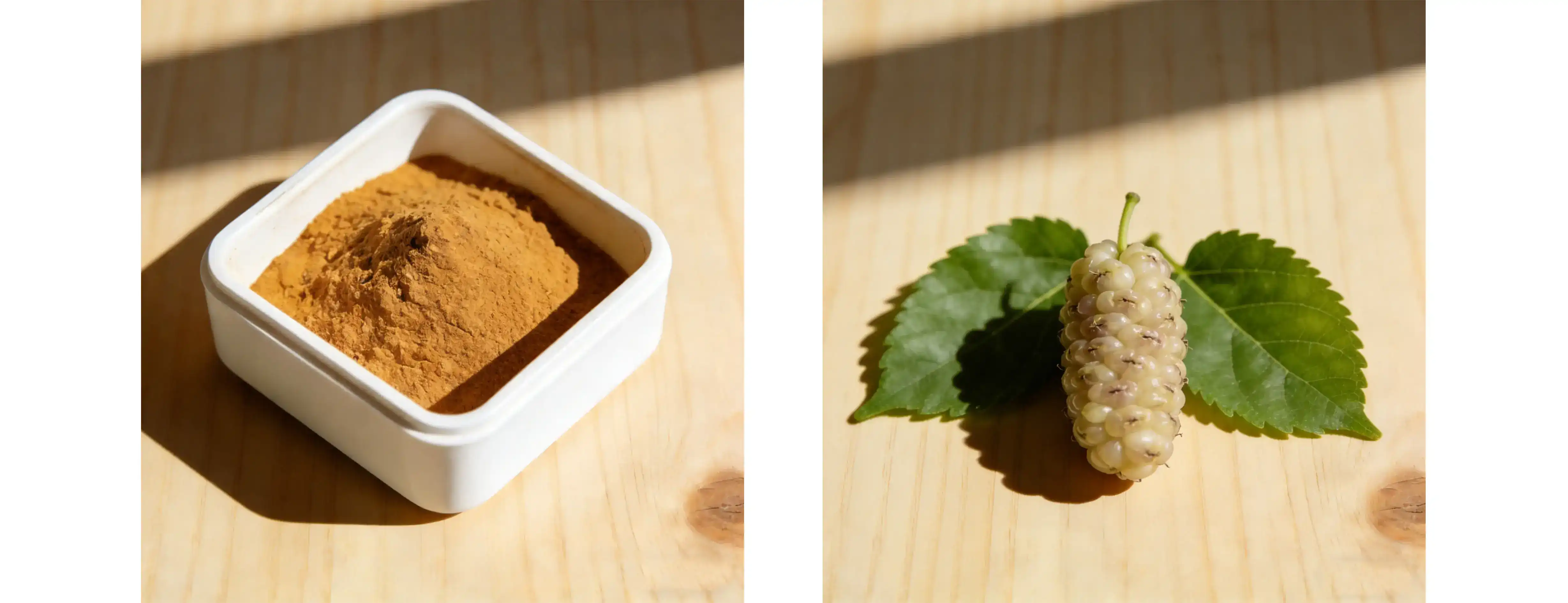
In today's nutraceutical, functional food, and cosmetic businesses, White Mulberry Extract, made from the leaves of Morus alba, has become a highly sought-after plant component. This brownish-yellow powder is standardized to contain 1% 1-Deoxynojirimycin (DNJ). It gives manufacturers a reliable active ingredient that is backed by science. This extract has measured bioactivity and great formulation flexibility, making it perfect for making functional drinks rich in antioxidants or dietary supplements that help the body's glucose metabolism. It has been shown to work and looks good on a clean label, which makes it a great ingredient for brands that want to use natural, effective solutions that health-conscious customers will like.
Introduction
Due to people's demand for clean, plant-based goods and easy access, botanical extracts have expanded rapidly. White Mulberry Extract leads this trend since it contains numerous beneficial substances for health and well-being. Morus alba leaves are the major source of this traditional herb. Many nations utilize it, and contemporary research supports it.
As demand mounts, nutraceuticals, functional foods, and cosmetics procurement professionals must locate ingredients that perform, are stable, and fulfill all requirements. The detailed book covers White Mulberry Extract's numerous applications and provides technical information and sourcing advice to help readers make good purchases. We discuss the key factors to consider when buying materials and creating new goods in worldwide marketplaces. These include studying each ingredient's bioactive composition and verifying supplier credentials.
Understanding White Mulberry Extract: Composition and Health Effects
Key Bioactive Compounds and Their Functions
White Mulberry Extract may be useful for health reasons because it contains many different kinds of phytochemicals. The main active ingredient is 1-Deoxynojirimycin (DNJ), an iminosugar alkaloid that is usually standardized between 1% and 20%, depending on the needs of the application. This molecule stops alpha-glucosidase from doing its job, which stops the absorption of carbohydrates in the intestines. In addition to DNJ, the extract also has flavonoids, anthocyanins, and polysaccharides that help protect cells and act as antioxidants.
Health Benefits Validated by Research
White Mulberry Extract has been linked to a number of positive effects in the scientific literature. Researchers who looked at the glucose response after eating have found that DNJ-rich extracts can change blood sugar levels by slowing down the breakdown of carbohydrates. Manufacturers of dietary supplements that are making glucose management formulas are very interested in this mechanism. In addition to helping the metabolism, the polyphenolic content of the extract protects against oxidative stress. Early research also suggests that it may help with heart health and weight loss. Its flavonoid components give it anti-inflammatory properties that make it useful in a wide range of formulations, from sports nutrition to general wellness products.
Safety Profile and Standardization
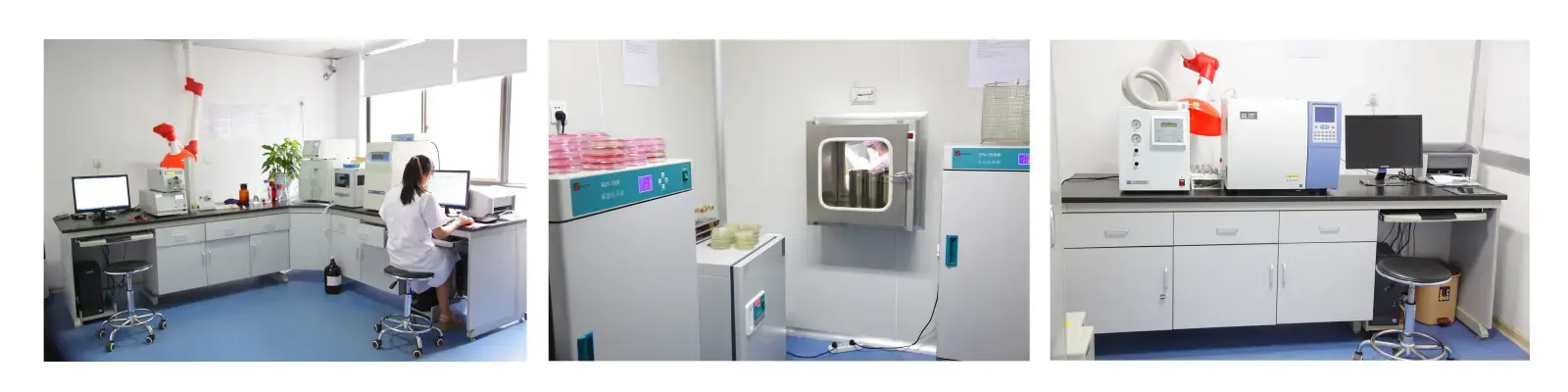
Professional-grade White Mulberry Extract goes through strict quality control steps to make sure that each batch is safe and consistent. Heavy metals (lead < 10 ppm, arsenic < 2 ppm, mercury < 0.1 ppm) and pesticide residues must stay below strict limits in pharmaceutical-grade products, as set by USP and EP standards. Testing for microbes shows that the total number of aerobic microbes is less than 1000 cfu/g, and there are no pathogens like Staphylococcus aureus or Salmonella. The amount of moisture is kept below 5% to keep things from sticking and to keep them stable while they are being stored and shipped.
How to Use White Mulberry Extract Effectively in B2B Applications
Formulation Considerations for Dietary Supplements
When White Mulberry Extract is added to capsules and tablets, manufacturers benefit from its good physical properties. The fine, brownish-yellow powder goes through an 80-mesh sieve with a 95% pass rate. This makes sure that the active ingredients and excipients are mixed evenly. Its bulk density is between 0.45 and 0.65 g/ml, which means it can be easily filled into standard capsule sizes without needing too much volume. Formulation scientists often mix this extract with chromium picolinate, berberine, or cinnamon extract to make glucose management complexes that work better together. Serving sizes are usually suggested to be between 100 mg and 500 mg of standardized extract per dose, but the exact amounts rely on the quantity of DNJ and the product's claims.
Integration into Functional Foods and Beverages
White Mulberry Extract variants that dissolve in water have made functional beverage uses possible. The powder dissolves easily in water and doesn't settle to the bottom, so it can be used in shake mixes before meals, diabetic-friendly teas, and drinks that replace meals. The extract stays active at pH levels from 3.5 to 6.0 and is thermally stable under normal pasteurization conditions. These are features that set it apart from raw plant powders that tend to settle or break down. Food technologists like that it works with a variety of formulation matrices and can withstand shear forces during homogenization processes without losing its bioactivity.
Cosmeceutical Applications and Skin Health
In addition to being used in food, White Mulberry Extract from root bark can also be used by beauty companies as a natural tyrosinase inhibitor in skin-brightening goods. These standardized products contain a certain amount of Mulberroside A and are used in high-end serums and creams that treat discoloration. Cosmetic chemists like how stable it is in oil-in-water emulsions when they are made correctly. However, it discolors over time if it doesn't get enough antioxidant protection. Because the element can be used for both nutritional and cosmetic purposes, it can be used in a wider range of products.
Regulatory Compliance and Certification Requirements
When looking for plant products, global B2B buyers have to deal with a lot of complicated rules. White Mulberry Extract that has been certified as NSF GMP, FSSC22000, Kosher, Halal, ISO, and Organic gives manufacturers the proof they need to sell their products in international markets. These certifications show that the company follows current Good Manufacturing Practices, management systems for food safety, and religious dietary needs. FDA-compliant manufacturing practices are good for products going to the U.S. market, but EFSA regulations must be followed for products going to the European market. Quality packages come with full Certificates of Analysis (COA) that show the amounts of active compounds, microbial testing, and heavy metal screening. These help with the registration and approval steps for the product further down the line.
Comparing White Mulberry Extract with Other Popular Botanicals
White Mulberry Extract versus Berberine
It is known that both White Mulberry Extract and berberine can help keep your glucose levels healthy, but they do so in different ways. Activating AMP-activated protein kinase (AMPK) pathways and changing insulin receptor expression are two effects of berberine, an isoquinoline alkaloid found in many plants, including Berberis species. The DNJ in White Mulberry Extract mainly stops intestinal alpha-glucosidase enzymes from working, which has a direct effect on the breakdown of carbohydrates. Formulation strategists often choose White Mulberry Extract because it is easier on the digestive system and causes less stomach upset than berberine, which can have strong effects at times. Cost is usually a factor that favors White Mulberry Extract in large-scale production, especially when it comes from reputable suppliers with high-quality standards.
Comparative Analysis with Cinnamon Extract
Another popular plant used in metabolic health products is cinnamon extract (Cinnamomum species), which is prized for its polyphenolic ingredients and ability to make insulin work better. Cinnamon changes the way glucose is used in the body through different pathways that involve insulin-mimetic activity. White Mulberry Extract, on the other hand, blocks the breakdown of carbohydrates more specifically. Product developers like that White Mulberry Extract doesn't add any strong flavors to functional foods, while cinnamon does add some unique flavors that might make it less useful in some situations. Positioning in the market is also different. White Mulberry Extract is often seen as a high-tech, research-backed alternative that appeals to scientifically-minded people looking for ingredients that have been studied in clinical settings.
Evaluating Moringa as an Alternative
Moringa (Moringa oleifera) has become known as a superfood that is high in vitamins, minerals, and antioxidants. White Mulberry Extract, on the other hand, focuses on DNJ and certain flavonoids, while this supplement has a much broader range of nutrients. When procurement teams look at these choices, they know that moringa is good for general health uses, and White Mulberry Extract is great for formulas that need specific biochemical support mechanisms. Standardization and reproducibility of White Mulberry Extract's active compounds are helpful for manufacturing when it's important to keep bioactivity the same across batches. Both products can be certified as Organic, which lets brands meet clean-label requirements. However, the testing methods and price systems for these botanical groups are very different.
Procurement Guide: Sourcing White Mulberry Extract for Global B2B Buyers
Essential Supplier Evaluation Criteria
A thorough evaluation of the supplier's manufacturing capabilities, quality systems, and compliance with regulations is the first step to a successful procurement. Established suppliers use HPLC-ELSD testing protocols to make sure the DNJ content and phytochemical profiles are correct. This stops the products from being tampered with by adding synthetic or inferior mulberry species. Site checks that look at extraction tools, processing areas, and documentation systems show operating skills that affect the consistency of the output. Suppliers who can show that they can track their products from where the raw materials come from to where they are packaged at the end provide the supply chain transparency that brand owners and regulatory authorities are asking for more and more.
Sample Testing and Validation Protocols
Before making big purchases, people who work in procurement should ask for representative samples along with full analytical documentation. Validation testing should confirm the active compound's specs, make sure there are no impurities, and check the material's physical qualities, such as particle size distribution, solubility, and moisture content. Third-party laboratory analysis checks what the supplier says on its own and finds possible quality problems before large orders are placed. Predicting shelf life performance and formulation compatibility through accelerated stability testing lowers the risks and costs of later development.
Logistics and Packaging Considerations
Professional providers put White Mulberry Extract in 25 kg fiber drums with food-grade plastic bags inside. This keeps the powder from absorbing water while it is being shipped and stored. Minimum order quantities usually start at 25 kg, but if you have a good relationship with the supplier, they may be willing to work with you on smaller trial quantities. Buyers benefit when suppliers keep U.S.-based warehouse networks, which allow for fast fulfillment and two-day pickup for materials that are in stock. This strategy for keeping inventory close to home cuts down on lead times, delays at customs, and gives manufacturers with tight production schedules just-in-time supply chain benefits.
Earth Made Nutritions Inc. has four large warehouses in the United States that are ideally placed to serve producers across the country. This infrastructure for distribution makes sure that deliveries happen on time and that products stay safe by storing them in controlled conditions. The California base of the company has state-of-the-art research and development facilities and extraction tools that can make standardized botanical extracts that meet pharmaceutical-grade standards.
Documentation and Regulatory Support
Certificates of Analysis, allergen declarations, GMO statements, BSE/TSE certificates, and radiation-free confirmations should all be included in full documentation packages that come with high-quality botanical extracts. Suppliers with multiple certificates, such as NSF GMP, FSSC22000, Kosher, Halal, ISO, and Organic, show that they are dedicated to quality systems that meet the needs of a wide range of markets. Regulatory support services, like help with product registration paperwork and questions about compliance, are very useful for buyers who have to deal with complicated international rules. Formulation teams can test how well an extract works before spending money on it, which lowers the risks of buying and helps people make confident decisions.

Maximizing Value: Why Choose Quality White Mulberry Extract Products
Brand Differentiation Through Premium Ingredients
In order to stay competitive, the supplement and functional food markets need products that have clear benefits and strong marketing stories. Brands can make specific claims about their products that are backed up by science when they use premium White Mulberry Extract that is standardized to consistent DNJ levels. The ingredient's use in the past and its confirmation by modern research create an interesting story arc that ties together old knowledge and new scientific knowledge. This narrative power improves brand positioning, especially among people who want natural ingredients instead of synthetic ones.
Manufacturing Efficiency and Cost Optimization
High-quality plant extracts make production processes easier because they have better flow qualities, uniform potency, and fewer formulation challenges. Meeting strict quality standards for White Mulberry Extract gets rid of batch failures caused by contamination, active amounts that aren't right, or changes in physical properties. Because the powder dissolves easily in water, it cuts down on the time needed to process and clean tools used in beverage preparation. These operational efficiencies lead to lower production costs per unit, even if the prices of raw materials go up. This is especially true when looking at the total cost of ownership instead of just the prices of the ingredients.
Sustainability and Ethical Sourcing Trends
Along with quality and cost, sustainability criteria are becoming increasingly significant in contemporary buying strategies. The natural goods business is embracing corporate ideals, including social responsibility, environmental protection, and sustainable harvesting. Farmers with organic certification use no synthetic fertilizers or pesticides. This makes it more attractive to eco-conscious consumers and regenerative agricultural firms. Transparent supply chains that follow plant materials from growth to extraction and distribution support ethical sourcing and eliminate the reputational risks of employing unknown substances.
Earth Made Nutritions Inc. follows stringent environmental guidelines while selecting raw materials, producing goods, and disposing of trash. The company's sustainable development concept balances product development with environmental protection. They understand that long-term commercial success requires solid community connections and resource management.
Conclusion
Manufacturers in the nutraceutical, functional food, and cosmetics industries are interested in White Mulberry Extract as a botanical ingredient. Its bioactive profile has been supported by science; it can be used in a variety of ways, and it has a clean-label appeal that makes it a good choice for natural product lines that aim to improve metabolic health, antioxidant support, and skin wellness. To do buying right, you need to carefully evaluate suppliers, check their quality, and make sure they follow all the rules in all the target markets. Standardizing the extract to consistent DNJ levels, along with strict testing protocols and the right certifications, guarantees batch-to-batch reliability, which is necessary for commercial production that can be scaled up. When brands buy premium White Mulberry Extract from well-known suppliers, they gain a competitive edge because the products work better, the factories can make them more quickly, and the ingredients are natural and come from sustainable sources, which is what customers want.
FAQ
1. What makes white mulberry extract effective in supplement formulations?
The main active ingredient in the extract is 1-Deoxynojirimycin (DNJ), which stops alpha-glucosidase from working and changes how carbohydrates are broken down. When the extract is standardized to DNJ levels that are always between 1% and 20%, the bioactivity can be repeated from one production batch to the next. Flavonoids and polysaccharides, which work together, give it extra antioxidant support. This makes it a complete phytochemical profile that formulators who are making products for metabolic health and general wellness like.
2. Which industries benefit most from incorporating this botanical ingredient?
Dietary supplement companies that make glucose management formulas are the biggest market segment. Functional food and drink companies that make low-glycemic-index goods are the next biggest. Sports nutrition companies use the extract in products that replace meals and help you recover, and beauty companies use special root extracts to make skin look brighter. Because the ingredient can be used in a lot of different types of products, it is useful for making a wide range of products.
3. How should procurement teams evaluate potential suppliers?
A full evaluation of a supplier looks at their quality certifications (NSF GMP, FSSC22000, ISO, and Organic), their analytical testing capabilities (HPLC verification of active compounds), their regulatory compliance documentation, and their manufacturing infrastructure. Ask for sample materials with full COAs, have third-party verification testing done, and look at the company's logistical skills, such as its ability to manage inventory and meet delivery dates. Suppliers who offer free samples and expert help show that they are confident in the quality of their products and want their customers to be successful.
Partner with a Trusted White Mulberry Extract Supplier
Earth Made Nutritions Inc. sells plant extracts that are safe enough to be used in medicine. They back up their products with strong quality control methods and helpful customer service. Our White Mulberry Extract, which is standardized to 1% 1-Deoxynojirimycin from Morus alba leaves, meets the highest quality standards around the world. We give you the paperwork you need to get into global markets with our NSF GMP, FSSC22000, Kosher, Halal, ISO, and Organic certifications.
Our four warehouses in the U.S. make sure that orders are filled quickly, and materials that are in stock can be picked up in two days. We give free samples to people who qualify, so your formulation team can see how well the extract works before committing to large sales. Our minimum order number of 25 kg in safe fiber drum packing works for both new brands and well-known companies. Email our technical team at info@em-herb.com to talk about your particular needs, get product specs, or set up shipping of samples. If you're making new dietary supplements, functional drinks, or cosmetics, EM has the high-quality ingredients and partnership approach that will help you launch your products successfully and grow in the long term.
References
1. Mudra, M., Ercan-Fang, N., Zhong, L., Furne, J., & Levitt, M. (2007). Influence of mulberry leaf extract on the blood glucose and breath hydrogen response to ingestion of 75 g sucrose by type 2 diabetic and control subjects. Diabetes Care, 30(5), 1272-1274.
2. Andallu, B., & Varadacharyulu, N. C. (2003). Antioxidant role of mulberry (Morus indica L. cv. Anantha) leaves in streptozotocin-diabetic rats. Clinica Chimica Acta, 338(1-2), 3-10.
3. Asano, N., pharmacognosy, Yasuda, K., Ikeda, K., Kizu, H., Kameda, Y., & Watson, A. A. (2001). Polyhydroxylated alkaloids isolated from mulberry trees and silkworms: their sugar mimic structures and biological activities. Topics in Current Chemistry, 209, 159-195.
4. Kimura, T., Nakagawa, K., Kubota, H., Kojima, Y., Goto, Y., Yamagishi, K., & Miyazawa, T. (2007). Food-grade mulberry powder enriched with 1-deoxynojirimycin suppresses the elevation of postprandial blood glucose in humans. Journal of Agricultural and Food Chemistry, 55(14), 5869-5874.
5. Park, K. M., You, J. S., Lee, H. Y., Baek, N. I., & Hwang, J. K. (2003). Kuwanon G: an antibacterial agent from the root bark of Morus alba against oral pathogens. Journal of Ethnopharmacology, 84(2-3), 181-185.
6. Hunyadi, A., Martins, A., Hsieh, T. J., Seres, A., & Zupkó, I. (2012). Chlorogenic acid and rutin play a major role in the in vivo anti-diabetic activity of Morus alba leaf extract on type II diabetic rats. PLoS ONE, 7(11), e50619.