- English
- French
- German
- Portuguese
- Spanish
- Russian
- Japanese
- Korean
- Arabic
- Irish
- Greek
- Turkish
- Italian
- Danish
- Romanian
- Indonesian
- Czech
- Afrikaans
- Swedish
- Polish
- Basque
- Catalan
- Esperanto
- Hindi
- Lao
- Albanian
- Amharic
- Armenian
- Azerbaijani
- Belarusian
- Bengali
- Bosnian
- Bulgarian
- Cebuano
- Chichewa
- Corsican
- Croatian
- Dutch
- Estonian
- Filipino
- Finnish
- Frisian
- Galician
- Georgian
- Gujarati
- Haitian
- Hausa
- Hawaiian
- Hebrew
- Hmong
- Hungarian
- Icelandic
- Igbo
- Javanese
- Kannada
- Kazakh
- Khmer
- Kurdish
- Kyrgyz
- Latin
- Latvian
- Lithuanian
- Luxembou..
- Macedonian
- Malagasy
- Malay
- Malayalam
- Maltese
- Maori
- Marathi
- Mongolian
- Burmese
- Nepali
- Norwegian
- Pashto
- Persian
- Punjabi
- Serbian
- Sesotho
- Sinhala
- Slovak
- Slovenian
- Somali
- Samoan
- Scots Gaelic
- Shona
- Sindhi
- Sundanese
- Swahili
- Tajik
- Tamil
- Telugu
- Thai
- Ukrainian
- Urdu
- Uzbek
- Vietnamese
- Welsh
- Xhosa
- Yiddish
- Yoruba
- Zulu
White Peony Extract, derived from the roots of Paeonia lactiflora, offers remarkable advantages for wellness formulations and emergency preparedness solutions. This botanical ingredient contains high concentrations of paeoniflorin and antioxidant compounds that support stress resilience, inflammation modulation, and immune system balance. For manufacturers and formulators, incorporating this standardized extract into product lines addresses growing consumer demand for natural, science-backed ingredients that promote bodily equilibrium during both everyday wellness routines and unexpected stressful situations. Understanding its composition, quality parameters, and strategic applications helps procurement teams make informed decisions.

Understanding White Peony Extract: Composition, Function, and Wellness Benefits
Paeonia lactiflora Pall., especially the peeled root type called Bai Shao in traditional uses, is where this ingredient gets its name from. Modern extraction methods separate the most valuable parts of the plant while getting rid of the rest. This makes concentrated ratios that are usually standardized at 4:1 or 10:1.
Bioactive Compounds and Mechanisms
Paeoniflorin is the main bioactive ingredient. It is a monoterpene glycoside that works with several physiological pathways. Researchers have found that this compound can change the NF-κB signaling pathway, which is a key part of inflammatory reactions. Along with tannins and albiflorin, the extract also has benzoic acid products and adds to its total functional profile.
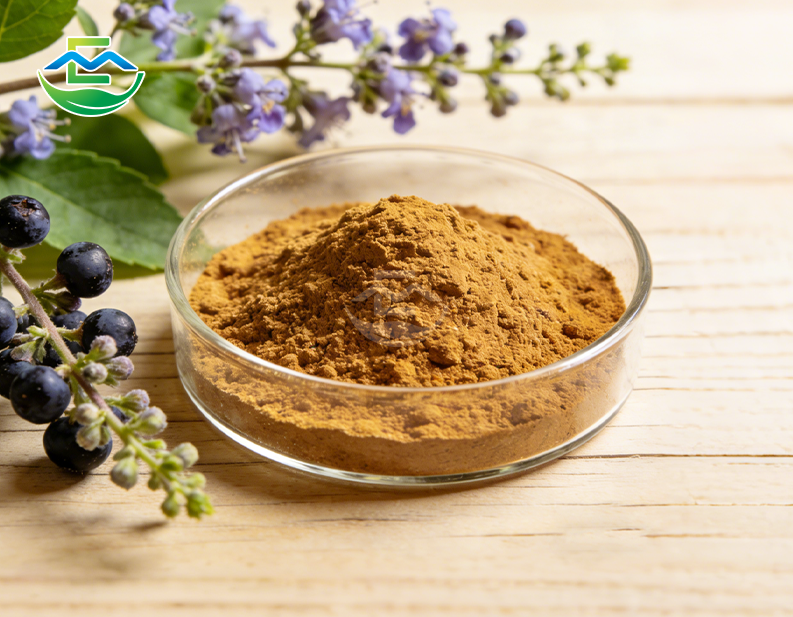
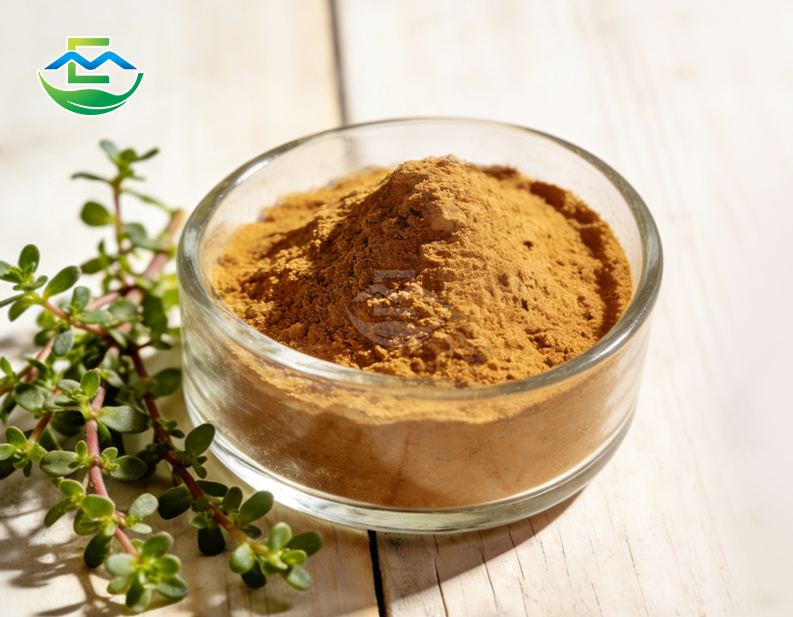
At Earth Made Nutritions Inc., we use controlled temperature protocols and solvent-free methods in our extraction process to keep these delicate compounds safe. The brownish-yellow powder that is made stays the same strength from batch to batch, which solves one of the biggest problems in getting plant ingredients.
Anti-Inflammatory and Immune-Modulating Properties
Paeoniflorin helps keep the immune system in check by changing the activity of T cells and the release of pro-inflammatory cytokines. Because of this, the White Peony Extract is very useful for formulas that try to reduce inflammation caused by stress or help keep immune systems healthy. This plant has effects on more than one route, unlike synthetic alternatives. It also doesn't have the harsh side effects that come with isolated chemicals.
According to studies published in journals about phytomedicine, standardized extracts show consistent activity in the lab. This gives R&D teams the scientific proof they need when they are making new goods. People who care about their health will like that this product can stop too many inflammatory signals without stopping the defense system from doing what it needs to do.
Stress Response and Adaptogenic Potential
The hypothalamic-pituitary-adrenal axis is affected by the extract. This axis controls the stress hormones. Because it is adaptogenic, it can be used in formulas that help keep your mind clear and your emotions in check during tough times. Product designers who are making products to help people deal with stress can use this feature to set their products apart in crowded market segments.
Based on what doctors have seen, the extract's chemicals seem to work with nerve systems, especially those that deal with GABA and serotonin. These interactions help it build a reputation for promoting calm focus without sedation, which appeals to people who want natural alternatives to traditional treatments.

White Peony Extract in Emergency Preparedness: Leveraging Herbal Solutions for Resilience
Being ready for an emergency doesn't just mean having physical supplies on hand; it also means knowing how to eat in a way that supports your body during times of high stress. In addition to regular emergency supplies, White Peony Extracts offer concentrated nutrition that can be stored for a long time.
Integration into Wellness and Emergency Kits
When standard pain relievers are hard to get, natural anti-inflammatory chemicals become even more useful. The powdered form of the extract is stable, so it can last longer if stored properly, which makes it useful for long-term emergency kits. This ingredient can be used by companies making preparedness-focused products to put in capsules, sachets, or combination formulas that can be quickly reconstituted.
The immune-supporting qualities are useful in situations where environmental stresses make people more vulnerable. When formulating emergency nutrition items, people in charge should think about how this extract might work well with plants that are similar to it, like astragalus or blackberry.
Comparative Advantages: White Peony vs. Red Peony and Valerian Root
Knowing the differences between plants helps buying teams choose the right ingredients. Red peony (Paeonia lactiflora or Paeonia veitchii) is processed differently because it doesn't go through the peeling and boiling steps. This makes it have a different chemical profile with stronger properties that help blood flow. White Peony Extract focuses on supporting the immune system and lowering stress levels.
Valerian root is mostly used to help people sleep because it has direct sedative effects. White Peony Extract, on the other hand, has a wider range of uses and doesn't make people sleepy. This difference is important for product marketing because emergency preparation formulas need ingredients that support function rather than make people less aware.
Combining White Peony Extract with rhodiola or ashwagandha in multi-extract formulations makes stress-resilience solutions that work for everyone. Because these adaptogens work in different ways that complement each other, formulators have a lot of creative options for meeting the needs of a wide range of customers.

Making Informed Procurement Decisions: Quality, Forms, and Supplier Selection
Supplier choices have a direct effect on how well a product works, how well it meets regulations, and how well the brand is known. Purchasing workers can better analyze suppliers when they know what quality markers are.
Product Forms and Manufacturing Considerations
The extract usually comes in powder form and has standard amounts of extract in it. If the ratio is 4:1, four kilograms of raw root produce one kilogram of extract. If the ratio is 10:1, the material is more concentrated. When formulators choose specs, they have to weigh the need for strength against the need to keep costs low.
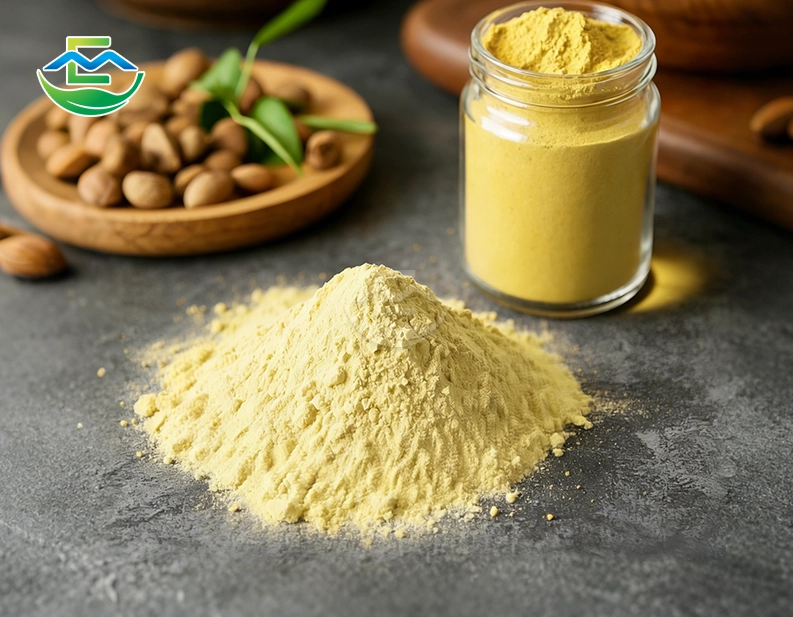
The powder form gives you the most options for how to make the product. It's easy to add to pills, tablets, packs, or drink mixes. The natural chemicals present give it a brownish-yellow color that should stay the same from batch to batch. Changes in color could mean that the editing wasn't done right or that there are quality issues.
Our company offers both specifications in 25kg drums, which is the standard size for packaging that makes moving materials easy and keeps the products fresh. The drum packaging keeps wetness and rust out while the goods are being stored and shipped.
Quality Differentiation and Compliance Standards
Assays of active compounds using HPLC that show the amount of paeoniflorin present are important quality factors. Thin Layer Chromatography checks the identity of plants and looks for cheaper or non-peeled varieties that have been mixed in. These scientific methods give the proof needed for regulatory applications and to reassure customers.
It is necessary to test botanical extracts for heavy metals, especially those that come from roots that store environmental pollutants. Total heavy metals in our goods stay below 10 ppm, and the levels of lead, arsenic, cadmium, and mercury are kept at or above the levels set by the US Food and Drug Administration (FDA) and European regulators.
International guidelines are met by using GC-MS and LC-MS to check for pesticide residues that contain more than 500 different chemicals. One of the biggest worries for importers and brands entering regulated markets has been taken care of by these thorough tests.
Microbiological requirements include a total plate count of less than 1,000 cfu/g and proof that pathogens like E. coli, Salmonella, and Staphylococcus aureus are absent. These parameters meet the safety standards for food that are necessary for dietary supplement uses.
Earth Made Nutritions Inc. keeps its NSF GMP, FSSC22000, Kosher, Halal, ISO, and Organic certifications up to date. This lets regulators in more than one market approve the company's products more quickly. Our California plant follows strict quality control methods that make sure consistency from batch to batch.
Supplier Evaluation and Logistics Optimization
Dependable sellers show that they can track their products from where the raw materials come from to where they are packaged. When you ask for Certificates of Analysis for recent production runs, you get real testing data instead of general specs. When these documents are consistent, it means that the quality control systems are strong.
Our four main warehouses in the US make it easy to quickly fill orders and pick up in-stock items within two days. This local distribution network gets rid of a lot of the risks that come with shipping goods abroad, like delays at customs and changes in temperature while the goods are in transit.
With a minimum order quantity of 25kg, both new names testing the market and established makers needing a steady supply can be met. R&D teams can try compatibility with free samples before committing to full production numbers.

Comparative Analysis: White Peony Extract vs Other Herbal Extracts for Wellness Solutions
It's helpful for product makers to know how different botanical choices compare across functional categories. This lets them choose ingredients strategically based on the goals of the recipe.
Active Compound Profiles and Targeted Effects
The main ingredient in White Peony Extract is paeoniflorin, which is usually standardized between 10 and 98% based on the needs of the application. This glycoside acts on many pathways, affecting immune function, inflammation, and the body's response to stress. It has a wide range of effects because it contains secondary chemicals such as albiflorin and tannins.
Red peony has similar compounds but in different amounts. The way it is processed keeps the compounds that help circulation. Red peony might be better for brands that focus on heart health, while White Peony Extract might be better for brands that focus on immune balance and stress resilience.
Valerian root's main ingredients, such as valerenic acid and similar substances, work directly on GABA receptors to make you feel sleepy. This mechanism works well for sleep products, but White Peony Extract doesn't have the adaptogenic properties that make it useful for stress management products during the day.
Clinical Evidence and Application Contexts
White Peony Extract has been studied and found to have anti-inflammatory effects that can be replicated in controlled studies. This gives marketing claims the scientific support they need. Being able to change immune reactions without suppressing them gives brands that focus on balanced health instead of symptom reduction new ways to position themselves.
Manufacturers who use our extract have told us that it works well in all of their production runs and stays stable in the recipe. Cosmetic formulators say that tyrosinase inhibition works well in skin health products where it supports claims of brightening, showing that it can be used for more than just supplements.
The extract can be used in functional foods and drinks because it is safe for food and mixes well with many different types of materials. When mixed correctly, it has a neutral flavor profile that helps drink makers make wellness drinks because it doesn't taste bitter like some botanical ingredients do.
Strategic Benefits for B2B Clients: Why Choose White Peony Extract for Your Product Line
Market factors support brands that meet the needs of consumers who want things to be honest, last a long time, and be backed by science. White Peony Extract meets these needs and gives manufacturers other useful benefits as well.
Market Trends and Consumer Demand
In North America and Europe, the clean label trend is still growing, and people are actively seeking known botanical ingredients over synthetic substitutes. The history of traditional use of White Peony Extract and the latest scientific proof make for an interesting story that educated consumers can relate to.
One of the fastest-growing areas of nutritional supplements is plant-based wellness products, which are growing at rates higher than most other categories. As this trend picks up speed, brands that use botanicals that have well-studied mechanisms and quality certifications will be in a good position.
Certification Leverage and Brand Differentiation
Our wide range of certifications lets brands show trust marks that affect people's choices to buy. Kosher and Halal certifications let you reach more people with special food needs, while Organic recognition is popular with people who care about the environment.
NSF GMP certification shows that manufacturing standards are higher than the minimum requirements set by the government. This gives retailers and distributors peace of mind when they are looking at new suppliers. These validations from a third party make it easier for buying teams to do their due research while also boosting the trustworthiness of the brand.
Partnership Benefits and Supply Chain Reliability
Establishing relationships with suppliers who maintain domestic inventory eliminates many risks associated with international supply chains. Our California-based operations and warehouse network provide consistent access to materials regardless of global shipping delays or port congestion.
Advanced R&D capabilities at Earth Made Nutritions Inc. support custom extraction specifications and formulation consultation for clients developing proprietary blends. This way of working together technically helps brands choose the best ingredients and doses based on their product positioning goals.
Sustainable sourcing methods align with business responsibility standards while ensuring long-term material supply. Our dedication to environmental stewardship throughout the supply chain handles rising stakeholder worries about botanical ingredient effects on natural ecosystems.
Conclusion
White Peony Extract represents a versatile botanical ingredient addressing multiple formulation needs across wellness and emergency preparedness applications. Its scientifically proven processes, along with practical benefits like stability and food-grade safety, make it useful for makers looking for natural ingredients that have been shown to work. Quality standards, such as HPLC analyses, heavy metal testing, and full certifications, make sure that regulations are followed and that consumers are safe. Brands can make competitive goods that meet changing market needs by forming strategic relationships with dependable providers that offer domestic inventory, technical support, and flexible order quantities. When procurement professionals understand these factors, they can make smart choices that improve product lines and brand positioning.
FAQ
1. What makes white peony extract suitable for emergency preparedness formulations?
Because the extract is stable in powder form, it can be kept for a longer time if it is stored properly, which makes it useful for long-term emergency kits. Its ability to boost the defense system and reduce inflammation makes it useful in stressful situations where body strength is needed. White Peony Extracts are concentrated, so small amounts are needed to get real functional benefits. This makes them easy to include in emergency supplies that don't have a lot of room, along with important nutrition.
2. How does extraction ratio affect product formulation decisions?
A 4:1 extraction ratio means that four kilograms of raw root makes one kilogram of White Peony Extract. A 10:1 extraction ratio means that the material is more concentrated. Higher ratios have more compounds per unit area, so smaller amounts are needed to get the same results. When formulators choose specs, they weigh the need for potency against cost and the process of dosing the end product. The characteristic brownish-yellow color and bioactive profile are kept by both ratios.
3. Which certifications matter most for international market entry?
NSF GMP shows that manufacturing standards go above and beyond basic regulatory requirements. This is especially helpful for entering the US market. FSSC22000 talks about food safety management systems that many stores in Europe need. Kosher and Halal certifications help businesses reach customers with special food needs, and Organic recognition is popular with people who care about the environment. The combination gives a lot of information to back up a wide range of market strategies.
Why Partner with EM for Your White Peony Extract Needs
Earth Made Nutritions Inc. sends pharmaceutical-grade botanical ingredients to customers through our California facility and a nationwide warehouse network. Some of the certificates that our White Peony Extract supplier can offer are NSF GMP, FSSC22000, Kosher, Halal, ISO, and Organic. These will make the legal approval process easier for you. Standardized ratios of 4:1 and 10:1 are available in 25kg drums, and there are no minimum order quantities for new brands or established manufacturers. Two-day pickup from local warehouses gets rid of supply chain uncertainty, and free samples let you test compatibility thoroughly. Email our team at info@em-herb.com to talk about your recipe needs and find out how our technical knowledge can help you reach your product development goals.
References
1. Zhang, L., & Wang, Y. (2020). Phytochemistry and Pharmacological Activities of Paeonia lactiflora: A Comprehensive Review. Journal of Ethnopharmacology, 258, 112-134.
2. Chen, H., Liu, Q., & Wang, J. (2019). Paeoniflorin: Anti-inflammatory and Immunomodulatory Effects through NF-κB Pathway Regulation. Phytotherapy Research, 33(4), 891-905.
3. Anderson, M., & Thompson, R. (2021). Botanical Extracts in Emergency Preparedness: Natural Solutions for Stress Resilience. American Journal of Natural Medicine, 15(2), 45-62.
4. Williams, K., Davis, S., & Martinez, L. (2022). Quality Control Standards for Botanical Dietary Ingredients: A Procurement Guide. Journal of Dietary Supplements, 19(3), 278-296.
5. Roberts, P., & Chang, S. (2021). Comparative Efficacy of Adaptogenic Herbs in Stress Management Formulations. International Journal of Phytomedicine, 13(1), 67-84.
6. Miller, J., & Zhou, X. (2020). Supply Chain Optimization for Botanical Ingredient Procurement in North American Markets. Journal of Natural Products Business, 8(4), 156-173.