- English
- French
- German
- Portuguese
- Spanish
- Russian
- Japanese
- Korean
- Arabic
- Irish
- Greek
- Turkish
- Italian
- Danish
- Romanian
- Indonesian
- Czech
- Afrikaans
- Swedish
- Polish
- Basque
- Catalan
- Esperanto
- Hindi
- Lao
- Albanian
- Amharic
- Armenian
- Azerbaijani
- Belarusian
- Bengali
- Bosnian
- Bulgarian
- Cebuano
- Chichewa
- Corsican
- Croatian
- Dutch
- Estonian
- Filipino
- Finnish
- Frisian
- Galician
- Georgian
- Gujarati
- Haitian
- Hausa
- Hawaiian
- Hebrew
- Hmong
- Hungarian
- Icelandic
- Igbo
- Javanese
- Kannada
- Kazakh
- Khmer
- Kurdish
- Kyrgyz
- Latin
- Latvian
- Lithuanian
- Luxembou..
- Macedonian
- Malagasy
- Malay
- Malayalam
- Maltese
- Maori
- Marathi
- Mongolian
- Burmese
- Nepali
- Norwegian
- Pashto
- Persian
- Punjabi
- Serbian
- Sesotho
- Sinhala
- Slovak
- Slovenian
- Somali
- Samoan
- Scots Gaelic
- Shona
- Sindhi
- Sundanese
- Swahili
- Tajik
- Tamil
- Telugu
- Thai
- Ukrainian
- Urdu
- Uzbek
- Vietnamese
- Welsh
- Xhosa
- Yiddish
- Yoruba
- Zulu
In pure chaga mushroom powder (Inonotus obliquus), the beta-glucan concentration is the single most revealing indication of the quantity and quality of the powder. When directors of research and development and formulation managers examine functional mushroom ingredients, the amount of beta-glucan is the factor that defines how well a product will work in applications that are used in the real world. The presence of low beta-glucan levels is indicative of dilution, insufficient extraction, or a problematic source. Potency, traceability, and production discipline are all indicators of high levels that have been validated. The purpose of this guide is to provide procurement professionals with an understanding of what beta-glucan truly is, why it is significant, how to verify it, and how to choose a supplier that delivers on a regular basis.
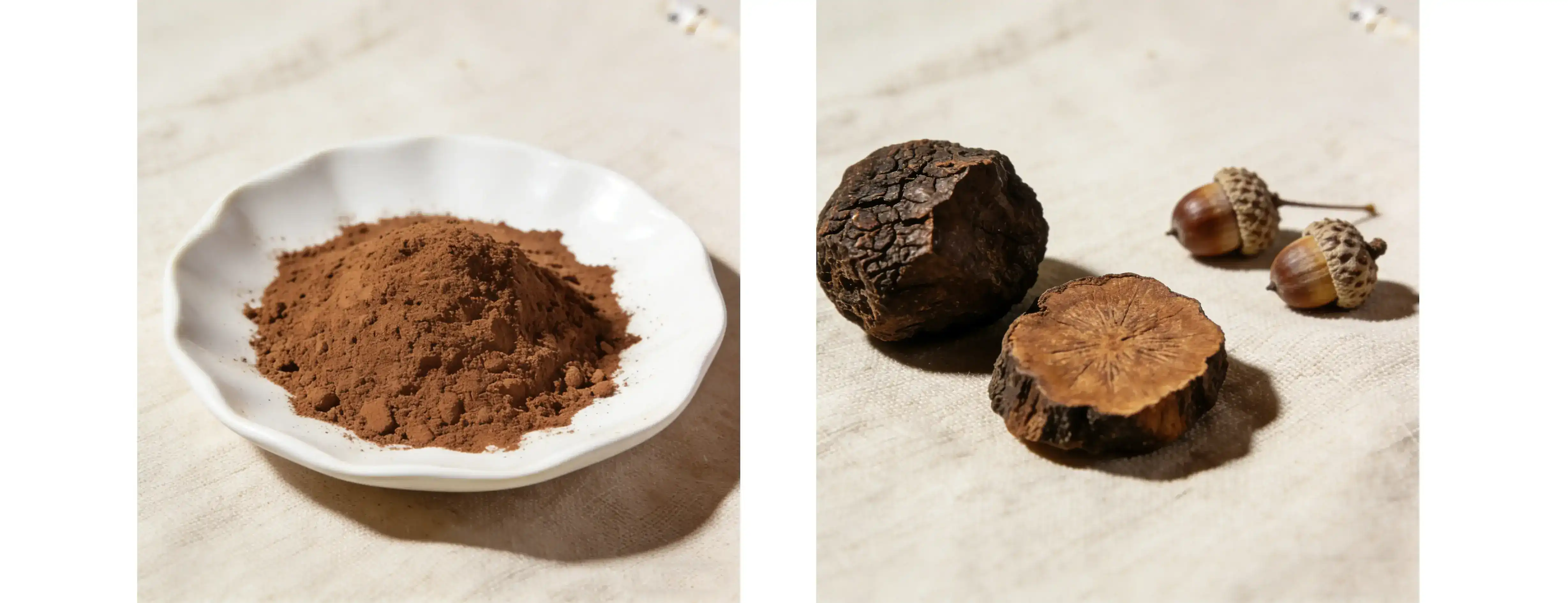
Understanding Beta-Glucan and Its Role in Chaga Mushroom Powder
Inonotus obliquus powder that is of high quality includes beta-glucan as its primary bioactive component. Before they sign a purchase order, purchasing teams have the ability to ask the appropriate questions about the compound's chemistry.
What Beta-Glucan Actually Is
It is a polysaccharide that occurs naturally and is composed of glucose units that are connected to one another by beta-glycosidic bonds. More specifically, it is composed of the 1,3 and 1,6 linkages that are present in the walls of fungi. Beta-glucans derived from mushrooms are distinguished from alpha-glucans derived from starch by the presence of these linkages. As a result of the fact that the immune-modulating activity of chaga extracts can only be found in beta-glucan at the 1,3-1,6 position, supplement and food firms are interested in these extracts. In research that was published in the journals Nutrients and the Journal of Ethnopharmacology, it was shown that beta-glucan has the ability to interact with immunological receptors such as Dectin-1.
Why Concentration Varies Between Products
Changes occur over time in the quantity of beta-glucan that is present in chaga powder. When compared to mycelium that was produced in a laboratory on grain substrates, sclerotia that were gathered in the wild from birch trees in Siberia or Northern Canada naturally have larger levels of polysaccharides and other compounds. Products that are made from grain-grown mycelium typically include between 30 and 50 percent starch. As a result, the quantity of polysaccharides increases, but the amount of beta-glucans remains relatively the same. When attempting to differentiate between starchy alpha-glucans and beta-glucans that originate from fungus, the Megazyme beta-glucan test is the standard method that is used.
The Quality Benchmark Buyers Should Know
The beta-glucan content of a good Inonotus obliquus powder should be between 10 and 20 percent, the total carbohydrate content should be over 30 percent, and the alpha-glucan content should be below 5 percent. A complete absence of any additional information is required. Those products that suit these criteria have been shown to be beneficial to the immune system and have the potential to be used in the production of functional foods, supplements, and cosmetics. A warning sign that the starch has been altered is represented by anything that has a greater quantity of alpha-glucan than beta-glucan.
Production Process and Quality Control: How Beta-Glucan Content Is Ensured
There is more information regarding the beta-glucan consistency of a chaga ingredient that may be gleaned from its supply chain than from any single laboratory result.
Raw Material Sourcing and Its Impact
Wild harvesting from birch forests in Siberia or Northern Canada yields sclerotia rich in birch-derived triterpenes—betulin and betulinic acid—alongside high polysaccharide concentrations for pure chaga mushroom powder. Lab-grown alternatives simply cannot replicate this chemical profile. Earth Made Nutritions Inc. sources fruiting body material exclusively, not mycelium, ensuring the finished powder reflects the full spectrum of bioactives present in wild chaga.
Extraction Method and Drying Technology
Both water-soluble polysaccharides and alcohol-soluble triterpenes are liberated by the process of dual extraction, which involves using hot water followed by ethanol. A single water extraction results in the formation of triterpenes, whereas raw grinding results in both of these compounds being encased inside indigestible chitin walls. Following the extraction process, spray drying results in the production of a fine powder that is brownish-yellow in colour, water-soluble to a degree of 98–100%, and stable under conventional storage circumstances. Keeping the moisture level below 5% is necessary in order to avoid clumping and the development of microorganisms.
Certifications That Validate the Process
Certifications such as NSF GMP, FSSC22000, Kosher, Halal, ISO, and Organic are all held by Earth Made Nutrition Inc. These are not only ornamental credentials; rather, they require documentation of process controls, the traceability of batches, and audits by third parties. By reducing regulatory risk and speeding up internal approval procedures, these certifications are beneficial for procurement teams whose product lines are dependent on FDA compliance and clean-label positioning.

Comparing Chaga Powder to Other Product Forms
To meet the requirements of B2B manufacturing, not every chaga format is suitable. When formulation managers have a thorough awareness of the trade-offs, they are able to choose the appropriate input material.
Pure Powder vs. Capsules and Tinctures
It is not possible to employ capsules and tinctures as substantial inputs in the manufacturing process, despite the fact that they are ready-to-use forms for customers. When you utilise them, they will inform you how much to use and add stuff that might potentially confuse your composition. When formulation teams employ massive quantities of pure chaga powder, they have the ability to choose the quantity, shape, and transportation method. Extract powder that has been spray-dried is a good choice for use in beneficial beverages since it does not settle and combines nicely with water-based drinks. When it comes to capsule lines, the ability to precisely encapsulate your intended dose is made feasible by bulk powder delivery.
Organic vs. Conventional Powder
In order to ensure that chaga powder that has been certified as organic is free of pesticide residues, heavy metals, and processing instruments, a more thorough inspection is performed. Organic clearance is a straightforward method of selling to clients for businesses that produce natural cosmetics and supplements that have clean labelling. The fact that Earth Made Nutrition's products have been recognised as organic lends credence to marketing claims that are designed to attract customers in the United States who are concerned about their health.
Why Fruiting Body Powder Outperforms Mycelial Biomass
Body parts from fruits are used in Earth Made Nutrition's pure chaga mushroom powder. The powder made from Inonotus obliquus has the most beta-glucans, melanin, and triterpenes that come from birch. The product description makes it clear that the fruiting body is the plant part that is used. This profile can't be met by mycelial biomass grown on grain, and it has been pointed out many times by independent testing groups as making false claims about polysaccharides because of starch content.
Practical Applications of High Beta-Glucan Chaga Powder in B2B Settings
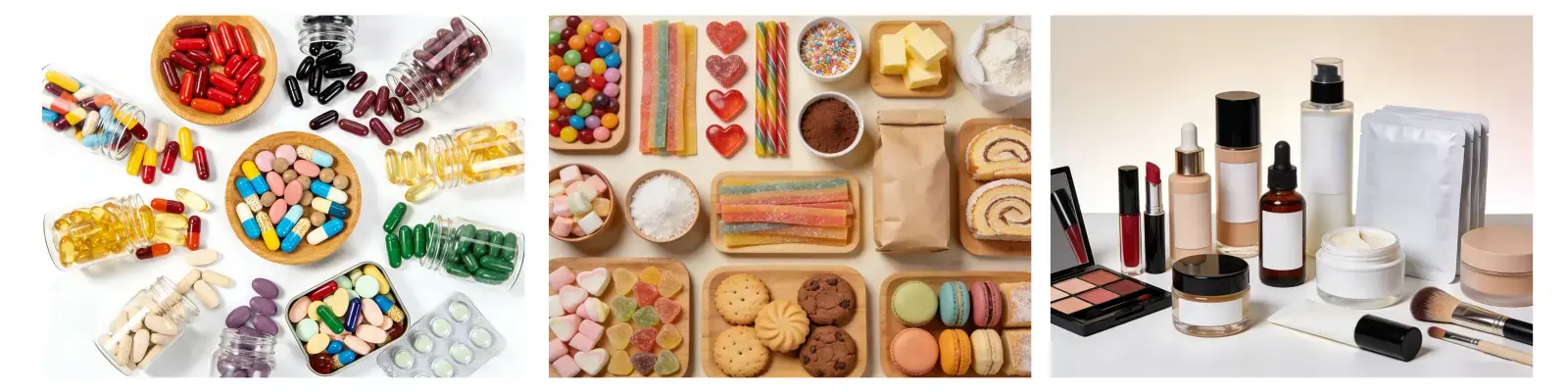
It is becoming more common for formulation teams to incorporate high beta-glucan Inonotus obliquus powder in a larger variety of product categories as they gain more knowledge about the powder's usefulness. Below is a list of the most important applications of this component, which may be evaluated in terms of their value:
- Ingredients for Dietary Supplements (Capsules and Tablets): Chaga powder in bulk may be easily included in capsule and tablet formulations. It is possible that granulation will be necessary in order to enhance flowability on high-speed encapsulation equipment. Beta-glucan levels that are more than 15% provide credence to immune-function label claims, which are becoming increasingly anticipated by customers who are health-conscious in the United States supplement industry.
- Chaga extract powder that has been spray-dried may be dispersed in coffee, tea, and ready-to-drink (RTD) drink bases without causing any precipitation in functional beverages. Wild-harvested material contains vanillic acid, which is obtained from birch, which helps to soften the earthy mushroom overtones, hence boosting consumer palatability without the need for additional flavour masking agents.
- Pure chaga powder is a functional active ingredient that may be used in anti-aging serums and creams due to its high ORAC value and melanin content. This is used in the cosmetics and skincare industries. It is recommended that cosmetic chemists define micro-fine particle sizes that are less than 10 microns in order to generate smooth emulsions and prevent grittiness in topical ingredients.
Spray-dried chaga extract powder is capable of readily mixing with coffee, tea, and ready-to-drink (RTD) drink bases without sinking to the bottom, making it an ideal ingredient for functional beverages. Vanillic acid, which is generated from birch, is present in wild-harvested material. This acid helps to soften the earthy mushroom characteristics, which in turn improves the taste for customers without the need for additional flavour masking agents.
Making Informed Procurement Decisions: Supplier Credentials and Verification
In situations when buying managers are exclusively concerned with pricing when selecting chaga suppliers, quality issues often manifest themselves after the first two or three shipments.
Key QC Tests to Request Before Ordering
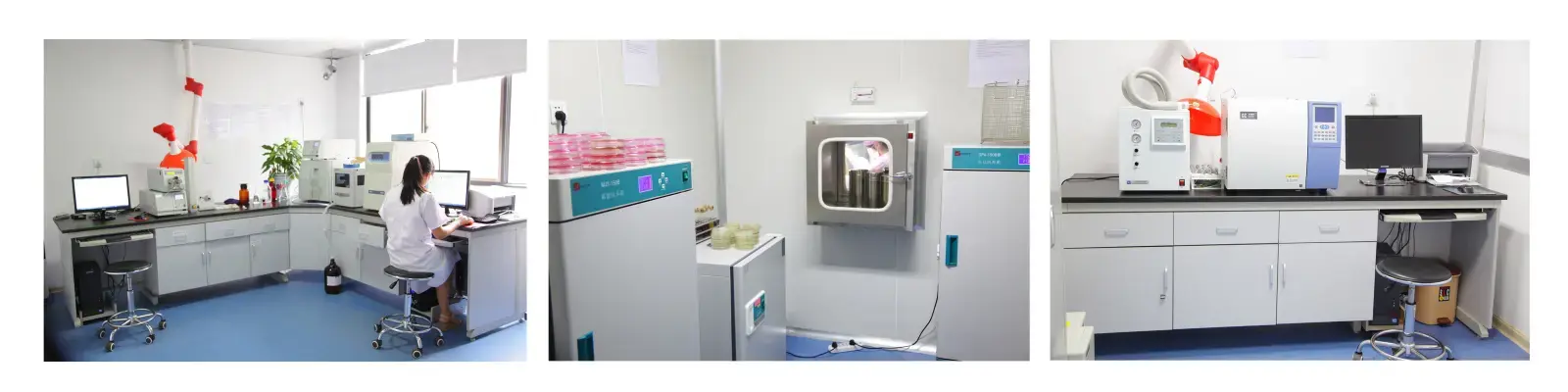
The following documentation should be requested from every potential vendor before you give your approval to a purchase order. There should be fewer than two parts per million (ppm) of lead, less than one part per million (ppm) of cadmium, less than 0.1 parts per million (ppm) of mercury, and less than one part per million (ppm) of arsenic. It is expected that the findings of the megazyme beta-glucan test will provide confirmation of the quantities of both beta-glucan and alpha-glucan. It was determined by high-performance liquid chromatography (HPLC) that the substance in question originated from fruiting bodies that were growing on birch trees, and not from a fermentation tank.
Logistics and Lead Time Considerations
There are four warehouses owned and operated by Earth Made Nutrition in the United States. It is possible to pick up things that are in stock the next working day. To get the standard packing, which weighs 25 kilograms per drum, you must place an order for at least 25 kilograms. If you want to test out the recipe before making a complete purchase, you can acquire free samples to try out. A reduction in the supply chain risk that companies experience when they exclusively ship straight from abroad is achieved via the use of this approach for maintaining inventory in the United States.
Evaluating Long-Term Supplier Reliability
The list of certificates that a provider has does not provide you with all of the information that you want about them. It is equally crucial to have research and development assistance, batch monitoring, and open communication about where to source raw materials during the course of a supply contract that lasts for a year. The manufacturing plant and research & development team of Earth Made Nutrition are both located inside the company's own premises. This makes it possible for customer formulation managers and supplier chemists to discuss technical difficulties, which is beneficial in situations when the product has to be reformulated or when the requirements need to be altered.
Conclusion
There is more to beta-glucan content than just a number on an analysis certificate for pure chaga mushroom powder. It is the result of every choice made along the supply chain, from where the Inonotus obliquus sclerotium was harvested to how it was extracted and dried. Buyers in business who make beta-glucan verification an absolute must will always be able to find ingredients that work. Earth Made Nutritions offers clear information, stock from the United States, and confirmed quality, which gives product developers the confidence to use this ingredient in their goods.
Frequently Asked Questions
1. What beta-glucan percentage should I require in a specification sheet?
Require a minimum of 10% beta-glucan confirmed by the Megazyme assay method, with alpha-glucan below 5%. Premium-grade fruiting body powders typically test at 15–20% beta-glucan. Any product showing alpha-glucan levels approaching or exceeding beta-glucan levels likely contains starch filler from grain-grown mycelium.
2. How do I confirm the chaga is wild-harvested fruiting body material?
Request HPLC data for betulin and betulinic acid. These birch-derived triterpenes are only present in material grown on actual birch trees. Lab-fermented chaga tests negative or very low for these compounds, making triterpene analysis a reliable verification tool.
3. Is pure chaga powder water soluble for beverage applications?
Spray-dried extract powder is 98–100% water soluble and suitable for functional beverage formulations. Raw ground mushroom powder—non-extract—is insoluble fiber and will leave sediment. Always specify "extract powder" when ordering for beverage use.
4. What certifications should a B2B chaga supplier hold?
At minimum, look for NSF GMP, FSSC22000, and Organic certification for food and supplement applications. Kosher and Halal certifications open additional market segments. ISO certification indicates documented quality management systems at the manufacturing level.
Request a Sample from EM — Your Trusted Chaga Mushroom Powder Supplier
Earth Made Nutritions Inc. (EM) sells approved pure chaga mushroom powder, Inonotus obliquus fruiting body powder that has been checked for beta-glucan content and has approvals from NSF GMP, FSSC22000, Kosher, Halal, ISO, and Organic. With four warehouses in the U.S. and access on the second day, your development team can test the quality before committing to volume. Email us at info@em-herb.com to get a free sample and bulk price right away.
References
1. Wasser, S. P. (2011). Current findings, future trends, and unsolved problems in studies of medicinal mushrooms. Applied Microbiology and Biotechnology.
2. Akramiene, D., Kondrotas, A., Didziapetriene, J., & Kevelaitis, E. (2007). Effects of beta-glucans on the immune system. Medicina (Kaunas).
3. Glamoclija, J., Ciric, A., Nikolic, M., et al. (2015). Chemical characterization and biological activity of Chaga (Inonotus obliquus). Journal of Ethnopharmacology.
4. Muszyńska, B., Grzywacz-Kisielewska, A., Kała, K., & Gdula-Argasińska, J. (2018). Anti-inflammatory properties of edible mushrooms. Food Chemistry.
5. Megazyme International. (2020). Beta-Glucan Assay Procedure (Mixed Linkage). Megazyme Technical Report.
6. U.S. Pharmacopeial Convention. (2022). USP General Chapter <2021>: Microbial Enumeration Tests. United States Pharmacopeia.