- English
- French
- German
- Portuguese
- Spanish
- Russian
- Japanese
- Korean
- Arabic
- Irish
- Greek
- Turkish
- Italian
- Danish
- Romanian
- Indonesian
- Czech
- Afrikaans
- Swedish
- Polish
- Basque
- Catalan
- Esperanto
- Hindi
- Lao
- Albanian
- Amharic
- Armenian
- Azerbaijani
- Belarusian
- Bengali
- Bosnian
- Bulgarian
- Cebuano
- Chichewa
- Corsican
- Croatian
- Dutch
- Estonian
- Filipino
- Finnish
- Frisian
- Galician
- Georgian
- Gujarati
- Haitian
- Hausa
- Hawaiian
- Hebrew
- Hmong
- Hungarian
- Icelandic
- Igbo
- Javanese
- Kannada
- Kazakh
- Khmer
- Kurdish
- Kyrgyz
- Latin
- Latvian
- Lithuanian
- Luxembou..
- Macedonian
- Malagasy
- Malay
- Malayalam
- Maltese
- Maori
- Marathi
- Mongolian
- Burmese
- Nepali
- Norwegian
- Pashto
- Persian
- Punjabi
- Serbian
- Sesotho
- Sinhala
- Slovak
- Slovenian
- Somali
- Samoan
- Scots Gaelic
- Shona
- Sindhi
- Sundanese
- Swahili
- Tajik
- Tamil
- Telugu
- Thai
- Ukrainian
- Urdu
- Uzbek
- Vietnamese
- Welsh
- Xhosa
- Yiddish
- Yoruba
- Zulu
High-Potency Pumpkin Seed Extract's competitive edge in global markets depends on its potency, which has a direct effect on its functional efficiency, formulation versatility, and makers' ability to make money. We get pumpkin seed extract from Cucurbita moschata. The concentration of phytosterols, important fatty acids, and trace minerals that make up product claims and customer results depends on how potent the extract is. Extracts with 10:1 concentration ratios give measurable actives in smaller doses than normal powders. This allows for exact formulation control while lowering the cost of production per serve. For R&D leaders and procurement managers, this difference is very important because they need stable, standard ingredients that meet legal standards and work the same way in all production runs.
Understanding High Potency in Pumpkin Seed Extract
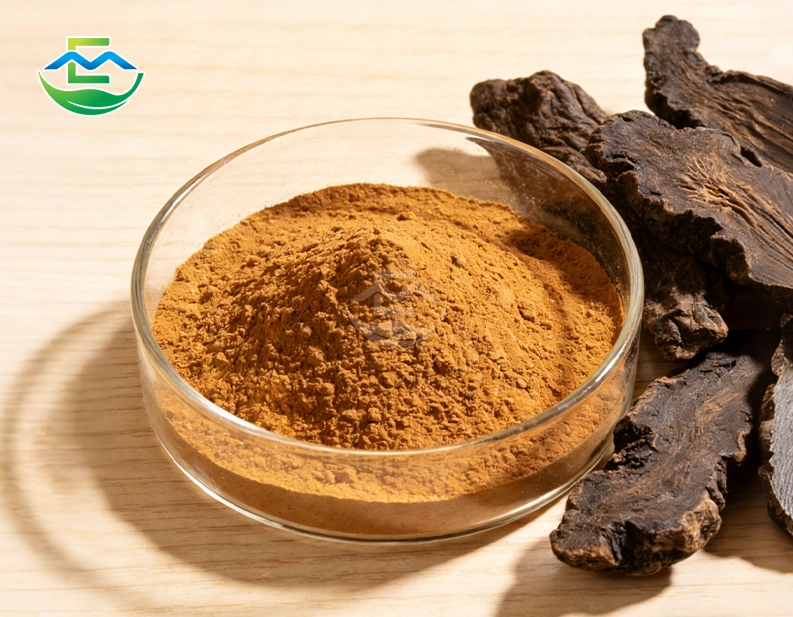
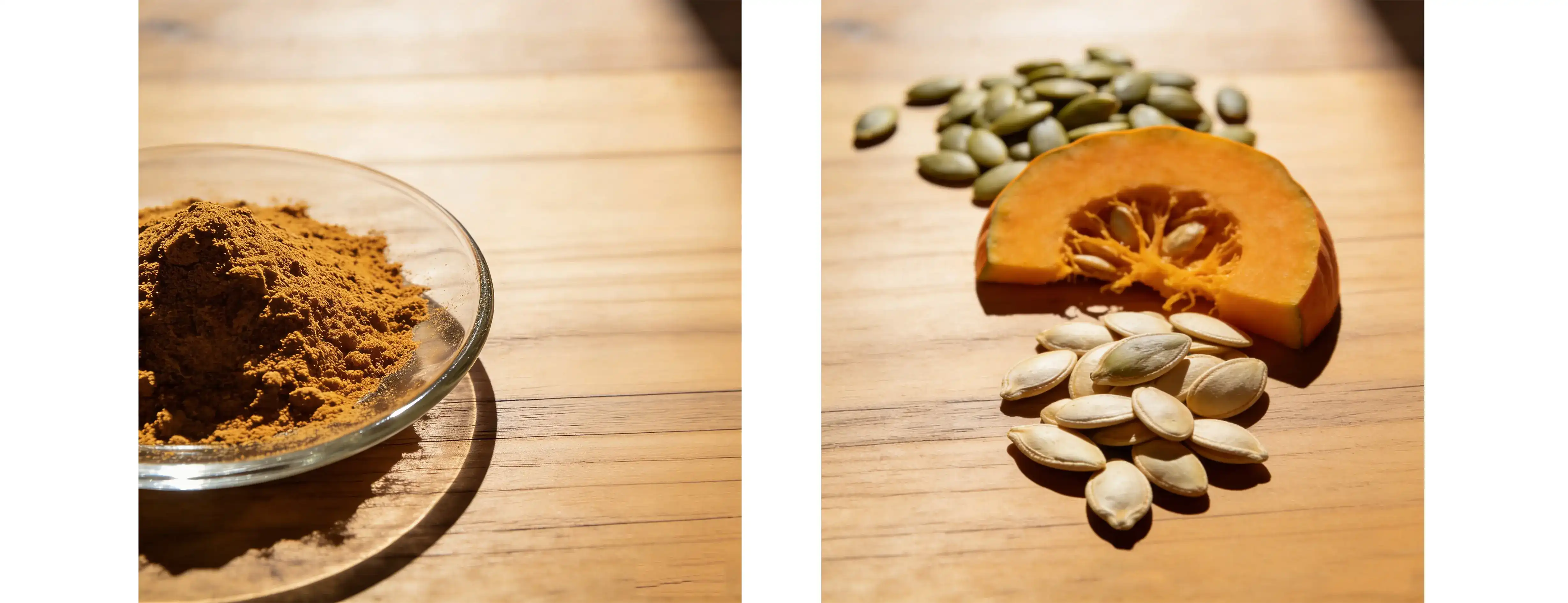
Knowing the difference between high-potency pumpkin seed extract and commodity-grade ingredients is the first step in making good products. Pumpkin seed extract is strong because it is made through controlled extraction methods that separate and concentrate beneficial chemicals while getting rid of inactive plant material. Our 10:1 water-extracted powder from Cucurbita moschata fruiting bodies is a good example of this method. It is a fine, brownish-yellow powder that has regular amounts of phytosterols, linoleic acid, and zinc that help with urinary function and prostate health.
Bioactive Components That Define Quality
Phytosterols, especially beta-sitosterol and delta-7-sterols, are the main functional substances found in pumpkin seed oils. Essential fatty acids, like linoleic and oleic acid, help keep cell membranes healthy and support normal inflammatory responses. In concentrated forms, zinc, copper, and magnesium improve metabolic processes that are important for hormonal balance and sexual health. When these parts work together, they create synergistic effects that manmade single-molecule replacements can't match. This is why plant extracts are preferred by clean-label brands.
Laboratory Methods for Potency Verification
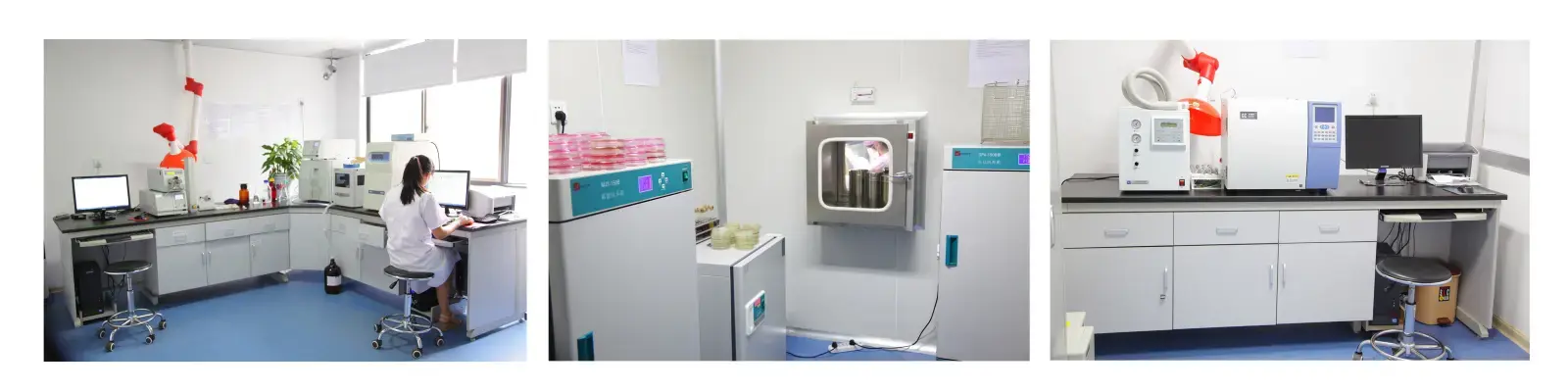
Standardised testing procedures make sure that results are the same from batch to batch and that regulations are followed. The High-Performance Liquid Chromatography (HPLC) method measures phytosterol profiles, giving accurate readings of active substances compared to well-known standards. Gas chromatography-mass spectrometry (GC-MS) checks the make-up of fatty acids to make sure that functional lipids are present at the right amounts. Spectrophotometric methods measure the amount of total phenolics and the antioxidant power using DPPH and FRAP tests. Our water-extraction method protects nutrients that are sensitive to heat while getting rid of any leftover solvents. This makes a product that is certified by NSF GMP, Kosher, Halal, ISO, and FSSC22000. These steps of proof give buying teams real signs of quality that make it easier to predict how the product will work when it is mass-produced.
Why Potency Matters in Procurement and Production?
The effects of high-potency pumpkin seed extract strength on business go beyond lab standards and can be seen in real-world results. When formulation scientists choose between 5:1 and 10:1 concentration ratios, they are making smart choices about how to place the product, how much it will cost to make, and how to set it apart from competitors. In bulk markets, stronger extracts cost more, but when you look at capsule counts, freight costs, and customer comfort, they often have better cost-per-dose economics. When purchasing managers look at different sources, they need to know how the methods used for extraction affect both the original cost of the goods and the efficiency of production later on.

Extraction Technologies Preserving Active Compounds
Our 10:1 Cucurbita moschata powder is made by water extraction, which uses temperature-controlled steps to dissolve water-loving chemicals while keeping the structure of proteins and minerals. This method is different from supercritical CO₂ extraction, which targets lipophilic components but needs a lot of expensive equipment. While cold pressing keeps volatile aromatics and vitamins that break down at high temperatures, it makes lower concentration ratios that aren't good for high-grade functional uses. Enzymatic hydrolysis breaks down cellular structures to release bound actives. This makes the ingredient more available but makes processing more difficult. Depending on the application, each method has its own benefits. For example, nutritional pills may prefer water extracts because they contain a wide range of nutrients, while beauty serums may choose lipid-rich CO₂ extracts. When buyers understand these scientific details, they can choose the right extraction methods that meet their quality standards and product growth goals.
Quality Control Protocols Ensuring Consistency
In competitive ingredient markets, strict quality management systems separate trustworthy providers from dishonest ones. During the inspection of incoming raw materials, both macroscopic and microscopic tests are used to confirm the plant identity. This stops cheaper seed types from being mixed in. In-process controls keep an eye on the temperature, pressure, liquid ratios, and residence times that affect extraction. This makes sure that all output runs are the same. Microbiological screening (total plate count, yeast/mould, coliforms, and pathogens), heavy metal analysis (lead, cadmium, mercury, and arsenic), and pesticide residue detection against regulatory limits are all parts of testing a finished product. Our centre keeps a lot of records that make it possible to track products from the farms where they are grown to where they are packed. Each 25kg drum shipment comes with a proof of analysis. This infrastructure gives buying teams records that are ready for audit and meet the rules of the FDA, the EU, and Health Canada. This lowers the risk of noncompliance across supply lines.
Economic Impacts on Formulation Decisions
Cost modelling shows what high-potency extracts are really worth. Using a 10:1 extract in a 500mg capsule gives the same amount of active ingredients as 5000mg of raw seed powder. This greatly reduces the number of capsules needed and the number of bottles needed. This concentration edge lowers the cost of packaging materials, the weight of packages being shipped, and the amount of room needed in warehouses. As packaging lines handle smaller amounts of material per production run, manufacturing output goes up. People are more likely to follow dosing instructions that are easier to understand, like taking one capsule twice a day instead of several big pills. This increases cooperation and satisfaction rates. When you look at the cost per use unit instead of the cost per kilogram, premium extracts like high-potency pumpkin seed extract often show better value, even though they cost more to buy up front. Buyers who do total-cost-of-ownership studies know about these benefits, which is why potency parameters are so important when choosing a provider.
Evaluating High Potency Pumpkin Seed Extract Supplement Options
There are a lot of botanical options to high-potency pumpkin seed extract that are used for similar functional purposes, so formulation plans need to be based on comparisons. Pumpkin seed extract rivals saw palmetto for uses in prostate health, biotin for uses in hair health, and cranberry for uses in the urinary system. Each ingredient has its own set of phytochemicals, clinical proof, and customer recognition levels that affect how a product is made. When allocating R&D funds and negotiating supplier contracts, procurement workers do better when they understand these competitive forces.
Comparative Analysis With Alternative Ingredients
Saw palmetto (Serenoa repens) phytosterol extract shares the same 5α-reductase interaction with phytosterols in pumpkin seeds; however, saw palmetto is difficult to obtain due to supply chain instability and environmental concerns. Biotin is widely used in hair growth products because it aids in research on nutritional deficiencies. Proanthocyanidins in cranberry juice help improve urinary tract comfort. It works synergistically with the urine-promoting effects of pumpkin seeds, rather than competing with them. Products combining pumpkin seed extract with other ingredients utilize a synergistic multi-pathway strategy to help brands stand out, reach more customers, and reduce the supply risk associated with single ingredients.
Organic Versus Conventional Extract Considerations
Certification standing affects how a product is positioned, how much it costs, and how easy it is to reach its target market. Organic pumpkin seed oils are 20–40% more expensive than regular grades, but they are popular with natural product stores and people who care about clean labels. There isn't much difference in the biological makeup of organic and non-organic extracts when they use the same standard extraction methods. This is because the amounts of active compounds depend more on the processing factors than on the farming methods. Stability testing shows that the shelf life is about the same when stored in a controlled environment. Buying choices are often based on how the brand is positioned rather than on functional differences. For example, premium brands look for organic certification to match their marketing stories, while value-focused private label makers focus on cutting costs. Our building has both types of certification, so clients can fit the requirements for the ingredients to their market placement without lowering the standards for technical performance.
Supplier Selection Criteria for Procurement Teams
To find trustworthy partners, you need to look at more than just price quotes and product specs. An evaluation of the manufacturing infrastructure should check the level of complexity of the extraction tools, the ability to increase production capacity, and the quality control laboratory's skills. Certifications in NSF GMP, FSSC22000, Kosher, Halal, ISO, and organic standards show that the company is knowledgeable about regulations in many areas. During the whole process of making a product, technical support services like recipe advice, help with stability testing, and writing up regulatory paperwork are valuable. Multiple sourcing areas, backup stock policies, and a flexible transport network are all signs of a supply chain that is resilient. These help protect against disruption risks. Our operations in California run four regional centres across the United States. This lets us process orders in two days, which works with just-in-time manufacturing models. When looking for solid long-term partnerships, procurement managers look at these operational aspects along with the specs of the ingredients, such as High-Potency Pumpkin Seed Extract. They know that supplier ties have a direct effect on when products come out on the market and how well they do.
Conclusion
The strength of high-potency pumpkin seed extract greatly affects how well a product works, how much it costs to make, and how well it competes in the nutrition, functional food, and cosmetics markets. Professionals in procurement who know about extraction methods, quality control routines, and seller evaluation criteria can make smart sourcing choices that combine the need to cut costs with the need to meet performance standards. Knowing the differences between common powders and standardised high-potency extracts lets you make smart recipe decisions that give customers better results and help your brand's premium image. As markets expect more clean-label, evidence-based ingredients with clear supply chains, it becomes important to have relationships with vertically integrated producers that give full approvals and technical support. This article gives you useful guidelines and things to think about for buying botanical ingredients in a way that is easy to follow. This will help you make successful product launches that meet both government rules and customer demands in evolving wellness markets.
FAQ
1. What concentration ratio defines high-potency pumpkin seed extract?
High-potency extracts usually have concentration ratios of 10:1 or higher. This means that 10 kg of raw seeds make 1 kg of concentrated powder. This concentration gives you appropriate amounts of phytosterols and important fatty acids in dose sizes that are easy to use, like capsules and tablets.
2. How does water extraction compare to CO₂ extraction for pumpkin seed ingredients?
By preserving hydrophilic molecules like proteins, minerals, and water-soluble vitamins, water extraction creates nutritional profiles that cover a wide range of nutrients. The supercritical CO₂ extraction process targets lipophilic parts like fatty acids and vitamins that dissolve in fat. This produces different biological profiles that are better for different uses. Neither method is clearly better than the other; the choice relies on the compounds being studied and how the final result will be used.
3. What certifications matter most for pumpkin seed extract procurement?
The NSF GMP and FSSC22000 certifications show that a company knows how to handle food safety and quality in production. Kosher and halal licences make it easier for certain types of customers to buy things. Organic certification gives products a higher status, but there aren't many practical differences between organic and regular grades when standard extraction methods are used.
Partner With EM for Reliable High-Potency Pumpkin Seed Extract Supply
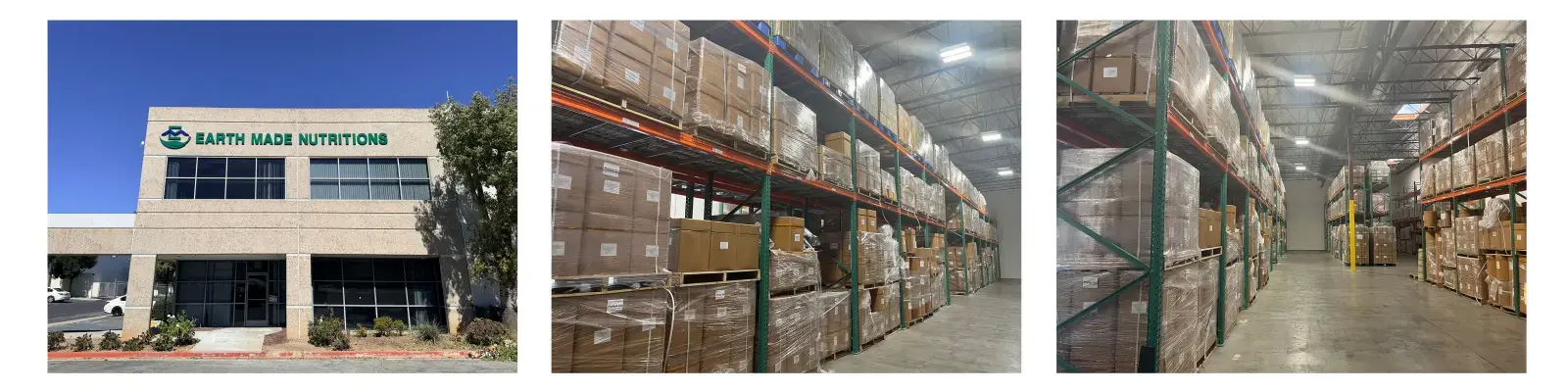
Procurement managers have a hard time finding reliable sources of standard plant ingredients in global markets that are broken up. Earth Made Nutritions Inc. deals with these problems by blending advanced extraction technology, thorough quality systems, and flexible North American transportation infrastructure into one company. Our 10:1 water-extracted pumpkin seed powder from the fruiting bodies of the Cucurbita moschata plant has consistent phytosterol profiles and a nutritional density that meets pharmaceutical-grade standards. It comes in convenient 25 kg drums and has a low minimum order quantity that works for both new brands and established ones. Certification packages that include NSF GMP, FSSC22000, Kosher, Halal, ISO, and organic marks make it easier for businesses to follow the rules in a wide range of markets. As an experienced seller of High-Potency Pumpkin Seed Extract, we keep four carefully placed U.S. stores that allow us to complete orders in two days, so you can keep up with your production plans without having to keep a lot of inventory on hand. Our expert team in California can help you with formulation, stability testing, and putting together legal paperwork, which will shorten the time it takes to make your product. Contact info@em-herb.com right now to get a free sample and full specification sheet and find out how our dedication to quality, service, and teamwork can help you compete in the functional nutrition markets.
References
1. Damiano R, Cai T, Fornara P, Franzese CA, Leonardi R, Mirone V. The role of Cucurbita pepo in the management of patients affected by lower urinary tract symptoms due to benign prostatic hyperplasia: a narrative review. Archivio Italiano di Urologia e Andrologia. 2016;88(2):136-143.
2. Gossell-Williams M, Davis A, O'Connor N. Inhibition of testosterone-induced hyperplasia of the prostate of Sprague-Dawley rats by pumpkin seed oil. Journal of Medicinal Food. 2006;9(2):284-286.
3. Hong H, Kim CS, Maeng S. Effects of pumpkin seed oil and saw palmetto oil in Korean men with symptomatic benign prostatic hyperplasia. Nutrition Research and Practice. 2009;3(4):323-327.
4. Nishimura M, Ohkawara T, Sato Y, Satoh H, Suzuki K, Nishihira J. Pumpkin seed oil extracted from Cucurbita maxima improves urinary disorder in human overactive bladder. Journal of Traditional and Complementary Medicine. 2014;4(1):72-74.
5. Stevenson DG, Eller FJ, Wang L, Jane JL, Wang T, Inglett GE. Oil and tocopherol content and composition of pumpkin seed oil in 12 cultivars. Journal of Agricultural and Food Chemistry. 2007;55(10):4005-4013.
6. Xanthopoulou A, Ganopoulos I, Kalivas A, Osathanunkul M, Chatzopoulou P, Tsaftaris A, Madesis P. Multiplex HRM analysis as a tool for rapid molecular authentication of nine herbal teas. Food Control. 2016;60:113-116.