- English
- French
- German
- Portuguese
- Spanish
- Russian
- Japanese
- Korean
- Arabic
- Irish
- Greek
- Turkish
- Italian
- Danish
- Romanian
- Indonesian
- Czech
- Afrikaans
- Swedish
- Polish
- Basque
- Catalan
- Esperanto
- Hindi
- Lao
- Albanian
- Amharic
- Armenian
- Azerbaijani
- Belarusian
- Bengali
- Bosnian
- Bulgarian
- Cebuano
- Chichewa
- Corsican
- Croatian
- Dutch
- Estonian
- Filipino
- Finnish
- Frisian
- Galician
- Georgian
- Gujarati
- Haitian
- Hausa
- Hawaiian
- Hebrew
- Hmong
- Hungarian
- Icelandic
- Igbo
- Javanese
- Kannada
- Kazakh
- Khmer
- Kurdish
- Kyrgyz
- Latin
- Latvian
- Lithuanian
- Luxembou..
- Macedonian
- Malagasy
- Malay
- Malayalam
- Maltese
- Maori
- Marathi
- Mongolian
- Burmese
- Nepali
- Norwegian
- Pashto
- Persian
- Punjabi
- Serbian
- Sesotho
- Sinhala
- Slovak
- Slovenian
- Somali
- Samoan
- Scots Gaelic
- Shona
- Sindhi
- Sundanese
- Swahili
- Tajik
- Tamil
- Telugu
- Thai
- Ukrainian
- Urdu
- Uzbek
- Vietnamese
- Welsh
- Xhosa
- Yiddish
- Yoruba
- Zulu
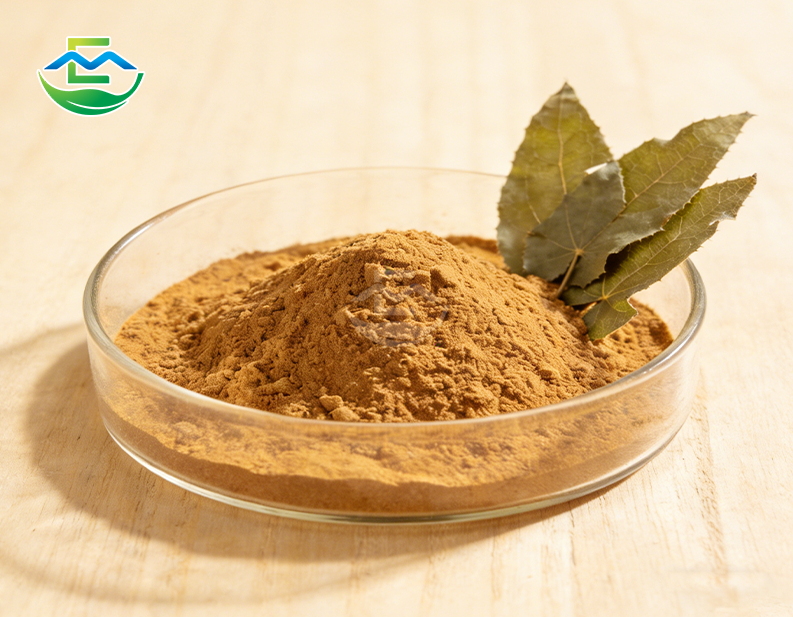
When sourcing teams buy a lot of green coffee bean extract powder, they need to know the technical details that affect how well the recipe works. The plant that gives us this ingredient is called Coffea arabica L. There are beans that haven't been cooked yet. It keeps the chlorogenic acids, which are natural components that are broken down during cooking. Our standardised extract is a brownish-yellow powder that has 50% chlorogenic acids, so it meets clean-label standards. Water and ethanol were used to get the oil out of the machine. Buyers in bulk put this feature at the top of their list because it guarantees that the bioactivity will be the same across production runs. This makes people feel better about their security and supports the idea that food supplements and functional drinks can play a role in weight management and metabolic health.


Understanding Green Coffee Bean Extract Powder: Key Specifications for Bulk Buyers
It varies on the type of plant and how it was taken, and on how good the item is. Coffea arabica L. Water and ethanol are used as solvents to carefully remove the beans. Heat-sensitive chlorogenic acids that would break down at temperatures above 200°C are kept safe. This two-solvent method does a good job of getting back polyphenols while keeping the amount of solvent left over below the limits set by FDA and EU rules.
Chemical Profile and Standardisation
Our item has at least 50% chlorogenic acids, as shown by high-performance liquid chromatography (HPLC) tests. This consistency is important because the amount of chlorogenic acid influences glucose utilisation and free radical neutralisation. The phenolic compounds have been kept, which is why the colour is brownish-yellow. This makes it different from darker roasted extracts that have lost their bioactives.
Quality Parameters and Contaminant Limits
It is important to make sure that the heavy metal levels are below certain amounts when you buy in bulk. This is in line with California Prop 65 and USP guidelines. Here are the levels: mercury <0.1 ppm, arsenic <2 ppm, and lead <3 ppm. For organic approvals, the total amount of pesticides must be less than 0.5 ppm, and a multi-residue screening method is used to find them.
A total plate count of less than 1,000 CFU/g, yeast and mould counts of less than 100 CFU/g, and no Salmonella and E. coli are all needed for microbial load. These parameters protect end users safely and keep the shelf fixed for 24 months when kept in a controlled environment.
Packaging and MOQ Considerations
This comes in 25 kg fibre drums with food-grade plastic bags inside to keep food safe from water and rust. As long as you buy at least 25 kg, you can do both small-scale R&D tests and large-scale production runs of several tonnes. If we have an item in stock, you can pick it up in two days from our plant in California or have it shipped straight from one of four U.S. warehouses in different regions. This cuts down on the wait times that come up when you need to get products from other countries.

How Green Coffee Bean Extract Powder Works and Benefits for End Users?
Chlorogenic acid does a lot of different things by changing the way molecules work. What it does is influence glucose-6-phosphatase activity. This is an enzyme that manages how much glucose the liver releases. It helps moderate blood sugar changes after a meal. People can manage their weight with this process because it influences glucose uptake in the gut and supports fatty acid utilisation in fatty tissue.
Metabolic and Antioxidant Mechanisms
A study in the Journal of Agricultural and Food Chemistry says that chlorogenic acid, such as that found in green coffee bean extract powder, facilitates the breakdown of fatty acids by influencing peroxisome proliferator-activated receptor alpha (PPAR-α). This supports beta-oxidation in the mitochondria, which converts stored fats into usable energy. An ORAC level above 3,000 μmol TE/g shows antioxidant activity. Antioxidants help neutralise reactive oxygen species that affect cell structures.
Influencing the NF-κB pathway supports a balanced cytokine response related to long-term metabolic processes. Body mass index and waist size showed noticeable changes over the course of 12 weeks in clinical tests that used 400 mg amounts every day. This backs up what the labels of weight management products say.
Safety Profile and Formulation Considerations
Most of the time, it is thought to be safe, but people who take more than 800 mg per day may experience mild stomach discomfort. Formulators should think about the caffeine level when they mix other ingredients. In green coffee grounds, the caffeine level is usually between 2% and 5%. If you are pregnant or sensitive to caffeine, the product description needs to make it clear what amount is right for you and list any reasons why you shouldn't take it.
Stability testing under high temperatures (40°C, 75% RH) proves that the 24-month shelf life claims are true. Chlorogenic acid is still present at levels above 90% after six months. This stability advantage over coffee extracts that aren't standardised makes it less likely that you'll have to repeat the recipe or throw out a lot of it.
Bulk Procurement Considerations: Quality, Pricing, and Supplier Selection
Customers will believe you more and be able to get into more markets if you have a portfolio of certifications. We have our extract approved by NSF GMP, FSSC22000, Kosher, Halal, ISO, and USDA Organic, which means it can be sold in North American, European, and Middle Eastern markets. These qualifications make it easier for regulators to give approvals and cut down on the time it takes to get new products on the market.
Essential Certifications and Testing Protocols
The NSF GMP licence makes sure that the production processes are clean and follow the strict rules for pharmaceutical-grade tracking. For useful beverage uses, FSSC22000 is what you need to know about food safety management systems. Businesses can reach more customers when their products are certified as Kosher or Halal. This is especially true for food and supplements that use natural and ethically sourced ingredients.
A third party must check that the crops and methods do not use pesticides in order for them to be approved as organic. It costs 15–25% more for organic forms, but they fit with clean-label trends that are making the nutrition market grow by 8–12% every year. Buyers should ask for Certificates of Analysis (CoAs) for each batch. These show how much chlorogenic acid is in the food, how many bacteria are allowed, and if the heavy metals are safe.
Pricing Dynamics and Market Factors
Prices for large orders vary from $45 to $75 per kilogram, depending on how much chlorogenic acid is being bought, how certified it is, and how big the order is. Standard 50% organic extracts cost around $65 to $85/kg, while standard 50% conventional extracts cost around $45 to $60/kg. Where the goods come from affects the price. Latin American things are often less expensive than Southeast Asian ones because the infrastructure is better and supply lines are faster.
As part of the contract, there should be price stability times. These last for about 6 to 12 months and protect both parties from changes in the price of things. When you buy more than 500 kg a year, the price will often go down by 8 to 15 per cent. Payment terms generally include a 30% down payment and net-30 terms on delivery. This is done to balance cash flow with source security.
Supplier Evaluation Criteria
Sellers you can trust make it easy to see where the beans come from and how they are processed and packed, including for green coffee bean extract powder. Check for proof, like farm certificates, proof that the extraction method worked, and audit records from a third party. A sample review should include side-by-side comparisons of colour, solubility, and taste profiles, as well as proof from a separate lab of the stated specs.
Instead of bringing goods into your country, you can store them there. This will save you time at customs and 40 to 60 per cent on shipping costs compared to bringing goods in directly. Our four U.S. stores make it possible for us to deliver locally and ship goods by land to major production hubs in just two to three days. This backs up tactics for just-in-time inventory that lower the need for operating capital.

Comparing Green Coffee Bean Extract Powder with Alternative Supplements
Getting the right parts is important for both how well the mixture works and where it stands in the market. Green coffee extracts are not the same as roasted coffee extracts, which have melanoidins and acrylamide that are made when coffee is heated to high temperatures. They might affect taste and composition, but they're not in unroasted oils.
Green Coffee vs. Green Tea Extracts
There are some ways that EGCG-standardised green tea products work that are similar to other green tea products, but not the same. Both green tea and green coffee have antioxidant properties, but catechins in green tea influence norepinephrine, which supports thermogenesis. Because green coffee bean extract powder influences glucose utilisation, it is relevant for blood sugar management. Both types of caffeine need to be matched in recipes that use both of them because they affect different parts of the metabolism.
You can save money by buying green coffee extracts instead of green tea extracts with 50% EGCG. This is because green coffee extracts have 20% to 30% less chlorogenic acid. The way they dissolve is different, with green coffee melting better in water for drinks.
Organic vs. Conventional Variants
Organic approval lets people get goods that don't have pesticides in them, but it costs more. Tests show that when treated in the same way, both organic and standard goods have the same amount of chlorogenic acid that can be used by the body. It depends on how the product is positioned in the market. High-end brands can afford to pay more for organic ingredients, while sports nutrition products that focus on value can get the most for their money by using extracts that have been approved by the FDA.
Pure Extracts vs. Blended Formulations
Formulators have more choices when they use single-ingredient extracts like green coffee bean extract powder because they can carefully control the amount and make their own mixes. It's easier to make goods that are already mixed with Garcinia cambogia and chromium picolinate or green coffee, but it's harder to stand out. OEM makers who make things for a lot of different brands, like pure extracts, such as green coffee bean extract powder, because they let them make their own recipes. Contract makers that make store names, on the other hand, might like uniform blends because they make SKUs easier to manage.
Conclusion
When you find green coffee bean extract powder that meets certain standards, getting materials goes from being a one-time thing to being a smart tool that helps you make things. When 50% chlorogenic acid is standardised, full certificates are issued, and it can be stored in the United States; big problems like supply safety, consistency, and compliance are solved. If a buyer buys in bulk, they can get shorter wait times, clear quality paperwork, and help with formulation from sellers who want to build long-term relationships with them. When procurement teams know about biochemical processes, how their goods compare to options, and the rules and regulations that apply, they can make decisions based on facts that help new food and supplement products do well in markets that are always changing.
Partner with a Trusted Green Coffee Bean Extract Powder Supplier
Food items sold by Earth Made Nutritions Inc. are safe for use in medicine and have labels that say they are NSF, GMP, FSSC22000, Kosher, Halal, ISO, and Organic. Our operations in California and four regional U.S. stores make sure that orders are filled the same day. This eliminates the risks in the supply chain that can throw off production plans. Because we are a well-known company, we give away free samples so that you can carefully consider them before making a choice. The smallest amount you can buy from us is just 25 kg, so we can help with R&D projects by growing our business.
Our dedicated quality teams and advanced extraction technology make sure that every drum meets all of our strict requirements. For example, each drum must be pure, contain 50% chlorogenic acids, and have all the paperwork ready to be sent to regulators. If procurement managers and formulation experts want to find a reliable partner for Green Coffee Bean Extract powder, the first thing they should do is email info@em-herb.com. Find out how our low prices, eco-friendly ways of buying, and expert technical support can help you get your goods to market faster while still maintaining the high quality that your brand's image calls for.
FAQ
1. What is the recommended daily dosage in supplement formulations?
A study shows that taking 200 to 400 mg of chlorogenic acids every day is a common range. This is the same amount as taking 400 to 800 mg of a 50% pure extract. The effects on glucose metabolism work better when doses are split up before food. Upper amounts can be used in sports nutrition, and 200 mg servings are becoming more popular in general wellness products because they are a good mix between how well they work and how much they cost.
2. How do I verify purity and quality assurance?
You should ask for Certificates of Analysis that are specific to each batch and show how much chlorogenic acid, heavy metals, and bacteria were found using HPLC, ICP-MS, and USP methods. Testing by ISO 17025-accredited labs that are not part of the company adds to the proof. Being honest about where they get their products and how they get rid of them shows that a supplier cares about quality in a way that goes beyond just following the rules.
3. Are there allergen concerns or side effects?
There aren't many big allergens in green coffee bean extract powder items, like gluten, dairy, soy, nuts, or soy products. Mild amounts of coffee (2–5%) may affect people who are already sensitive. When taken in the right amounts, stomach discomfort is very rare. Some situations where caution is recommended include during pregnancy and when combined with blood pressure management plans. This is why the sticker has notes and suggests consulting a professional.
References
1. Thom, E. (2007). The effect of chlorogenic acid-enriched coffee on glucose absorption in healthy volunteers and its effect on body mass when used long-term in overweight and obese people. Journal of International Medical Research, 35(6), 900-908.
2. Farah, A., & Donangelo, C. M. (2006). Phenolic compounds in coffee. Brazilian Journal of Plant Physiology, 18(1), 23-36.
3. Onakpoya, I., Terry, R., & Ernst, E. (2011). The use of green coffee extract as a weight loss supplement: A systematic review and meta-analysis of randomised clinical trials. Gastroenterology Research and Practice, Article ID 382852.
4. Dellalibera, O., Lemaire, B., & Lafay, S. (2006). Svetol, green coffee extract, induces weight loss and increases the lean to fat mass ratio in volunteers with overweight problem. Phytotherapie, 4, 194-197.
5. Mubarak, A., Bondonno, C. P., Liu, A. H., Considine, M. J., Rich, L., Mas, E., Croft, K. D., & Hodgson, J. M. (2012). Acute effects of chlorogenic acid on nitric oxide status, endothelial function, and blood pressure in healthy volunteers. Food & Function, 3(3), 323-329.
6. Sato, Y., Itagaki, S., Kurokawa, T., Ogura, J., Kobayashi, M., Hirano, T., Sugawara, M., & Iseki, K. (2011). In vitro and in vivo antioxidant properties of chlorogenic acid and caffeic acid. International Journal of Pharmaceutics, 403(1-2), 136-138.