- English
- French
- German
- Portuguese
- Spanish
- Russian
- Japanese
- Korean
- Arabic
- Irish
- Greek
- Turkish
- Italian
- Danish
- Romanian
- Indonesian
- Czech
- Afrikaans
- Swedish
- Polish
- Basque
- Catalan
- Esperanto
- Hindi
- Lao
- Albanian
- Amharic
- Armenian
- Azerbaijani
- Belarusian
- Bengali
- Bosnian
- Bulgarian
- Cebuano
- Chichewa
- Corsican
- Croatian
- Dutch
- Estonian
- Filipino
- Finnish
- Frisian
- Galician
- Georgian
- Gujarati
- Haitian
- Hausa
- Hawaiian
- Hebrew
- Hmong
- Hungarian
- Icelandic
- Igbo
- Javanese
- Kannada
- Kazakh
- Khmer
- Kurdish
- Kyrgyz
- Latin
- Latvian
- Lithuanian
- Luxembou..
- Macedonian
- Malagasy
- Malay
- Malayalam
- Maltese
- Maori
- Marathi
- Mongolian
- Burmese
- Nepali
- Norwegian
- Pashto
- Persian
- Punjabi
- Serbian
- Sesotho
- Sinhala
- Slovak
- Slovenian
- Somali
- Samoan
- Scots Gaelic
- Shona
- Sindhi
- Sundanese
- Swahili
- Tajik
- Tamil
- Telugu
- Thai
- Ukrainian
- Urdu
- Uzbek
- Vietnamese
- Welsh
- Xhosa
- Yiddish
- Yoruba
- Zulu
Inulin Powder Extract has emerged as a cornerstone ingredient for formulators developing next-generation digestive wellness products. Derived from natural plant sources and standardized to exceptional purity levels, this soluble fiber provides targeted prebiotic activity that directly supports microbiome balance and digestive comfort. For R&D directors and procurement managers seeking ingredients that combine proven functionality with formulation flexibility, incorporating high-quality inulin represents a strategic move to enhance product efficacy while meeting the growing consumer demand for clean-label, science-backed nutritional solutions.


What Is Inulin Powder Extract and Why It Matters for Gut Health
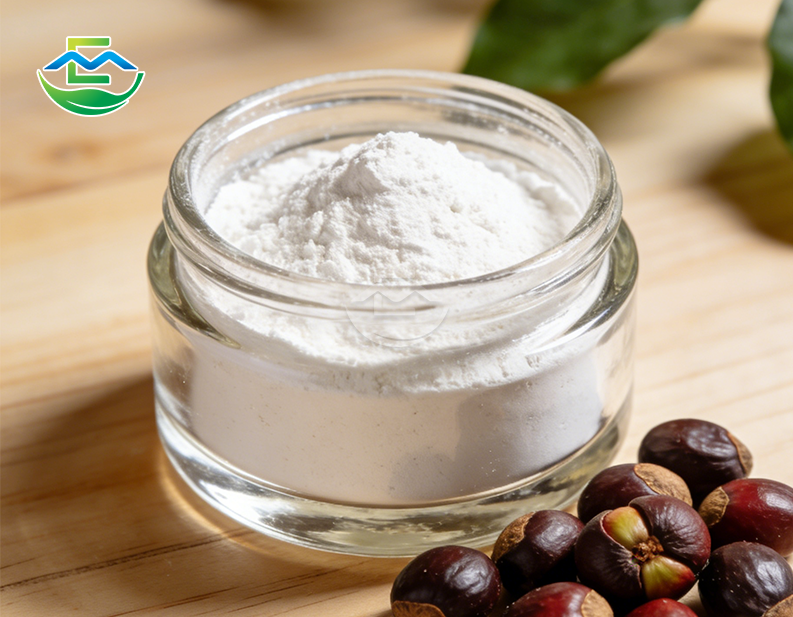
Inulin Powder Extract is a naturally occurring soluble dietary fiber that is primarily extracted from chicory root using water-based extraction methods. The botanical inulin is carefully refined to get standardized concentrations, usually reaching 98% purity, while keeping the prebiotic properties that come naturally to it.
The Botanical Origin and Extraction Process
Because it naturally has a lot of inulin, chicory root (Cichorium intybus) is the main commercial source. Our extraction method only uses water as a solvent, which is in line with clean-label standards and gets rid of any concerns about residual chemicals that are common with synthetic or chemically extracted alternatives. This water-based extraction keeps the fructan polymer chains that define inulin's functional qualities while getting rid of unwanted plant materials. This makes a fine white powder with a uniform particle size distribution that can be used in a wide range of formulations.
Unique Prebiotic Mechanisms
Individual dietary fibers only add bulk, but inulin works as a selective fermentation substrate for good bacteria in the gut, especially Bifidobacterium and Lactobacillus species. That selection is important because it helps the growth of bacteria that are good for digestion and metabolism without feeding harmful strains randomly. Short-chain fatty acids (SCFAs), such as butyrate, acetate, and propionate, are made during fermentation. These are metabolites that are tied to the stability of the intestinal barrier and measures of general health.
Relevance for B2B Formulation Teams
By knowing these differences, procurement professionals can tell the difference between common fiber ingredients and prebiotic solutions that are specifically designed to meet their needs. As product marketing moves toward focusing on microbiomes, ingredients must have known ways of working. Because inulin has been studied a lot and its effects change with amount, it has the scientific support needed to back up marketing claims and withstand regulatory review in competitive markets.

Core Benefits of Adding Inulin Powder Extract to Your Gut Health Formulations
Adding standardized inulin to product lines gives businesses real health benefits in many areas, which can help them stand out from competitors and reach a wider audience.
Microbiome Support and Digestive Comfort
Results from clinical studies show that eating inulin every day greatly increases the number of good bacteria in the digestive tract. This change in microbes is linked to study participants having more regular bowel movements and higher scores on measures of digestive comfort. The way inulin ferments lets it have slow, steady prebiotic activity throughout the gut. This is different from fibers that ferment quickly and may cause short-term pain.
Formulations for gut health benefit from inulin's dual action: it offers a food source for probiotic organisms and, through its fiber structure, helps make feces bulkier. This mix addresses several customer complaints with a single ingredient, making the formulation simpler while increasing the value people think the product is worth.
Metabolic Health Applications
Inulin affects more than just digestion. It also changes how glucose is used and how the body signals that it is full. According to research, regular consumption lowers blood sugar levels after a meal and raises feelings of fullness. These effects are especially helpful for products that are marketed as weight management or metabolic health. These metabolic effects are caused by SCFA production and hormonal regulation, not by direct drug action. This fits right in with strategies for marketing natural products.
Product designers who make sports nutrition, functional drinks, or meal replacements can use these metabolic benefits to appeal to more people than just people who are interested in digestive health. Because high-purity inulin has a neutral sensory profile, it is easy to add to protein shakes, ready-to-drink drinks, and enriched snacks without changing their taste or texture.
Formulation Versatility and Stability
Because of how it works technically, inulin is very flexible when it comes to different production systems. It can be easily mixed into both cold and warm water-based systems, making it easy to add to drinks. Its powder form also works well in dry supplement forms. Thermal stability up to mild processing temperatures keeps bioactivity even under normal manufacturing conditions, so you don't have to worry about activity loss during production.
Because the ingredient works well with other functional ingredients like probiotics, vitamins, and botanical extracts, formulators can make blends that work well together without any stability issues. This flexibility shortens the time it takes to bring new product ideas to market and lowers the risk of having to change the recipe during the scaling-up phase.

Comparing Inulin Powder Extract to Other Fibers and Prebiotics in the Market
To choose strategic ingredients, you need to know how the pros and cons of different types of prebiotics and fibers compare. Inulin Powder Extract's place in the market is due to different technical and business factors compared to other choices.
Psyllium husk powder is the most popular traditional fiber supplement because it bulks up food very well and is well known by consumers. But psyllium's ability to gel can make texture problems in some situations, and because it doesn't selectively ferment, it lets more bacteria use its base without specifically targeting prebiotic action. Inulin dissolves better and doesn't change the texture of foods or drinks, which makes it a better choice for drinks and functional foods where mouthfeel is important.
Another prebiotic option is resistant starch, which is useful for baked items and prepared foods that need heat-stable fibers. Although resistant starch and inulin have some things in common when it comes to fermentation, resistant starch does not have as much clinical evidence to back up its dose-response relationships for stomach parameters. The amount of study that has been done on inulin makes it easier for formulation teams to figure out how much to use and how to back up their claims.
Fructooligosaccharides (FOS) are chemically related to inulin and are often made from the same chicory root source by partially breaking it down. Because its chains are shorter, FOS ferments more quickly, which can be good for fast-acting formulations but may mean longer periods of digestive adjustment. Full-length inulin polymers offer more stable fermentation profiles and are commonly chosen for daily supplements that aim to change the microbiome in a way that lasts for a long time.
When deciding whether to go organic or not, you have to weigh the costs of certification against the chances of getting a better position in the market. Organic inulin costs more, but it gives you access to natural and organic product categories where customers are already loyal. Certifications like USDA Organic, Non-GMO Project Verified, and Kosher/Halal make it possible to reach more customers, especially in specialty stores and health food channels.
Procurement Considerations: How to Choose and Buy Bulk Inulin Powder Extract
To do bulk buying right, you need to find a mix between quality control, following the rules, making sure the supply chain works, and keeping costs down. Several important factors should be taken into account when evaluating suppliers and negotiating contracts.
Supplier Certification and Quality Systems
Priority approvals include NSF GMP, FSSC22000, and ISO standards, which show that quality management is carried out in a planned way throughout production. These third-party validations make it easier for buyers to do audits and make sure that manufacturing methods are always the same. Kosher and Halal certificates are important when making products for certain groups of people or when going into foreign markets where people follow religious dietary rules.
By asking for detailed Certificates of Analysis (COAs) for sample production lots, you can check that key standards are met, such as the purity percentage, moisture content, microbial limits, and heavy metal screens. Multiple lot analyses that show the same results show that the quality control systems and manufacturing processes are mature and reliable.
Production Capacity and Lead Times
By checking a supplier's production capacity, you can avoid supply problems in the future when demand for a product grows. Manufacturers with dedicated chicory root supply chains and well-established extraction facilities are more likely to have a steady supply of chicory roots than middlemen or small-scale producers. Understanding normal wait times—EM keeps ready inventory with two-day delivery for stocked items—helps with more accurate planning of production and lowers the cost of keeping inventory on hand.
Minimum order quantities (MOQs) affect how much working capital is needed and how quickly inventory is turned over. Standard 25kg drum packaging is easy to handle and has low order minimums for new brands. Bulk totes or supersacks are better for high-volume production settings. Talking about flexible packaging with suppliers at the beginning of the relationship helps avoid future problems with logistics.
Pricing Structures and Total Cost Considerations
Prices per unit depend on the level of purity, the need for proof, and the number of units ordered. Even though commodity-grade inulin might seem like a good deal, pharmaceutical or supplement-grade materials that come with a lot of testing records are better for businesses that are controlled. When you figure out the total landed cost, you should include freight, customs fees for foreign shipments, storage, and any waste that might come from materials that don't meet specifications.
Domestic warehousing has a big effect on how well operations work and how predictable costs are. Maintaining U.S.-based inventory by suppliers—EM has four major warehouses in key locations—eliminates delays in international shipping and makes just-in-time inventory management easier. This local presence also makes it easier to test samples and speeds up the time it takes to respond to calls for technical help.

Best Practices for Using Inulin Powder Extract in Gut Health Formulations
It's important to pay attention to dosing, formulation methods, and customer advice tactics when trying to turn inulin's theoretical benefits into successful commercial goods.
Evidence-Based Dosing Recommendations
Clinical studies show that benefits rely on dose, with 5 to 15 grams of prebiotics per day usually being the optimal amount for effective action. Products meant to keep you healthy might have 5 to 8 grams per dose, while formulas that really help your digestion might aim for the higher range. Taking daily doses in more than one serving can help your body handle them better at first.
When formulating multiple product lines for a brand, formulation teams should think about the total amount of food that will be eaten each day. People who use various inulin-containing products at the same time should stick to the suggested intake ranges to keep their digestive systems comfortable.
Formulation Integration Techniques
To get even distribution in dry mixes, you need to use the right mixing tools and follow the right steps. The small particles of Inulin Powder Extract (usually smaller than 80-mesh screens) make it easier to mix, but they can make dust when handled. Taking steps to control dust and thinking about using light pre-hydration methods for some tasks can make manufacturing more efficient and keep workers safer.
The ability of inulin to dissolve in cold water is useful for beverage uses, but the rate of breakdown depends on how long the mixture is stirred. Giving the material enough time to dissolve in water before the final steps of processing will ensure total dissolution and stop textural flaws. Because the ingredient has a neutral flavor, it doesn't need to be taste-masked much. However, pairing it with flavors that go well with it makes the whole thing taste better.
Consumer Education and Product Positioning
Clear communication about the initial adjustment periods helps keep customers' expectations in check and lowers the number of products that are abandoned. Putting instructions on the packaging that say to slowly increase the dose, starting with smaller amounts and working up to full serving sizes, shows that the brand cares and lowers negative feedback linked to brief changes in digestion.
The prebiotic nature of inulin should be emphasized more than the general "fiber content" message in positioning strategies. By teaching people about microbiome support and selective bacterial nourishment, inulin-based products can be set apart from other fiber supplements, which allows them to charge higher prices and build brand authority in the digestive wellness space.
Conclusion
Inulin Powder Extract is a widely useful ingredient that has been proven to work in science and meets a number of needs for formulating teams making gut health goods. Its prebiotic properties, large body of study, and ability to be made in a variety of ways make it ideal for brands that want to stand out in the digestive health market. Instead of just looking at price, procurement workers should judge sellers based on how many certifications they have, how reliable their supply chain is, and how well they can help with technical issues. Adding high-purity inulin to goods in a smart way, along with the right amount and information for customers, sets them up for commercial success while also giving them real functional benefits that build brand trust over time.
FAQ
1. Can inulin replace other fiber supplements in existing formulations?
Inulin has its own unique prebiotic action that works with other types of fiber instead of replacing them directly. Inulin can be the main source of fiber in new recipes, but mixing it with other fibers that work well with it often causes synergistic effects that make the useful benefits even greater. The choice will depend on the product's specific goals, the health outcomes that are wanted, and how well the current formula works.
2. What certifications should we prioritize when sourcing inulin for supplement applications?
The NSF GMP and FSSC22000 certifications show that the manufacturing quality systems are good enough to make dietary supplements. Organic certification helps natural products stand out, and Kosher and Halal certifications help them reach more customers. Non-GMO testing takes into account what some groups of people want. All certifications should be up-to-date and can be checked by looking at pictures of the certificates and records of site audits.
3. How does high-purity inulin perform across different consumer age groups?
Research shows that it is safe and effective for most adult groups, though each person's tolerance level is different. Due to digestive issues that come with getting older, products aimed at older people may benefit from lower doses. Pediatric applications need special regulatory considerations and should be made with the help of regulatory experts to make sure the right labeling and proof are used.
Partner with EM for Premium Inulin Powder Extract Supply
EM's specialty is providing pharmaceutical-grade Inulin Powder Extract that is standardized to 98% purity through water-based extraction methods that meet the strictest clean-label requirements. We have been a supplier of Inulin Powder Extract for a long time and have many certifications, such as NSF GMP, FSSC22000, Kosher, Halal, ISO, and Organic. This means that your formulations will meet the strict legal standards in all global markets. Our four strategically placed U.S. warehouses allow for fast fulfillment—usually within two days for in-stock items—while our 25kg MOQ and free sampling program make it easier to come up with new formulas. Our technical team can help you improve dosing, stability, and sensory performance whether you're launching new digestive wellness products or changing the way existing lines work. Visit or email us at info@em-herb.com to talk about your unique needs and find out how our advanced research and development (R&D) and environmentally friendly sources can help your gut health product line.
References
1. Roberfroid, M., Gibson, G. R., Hoyles, L., et al. (2010). Prebiotic effects: metabolic and health benefits. British Journal of Nutrition, 104(S2), S1-S63.
2. Slavin, J. (2013). Fiber and prebiotics: mechanisms and health benefits. Nutrients, 5(4), 1417-1435.
3. Niness, K. R. (1999). Inulin and oligofructose: what are they? Journal of Nutrition, 129(7), 1402S-1406S.
4. Gibson, G. R., Hutkins, R., Sanders, M. E., et al. (2017). Expert consensus document: The International Scientific Association for Probiotics and Prebiotics (ISAPP) consensus statement on the definition and scope of prebiotics. Nature Reviews Gastroenterology & Hepatology, 14(8), 491-502.
5. Kolida, S., & Gibson, G. R. (2011). Synbiotics in health and disease. Annual Review of Food Science and Technology, 2, 373-393.
6. Dehghan, P., Gargari, B. P., & Jafar-Abadi, M. A. (2014). Oligofructose-enriched inulin improves some inflammatory markers and metabolic endotoxemia in women with type 2 diabetes mellitus. Nutrition, 30(4), 418-423.