- English
- French
- German
- Portuguese
- Spanish
- Russian
- Japanese
- Korean
- Arabic
- Irish
- Greek
- Turkish
- Italian
- Danish
- Romanian
- Indonesian
- Czech
- Afrikaans
- Swedish
- Polish
- Basque
- Catalan
- Esperanto
- Hindi
- Lao
- Albanian
- Amharic
- Armenian
- Azerbaijani
- Belarusian
- Bengali
- Bosnian
- Bulgarian
- Cebuano
- Chichewa
- Corsican
- Croatian
- Dutch
- Estonian
- Filipino
- Finnish
- Frisian
- Galician
- Georgian
- Gujarati
- Haitian
- Hausa
- Hawaiian
- Hebrew
- Hmong
- Hungarian
- Icelandic
- Igbo
- Javanese
- Kannada
- Kazakh
- Khmer
- Kurdish
- Kyrgyz
- Latin
- Latvian
- Lithuanian
- Luxembou..
- Macedonian
- Malagasy
- Malay
- Malayalam
- Maltese
- Maori
- Marathi
- Mongolian
- Burmese
- Nepali
- Norwegian
- Pashto
- Persian
- Punjabi
- Serbian
- Sesotho
- Sinhala
- Slovak
- Slovenian
- Somali
- Samoan
- Scots Gaelic
- Shona
- Sindhi
- Sundanese
- Swahili
- Tajik
- Tamil
- Telugu
- Thai
- Ukrainian
- Urdu
- Uzbek
- Vietnamese
- Welsh
- Xhosa
- Yiddish
- Yoruba
- Zulu
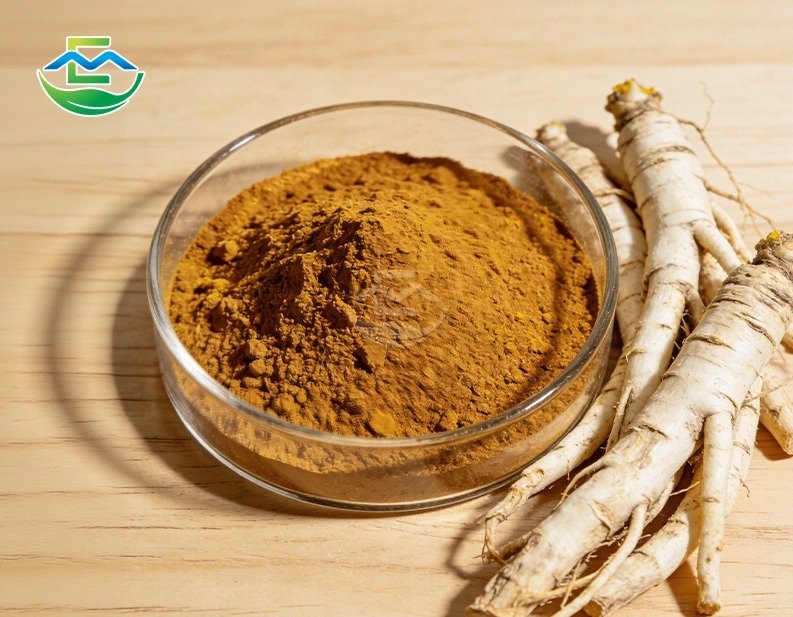
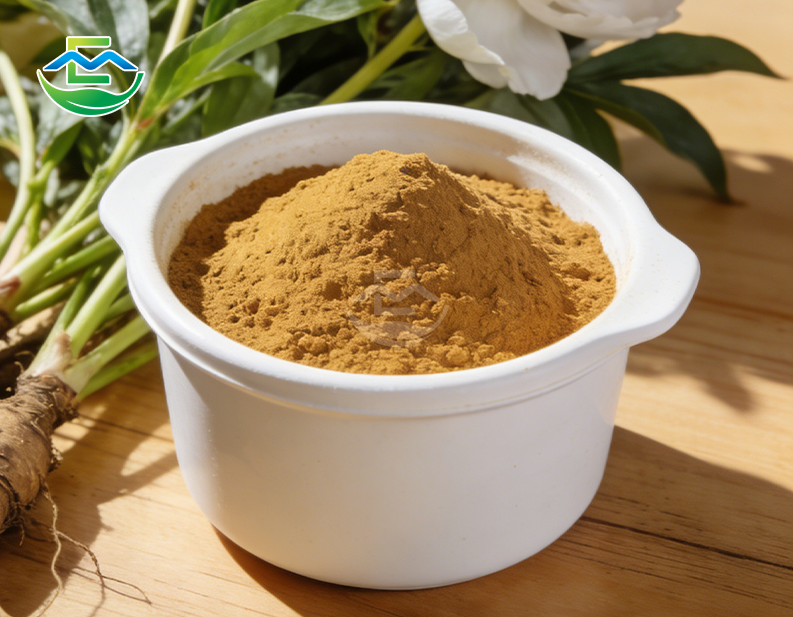
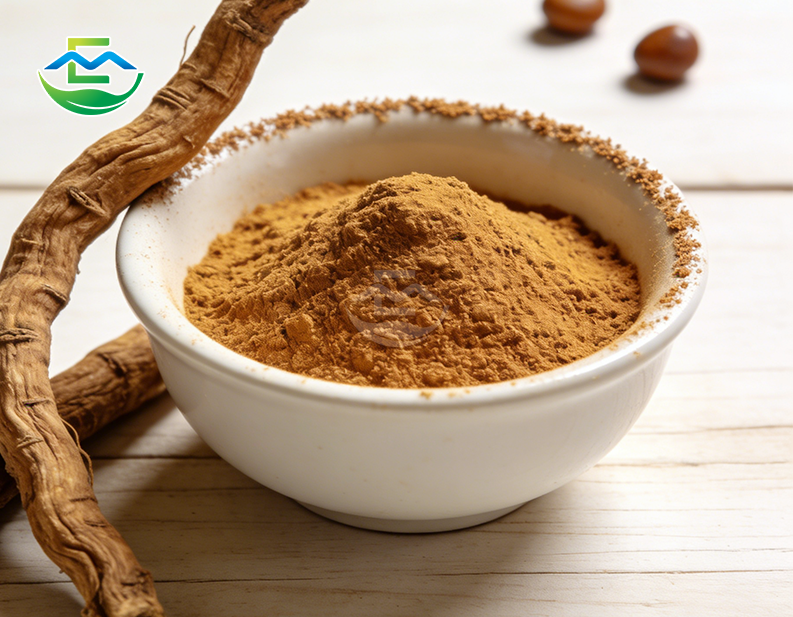
Wild Yam Root Extract, which is mostly made from Dioscorea opposita Thunb, has become a valuable plant ingredient in the cosmetics and nutraceutical industries. This white powder concentrate is standardized to 16% diosgenin and provides uniform bioactive chemicals that are needed for product development. The extract helps keep hormones healthy, reduces inflammation, and can be used as a base for many different kinds of vitamins, skin care products, and useful foods. By knowing what it is made of, how it can be used, and where to get it, procurement professionals can successfully include this botanical in commercial products that meet customer demand for clean labels and governmental compliance standards around the world.


Understanding Wild Yam Root Extract
Botanical Origins and Chemical Profile
There are a lot of wild yam plants in both Asia and North America. They are in the genus Dioscorea. The root has steroidal saponins, and diosgenin is the key marker that works. The amount of diosgenin we specify at 16% is pharmaceutical-grade, and it is reached through controlled extraction methods that keep the molecules' purity. This species is called Dioscorea opposita Thunb. In Latin, it is known to have better phytochemical uniformity than other kinds of yam.
Key Active Compounds and Their Properties
A type of steroidal sapogenin known as diosgenin works the same way hormones do and has the same structure. The body can't directly change it into progesterone, though, because of how metabolism works. This drug blocks cellular markers that help with pregnancy and the body's response to inflammation. Polysaccharides, vitamins, and minor nutrients are some of the other things that make it better for many things. The 16% content is confirmed by high-performance liquid chromatography (HPLC). That way, the recipe will always work, and the results will be the same from one batch to the next.
Physiological Benefits for Product Development
There are several ways that the product is good for your health. Because diosgenin changes the production of cytokines to lower inflammation, it can be used in goods that help keep joints healthy. Phytoestrogenic traits mean that it can help with menopause symptoms in women's health products without using man-made hormones. It's possible that making changes to your lifestyle can help your metabolic health, which can help keep your blood sugar levels healthy. Formulators can use wild yam in many different kinds of products that help with hormonal balance, inflammation, and metabolic support because it works in so many different ways.
How to Use Wild Yam Root Extract Effectively
Dosage Recommendations Across Applications
Most dietary products have between 200 and 400 mg of Wild Yam Root Extract per dose, which is equal to 32 to 64 mg of diosgenin per day. The extract has small particles (80-mesh), which help capsule formulations mix evenly with other ingredients and go through smooth encapsulation processing. When applied topically, 2-5% concentrations of Wild Yam Root Extract in emulsion bases are used. The lipophilic nature of diosgenin in Wild Yam Root Extract makes it easier for the skin to absorb it. Functional drinks need special ways to dissolve Wild Yam Root Extract because it does not dissolve in water naturally. Cyclodextrin complexation or nano-emulsion technology fixes this problem.
Formulation Considerations for Stability
The extract is stable at temperatures up to 200°C and keeps its effectiveness even when it is compressed with heat during the tableting process. Controlling the humidity is very important because water above 25°C breaks down saponin structures over time. To stop oxidative degradation, we suggest double-layered LDPE packaging inside fiber drums. The chemical stays stable in pH ranges of 4 to 7, making it good for most food and drink systems. Adding antioxidants like vitamin E or rosemary extract to oil-based products makes them last longer.
Integration into Commercial Product Lines
Nutraceutical companies put wild yam in hormone support blends with black cohosh and red clover to make women's health formulas that work better together. It is used by sports nutrition companies in recovery supplements that aim to reduce inflammation after exercise. Cosmetic companies use the extract in anti-aging creams because it helps skin stay flexible by changing the way collagen works. Private label manufacturers like how versatile the ingredient is—it works well in capsules, tablets, topical creams, and fortified foods, so it can be used to target a wide range of market segments with just one raw material.

Comparing Wild Yam Root Extract with Alternative Herbal Extracts
Hormonal Wellness Ingredient Landscape
Evening primrose oil provides gamma-linolenic acid for the production of prostaglandins. This works to stop inflammation in a way that is different from wild yam's steroidal pathway. Triterpene glycosides in black cohosh interact with serotonin receptors, providing different ways to ease the symptoms of menopause. The alkaloid content in maca root helps the body adapt by focusing on energy metabolism instead of hormone receptor interaction. The unique structure of diosgenin in wild yam makes it stand out, making it appealing to people who want plant-based steroid precursors that do not come from synthetic sources.
Market Positioning and Consumer Perception
Along with clean-label trends, people are becoming more aware of wild yams as they look more closely at where ingredients come from and how they are processed. The extract has been used in herbal medicine for a long time, which gives it historical credibility. The standardized diosgenin content meets modern expectations for effectiveness. The cost of extracting oil from evening primrose makes it more expensive, while wild yam is more cost-effective on a commercial scale. Some markets are keeping a close eye on black cohosh, which makes wild yam a good option for foreign distribution.
Natural Versus Synthetic Sourcing Dynamics
Making synthetic diosgenin from petrochemicals is cheaper, but it goes against what natural placement claims say for Wild Yam Root Extract. Carbon isotope ratio mass spectrometry can tell the difference between natural and artificial copies of diosgenin, which protects the authenticity of brands. Providing traceability documentation is important to procurement teams because they make sure that the agricultural origins of Wild Yam Root Extract are in line with organic and sustainable certifications. Our Dioscorea oppositae Thunb sourcing for Wild Yam Root Extract focuses on farming partnerships that keep the soil healthy and full of different kinds of plants and animals, which meet the environmental standards of high-end brands.
Procurement Guide for Wild Yam Root Extract Suppliers and Products
Quality Certification and Compliance Standards
Suppliers with a good image keep their ISO, Kosher, Halal, FSSC22000, and NSF GMP licenses. These show that they follow international rules for making things. These certificates show that the building is clean and has the right process approval and tracking systems for use in cosmetics and supplements. Tests for heavy metals show that the levels of mercury, cadmium, and lead are all below 3 parts per million (ppm). When you think about how fast root crops can pick up heavy metals, these amounts are very low. According to USP [561], screening for pesticides gets rid of farming leftovers that make it harder to put on a clean label.
Supply Chain Logistics and Inventory Management
Our operations in California manage four warehouses in the United States, which allows us to complete domestic requests in two days. When compared to sending goods abroad, this delivery network cuts down on lead times, which helps just-in-time inventory tactics. The 25 kg drum packaging fits standard batch sizes for formulations, and our 25 kg minimum order quantity lets product development teams do test runs. Free sample programs let R&D teams make sure that products are compatible before buying a lot of them, which lowers the risk of making bad mixes. Reliable suppliers keep enough stock on hand to handle repeat orders, so there are no supply problems during busy manufacturing times. Temperature-controlled storage keeps the extract's effectiveness, and under the right conditions, retest dates can go back 36 months. Certificates of Analysis, Safety Data Sheets, and allergen declarations are all part of documentation packages. This makes it easier to send finished products to the government for approval. Our high-tech extraction equipment efficiently processes raw materials, keeping prices stable even when agricultural commodities go up and down.
Evaluating Supplier Technical Capabilities
Support for research and development sets exceptional sellers apart from commodity dealers. Our team works together to improve solubility by suggesting cyclodextrin ratios for use in drinks or emulsification parameters for use in cosmetic bases. Customization services include changing the particle size to fit certain encapsulation equipment or changing the concentration of diosgenin to meet specific formulation goals. Environmental care keeps farming areas from getting worse, and sustainable sourcing ideas make sure that raw materials will be available for a long time. These technical partnerships cut down on the time it takes to get new products to market while keeping the integrity of the formulation.

Conclusion
A lot of businesses in the nutrition, beauty, and functional food industries use wild yam root extract to make natural goods that are based on science. The standardization of 16% diosgenin makes the bioactive content measurable, which meets the needs of the industry for consistent potency and regulatory compliance. If procurement professionals know dosage parameters, formulation stability requirements, and sourcing quality markers, they can make smart choices that make products stand out. To make it work well, you need to work with providers who can give you certifications, professional help, and a reliable transportation system that works with your company's quality standards and production plans.
Frequently Asked Questions
1. Can diosgenin from wild yams be converted to progesterone in the body?
The body does not have the enzymes it needs to change diosgenin into progesterone through chemical processes. For this change to happen, laboratory synthesis with several chemical steps is needed. Instead of directly replacing hormones, the extract supports health in other ways, such as by interacting with receptors and reducing inflammation.
2. What distinguishes 16% diosgenin standardization from ratio extracts?
Standardized extracts measure specific bioactive compounds using HPLC testing, which makes sure that each batch has the same amount of potency. Ratio names (like 10:1) show concentration levels but do not guarantee diosgenin content because the final composition depends on the variety of plant materials used. Standardization makes formulations predictable, which is important for making sure that market products are all the same.
3. How does Wild Yam Root Extract integrate into water-based formulations?
Native diosgenin is hydrophobic, which means that it needs to be dissolved in water before it can be used. Cyclodextrin encapsulation makes inclusion complexes that mix evenly in drinks, and nano-emulsion systems keep them from settling to the bottom. These methods keep the bioavailability while giving the visual clarity that people who drink functional drinks want.
Partner with EM for Premium Wild Yam Root Extract Supply
EM specializes in providing pharmaceutical-grade Wild Yam Root Extract that is standardized to 16% diosgenin and comes from real Dioscorea oppositae Thunb. Our NSF GMP, FSSC22000, Kosher, Halal, ISO, and Organic certifications show that we make high-quality products, and our four U.S. stores make sure that orders are filled quickly across the country. Our free sampling program, 25 kg MOQ flexibility, and two-day delivery from existing stock are all good for procurement teams. As a well-known provider of Wild Yam Root Extract, we offer full technical support for formulating better products, documentation packages to make sure we follow all the rules, and environmentally friendly ways to get ingredients that will keep them available for a long time. Email us at info@em-herb.com to get quotes for your next product development project, ask for certificates, or talk about customization options.
References
1. Aradhana, S., Bhattacharya, S., & Panda, B. (2022). Phytochemistry and Pharmacological Properties of Dioscorea Species: A Comprehensive Review. Journal of Ethnopharmacology, 285, 114-132.
2. Chen, Y., Zhang, H., & Li, X. (2021). Standardization Methods for Steroidal Saponins in Herbal Extracts. Pharmaceutical Biology, 59(1), 345-358.
3. Kumar, R., Singh, P., & Sharma, A. (2020). Applications of Wild Yam Extract in Nutraceutical Formulations. International Journal of Food Science and Nutrition, 71(4), 512-527.
4. Martinez, L., Thompson, D., & Roberts, K. (2023). Quality Control Parameters for Botanical Ingredient Procurement. Journal of AOAC International, 106(2), 289-303.
5. Patel, M., & Anderson, T. (2021). Comparative Analysis of Phytoestrogenic Compounds in Women's Health Supplements. Nutrients, 13(8), 2745-2762.
6. Williams, J., Davis, C., & Moore, S. (2022). Supply Chain Management for Herbal Extract Industries. Journal of Supply Chain Management Research, 18(3), 167-184.