- English
- French
- German
- Portuguese
- Spanish
- Russian
- Japanese
- Korean
- Arabic
- Irish
- Greek
- Turkish
- Italian
- Danish
- Romanian
- Indonesian
- Czech
- Afrikaans
- Swedish
- Polish
- Basque
- Catalan
- Esperanto
- Hindi
- Lao
- Albanian
- Amharic
- Armenian
- Azerbaijani
- Belarusian
- Bengali
- Bosnian
- Bulgarian
- Cebuano
- Chichewa
- Corsican
- Croatian
- Dutch
- Estonian
- Filipino
- Finnish
- Frisian
- Galician
- Georgian
- Gujarati
- Haitian
- Hausa
- Hawaiian
- Hebrew
- Hmong
- Hungarian
- Icelandic
- Igbo
- Javanese
- Kannada
- Kazakh
- Khmer
- Kurdish
- Kyrgyz
- Latin
- Latvian
- Lithuanian
- Luxembou..
- Macedonian
- Malagasy
- Malay
- Malayalam
- Maltese
- Maori
- Marathi
- Mongolian
- Burmese
- Nepali
- Norwegian
- Pashto
- Persian
- Punjabi
- Serbian
- Sesotho
- Sinhala
- Slovak
- Slovenian
- Somali
- Samoan
- Scots Gaelic
- Shona
- Sindhi
- Sundanese
- Swahili
- Tajik
- Tamil
- Telugu
- Thai
- Ukrainian
- Urdu
- Uzbek
- Vietnamese
- Welsh
- Xhosa
- Yiddish
- Yoruba
- Zulu
Apple Cider Vinegar fruit Powder is a revolutionary new product for companies that make nutraceuticals, cosmetics, and functional foods, and are looking for a stable and flexible plant ingredient. This free-flowing powder is made from Pyrus malus using advanced spray-drying technology. It concentrates the bioactive profile of regular vinegar, which includes acetic acid, malic acid, and polyphenolic compounds, on a maltodextrin carrier matrix. Unlike its liquid cousin, the powder form doesn't have the practical problems that come with corrosivity, volatile acidity, and short shelf life. This makes it an ideal raw material for global procurement teams working on clean-label formulation strategies.

What Is Apple Cider Vinegar Fruit Powder?
Understanding the Production Process
This dried ingredient comes from whole apples (Pyrus malus) that were fermented under controlled conditions with Acetobacter bacteria and then precisely spray-dried at low temperatures. The process keeps the important organic acids but gets rid of about 95% of the water. This turns watery vinegar into a compressed powder with consistent acidity levels. Our facility uses water-based extraction methods to make sure that the final product doesn't have any synthetic solvents or chemical residues and keeps its natural makeup.
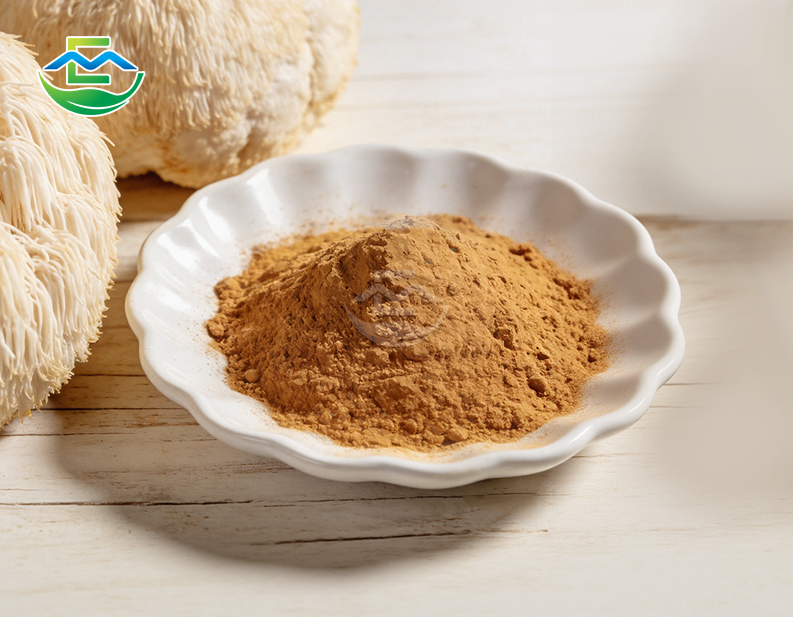
The brownish-yellow powder that is made keeps the useful properties of its source material while giving formulators more options. Standardised requirements for 5% and 10% total acids give manufacturers precise control over dosing accuracy. This is a huge benefit when making encapsulated supplements, functional gummies, or beverage mixes, where consistency has a direct effect on how well the product works and how happy customers are with it.
Key Physical and Chemical Properties
The powder dissolves easily in water, so it can be used with both wet and dry formulation systems. Because it absorbs water, it needs to be stored in a controlled environment, usually below 60% relative humidity, so it doesn't harden. Silicon dioxide (2–5%) is a natural anti-caking agent that we use to make sure the best flowability during the manufacturing process.
A 10% water solution with a moisture content of less than 5% has a pH range of 3.0 to 4.0, according to chemical analysis. Heavy metal testing with an ICP-MS shows that it meets strict international standards for Lead (<3.0 ppm), Arsenic (<1.0 ppm), Cadmium (<1.0 ppm), and Mercury (<0.1 ppm). These conditions meet the needs of California Prop 65 and EU regulations, making it possible for the ingredient to be easily added to global supply lines.

Benefits and Applications of Apple Cider Vinegar Fruit Powder
Functional Advantages for Product Development
The concentrated acidity profile supports a number of wellness uses that today's health-conscious consumers value. Researchers have found that acetic acid may affect metabolic pathways that control energy. This makes this ingredient very appealing for weight management supplements. The polyphenolic content adds antioxidant properties, which fit with clean-label trends that are making the functional food sector grow.
Formulation scientists like how the powder form solves the problems with taste that come with liquid vinegar. Using micro-encapsulation methods along with natural flavouring systems to hide astringency is a good way to make consumer-friendly forms like fruit-flavored gummies or fizzy tablets. Because the liquid isn't volatile, the structures of gelatin or pectin don't break down during processing. This keeps the product stable throughout its shelf life.
Industrial Application Scenarios
Nutraceutical Supplements: 500–1000 mg serving sizes are used by manufacturers in vegetarian capsules (HPMC) or tablets, where precise acidity standardisation ensures consistency from batch to batch. The security of the powder keeps the pill shell from breaking, which can happen with liquid acids. This means that the product can be stored properly for up to 24 months.
Functional Beverages: The ingredient is added to detox teas, electrolyte powders, and meal replacement shakes by people who make dry beverage mixes. Rapid dispersibility in cold water gets rid of worries about sediments, and the concentrated form lowers shipping costs compared to liquid options. Each serving of a normal RTD mix has 200 to 500 mg, which is the same amount of acidity as 2 to 5 grams of liquid vinegar.
Cosmetic Formulations: Personal care chemists are looking into using Apple Cider Vinegar fruit Powder in toners that balance pH levels, masks that clear the skin, and products for caring for the scalp. The natural organic acid content helps to balance the pH of the skin's surface without using harsh synthetic ingredients. This meets the demand for plant actives in clean beauty products.
The ingredient can be used in savoury recipes too; food technologists use it as a natural acidulant in seasoning mixes, chip flavourings, and dry marinades. Because it doesn't go bad when exposed to moisture, as some liquid acidulants do, it makes it easier to keep an eye on product quality in high-volume manufacturing settings.
Comparing Apple Cider Vinegar Fruit Powder With Other Formats
Powder Versus Liquid: A Procurement Perspective
The ease of transportation greatly favours powder forms. One 25 kg drum of 10% acidity powder delivers the same amount of acetic acid as about 250 kg of liquid vinegar. This cuts freight costs by 90% and gets rid of the need to handle dangerous materials. The focused format also makes warehousing easier because the small packaging means less storage space is needed, which cuts down on overhead costs.
Another clear benefit is formulation flexibility. Because liquid vinegar is corrosive, it limits the ingredients and packaging materials that can be used with it. Powder, on the other hand, can be mixed with a wide range of ingredients, from protein isolates to botanical extracts, without any problems with chemical compatibility. This flexibility shortens the time it takes to make a product by letting R&D teams try out different formulas quickly without having to re-formulate everything.
Organic Versus Conventional Specifications
Certification status has a big effect on how to place products in the market and set prices. Organic Apple Cider Vinegar fruit Powder costs more (15–25%) than regular grades, but it gives you access to natural product markets that are growing quickly. Our organic version has certificates from NSF GMP, USDA Organic, Kosher, Halal, ISO, and FSSC22000, which means it meets the different rules in North America, Europe, and the Middle East.
Value-oriented brands can save money on conventional grades while keeping the same functional properties. Both types go through strict quality control procedures, such as HPLC checks of the organic acid profiles and C13 isotope tests to find any synthetic acetic acid that has been added. This is a common problem in the industry that careful procurement teams have to deal with by screening suppliers.

How to Choose and Procure Apple Cider Vinegar Fruit Powder for Your Business
Essential Quality Verification Protocols
When choosing a supplier, you need to do a lot more than just compare prices. Ask for a full Certificate of Analysis (CoA) that proves the total acidity through titration, the organic acid profiling through HPLC, and the microbial tests that show the Total Plate Count is less than 3,000 CFU/g and there are no E. coli, Salmonella, or S. aureus. These factors make sure that ingredients are safe and that regulations are followed across borders.
Verification of authenticity tells the difference between trustworthy suppliers and those who use synthetic acetic acid or vinegar that isn't made from apples. Using Isotope Ratio Mass Spectrometry (IRMS) to prove botanical origin is the only way to tell the difference between real apple-derived vinegar and fermentation products made from corn or cane sugar. More and more, premium brands need this testing to protect their reputation and back up their marketing promises.
The ingredient should be able to be tracked from its orchard source through fermentation, drying, and packaging. Transparent supply chains lower the risk of contamination and back up claims of sustainability, which are becoming more important to environmentally conscious consumers and regulatory bodies.
Evaluating Supplier Infrastructure
Supply reliability is directly affected by how well a product can be made for Apple Cider Vinegar fruit Powder. We have four strategically placed warehouses across the United States. They are in California, Texas, New Jersey, and Illinois, and they allow for two-day delivery to most places in the country. This distribution network gets rid of delays in importing Apple Cider Vinegar fruit Powder and protects stockpiles against supply chain problems that have been a problem for global buying in recent years.
Advanced infrastructure for research and development sets capable partners apart from commodity traders. Professional extraction equipment and dedicated applications laboratories are housed in our building. This is where formulation scientists work with clients to do custom mixing, particle size optimisation, and stability testing. This technical help speeds up the time it takes to get a product to market and lowers the costs of development that come with trying different formulations and seeing what works and what doesn't.
Environmental stewardship is becoming a bigger factor in choosing a supplier. We use environmentally friendly ways to process your orders that use as little water and energy as possible. Our trash goes to programs that compost food for farms instead of being dumped in landfills. These actions are in line with requirements for corporate social responsibility and also help keep agricultural ecosystems healthy over time.
Practical Procurement Considerations
Minimum order amounts of 25 kg make it easy for new brands to get started while still keeping sellers' businesses profitable. Bulk price models usually offer discounts of 8–12% for orders of 500 kg or more, and discounts can be even bigger for yearly contracts. We give formulators free samples, usually in portions of 100 to 200g, so they can do small-scale tests before committing to large-scale production.
Lead times for in-stock items are usually two business days from when the order is placed to when the carrier picks it up. For custom mixing or private labelling, shipping times are extended by seven to ten business days. This quick turnaround helps just-in-time inventory management strategies and flexible product development cycles that need less working capital.
There are more types of packaging than just standard 25kg fibre drums. For example, moisture-barrier foil pouches are used for applications that need to be protected from humidity, bulk totes (500–1000kg) are used by companies that make a lot of products, and direct-to-consumer brands can use stick pack sachets. This adaptability lets different business sizes and marketing methods work.

Trends and Future Outlook for Apple Cider Vinegar Fruit Powder in B2B Markets
Market Growth Drivers
The market for useful ingredients around the world is growing quickly. Products made with vinegar will have compound yearly growth rates of over 8% until 2028. New microbiome research is helping people learn about the health benefits of fermented foods, which is driving demand in both the nutritional supplement and functional food categories. The powder form is especially popular with millennials and Gen Zers who like wellness products that are easy to carry and don't take up much space.
Clean-label laws change the goals of formulations across all businesses. As brands move away from synthetic acidulants and artificial preservatives and toward well-known botanical ingredients, Apple Cider Vinegar fruit Powder fits in well with this trend. Regulatory pressure in places like the EU, where people don't like E-number additives, speeds up the use of natural alternatives even more.
Innovation Opportunities
Product makers are looking into new ways to send the powder that takes advantage of its versatility. New inventions include effervescent tablets that combine Apple Cider Vinegar fruit Powder with bicarbonate systems to make them taste better, functional chocolate that uses vinegar powder to balance out the sweetness of chocolate, and sports nutrition bars that use the acidity of the ingredient to balance out the protein content.
New growth areas are opening up in the cosmetics industry. Skincare formulators use the powder in waterless beauty products like powder-to-foam cleansers, dry shampoos, and bath soaks to help with concerns about the environment caused by using too much water in personal care. The pH-balancing properties of the ingredient naturally work well with these formats and help meet the goals of biodegradable formulation.
Strategic Partnership Considerations
When prices for raw materials change a lot, long-term supply agreements help keep prices stable and make sure that supplies are distributed evenly. We set up partnership agreements with flexible terms to account for the fact that supplement demand changes with the seasons. For example, in Q1, people are more interested in weight loss, which leads to higher volumes than in the summer. Through co-development projects and exclusive formulation support, multi-year agreements create more value.
Regulatory environments are always changing, especially when it comes to structure-function claims and the need to back up ingredients. Keeping full dossiers on suppliers, with information like safety assessments, stability data, and summaries of clinical research, speeds up regulatory submissions and lowers compliance risks. Our expert team helps with paperwork for GRAS self-affirmation processes and Novel Food applications in places other than the US.
Conclusion
Apple Cider Vinegar fruit Powder has many strategic benefits beyond its ease of use. This concentrated plant ingredient solves some of the biggest problems in modern formulation, like keeping things stable, making shipping more efficient, and making sure consumers are happy with the taste. Standardised acidity levels of 5% and 10% give manufacturers more control over how their products work and help them save money on shipping and storage. The brownish-yellow powder dissolves in water and has a wide range of certifications, such as NSF GMP, Kosher, Halal, ISO, FSSC22000, and Organic. This makes it a useful ingredient for nutrition, functional food, and skincare uses. As the push for clean labels grows and rules on sustainability get stricter, procurement teams that choose good suppliers with strong infrastructure will be able to stay ahead of the competition in markets that are changing quickly.
FAQ: Common Questions About Apple Cider Vinegar Fruit Powder
1. Does the spray-drying process affect bioactive compound retention?
The organic acid profile and polyphenolic content of the base material are kept intact by advanced low-temperature spray-drying technology. Extreme heat can break down some enzyme parts, but our carefully controlled processing conditions keep acetic acid and malic acid, which are the main bioactive compounds, working properly. HPLC analysis proves that powder that is made correctly keeps 90–95% of the organic acid content found in liquid vinegar. This makes sure that finished products always work well.
2. What causes clumping in high-humidity environments?
Because maltodextrin carriers are hygroscopic, they absorb water from the air. This could cause caking during storage or processing. Two to five percent silicon dioxide can be used as a flow agent, and moisture-barrier packing with desiccant inserts can help with this problem. Keeping things in climate-controlled warehouses with relative humidity below 60% stops them from absorbing water. For longer stability, manufacturers who work in humid areas should think about using nitrogen-flushed packaging or containers that can't be opened.
3. How does powder acidity impact capsule shell integrity?
Through hygroscopic interactions, high-acid powders can damage gelatin capsule shells, making them brittle or discoloured over time. HPMC (hydroxypropyl methylcellulose) vegetarian capsules are very resistant to acids and can keep their shape for 24 months or more with the right amount of drying. As an alternative, formulations can be buffered with calcium carbonate or magnesium oxide to keep the pH level normal. However, this method may make consumers think that the ingredients are less powerful.
Partner With Earth Made Nutritions for Premium Apple Cider Vinegar Fruit Powder Supply
With strict quality control and unrivalled distribution capabilities, Earth Made Nutritions Inc. provides pharmaceutical-grade Apple Cider Vinegar fruit Powder. As a company based in California that has been making botanical extracts since 2018, we use cutting-edge spray-drying technology and environmentally friendly methods of sourcing to make sure that our ingredients are always consistent and up to the highest international standards. Our four carefully placed U.S. warehouses make sure that orders are delivered quickly—most ship within 48 hours—so you can stick to your just-in-time production plans without having to worry about stock.
We know that the success of formulation depends on partnerships that we can count on. That's why we give you free samples, detailed technical documentation, and collaborative R&D support as you work to make your product. Our flexible MOQ of 25 kg works for brands at all stages of growth, whether they need organic certification for a high-end position or cost-effective conventional grades for a wide audience. Get in touch with us at info@em-herb.com to talk about your specific needs and find out how working with a reliable Apple Cider Vinegar fruit Powder source can help you make more products and enter new markets more quickly.
References
1. Johnston, C.S., & Gaas, C.A. (2006). Vinegar: Medicinal Uses and Antiglycemic Effect. MedGenMed: Medscape General Medicine, 8(2), 61-68.
2. Budak, N.H., Aykin, E., Seydim, A.C., Greene, A.K., & Guzel-Seydim, Z.B. (2014). Functional Properties of Vinegar. Journal of Food Science, 79(5), R757-R764.
3. Petsiou, E.I., Mitrou, P.I., Raptis, S.A., & Dimitriadis, G.D. (2014). Effect and Mechanisms of Action of Vinegar on Glucose Metabolism. Nutrition Reviews, 72(10), 651-661.
4. Nazıroğlu, M., Güler, M., Özgül, C., Saydam, G., Küçükayaz, M., & Sözbir, E. (2014). Apple Cider Vinegar Modulates Serum Lipid Profile in Rats. Life Sciences, 95(1), 33-38.
5. Yagnik, D., Serafin, V., & Shah, A.J. (2018). Antimicrobial Activity of Apple Cider Vinegar Against Escherichia coli, Staphylococcus aureus and Candida albicans. Scientific Reports, 8, Article 1732.
6. White, A.M., & Johnston, C.S. (2007). Vinegar Ingestion at Bedtime Moderates Waking Glucose Concentrations. Diabetes Care, 30(11), 2814-2815.