- English
- French
- German
- Portuguese
- Spanish
- Russian
- Japanese
- Korean
- Arabic
- Irish
- Greek
- Turkish
- Italian
- Danish
- Romanian
- Indonesian
- Czech
- Afrikaans
- Swedish
- Polish
- Basque
- Catalan
- Esperanto
- Hindi
- Lao
- Albanian
- Amharic
- Armenian
- Azerbaijani
- Belarusian
- Bengali
- Bosnian
- Bulgarian
- Cebuano
- Chichewa
- Corsican
- Croatian
- Dutch
- Estonian
- Filipino
- Finnish
- Frisian
- Galician
- Georgian
- Gujarati
- Haitian
- Hausa
- Hawaiian
- Hebrew
- Hmong
- Hungarian
- Icelandic
- Igbo
- Javanese
- Kannada
- Kazakh
- Khmer
- Kurdish
- Kyrgyz
- Latin
- Latvian
- Lithuanian
- Luxembou..
- Macedonian
- Malagasy
- Malay
- Malayalam
- Maltese
- Maori
- Marathi
- Mongolian
- Burmese
- Nepali
- Norwegian
- Pashto
- Persian
- Punjabi
- Serbian
- Sesotho
- Sinhala
- Slovak
- Slovenian
- Somali
- Samoan
- Scots Gaelic
- Shona
- Sindhi
- Sundanese
- Swahili
- Tajik
- Tamil
- Telugu
- Thai
- Ukrainian
- Urdu
- Uzbek
- Vietnamese
- Welsh
- Xhosa
- Yiddish
- Yoruba
- Zulu
To get the best Coconut Water Powder for making products that need top hydration ingredients, you need to look at how it is processed, its electrolyte profile, and how reliable the seller is. This detailed guide helps people who work in buying find high-quality wholesale coconut water powder that has a real flavour, a confirmed potassium level, and regular batch performance. Whether you're making clean-label supplements, functional drinks, or sports nutrition formulas, it's important to know the technical requirements, certification requirements, and capabilities of your suppliers. This way, you can make sure that your sourcing decisions are in line with regulatory standards and product effectiveness goals, while also keeping prices low and the supply chain stable.


Introduction
Functional food, drink, and nutraceutical firms desire high-concentration hydration ingredients that survive on the shelf; therefore, coconut water powder is in great demand worldwide. A dried functional ingredient from young green coconut juice (Cocos nucifera L.). It's simpler to transport than liquids and offers health-conscious clients' preferred natural electrolytes.
Because coconut water powder is cheaper to transport than heavier liquid mixtures and lasts longer, buying it in bulk saves money and makes it simpler to monitor. Manufacturers use standard ingredient standards to ensure consistency in formulation performance.
This purchasing guide discusses top considerations for R&D directors, formulation managers, and supply chain specialists seeking coconut water powder wholesale providers. Quality standards, licensing requirements, provider skills, and application-specific selection criteria affect product development success. We examined technical characteristics, price, minimum order quantities, and logistics to assist you in sourcing in competitive marketplaces.
Understanding Coconut Water Powder: Benefits, Composition, and Uses
What Defines Premium Coconut Water Powder
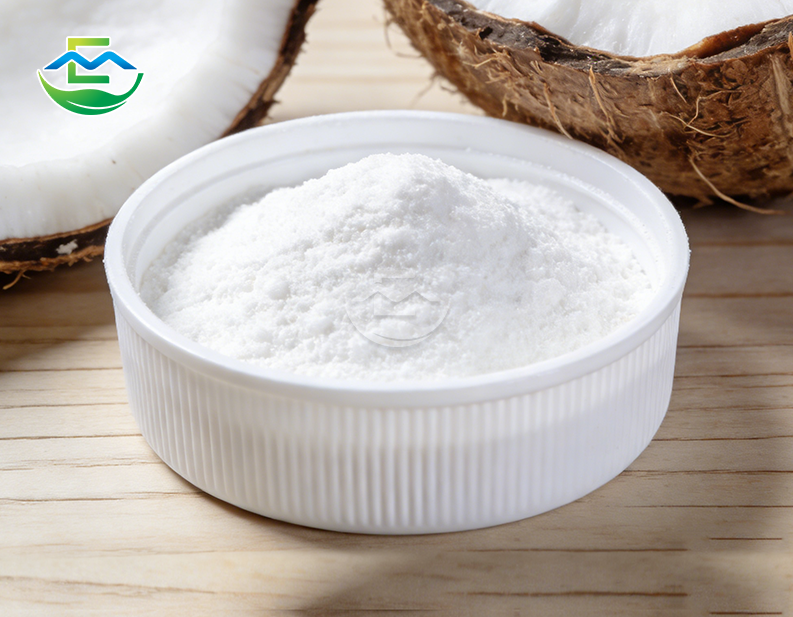
Premium coconut water powder is fresh coconut juice that has been dried using cutting-edge technologies to make it more concentrated. Different types of freeze-drying, like lyophilization and spray-drying, can keep the electrolytes and volatile flavor chemicals that are naturally found in raw coconut water. The powder has magnesium, sodium, and calcium that are already in it, and it also has between 3,000 mg and 4,000 mg of potassium per 100 g. This backs up its claims of useful drinking.
The process starts with carefully choosing young, green coconuts. The liquid is then extracted right away to keep it from going bad. Good manufacturers use processing methods that don't use solvents and keep the natural pH range of 4.5 to 5.5 when the product is reconstituted. The white, milky fine powder that is made is very good at dissolving, and it is usually processed to 60–80 mesh so that it can be mixed right away in cold liquids.
Distinguishing Coconut Water from Coconut Milk Powder
Being aware of the main difference between these things will help you figure out where to find them. The clear liquid inside young coconuts is used to make coconut water powder. It doesn't have much fat, and the electrolytes are balanced. Copra, which is cooked coconut meat, has a lot more fat and medium-chain triglycerides (MCTs). This is where coconut milk powder comes from. They both come from the same plant, Cocos nucifera L., but they are very different in what they are good for, how helpful they are, and what they are used for. In this case, when a product says it has 70% MCT content, it means that it has powders made from coconut milk instead of pure coconut water concentrates.
Nutritional Profile and Functional Benefits
High-quality coconut water powder naturally balances electrolytes to provide real hydration support. The ingredient can be quickly reconstituted, which lets formulators make drinks that hydrate you right away, sports nutrition products that are ready to mix, and useful supplement mixes. Organic certification is useful for companies that want to use clean labels and make claims about natural products.
The low moisture content (usually less than 4.0%) keeps the product stable while it is being stored and shipped, which addresses common worries about how hygroscopic substances behave. Manufacturers like how the free-flowing properties make it easy to integrate automated processing equipment without problems with caking.
Industrial Applications Across Sectors
Best Coconut Water Powder is used by companies that make functional drinks, electrolyte drinks, healing recipes, and tropical-flavored hydration products. Because the ingredient is naturally sweet, it doesn't need as much extra sugar and still tastes like real coconut. It is used by sports nutrition companies in pre-workout, intra-workout, and post-workout recovery products for athletes who want to naturally replenish their electrolytes.
Nutraceutical businesses use the minerals in coconut water powder to make wellness-focused products like capsule fillings, powder mixes, and even gummy vitamins. Because the powder can stay stable in a range of pH environments and work with different carriers, it is useful for product makers who work with a wide range of application forms.

Top Supplier Evaluation Criteria and Market Considerations
Essential Quality Parameters for B2B Procurement
When considering wholesale sellers, procurement teams need to put a number of important quality indicators at the top of their list. ICP-MS testing confirms the authenticity of electrolyte profiles and finds possible fraud by checking the potassium content. Moisture analysis makes sure that the powder stays stable at levels below 4.0%, which stops microbes from growing and keeps it from clumping while it's being stored.
Testing for solubility at 4°C shows how well it works in ready-to-drink situations where customers want the ingredients to dissolve right away without settling to the bottom. Particle size distribution analysis confirms consistent mesh specifications that have an effect on how the product feels in the mouth, how well it mixes, and how well it works with manufacturing equipment. Microbial limits must show that the Total Plate Count is less than 1,000 CFU/g, and tests for pathogenic organisms like Salmonella and E. coli must be negative. IRMS and other advanced methods of identification can find economic adulteration, which happens when cheaper sugar sources are used to dilute real coconut water powder. With this testing ability, you can tell the difference between high-end suppliers who care about product integrity and low-end sources that use too many carriers or synthetic additives.
Certification Requirements and Compliance Standards
Products that are going to be sold in the U.S. have to follow Good Manufacturing Practices (GMP) standards and FDA rules. The NSF GMP certification is a third-party check of the quality systems used in manufacturing. This is especially helpful for supplement use. FSSC22000 certification shows that a food safety management system is following the rules. This eases concerns about the risk of contamination and tracking.
Organic approval (USDA Organic or EU Organic versions) comes with higher prices, but it lets products have clean labels, which health-conscious customers want more and more. Kosher and Halal approvals make it easier for people with certain dietary needs to get goods on the market. ISO certifications show that a quality management system is mature and works consistently. Earth Made Nutritions Inc. has been based in California since 2018 and has a lot of different certifications, such as NSF GMP, FSSC22000, Kosher, Halal, ISO, and Organic. These licenses show dedication to quality assurance programs, which is important for procurement workers who don't like taking risks.
Supply Chain and Logistical Considerations
For sample assessment and small-scale trials, the minimum order quantity (MOQ) is usually 25 kg. However, the best prices are found when you buy in bulk at the pallet or container level. Lead times vary a lot depending on how the inventory is managed. When suppliers keep stock in U.S. warehouses, they can offer second-day pickup, which makes the supply chain much simpler than when goods are imported directly.
Packaging standards affect how stable a product is and how easy it is to handle. Standard 25 kg fibre drums protect goods well during travel and make keeping track of inventory easier. For certain manufacturing needs or private label uses, some suppliers offer custom packaging configurations. Reliable providers have more than one warehouse in key areas to serve major production regions. Having access to four major U.S. warehouses speeds up response times and lowers freight costs. This is especially helpful when managing just-in-time inventory systems or dealing with sudden spikes in demand.

How to Choose the Best Coconut Water Powder for Your Business Needs
Aligning Product Specifications with Application Requirements
For sports nutrition products, ingredients need to dissolve quickly and have real flavours that don't clash with other ingredients in complicated mixes. If you choose the best Coconut Water Powder with a low carrier content (below 15%), the electrolyte density per serving will be higher. Manufacturers of drinks care most about flavour consistency and clarity when reconstituting, which is why freeze-dried versions are better, even though they cost more.
When supplement formulators use encapsulation technologies, they need to make sure that the particles are a certain size and that they flow smoothly through automated equipment. The amount of moisture is especially important in hygroscopic formulas, where too much water activity can cause stability problems. For cosmetic uses, the purity levels must be pharmaceutical-grade, and the limits on microbes must be higher than food-grade requirements. When you compare coconut water powder to synthetic electrolyte blends, you can see that the clean-label appeal and how consumers see the product are better. Natural sources of potassium have marketing benefits that man-made mineral blends can't match, even though they work just as well. This makes premium positioning strategies more useful in supplement markets where competition is high.
Quality Assurance and Supplier Reliability Assessment
More than certifications are needed to evaluate source quality systems. Request Certificate of Analysis (CoA) documents from recent manufacturing batches to verify that specifications meet marketing. Check the testing techniques to ensure business-standard scientific rigour. For in-house testing, suppliers should demonstrate frequent third-party validation.
Visit your suppliers' facilities or get extensive facility documentation regarding their equipment, production capacity, and contamination prevention. Knowing how raw materials are acquired might reveal supply chain weaknesses. Suppliers that deal directly with coconut processors in the source nations have a steadier supply than spot market buyers. Evaluations should include technical help skills. Suppliers with competent R&D teams may aid with formulation, advise on application-specific adjustments, and promptly address manufacturing issues. Often, this technological cooperation is worth more than modest price variations between vendors.
Strategic Procurement and Partnership Development
To get good terms, you need to know how the market works and how much suppliers charge. When you commit to buying in bulk for multiple shipments, you can get big savings and make good use of your working capital. Some suppliers offer flexible payment terms or consignment plans to long-term customers who show they buy from them often. Diversification strategies must be weighed against the benefits of building relationships in order to avoid supplier risks. By choosing two main suppliers for important ingredients, you can protect yourself against supply problems while still keeping enough volume with each seller to get special service. Secondary sources shouldn't just be back-ups in case of an emergency; they should also go through the same qualification processes.
When you have a long-term relationship with a seller, you can give them priority during shortfalls, get new goods early, and work together to make unique specs. When suppliers put effort into their relationships with customers, they help with application support, market information, and keeping customers up to date on new rules. This reduces the need for internal resources.

How to Use and Store Coconut Water Powder Effectively
Reconstitution Methods and Application Techniques
For reconstitution, the powder-to-water ratio should be between 1:8 and 1:10, but it may need to be changed depending on the use, taste, and electrolyte strength. Gently mixing powder with liquid stops it from sticking and makes sure it's fully hydrated. Reconstitution with cold water is a good way to test the quality of a product because it works well for premium powders that don't need to be heated.
Pre-hydration breaks up powder into tiny quantities of water before diluting it to the final concentration for beverages. This approach eliminates sedimentation and clarifies goods. Choosing the correct mixing tools affects performance. High-shear mixers hasten dissolution but may overaerate certain formulations. When supplement businesses blend the best Coconut Water Powder with additional ingredients, they must consider how the particle sizes will interact and how to prevent separation during processing. Hygroscopic chemicals require climate-controlled facilities to avoid water absorption, which may affect flow and weight measurement.
Storage Protocols for Bulk Quantities
To keep the quality of the powder, strict weather controls are needed. To keep things from absorbing water, storage places should keep the temperature below 25°C and the relative humidity below 60%. Sealed containers keep out moisture from the air, which is especially important after opening bulk drums for the first time.
If you store it properly, it should last for 24 months, but if you open a jar, you should eat it within six months to keep the best flavour. Using first-in, first-out (FIFO) inventory movement keeps old items from being stored for too long. Regular quality checks of stored inventory find any signs of wear and tear before they affect production. Checking visually for changes in colour, clumping, or strange smells is an early sign that quality is getting worse. Testing important factors like moisture content, solubility, and microbial limits on a regular basis proves that storage is working well and helps with lot tracking paperwork.
Quality Control Practices for Manufacturing Operations
Supplier CoA correctness is verified by random testing of key requirements during incoming ingredient verification. Before manufacturing, this procedure detects specification deviations. Quarantine prevents non-conforming materials from entering manufacturing until proof is complete.
In-process monitoring monitors powder mixing to ensure consistent reconstitution performance throughout manufacturing cycles. The completed product should undergo expedited stability testing to anticipate its performance and identify formulation issues. Retailers and governments are pushing traceability requirements. These demands are met by lot number, production date, and test result documentation systems. Integrating supplier documentation with internal quality records in digital systems simplifies compliance checks and speeds up quality evaluations.
Conclusion
You must balance quality, source reliability, and purpose-specific performance to obtain the finest Coconut Water Powder. Premium products exceed legal requirements in many markets due to their stable electrolyte profiles, high solubility, and comprehensive certification. Procurement strategies must concentrate on supplier agreements that offer technical assistance, a solid supply chain, and competitive costs via strategic volume commitments.
Comprehensive supplier evaluations that go beyond product standards help manufacturers. Quality systems, manufacturing capabilities, and logistics infrastructure are also examined. Finding reputable suppliers saves time and money by reducing formulation issues, supply interruptions, and product development times due to technical competence.
Frequently Asked Questions
1. What distinguishes coconut water powder from coconut milk powder?
Coconut water powder comes from the clear liquid inside young coconuts. It has a lot of potassium (3,000–4,000 mg/100g) and not much fat, which makes it perfect for products that focus on electrolytes. Coconut milk powder is made from processed coconut flesh that has a much higher fat content, usually 70% MCT. It can be used in a variety of ways in food recipes and for nutritional purposes.
2. How does organic certification benefit hydration product development?
Organic certification lets companies use clean labels, which appeal to health-conscious customers who are looking more closely at where ingredients come from. The high cost of certified organic coconut water powder is due to strict farming rules that don't allow fake fertilisers and pesticides. Brands that want to sell natural products in stores that focus on health and wellness can gain a competitive edge by choosing organic ingredients that are in line with what customers value and want to buy.
3. What kind of shelf life should procurement teams expect for bulk quantities?
Coconut water powder stays fresh for 24 months if it is kept in sealed containers at controlled temperatures (below 25°C and below 60% relative humidity). Once a container is opened, it should be eaten within six months because exposure to air moisture changes the flavour and solubility over time. Suppliers who keep their stock in climate-controlled U.S. warehouses deliver fresher goods with longer shelf lives than those who ship them internationally, which takes longer.
4. Can coconut water powder integrate into cosmetic formulations?
Cosmetic-grade coconut water powder is made to meet stricter purity standards and microbial limits that are needed for use on the skin. The natural humectant qualities and mineral content of the ingredient back up claims that it keeps skin moist. Before going into mass production, formulators should make sure that the seller is certified for cosmetic uses and test the stability of the ingredients within certain pH ranges and preservative systems.
Partner with Earth Made Nutritions for Premium Coconut Water Powder Supply
Earth Made Nutritions Inc. sells high-quality coconut water powder and has numerous certifications and a domestic warehouse system that makes buying easier for companies that make supplements and drinks. Our operations in California combine cutting-edge research and development with strict quality control systems that make sure that every batch of products meets the same standards. As a well-known company that sells the best Coconut Water Powder, we keep four key warehouses in the U.S. that allow for quick fulfilment and second-day pickup for in-stock items.
Our 25kg MOQ allows for initial samples and small-scale trials. Qualified product developers who are testing the performance of our ingredients can get free samples. Technical support teams help by giving advice based on the application, which helps make formulations work better and cost less. Our NSF GMP, FSSC22000, Kosher, Halal, ISO, and Organic certifications help you meet legal requirements when making sports nutrition items, functional drinks, or wellness supplements. Email our ingredient experts at info@em-herb.com to talk about the details of your project, get bulk pricing information, or set up a sample evaluation. Find out why Earth Made Nutritions is the best place to buy premium coconut water powder because we care about quality, the environment, and building relationships with our customers.
References
1. Smith, J.R. and Thompson, L.K. (2021). "Electrolyte Composition and Stability Analysis of Dehydrated Coconut Water Products." Journal of Food Science and Technology, 58(4), 1432-1441.
2. Martinez, P.A., Chen, W., and Rodriguez, M. (2022). "Processing Technologies for Coconut Water Powder: Impact on Nutritional Quality and Functional Properties." International Journal of Food Engineering, 18(2), 89-103.
3. Anderson, K.L. (2020). "Quality Control Methodologies for Natural Hydration Ingredients in Sports Nutrition." Nutraceutical Science and Technology, 15(3), 267-282.
4. Williams, D.S. and Kumar, R. (2023). "Sourcing Strategies for Plant-Based Functional Ingredients: A B2B Procurement Perspective." Supply Chain Management in Food Industries, 12(1), 45-62.
5. Patterson, M.E., Lee, S.H., and Foster, J.C. (2021). "Authentication Methods for Detecting Adulteration in Coconut-Derived Powder Ingredients." Food Analytical Methods, 14(6), 1156-1168.
6. Brown, T.G. and Singh, A.K. (2022). "Application Characteristics of Coconut Water Powder in Beverage and Supplement Formulations." Food Technology and Innovation Review, 9(4), 312-328.