- English
- French
- German
- Portuguese
- Spanish
- Russian
- Japanese
- Korean
- Arabic
- Irish
- Greek
- Turkish
- Italian
- Danish
- Romanian
- Indonesian
- Czech
- Afrikaans
- Swedish
- Polish
- Basque
- Catalan
- Esperanto
- Hindi
- Lao
- Albanian
- Amharic
- Armenian
- Azerbaijani
- Belarusian
- Bengali
- Bosnian
- Bulgarian
- Cebuano
- Chichewa
- Corsican
- Croatian
- Dutch
- Estonian
- Filipino
- Finnish
- Frisian
- Galician
- Georgian
- Gujarati
- Haitian
- Hausa
- Hawaiian
- Hebrew
- Hmong
- Hungarian
- Icelandic
- Igbo
- Javanese
- Kannada
- Kazakh
- Khmer
- Kurdish
- Kyrgyz
- Latin
- Latvian
- Lithuanian
- Luxembou..
- Macedonian
- Malagasy
- Malay
- Malayalam
- Maltese
- Maori
- Marathi
- Mongolian
- Burmese
- Nepali
- Norwegian
- Pashto
- Persian
- Punjabi
- Serbian
- Sesotho
- Sinhala
- Slovak
- Slovenian
- Somali
- Samoan
- Scots Gaelic
- Shona
- Sindhi
- Sundanese
- Swahili
- Tajik
- Tamil
- Telugu
- Thai
- Ukrainian
- Urdu
- Uzbek
- Vietnamese
- Welsh
- Xhosa
- Yiddish
- Yoruba
- Zulu
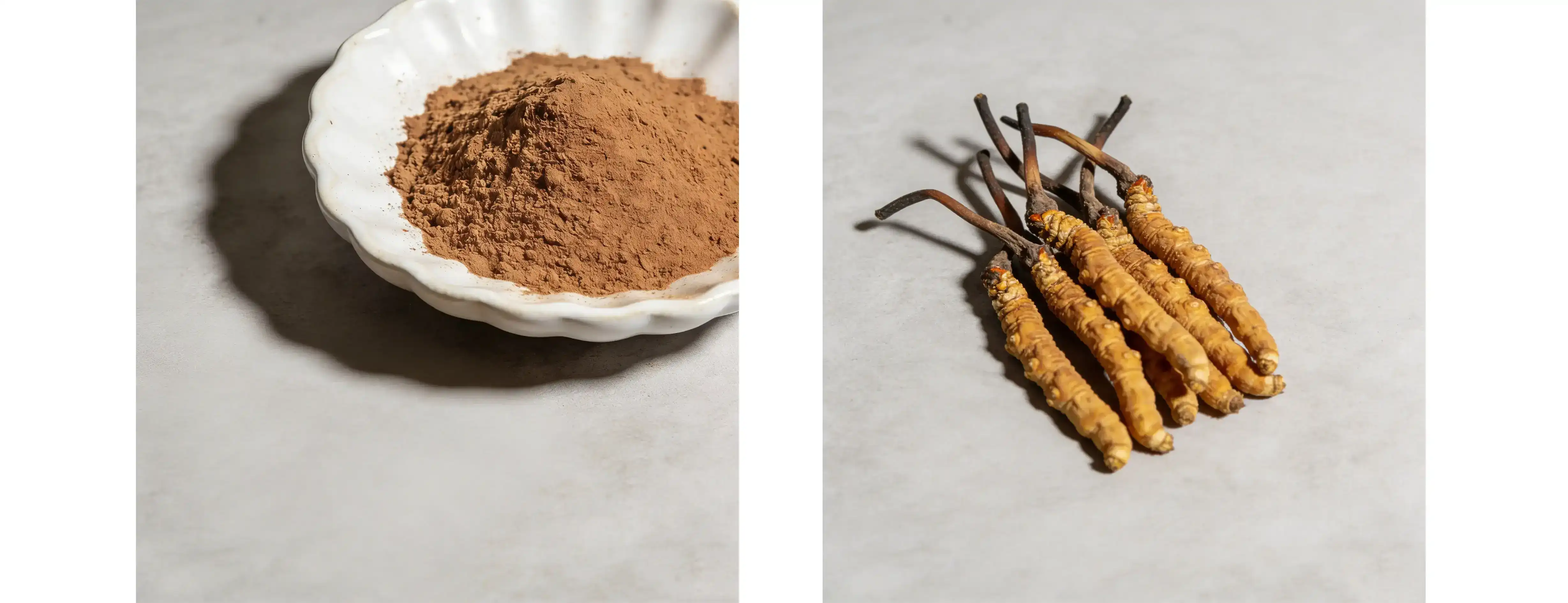
Cordyceps sinensis extract has emerged as a transformative ingredient for B2B procurement professionals seeking natural solutions to meet consumer demand for energy and performance enhancement. This fungal extract, standardized to 30-50% polysaccharides and derived from mycelium using water and ethanol solvents, delivers consistent bioactive profiles that address formulation challenges across nutraceuticals, functional foods, and sports nutrition. With a brownish-yellow appearance and proven stability, this extract offers manufacturers the reliability and efficacy needed to differentiate products in competitive markets while aligning with clean-label trends.
Understanding Cordyceps Sinensis Extract: Composition and Benefits
Natural Origin and Bioactive Profile
Cordyceps sinensis, which is the formal name for the cordyceps fungus, has been used for hundreds of years in traditional medicine. Industrial-grade products are made by growing mycelium instead of gathering it from the wild. This makes them sustainable and free of heavy metals and other environmental pollutants. The dual-solvent extraction method, which uses both water and ethanol, gets the most out of both hydrophilic and lipophilic substances. This makes a dense powder that is high in polysaccharides, adenosine, cordycepin, and antioxidant molecules.
Key Bioactive Compounds
Polysaccharides are what make Cordyceps sinensis extract work, and the amount that is usually used in market products is between 30 and 50 percent. These complicated sugars help control the immune system and make cells use energy. Adenosine, a nucleoside component, helps cells use air more efficiently and make ATP. Scientists are interested in cordycepin, an adenosine analog that has been chemically changed, because of how it interacts with molecules in cellular communication. By standardizing these chemicals, formulation scientists can guess how the product will behave and make sure that there is stability from batch to batch.
Mechanisms Supporting Energy and Performance
The ability of Cordyceps sinensis extract to improve performance comes from a number of different biological processes. The operation of mitochondria is supported by polysaccharides, which may lead to better energy output in cells. Adenosine changes the body's ability to take in oxygen, which is important for formulas that aim to improve physical endurance. The antioxidants help control the reactive stress that comes from working out hard. These processes back up claims made about products in the sports nutrition and adaptogenic supplement areas.
Safety Considerations and Dosage Parameters
A good profile is seen when Cordyceps sinensis extract is used in the suggested dosage amounts. Depending on the quantity and purpose, most supplementation plans recommend 500 to 3000 mg per day. Because it doesn't contain any drugs, it can be used by a wide range of people. Enzymatic tests should be used by formulation teams to make sure that there are no added grain bases or starch fillers, since these impurities lower the bioactive density and effectiveness.
Comparing Cordyceps Sinensis Extract with Alternatives and Products
Cordyceps Sinensis versus Cordyceps Militaris
Both Cordyceps sinensis and Cordyceps militaris products are often used by people in procurement. They are both cordyceps, but Cordyceps sinensis has a higher market value because of its historical importance and unique biological profile. It is easier to grow Cordyceps militaris on grain surfaces, which could lower costs but raises worries about the non-fungal polysaccharide content. DNA verification through barcoding makes sure that the product is real and stops substitutions that could hurt the product's placement.
Product Format Considerations
For business-to-business uses, the extract powder version gives you the most options. Unlike consumer goods that come in capsules, bulk powder lets manufacturers control the exact dose, mix it with ingredients that work well together, and choose the best delivery methods. Spray-dried powder with particles smaller than 80 mesh makes sure that the pill-filling equipment works well and that the powder is evenly distributed in beverage mixtures. The 25kg drum packing standard makes it easier for businesses to handle products while keeping them stable.
Organic Certification and Purity Standards
Cordyceps sinensis extract that has been approved as organic meets the needs of the growing "clean label" market. Certifications like USDA Organic, Kosher, Halal, NSF GMP, FSSC22000, and ISO standards back up marketing claims and make sure products are safe for use in all foreign markets. These certificates check the methods used for growing, the purity of the extraction solvent, and the lack of any chemicals that aren't allowed. To lower legal risks, procurement teams should give preference to sellers with full portfolios of certificates.
Market Positioning Factors
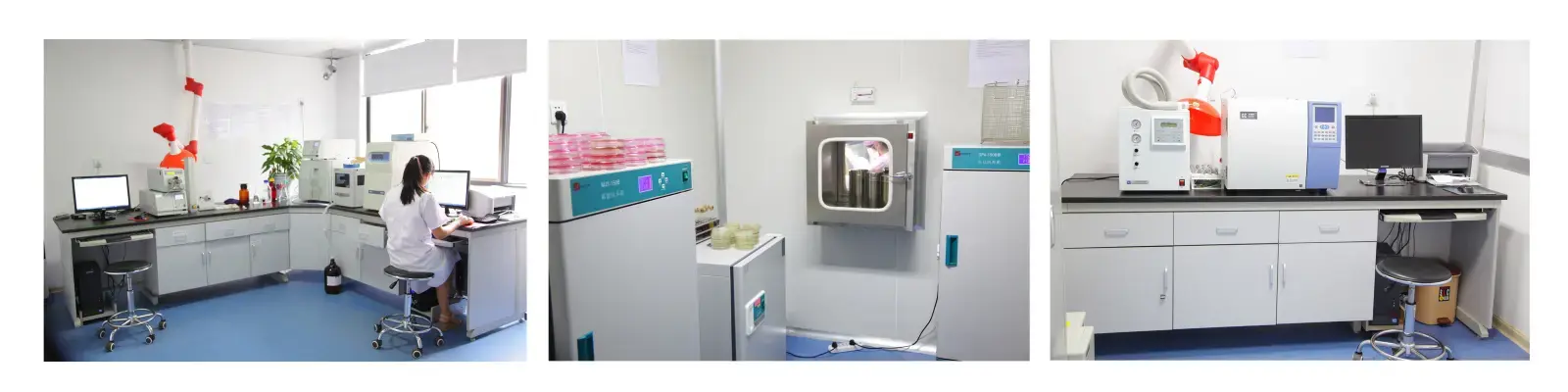
Several things decide a supplier's business viability when looking at cordyceps mushroom powder. The bioactive strength and dose effectiveness are directly related to the concentration of polysaccharides. Using HPLC to measure adenosine content is a good way to tell the difference between concentrated extracts and simple powdered mycelium. Heavy metal standards (Lead <2ppm, Arsenic <1ppm, Cadmium <1ppm, and Mercury <0.1ppm) must be met by brands that want to be seen as high-end. Microbiological factors, such as a Total Plate Count of less than 1,000 cfu/g, make sure that the product stays stable over its entire shelf life.

Procurement Guide: Sourcing High-Quality Cordyceps Sinensis Extract
Strategic Sourcing Channels
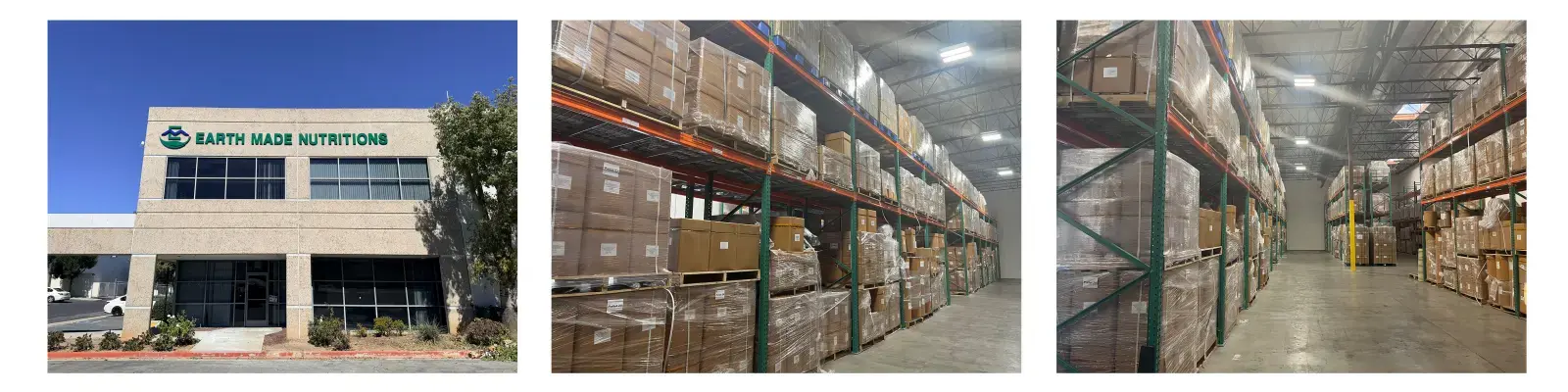
Vertically integrated providers who manage the growing, extraction, and quality control processes are good for business-to-business buyers. Earth Made Nutritions Inc. has its own modern center in California with cutting-edge extraction tools. This makes sure that everything can be seen and tracked, from the raw materials to the finished extract. With four regional warehouses spread out across the US, fast delivery is possible with a two-day wait time for in-stock materials. This meets the needs of agile makers who need to keep inventory at just the right level.
Supplier Qualification Criteria
Thoroughly evaluating suppliers is the first step to successful buying. Key requirements include proof of following current Good Manufacturing Practices (GMPs) from the FDA, third-party approvals (NSF GMP, FSSC22000), and written batch testing methods. Suppliers should give Certificates of Analysis that show the amounts of adenosine and polysaccharides measured by UV spectrophotometry, heavy metals found by ICP-MS, and microbes tested. Export capability paperwork makes sure that customs handling goes smoothly and that regulations are followed.
Price Determinants and Value Assessment
The price of Cordyceps sinensis extract depends on more than just the cost of the raw materials. The amount of polysaccharides has a big effect on unit costs; for example, to meet a 50% standard, more biomass is needed than to meet a 30% standard. Due to restrictions on farming, organic approval drives up prices. Minimum order quantities (MOQs), which are usually 25 kg for wholesale deals, balance the costs of keeping goods with savings for buying in bulk. Offering free samples lets you test the recipe before committing to it, which lowers the development risks.
Building Long-Term Partnerships
Sustainable purchase methods focus on building relationships instead of just buying things. The goals of corporate social responsibility are met when suppliers show they care about the earth and use safe farming methods. Technical support services, such as formulation advice and stability tests, are useful during the whole process of making a product. Regular contact about crop times, inventory levels, and market trends makes it possible to plan ahead and make the supply chain more resilient.
Practical Application: How to Use Cordyceps Sinensis Extract for Optimal Energy and Performance
Formulation Dosage Guidelines
To effectively integrate Cordyceps sinensis extract, you need to think about the concentration and transport method. In sports nutrition, each dose usually has 1000 to 1500 mg of 30 to 50 percent polysaccharide extract, which gives the body a lot of bioactive exposure. Higher amounts may be used in pre-workout mixes along with adaptogens that work well with them. 500 mg to 1000 mg per day is a common daily dose for general health vitamins. When choosing between single and split daily dosing methods, OEM clients should think about how well the end user will follow the rules.
Synergistic Ingredient Combinations
Cordyceps sinensis extract works well with a number of different useful ingredients. When combined with rhodiola or ashwagandha, it makes adaptogenic products that work on a wide range of stressor pathways. Adding B-vitamin combinations to the powder helps the body use energy more efficiently. Adding CoQ10 or PQQ makes the placement of mitochondria stronger. When combined with green tea extract or coffee fruit, Cordyceps sinensis extract can be used to make natural energy items that people like.
Quality Control Throughout Production
Keeping the purity of the extract takes care throughout the making process. The hygroscopic powder can break down if the humidity level goes above the acceptable range while it is being stored. Tests for blend consistency make sure that dosing is the same from one production run to the next. Testing the finished product should confirm the claimed amount of polysaccharides and look for any possible pollution that may have been added during processing. Shelf life in real-life distribution can be predicted by studies of stability under rapid conditions.
Labeling and Marketing Considerations
Labels that are easy to read help consumers believe brands and make sure they follow the rules. Quality can be communicated by the clear identification of Cordyceps sinensis extract with polysaccharide standardization. People want easy processes, so telling them about the extraction solvents (water and ethanol) is a good idea. Marketing claims should talk about how the extract has been used in the past and how it has been proven to work by current science, without exaggerating the results. Structure-function lines need to be carefully looked over by lawyers to make sure they are legal in all places.
Conclusion
Cordyceps sinensis extract is a highly proven ingredient that meets the needs of both consumers and businesses that need to make sure their products are always of high quality. It's a great choice for companies making competitive product lines because it has a standard polysaccharide content, a wide range of certifications, and a supply chain that has been shown to be reliable. Earth Made Nutritions Inc. uses cutting-edge extraction technology and smart U.S.-based storage to provide quick service and high quality. Procurement workers who want to add real Cordyceps sinensis extract to their product lines will benefit from relationships that put an emphasis on openness, rigorous testing, and environmentally friendly methods.
FAQs About Cordyceps Sinensis Extract for B2B Buyers
1. What quality benchmarks define premium cordyceps extract?
The carbohydrate content of premium Cordyceps sinensis extract is at least 30–50%, as shown by UV spectrophotometry, and the adenosine levels are above 0.2%, as shown by HPLC analysis. Heavy metal pollution must stay below strict limits (Arsenic <1ppm, Lead <2ppm). This is especially important because cordyceps can take in and store soil pollutants. The Total Plate Count for microbes should be less than 1,000 cfu/g and meet pharmaceutical-grade standards. DNA barcoding makes sure that the species is real, so cheaper options or goods made from grains that look like pure fungal extract can't be used instead.
2. How does cordyceps extract compare with synthetic energy ingredients?
When compared to manufactured drugs, Cordyceps sinensis extract works in a very different way. Instead of giving a short-term boost by activating the central nervous system, the extract helps cells make energy through mitochondrial routes and use oxygen more efficiently. This makes a performance-enhancing profile without the tolerance building or energy swings that come with steroid chemicals. Cordyceps sinensis extract is good for products that are aimed at wellness-conscious people who want to support their energy levels because it contains polysaccharides and adenosine, which have long-lasting benefits that are in line with adaptogenic principles.
3. Why are organic certifications valuable in international procurement?
Organic approval has many benefits for buyers besides just looking good. Certification procedures make sure that farming does not use synthetic herbicides or illegal substances, which lowers the risk of pollution. Documentation makes it easier to clear customs and follow the rules in different places where import requirements are different. The audit record for approval shows that the supply chain can be tracked, which is important for brands that value honesty. Consumer studies regularly show that people are willing to pay more for approved organic supplements. This helps the product's positioning and its ability to make a profit.
Partner with EM for Premium Cordyceps Sinensis Extract Supply
Earth Made Nutritions Inc. is ready to be your reliable source for Cordyceps sinensis extract. They have quality control facilities in California and a flexible delivery network in the United States. Our extract from mycelium is standardized to 30–50% polysaccharides and approved by NSF GMP, FSSC22000, Kosher, Halal, ISO, and Organic programs. It gives your products the consistency they need. We can work with both new names and well-known makers because we have four regional warehouses that guarantee two-day fulfillment and a 25kg minimum order amount. Free samples let you try out a recipe without any risk before making a pledge. Our R&D team gives expert advice to help make sure that new products are developed well. You can talk to our sourcing experts at info@em-herb.com about your Cordyceps sinensis extract needs, ask for Certificates of Analysis, or set up sample packages that show our dedication to quality excellence and supply reliability.
References
1. Chen, S., Li, Z., Krochmal, R., Abrazado, M., Kim, W., & Cooper, C. B. (2010). Effect of Cs-4 (Cordyceps sinensis) on exercise performance in healthy older subjects: a double-blind, placebo-controlled trial. Journal of Alternative and Complementary Medicine, 16(5), 585-590.
2. Zhu, J. S., Halpern, G. M., & Jones, K. (1998). The scientific rediscovery of an ancient Chinese herbal medicine: Cordyceps sinensis. Journal of Alternative and Complementary Medicine, 4(3), 289-303.
3. Ng, T. B., & Wang, H. X. (2005). Pharmacological actions of Cordyceps, a prized folk medicine. Journal of Pharmacy and Pharmacology, 57(12), 1509-1519.
4. Parcell, A. C., Smith, J. M., Schulthies, S. S., Myrer, J. W., & Fellingham, G. (2004). Cordyceps sinensis (CordyMax Cs-4) supplementation does not improve endurance exercise performance. International Journal of Sport Nutrition and Exercise Metabolism, 14(2), 236-242.
5. Manabe, N., Sugimoto, M., Azuma, Y., Takata, M., Matsushita, T., & Kinoshita, K. (1996). Effects of the mycelial extract of cultured Cordyceps sinensis on in vivo hepatic energy metabolism in the mouse. Japanese Journal of Pharmacology, 70(1), 85-88.
6. Holliday, J. C., & Cleaver, M. P. (2008). Medicinal value of the caterpillar fungi species of the genus Cordyceps: Analysis of the historical evidence. Journal of Alternative and Complementary Medicine, 14(5), 455-467.